TensorNova
TensorNova
TensorNova
Engineered for mission-critical reliability, thermal efficiency, and high throughput.
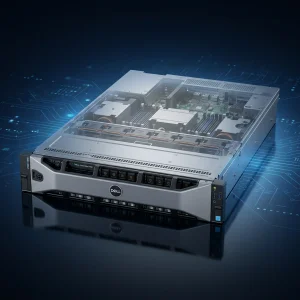
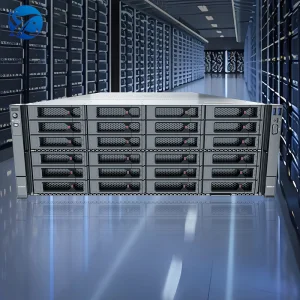
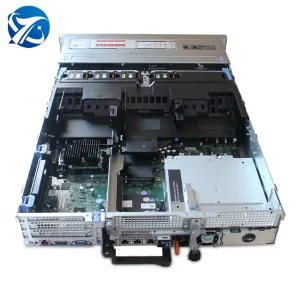
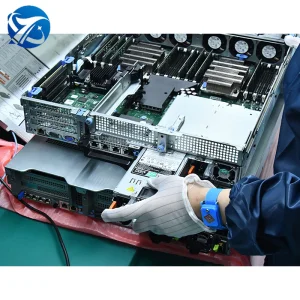
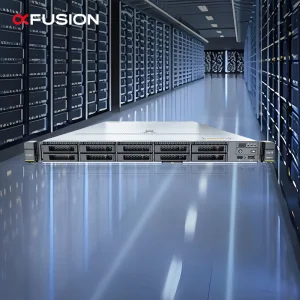
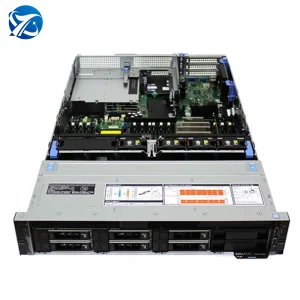
The traditional concept of a "home lab" has fundamentally shifted. Once limited to decommissioned consumer desktops or low-power single-board computers, today's home lab environment regularly supports advanced multi-tenant hypervisors, ZFS-based storage pools, localized Large Language Models (LLMs) such as DeepSeek, and high-density container orchestration platforms. This paradigm shift demands hardware that offers enterprise-level security, ECC memory reliability, remote IPMI out-of-band management, and high PCIe lane configurations—all while operating safely within domestic regulatory, noise, and power envelopes.
As a global pioneer in AI infrastructure integration and server manufacturing, TensorNova bridges the gap between commercial data center scale and decentralized local environments. Drawing on 12 years of core compute and AI validation experience, we specialize in delivering CE-certified, optimized server hardware designed to execute demanding computing routines in domestic, edge, and laboratory settings safely and efficiently.
Deploying rack-mountable server equipment inside residential spaces poses specific risks that standard datacenter environments do not present. A certified CE mark guarantees that the systems meet rigorous European health, safety, and environmental protection standards under the following direct directives:
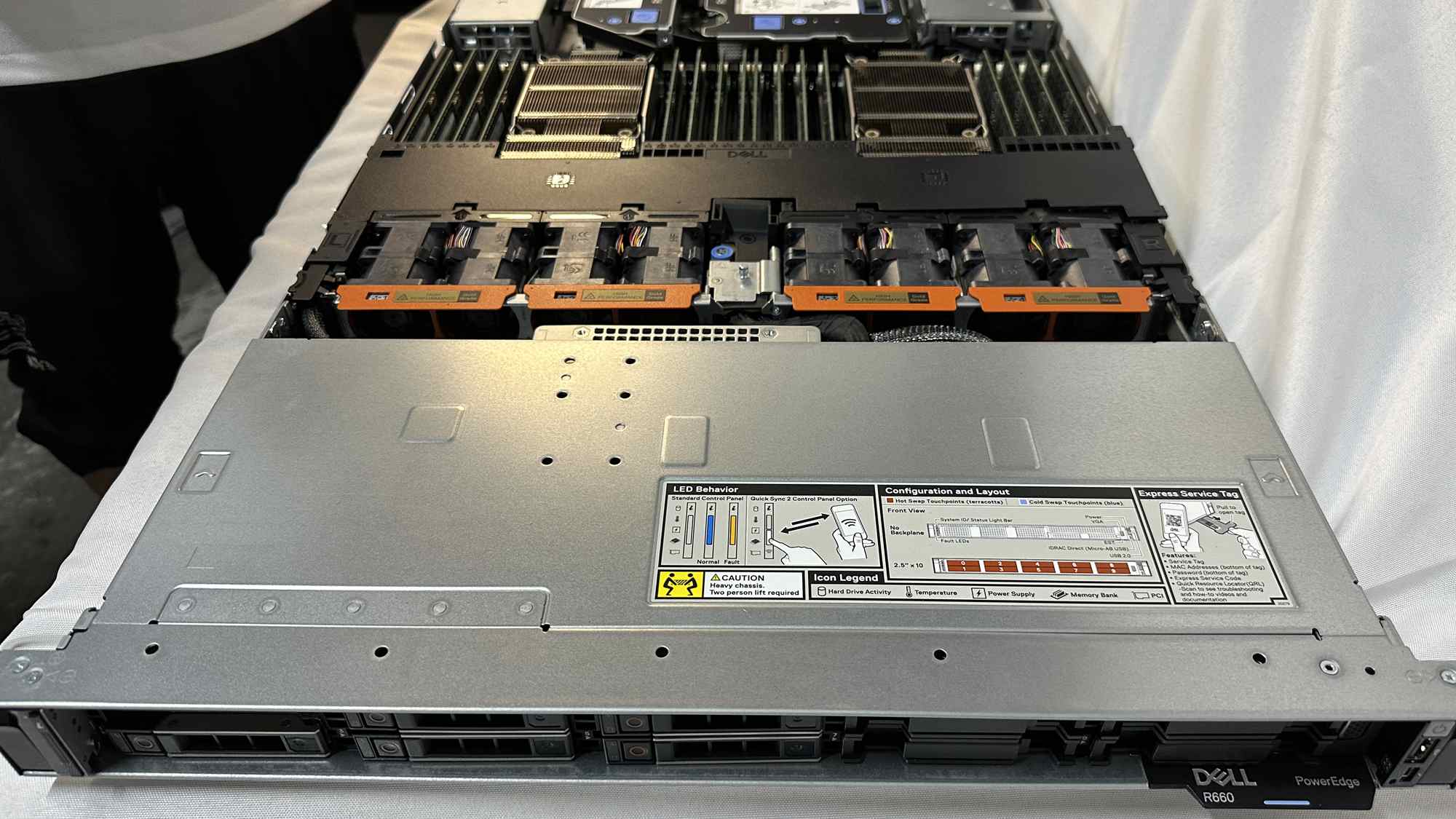
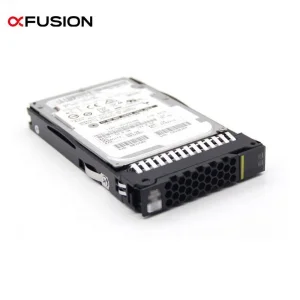
Buying from non-certified exporters presents severe insurance liability risks for home operators. In the event of a power fault or thermal failure, non-certified hardware can invalidate residential fire insurance claims. Our CE-certified platforms from Dell PowerEdge, xFusion, and our customized GPU compute lines are audited and guaranteed for residential and commercial installation.
Enterprise data centers are engineered for cooling efficiency and continuous acoustics of 80 dBA or higher. When running these platforms in a domestic basement, office, or closet, several crucial hardware modifications are required:
Standard home outlets (e.g., European 230V Schuko or North American 115V NEMA 5-15R) are limited to 15A or 20A configurations. Data center servers with dual 2000W PSUs can trip standard residential breakers if workloads surge. Through IPMI-level power capping or BMC (Baseboard Management Controller) profile limits, operators can configure the upper thresholds of Xeon and GPU workloads, locking maximum power draws to safe operating limits (e.g., 500W-800W) without compromising structural integrity.
Standard enterprise server firmware ramps fan speeds to 100% capacity upon boot or when detecting PCIe expansion cards. We supply platforms configured with optimized BIOS/UEFI settings and IPMI profiles that allow customized fan curves, reducing sound levels down to 40-50 dBA during nominal virtualization workloads while maintaining safe delta temperatures across the CPU cores and storage backplanes.
| Feature Parameter | Commercial Data Center Standard | Optimized Home Lab Environment | Technological Implementation Method |
|---|---|---|---|
| Acoustic Level | 70 dBA - 85 dBA (Unrestricted) | 40 dBA - 52 dBA (Acoustic Low-Noise) | Custom BMC/IPMI fan curve adjustment and fan-shroud optimization. |
| Input Voltage | 3-Phase 380V - 480V AC | Single-Phase 110V - 240V AC | CE-certified auto-ranging redundant Titanium PSUs (96% efficiency). |
| GPU Computing | SXM5 / High-Thermal Cooled Rails | PCIe Passive/Active GPU Form Factors | Custom dual-chamber airflow dividers and custom bracket positioning. |
| Storage Interfaces | Direct SAS4 / NVMe U.3 Fabric | SATA SSD / SAS3 HDD / M.2 PCIe | Hardware RAID controllers with supercapacitor-backed write cache. |
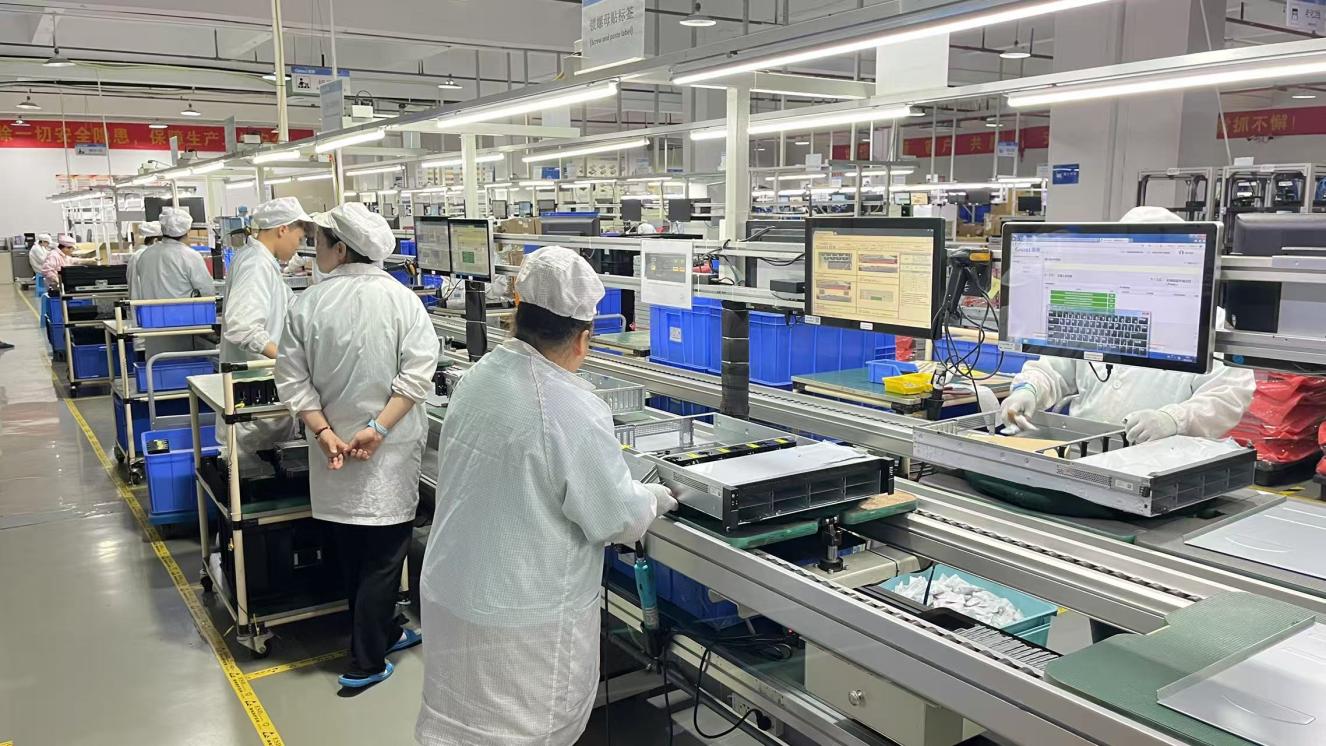
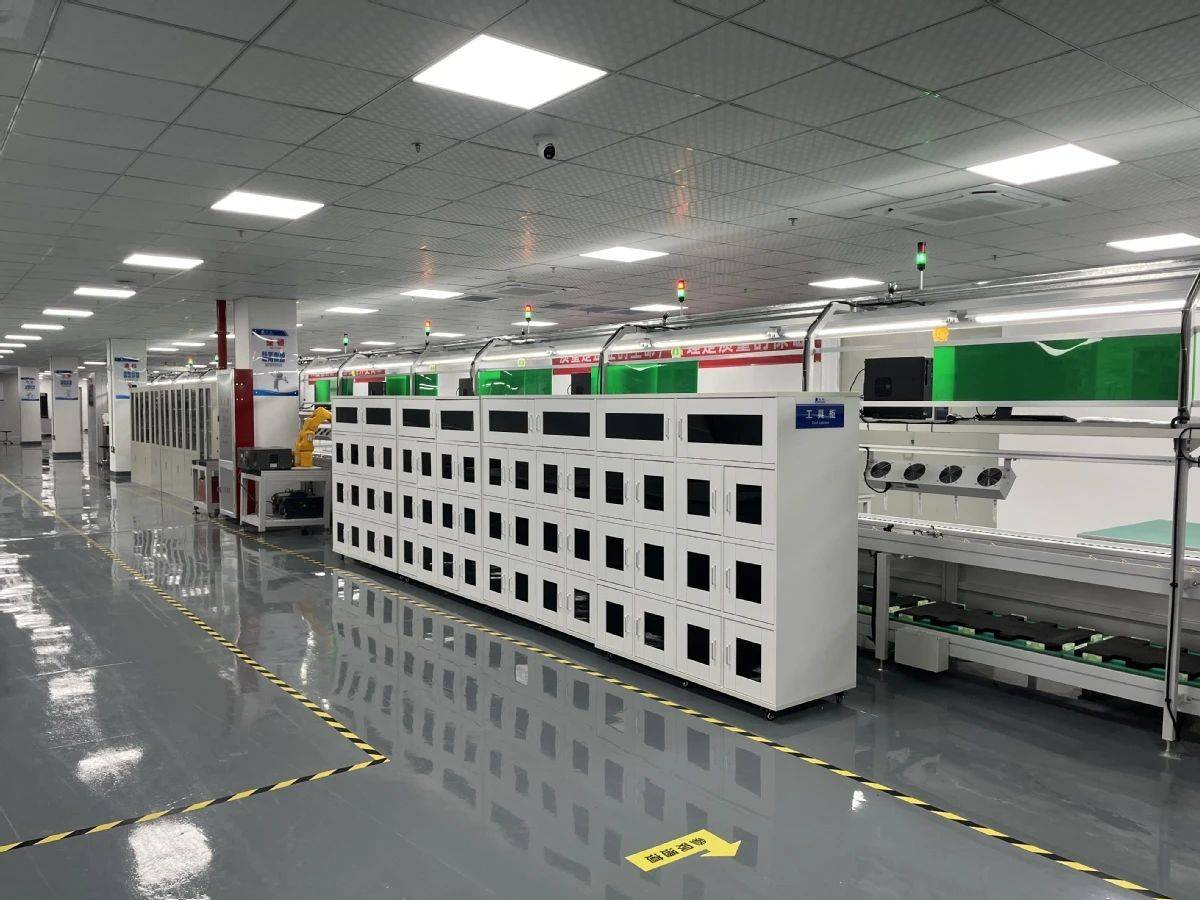
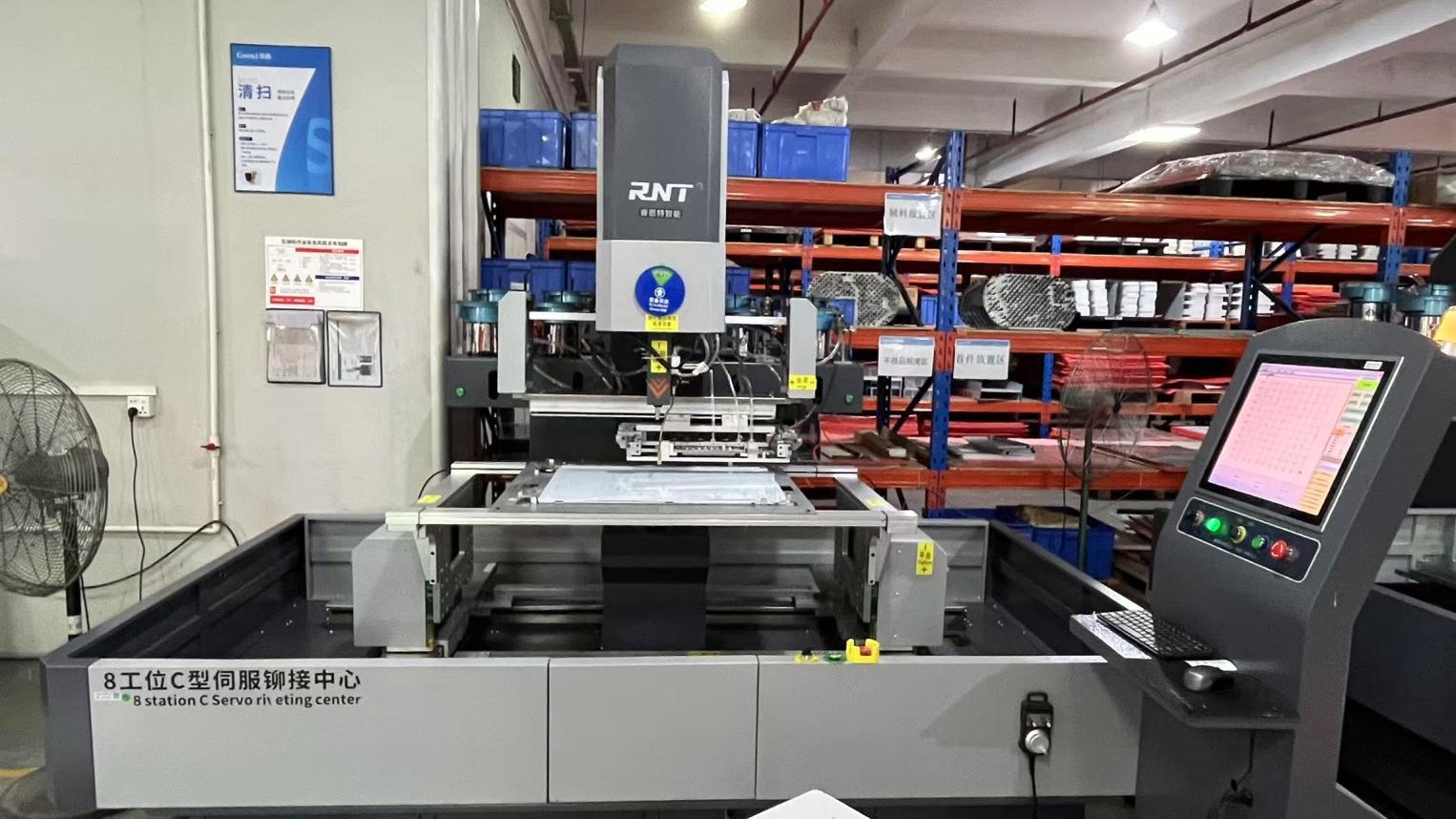
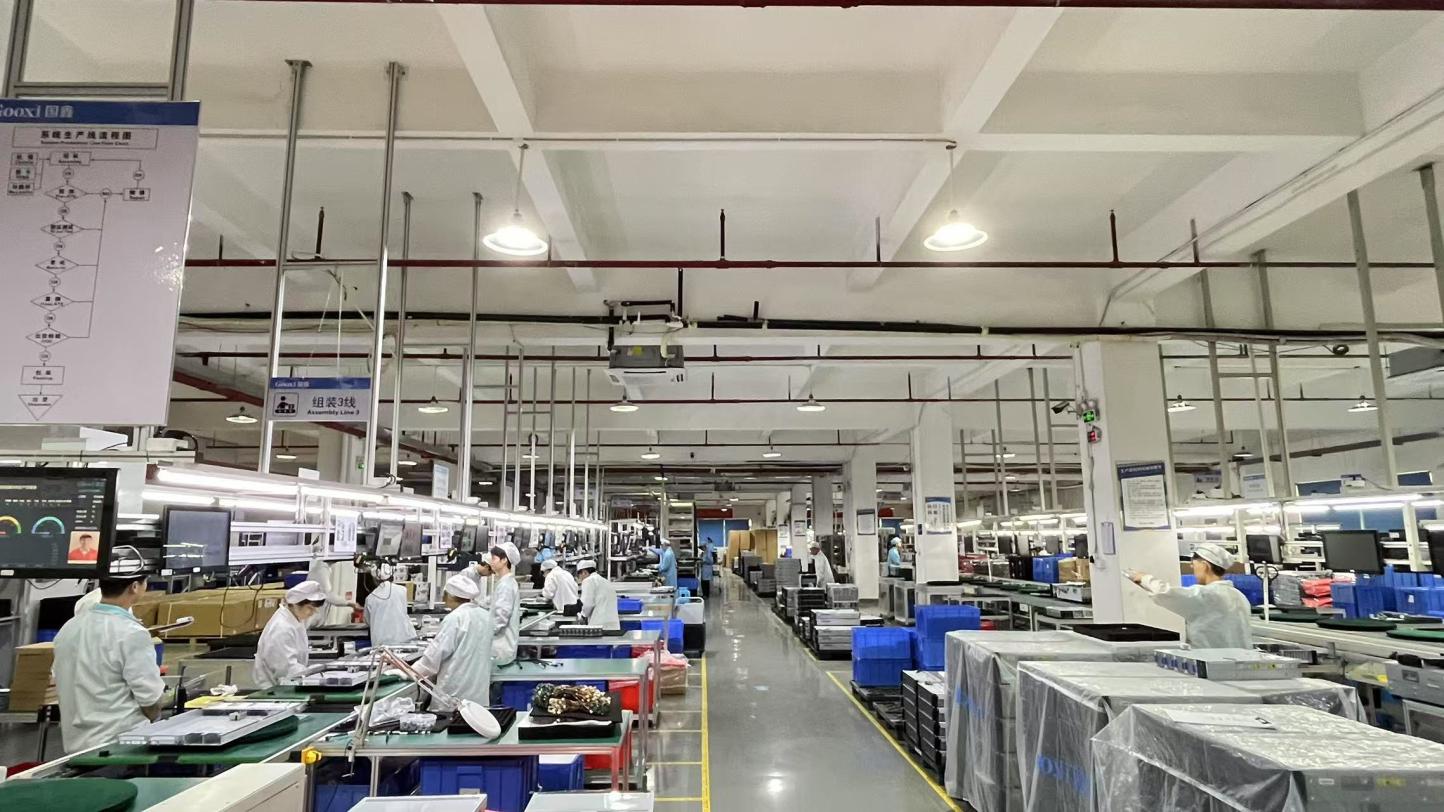
TensorNova operates out of a modernized industrial node in China. Leveraging a robust local electronics ecosystem, we manage a tightly integrated supply network exceeding 1,200 verified hardware vendors. While our physical high-density integration floor spans 320㎡ for precise assembly, tuning, and testing, it is supported by a large network of component suppliers and partners. This enables us to maintain an annual export capacity of $8.5 million to markets in North America, Europe, Southeast Asia, and the Middle East.
Each unit built in our facility undergoes rigorous ISO9001-based quality control procedures, managed by 45 dedicated quality engineers:
Our CE-certified hardware solutions are configured to match modern homelab and edge use cases:
Deploy multi-node clusters with high core counts, dual socket Xeons, and high RAM densities. Ideal for running isolated LXC containers, virtualized network appliances (pfsense, OPNsense), and Kubernetes staging pools with full SR-IOV and vGPU allocation capabilities.
Equipped with PCIe Gen 4/Gen 5 GPU riser paths, our optimized chassis support deep-learning accelerators. Run high-performance local AI models, agentic frameworks, and fine-tuning pipelines safely away from expensive cloud subscription limits.
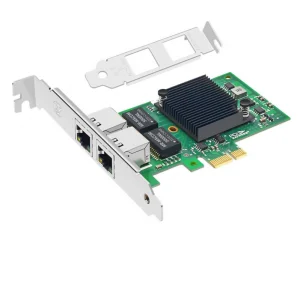
Ensure data integrity using ECC RAM alongside stable LSI/Avago RAID controllers configured in HBA/IT mode. Expand storage with hot-swappable 3.5-inch arrays and NVMe write-cache configurations for high-speed read/write access.
As micro-architectures scale, TensorNova is driving key trends in the domestic computing sector:
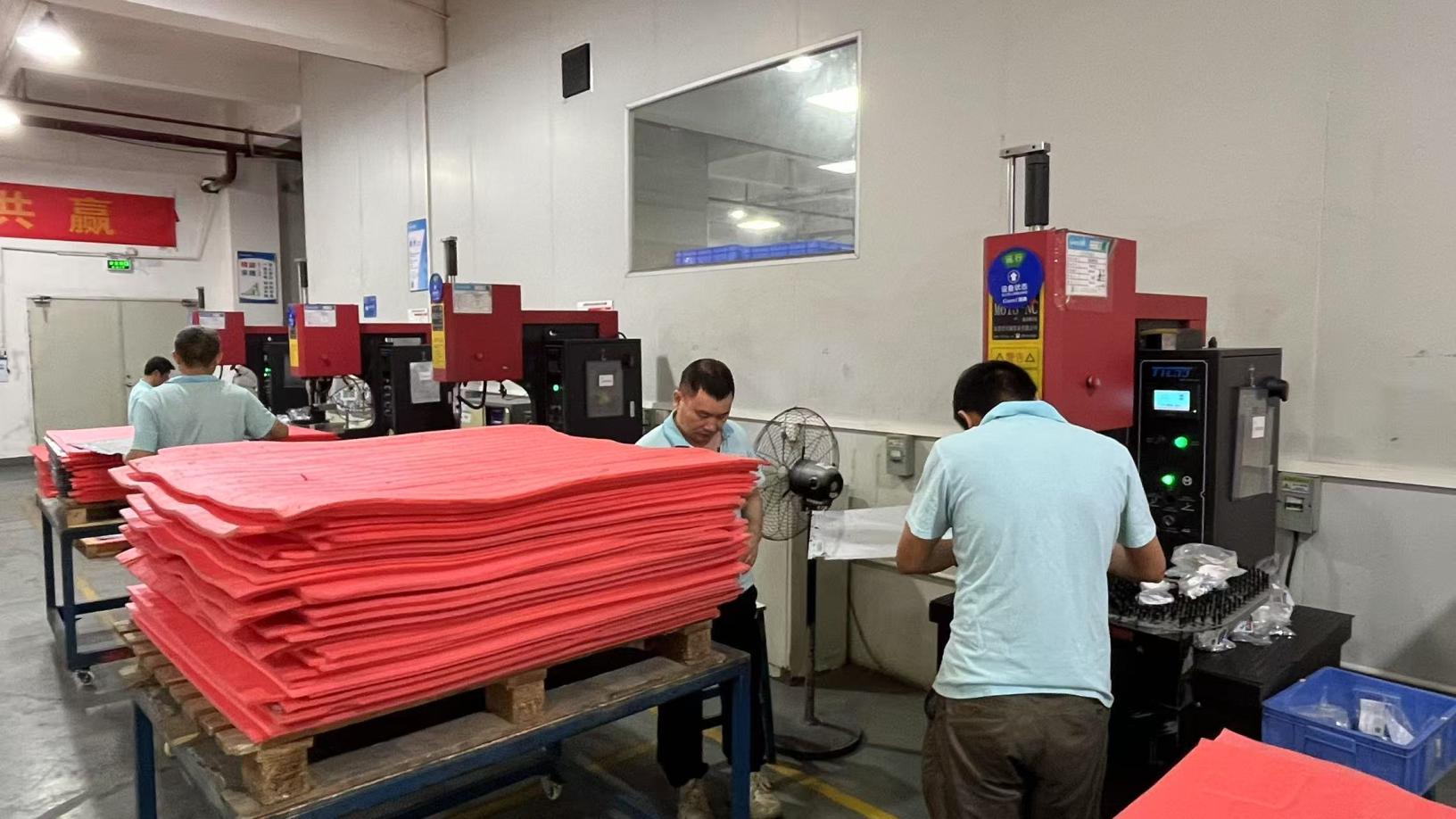
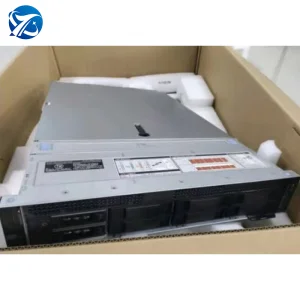
TensorNova ensures full compliance with local import protocols in the US, Europe, and the Middle East. From managing harmonized tariff system codes (HS Code: 8471504090) to securing specific export clearings, our logistics pipeline is built to streamline delivery directly to your facility or residence. We provide comprehensive tracking, custom packaging designed to resist high transit g-forces, and localized RMA technical support through regional distribution hubs.
Scalable systems configured for localized AI, GPU virtualization, and reliable network storage.
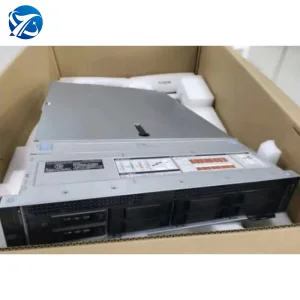
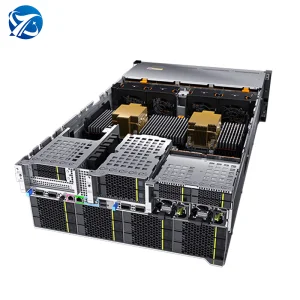
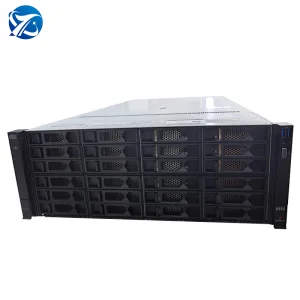
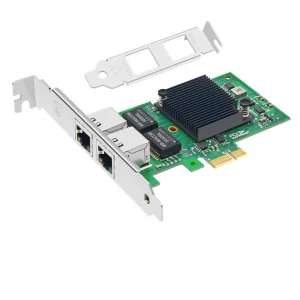
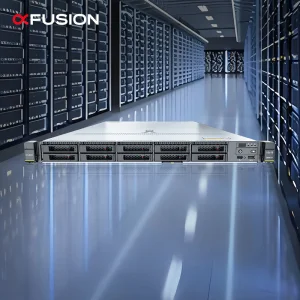
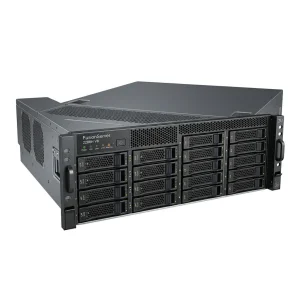
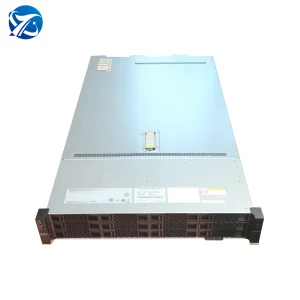
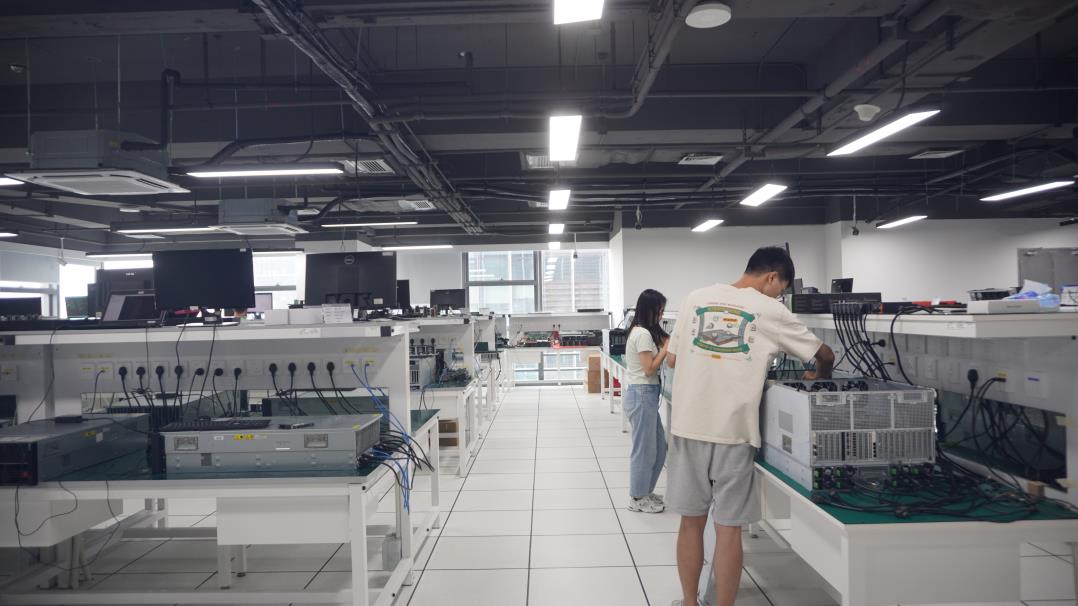
Explore the environment where our high-performance systems undergo quality testing, burn-in validation, and compliance integration.