TensorNova
TensorNova
TensorNova
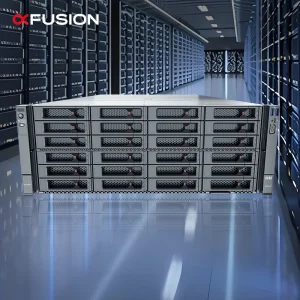
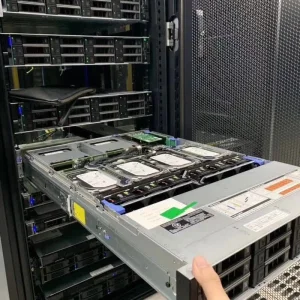
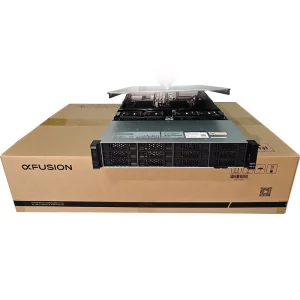
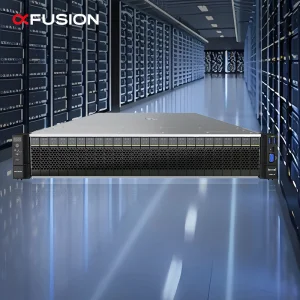
Modern enterprise ITAM is undergoing a profound paradigm shift driven by the explosion of artificial intelligence, high-density server configurations, and international compliance requirements. Today, managing IT assets is no longer just about tracking serial numbers and software licenses; it is about architectural longevity, thermal footprint optimization, and regulatory alignment.
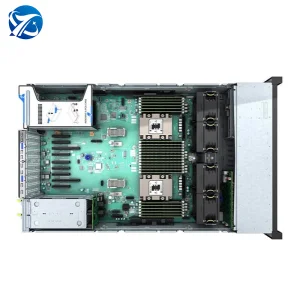
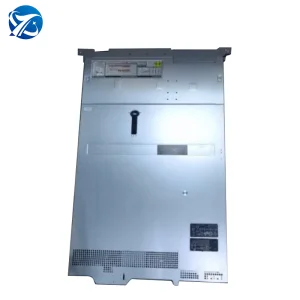
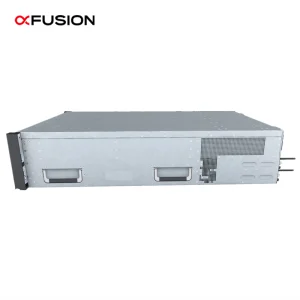
Enterprise infrastructures require hardware optimized for intense LLM workloads, such as DeepSeek architectures. Scalability dictates that hardware, from motherboard topologies to fast NVMe SSD storage networks, must be designed to withstand high compute duty cycles.
CE marking is not a mere label; it is a mandatory gateway for the European Economic Area. This certification verifies that hardware assets comply with strict safety, health, and environmental standards, mitigating hardware-level failure risks and regulatory audits.
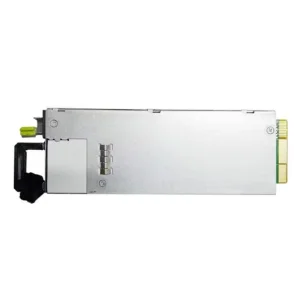
With servers operating at densities above 1U/2U configurations, smart power distribution unit (PDU) systems and high-efficiency redundant PSUs (Platinum 900W to 2000W) are critical to preventing system downtime and optimizing Total Cost of Ownership (TCO).
Pioneering AI compute hardware and enterprise infrastructure layout with strict adherence to ISO9001 quality management systems and comprehensive CE validation.
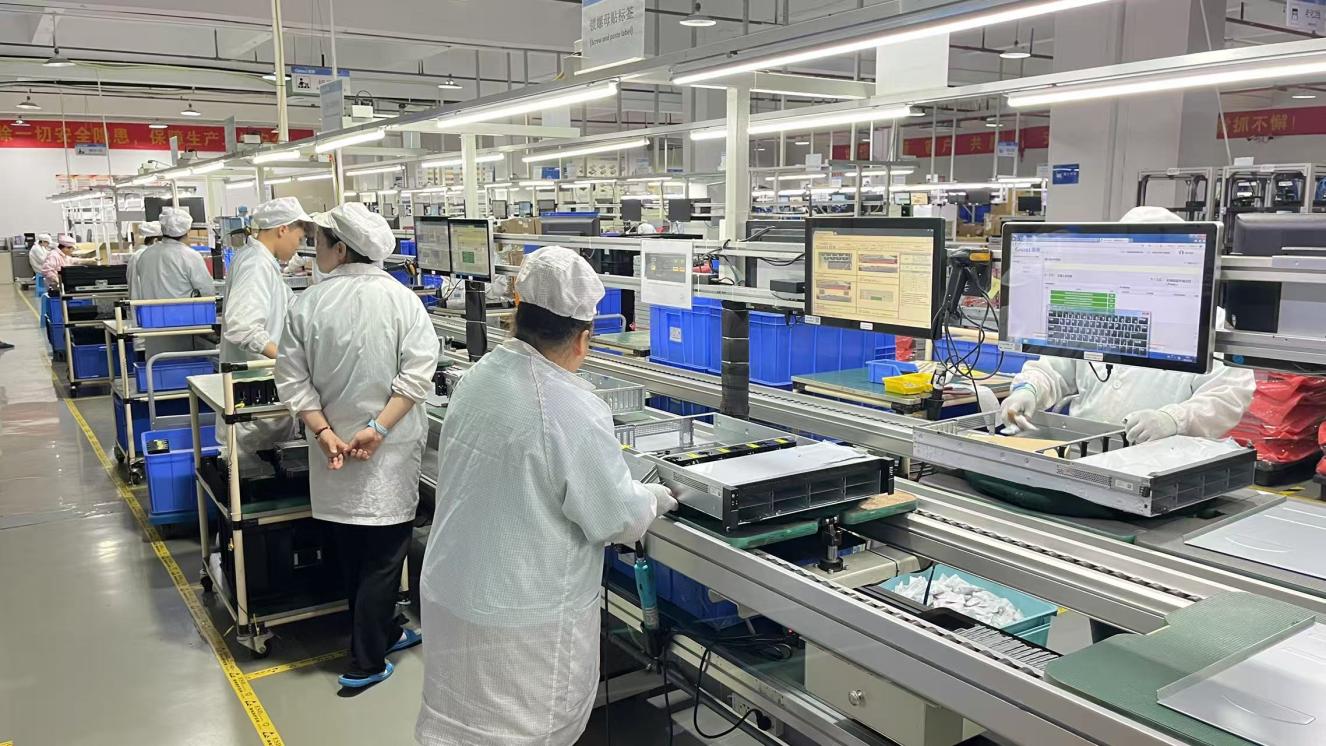
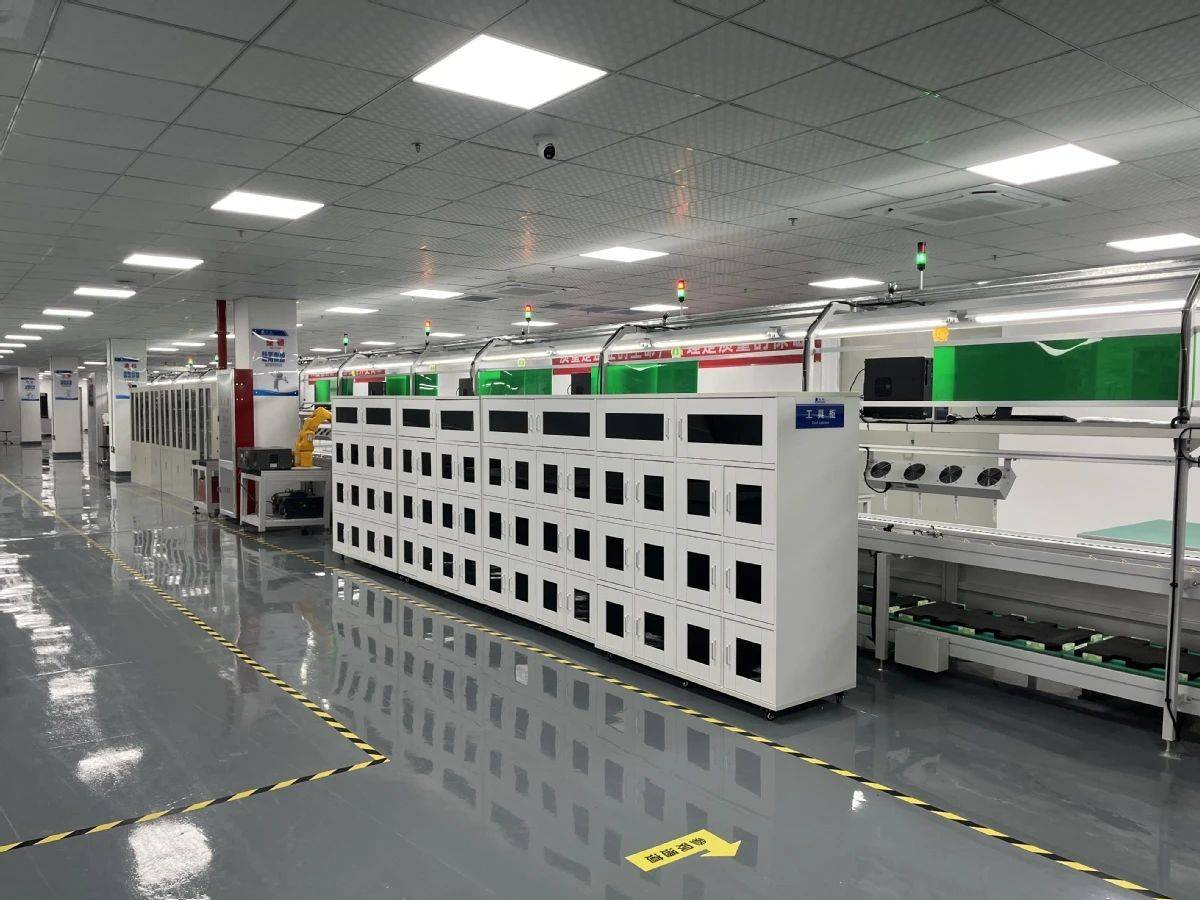
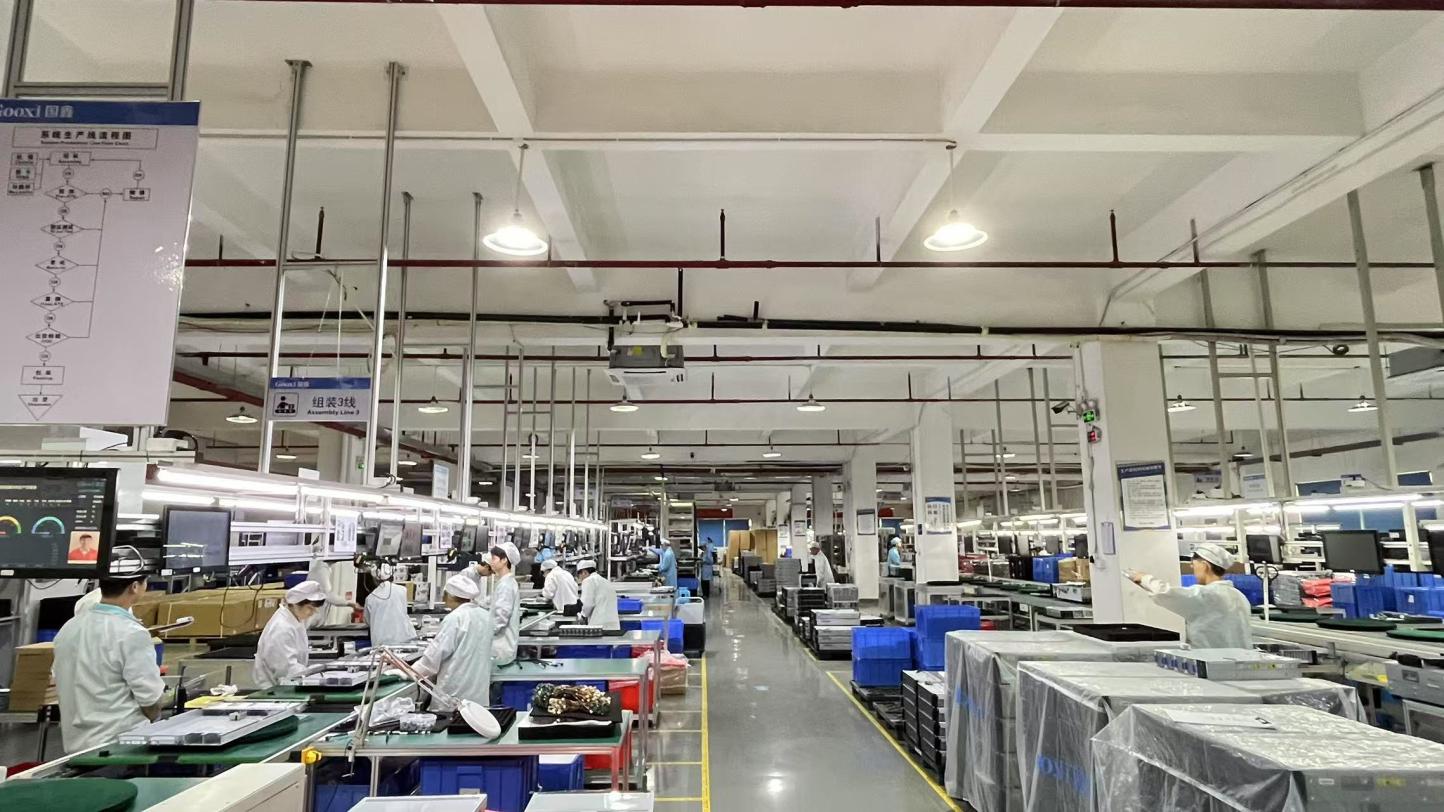
China’s manufacturing landscape has evolved from simple hardware assembly to automated Factory 4.0 paradigms, characterized by cyber-physical systems, real-time diagnostic testing, and unmatched supply chain consolidation. By leveraging these regional infrastructure ecosystems, server manufacturers like TensorNova can deliver highly customized, high-density GPU nodes and memory matrices at scale, keeping up with global hardware demands.
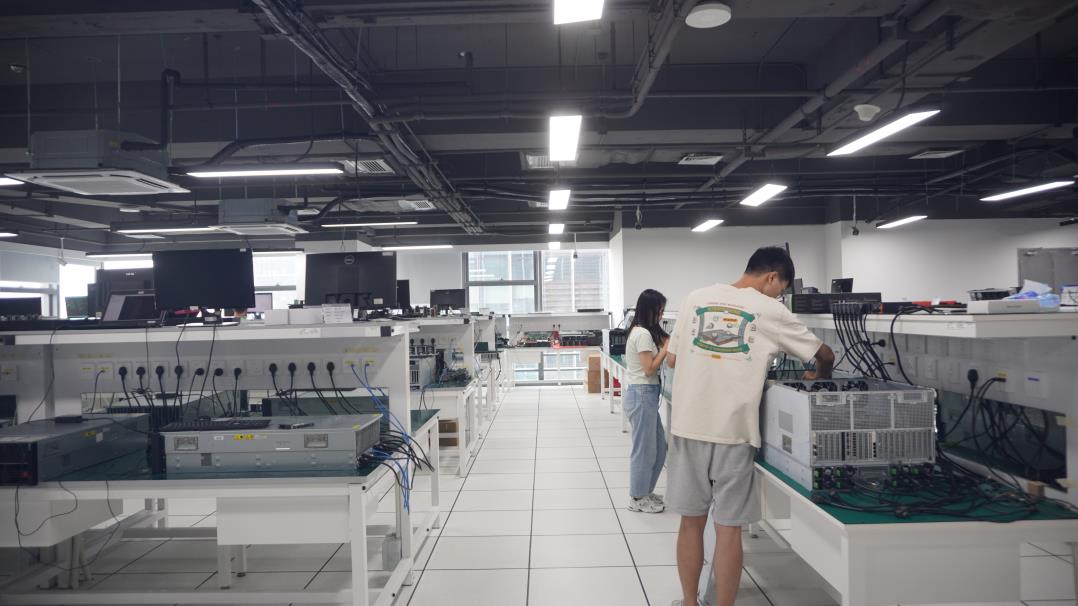
Under ISO9001 guidelines, quality assurance isn't just about final visual checks. TensorNova utilizes specialized simulation systems to run rigorous tests:
Through strong engineering vertical integration, we provide:
Procuring enterprise hardware requires aligning technological specs with regional safety and emission regulations. Without CE, FCC, and RoHS certifications, hardware investments run the risk of customs rejection and operational liabilities.
| Procurement Parameter | Standards & Certifications Required | Operational Importance | TensorNova Compliance Status |
|---|---|---|---|
| Safety & Low Voltage | LVD Directive 2014/35/EU (CE) | Ensures high-voltage components (e.g., 2000W PSUs) operate without fire or shock hazard risks. | Fully Certified & Lab Tested |
| Electromagnetic Immunity | EMC Directive 2014/30/EU (CE) | Prevents radio frequency interference (RFI) from disrupting nearby networking arrays or wireless systems. | Validated via Anechoic Chamber Testing |
| Hazardous Substances | RoHS (EU Directive 2011/65/EU) | Ensures lead-free and eco-friendly soldering of complex server components. | 100% Compliant Materials |
| Quality Consistency | ISO9001 Quality Management | Establishes documented processes for assembly, testing, tracking, and warranty procedures. | Audited Annual Process Alignment |
From North America to Europe and the Middle East, localization is essential for global IT architectures. Each region presents unique operating parameters, power grids, and local climates.
High demand for next-generation GPU platforms for large-scale language model workloads, prioritizing rapid deployment, high-density server rack layouts, and strict regulatory compliance (FCC/UL equivalents under CE framework).
Focuses heavily on PUE (Power Usage Effectiveness), RoHS material declarations, and heat recycling. In regions like Germany, having CE-certified power supplies is critical for municipal green grid compliance.
Faced with extreme outdoor temperatures, regional data hubs require robust ambient cooling designs, server chassis air routing, and corrosion-resistant components to ensure high uptime.
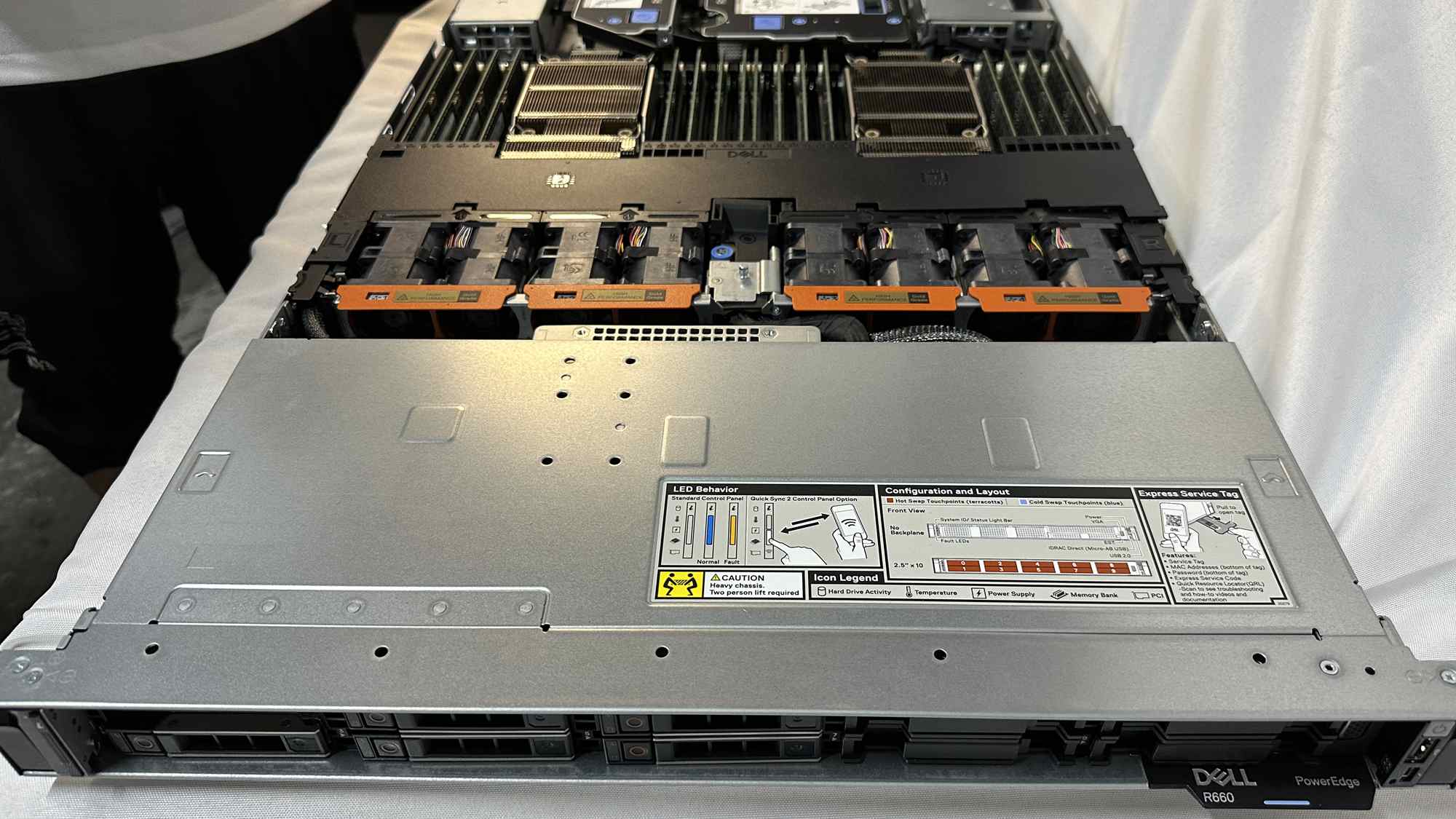
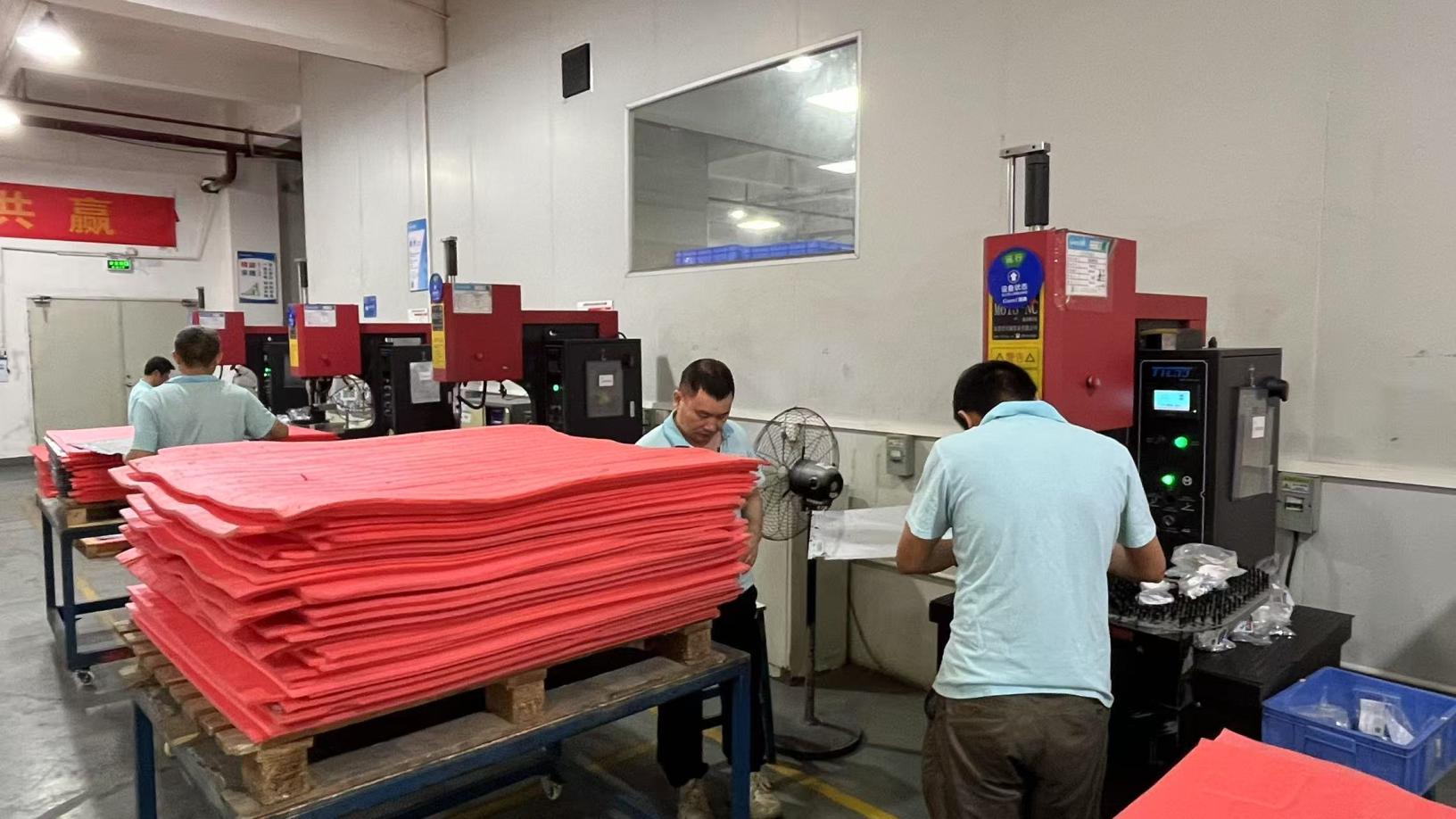
Take a virtual tour of our modern 320㎡ production facility, advanced server assembly systems, thermal test chambers, and component warehouses.


Common questions and answers regarding hardware asset lifecycle management, CE certification protocols, and global supply chain integrations.