TensorNova
TensorNova
TensorNova
Reliable hardware building blocks optimized for distributed data nodes and multi-cloud synchronization.
Why modern manufacturers must bridge the physical and virtual divide to unlock maximum data sovereignty, scalability, and performance.
In the digital-first industrial paradigm, relying on a single cloud service provider is no longer a viable business strategy. Organizations require resilient, Multi-Cloud Strategies that seamlessly split processing loads, secure sensitive IP on-premise, and burst high-demand computational workflows to public cloud nodes dynamically. As a premier hardware innovator, TensorNova bridges the physical gap in multi-cloud operations, developing CE Certified servers designed specifically for integration with hybrid environments.
A true multi-cloud environment is only as resilient as its physical host infrastructure. High latency, lack of specialized GPU compute pools, and localized regulation compliance are typical barriers preventing deep hybrid-cloud adoption. Deployed bare-metal servers must support the latest hypervisors, feature native hardware-level virtualization pathways, and conform to safety standards like the European Economic Area's CE certification. A CE mark guarantees that the underlying IT hardware complies with crucial EMC (Electromagnetic Compatibility) and LVD (Low Voltage Directive) requirements, preventing hardware failure and regulatory penalties at the deployment site.
By coupling custom bare-metal GPU clusters with flexible multi-cloud architectures, businesses prevent proprietary API lock-ins and reduce high data egress fees associated with major hyper-scalers.
Maintain critical database architectures locally on high-density servers, utilizing public clouds purely for edge inference or high-compute model training, aligning with GDPR regulations.
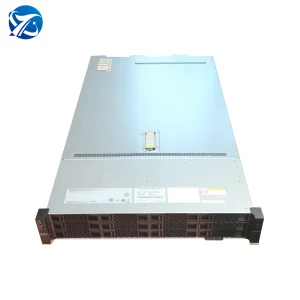
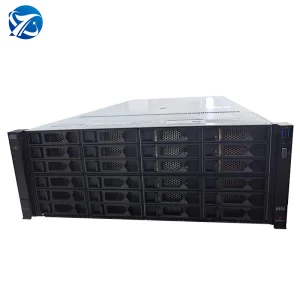
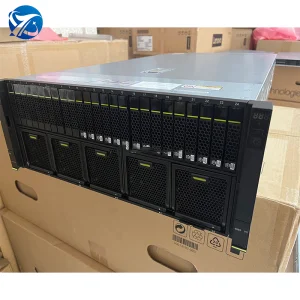
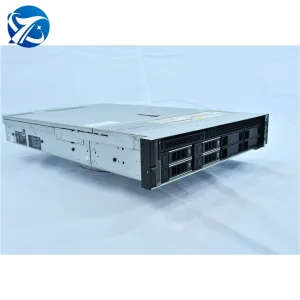
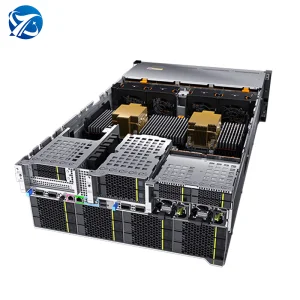
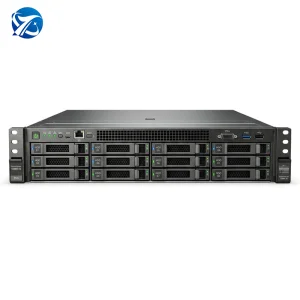
Dynamically transition workloads between local systems like the TensorNova G5200 V5 GPU and multi-cloud providers using optimized virtualization layers for real-time workload balancing.
The global cloud landscape has shifted from pure off-premise reliance to hybrid ecosystems. Hardware-level scalability is the primary differentiator for enterprises managing heavy machine-learning engines, smart-city video streams, and automated manufacturing lines. Without custom-tailored on-premise compute nodes, public cloud networks suffer from bandwidth choking, latency bottlenecks, and severe costs.
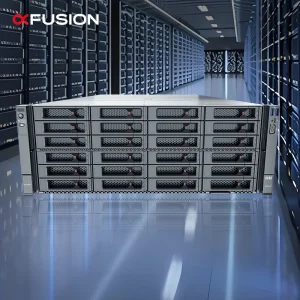
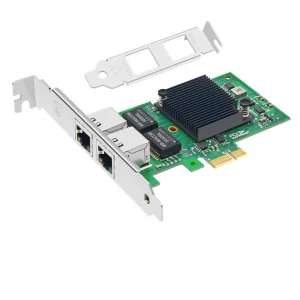
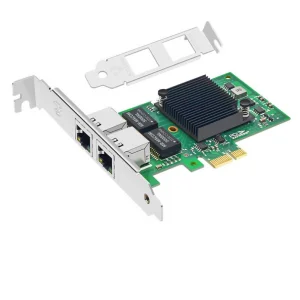
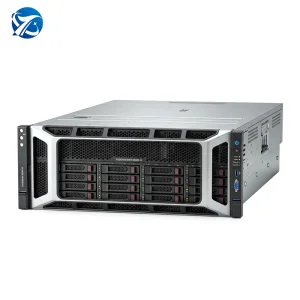
TensorNova targets these exact paint points by designing GPU servers and deep-storage systems that operate as local cloud clusters. Our systems act as the primary local cache and high-performance computing tier, using advanced network interface cards and high-bandwidth array systems to sync telemetry and metadata back to public multi-cloud structures.
This macro-level strategy minimizes bandwidth demand while providing localized, ultra-low latency processing power. Globally, countries with strict digital physical boundaries such as Germany, Singapore, and the United Arab Emirates are driving demand for local, certified data center infrastructure.
Here is how modern enterprises leverage local bare metal in tandem with public infrastructure:
Understanding the strict hardware validation processes that guarantee uptime and interoperability across global cloud boundaries.
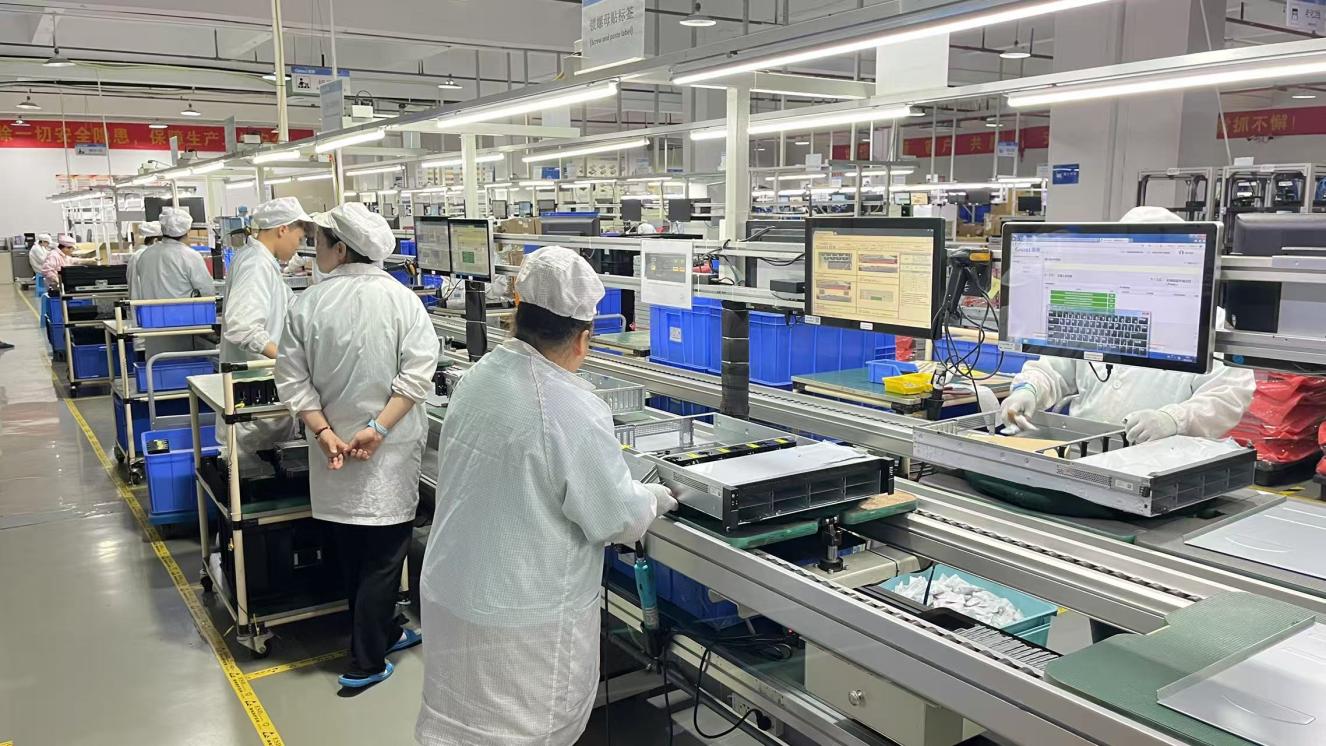
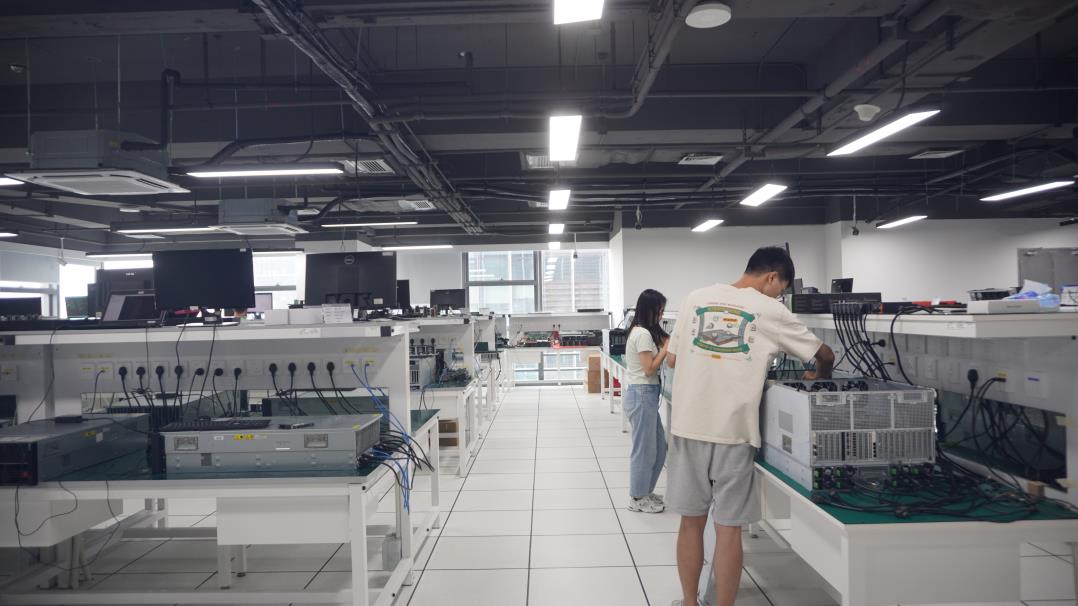
Deploying servers in multi-cloud frameworks requires zero hardware errors. At TensorNova, quality assurance is deeply integrated into our corporate DNA. We operate a highly modern server integration facility run in absolute compliance with ISO9001-based quality management systems. Our quality verification process is highly automated, removing human error margins and subjecting every hardware component to rigorous testing parameters before shipment.
| Test Category | Validation Method | Multi-Cloud Significance |
|---|---|---|
| Automated Hardware Stress Testing | Dynamic variable load testing for memory and processor nodes using high-throughput synthetic testing suites. | Guarantees cluster node stability when computing dynamic workloads during cloud bursts. |
| Thermal Performance Validation | Thermal chamber profiling up to 45°C ambient, analyzing board component hotspots. | Prevents physical server thermal throttling in dense data center environments. |
| System Burn-In Testing | Continuous 72-hour operational profiling under peak voltage and heat cycles. | Identifies early component infant mortality rates to prevent critical field downtime. |
| AI Workload Simulation | Execution of deep learning frameworks (PyTorch, TensorFlow) on multi-GPU nodes. | Ensures stable hardware driver operation and direct pipeline compatibility with cloud services. |
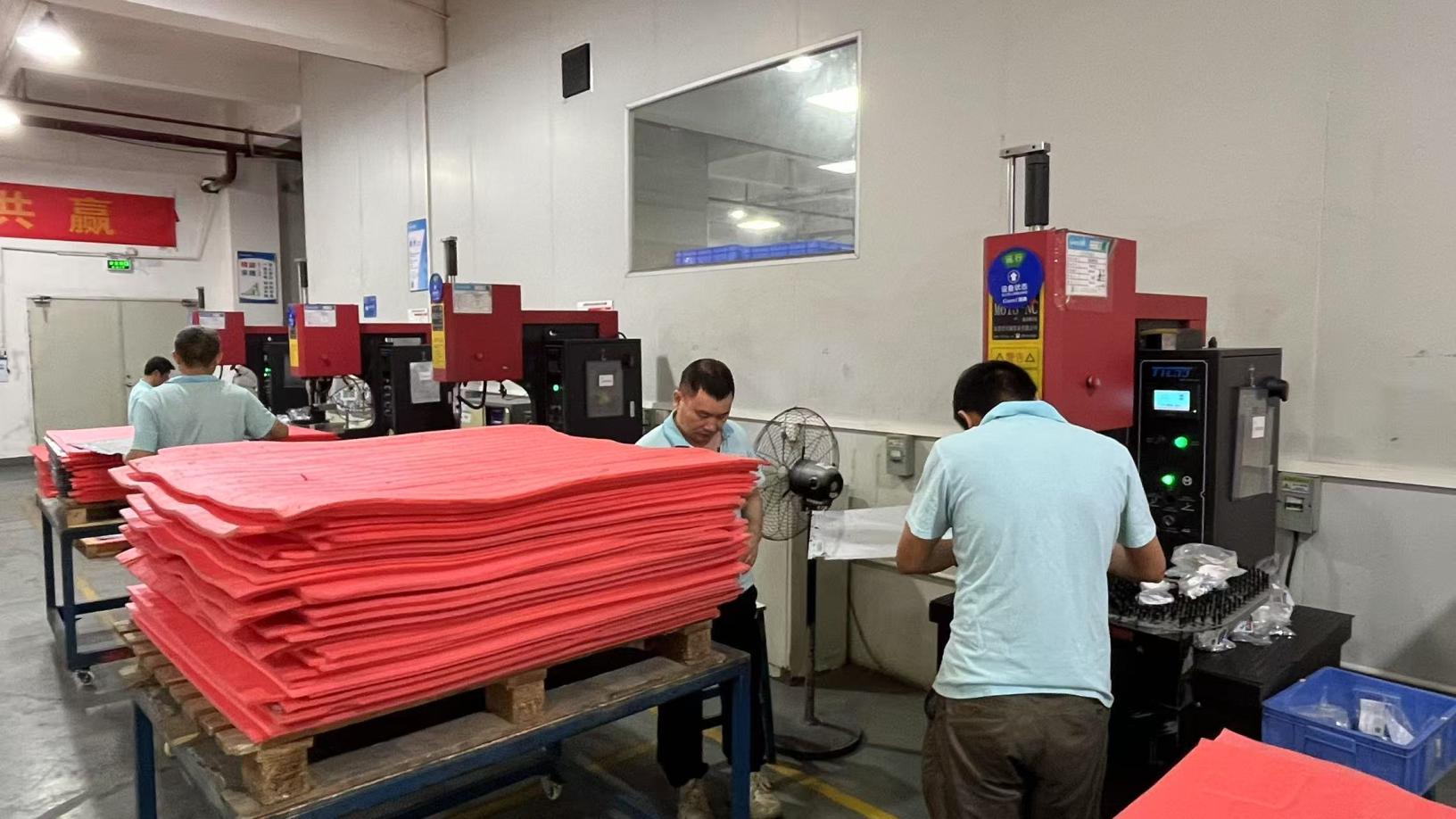
Our dedicated team of 45 quality control professionals performs comprehensive inspections at each stage of production. From components sourced through our deep network of 1,200+ global suppliers to complex motherboard adjustments, TensorNova guarantees hardware reliability. Our export operations spans crucial international economies including the United States, Germany, Singapore, and the United Arab Emirates, ensuring our system chassis conform to target region electrical standards and emissions benchmarks.
TensorNova is a professional high-performance AI GPU server manufacturer and infrastructure solution provider based in China. We specialize in AI computing, GPU clusters, and scalable data center hardware solutions for global enterprises. Established in 2016, TensorNova has developed into a trusted supplier in the AI hardware industry with a strong focus on innovation, performance, and customized computing systems.
The company operates a modern production facility covering approximately 320㎡, designed for advanced server assembly, testing, and complex integration. Leveraging over 12 years of industry experience in AI computing and server manufacturing, we assist researchers, corporations, and startups in deploying cost-effective, custom hardware nodes that coordinate perfectly with global public clouds.
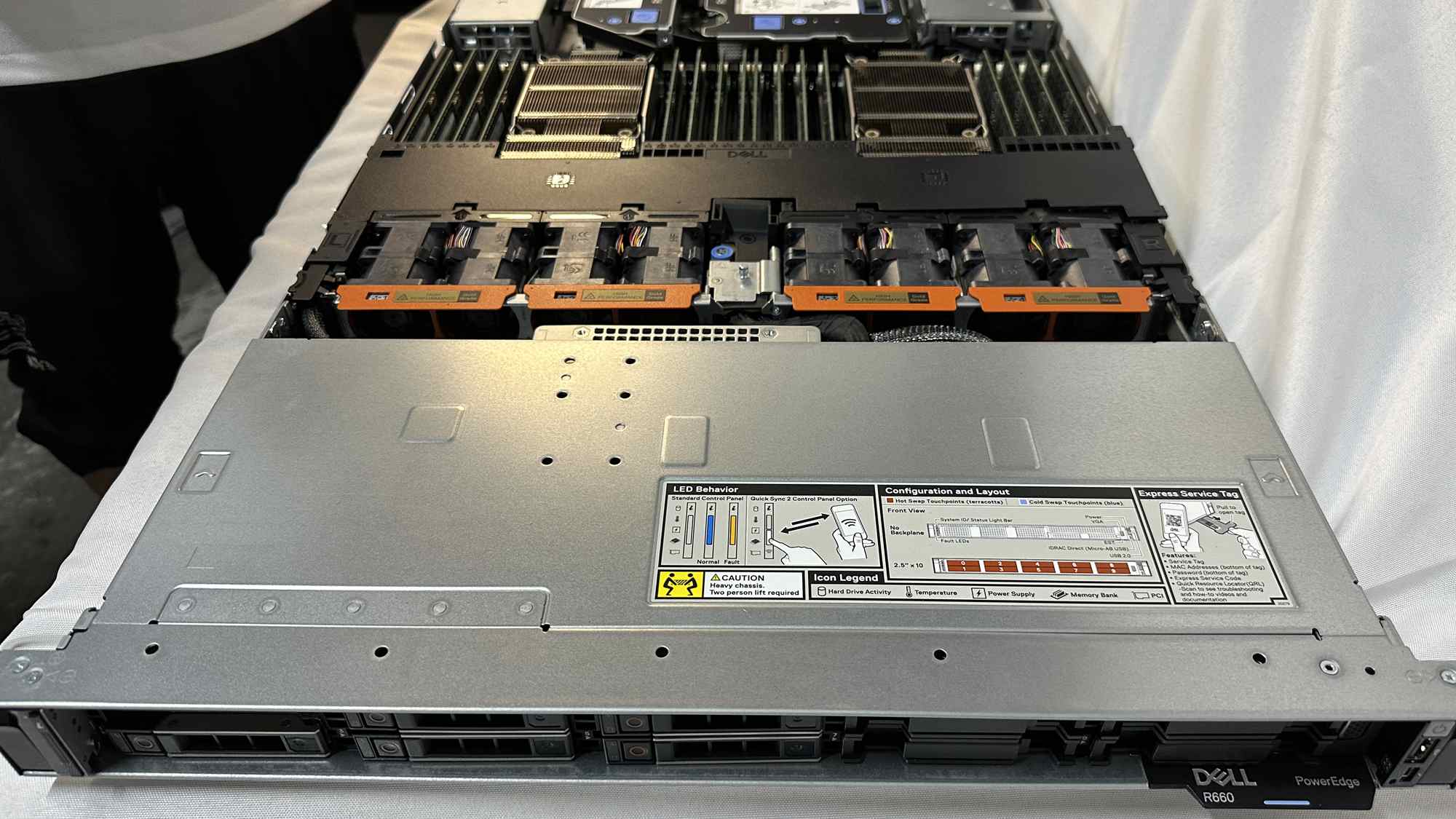
In the past fiscal year, our engineering team launched over 320+ new products. These range from PCIe Gen 5.0 GPU compute nodes, high-density hot-swappable storage units, custom array controllers, and state-of-the-art enterprise servers designed for immediate virtualization deployments.

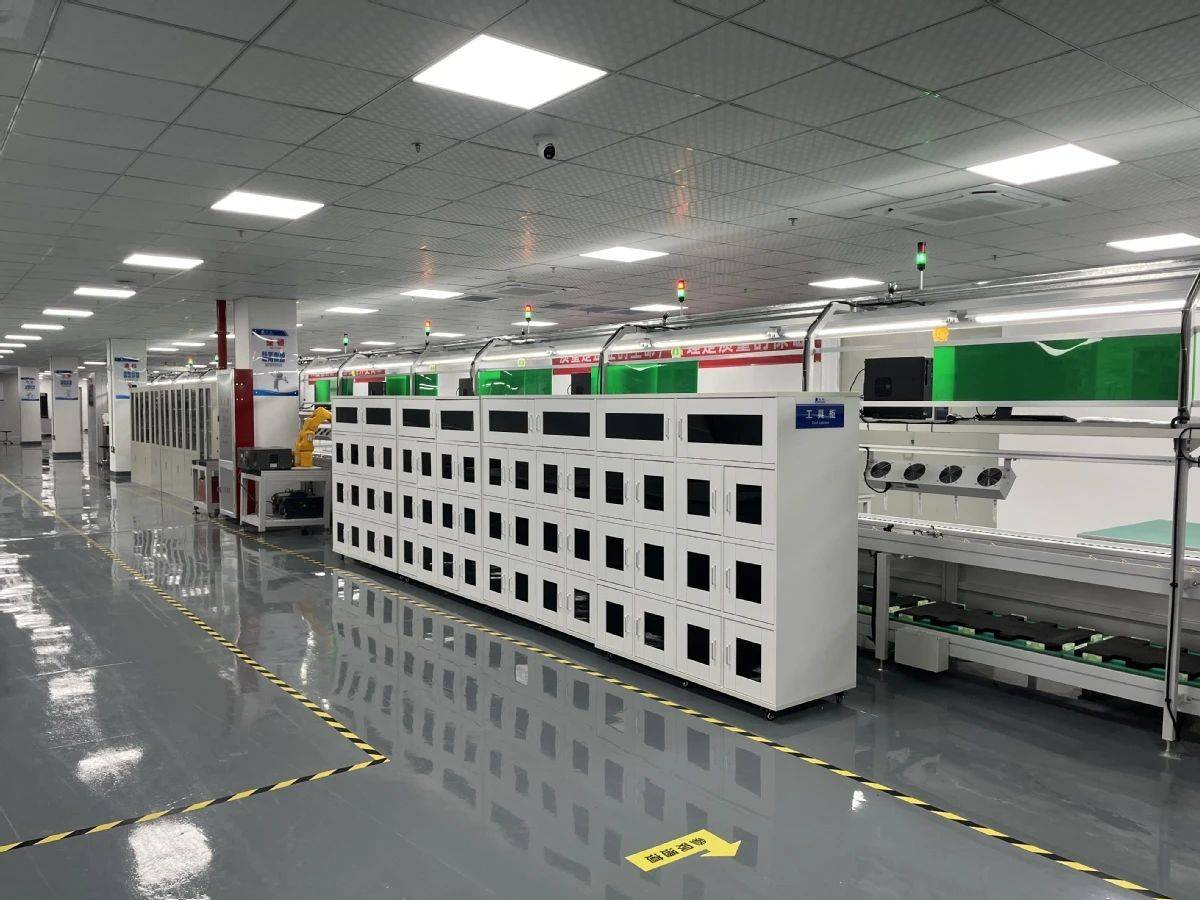
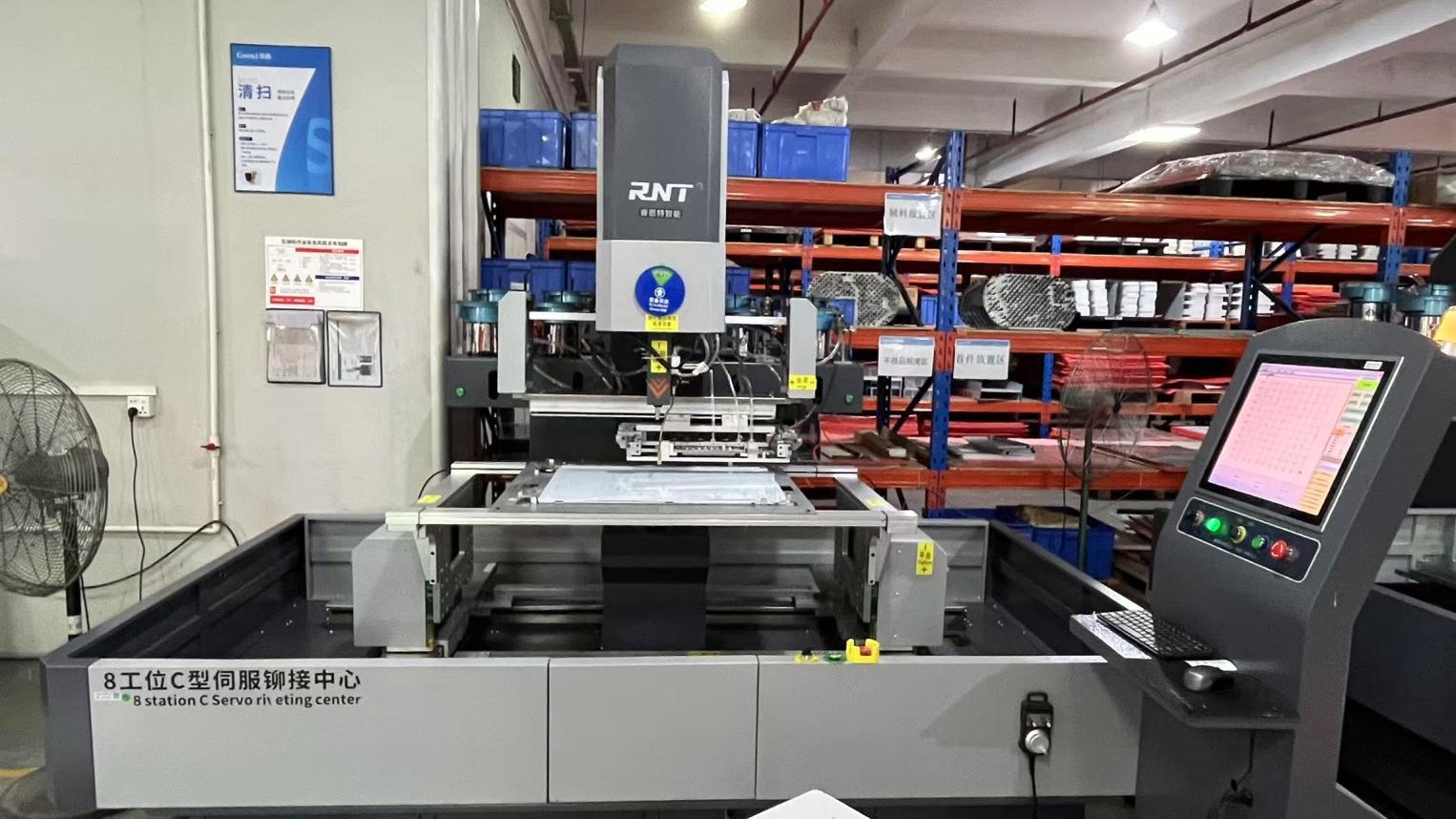

Operational design patterns for high-performance computing nodes and the future of hybrid data center integration.
Understanding where these hybrid infrastructure solutions integrate is critical for target deployment strategies:
Our ongoing engineering investments focus heavily on enhancing hardware compatibility for next-generation multi-cloud software environments:
Get answers to common hardware compliance, integration, and performance questions regarding multi-cloud deployment models.
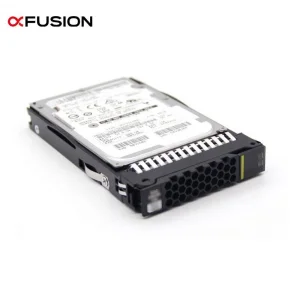
Complete your hybrid cloud deployment with reliable server nodes, memory components, and RAID controllers.