TensorNova
TensorNova
TensorNova
High-performance computational foundations engineered to support intensive AI analytics and industrial predictive maintenance workloads.
As Industry 4.0 transitions from conceptual architecture to real-world deployment, Predictive Maintenance (PdM) stands out as the single most impactful application of industrial Artificial Intelligence. Modern manufacturers are discarding outdated run-to-failure or rigid calendar-based maintenance regimes. The contemporary standard is continuous, real-time diagnostic evaluation powered by high-performance GPU servers and advanced edge computing hardware.
"Integrating AI-driven predictive maintenance reduces unplanned machine downtime by up to 50%, extends machinery lifespan by 20% to 40%, and slashes overall maintenance overheads by up to 30% globally."
This massive paradigm shift is underpinned by two parallel technical advancements: the optimization of lightweight Deep Learning models (such as DeepSeek optimization frameworks and high-density neural networks) and the availability of rugged, CE-certified server architectures capable of performing low-latency local inference. By deploying high-throughput computation directly at the factory floor level or utilizing dedicated cloud GPU clusters, global operators can capture transient anomalies—such as minute mechanical micro-vibrations, thermal shifts, and power fluctuations—before they escalate into catastrophic system failures.
How industry leaders map physical sensor networks to high-performance computational hardware.
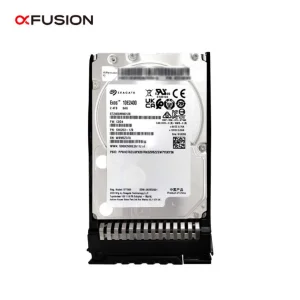
Processing millions of high-frequency data streams per second requires stable IOPS. High-capacity, enterprise-class solid-state drives, such as the NVMe PCIe EP600 Series, prevent telemetry bottlenecks during heavy read-write operations.
Deploying specialized models at the local network edge reduces latency from seconds to milliseconds. GPU-accelerated rack servers run specialized vibration analysis algorithms to detect bearing wear on active assembly lines.
Exporting to European, North American, and Middle Eastern markets demands rigorous CE compliance. This guarantees electromagnetic compatibility (EMC), thermal safety, and electrical safety standards under continuous heavy AI workloads.
Modern predictive maintenance is structured on a multi-tiered technical pipeline. Enterprise architectures rely on reliable field-level data collection, edge pre-processing, and high-performance central AI training. To achieve optimal performance, industrial organizations rely on the following tiered deployment model:
In-situ sensors monitor acoustics, multi-axis vibrations, thermal gradients, and electrical currents. These raw signals are converted into digital streams via industrial communication protocols (MQTT, OPC UA, Modbus) and routed to high-performance local servers.
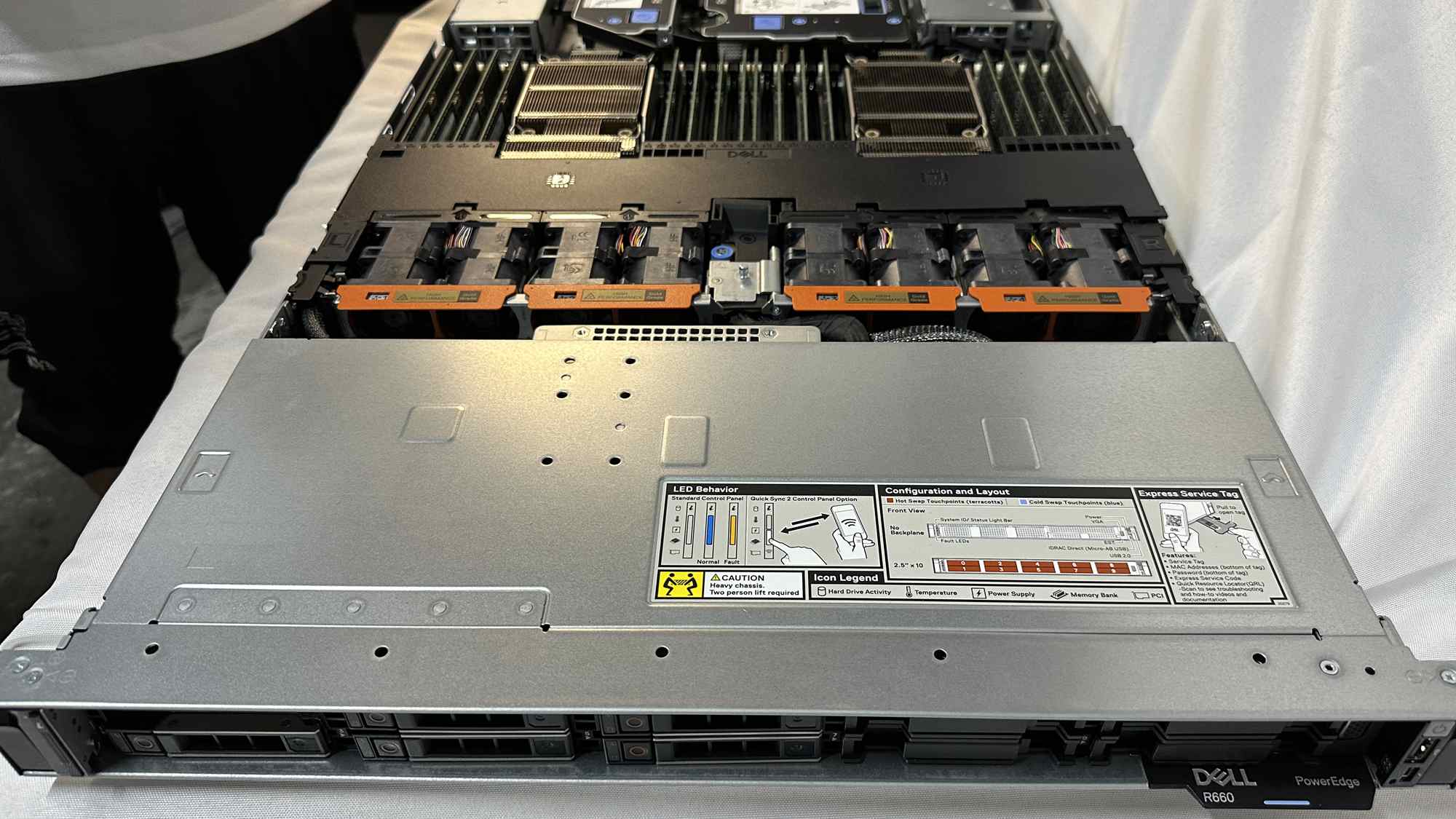
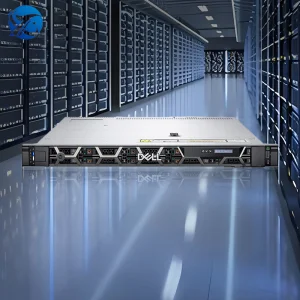
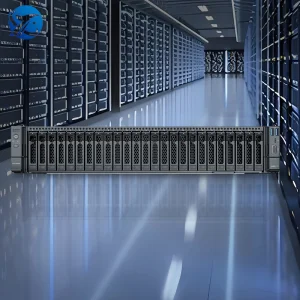
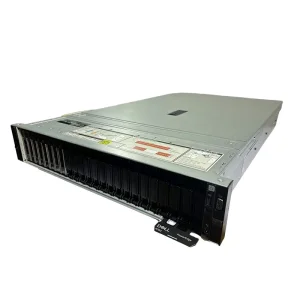
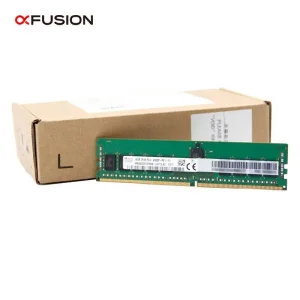
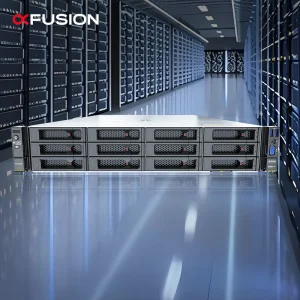
High-reliability dual-socket servers (such as the FusionServer 2288H V7 or Dell PowerEdge R660) compute Fast Fourier Transforms (FFT) and execute local anomaly detection models. The use of high-speed, ECC-enabled server memory like DDR4 and DDR5 RDIMMs ensures zero memory corruption during continuous, 24/7/365 operational cycles.
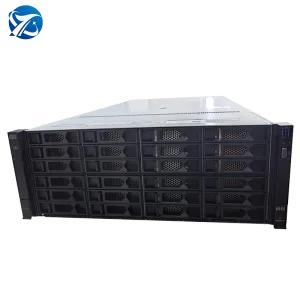
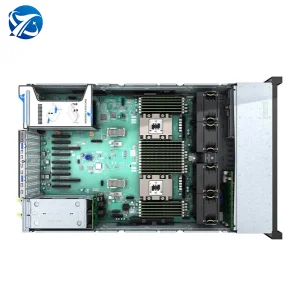
Massive multi-node GPU clusters, trained on historical failure signatures, refine deep neural networks. Platforms like the xFusion G5500 V7 Multi-GPU AI Server provide the necessary computing density to process thousands of historical failure logs, continuously pushing updated weights back to the edge gateways.
When an anomaly score crosses a safe threshold, the edge system automatically triggers alerts within the Enterprise Resource Planning (ERP) software, schedules replacement components, and coordinates maintenance crews before the machinery degrades.
Operating predictive maintenance architectures across international borders requires stringent compliance with localized safety and engineering standards. As an established global exporter, TensorNova guarantees that all server hardware and storage nodes fully comply with European Conformity (CE) directives, FCC, and RoHS regulations.
CE Certification ensures that our high-density computing platforms meet the demanding safety and performance standards of industrial environments. Every component—from low-voltage electrical safety to electromagnetic interference (EMI) shields—is thoroughly optimized to work in close proximity to high-frequency industrial machinery without signal distortion. This strict compliance structure is vital for critical infrastructure sectors, including automated automotive assembly plants, automated logistics hubs, wind energy farms, and large-scale semiconductor fabrication plants.
To support deployment worldwide, TensorNova provides a comprehensive engineering channel. Backed by strategic partnerships with component manufacturers and a vast supply chain ecosystem consisting of more than 1,200 global suppliers, we ensure prompt replacements, expert remote technical assistance, and stable lifecycle support for all deployed servers.
TensorNova is a professional high-performance AI GPU server manufacturer and infrastructure solution provider based in China, specializing in AI computing, GPU clusters, and scalable data center hardware solutions for global enterprises.
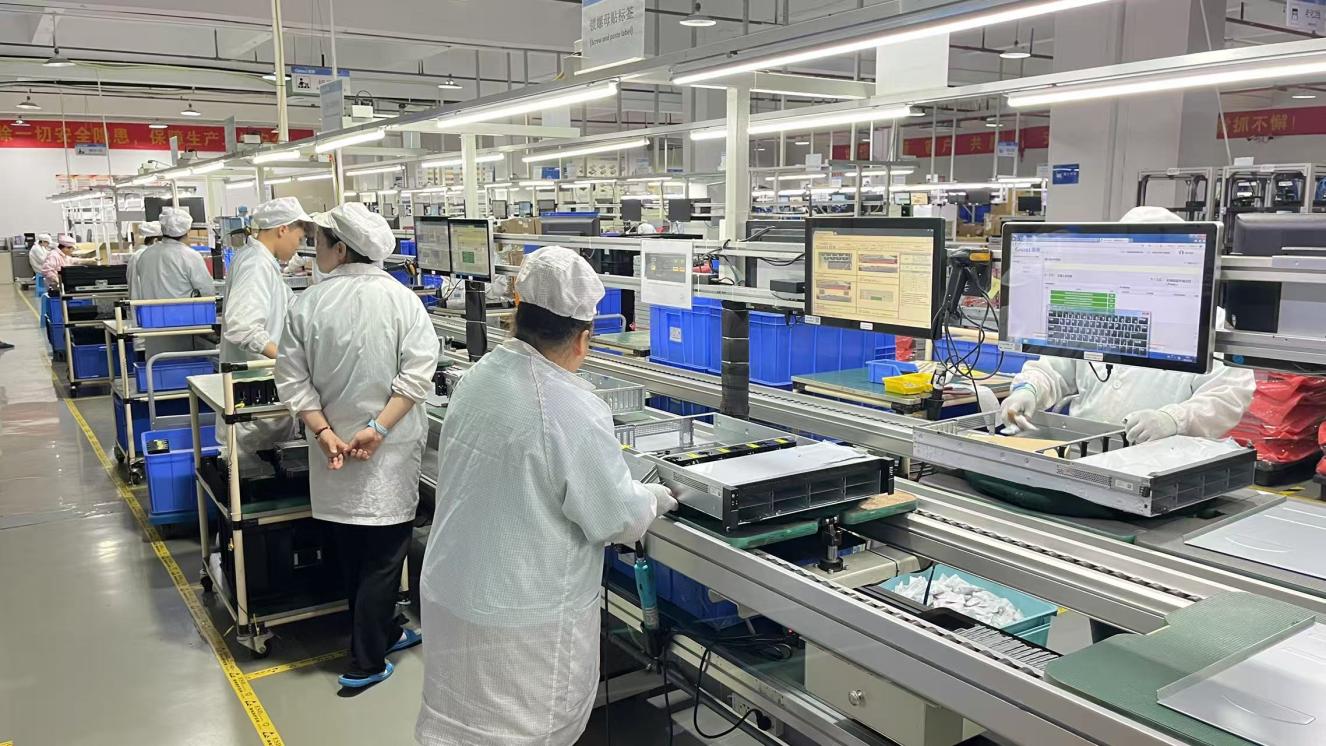
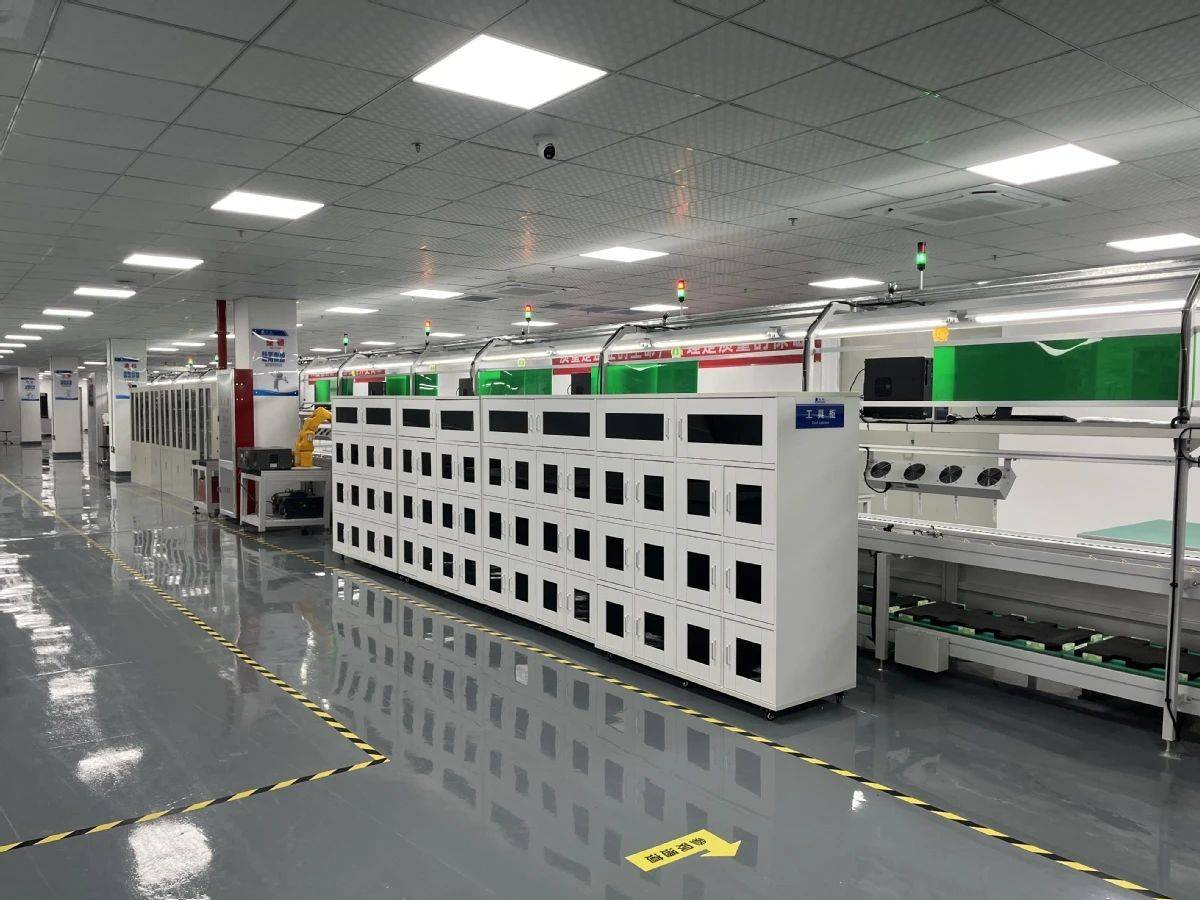
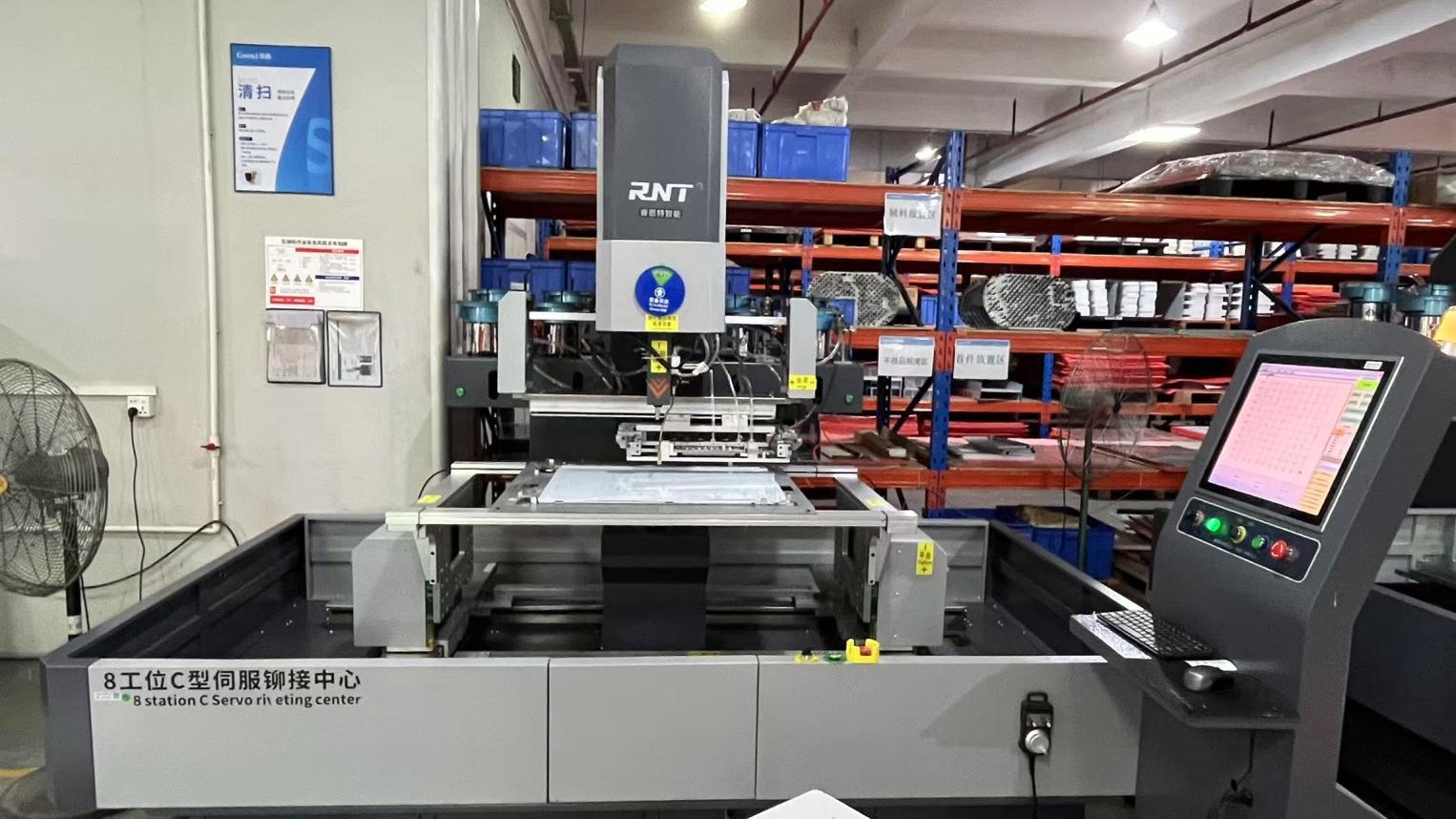
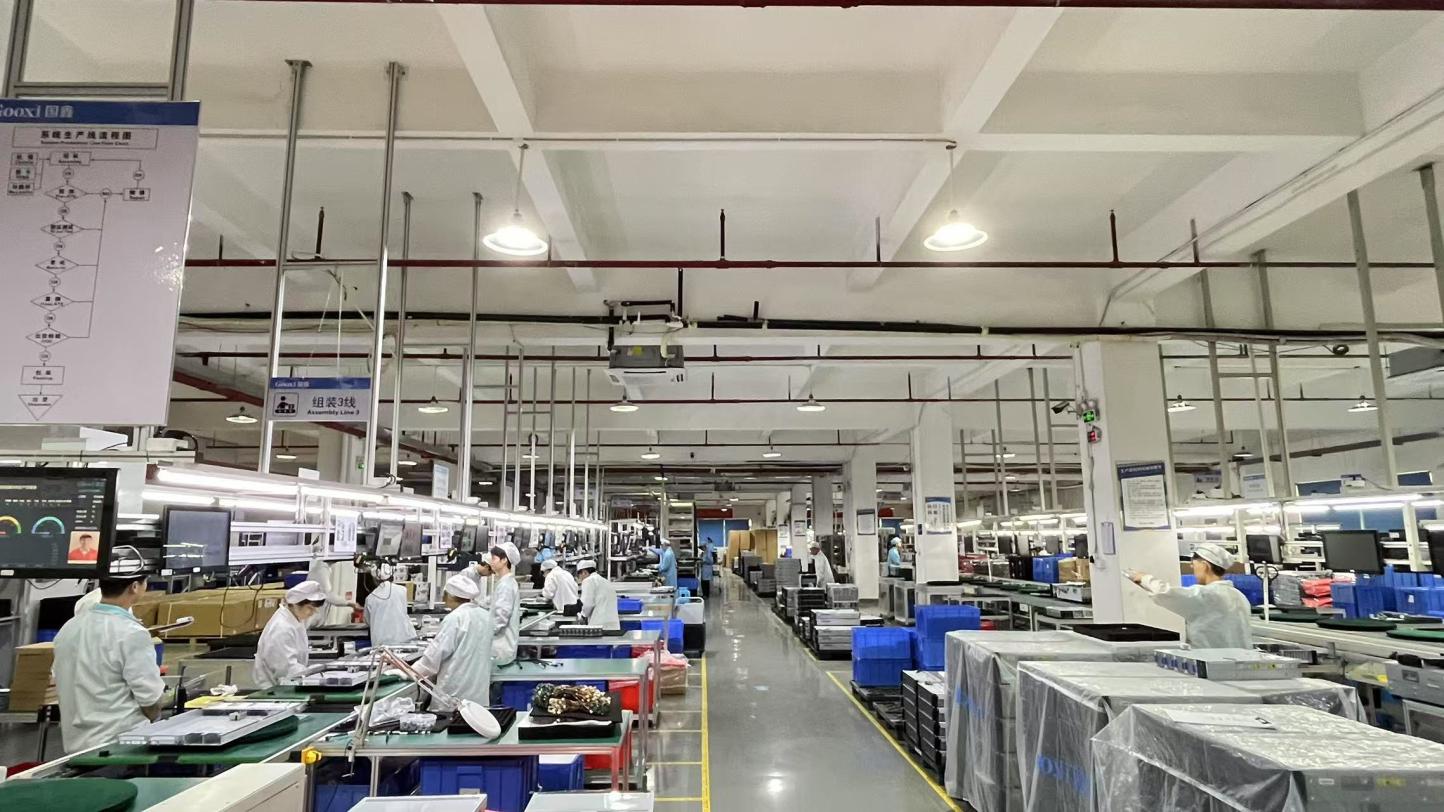
Established in 2016, TensorNova has developed into a trusted supplier in the AI hardware industry with a strong focus on innovation, performance, and customized computing systems. The company operates a modern production facility covering approximately 320㎡, equipped for advanced server assembly, testing, and system integration.
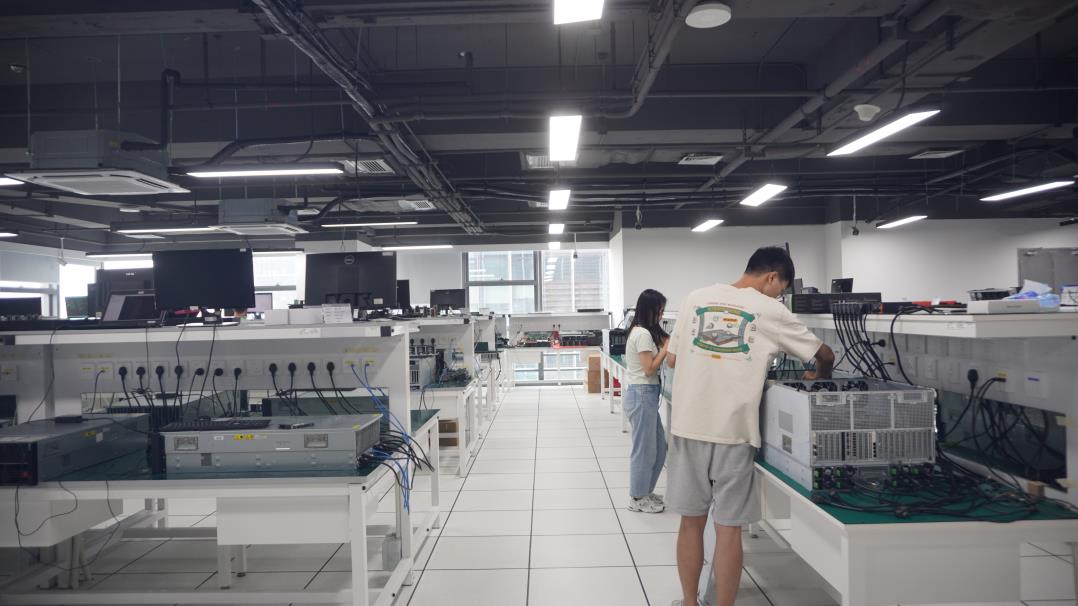
Quality assurance is strictly implemented through ISO9001-based quality management systems, with product inspection conducted using automated hardware stress testing, thermal performance validation, burn-in testing, and AI workload simulation testing. The company employs around 45 quality control personnel dedicated to ensuring product reliability and stability.
With a strong international trade background, TensorNova serves clients across North America, Europe, Southeast Asia, and the Middle East, with primary markets in the United States, Germany, Singapore, and the United Arab Emirates. Our R&D capabilities are strong, supported by a team of approximately 180 R&D engineers, focusing on GPU server architecture, AI optimization, and high-density computing systems.
TensorNova offers extensive customization options, including GPU configuration customization, chassis design, cooling system optimization (air or liquid cooling), motherboard-level tuning, and AI workload-specific optimization solutions. In the past year, the company successfully launched 320+ new products.
Our robust supply chain ecosystem with more than 1,200 global suppliers and strategic component partners enables stable production, quick component turnaround, and fast delivery capabilities to enterprise clients worldwide.
Expert technical answers regarding server specification, CE compliance, and workload optimization.
High-throughput storage controllers, ECC modules, and compute nodes optimized for continuous data acquisition.
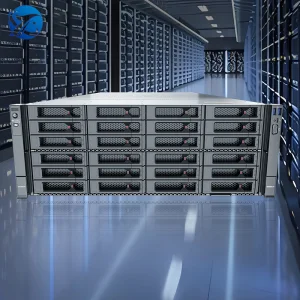
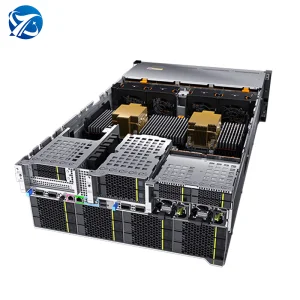
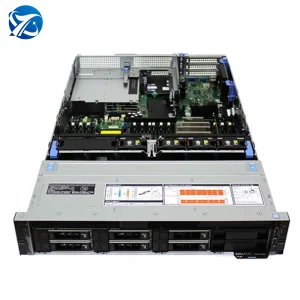
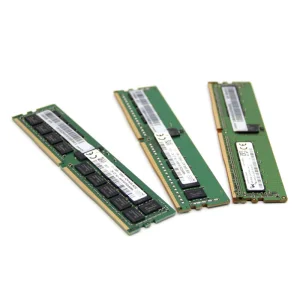
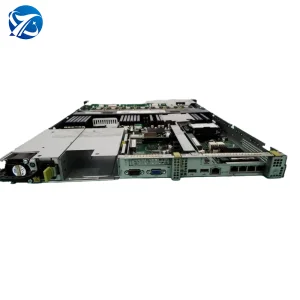
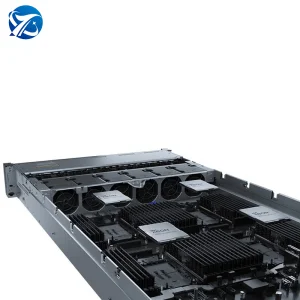
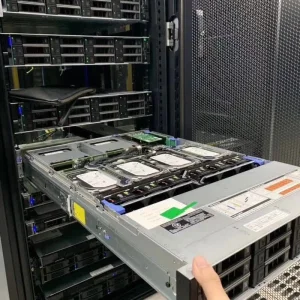
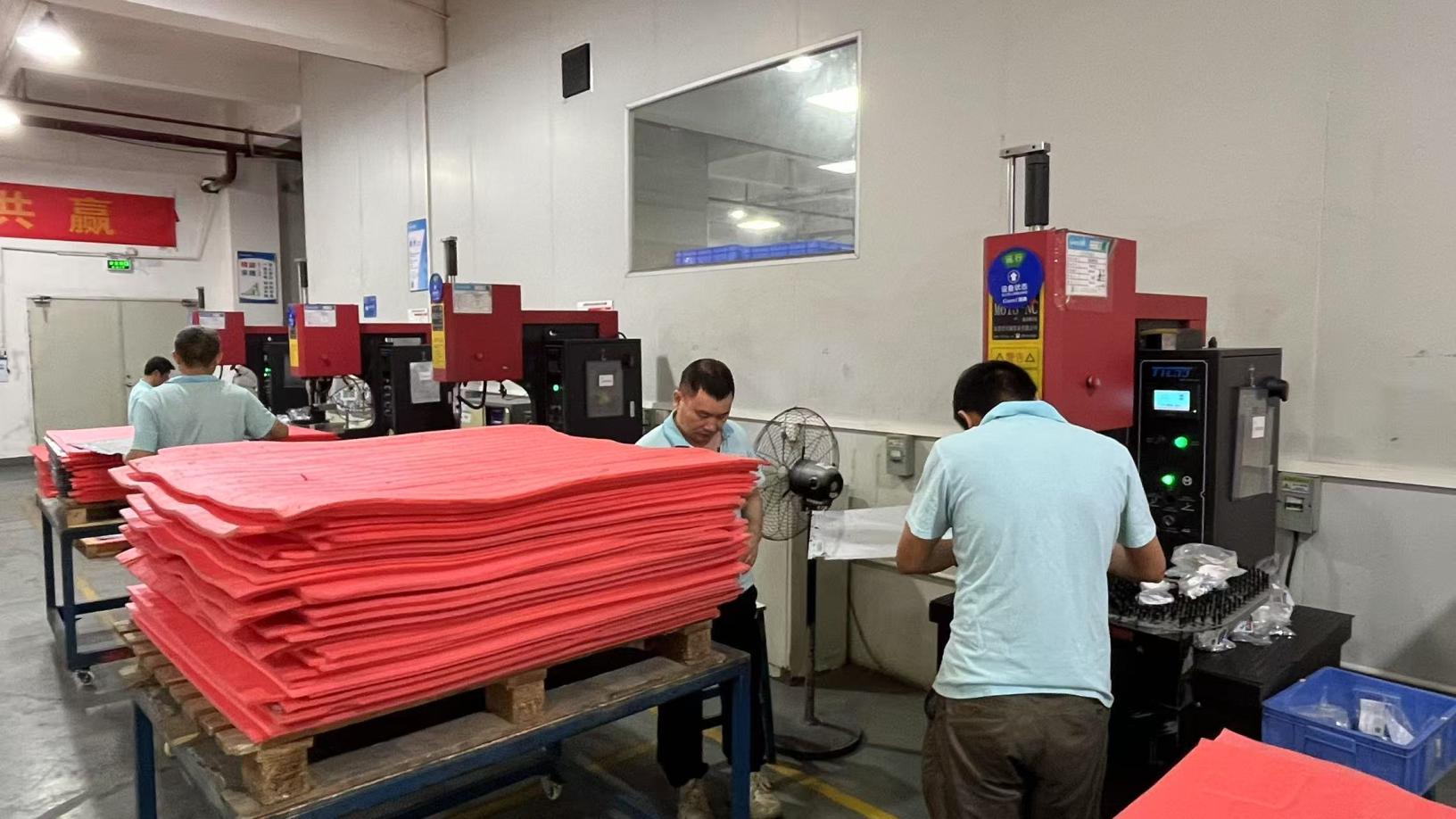
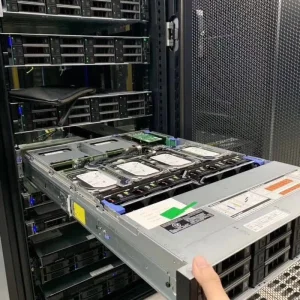
Take a look inside our ISO9001-compliant production environment, optimized for stress testing and thermal verification.