TensorNova
TensorNova
TensorNova
Explore our top-performing hardware nodes engineered for hyperconverged environments, extreme AI workloads, and mission-critical database virtualization.
Understanding how advanced bare-metal architectures, software-defined ecosystems, and custom silicone acceleration drive modern compute densities.
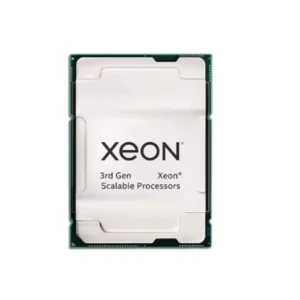
Historically, virtualization was designed purely to segment compute capacity, abstracting physical CPUs into isolated virtual machines (VMs). Today, the landscape is dictated by Hyperconverged Infrastructure (HCI), where computing, storage, and networking are unified at the hardware level. Modern enterprises are moving away from monolithic storage systems toward software-defined architectures. This integration places intense demand on physical servers, requiring multi-socket configurations (such as dual or quad Intel Xeon Scalable processors) coupled with massive DDR4/DDR5 ECC memory capacities to eliminate hypervisor-level CPU-to-memory latency bottlenecks.
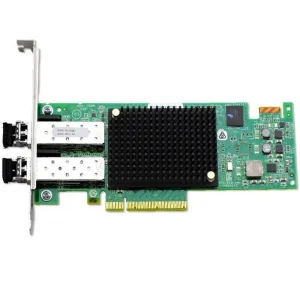
For modern data centers, virtualization efficiency relies heavily on high-throughput interface adapters. Enterprises utilize specialized host bus adapters like the Emulex LPE35000 32Gb/s FC SFP28 to facilitate ultra-low latency connections between hypervisors and storage area networks (SANs). By offloading input/output operations from the host processor, these cards ensure that virtualization overhead is minimized, maximizing the density of VMs per host.
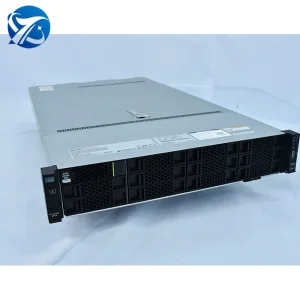
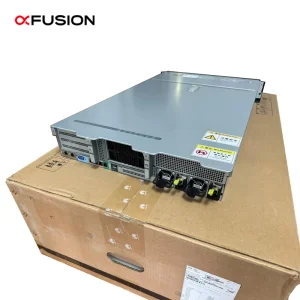
The rapid integration of AI and large language models (such as DeepSeek and GPT variations) has forced virtualization platforms to evolve. Traditional virtualization focused primarily on CPU slicing. The new paradigm, led by bare-metal hypervisors, requires dynamic GPU partitioning (vGPU) and PCI-Express pass-through optimization. Systems like the FusionServer G5500 V7 AI Server are optimized for this exact challenge, allowing companies to pool massive arrays of GPU accelerators and partition them dynamically for multiple development teams or microservices.
This dynamic slicing prevents hardware underutilization, which is crucial given the high acquisition costs of AI accelerators. Modern virtualization solutions must support Direct Path I/O and SR-IOV (Single Root I/O Virtualization). These technologies bypass hypervisor translation layers, allowing virtualized instances to interact directly with hardware components, resulting in near-native bare-metal execution speeds.
Merging processing pools and low-latency storage arrays inside 1U and 2U nodes to maximize physical space and power utility.
Implementing specialized M.2 SAS3808 boot card configurations (e.g., XP270-M2) to run local hypervisors independently, freeing up high-capacity SAS/SATA bays.
Providing absolute hardware-level isolation for cloud service providers (CSPs) through advanced CPU instructions and secure encrypted virtualization.
Headquartered in China's advanced technology corridor, TensorNova serves as a high-performance server manufacturer and infrastructure solution provider.
Established in 2016, TensorNova has built a robust reputation as a reliable and innovative hardware designer. Backed by over 12 years of industry experience in high-density processing environments, we are equipped to support modern server assemblies, system validation, and complex global logistics. Our manufacturing facilities utilize ISO9001-based quality control structures, ensuring every rack server and component meets the reliability requirements of cloud operators and private enterprises.
From enterprise database hosting to cloud-native virtualized edge computing, see how our custom server builds perform across distinct localized workloads.
Heavy transactional platforms like SAP HANA require continuous memory availability and low-latency processing. Deploying the 4-socket 2488H V5 Server enables businesses to run their entire transactional environment on a single system with high memory consolidation.
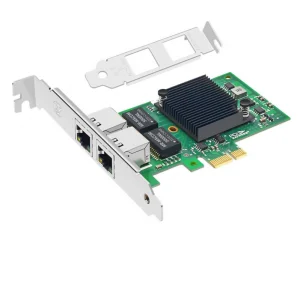
Decentralized environments like retail branches, smart grids, or telecommunication stations require robust out-of-band management. The XP270-M2 Boot Card allows remote system setup and diagnosis, keeping localized edge hubs running without on-site technical support.
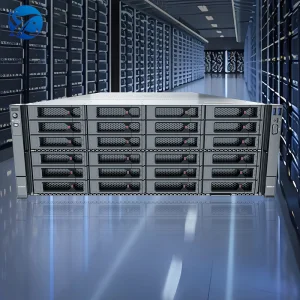
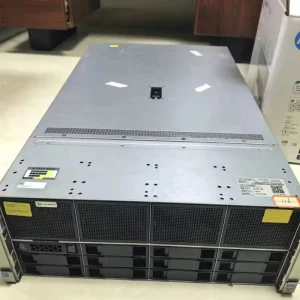
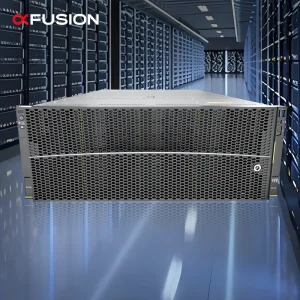
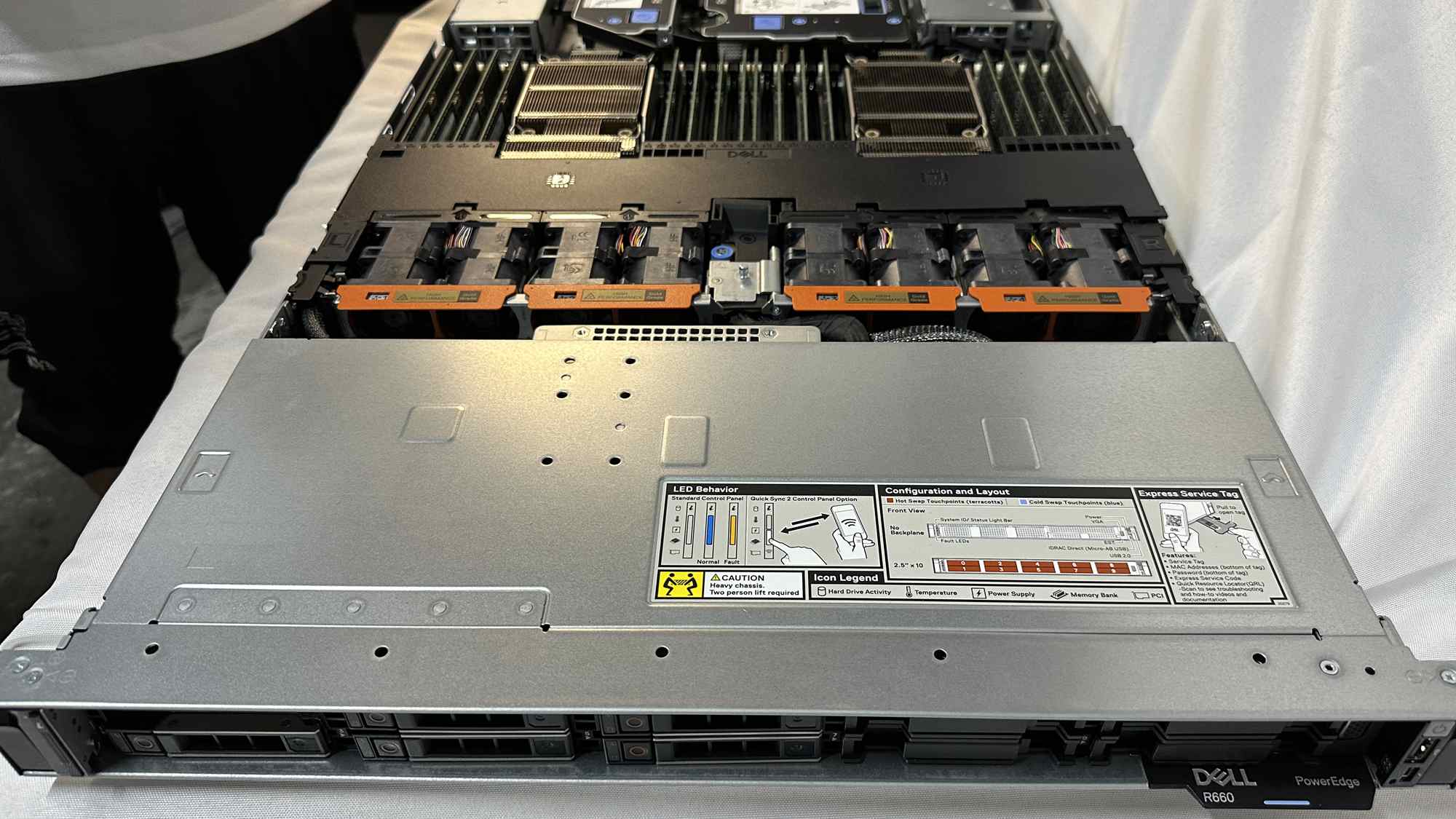
Backup repositories and object storage services need large raw storage capacity and processing efficiency. The FusionServer 5288 V6 provides high storage density in a 4U rack profile, offering massive drive capacity for cloud backup platforms.
How TensorNova addresses the specific hardware validation, deployment, and testing requirements of global enterprise buyers.
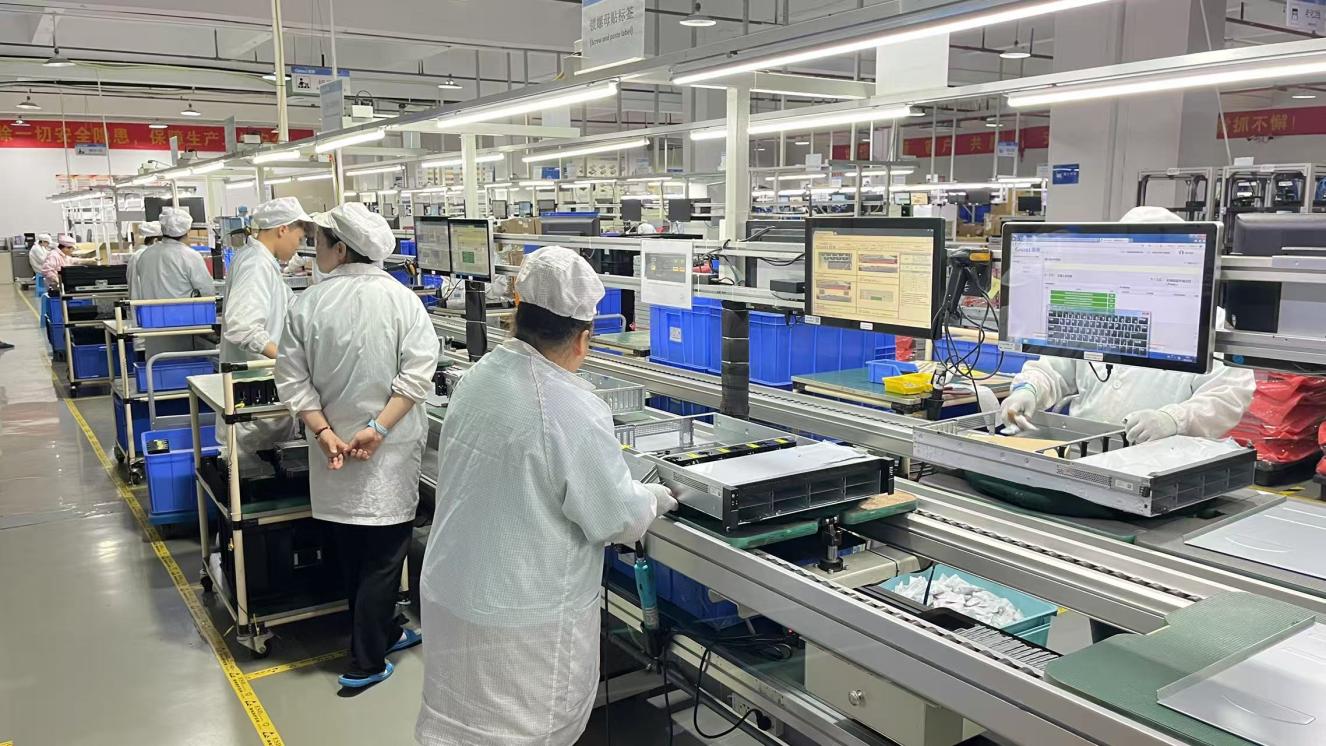
Enterprise IT purchasing agents, data center operators, and cloud builders require high reliability from their hardware supply chains. Our production workflow is built to ensure consistent quality through the following operational steps:
| Requirement Metric | Global Industry Challenge | TensorNova Dedicated Solution |
|---|---|---|
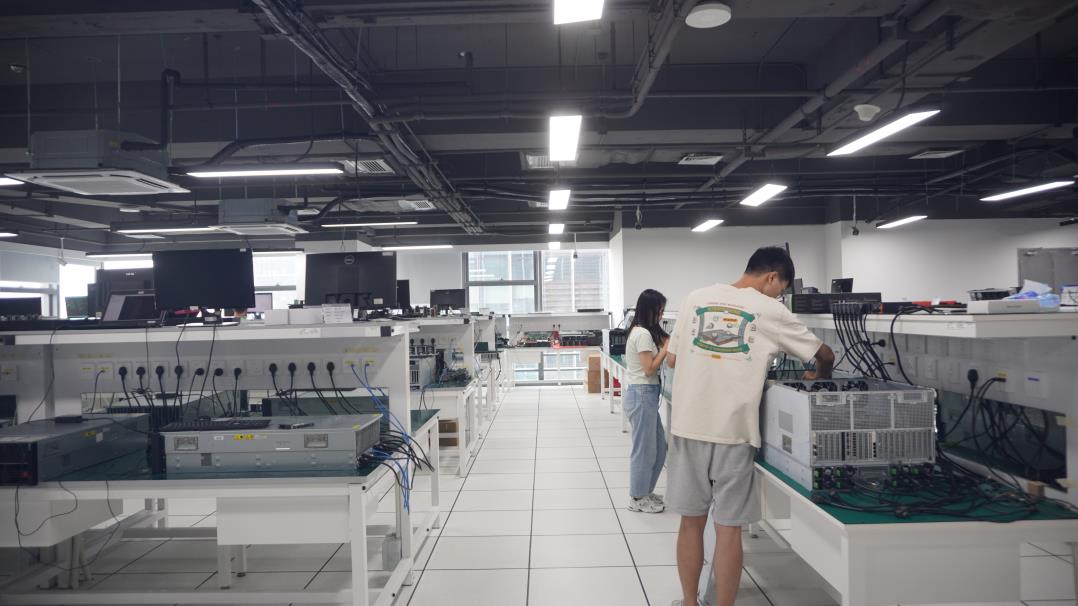
| High-Load Burn-In | Early hardware failures can cause significant downtime in virtualized environments. | Automated hardware stress testing, thermal performance validation, and AI workload simulation testing are conducted on all completed server builds. |
| Firmware & BIOS Customization | Standard BIOS settings may fail to optimize vCPU execution paths and power levels. | Dedicated support for motherboard-level tuning and BIOS optimizations configured for specific hypervisors like VMware ESXi or Proxmox. |
| Thermal Optimizations | High-density CPU and GPU loads can lead to thermal throttling and reduced operational life. | Support for specialized thermal management setups, including custom high-airflow fan modules and integrated liquid cooling loops. |
| Supply Chain Integrity | Geopolitical conditions and component shortages can lead to long production delays. | Strong vendor network consisting of over 1,200 global suppliers and component partners, ensuring stable component availability and production scheduling. |
Our dedicated quality assurance team, consisting of approximately 45 quality control personnel, ensures that every component—from single HBA cards to complete multi-socket server nodes—meets our rigorous validation guidelines before shipment.
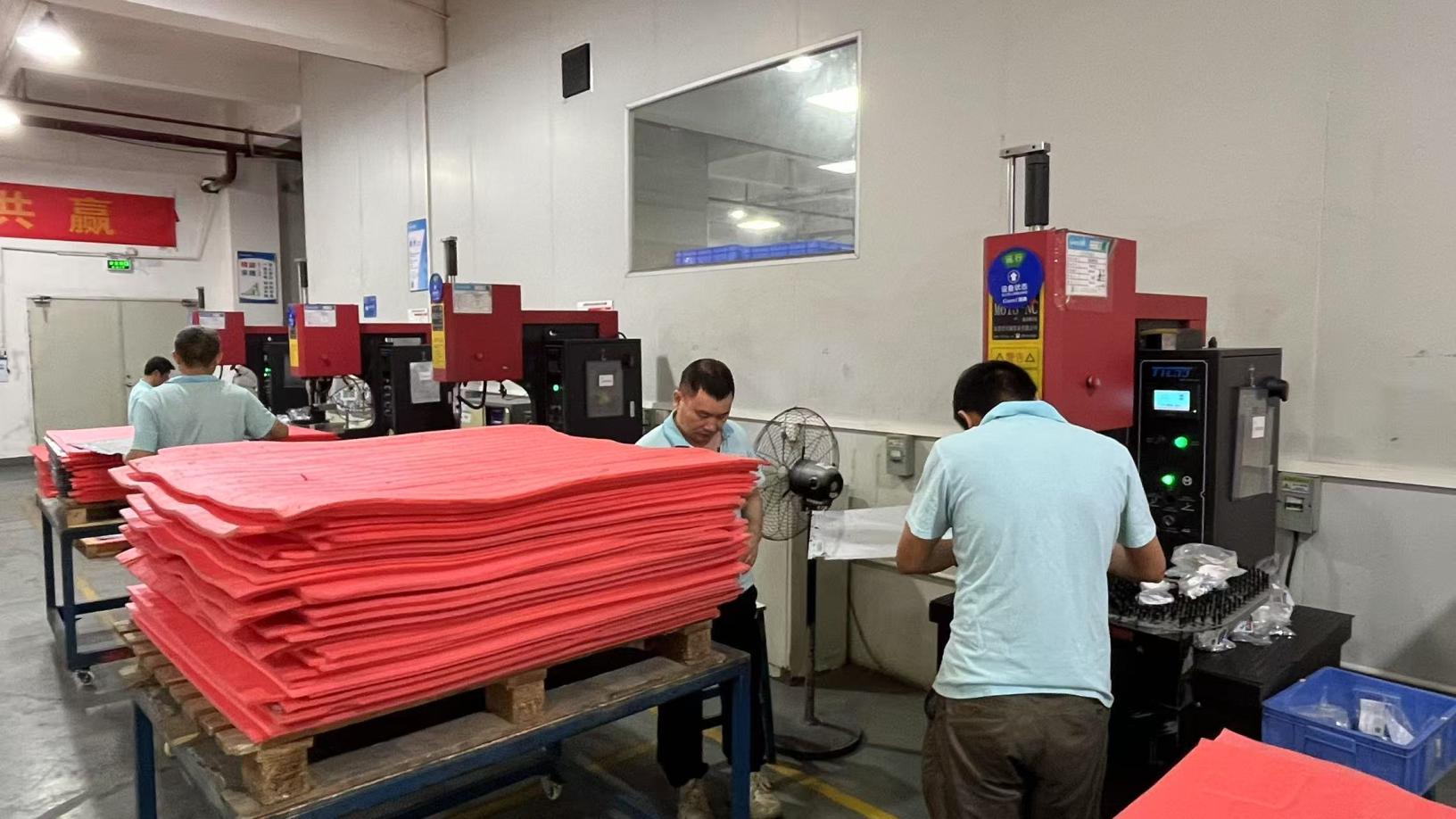
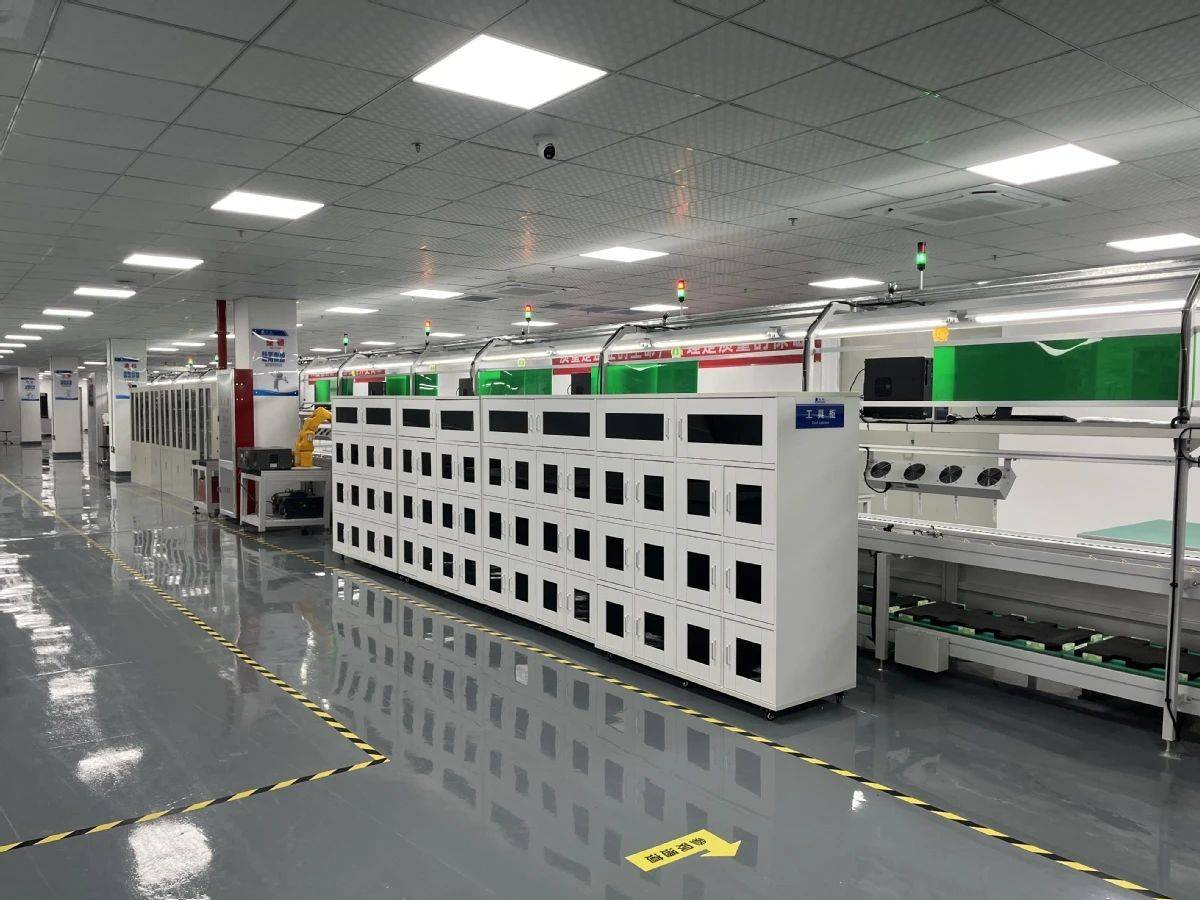
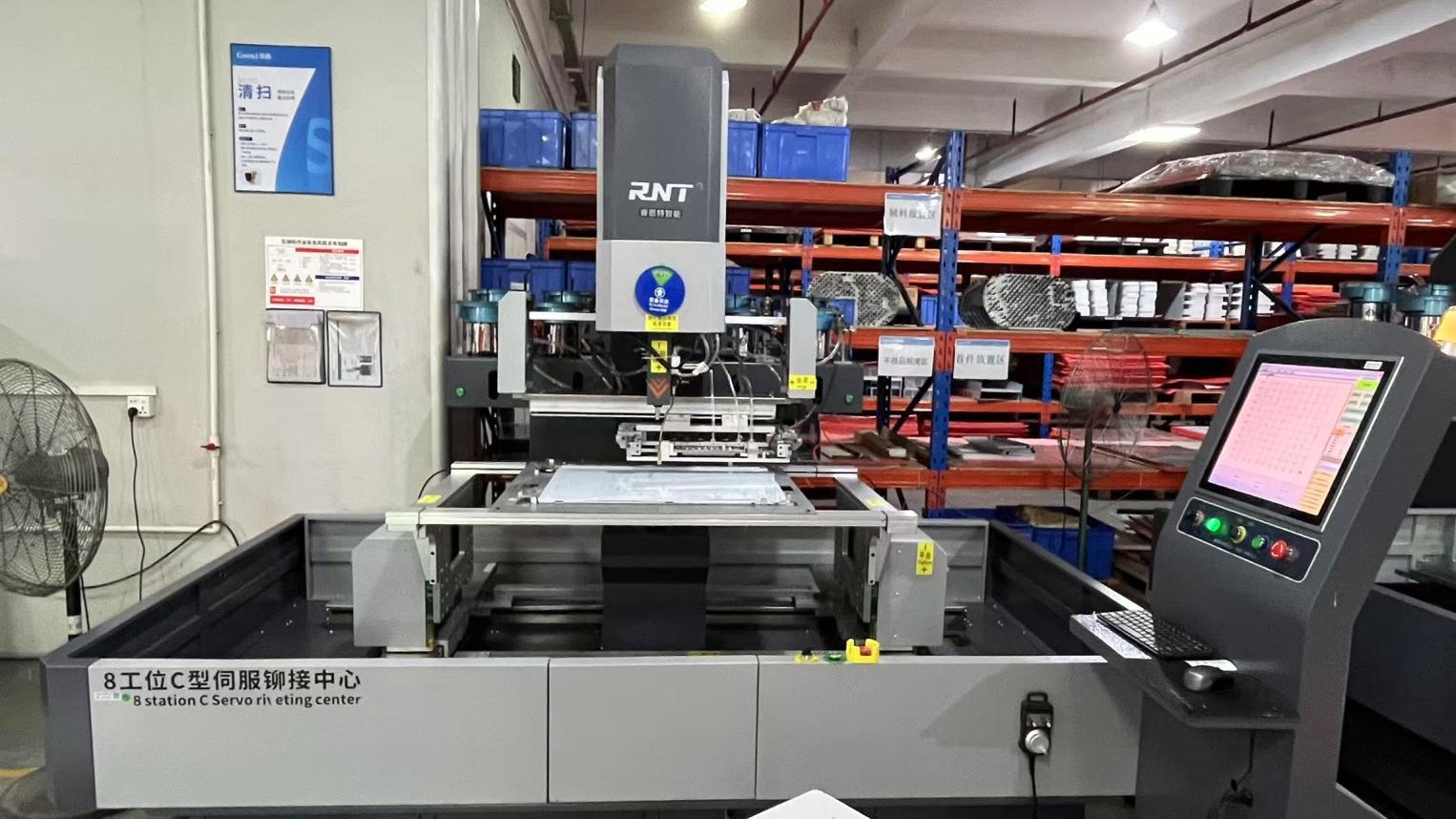
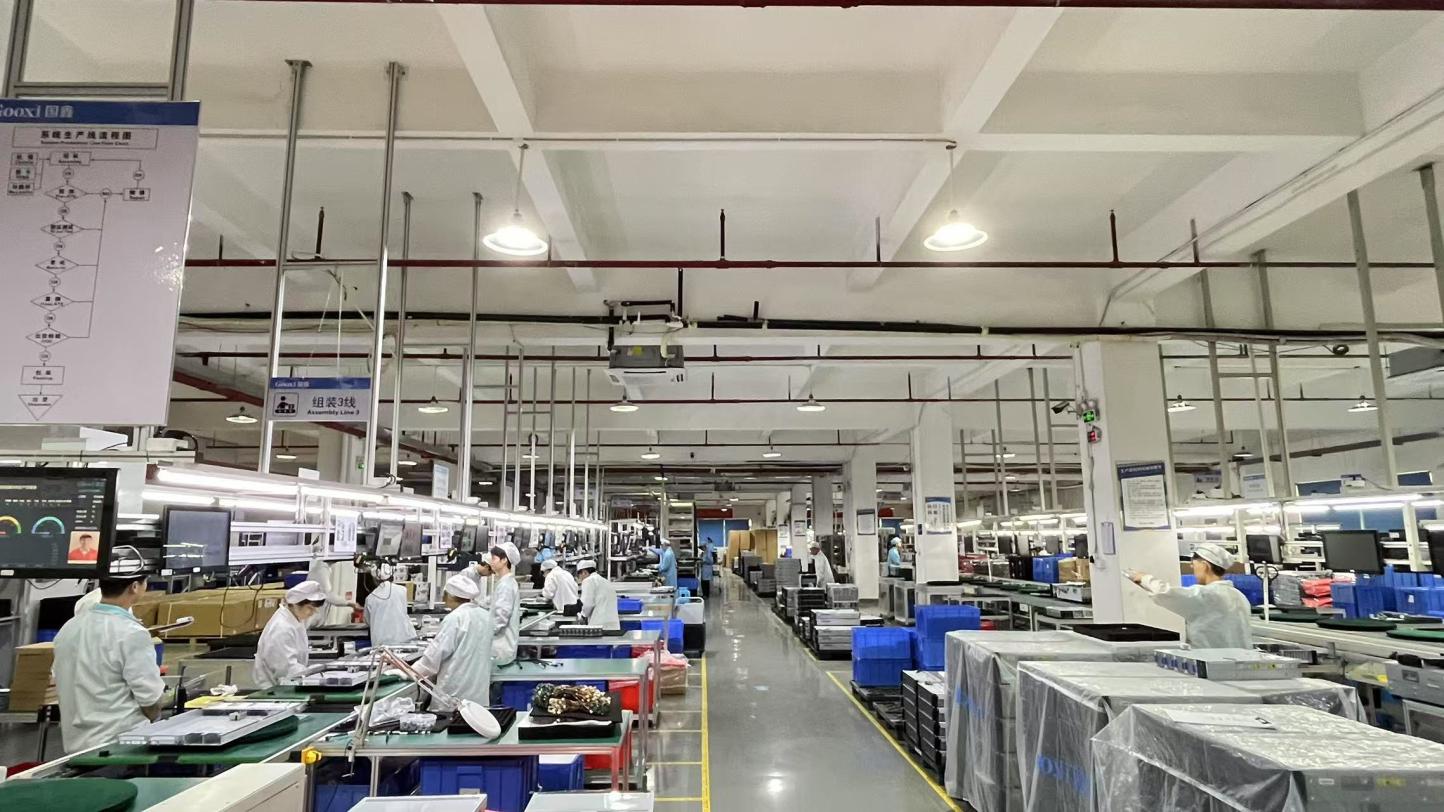
A visual overview of our modern assembly facilities, validation systems, and production lines in China.

Answers to common technical, architectural, and procurement questions for systems administrators and purchasing directors.
Out-of-band management provides secure access to physical servers even if the host hypervisor crashes or becomes unresponsive. Devices like our XP270-M2 SAS3808 Boot Card feature dedicated controller interfaces that permit system configuration, firmware updates, and remote power cycling. This helps reduce site visits and lowers operating costs for large or distributed edge server systems.
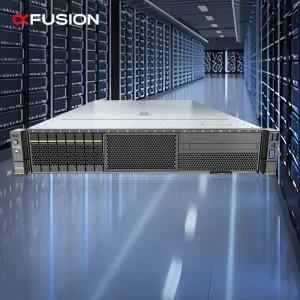
Hypervisors allocate virtual RAM from physical memory pools. Higher memory speeds directly reduce latency for memory-bound applications like databases and transaction processing systems. Using high-capacity configurations (e.g., dual-socket xFusion 2288H V6 systems with balanced DIMM slots) prevents imbalances between NUMA nodes, allowing virtual machines to access local memory pools without passing through interconnecting buses.
Our verification procedures are based on ISO9001 quality management guidelines. Each server undergoes a multi-step testing process: automated hardware stress testing, high-temperature thermal validation, extended burn-in testing, and simulated AI workloads to verify system stability under heavy processing loads.
Yes, TensorNova offers a range of customization options. We can configure both traditional air-cooling designs and integrated liquid-cooling setups to meet the requirements of high-density server configurations.
Complete your virtualization setups with high-performance network server configurations, SAS boot components, and processor upgrades.