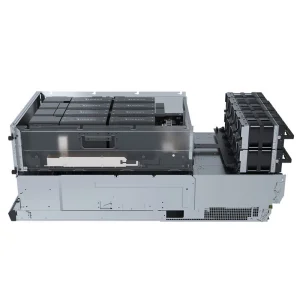
Secure Enterprise VPN Gateway Hardware, Cryptographic Acceleration Servers, and Custom Network Security Infrastructures Built for Global Interconnectivity and Compliance
Executive Summary: The Convergence of Secure Server Hardware and VPN Infrastructures
In an era characterized by hyper-connected enterprise networks, decentralized workforces, and escalating cybersecurity threats, the performance bottlenecks of traditional software-based VPN architectures have become a pressing issue. Modern Virtual Private Network (VPN) systems require robust hardware platforms designed specifically for cryptography offloading, low-latency deep packet inspection (DPI), and high-throughput routing. As a leading China VPN solutions hardware factory, TensorNova bridges the gap between hardware capabilities and network security protocols.
By deploying enterprise-grade xFusion security servers and custom-tailored GPU-centric architectures, global organizations can operate secure tunnels capable of maintaining multi-gigabit throughputs without degrading processor cores reserved for application workloads. This integration of raw server engineering and security deployment forms the base of the modern Secure Access Service Edge (SASE) and Software-Defined Wide Area Network (SD-WAN) frameworks.
Hardware Acceleration & Cryptographic Performance
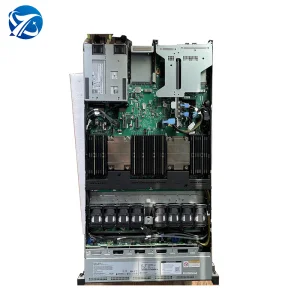
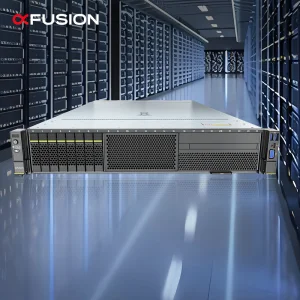
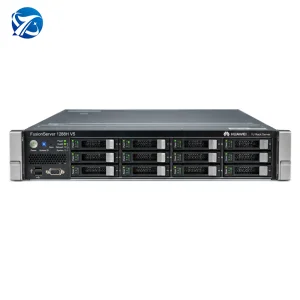
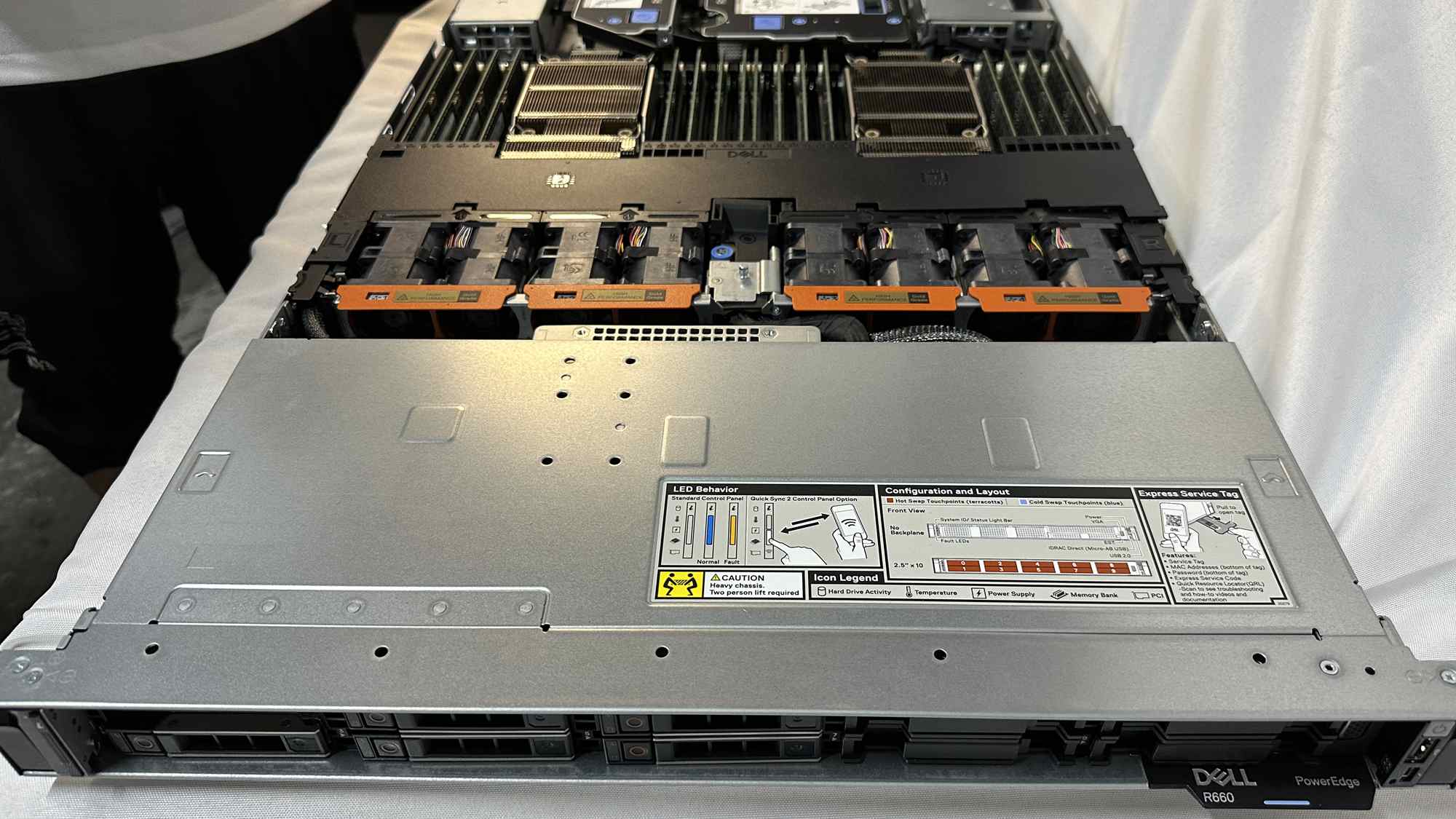
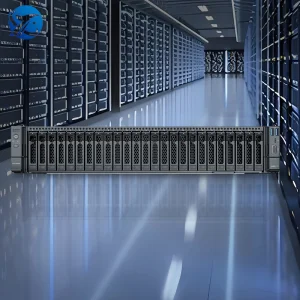
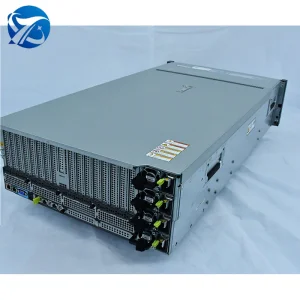
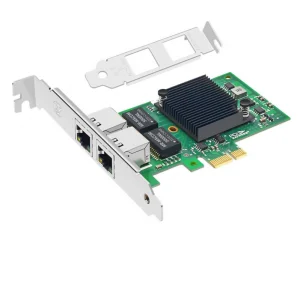
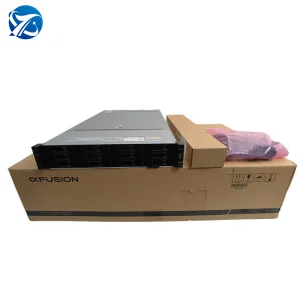
Software VPN platforms frequently fail under heavy, concurrent user loads due to CPU exhaustion during the encryption and decryption cycles. Hardware acceleration protocols (such as Intel® QuickAssist Technology (QAT), AMD Secure Encrypted Virtualization (SEV), and dedicated PCIe cryptographic cards) resolve these issues by offloading processing. TensorNova's hardware line, including the high-density xFusion FusionServer 1288H V6 and xFusion 1288H V7, incorporates these advanced cryptographic processors.
These acceleration cards offload resource-heavy operations like IPsec, SSL/TLS handshakes, AES-GCM encryption, and public key calculations. This architectural model yields major benefits for enterprises:
Reduced Packet Latency: Hardware-level cryptographic operations run in fractions of the time compared to software emulation loops.
Improved Security Node Density: Multi-tenant security instances run concurrently on a single 1U or 2U host without cross-talk or performance drops.
Protection Against DDoS Attacks: Dedicated network interface controllers (NICs) with integrated DPDK (Data Plane Development Kit) filter malicious connection spikes before they reach the host CPU.
China Supply Chain Optimization
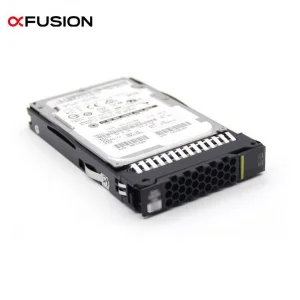
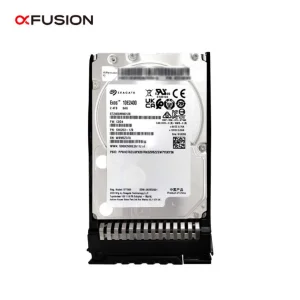
TensorNova leverages deep roots in the global server capital of Shenzhen and partner ecosystems throughout China. By collaborating directly with over 1,200 component suppliers, we bypass conventional distributor markups. This ensures steady component access for enterprise hard drives (SATA HDDs ranging from 4TB up to 20TB) and flash systems (EP600 series NVMe PCIe SSDs). Global clients receive custom hardware platforms faster, bypassing typical international supply blockages.
Localization & Regulatory Compliance
Deploying enterprise network hardware across global offices demands compliance with complex standards. Whether navigating the European Union's GDPR requirements, United States FCC specifications, or specific localized data handling rules, our hardware undergoes validation for secure deployment. We configure systems at the BIOS/UEFI level to ensure secure boot sequences, support custom TPM 2.0 (Trusted Platform Modules), and integrate localized administrative tooling.
Motherboard & Cooling Customization
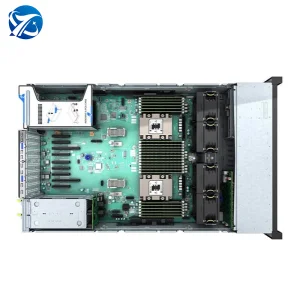
TensorNova offers deep hardware engineering personalization. We optimize motherboard-level BIOS/UEFI firmware, customize chassis layouts, and deliver high-density liquid or air cooling. For systems like the FusionServer G5500 V6 and high-performance server configurations, thermal design is tuned for continuous operation under challenging conditions, protecting investments and ensuring server reliability.
Global VPN Hardware Deployment Scenarios
How multinational organizations deploy our network security nodes to secure infrastructure, remote sites, and cloud operations.
Secure Multi-Branch Corporate SD-WAN
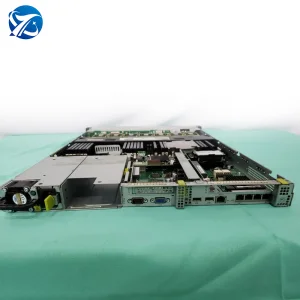
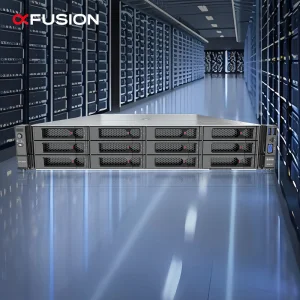
For global firms maintaining headquarters in the United States or Germany and branch facilities across Southeast Asia, establishing secure communication links is critical. Deploying xFusion 1288H V5 1U rack servers as local VPN concentrators provides stable, hardware-encrypted site-to-site connectivity. These systems deliver consistent throughput for high-resolution videoconferencing, ERP access, and secure unified file sharing.
Edge Data Center VPN Termination Gateways
With the rise of edge computing, data needs to be processed closer to the user before routing to core clouds. Setting up the xFusion 2258 V7 Server or localized boot card arrays like the XP270-M2 Standard Card at the network edge lets enterprises terminate local user tunnels directly. This reduces latency, saves main bandwidth, and insulates local operations from centralized outages.
AI Datasets Transit & Sync Protection
AI development relies on moving massive datasets securely. Deploying high-throughput GPU configurations like the FusionServer G8600 V7 behind dedicated hardware VPN tunnels ensures multi-gigabit transfers of training materials remain encrypted. This protects intellectual property and satisfies strict enterprise data compliance requirements.
Industry Trends: The Future of VPN Hardware and Network Security Nodes
As enterprise architectures evolve toward Zero Trust Network Access (ZTNA), the role of traditional VPN hardware is transforming. Tomorrow's security gateways are no longer just simple packet forwarders; they are smart nodes processing deep packet checks, traffic analysis, and policy enforcement at wire speed. Major trends driving the network security appliance industry include:
Post-Quantum Cryptography (PQC) Integration:
Next-generation VPN hardware must adapt to handle post-quantum algorithms (such as Kyber and Dilithium). These new encryption algorithms demand significantly higher processing overhead, making hardware acceleration features in enterprise servers a critical prerequisite.
AI-Assisted Threat Monitoring at the Gateway:
Embedding lightweight, localized AI inspection models within edge hardware helps detect compromise patterns in real time, block malicious behavior, and prevent lateral movement inside corporate intranets.
Hardware-Based Secure Enclaves:
Modern servers isolate crypto operations and VPN keys inside hardware-level secure enclaves. This ensures that even if the host operating system is compromised, encryption keys remain inaccessible to attackers.
TensorNova Corporate Profile
TensorNova is a professional high-performance AI GPU server manufacturer and infrastructure solution provider based in China, specializing in AI computing, GPU clusters, and scalable data center hardware solutions for global enterprises. Established in 2016, TensorNova has developed into a trusted supplier in the AI hardware industry with a strong focus on innovation, performance, and customized computing systems.
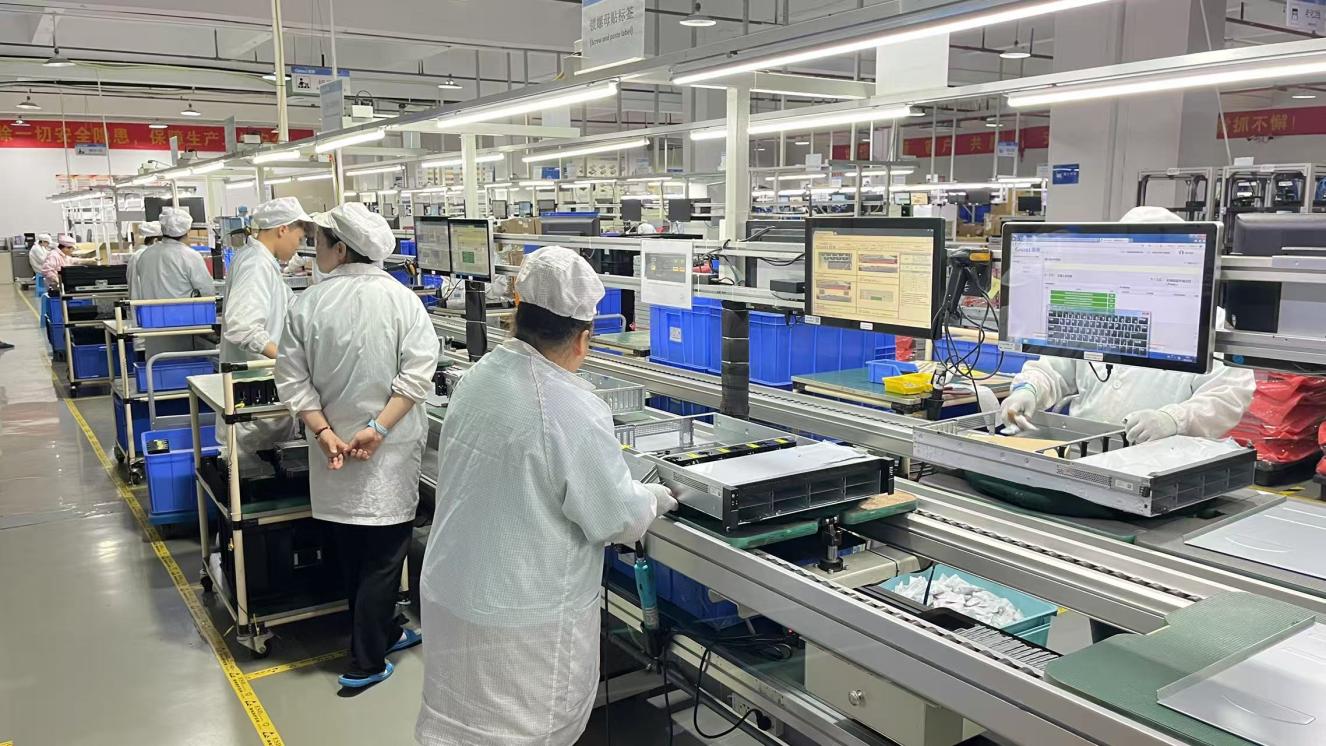
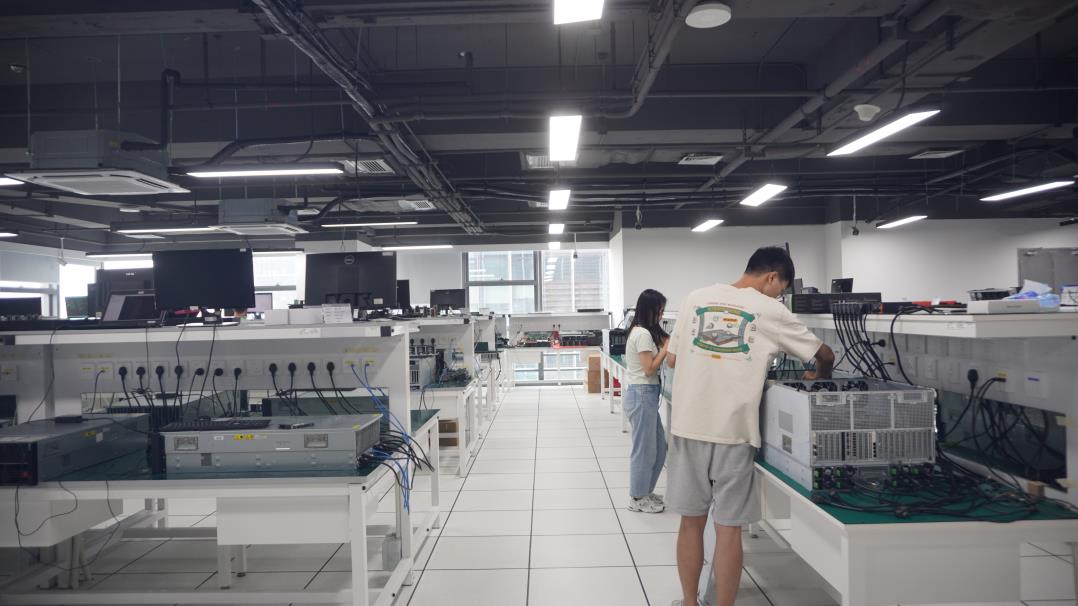
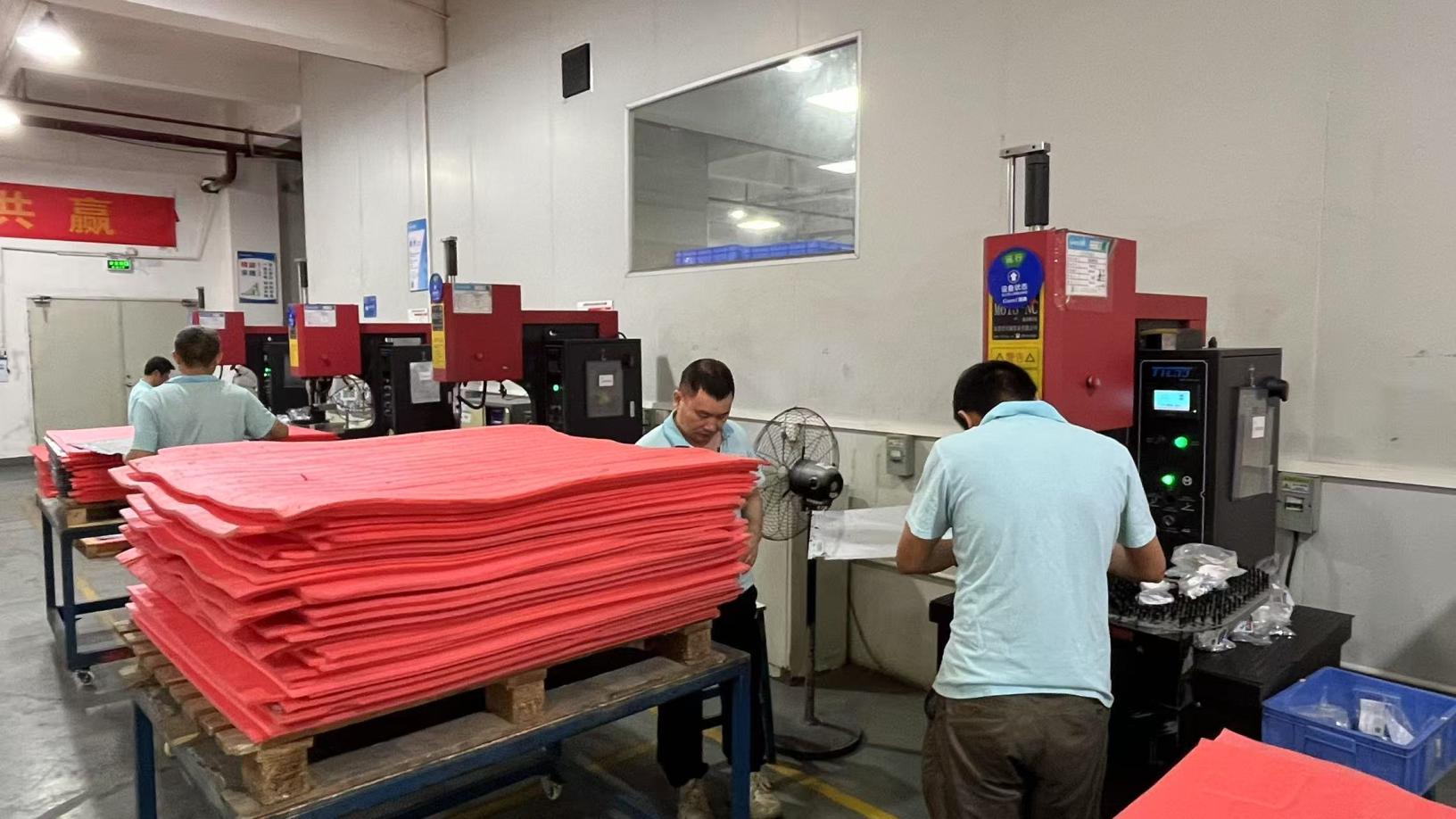
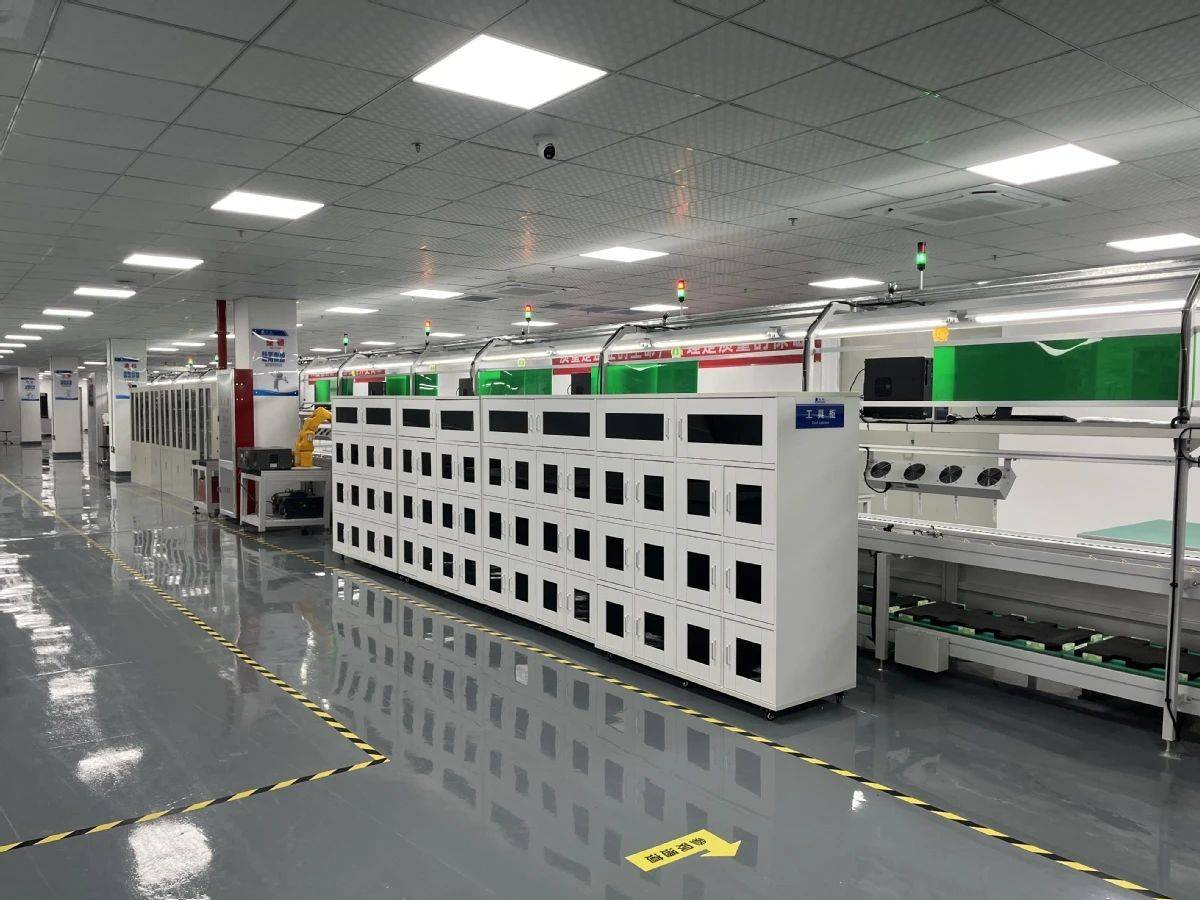
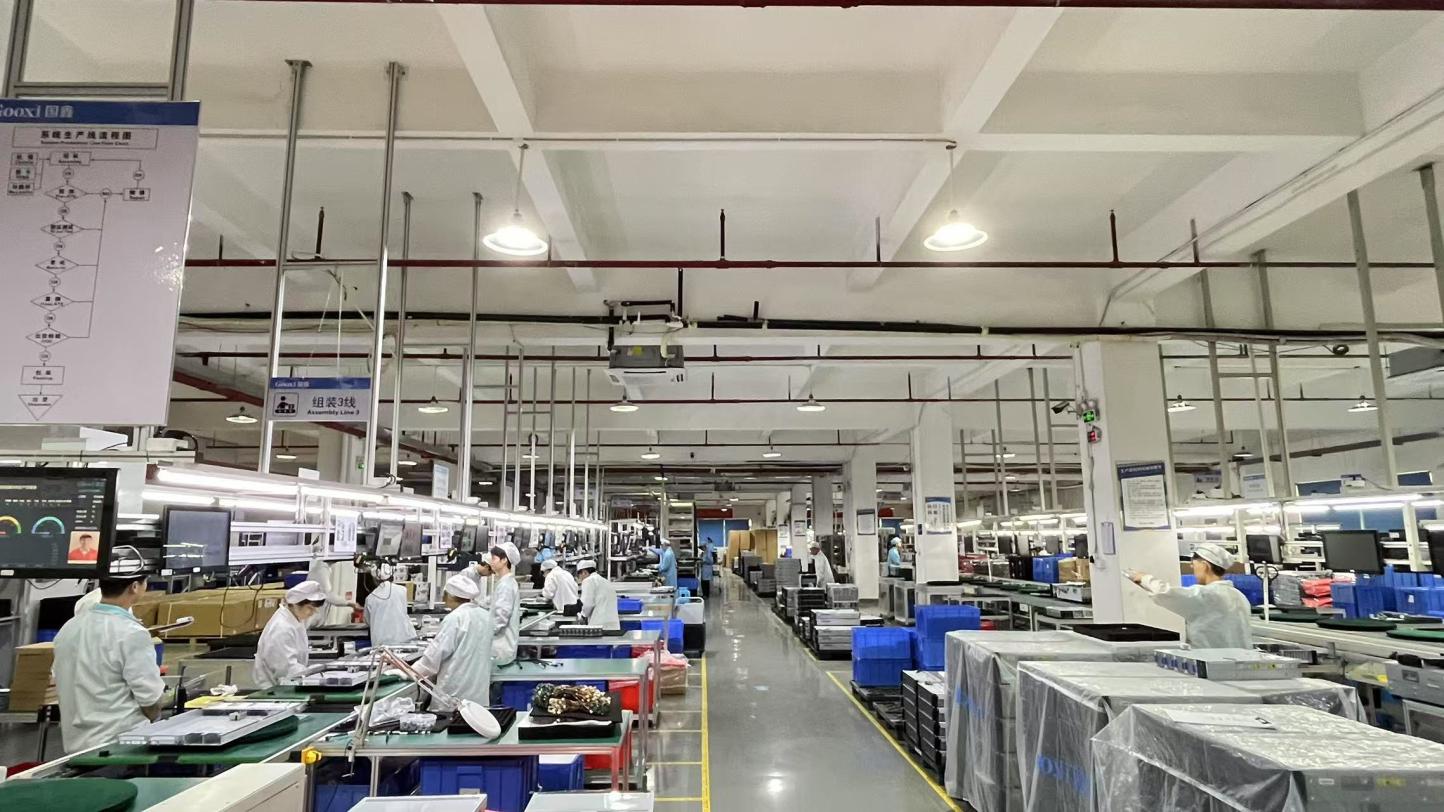
The company operates a modern production facility covering approximately 320㎡, equipped for advanced server assembly, testing, and system integration. TensorNova records an annual export revenue of approximately $8.5 million, with 6 years of export experience and over 12 years of industry experience in AI computing and server manufacturing.
Quality assurance is strictly implemented through ISO9001-based quality management systems, with product inspection conducted using automated hardware stress testing, thermal performance validation, burn-in testing, and AI workload simulation testing. The company employs around 45 quality control personnel dedicated to ensuring product reliability and stability.
With a strong international trade background, TensorNova serves clients across North America, Europe, Southeast Asia, and the Middle East, with primary markets in the United States, Germany, Singapore, and the United Arab Emirates. TensorNova has established a robust supply chain ecosystem with more than 1,200 global suppliers and strategic component partners, enabling stable production and fast delivery capabilities.
The company primarily serves AI research institutions, cloud computing providers, data centers, enterprise IT departments, and AI startups. Its R&D capabilities are strong, supported by a team of approximately 180 R&D engineers, focusing on GPU server architecture, AI optimization, and high-density computing systems.
TensorNova offers extensive customization options, including GPU configuration customization, chassis design, cooling system optimization (air or liquid cooling), motherboard-level tuning, and AI workload-specific optimization solutions. In the past year, the company successfully launched 320+ new products, including next-generation AI GPU servers, edge computing nodes, and high-density GPU cluster systems.
Driven by continuous innovation, TensorNova is committed to delivering reliable, scalable, and high-performance AI computing infrastructure solutions for the global AI industry.
Why is hardware acceleration essential for modern enterprise VPN solutions?
Cryptographic tasks (such as AES-GCM decryption, hash generation, and IPsec key negotiations) are highly compute-intensive. Standard server CPUs running software implementations can experience resource exhaustion under heavy packet loads. Integrating hardware accelerators, such as Intel® QAT or specialized PCIe security cards, offloads this math overhead. This ensures low packet latency, maintains line-rate network speeds, and keeps CPU cores free for virtualized application environments.
How does TensorNova guarantee the quality and safety of network servers?
We follow strict ISO9001 quality management procedures. Every server node goes through a thorough validation protocol, which includes automated hardware stress checks, thermal evaluation in specialized environmental chambers, extended burn-in testing, and system-level workload simulations. Over 45 dedicated quality control specialists check every stage of integration to make sure each unit meets high enterprise standards before shipment.
Can TensorNova customize servers for specific global software VPN suites (e.g. OpenVPN, WireGuard, IPsec)?
Yes. We offer BIOS/UEFI adjustments, custom firmware tuning, and pre-integrated PCIe Network Interface Cards (NICs) optimized for specific packet-processing libraries (like DPDK). This lets buyers run open-source or proprietary VPN and SD-WAN operating systems with optimal hardware performance out of the box.
How does the Chinese server supply chain benefit international procurement?
Operating near China's major electronics manufacturing hubs gives us close contact with manufacturers of critical components, including SSD controllers, hard disk components, memory chips, and custom steel enclosures. This close access reduces raw component costs, minimizes typical transport delays, and helps us maintain a stable production pipeline for large-scale enterprise deployments.
High-Density AI & Network Datacenter Infrastructure
High-capacity storage drives, network interfaces, and GPU acceleration servers optimized for secure cloud-edge bridging.
 TensorNova