TensorNova
TensorNova
TensorNova
High-throughput, scalable processing architecture designed to anchor enterprise wireless configurations, edge routing nodes, and deep neural analysis.
In the contemporary digital landscape, wireless network solutions are undergoing a seismic transition. The explosion of IoT endpoints, combined with 5G/6G communication backbones and ultra-high bandwidth demands (Wi-Fi 7), has rendered legacy networks obsolete. Today, enterprise and industrial networks must act as intelligent organisms that dynamically route traffic, allocate computing power at the edge, and enforce robust zero-trust security postures.
At the center of this transformation lies high-performance computational hardware. Hardware virtualization in Software-Defined Networking (SDN) and Open-RAN (O-RAN) architectures requires server-grade computational clusters to process telemetry, compute real-time beamforming matrices, and run deep-learning workloads. As an industry-leading OEM/ODM hub, China has established itself as the critical epicenter for designing, testing, and scaling these critical hardware modules.
Through our dedicated facility and advanced hardware stack, TensorNova bridges the gap between raw compute requirements and advanced telecommunication infrastructure, serving global system integrators and telecommunications operators with high-density server nodes that anchor high-performance networks.
Deployment of MEC (Multi-Access Edge Computing) elements guarantees sub-millisecond response times for latency-sensitive robotics and automotive communication.
Enabling custom cellular networks (Private 5G/LTE) by integrating specialized accelerators and heavy GPU clusters with standard software-defined platforms.
Founded in 2016, TensorNova has scaled to become a globally recognized high-performance hardware and infrastructure solution provider, manufacturing components that form the backbones of modern data transmission and edge computing.
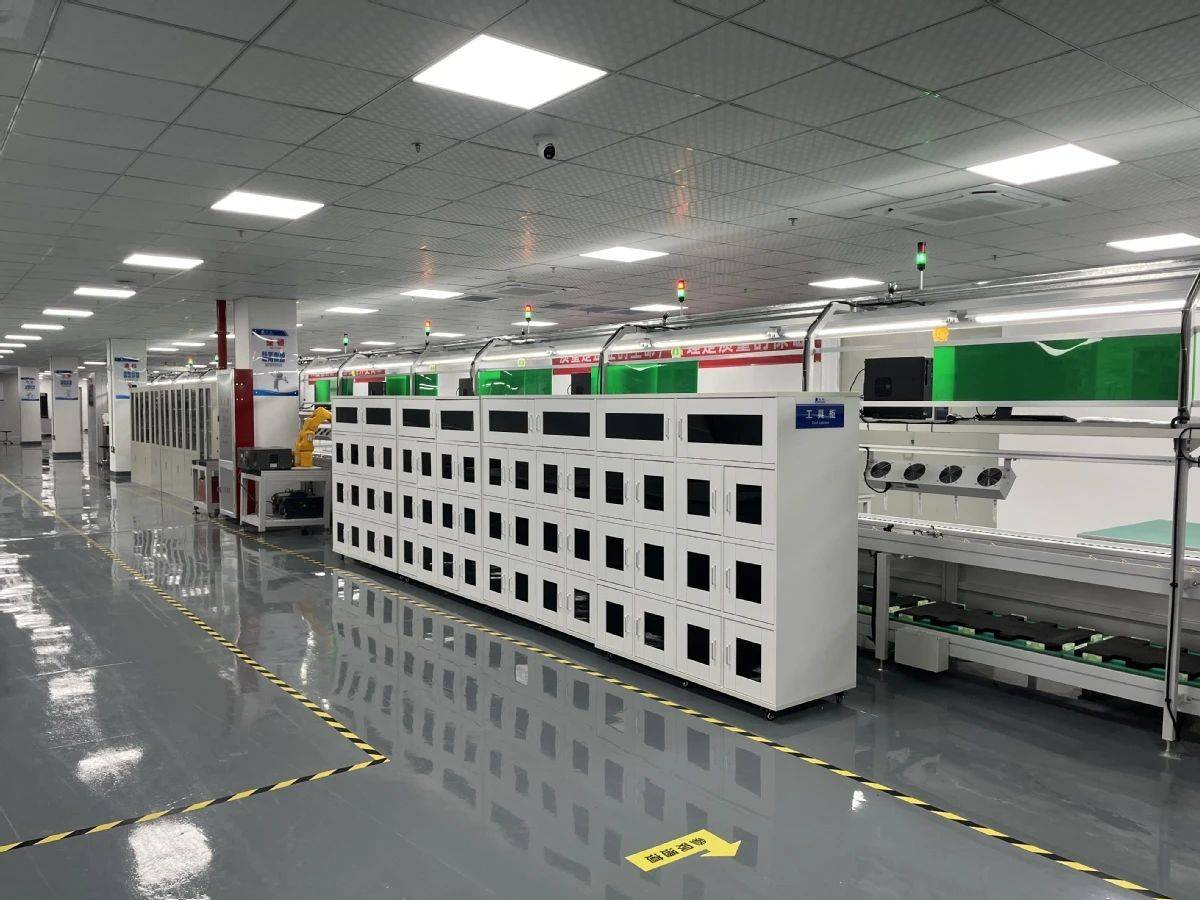
TensorNova manages a highly advanced 320㎡ specialized assembly and testing plant. Operating under stringent ISO9001 quality management guidelines, our systems undergo thorough automated hardware stress test configurations, thermal performance validation under extreme cycles, burn-in procedures, and real-world network workload simulations.
With a workforce comprising 45 quality assurance professionals and 180 R&D engineers, we have engineered custom platforms for deep learning, AI inference, and carrier-grade virtualization. Our global supply network includes over 1,200 suppliers and strategic hardware partners, ensuring consistent parts availability and highly streamlined hardware customization pipelines.

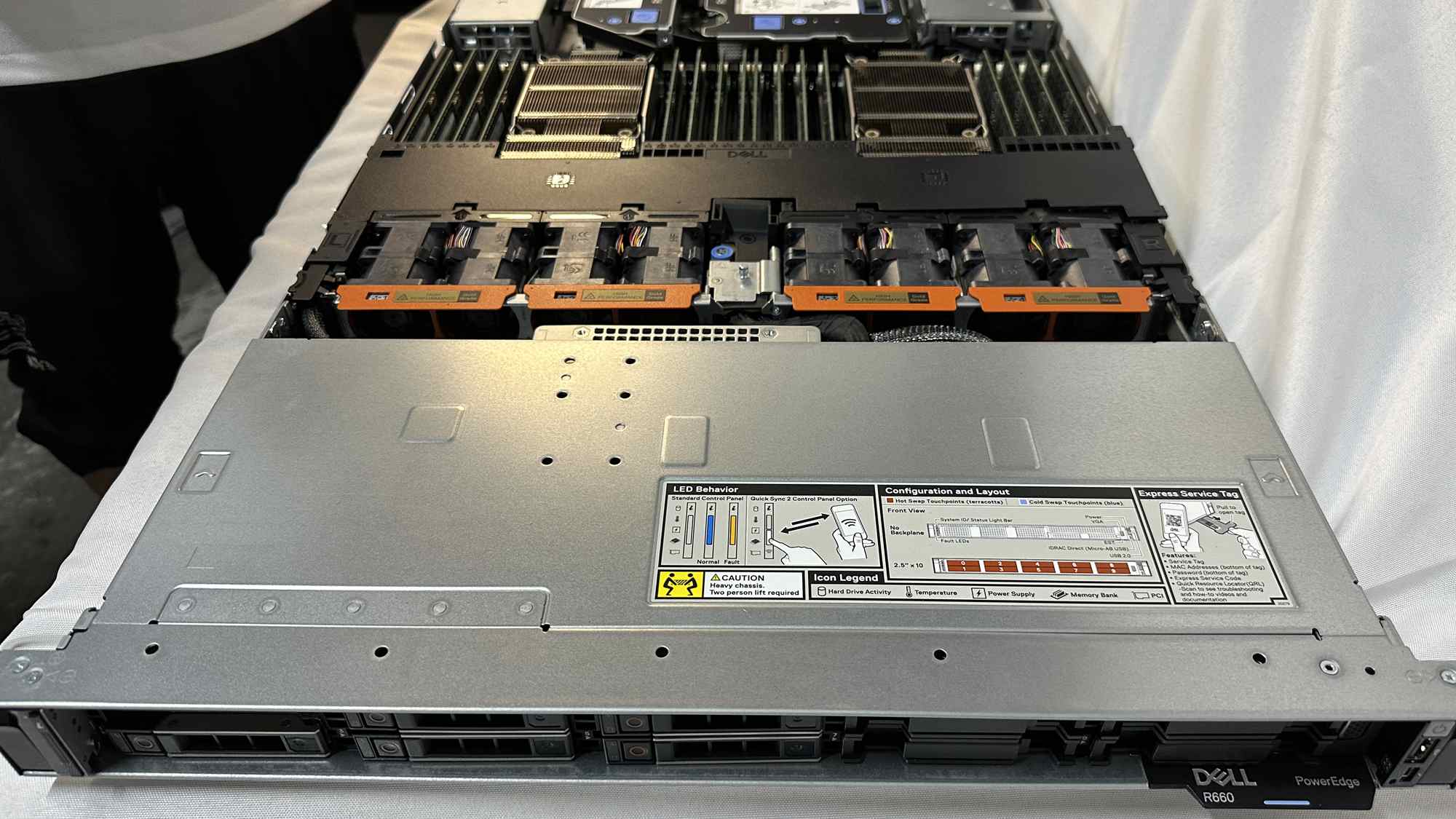
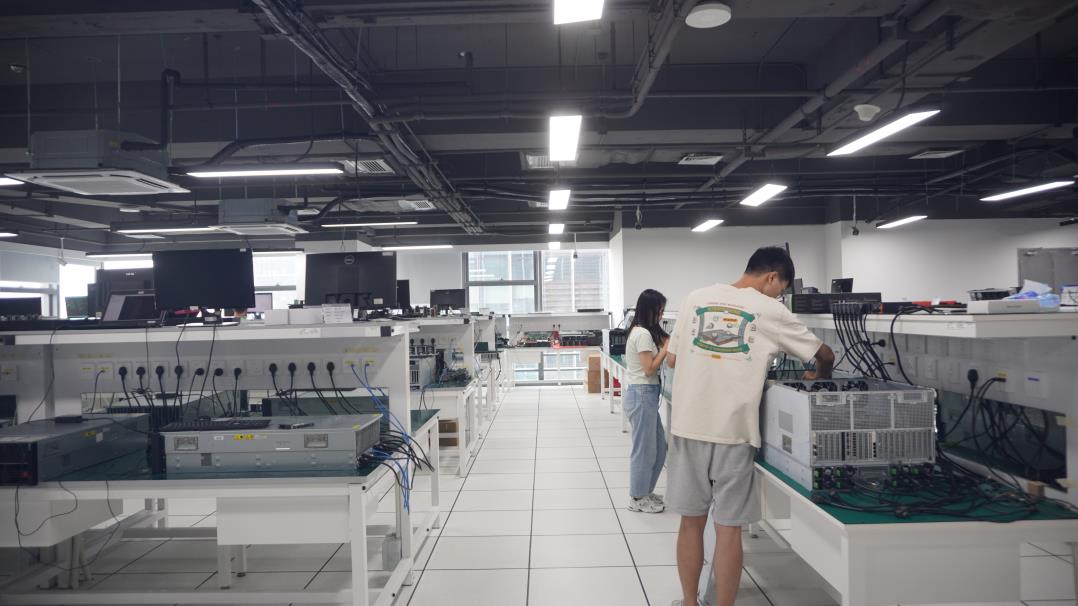
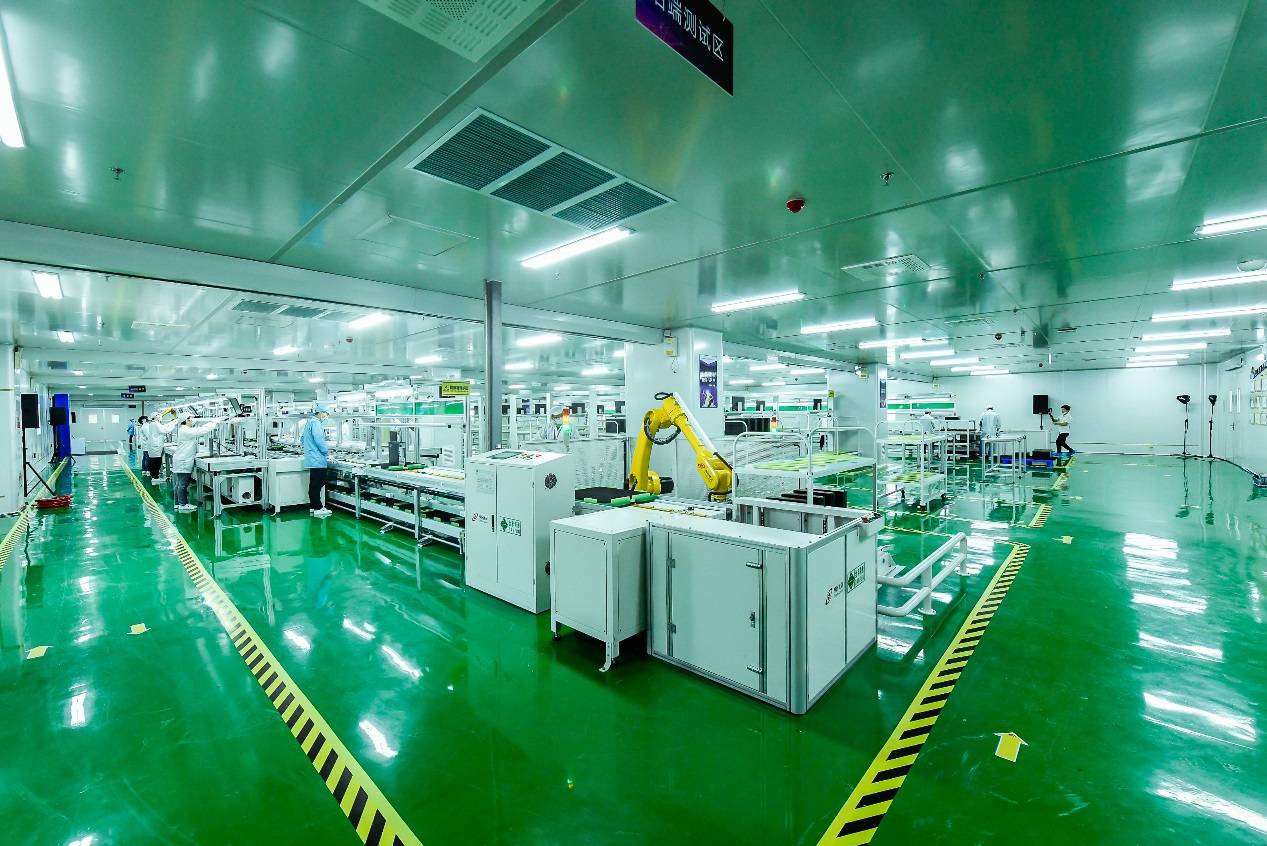
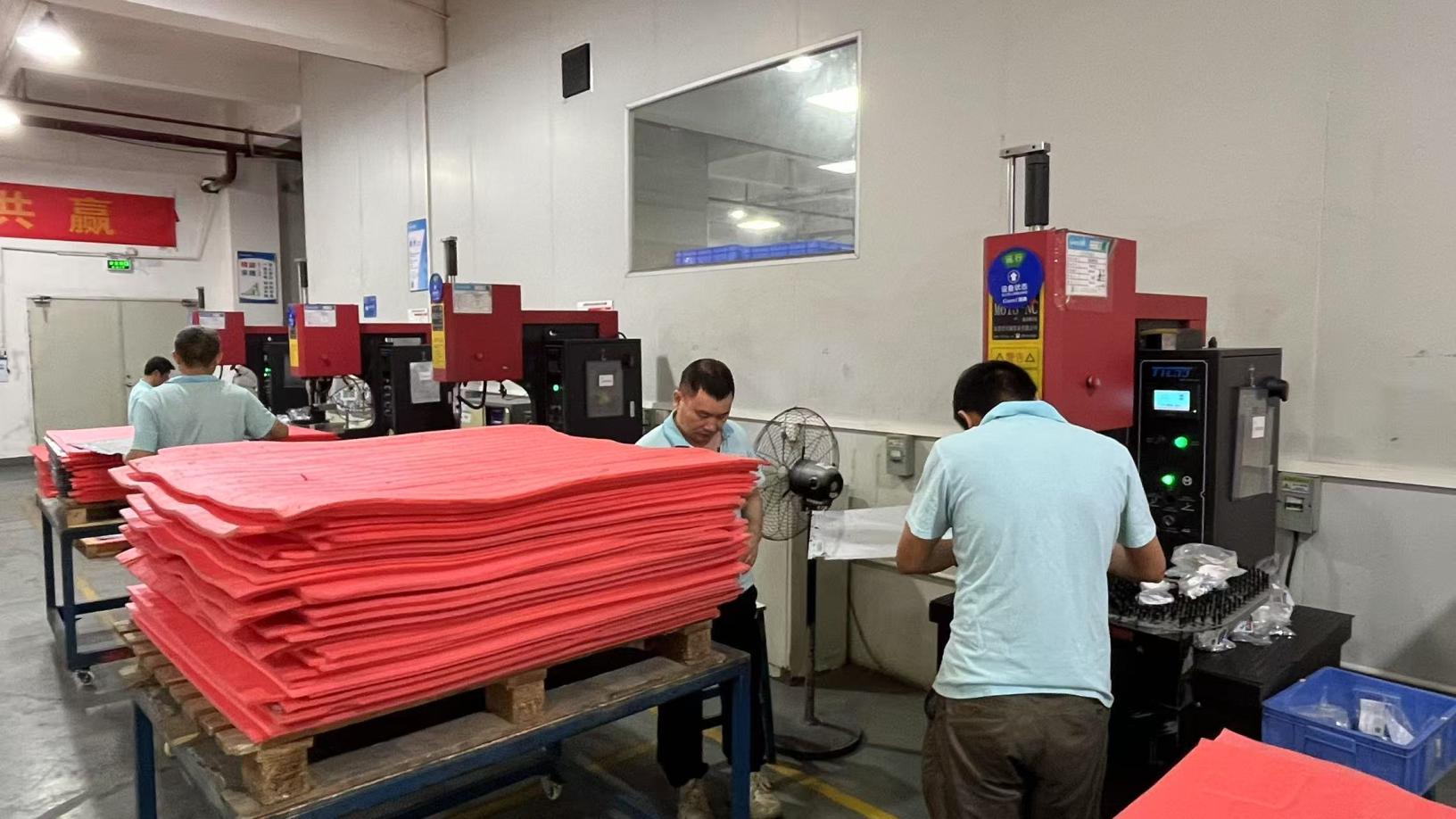


Serving major integration clients in North America, Western Europe (particularly Germany), Southeast Asia (Singapore), and the Middle East (UAE).
From motherboard-level optimization and cooling configuration redesign (liquid/air solutions) to deep hardware layout tuning for custom radio processing protocols.
45 dedicated QC technicians enforce strict standards across component validation, thermal burn-in, and signal-integrity verification.
How developments in high-performance hardware, next-generation wireless standards, and edge-native architectures are reshaping the industrial sector.
Offering up to 46 Gbps throughput, Multi-Link Operation (MLO), and 320 MHz channels. Requires backend hardware with extreme processing buses (PCIe Gen 5/6) and NVMe arrays to avoid network processing bottlenecks.
Real-time machine learning (like DeepSeek models hosted on GPU storage clusters) processes telemetry data locally to detect anomalies, balance loads dynamically, and mitigate security threats in real-time.
Hardware-level Root of Trust (TPM modules, PCIe encryption cards, and security processors) ensuring data passing through public/hybrid wireless domains is immune to physical tampering.
Enterprise network deployments requires bespoke integration of edge switches, high-speed servers, and centralized computing cores.
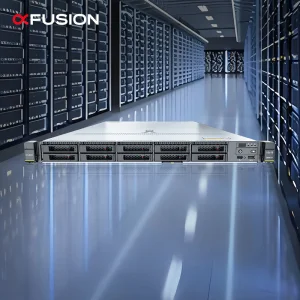
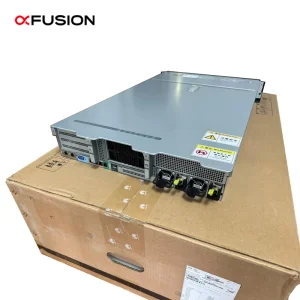
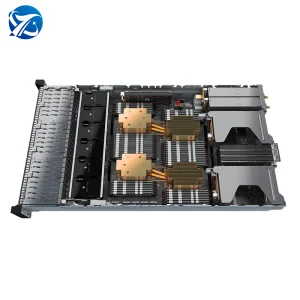
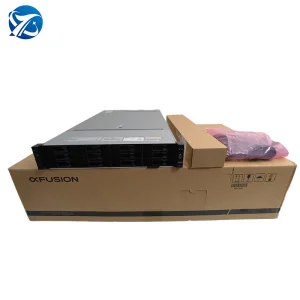
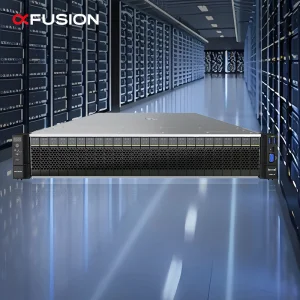
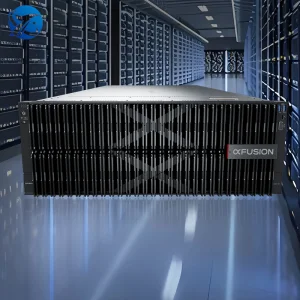
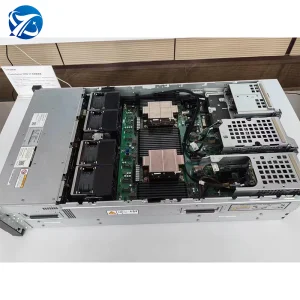
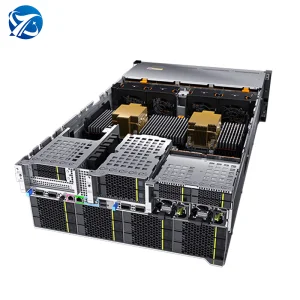
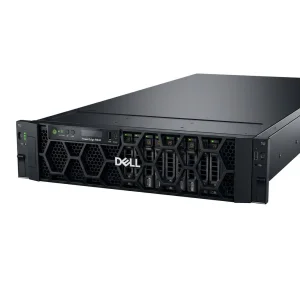
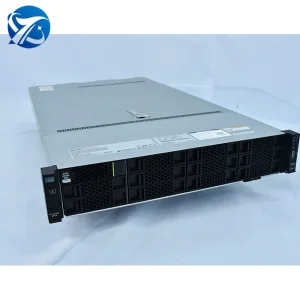
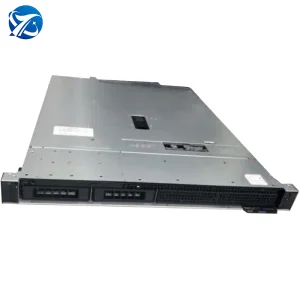
For modern campuses housing thousands of devices, network latency escalates quickly. Our solution features local rack servers (like xFusion 2288H V7 and 2488H V6) handling high-throughput local network control, AAA authentication, packet processing, and dynamic VLAN routing without having to route back to centralized remote clouds.
Smart factories rely on seamless wireless handovers. Our systems leverage high-density edge computer servers mounted directly in factory control rooms. These systems run software-defined wireless cores with integrated RAID cards (such as the 9540-8i RAID PCIE 4.0) to ensure zero-loss storage of device tracking telemetry.
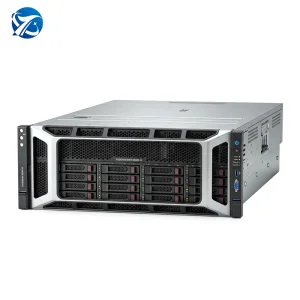
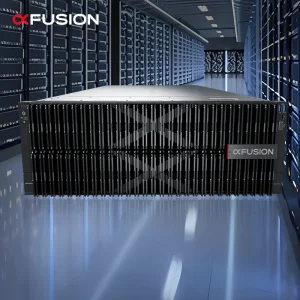
Combining wireless sensors and local cameras requires intense localized processing. The AI Inference G5200 V5 system provides the heavy GPU compute needed to handle hundreds of high-definition camera streams in real-time, executing visual models and outputting light-weight control signals to city routers.
No two networks are designed identical. TensorNova offers extensive custom options to accommodate your structural wireless requirements:
In-depth explanations regarding server hardware integration, manufacturing capabilities, and deployment architecture.
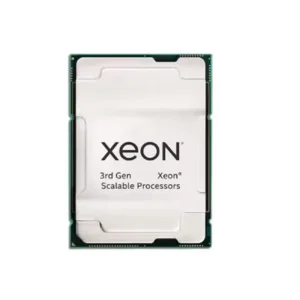
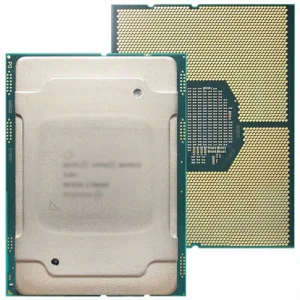
Modern enterprise wireless systems run on virtualized software platforms (such as vRAN, virtual wireless controllers, and soft routers). Our servers, powered by high-core Intel Xeon processors and high-speed NVMe storage, act as the physical layer processing nodes. They run virtualization environments (VMware ESXi, KVM, Docker) to handle signal packet encapsulation, routing table updates, and user session authorizations.
Every server undergoes our rigorous quality inspection protocol: (1) Automated hardware component detection, (2) Temperature cycling and burn-in testing inside our thermal chambers, (3) Data read/write error checks via dedicated SAS/NVMe controller testing, and (4) Simulated packet throughput stress tests to verify maximum thermal stability under full network routing workloads.
Yes. We offer short-depth server chassis engineering. Our chassis design services optimize airflow pathways, change drive layouts, and select components (like shorter-profile cooling heatsinks) so that computing platforms can fit into shallow 450mm and 600mm outdoor cabinets.
Integrating GPUs allows networks to analyze packet telemetry in real-time using localized deep learning models (such as LLMs and neural pattern matchers). This speeds up threat vector analysis, detects suspicious client behaviors instantly, and enables automatic quarantine actions directly at the edge, rather than relying on delayed cloud-based audits.
Explore additional systems configured for network backhaul management, high-throughput routing matrices, and scalable databases.