TensorNova
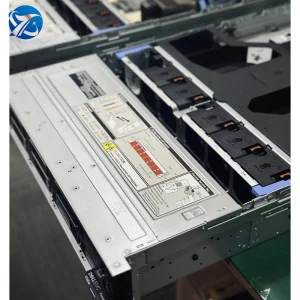
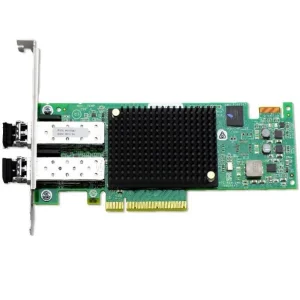
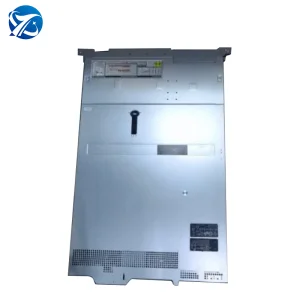
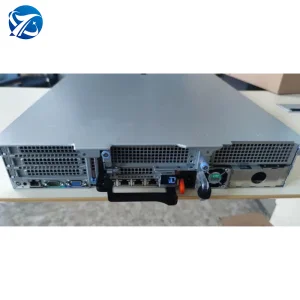
The global demand for high-performance computing (HPC) and artificial intelligence hardware has entered an unprecedented hyper-growth cycle. Driven by the mass adoption of Large Language Models (LLMs) like DeepSeek, GPT-4, and Gemini, alongside specialized computer vision systems and automated decision networks, computing architectures have transitioned from traditional CPU-centric servers to highly parallelized heterogeneous computing clusters. This global shift requires specialized hardware that offers optimal thermal design power (TDP) efficiency, ultra-high interconnect bandwidth, and maximum tensor processing density.
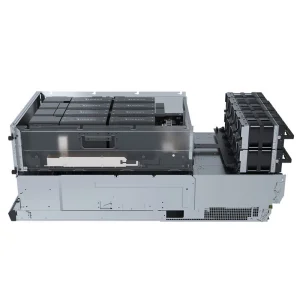
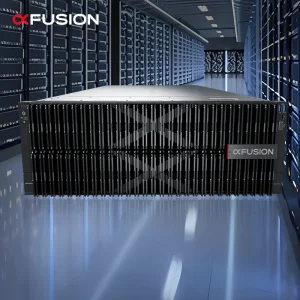
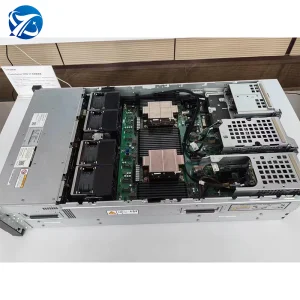
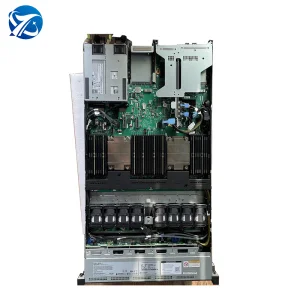
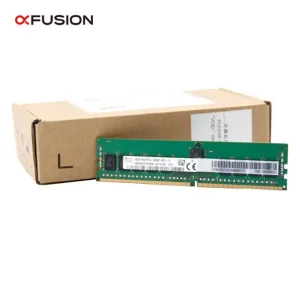
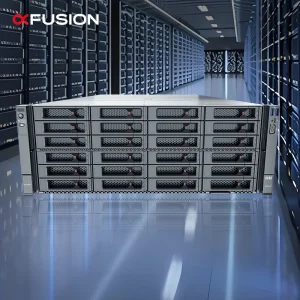
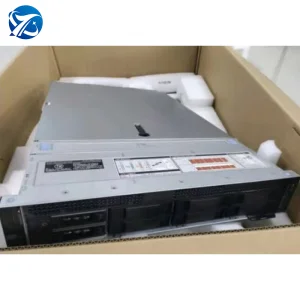
Industrial enterprises, cloud providers, and research laboratories are operating under tight infrastructural constraints. AI training clusters consume enormous amounts of energy, making the efficiency of the underlying hardware a critical operational metric. Modern enterprises are looking to implement dense 2U and 4U GPU rack servers that balance raw training capabilities with energy efficiency, dynamic memory capacity (such as DDR5 RDIMM running at 6400MT/s), and high-throughput networking solutions (like Fibre Channel and InfiniBand). Scalability is the current imperative—organizations no longer purchase simple server units; they purchase node modules designed to scale into clusters containing thousands of interconnecting nodes.