TensorNova
TensorNova
TensorNova
Engineered to seamlessly integrate with leading third-party Data Center Infrastructure Management (DCIM) tools.
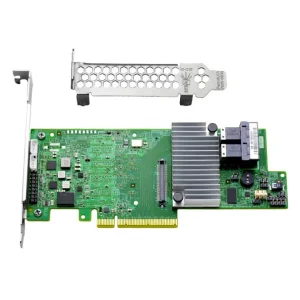
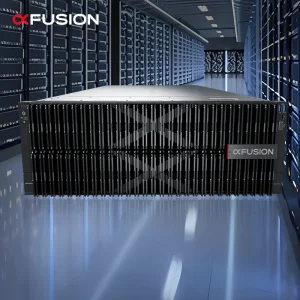
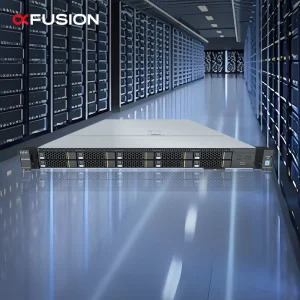
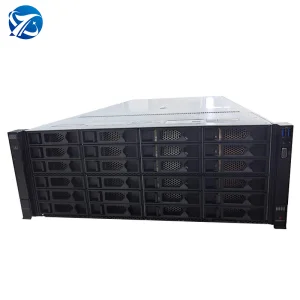
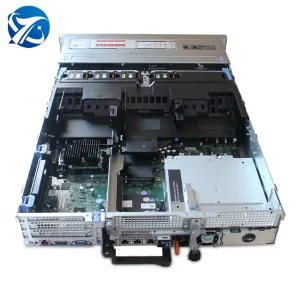
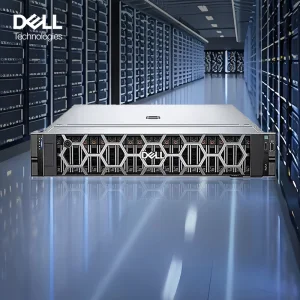
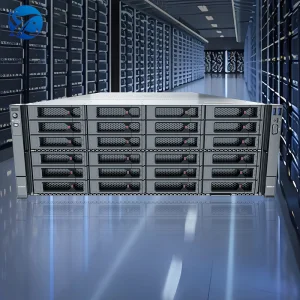
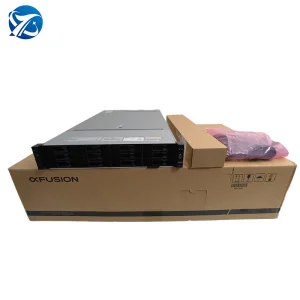
Modern cloud computing and high-density workloads (such as Large Language Model training, DeepSeek clustering, and real-time database transactions) have transformed how enterprises manage compute density. In this hyper-complex paradigm, the hardware layer (servers, storage arrays, NICs, RAID cards) must integrate seamlessly with out-of-band management platforms and Data Center Infrastructure Management (DCIM) software.
DCIM software acts as the central nervous system of the facility, polling hardware sensors via Redfish APIs, IPMI, and SNMP. A minor server component mismatch or a poorly tuned thermal profile can lead to cascading server downtime or exorbitant PUE (Power Usage Effectiveness) ratios. Global enterprises no longer purchase hardware in isolation; they source integrated ecosystems where physical computing units report deep telemetry to centralized cloud consoles.
"By establishing dynamic, hardware-level compliance checkpoints with industry-standard management protocols, operators achieve up to 35% improvement in thermal efficiency and cut unscheduled downtime by half."
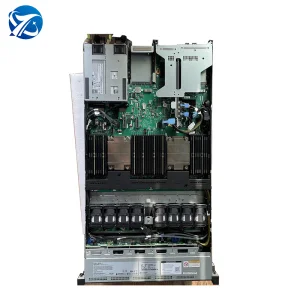
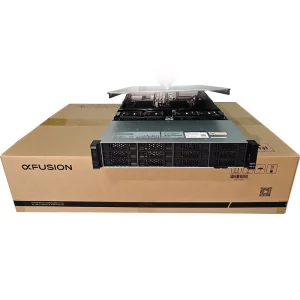
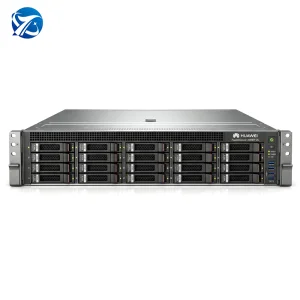
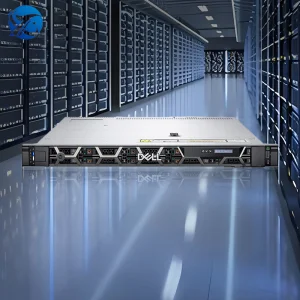
TensorNova, operating at this direct junction of high-performance physical servers and remote management compliance, supplies the baseline hardware architecture tailored specifically to support leading DCIM software architectures. This ensures robust data acquisition, real-time power capping, and comprehensive component analytics.
Our hardware lines are pre-flashed with open-standard BMC firmware, permitting immediate telemetry sync with global DCIM engines like NetBotz, EcoStruxure, and OpenBMC projects.
In-chassis thermal micro-sensors communicate with data center management systems to dynamically scale fan curves, saving up to 18% in rack energy overhead.
Bridging the gap between raw hardware performance and intelligent cloud orchestrators.
Our infrastructure capabilities range from customized GPU topological configurations, chassis optimization, motherboard-level circuit tuning, and liquid cooling telemetry integrations to accommodate proprietary AI clusters.
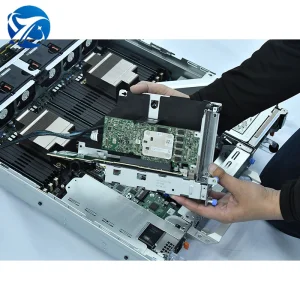
Every node undergoes automated hardware stress testing, burn-in validation, and detailed AI workload simulation tests. A team of 45 quality control staff ensures zero anomalies escape our 320㎡ facility.
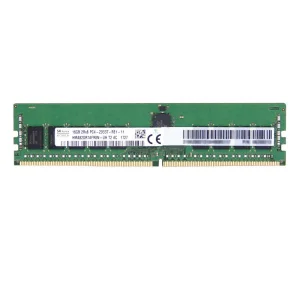
By partner-integrating with over 1,200 global suppliers and component ecosystems, we secure critical parts (GPUs, DDR4/DDR5 modules, RAID controllers, optical SFP28+ transceivers) even during macroeconomic demand spikes.
TensorNova (established in 2016) has cultivated 6 years of direct export experience and 12 years of core industry experience. Our annual export operations reach $8.5 million across major demand hotspots including the United States, Germany, Singapore, and the United Arab Emirates. This structural experience enables us to understand localized regulatory compliance, enterprise trade frameworks, and specific logistics paradigms for mission-critical hardware delivery.
China’s server manufacturing industry provides incomparable assembly speed, component integration, and cost efficiencies. The dense geographic proximity of chip packaging plants, PCB fabrication units, passive component suppliers, and precision enclosure manufacturers allows companies like TensorNova to shrink traditional R&D-to-production cycles by months.
Our R&D team consists of 180 engineers who focus on hardware-to-software compliance optimization. In a field where server hardware configuration modifications are common, our localized supply network permits customized structural changes—such as high-speed liquid cooling loops or specialized PCIe 4.0/5.0 lane configurations—to be engineered, prototyped, and validated within days rather than weeks.
This integration is critical for modern DCIM deployment. By validating hardware-level firmware interfaces (like BMC and IPMI) directly on the line under automated software simulation test environments, we guarantee that the hardware ships ready to join your enterprise software orchestrator instantly upon arrival.
How our computing hardware performs across different target industry architectures.
Mission-critical ERP suites (using multi-socket servers like the 2488H V5) require constant monitoring of processor state and memory health. Our hardware integrates with DCIM software to send real-time alerts on DDR ecc error rates, preventing unscheduled OS halts.
Training large language models demands heavy GPU cluster optimization. The physical nodes communicate power thresholds to data center management systems, allowing real-time power capping at the PDU level to prevent system-wide breaker trips.
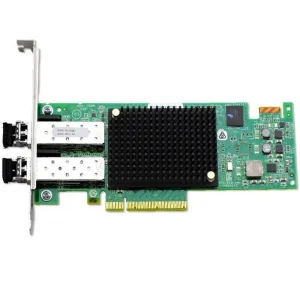
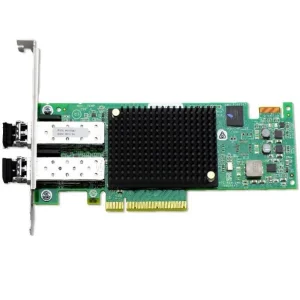
Using high-throughput host bus adapters like the Emulex FC32 HBA cards, storage clusters send direct link-state telemetry to fiber switch orchestrators. This configuration allows automatic link-failover routing via software management controllers.
Preparing hardware nodes to meet the telemetry needs of tomorrow.
DCIM systems are moving away from reactive thresholds and toward AI-powered pattern analysis. By monitoring micro-vibrations in chassis fans and tracking subtle temperature swings at the RAID controller cache battery, management software can predict a component failure before it disrupts operations. TensorNova hardware integrates high-granularity telemetry sensors to provide these key data inputs.
As server power density exceeds 30kW per rack, liquid cooling transitions from an option to a necessity. Future DCIM tools require direct sensor data on coolant pressure, flow rates, and leakage risks. Our engineering division works with custom chassis designs containing leak-detection circuits that tie into out-of-band management systems for immediate safety shutdowns.
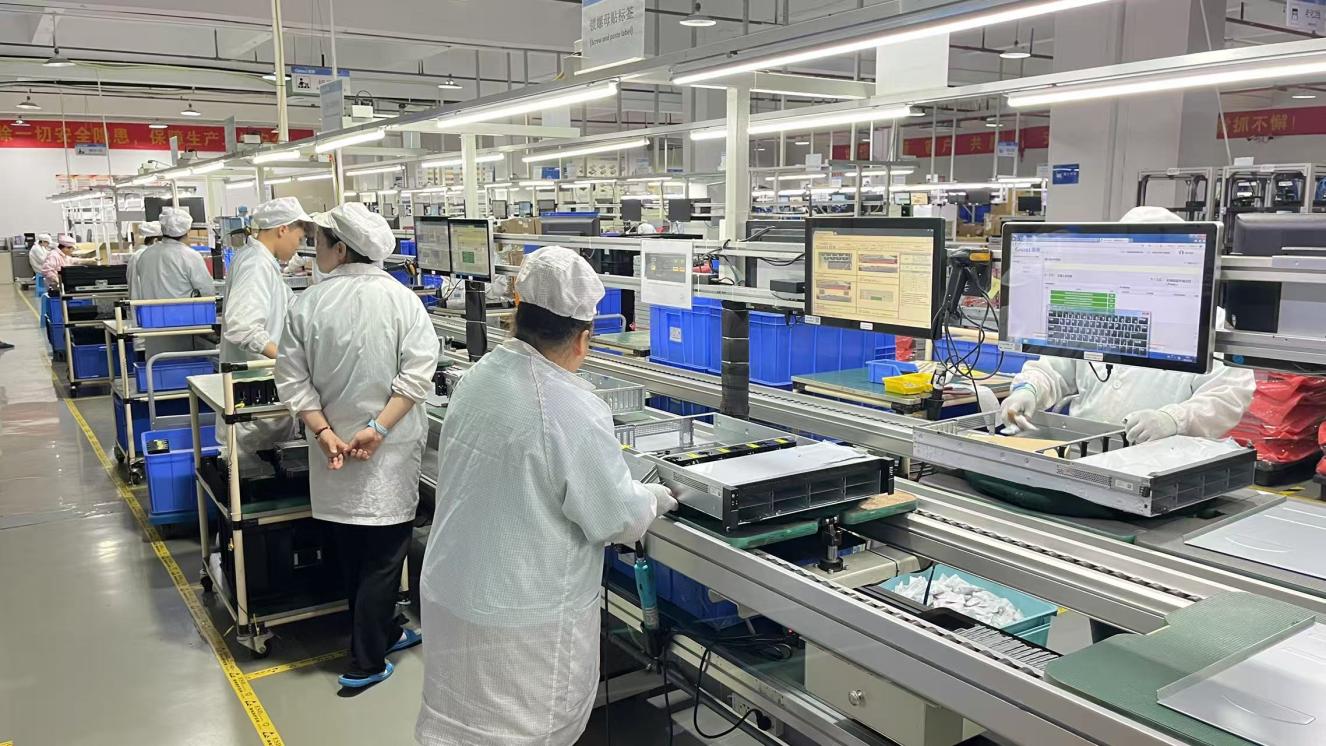
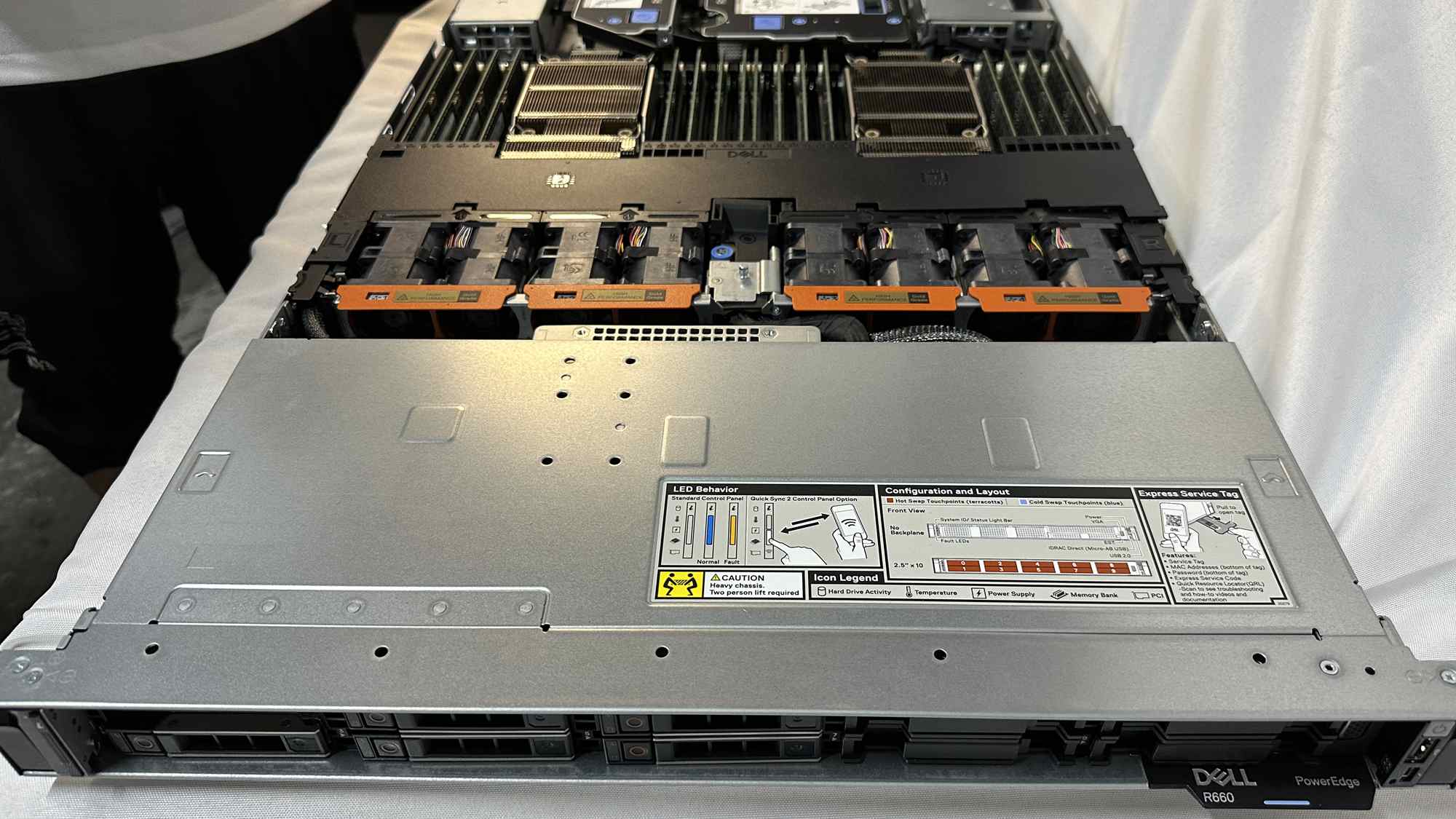
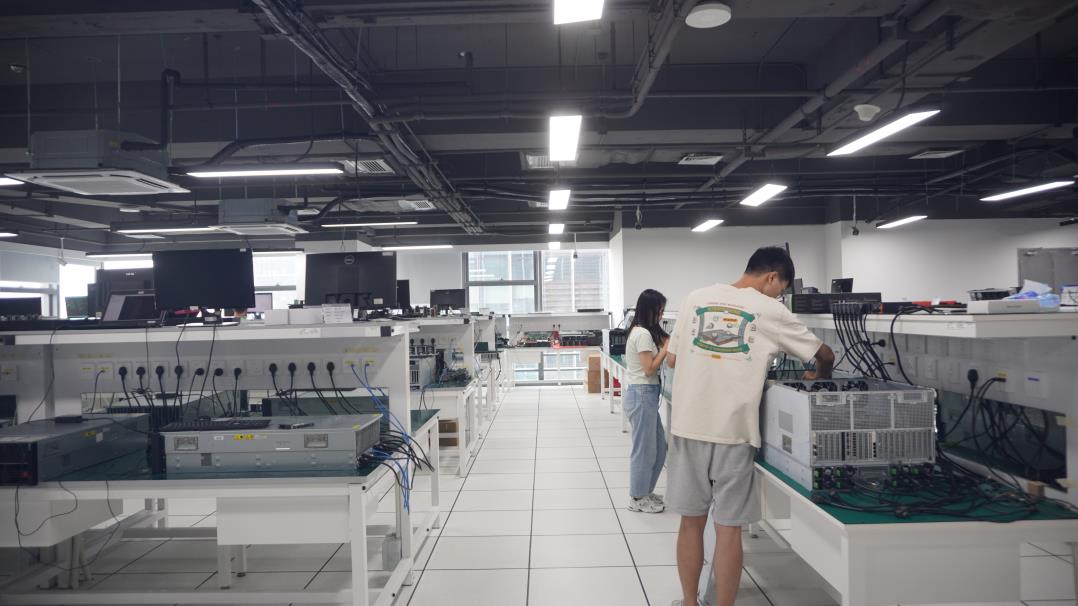
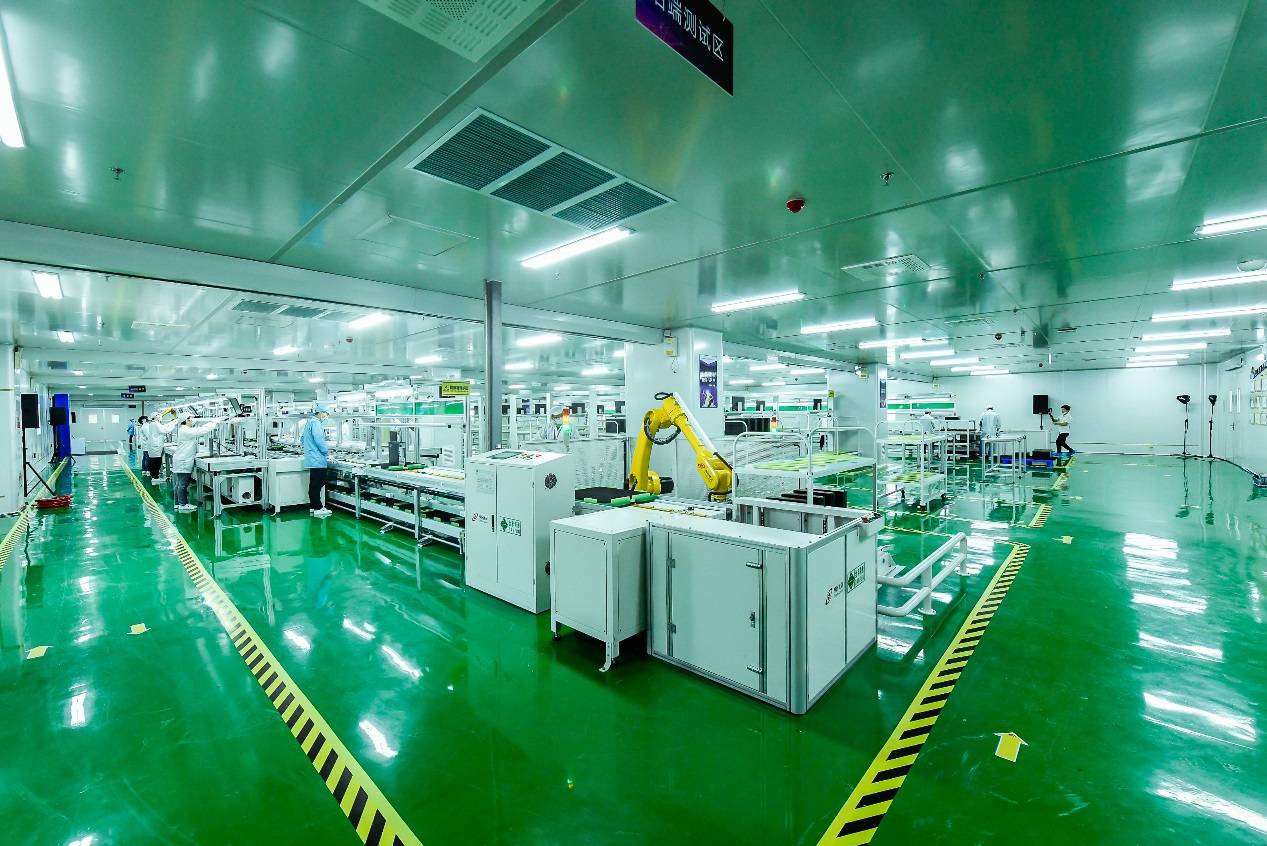
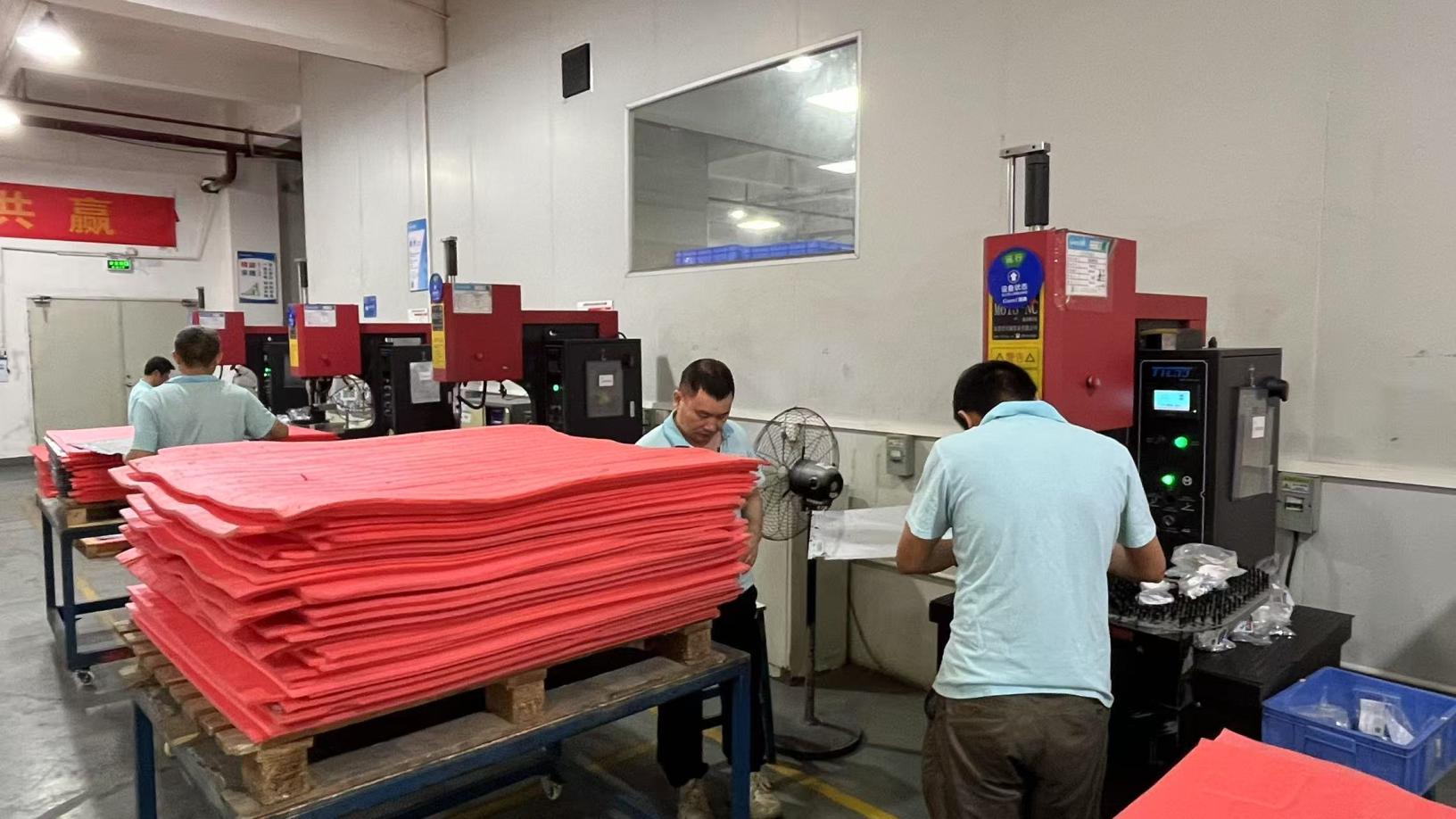
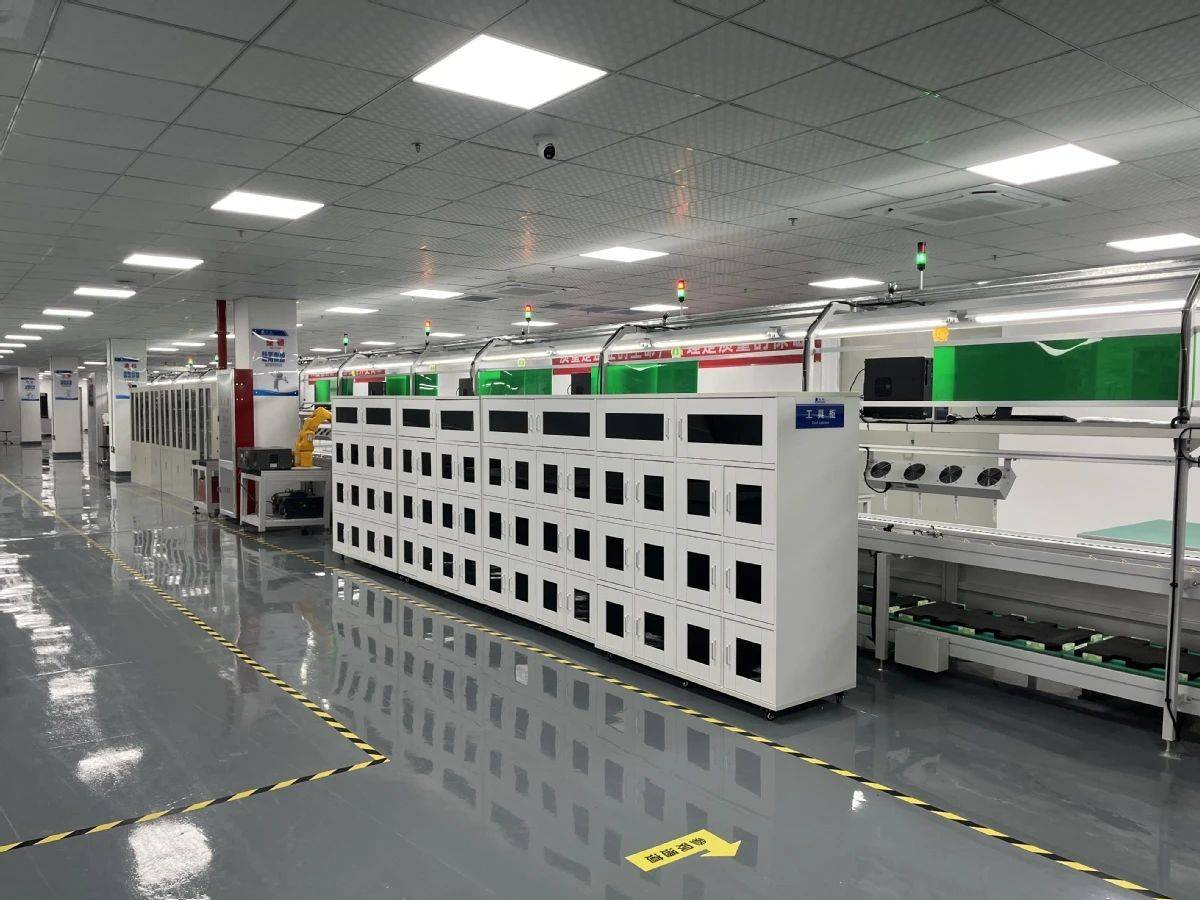
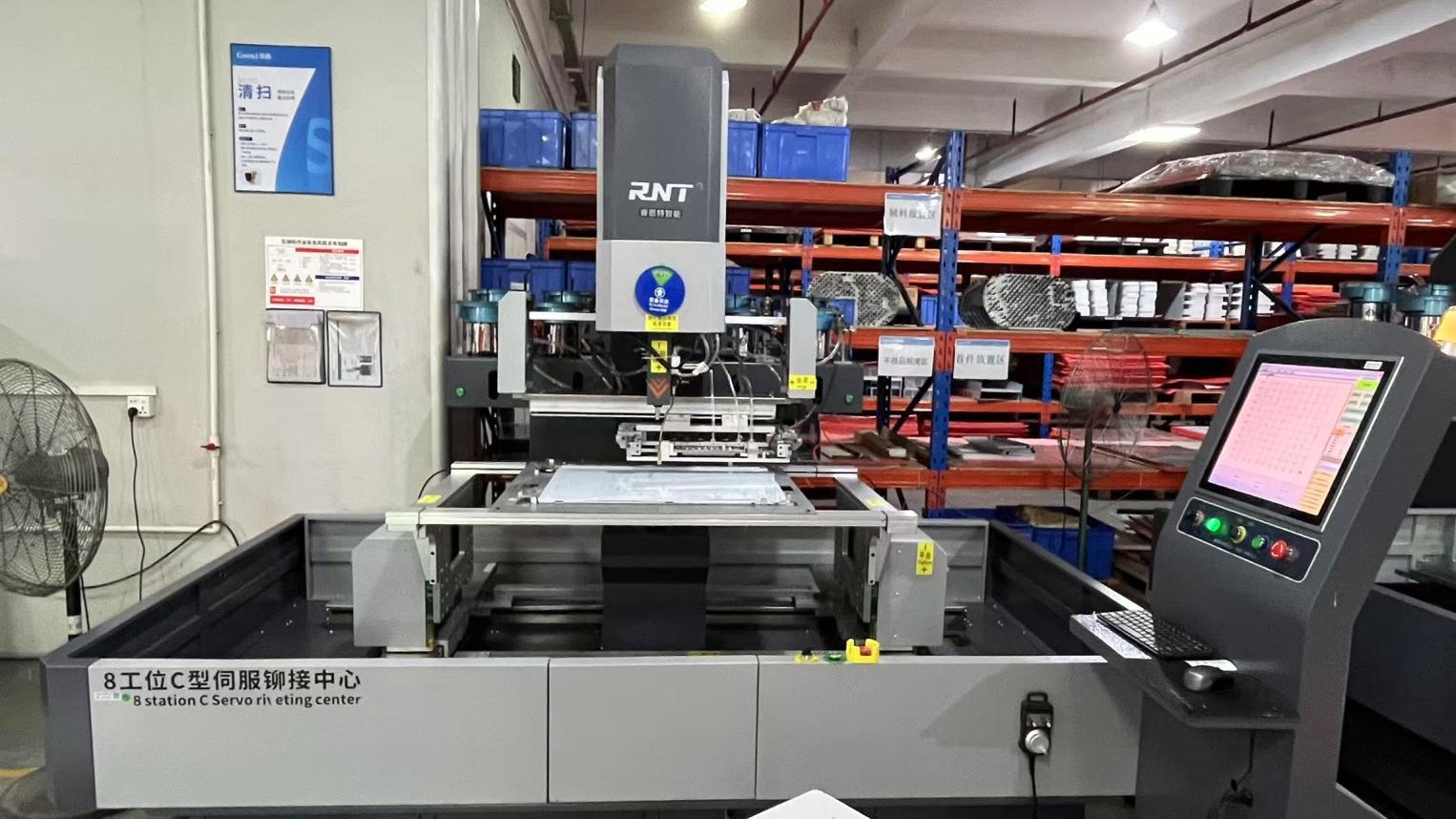
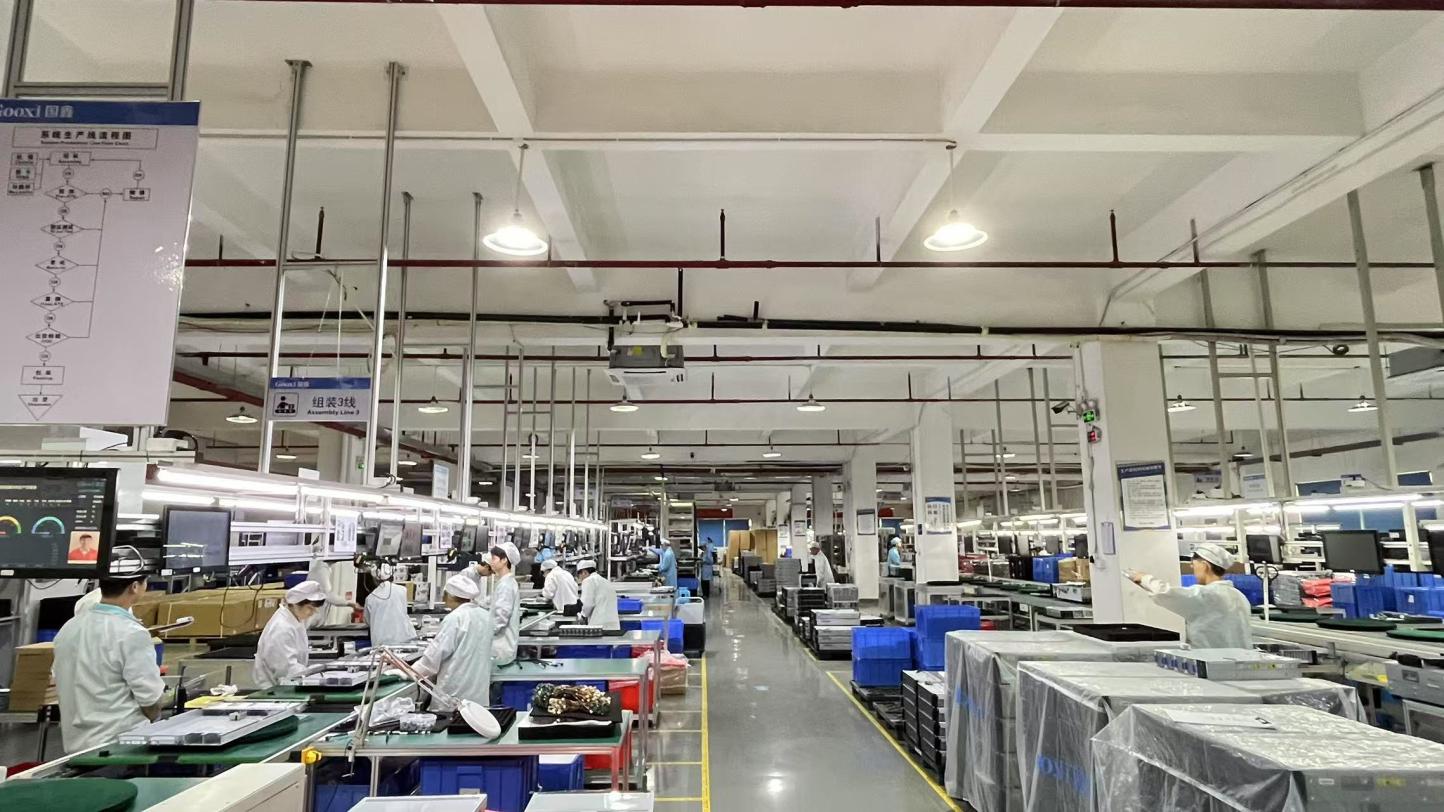
Inside TensorNova’s ISO-certified server assembly, validation, and system integration line.
Essential considerations for infrastructure sourcing managers.
Always verify that your supplier supports open API standards (such as Redfish or IPMI 2.0). Proprietary interfaces lock hardware into specific vendor ecosystems, creating complex compatibility issues with third-party software controllers.
Confirm that all storage disk bays, PCIe slots, and internal HBA configurations are tested to match ASHRAE standard environments. Operating hardware inside safe ambient envelopes reduces active cooling needs, lowering PUE.
Ensure storage controller cards and network adapters (such as Emulex Fibre Channel HBAs) support full PCIe 4.0/5.0 line rates. Bottlenecks at the bus level reduce the value of raw CPU/GPU investments.
Addressing standard hardware compatibility and management software integrations.
Explore our line of server rack units, volatile memory, and system controllers.