TensorNova TensorNova

China Top Enterprise Networking Factory & Supplier

Next-Generation Infrastructure Architecture for Global Distributed Networks, High-Density GPU Server Clusters, and Mission-Critical Edge Computing

Global Business & Industrial Landscape of Enterprise Networking

How the intersection of high-density cloud compute, AI acceleration, and next-generation switches is shaping the modern business landscape.

The digital economy is undergoing a structural transition. The traditional enterprise networking paradigm, which historically relied on centralized routing and localized copper networks, is being systematically replaced by high-bandwidth, ultra-low latency, software-defined topologies. Driven by the explosive proliferation of artificial intelligence models, cloud-native deployments, and distributed hybrid workforces, enterprises require network infrastructure that can scale dynamically without introducing communication bottlenecks.
In this new landscape, China has emerged as the global epicenter for network infrastructure manufacturing and R&D engineering. Utilizing consolidated component ecosystems and advanced silicon fabrication supply chains, Chinese manufacturers can supply high-density switches, hyperconverged systems, and GPU cloud servers that match or exceed Western architectural specifications. This vertical manufacturing capability allows global organizations to bypass supply chain constraints, reduce procurement overhead, and deploy scalable solutions for processing massive enterprise workloads.

Datacenter Aggregation

Modern data centers demand non-blocking fabrics with multi-gigabit throughput. Switching backplanes are transitioning to 400G and 800G standards to support hyper-scale workloads.

Converged Topologies

Unifying storage and computing networks into a single hyperconverged infrastructure (HCI) reduces latency, simplifies cabling, and reduces total cost of ownership (TCO).

High Availability

Dual-socket architectures combined with redundant, hot-swappable power supply units (PSUs) and cooling modules guarantee 99.999% system uptime for mission-critical applications.

2016
Year Established
$8.5M
Annual Export Revenue
180+
R&D Engineers
1,200+
Global Supply Partners

Industry Development Trends & Technical Paradigm Shifts

An analytical review of the current engineering challenges and the structural solutions driving the future of server clustering and high-capacity switching.

1. AI-Driven Networking Fabrics (RoCE v2 vs. InfiniBand): As Large Language Models (LLMs) scale, inter-node GPU communication latency becomes a primary constraint during training and inference phases. Standard TCP/IP protocols introduce unacceptable overhead. The industry is rapidly shifting toward RDMA over Converged Ethernet (RoCE v2) and InfiniBand architectures. RoCE v2 allows direct memory access between servers without CPU intervention, leveraging high-speed Ethernet infrastructure to achieve sub-microsecond transport latencies.
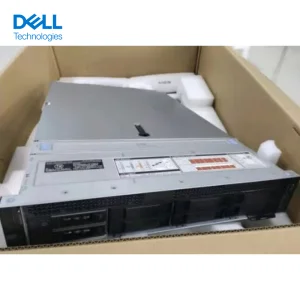
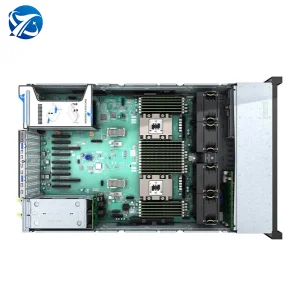
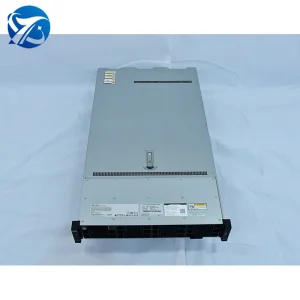
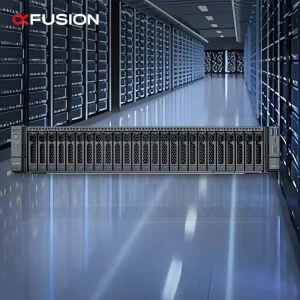
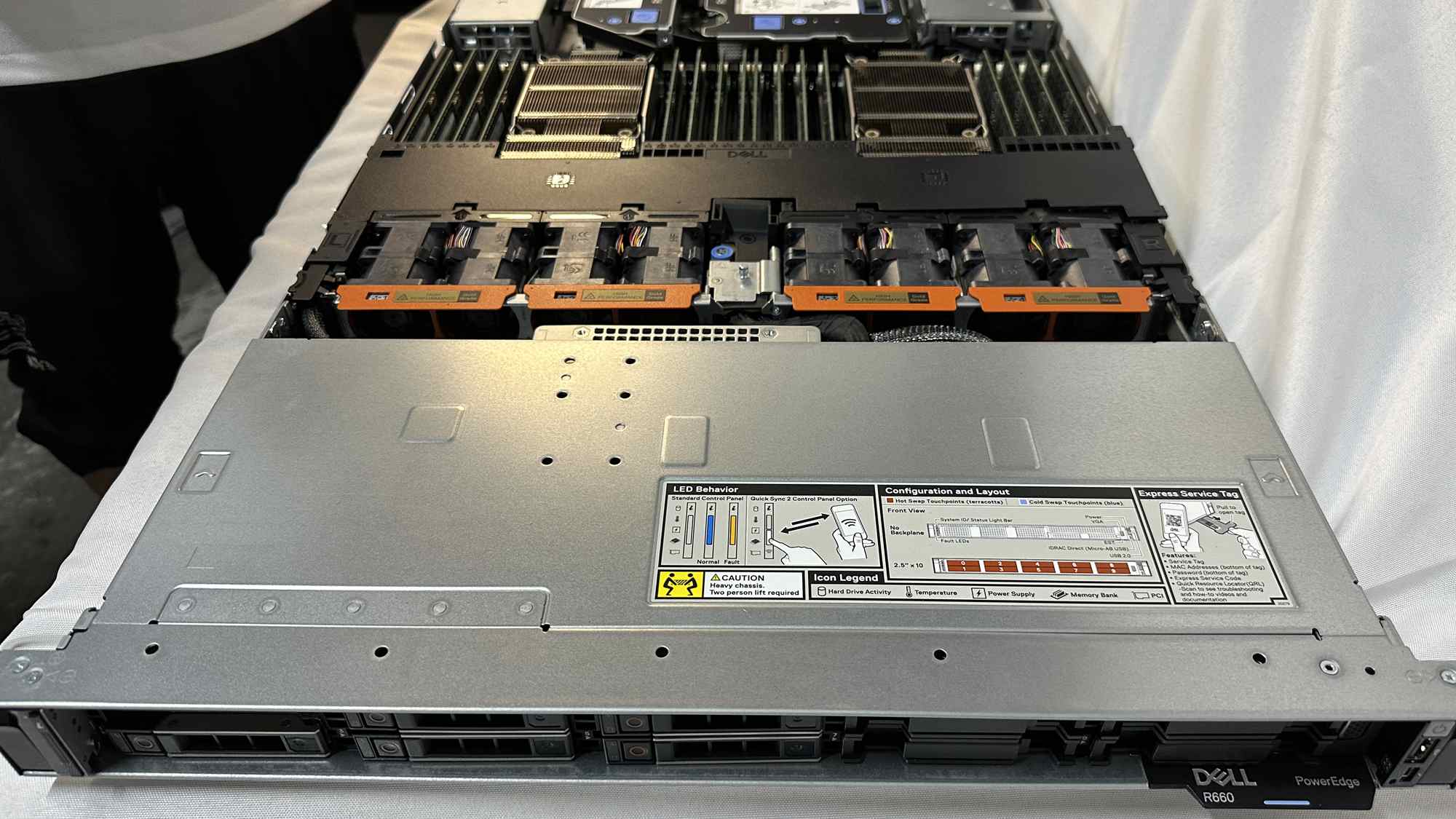
2. High-Density Rack Designs and Liquid Cooling Integration: Modern 2U servers, containing dual AMD EPYC or Intel Xeon processors alongside multiple high-wattage accelerators, generate thermal envelopes that exceed standard air-cooling capacities. Industry engineering is adapting through hybrid heat-pipe systems and direct-to-chip (D2C) liquid cooling technologies. These thermal management designs keep system components within safe operational thresholds even under continuous computational loads.
3. The Shift to Software-Defined Storage (SDS) and NVMe-oF: Physical SAN structures are being replaced by NVMe over Fabrics (NVMe-oF). By extending NVMe commands across RDMA networks, organizations can decouple storage from computing nodes without sacrificing read/write speeds. This architecture enables disaggregated storage pools that can be dynamically allocated to specific computational clusters, optimizing storage capacity and maximizing disk utilization.
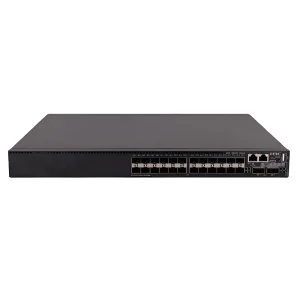
4. Core Switching and Edge Processing Convergence: Enterprise environments now require high-performance, Layer-3 core switches at campus headquarters, paired with localized edge compute servers. This distributed setup allows data to be filtered and pre-processed locally at the edge before being sent to the central data center, optimizing overall network bandwidth and reducing latency for end users.

TensorNova: Advanced Infrastructure Engineering

Established in 2016, TensorNova is a professional high-performance AI GPU server manufacturer and infrastructure solution provider based in China. The company specializes in AI computing, GPU clusters, and scalable data center hardware solutions for global enterprises.

Over the past 12 years of industry experience in server manufacturing and computing design, and with 6 years of export experience, TensorNova has built a robust supply chain ecosystem with more than 1,200 global suppliers and component partners, enabling stable production and fast delivery.

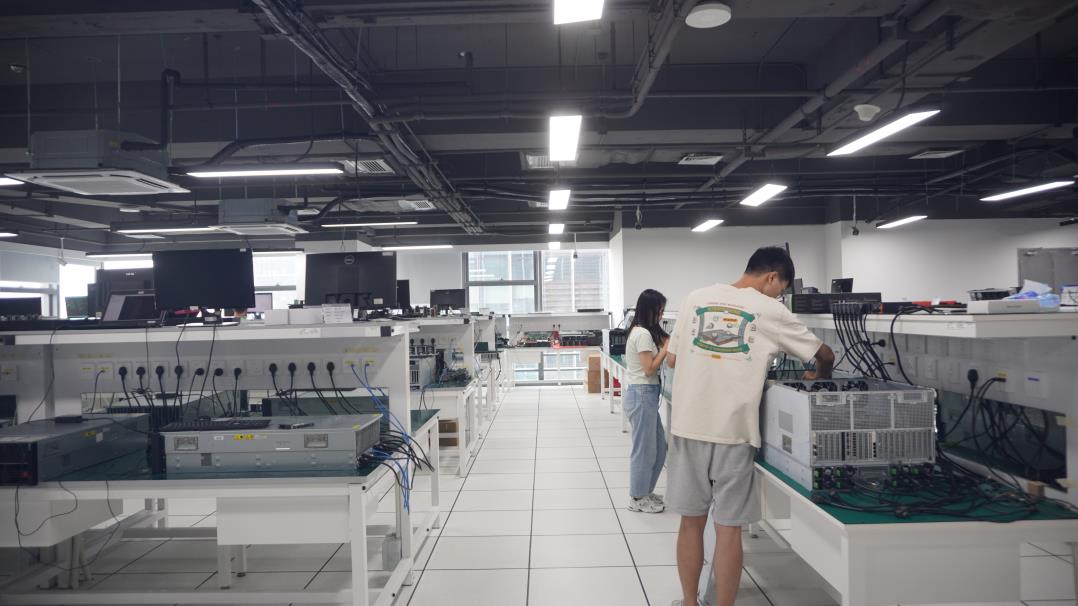
  • Production Facilities: Modern 320㎡ facility configured for advanced system integration, assembly, and testing.
  • R&D Team: 180 engineers focusing on GPU architectures, hardware optimization, and custom liquid cooling systems.
  • Quality Assurance: ISO9001-certified systems with 45 dedicated QC personnel. Every server undergoes thermal stress, hardware burn-in, and AI workload testing.
  • Global Footprint: Serving AI research institutions, cloud providers, and enterprise IT in North America, Europe (Germany), SE Asia (Singapore), and the Middle East (UAE).

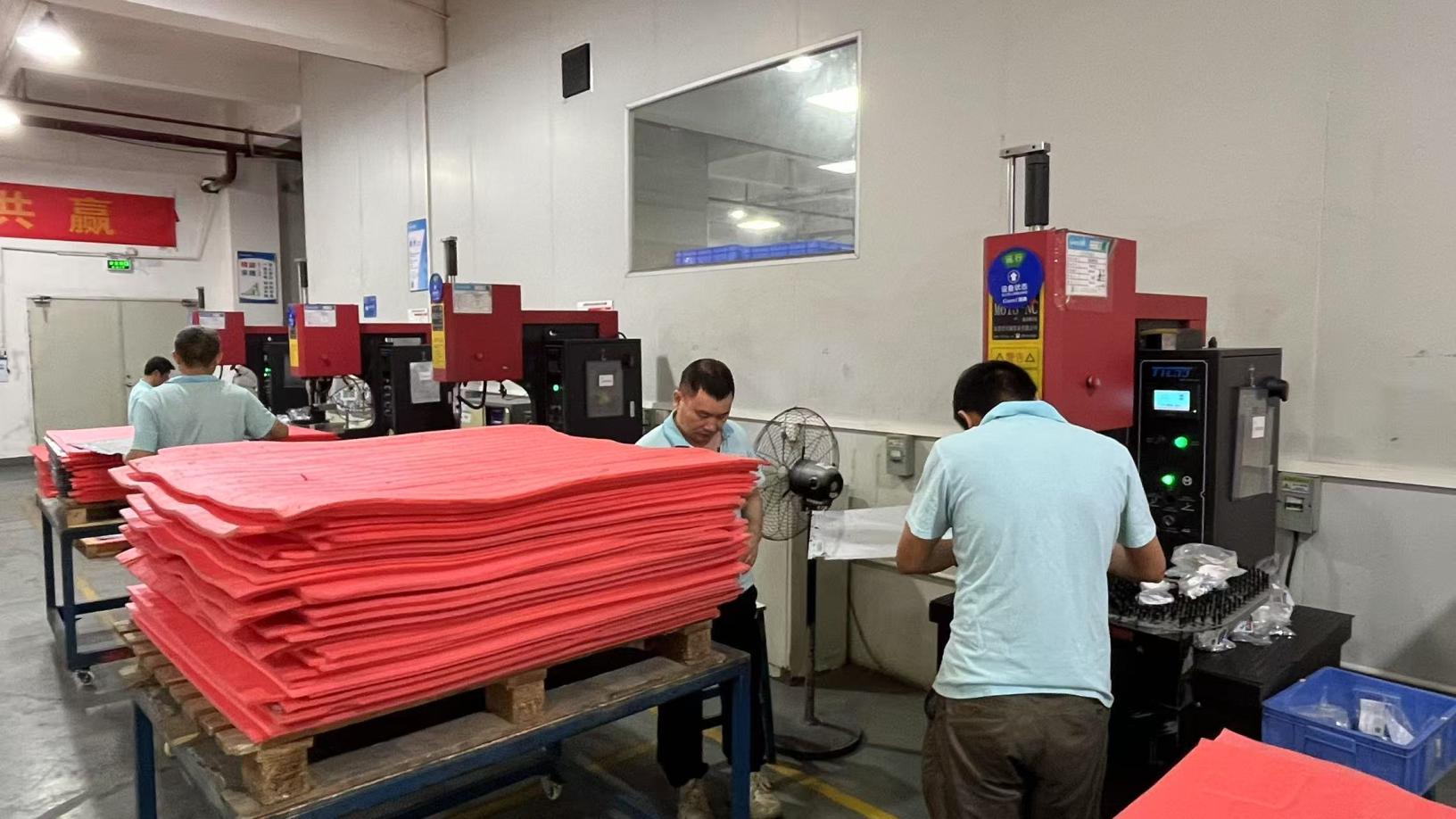
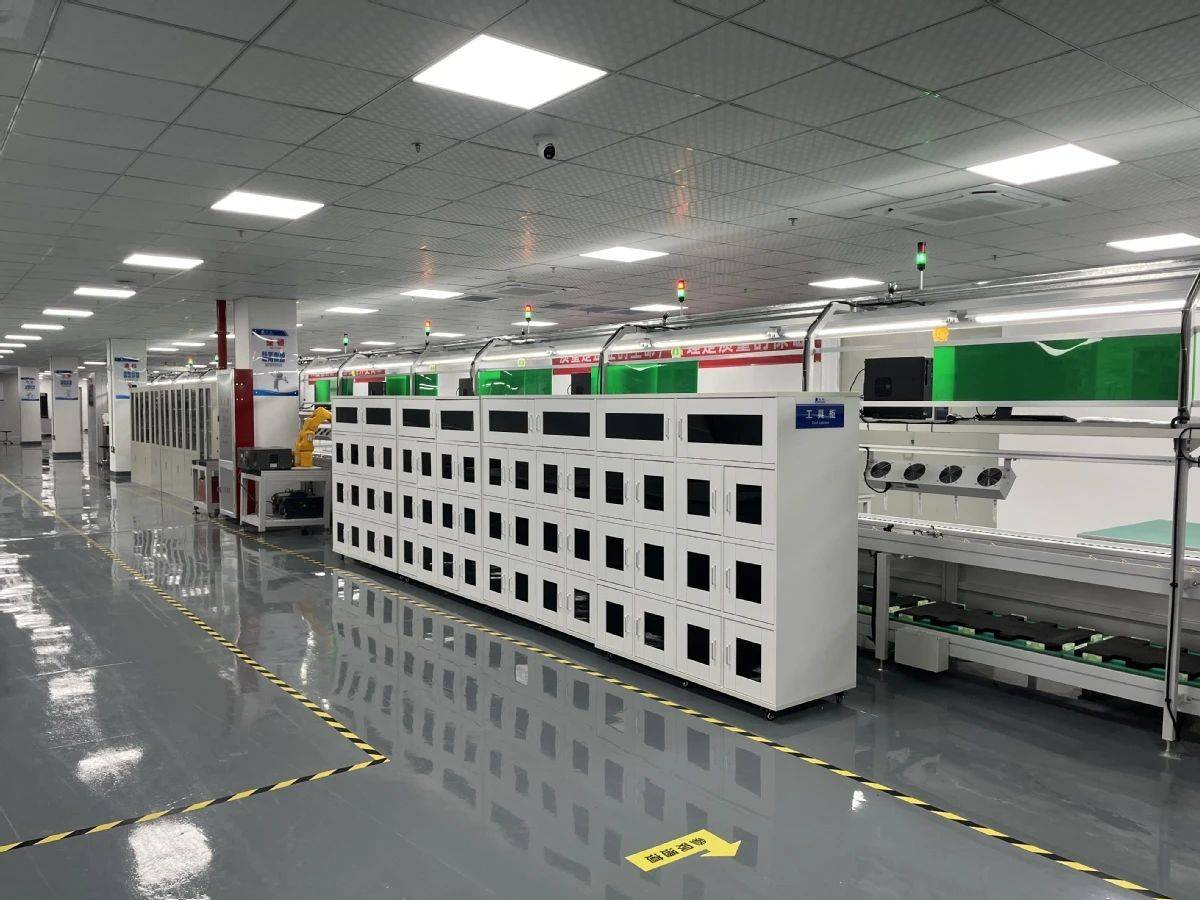
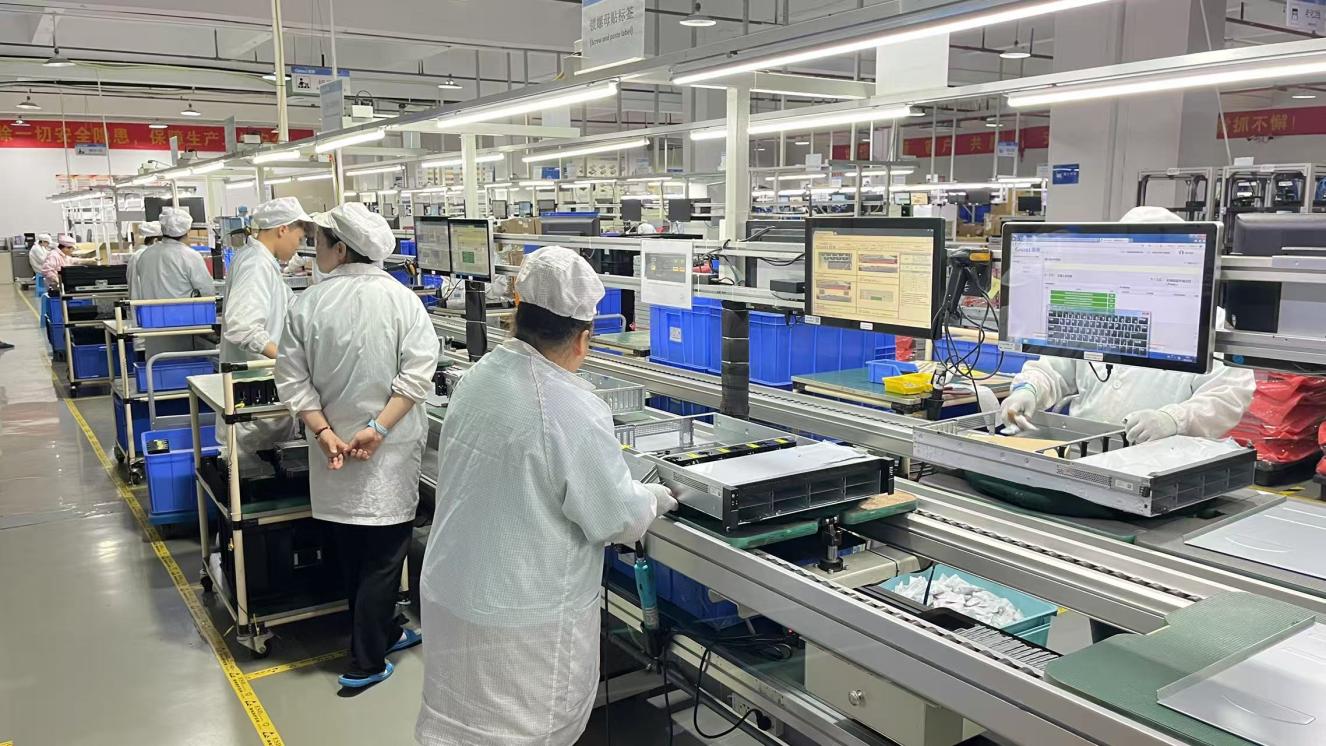
State-of-the-Art Production Facility

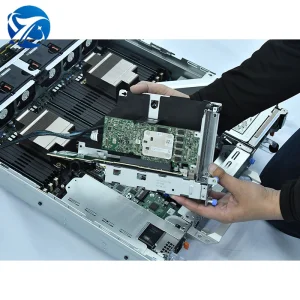
Our facility integrates component picking, assembly, cleanroom system checks, and thermal testing chambers to deliver enterprise-ready computing platforms.
Localized Application Scenarios

Deployment configurations designed for specific enterprise environments and computing workloads.

AI Training & LLM Inference Clusters

For research institutions running models like DeepSeek, our dual-socket high-density server configurations support multiple accelerators and multi-GPU networking. High-speed switches prevent bottlenecks, ensuring smooth inter-GPU communication.

Hyperconverged Private Cloud Infrastructures

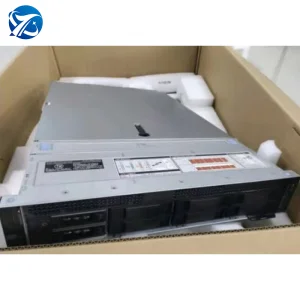
Suitable for financial institutions and health networks requiring localized data sovereignty. Combining computing power, storage resources, and switching networks within a 2U rack helps secure data, reduce system complexity, and simplify system management.

Academic Campus & Core Corporate Networks

For organizations with high data traffic across multiple buildings, our multi-layer Core Switches handle routing and packet filtering with high bandwidth, minimizing latency for users.

Technical Roadmap & Future Outlook

TensorNova’s forward-looking technology initiatives designed to address upcoming data center and networking requirements.

2025 - 2026
Integration of PCIe Gen 6.0 and Multi-Link Wi-Fi 7 Switches
Adapting motherboards and backplanes to PCIe Gen 6.0 standards, doubling bandwidth capacities to support next-generation accelerator networking and high-density enterprise routing.
2027 - 2028
Transition to Co-Packaged Optics (CPO) and 1.6T Networks
Integrating optical transceivers directly with switch silicon to decrease power consumption, reduce thermal loads, and achieve speeds up to 1.6 Terabits per second.
2029 - Future
Autonomous Self-Healing Networking Fabrics
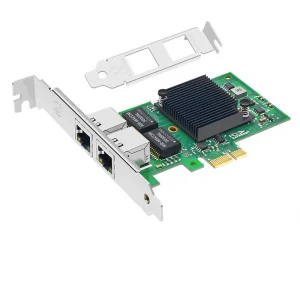
Implementing machine-learning algorithms on smart network interface cards (SmartNICs) to analyze traffic patterns, predict component failures, and dynamically reroute workloads.

Technical Q&A: Enterprise Network & Server Architecture

Detailed technical answers to common questions about server compatibility, network throughput, and deployment logistics.

How does TensorNova guarantee compatibility with third-party networks (e.g., Cisco, Juniper)?
Our systems use open-standard IEEE protocols and industry-standard interfaces. Whether deploying Layer-3 H3C switches or integrating server nodes into an existing Cisco Leaf-Spine topology, our systems support standard BGP, EVPN, Link Aggregation Control Protocol (LACP), and standard VLAN configurations.
What are the advantages of RoCE v2 over standard TCP/IP in AI GPU servers?
RoCE v2 enables Remote Direct Memory Access (RDMA) by routing packets over standard UDP. This bypasses the operating system kernel and CPU protocol processing on host nodes, cutting network latency and reducing CPU utilization, which speeds up parallel computing workloads.
How does TensorNova’s ISO9001 quality management apply to custom configurations?
Every custom configuration—whether it involves liquid-cooling manifolds, tailored GPU layouts, or customized BIOS settings—is integrated into our standardized quality control pipeline. 45 QC engineers supervise a multi-stage testing process including thermal stress tests, automated burn-in testing, and software-simulated workloads before final export.
What is the standard lead time and shipment validation process for international markets?
Standard systems ship within 2 to 4 weeks depending on order size and component specifications. Every shipment includes a detailed validation report detailing hardware configuration checks, BIOS/firmware alignments, thermal profiles, and testing logs to ensure system reliability upon arrival.