TensorNova
TensorNova
TensorNova
Explore our high-performance hardware configurations optimized for fail-safe deployments, GPU parallel operations, and massive storage reliability.
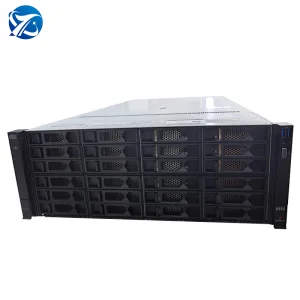
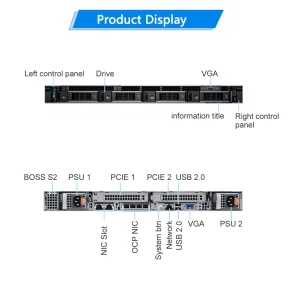
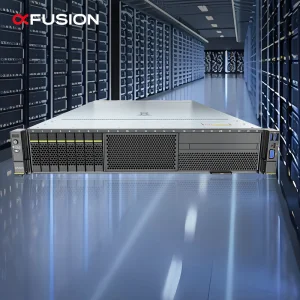
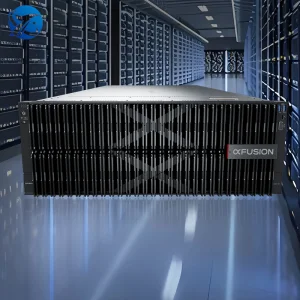
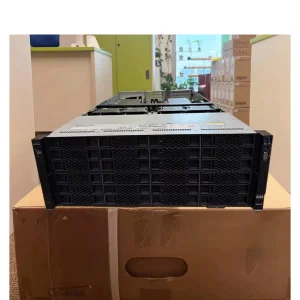
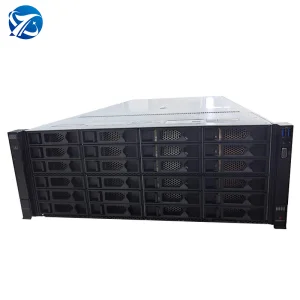
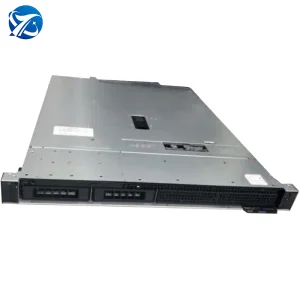
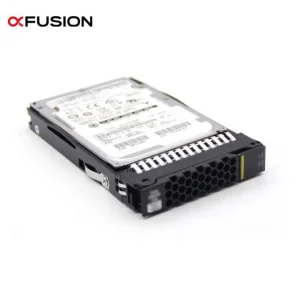
In the era of hyper-scale computing, distributed AI architectures, and petabyte-scale data operations, High Availability (HA) has transitioned from an operational luxury to a fundamental architectural requirement. High Availability refers to the design of computing platforms, storage arrays, and network structures that ensure continuous, uninterrupted operational performance during planned or unplanned infrastructure disruptions. For enterprises deploying large language models, hosting transactional databases, or executing real-time industrial telemetry processing, even milliseconds of hardware failure can trigger significant financial losses and cascade failure pathways across microservices.
Achieving true High Availability requires redundant physical configurations, dynamic software orchestrations, and rigorous validation procedures. At the physical layer, this includes dual-controller designs, multi-path I/O routing, N+1 hot-swappable power supply units (PSUs), and resilient cooling configurations. TensorNova, as a leading enterprise hardware manufacturer in China, addresses these critical needs by providing highly reliable server infrastructure designed for global scale, ensuring that critical AI compute workflows (such as running DeepSeek-R1 671B models in production containers) remain online regardless of component failures.
Globally, the demand for resilient hardware architectures is driven by the rapid adoption of deep learning and GPU clusters. As enterprises scale their artificial intelligence workloads, they encounter unique hardware failure profiles. Modern high-density GPU accelerators draw variable power, shifting from idle states to transient peaks of hundreds of watts per board. These sudden swings strain power distribution units (PDUs) and thermal management systems, making typical off-the-shelf server configurations vulnerable to voltage drops and thermal throttling.
In response to these industrial challenges, major server deployments in markets like the United States, Germany, Singapore, and the United Arab Emirates rely heavily on systems designed to isolate failures. By decoupling compute nodes from storage nodes, using active-active network failovers, and integrating intelligent hardware controllers like the SAS3908 RAID Array Card with 4GB cache, organizations can maintain service delivery even during physical drive fail-outs or motherboard faults. The industry standard has moved from active-passive recovery systems, which incur noticeable transition delays, to active-active active-standby models where hot storage replication and rapid network rerouting prevent client-facing disruptions.
A key aspect of implementing High Availability solutions globally is navigating local regulatory environments and ensuring supply chain continuity. Hardware deployed within the European Union must comply with strict CE, RoHS, and energy-efficiency standards, while deployments in North America must align with FCC certifications and UL safety protocols. High Availability is also closely tied to supply chain resilience. A server cannot maintain operational reliability if replacement parts are unavailable due to localized supply logjams.
TensorNova manages this through a robust supply chain network of over 1,200 global suppliers and component partners. This network enables a stable flow of critical components, including high-grade storage interfaces, power units, and custom cooling hardware, reducing lead times and ensuring rapid parts replacement. This combination of local regulatory compliance and supply chain security ensures that enterprises can deploy our hardware across diverse operational zones without regulatory friction or maintenance delays.
Deep dive into the architectural principles that drive modern hardware resilience and high availability computation.
Utilizes concurrent processing components to balance workloads and eliminate single points of failure. In this design, secondary systems share the processing load, providing instant failover protection if a primary element fails, keeping services uninterrupted.
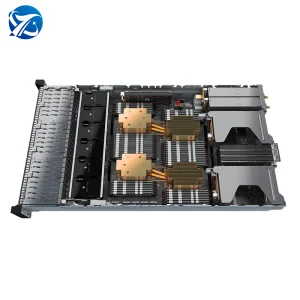
Optimizes internal server airflow dynamically. Using redundant fan configurations and cooling systems, the hardware directs heat away from critical components like CPUs and GPUs, preventing performance loss and failure from overheating.
Integrates firmware and hardware monitors to detect early signs of component wear. The system can automatically switch data pathways or reduce power to failing sectors to maintain steady operational performance.
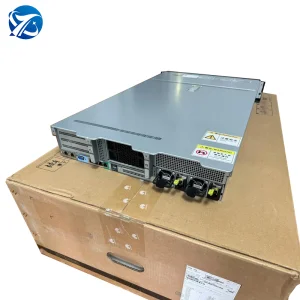
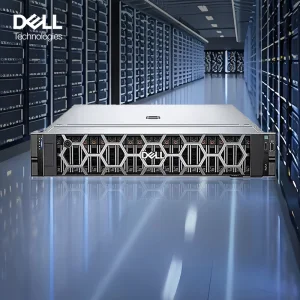
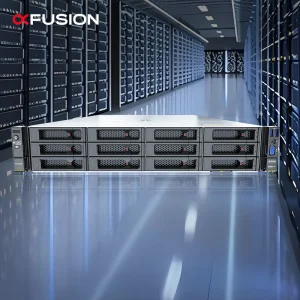
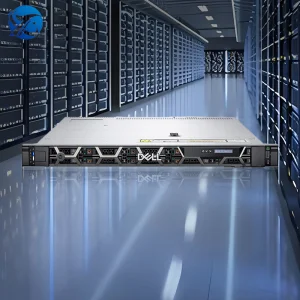
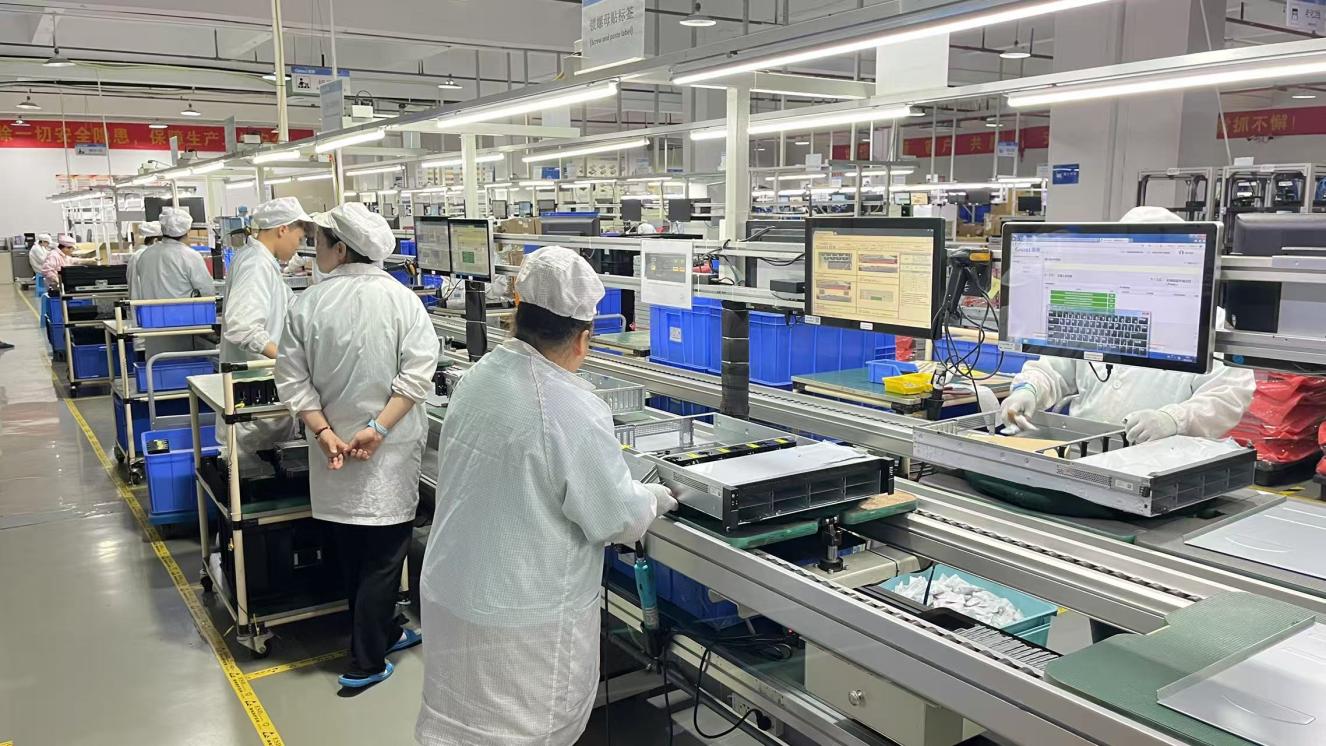
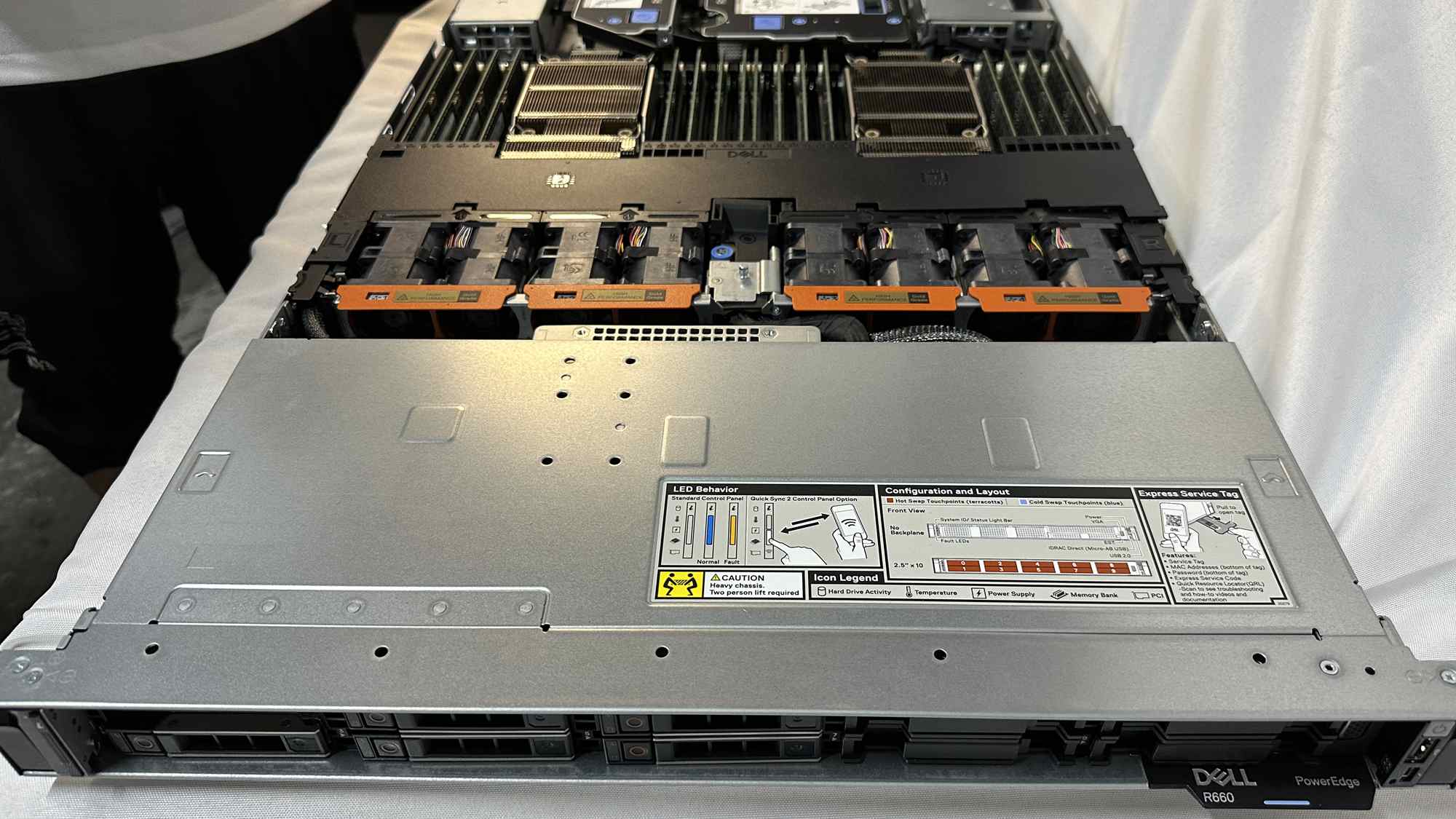
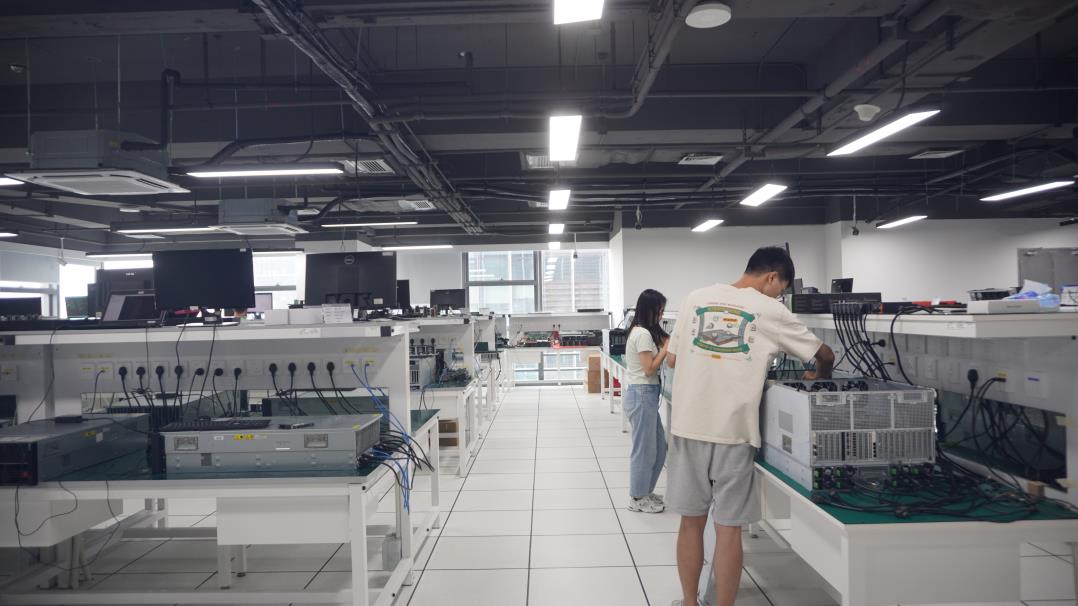
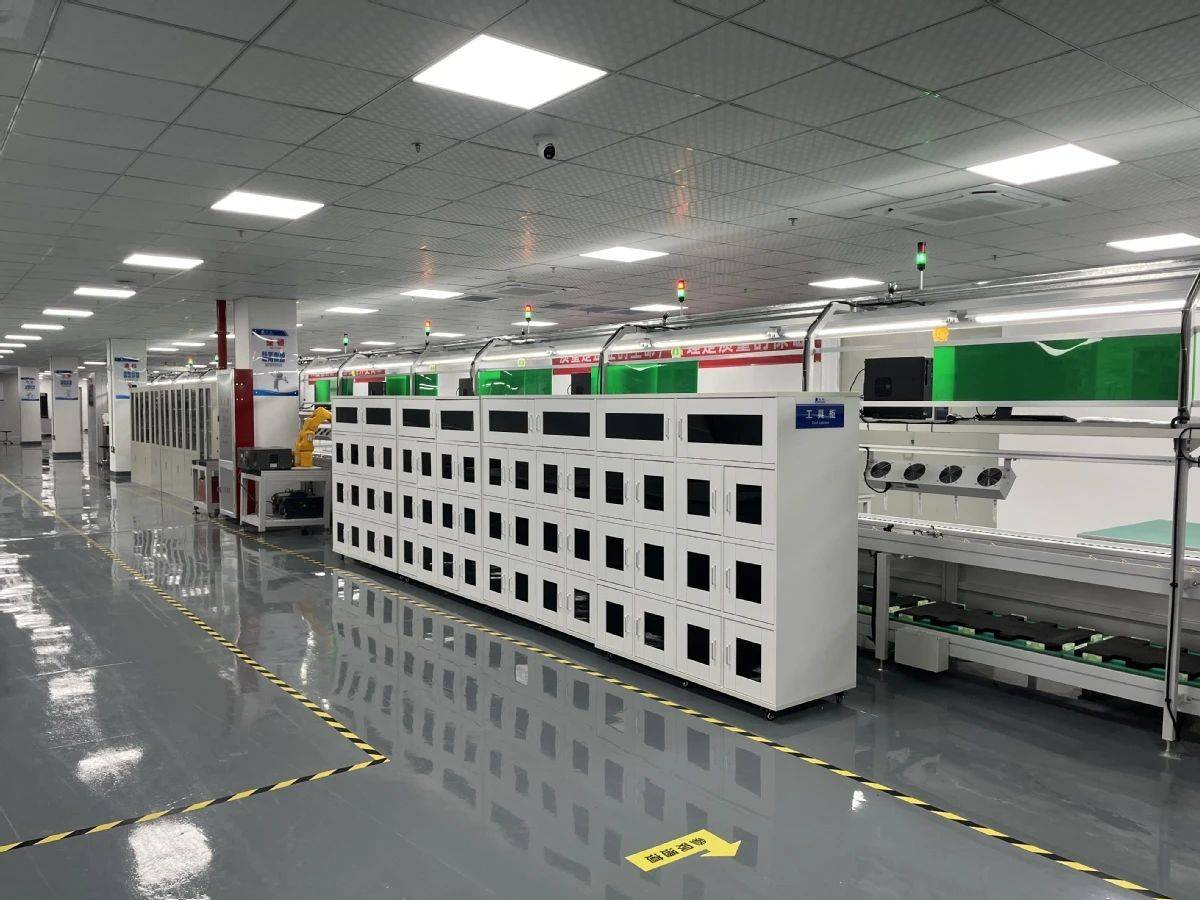
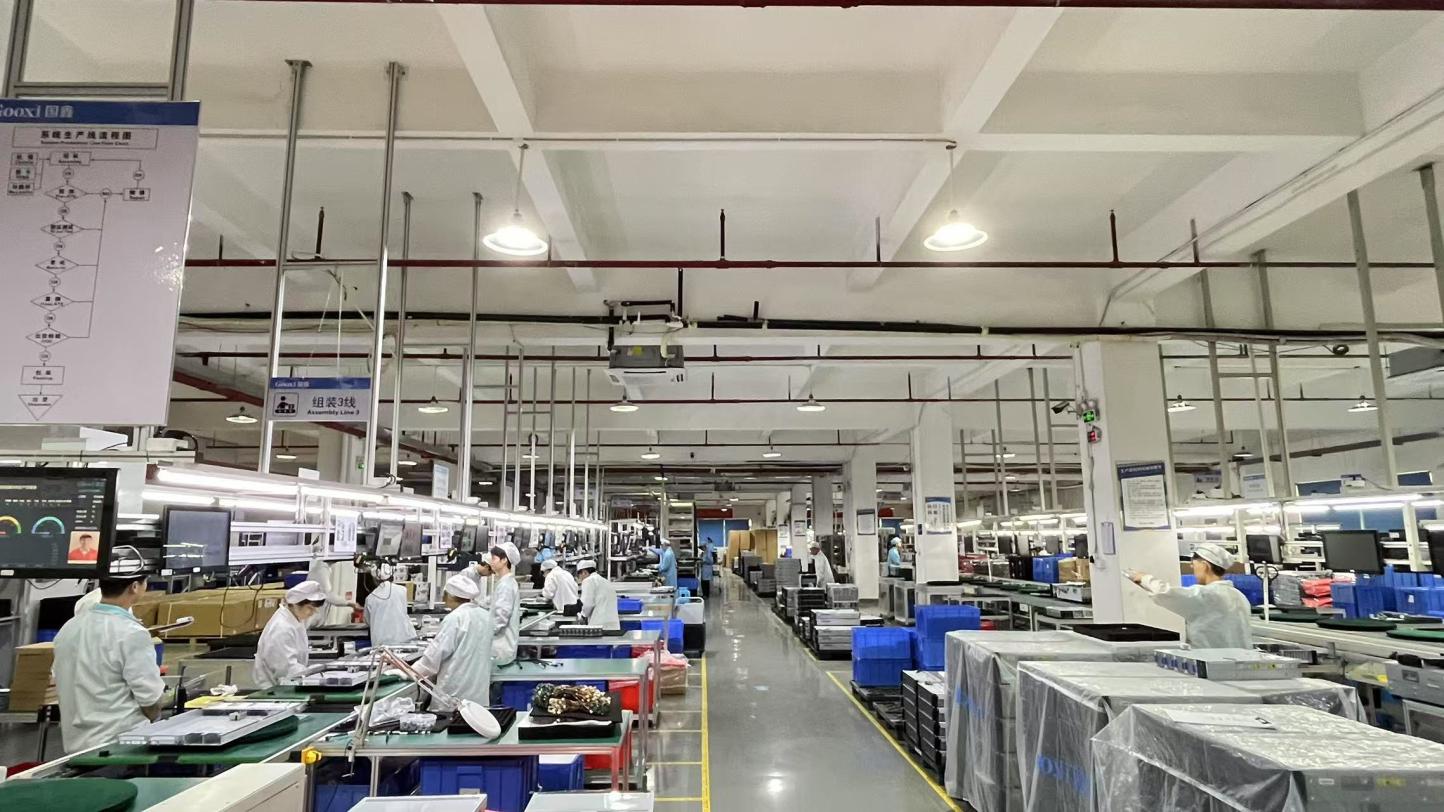
TensorNova’s hardware manufacturing is structured around precision assembly and rigorous validation. In our specialized 320㎡ integration facility, we focus on system-level performance, thermal management, and stress testing. To ensure that servers like the xFusion G5500 V7 and Dell PowerEdge R760 can handle heavy enterprise workloads without interruption, they undergo a multi-phase testing process before shipping.
Our quality assurance program is built on ISO9001 quality management principles. It features four key stages: hardware stress testing, thermal validation, long-term burn-in testing, and simulated AI workloads. The thermal validation process is designed to match hot-aisle data center conditions, verifying that the server’s internal airflow and cooling configurations can manage high thermal output. By simulating extreme workloads, our engineering team can identify and resolve potential issues in memory modules, motherboard power lines, or PCIe connectors before the hardware leaves the factory.
Our R&D team, consisting of approximately 180 engineers, continuously updates hardware designs to support the latest computing technologies. This includes optimizing layout configurations, improving PCIe Gen5 lane configurations, and customizing cooling solutions (such as liquid-to-air heat exchangers). This technical focus allows TensorNova to offer extensive hardware customization, including specific GPU configurations, custom chassis, and optimized power delivery setups tailored to the needs of modern data centers.
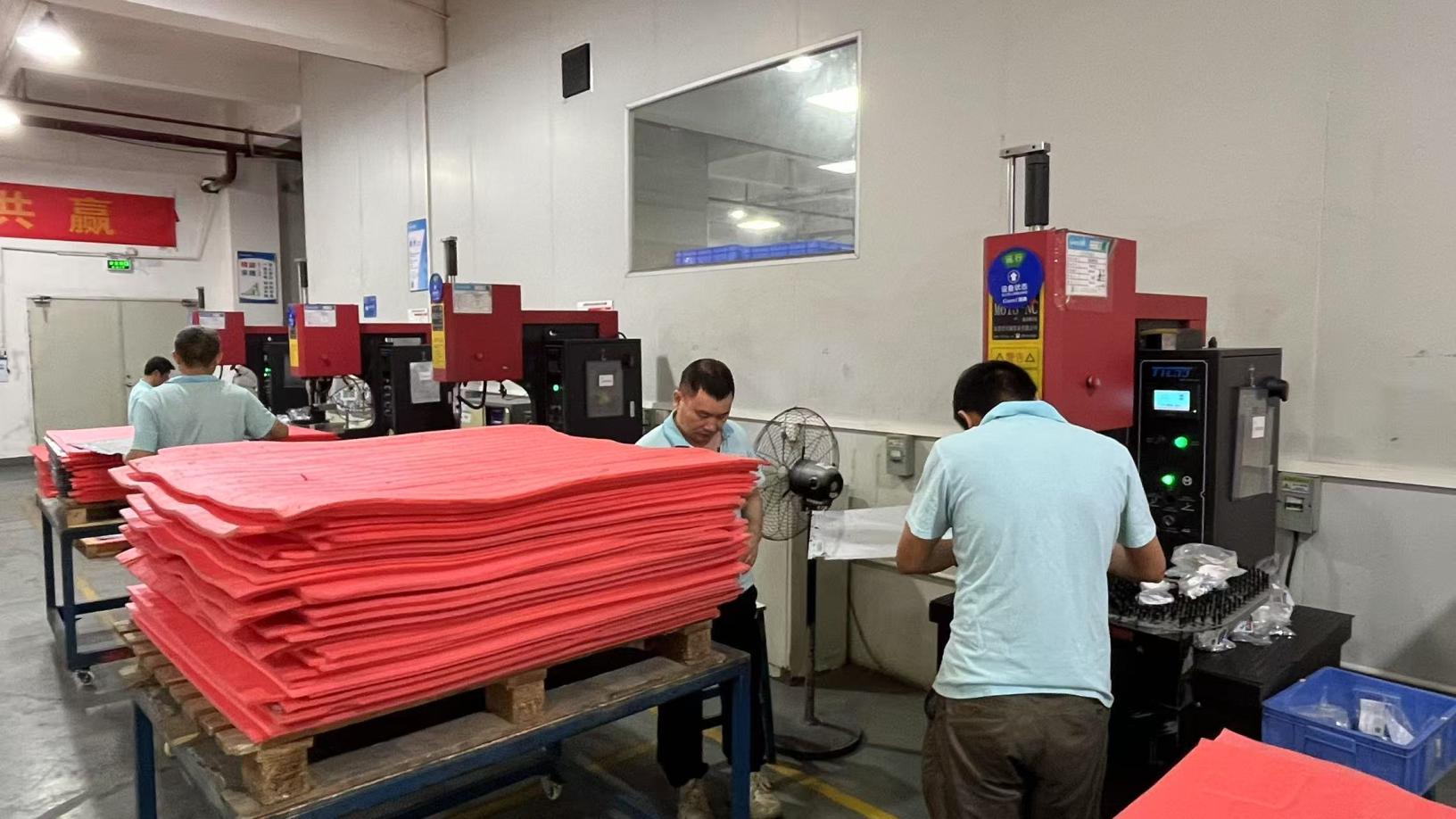
A inside look at TensorNova’s production setup, QA environments, and hardware integration processes.


Find answers to technical questions about server redundancy, hot-swappable components, and cooling options for high-availability systems.
We design servers with multiple layers of redundancy. This includes N+1 configuration hot-swappable power supply units (PSUs), hot-plug redundant cooling fans, active-active network interfaces, and advanced RAID controllers (such as the SAS3908 with 4GB cache). These components allow the server to continue running without downtime if an individual subsystem fails.
Every integrated system goes through a rigorous testing program. This includes dynamic thermal chambers to check cooling efficiency, automated electrical stress testing, and 72-hour burn-in procedures under full hardware loads. We also run simulated AI training and inference workloads to verify performance stability under real-world operating conditions.
We optimize internal airflow using counter-rotating high-pressure fan walls and custom air baffles. For higher density setups, we offer liquid cooling options (including cold plate loop integrations), which help control temperatures during peak workloads and prevent thermal throttling.
Yes. Our server architectures support standard open management protocols, including IPMI 2.0, Redfish APIs, and SNMP. This allows them to integrate into existing monitoring systems and orchestration platforms alongside hardware from other vendors.
Browse our second tier of hardware options, optimized for scale, cloud integration, and parallel compute nodes.