TensorNova
TensorNova
TensorNova
High-throughput hardware optimized for real-time packet processing, AI-driven traffic diagnostics, and in-memory computing analytics.
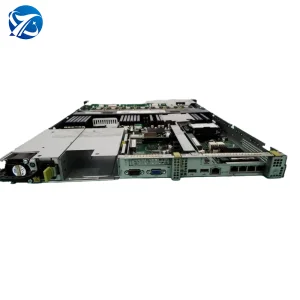
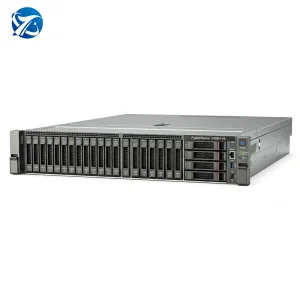
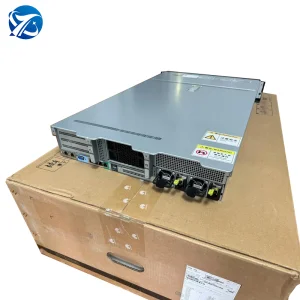
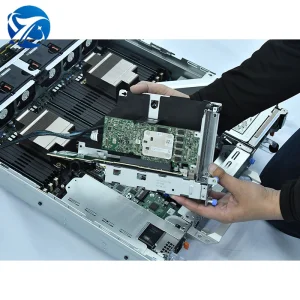
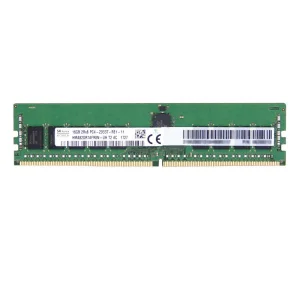
The shift from purely software-based Network Performance Monitoring (NPM) to hardware-accelerated deep packet analysis platforms.
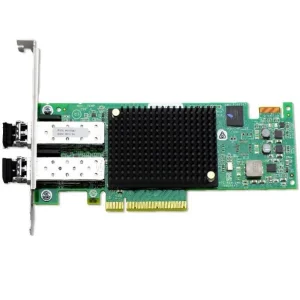
Modern enterprise infrastructures process petabytes of metadata per hour. Software-defined network monitoring tools are only as capable as the physical compute tier beneath them. Real-time packet parsing, inline traffic filtering, threat detection, and synthetic transaction monitoring demand low-latency processing, robust networking pathways, and massive in-memory computing capabilities. When global IT departments purchase network monitoring tools, they require robust network packet brokers, dual-port 32GB Fibre Channel HBA cards, hardware-level RAID systems, and high-performance server chassis to prevent bottlenecking and packet drops at the physical layer.
As enterprise networks transition to 100G and 400G backbones, software monitoring agents running on virtual machines suffer from CPU context-switching limits. The industry solution is physical hardware acceleration: dedicated rack servers coupled with advanced Network Interface Cards (NICs) and Host Bus Adapters (HBAs) that offload flow-based analytics directly to silicon. This architecture ensures complete network observability without impacting production latency.
Why global enterprises source computational hardware and telemetry nodes directly from China's advanced manufacturing clusters.
Sourcing server chassis, host bus adapters, memory clusters, and custom-tuned monitoring appliances from Chinese manufacturers like TensorNova offers structural advantages across four major industrial dimensions:
China hosts the world's most cohesive electronics and semiconductor assembly supply chain ecosystems. From micro-resistors to multi-layered PCB boards and advanced cooling brackets, everything is sourced within high-density technology parks. TensorNova maintains a robust supply network featuring more than 1,200 global suppliers and strategic component partners, guaranteeing rapid prototyping, fast component sourcing, and resilience to supply constraints.
Unlike rigid off-the-shelf system integrators, Chinese server factories specialize in flexible customization. Global enterprises can spec motherboard-level layouts, configure custom liquid-cooling headers for GPU arrays, integrate specialized HBA modules (like the Emulex LPe35002-M2), and design rack servers to specific mechanical dimensions (e.g., short-depth server designs for edge deployment).
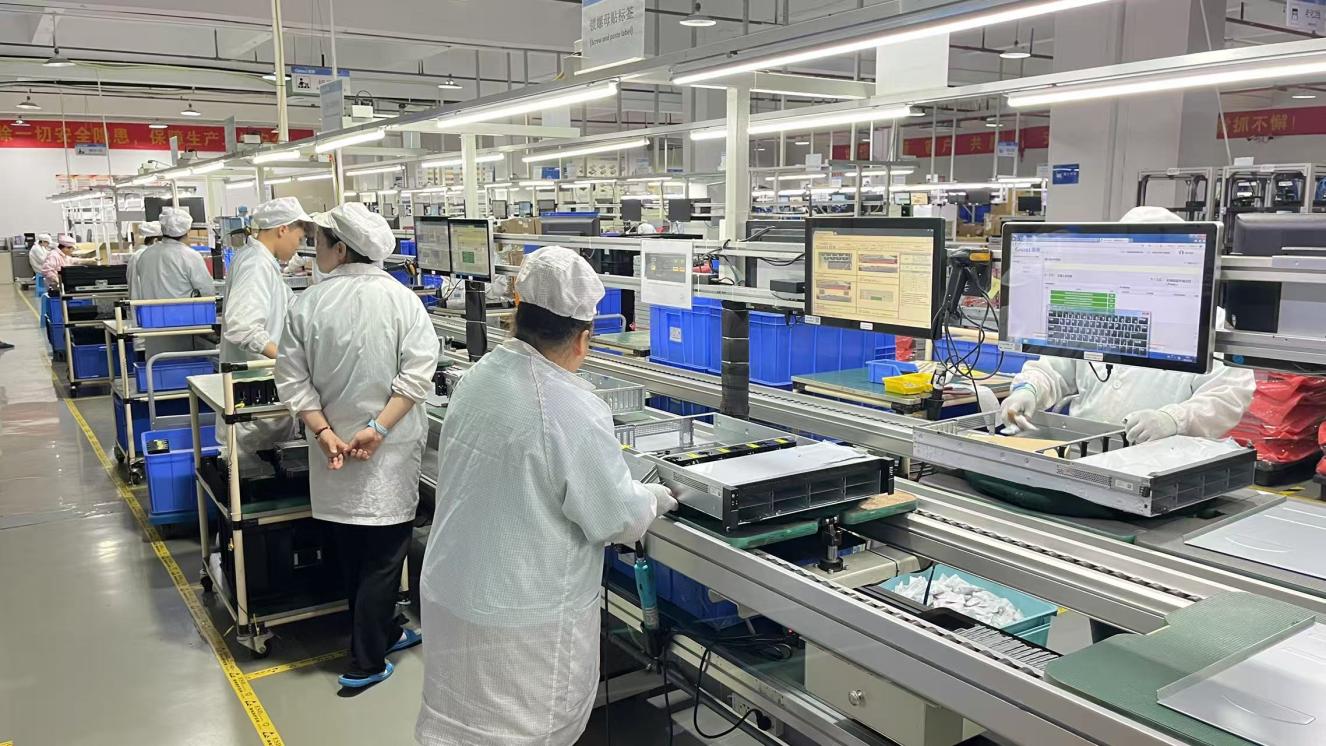
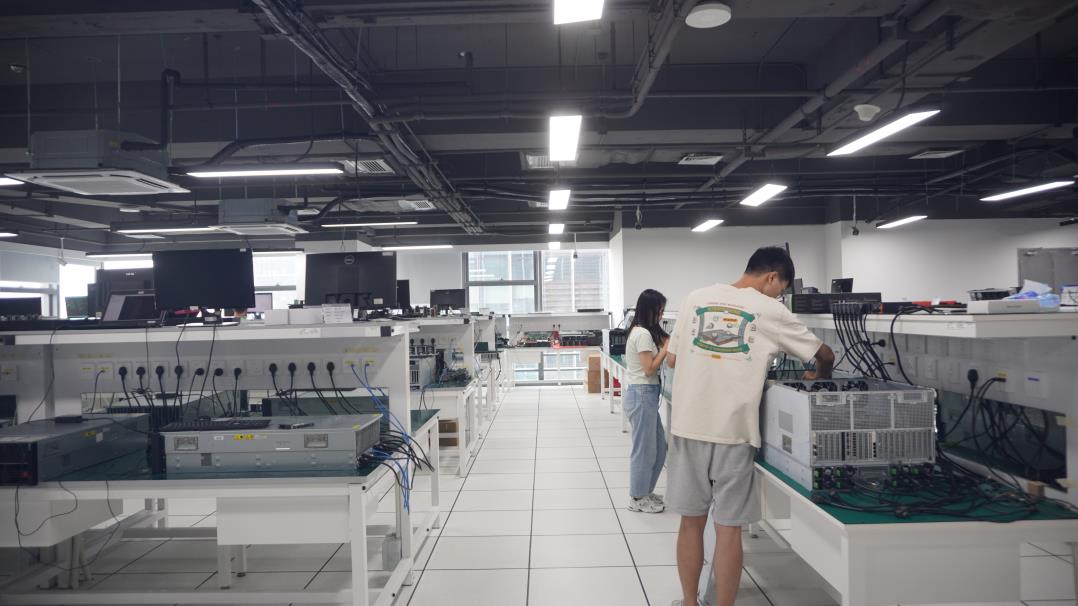
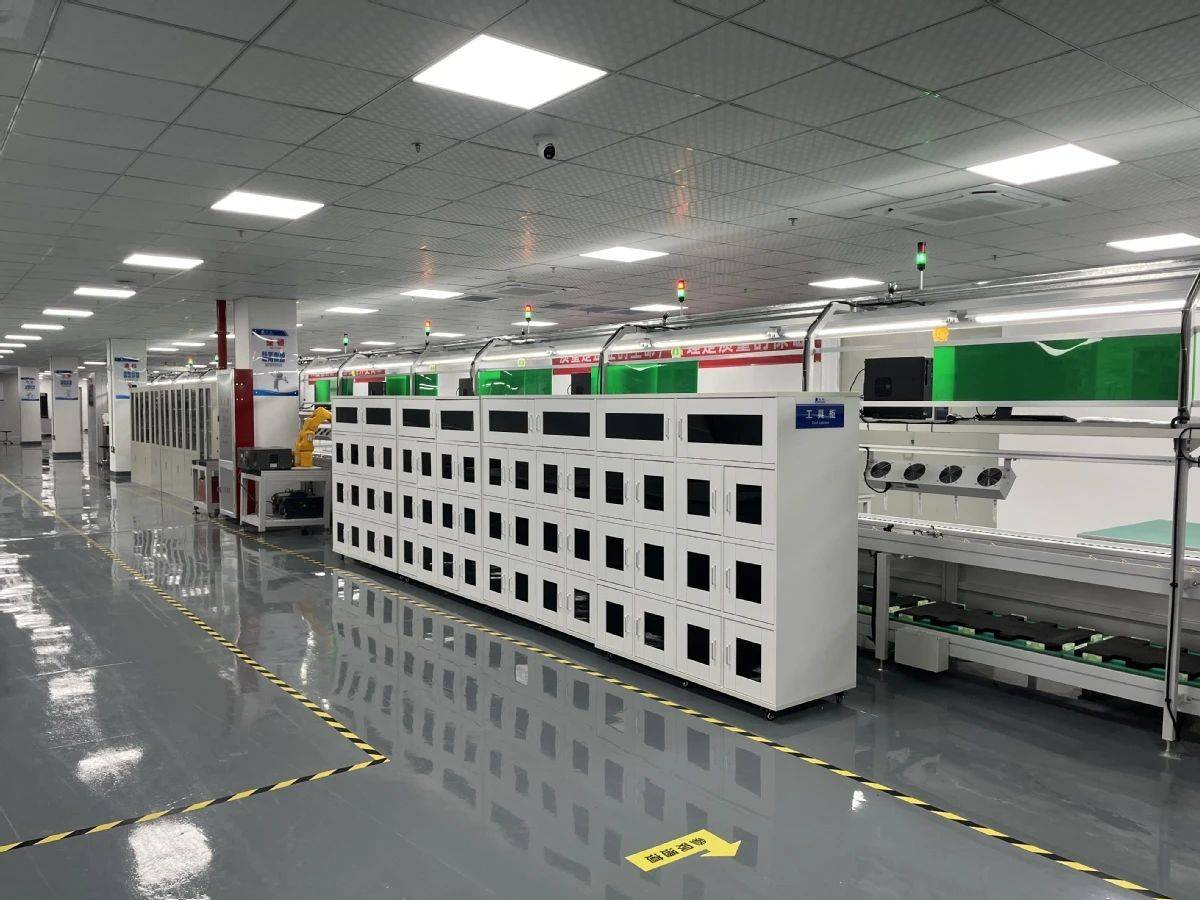
Enterprise network monitoring hardware requires absolute reliability; downtime leads to network blindness. TensorNova strictly implements ISO9001-based quality management systems across our modern production facility. Hardware runs through structured testing pipelines including automated hardware stress tests, thermal performance validation, burn-in protocols, and AI workload simulation. With a team of 45 dedicated quality control professionals, products are fully vetted before global dispatch.
Chinese factories are no longer just assembly sites; they are key centers of computing innovation. Backed by 180 experienced R&D engineers, TensorNova continuously tracks emerging data center protocols, releasing over 320 new products annually. This includes custom node solutions optimized for advanced container networking, deep learning infrastructure, and specialized network packet brokers.
High-performance AI GPU server manufacturer and infrastructure solution provider based in China.
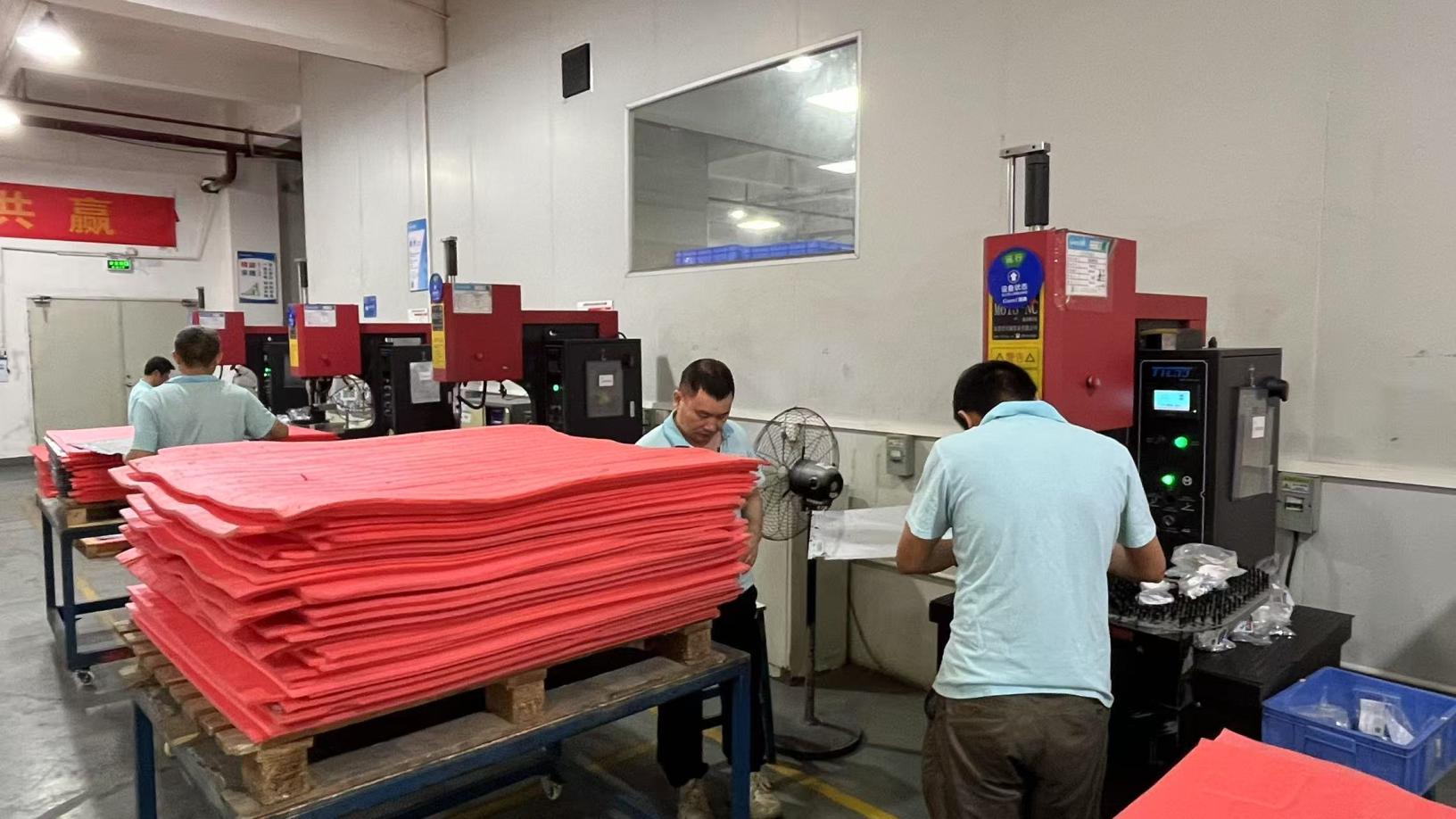
Established in 2016, TensorNova has developed into a trusted supplier in the AI hardware and server manufacturing industry. Operating a modern facility spanning approximately 320㎡ dedicated to advanced server assembly, testing, and integration, the company brings 6 years of export experience and over 12 years of industry experience in high-performance computing to global markets.
Our primary customer base includes AI research institutions, cloud computing providers, tier-1 data centers, enterprise IT departments, and AI startups. The company serves clients across North America, Europe, Southeast Asia, and the Middle East, with primary markets located in the United States, Germany, Singapore, and the United Arab Emirates. Whether you are seeking high-density rack computing infrastructure for data analytics or custom server chassis configurations, TensorNova provides a complete path from schematic to deployment.
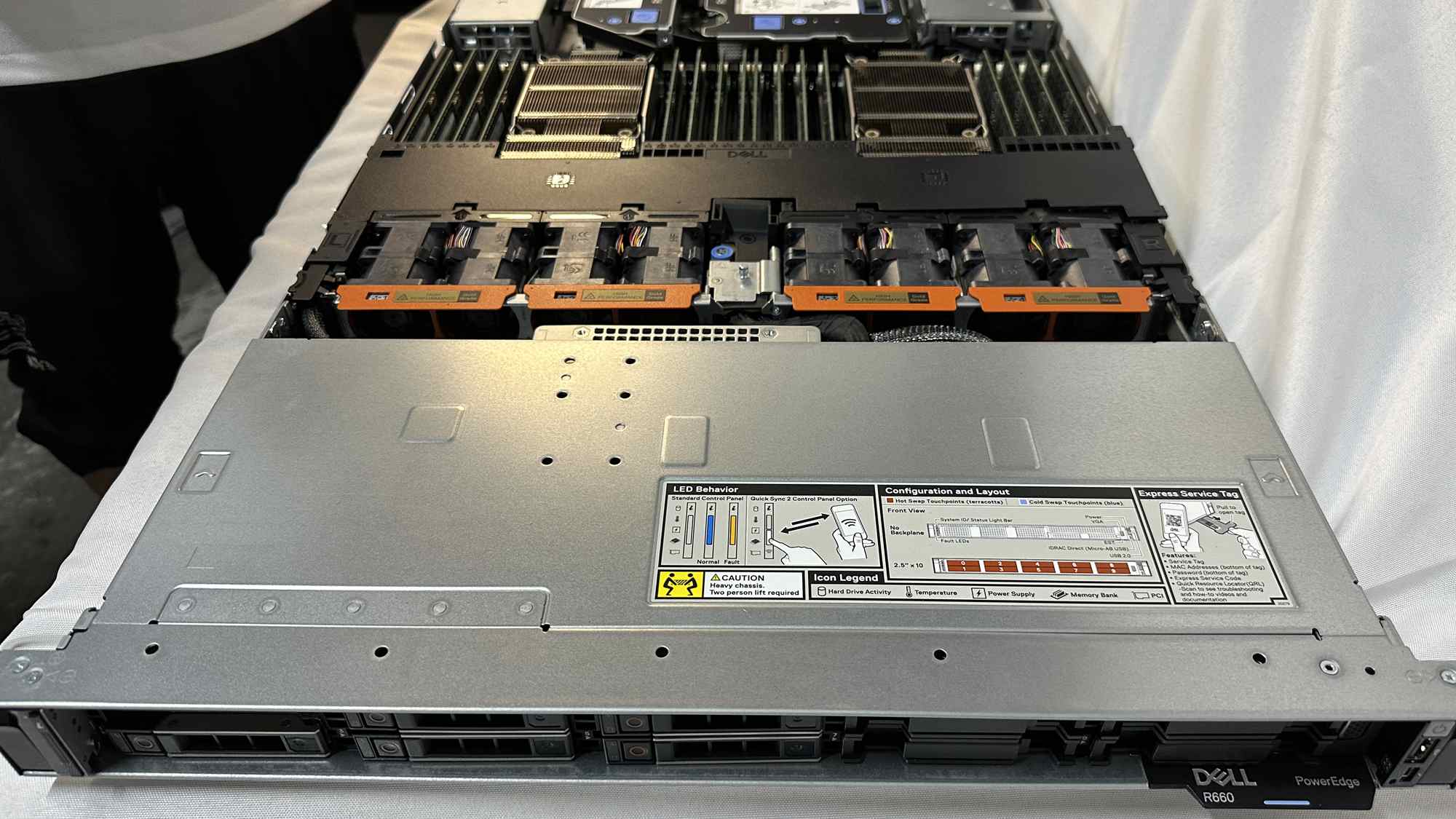



How high-performance monitoring hardware architecture resolves real-world enterprise network bottlenecks.
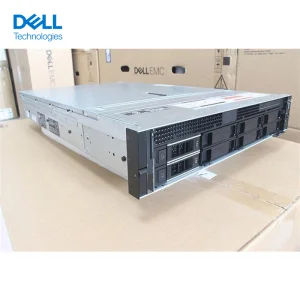
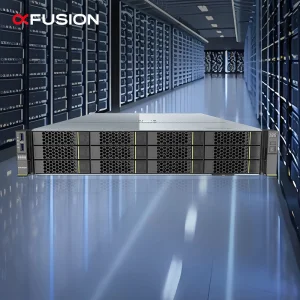
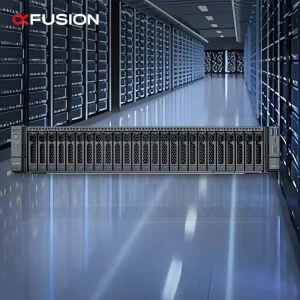
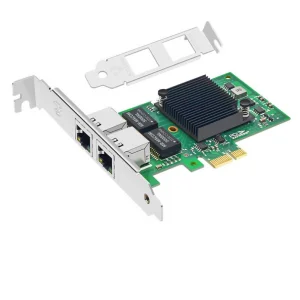
In tier-1 data centers, thousands of virtual networks operate on top of physical fabrics. Network monitoring tools require physical hardware that supports high-density packet mirroring. Our solution pairs dual-port 32GB Fibre Channel HBA cards (e.g., Emulex LPe35002-M2) with multi-core Xeon rack servers. By routing packet copies directly to these dedicated nodes, data center operators execute continuous deep packet inspection (DPI) and traffic analysis without degrading virtual machine network resources.
Modern AI workloads, like training DeepSeek R1 models or managing massive container deployments, require extreme East-West traffic throughput. Traditional monitoring tools fail under these multi-gigabit workloads. Specialized server nodes equipped with GPU acceleration and DDR5 memory analyze high-speed InfiniBand or RoCE (RDMA over Converged Ethernet) network telemetry. This enables engineering teams to instantly locate packet losses, latency spikes, and congested paths in AI clusters.
For high-frequency trading (HFT) firms, microseconds mean millions. Sourcing server platforms configured with low-latency memory modules, high-frequency CPUs, and hardware-level RAID caching (such as the 9560-8i Tri-mode RAID controller) allows financial institutions to store and analyze real-time market data flows. These network tools detect market feed anomalies, measure network transit delays, and log audit trails directly at the hardware layer.
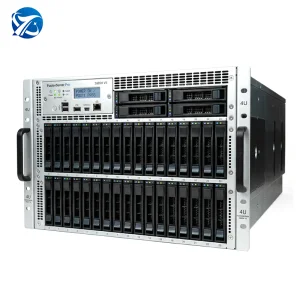
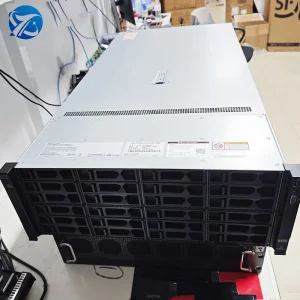
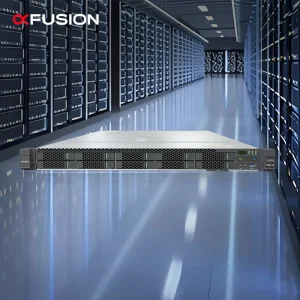
At the edge, physical space is limited and environmental conditions vary. Compact 1U short-depth server nodes and ruggedized 4U systems (like the FusionServer 5288 V5) are deployed at local branch offices, edge server rooms, or distributed CCTV networks. These platforms process regional traffic analysis locally, filtering and compressing log data before uploading telemetry metrics to the main cloud center.
A strategic framework for enterprise procurement teams buying custom computing and network telemetry hardware.
Global procurement directors must look beyond price points when sourcing network monitoring hardware. Key evaluation metrics include:
The next generation of network monitoring tools is being defined by architectural shifts in data center design:
Answers to critical questions regarding hardware compatibility, customized server OEM/ODM, and international logistics.
High-performance computing systems, solid-state memory lines, and enterprise processor arrays.