TensorNova
TensorNova
TensorNova


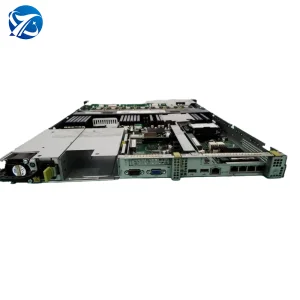
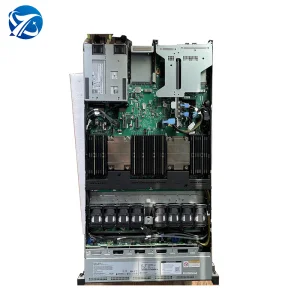
A Technical Deep Dive into Modern Out-of-Band (OOB) Infrastructure, Integrated BMC Hardware, and Customized Data Center Management Systems.
In the era of hyper-scale computing, distributed AI GPU clusters, and enterprise edge arrays, standard infrastructure provisioning interfaces no longer meet the robust management requirements of modern systems. Standard off-the-shelf Baseboard Management Controllers (BMCs) often lack the deep system integration, optimized firmware security, and bespoke control capabilities required to orchestrate vast networks of diverse hardware. Customized Out-of-Band (OOB) remote access systems act as the central nervous system for cloud architectures, enabling bare-metal control, firmware-level telemetry, automated provisioning, and zero-touch system diagnostics.
By bypassing standard hypervisor or operating system network stacks, high-performance OEM Remote Access platforms utilize a dedicated, isolated hardware pathway. This allows infrastructure engineers to perform remote OS installations, hardware-level thermal profiling, memory-stress verification, and hard resets, even in instances of severe operating system failure. The integration of next-generation management silicon—such as the ASPEED AST2600 architecture—combined with open-standards management software (such as OpenBMC) is reshaping how global data centers approach resource reliability, scalability, and physical system protection.
Information Gain Perspective: Implementing hardware-isolated BMC firmware with native cryptographic root-of-trust (RoT) drastically mitigates supply chain risks. By customizing IPMI 2.0 and Redfish schemas directly at the factory level, cloud providers can enforce mutual TLS authentication and firmware signature verification before system boot, rendering typical firmware injection vectors ineffective.
Customized remote access hardware is designed around several crucial hardware components and protocols:
Direct motherboard integration of AST2500/AST2600 system-on-chips (SoCs). Featuring custom PCIe lane configuration for real-time video capture, virtual media redirection, and continuous hardware telemetry reporting.
Silicon-level physical security engines that authenticate early-stage boot code, BIOS payloads, and BMC configuration spaces. Defends against persistent threat profiles targeting out-of-band environments.
Extending standard Redfish schemas to export complex GPU telemetry, liquid cooling module sensor readings, and predictive fan failure arrays to orchestration engines like Kubernetes and VMware.
Navigating Component Access, Strict Quality Control, and Rapid R&D Turnaround in a Complex Global Landscape.
Global enterprise IT departments, public cloud providers, and scientific computation labs face mounting pressure to acquire highly customized hardware while managing costs and long-term product lifecycles. High-performance system integration requires stable access to high-density PCIe Gen 5 routing, complex multi-socket motherboard layouts, and custom power delivery systems. China's manufacturing ecosystem, when paired with robust quality assurance protocols and cutting-edge design engineering, offers a distinct advantage in mitigating these issues.
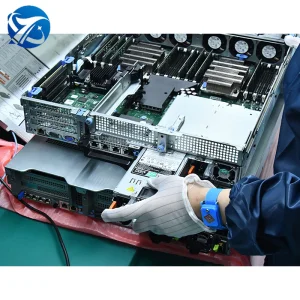
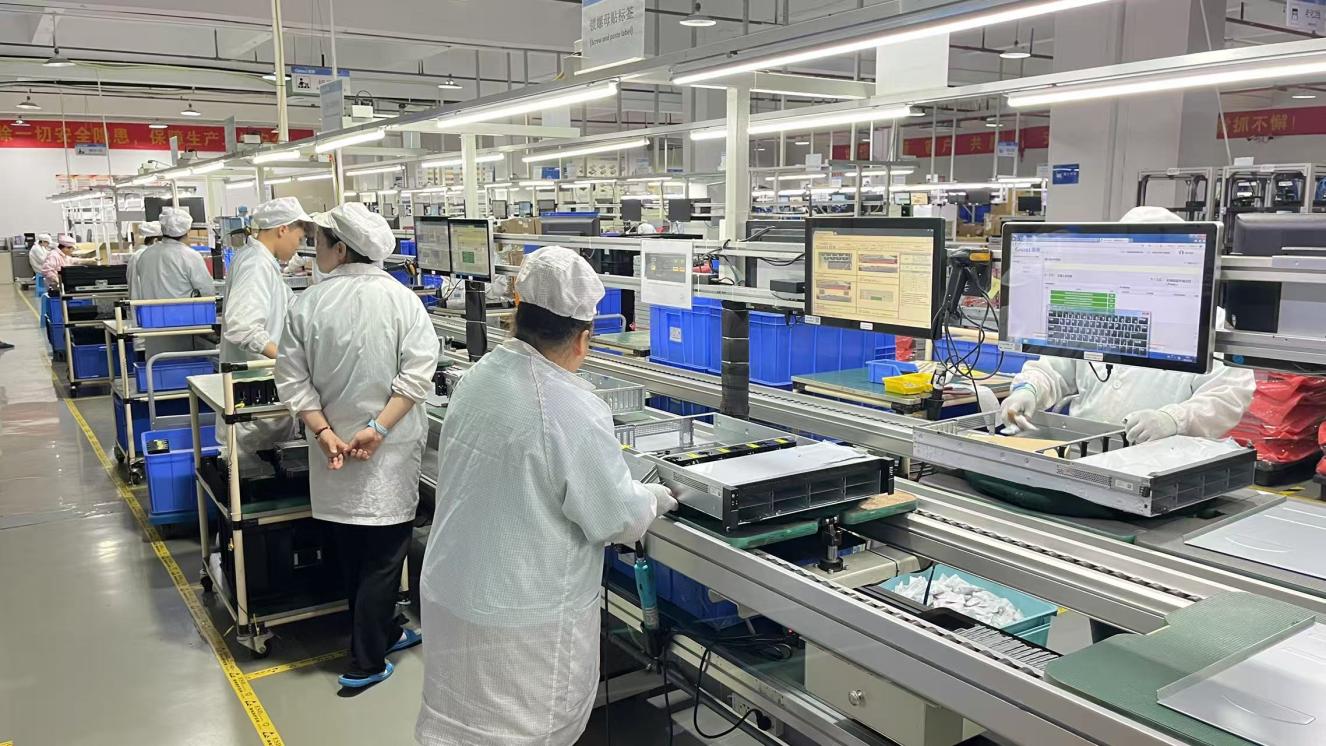
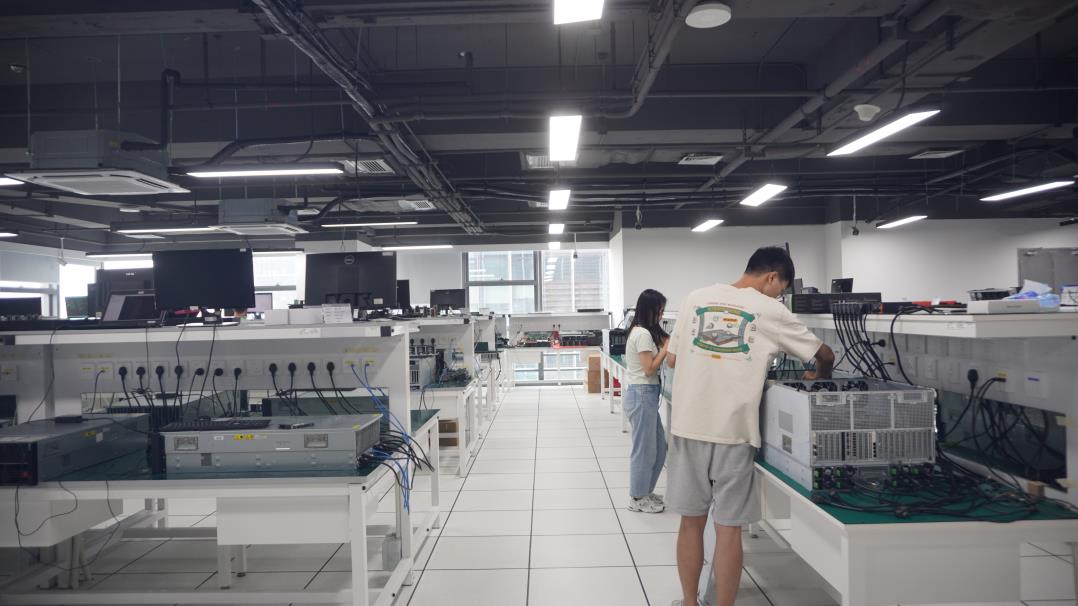
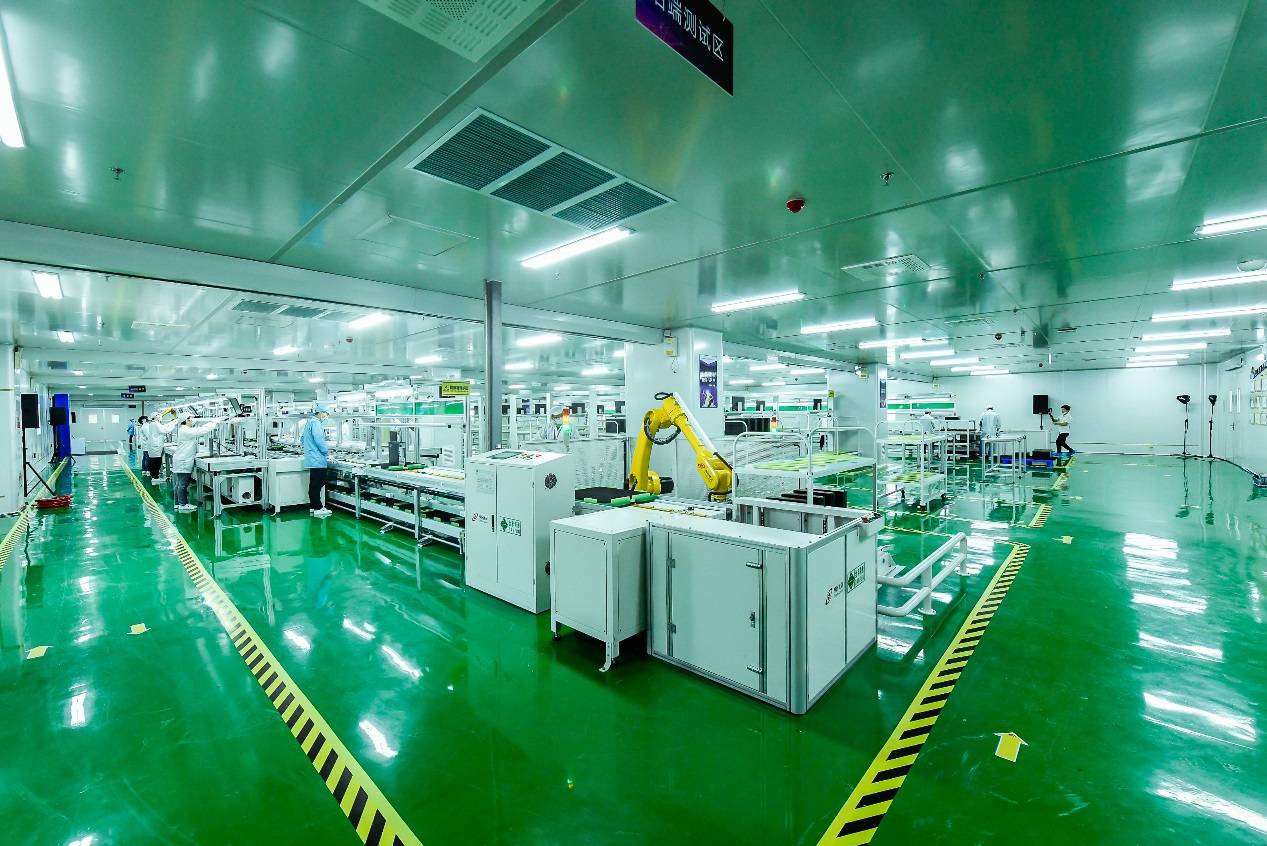
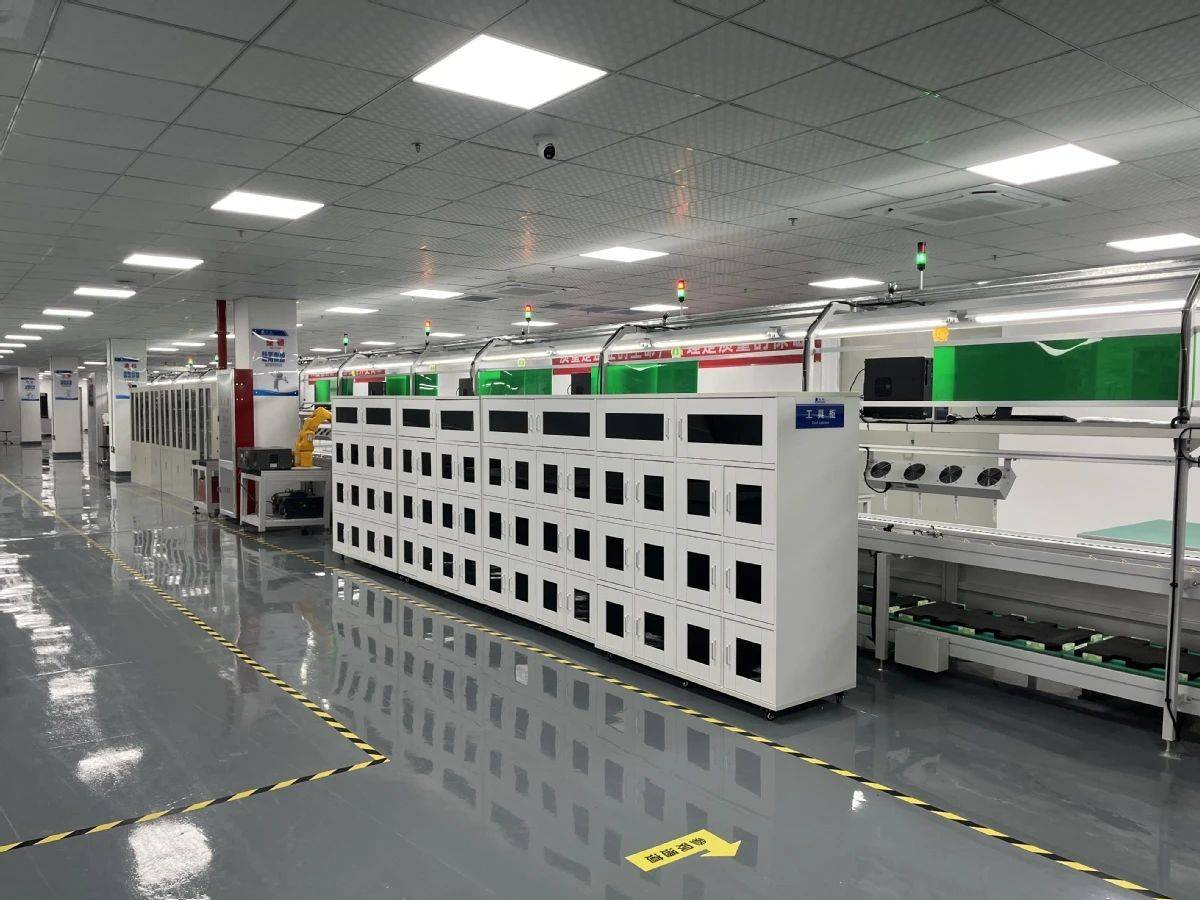
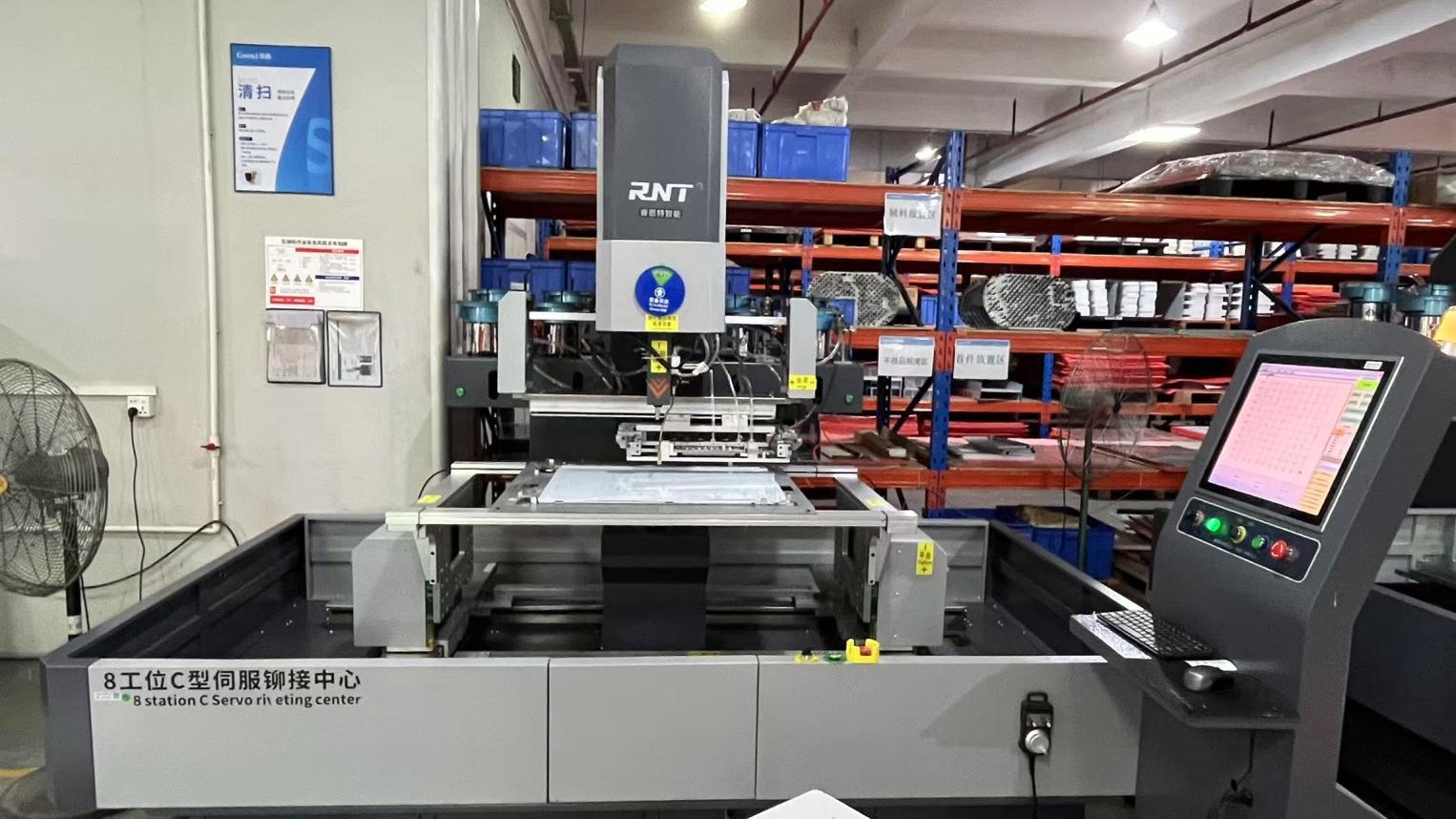
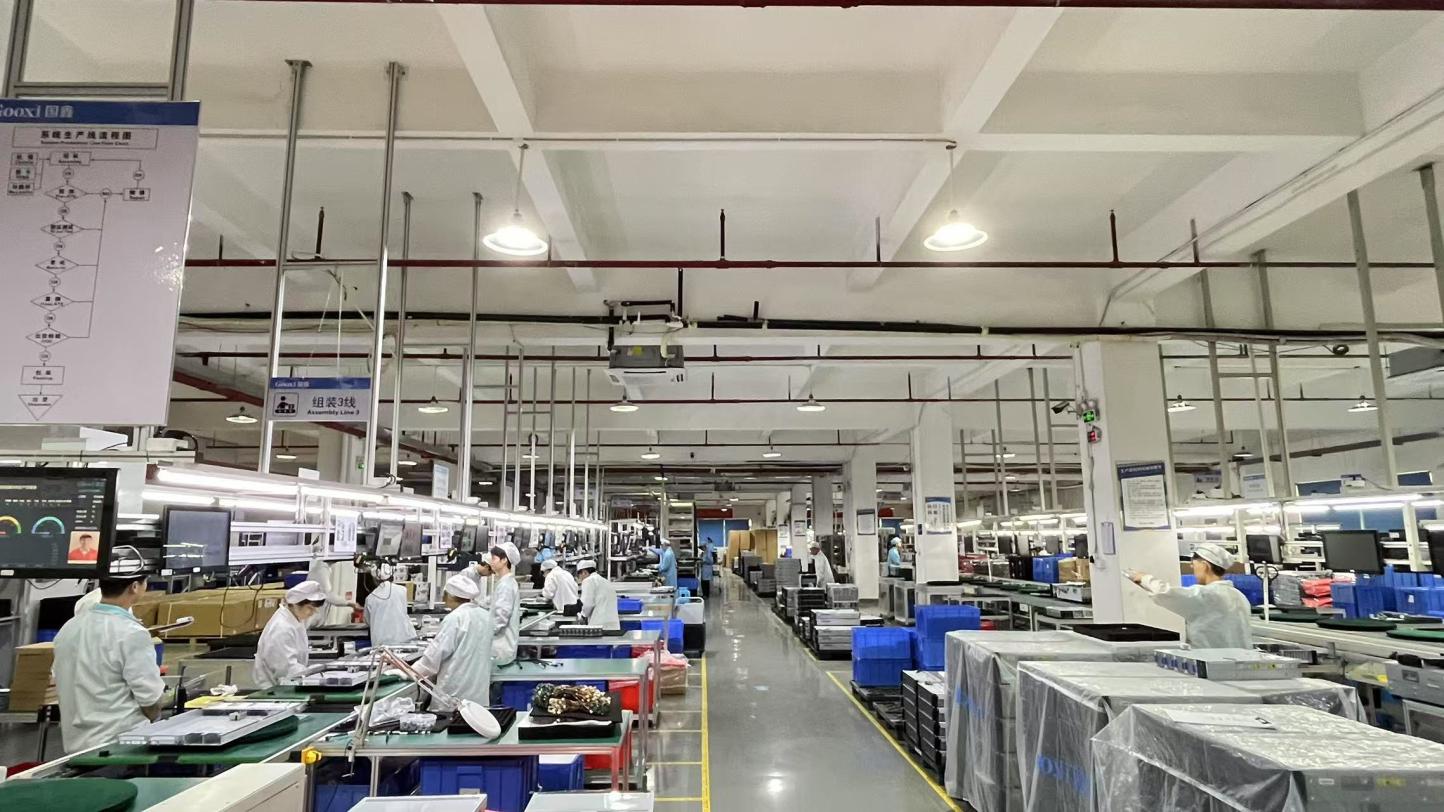
TensorNova, as a leading custom GPU server manufacturer and infrastructure solution provider based in China, sits at the intersection of this global supply chain synergy. By operating within an ecosystem of over 1,200 verified global suppliers and strategic component partners, we circumvent common procurement bottlenecks. Our facility features advanced capabilities for rapid hardware prototyping, hardware stress testing under varying thermal scenarios, and automated burn-in cycles that match the rigorous demands of global enterprise procurement teams.
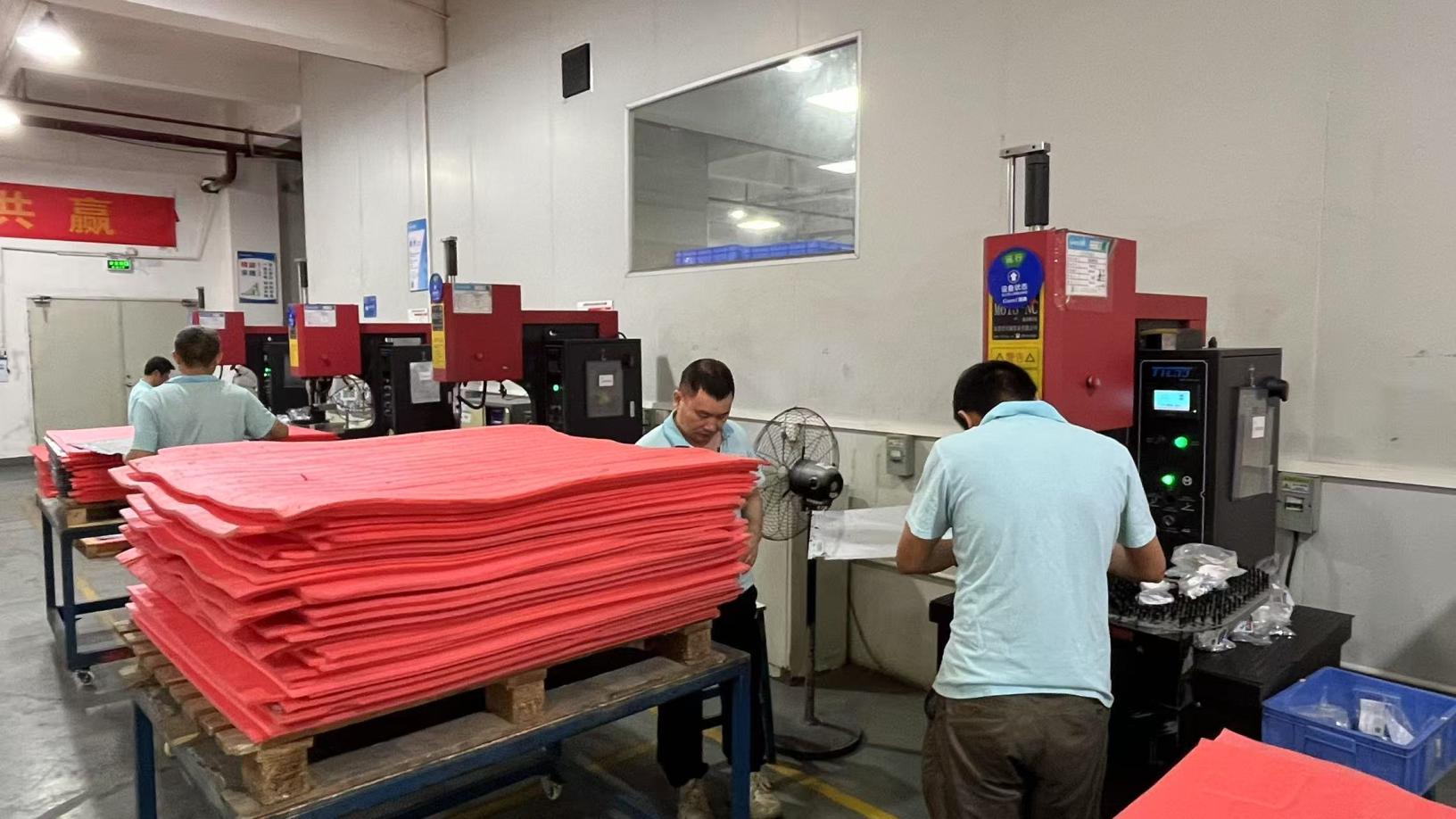
In addition, modern IT organizations need absolute transparency. They require detailed Bill of Materials (BOM) auditing, hardware component provenance tracing, and robust Quality Control (QC) standards. Leveraging an ISO9001-based quality management system, TensorNova employs approximately 45 dedicated QC professionals to validate every single server, ensuring that customized out-of-band nodes arrive fully calibrated, stable, and ready to deploy in hyper-scale configurations.
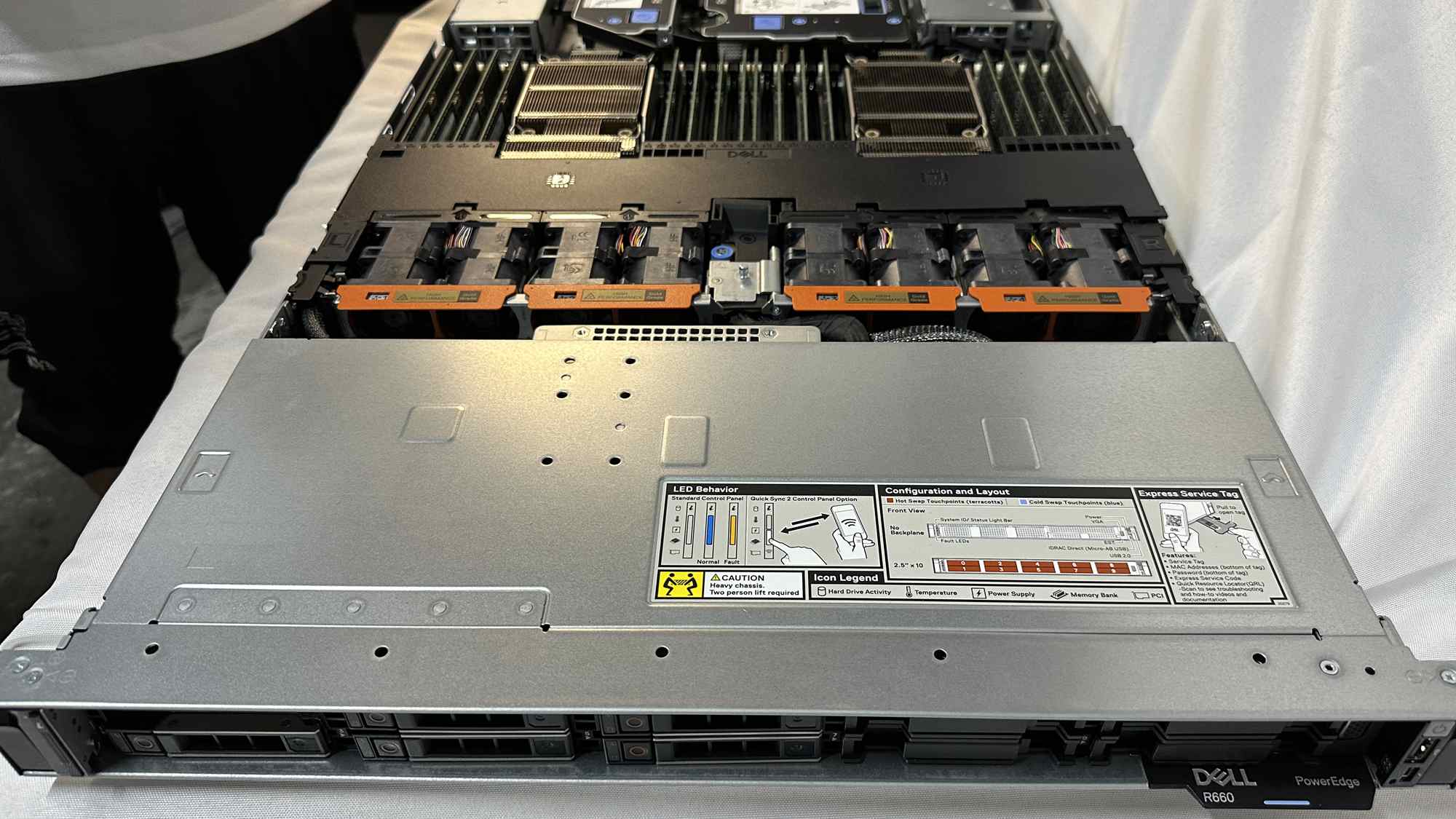
Ensuring Full Compliance with Regional Security Standards: GDPR, HIPAA, and Zero-Trust Remote Infrastructure.
Operating remote management interfaces across international jurisdictions demands strict adherence to local regulatory frameworks. Since out-of-band management controllers possess complete, low-level authority over the host system, any vulnerability or failure in compliance can lead to significant corporate liability. In the European Union, the General Data Protection Regulation (GDPR) and the NIS 2 Directive place strict responsibilities on organizations regarding security logging, multi-factor access control, and vulnerability remediation. Similarly, in the United States, HIPAA mandates comprehensive audit trails and data encryption for servers housing protected health information (PHI).
TensorNova solves these compliance requirements by designing management systems that support customized firmware localization and deep network segmentation. This includes:
By offering customized OEM BIOS and BMC firmware design, we enable clients to configure remote interfaces according to their internal network security rules. This eliminates default manufacturer backdoors, ensures the deactivation of deprecated legacy protocols (such as outdated IPMI v1.5 cipher suites), and establishes a clean, modern codebase that readily passes third-party penetration tests.
Adapting Out-of-Band Platforms to Supercomputing Clusters, GPU Monitoring, and Deep Learning Pipelines.
The sudden growth of generative AI models, such as LLMs (including DeepSeek and related architectures), has transformed the data center. These modern systems draw immense power and generate substantial heat, demanding highly responsive, low-latency telemetry to prevent catastrophic hardware damage. Legacy out-of-band management systems were simply not designed to monitor thousands of separate GPU registers, compute-fabric interconnections, and liquid cooling pumps in real time.
To address this change, modern OEM remote access platforms must implement the following capabilities:
Utilizing high-speed transport buses like gRPC or WebSocket connections to stream telemetry data, including GPU core temperatures, NVLink bandwidth utilization, and optical transceiver diagnostics, to central monitoring clusters.
Implementing customized closed-loop BMC fan algorithms that dynamically balance thermal loads across multiple system fans. This prevents thermal throttling during intense model training stages and reduces power consumption during idle periods.
Providing the ability to remotely limit or throttle GPU power settings at the firmware level. This helps prevent transient power spikes from overwhelming data center Power Distribution Units (PDUs).
How Global Businesses Implement Custom Out-of-Band Infrastructure Across Industries.
Deploying large-scale GPU clusters configured with customized RESTful APIs. This enables orchestrators to automatically isolate unstable nodes and flash GPU firmware without physical intervention.
Remotely managing unmanned edge nodes in cellular base stations, utility hubs, and manufacturing floors. Custom physical chassis protect the systems from dust and moisture, while dual-redundant network interfaces ensure continuous remote connectivity.
Running highly secure environments requiring strict, local auditing. These configurations disable public-facing APIs, utilize physical cryptographic keys for BMC login authentication, and record comprehensive video logs of all console sessions.
Expert insights on OEM server design, BIOS customizability, and secure supply chain manufacturing.