TensorNova
TensorNova
TensorNova
Engineered for Enterprise Workloads, Virtualization, and Advanced AI Processing
In the era of Generative AI, Large Language Models (LLMs like Deepseek, Llama, and GPT architectures), and high-frequency cloud transactions, traditional 1U/2U general-purpose architectures are hitting the thermal and volumetric wall. High-Density (HD) computing has evolved from a niche optimization strategy into the default structural standard for modern datacenters.
By integrating multiple independent computing nodes or extreme multi-core processor topologies into compressed vertical rack spaces, operations reduce latency, optimize spatial footprint by up to 40%, and achieve massive gains in compute capability per square meter. However, implementing high-density configurations demands strict engineering focus on thermal design power (TDP), dynamic power capping, and high-frequency signal integrity. TensorNova delivers advanced OEM/ODM custom servers designed specifically to handle these physical constraints.
A trusted infrastructure partner delivering highly stable, customizable, and high-performance server solutions
Operating out of China with a highly specialized precision integration lab, TensorNova has engineered AI hardware and custom high-density nodes for global enterprise clients, generating over $8.5 million in annual export revenue. With 12 years of industry engineering experience, our focus remains on custom hardware designs, motherboards, firmware development, and end-to-end server deployment configurations.
We work closely with cloud providers and system integrators to configure servers for specific hardware and performance profiles:
Quality assurance is embedded in every stage of our integration flow. Backed by 45 specialized quality control personnel and an ISO9001-certified management infrastructure, each server undergo rigorous stress testing:
| Validation Phase | Test Parameter / Protocol |
|---|---|
| Burn-in Thermal Testing | 72-hour operation in 45°C environmental chambers to check structural integrity. |
| AI Workload Simulation | Running CUDA/TensorRT and DeepSpeed configurations to verify PCIe lane stability. |
| Power & Transients | Dynamic load testing using oscilloscopes to guarantee clean power delivery to CPUs/GPUs. |
| Memory Diagnostics | Full-address DDR5 ECC validation under max memory bandwidth configurations. |
The engineering trajectory of high-density nodes to meet future computing demands
Transitioning architecture design to PCIe Gen 5 (32 GT/s per lane) and Compute Express Link (CXL 1.1/2.0) to enable low-latency memory expansion pools, solving the "memory wall" in high-density multi-socket virtualization nodes.
Redesigning server motherboards to handle the massive currents demanded by modern processors (TDP exceeding 350W). Integrating 12V-to-48V DC-to-DC converters directly on the motherboard to reduce distribution losses.
Moving from dense heatsinks and high-airflow fans (which draw considerable parasitic power) to Hybrid Direct-to-Chip (D2C) liquid cooling loops, preparing datacenters for CPUs up to 500W+ TDP and multi-card GPUs.
How high-density servers address complex localized workflows globally
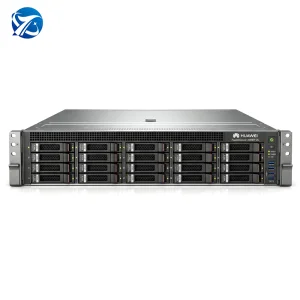
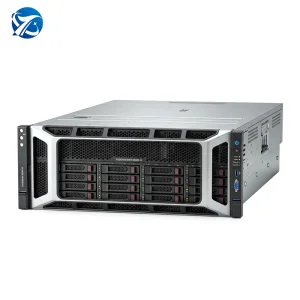
High-density GPU platforms like the G5200 V5 are designed for high-performance AI inference, deep learning, and real-time smart city video analysis. By maximizing card slot density in 2U/4U footprints, these systems deliver high FLOPS/U. Our OEM custom layouts optimize high-speed PCIe lane mapping to ensure GPU-to-CPU communications maintain low latency during heavy batch runs.
For large enterprise ERP platforms, transaction latency translates directly to cost. Using 4-Socket architectures (like the 2488H V5 and 2488H V6), companies combine up to four Xeon processors and dozens of DDR5 memory banks into a single 2U chassis. This structure allows the entire active ERP database to reside in system memory (RAM), eliminating disk read operations.
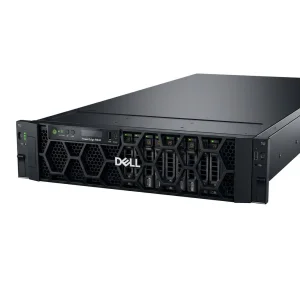
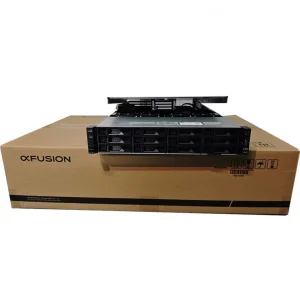
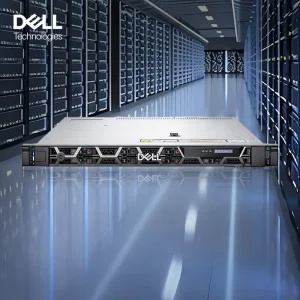
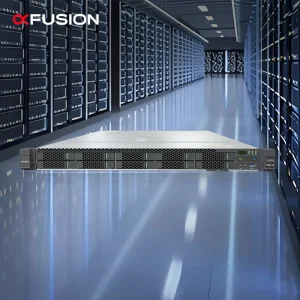
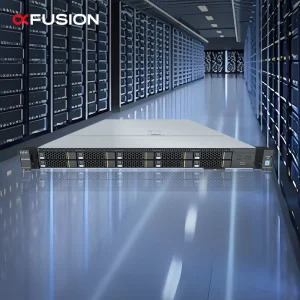
Cloud service providers require modular hardware platforms to host thousands of isolated virtual machines (VMs) per rack. Standardizing on 1U dual-socket configurations (such as the xFusion 1288H V6 or Dell PowerEdge R660) allows operators to deploy highly dense, virtualization-ready clusters. These systems feature dynamic hot-swap NVMe drive banks for rapid storage provisioning.
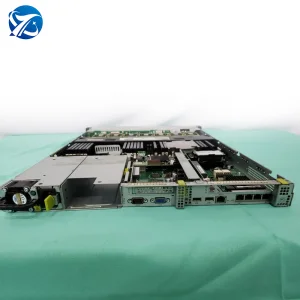
At the edge of the network—near camera arrays, smart factories, or cellular base stations—space and cooling are extremely limited. TensorNova offers short-depth custom chassis configurations designed to operate reliably in high-temperature, dusty edge cabinets while running video analytics models.
Expert answers regarding OEM/ODM high-density server configurations, manufacturing, and support
OEM (Original Equipment Manufacturer) involves manufacturing hardware based on designs and components provided by the buyer, or applying branding to existing standard models. ODM (Original Design Manufacturer) is a comprehensive service where the manufacturer (TensorNova) designs the hardware architecture, motherboard circuitry, thermal management, and firmware based on the client's performance requirements, then produces the customized servers.
High-density 1U systems utilize several critical thermal technologies: high-static-pressure counter-rotating cooling fans, custom copper-vacuum heat pipes, and optimized internal airflow baffles to direct fresh air across the memory banks and CPUs. For configurations exceeding 350W TDP per processor, we offer liquid cooling cold plates that transfer heat out of the chassis via liquid coolant loops.
Yes. Our team of 180+ R&D engineers offers complete custom firmware configuration services. We optimize low-level BIOS/UEFI settings for specific enterprise workloads, configure dedicated power-on sequences, customize system logs, and integrate OpenBMC or AMI MegaRAC software onto the Baseboard Management Controller (BMC) for secure, out-of-band management.
Each server undergo a series of quality checks, including automated hardware diagnostic routines, high-temperature dynamic burn-in testing, memory stability runs, and live AI workload simulations. These procedures are managed by our 45-person QC team operating under ISO9001 guidelines to guarantee enterprise-grade reliability.
Over the past decade, we have established relationships with more than 1,200 verified hardware suppliers and chip designers globally. This robust network ensures priority allocation for processors, high-performance DRAM, and storage controllers, minimizing production lead times even during global component shortages.
Inside our modern facility: where hardware design meets precise manufacturing
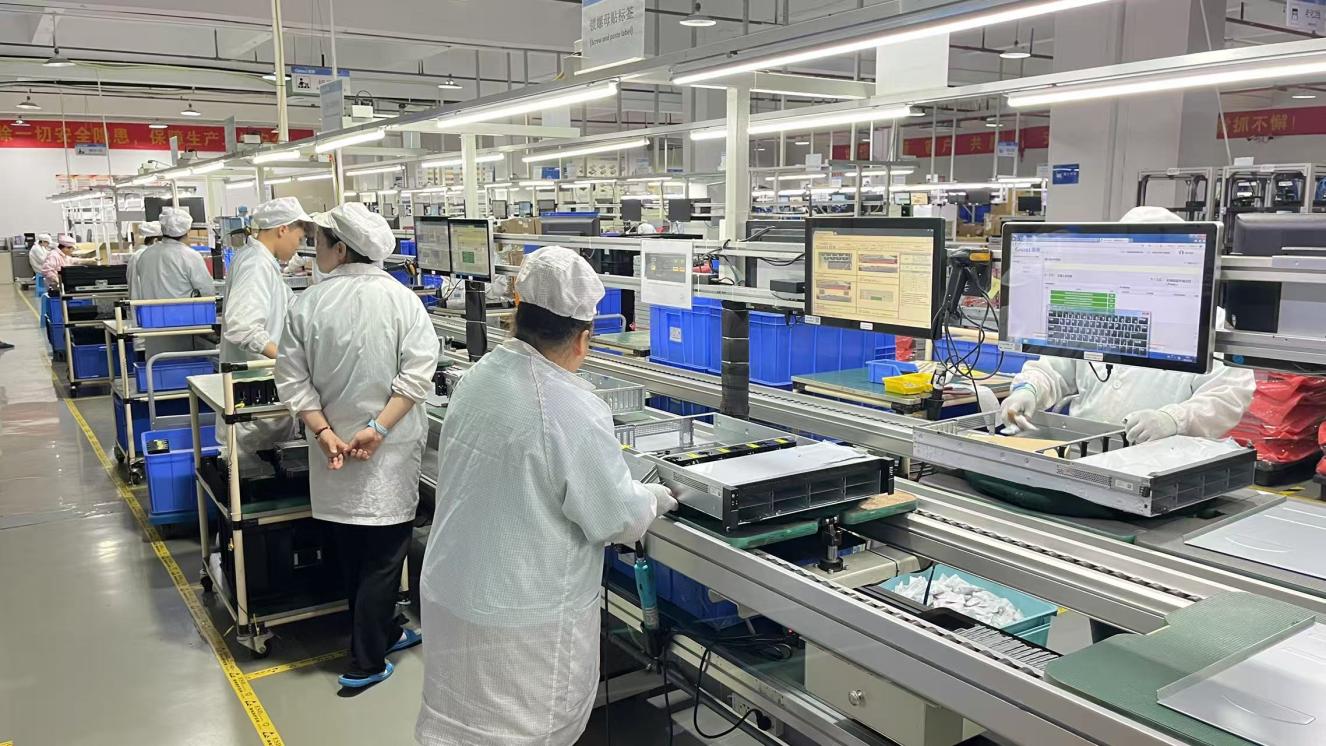
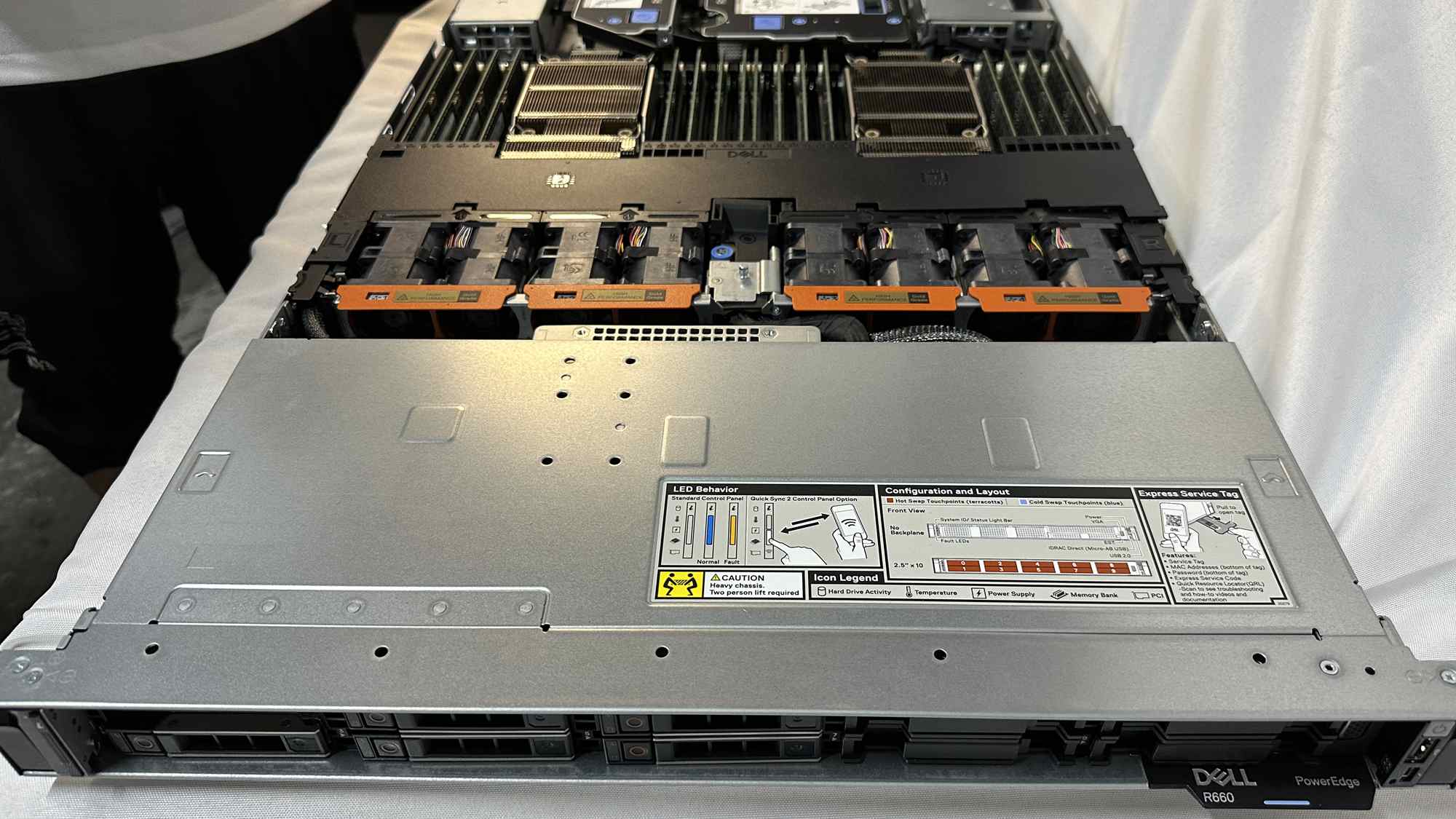
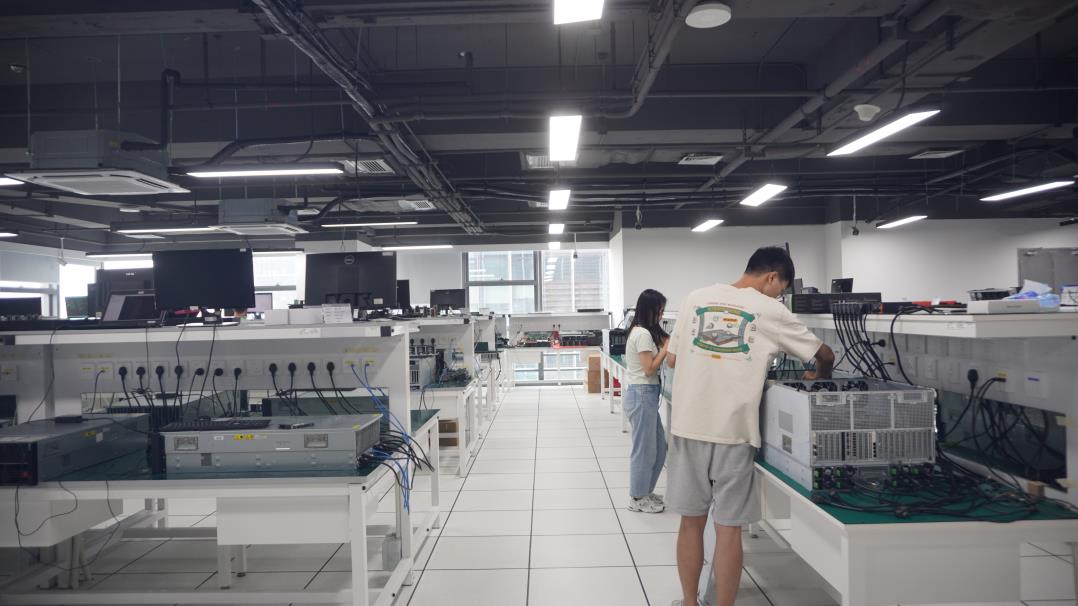
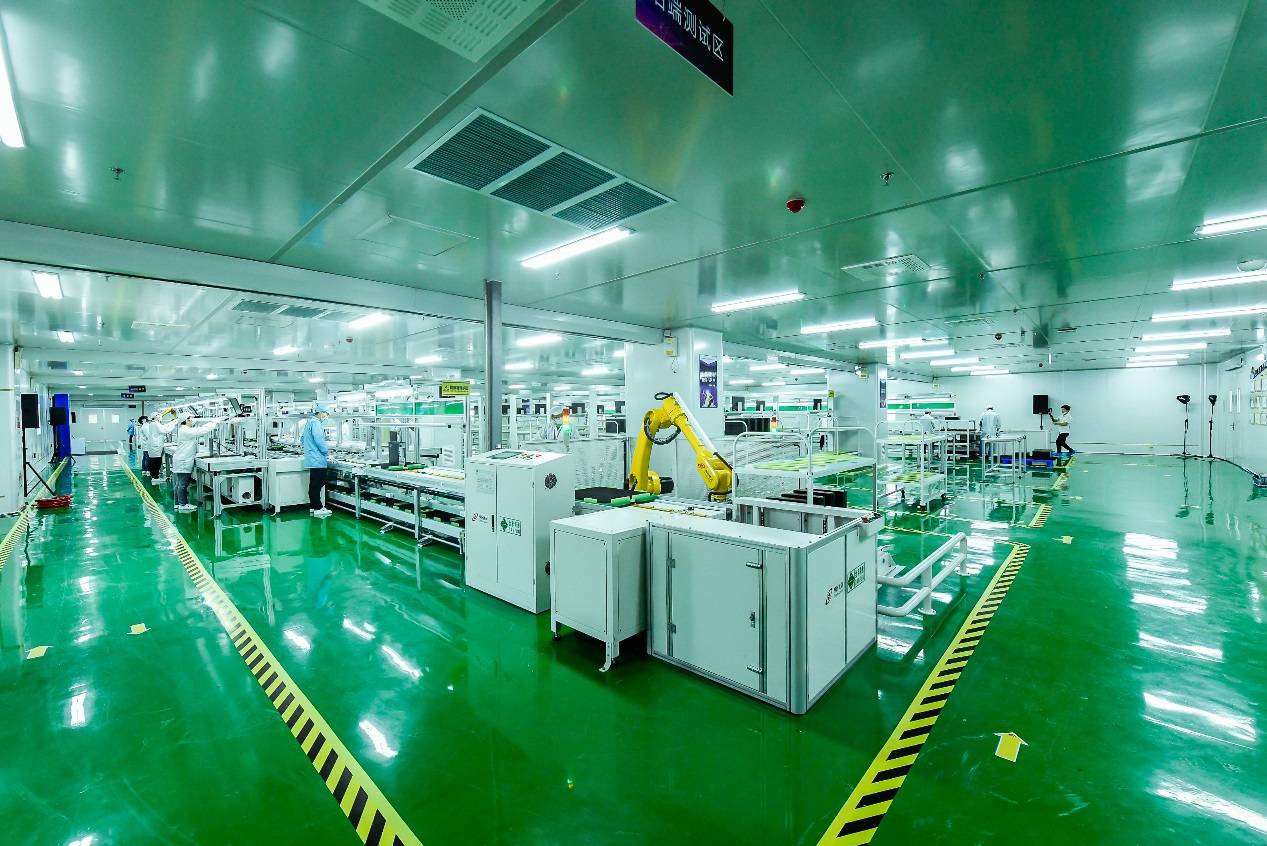
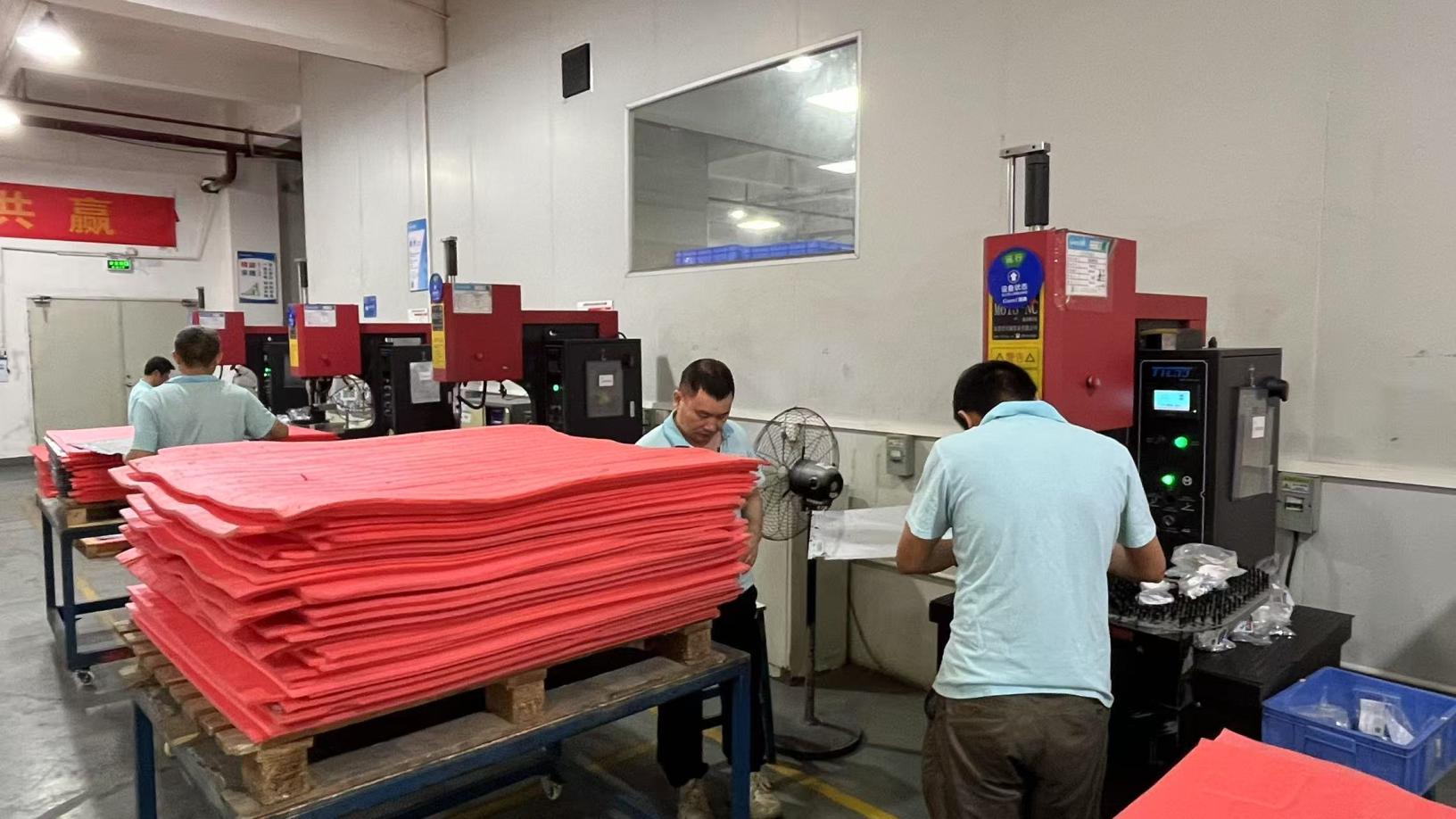
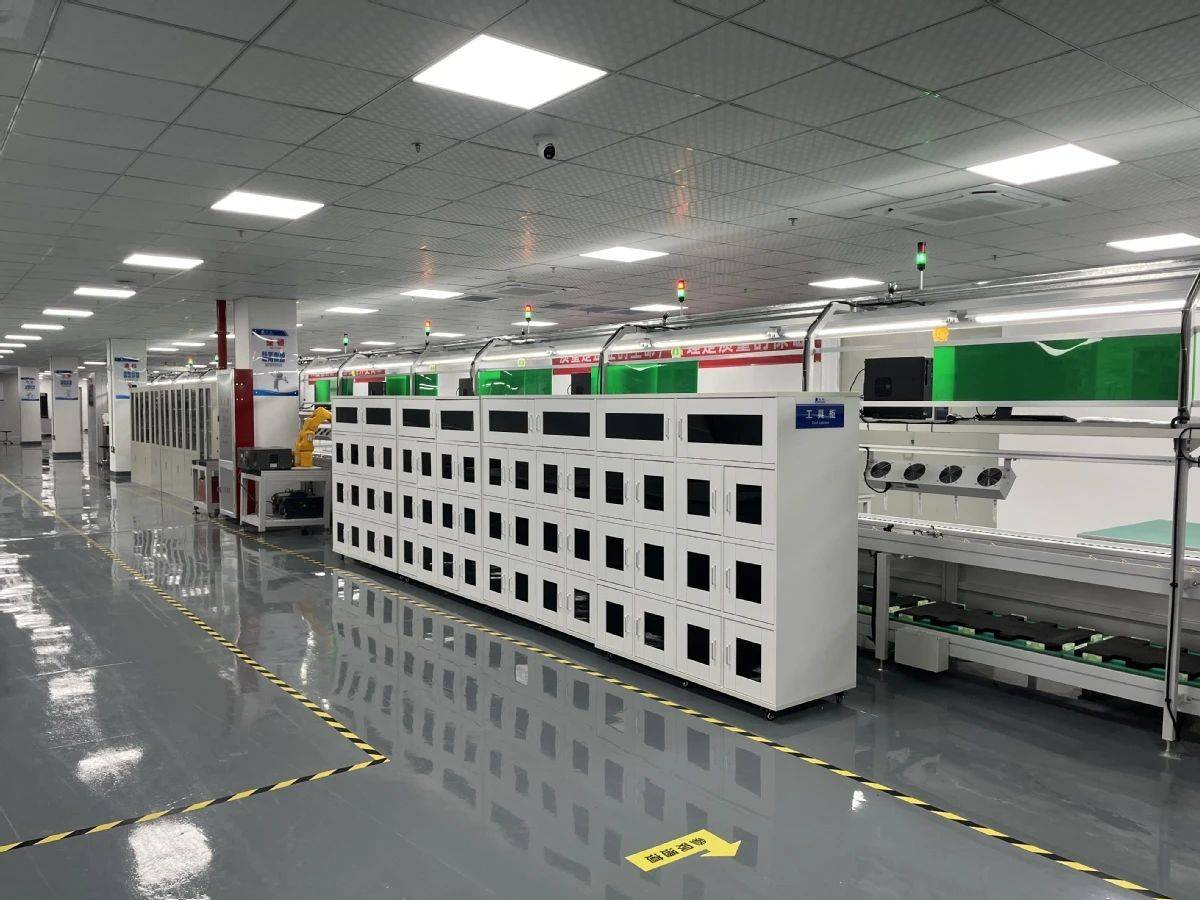
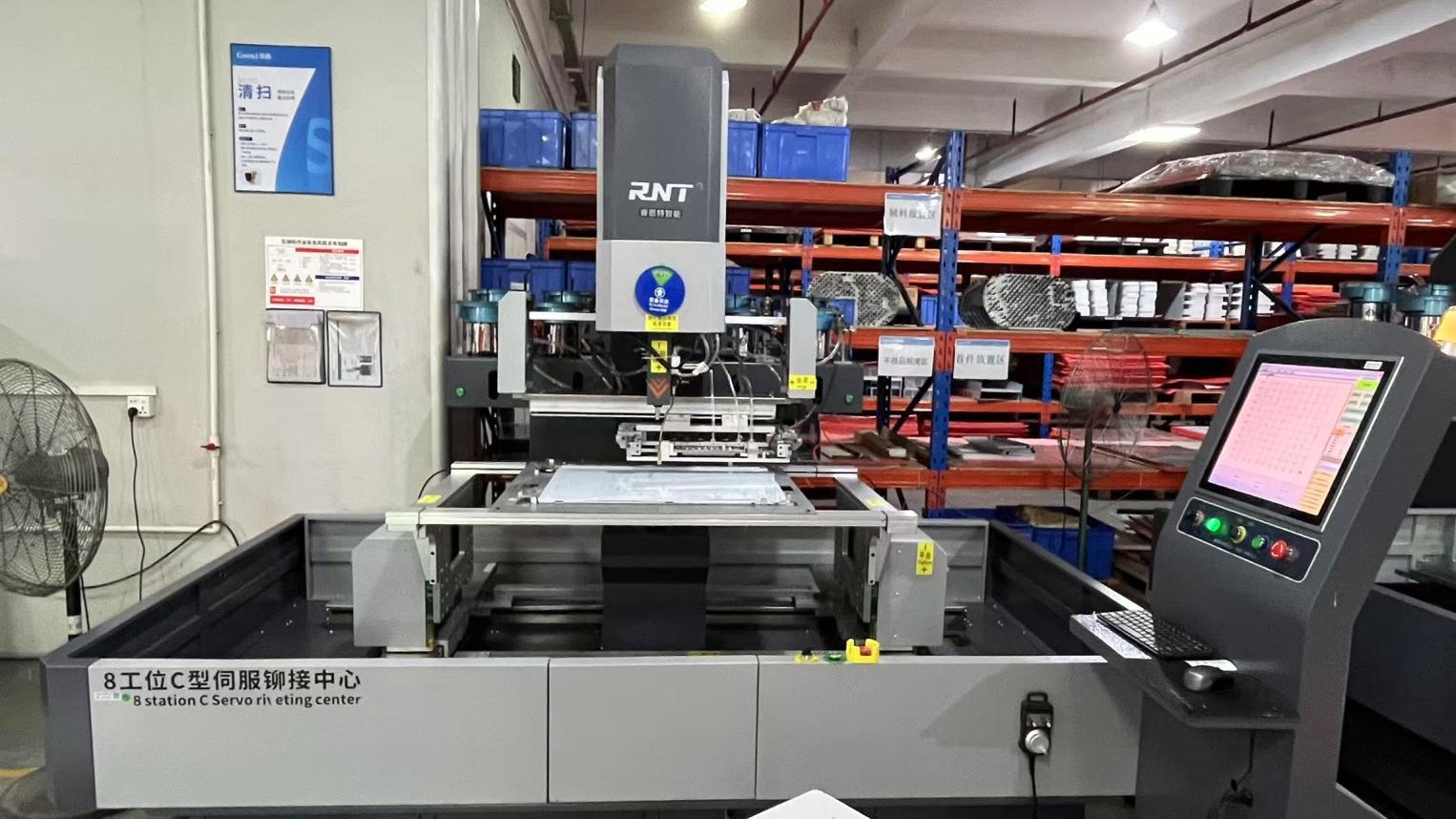
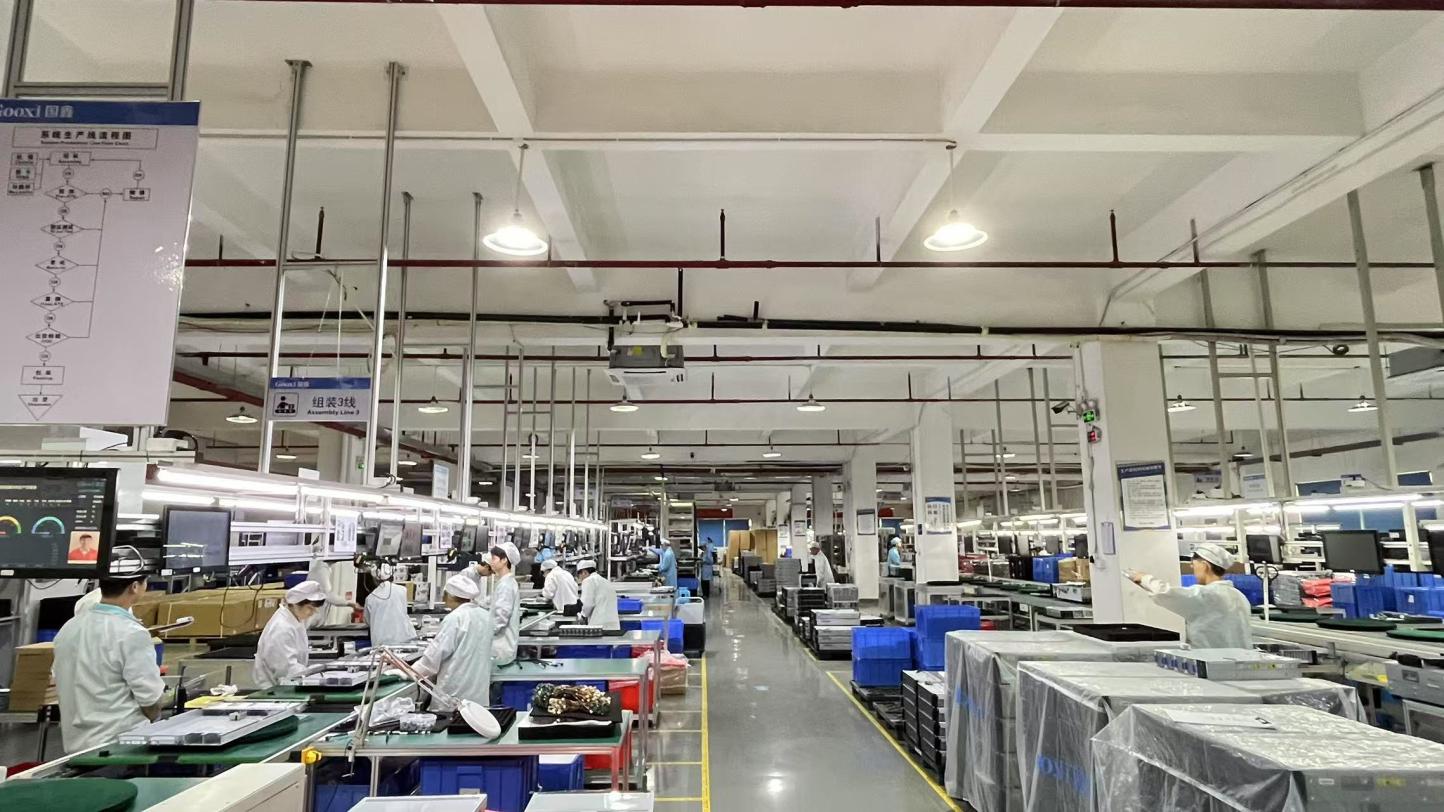
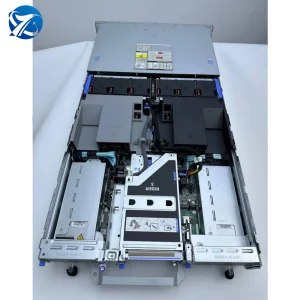
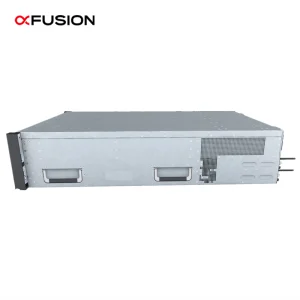
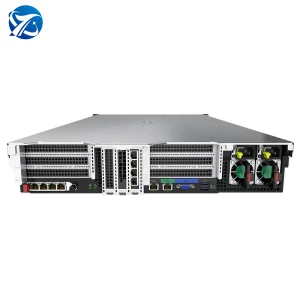
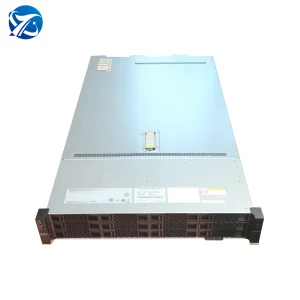
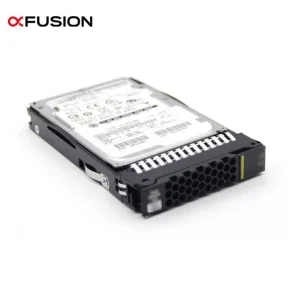
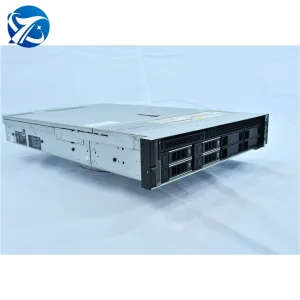
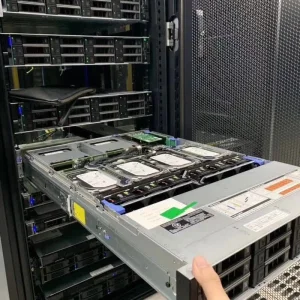
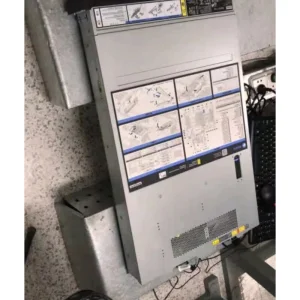
High-Density Server Nodes and Industrial Components