TensorNova
TensorNova
TensorNova
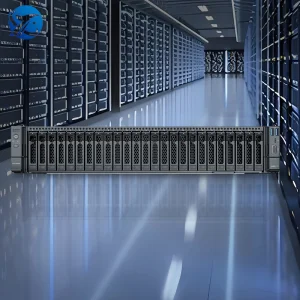
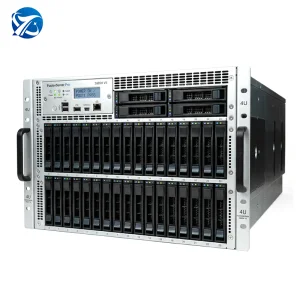
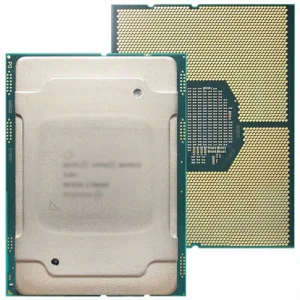
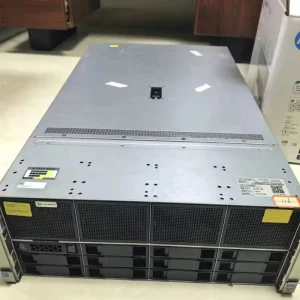

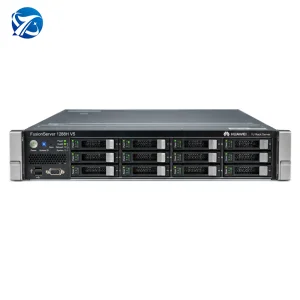
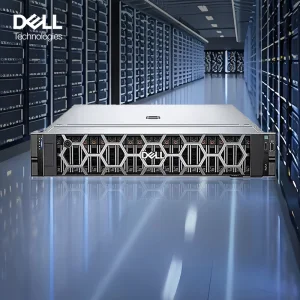
In the financial ecosystem, High-Frequency Trading (HFT) stands at the pinnacle of computational demand. Unlike standard enterprise database workloads, HFT infrastructure measures success not in minutes or seconds, but in nanoseconds and microseconds. Key performance indicators such as tick-to-trade latency, kernel bypass capability, and determinism (jitter mitigation) determine the profitability of quantitative desks, proprietary trading firms, and algorithmic market makers.
Eliminating OS context switches, interrupt latency, and CPU thread contention. Advanced hardware customization allows CPU pinning and custom bare-metal OS tuning.
Direct injection of data packets into the application space using specialized network controllers (such as AMD Solarflare or Mellanox ConnectX NICs) via OpenOnload and DPDK frameworks.
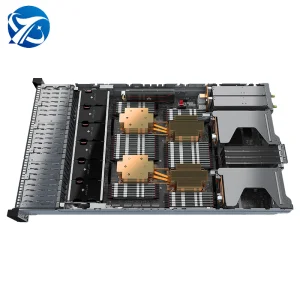
Overclocked processors run exceptionally hot. Specialized liquid loop systems and customized air cooling paths prevent thermal throttling during intense trading sessions.
Off-the-shelf rackmount servers are built for generic workloads. They lack the architectural focus required to maintain stable core clock speeds at elevated frequencies without variance. At TensorNova, our hardware optimization capability covers the following vectors:
We customize system BIOS configurations at the code level to disable all C-states, P-states, and Turbo Boost variations that introduce frequency steps and jitter. Processors (Intel Xeon or AMD EPYC) are locked to run at maximum safe frequencies on all active cores.
For HFT firms leveraging FPGA (Field Programmable Gate Array) execution accelerators, signal integrity is paramount. We design motherboards with optimized PCIe Gen 5 trace layouts to reduce crosstalk, enabling ultra-fast read/write access to NVMe flash pools and high-bandwidth NICs.
Integration of ultra-stable onboard clock sources (such as Oven Controlled Crystal Oscillators, or OCXOs) and full hardware support for PTP (IEEE 1588 Precision Time Protocol) grandmaster synchronization. This guarantees that trade logs comply with strict MiFID II RTS 25 microsecond-level time-stamping accuracy standards.
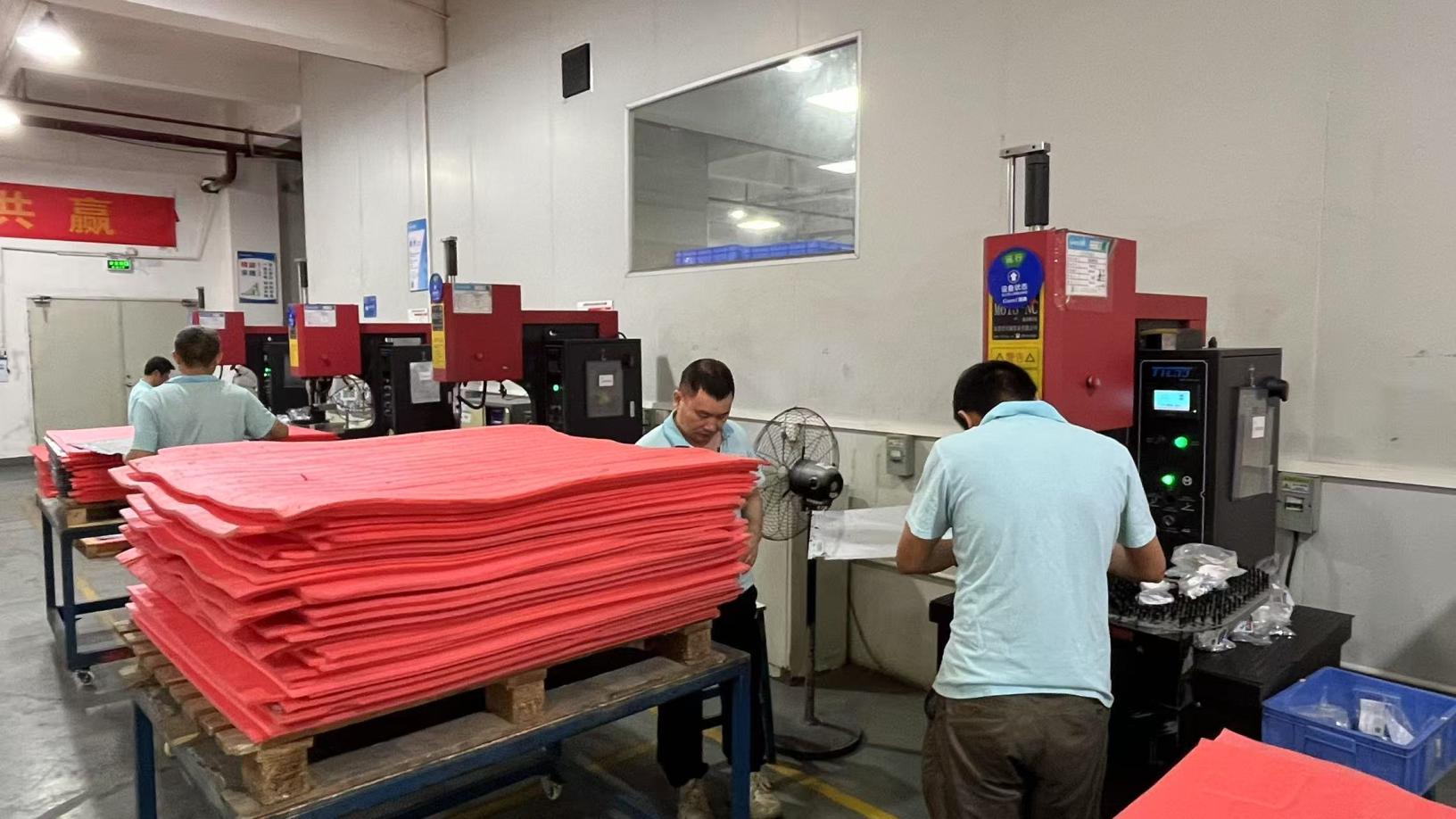
Our direct integration within the primary computing manufacturing capital of the world—Shenzhen, China—allows us to prototype custom motherboards, modify chassis designs, and source premium hardware components in fractions of the time taken by Western competitors.
TensorNova leverages an extensive ecosystem of more than 1,200 global suppliers and strategic component partners. This broad integration safeguards production timelines against sudden raw material deficits and ensures rapid sourcing of microcontrollers, PCBs, memory modules, and processing units.
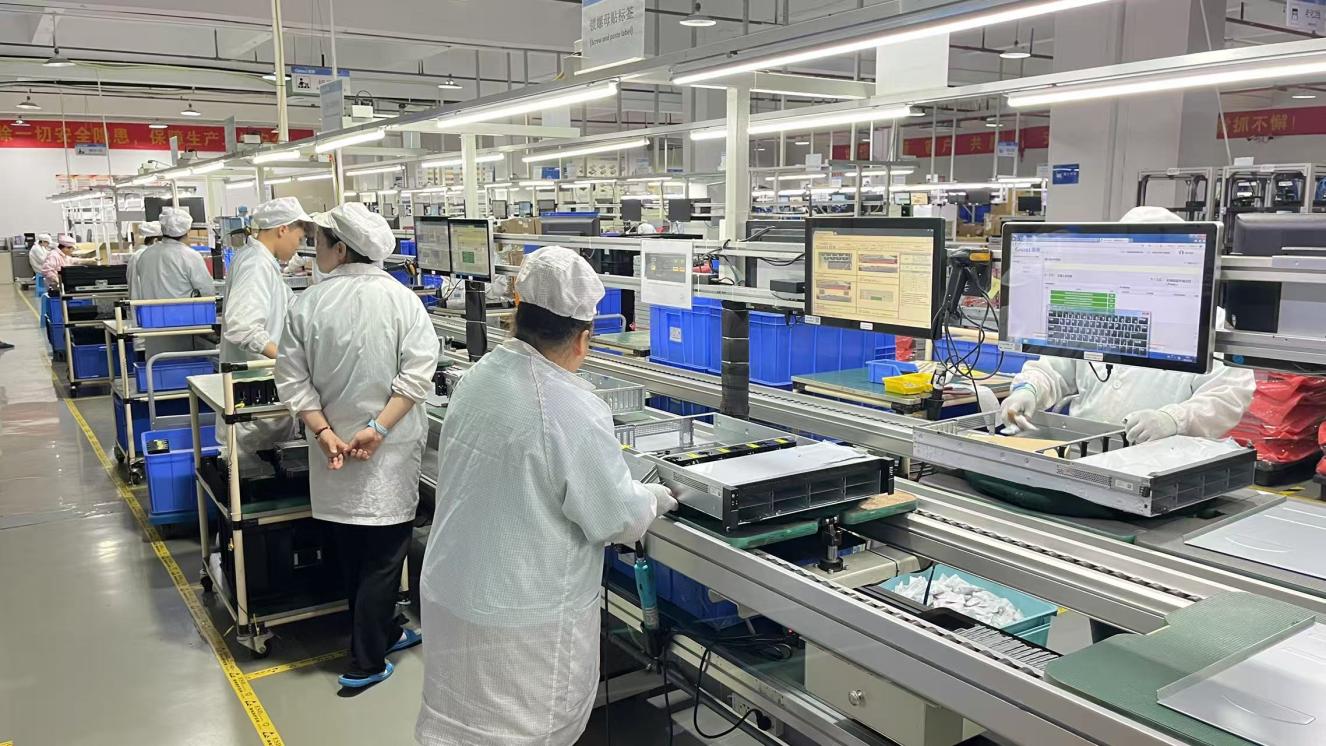
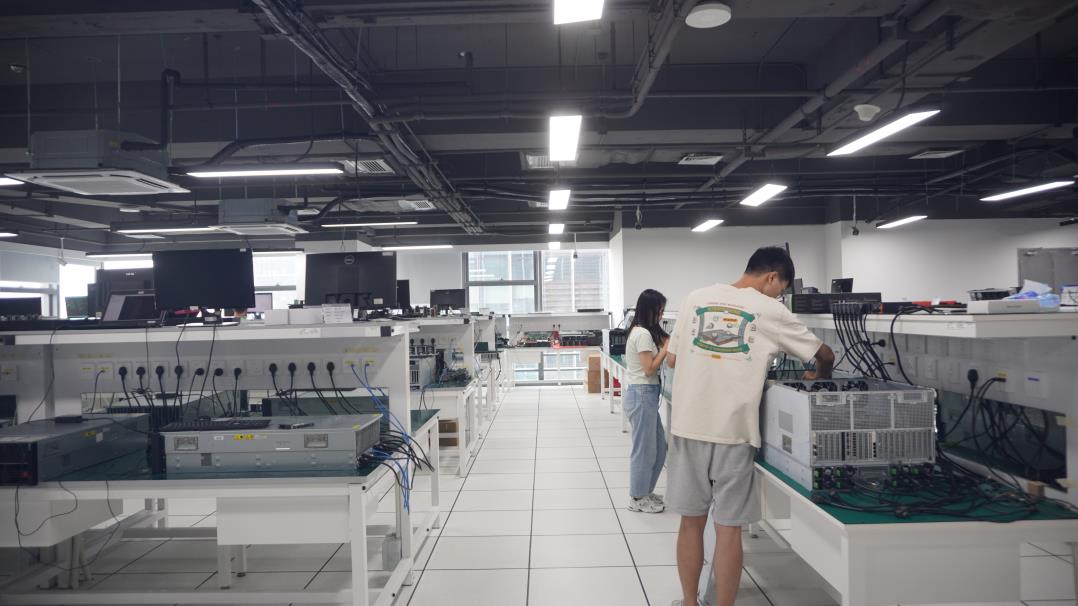
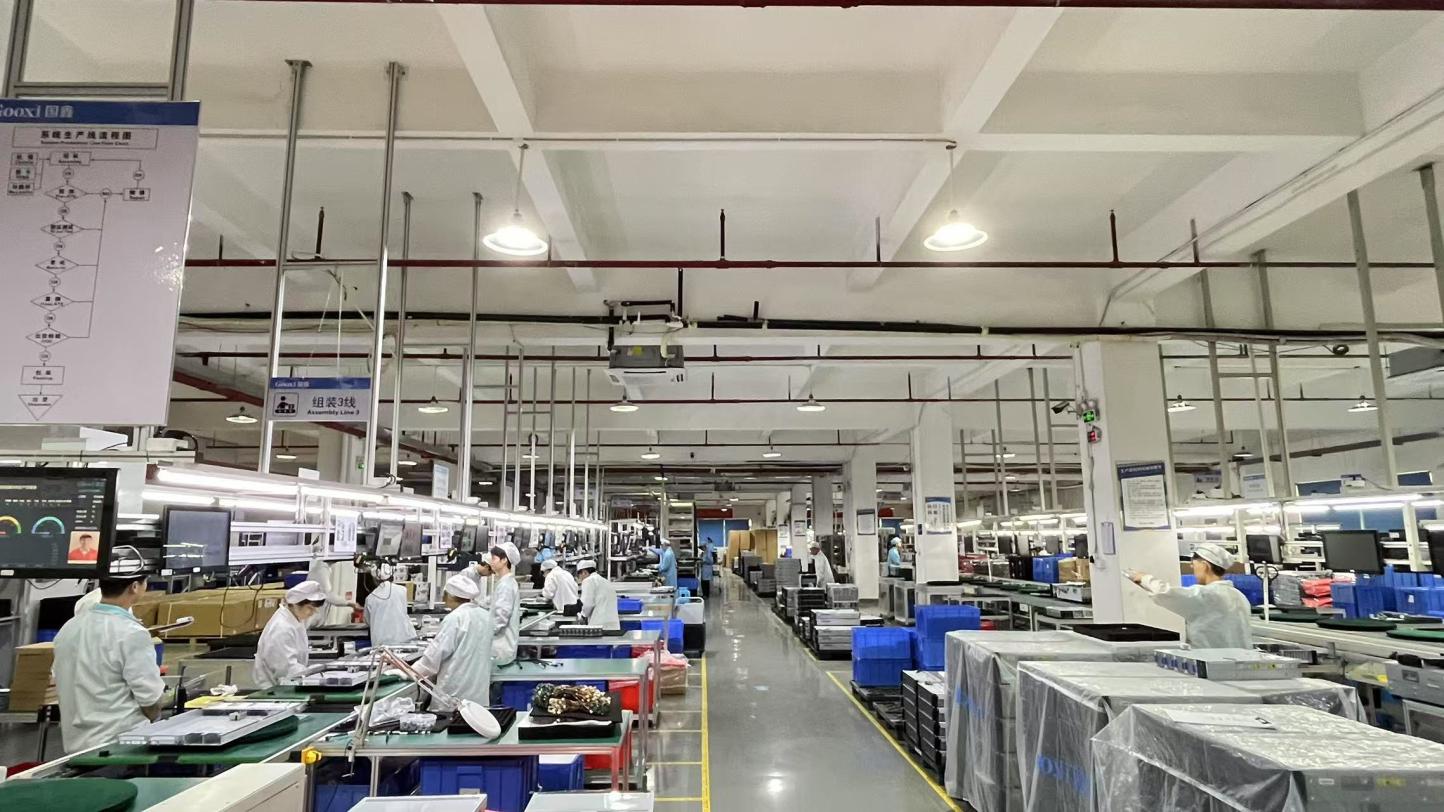
Our ISO9001-based quality management systems supervise every tier of assembly. Before a server leaves our facility, it undergoes a battery of diagnostics:
Procuring customized IT hardware internationally requires a compliance framework that ensures safety standards, customs clearance efficiency, and local technical support parameters. TensorNova ensures complete end-to-end operational compliance for global deployments.
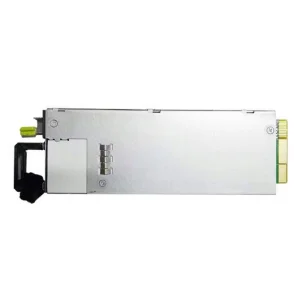
Our products undergo certifications including CE, FCC, RoHS, UL, and CCC. We configure power supplies (PSUs) to meet regional requirements, including 110V/220V AC systems and specialized high-voltage DC (HVDC) configurations utilized in next-gen hyperscale centers.
Direct-to-datacenter delivery protocols. We work with leading global freight forwarders to deliver servers directly to colocation centers in key financial hubs such as New York, Chicago, London, Frankfurt, Singapore, and Tokyo.
We offer remote diagnosis capabilities and strategic spare parts warehousing programs. Clients can store custom replacement parts (NICs, PSUs, RAM modules) near their deployment zones for rapid maintenance dispatch.
Modern quantitative finance institutions require high-density, highly reliable hardware deployment pipelines. Standard enterprise buyers demand quick delivery, customizable specifications, and consistency across globally distributed infrastructure clusters. TensorNova addresses these operational targets with an R&D team of 180 engineers and a Quality Control staff of 45 professionals, ensuring each batch meets precise configurations.
Additionally, we supply custom BIOS versions to eliminate unused hardware protocols (e.g., audio controllers, excessive SATA lanes) to reduce motherboard boot times and decrease hardware-level attack surfaces for cybersecurity protection.
High-performance trading hardware is deployed across a range of specialized financial computing applications:
Liquidity providers need constant bid-ask updates across numerous order books. Systems must handle high packet ingestion rates without dropping network frames or experiencing queue build-up.
Complex mathematical models process historical data correlations alongside live market inputs. These systems require high memory bandwidth and low-latency cache hierarchies.
Operating near DEX routing nodes, these systems leverage customized edge computing systems designed to process transactions with microsecond precision.
TensorNova is a professional high-performance AI GPU server manufacturer and infrastructure solution provider based in China, specializing in AI computing, GPU clusters, and scalable data center hardware solutions for global enterprises.
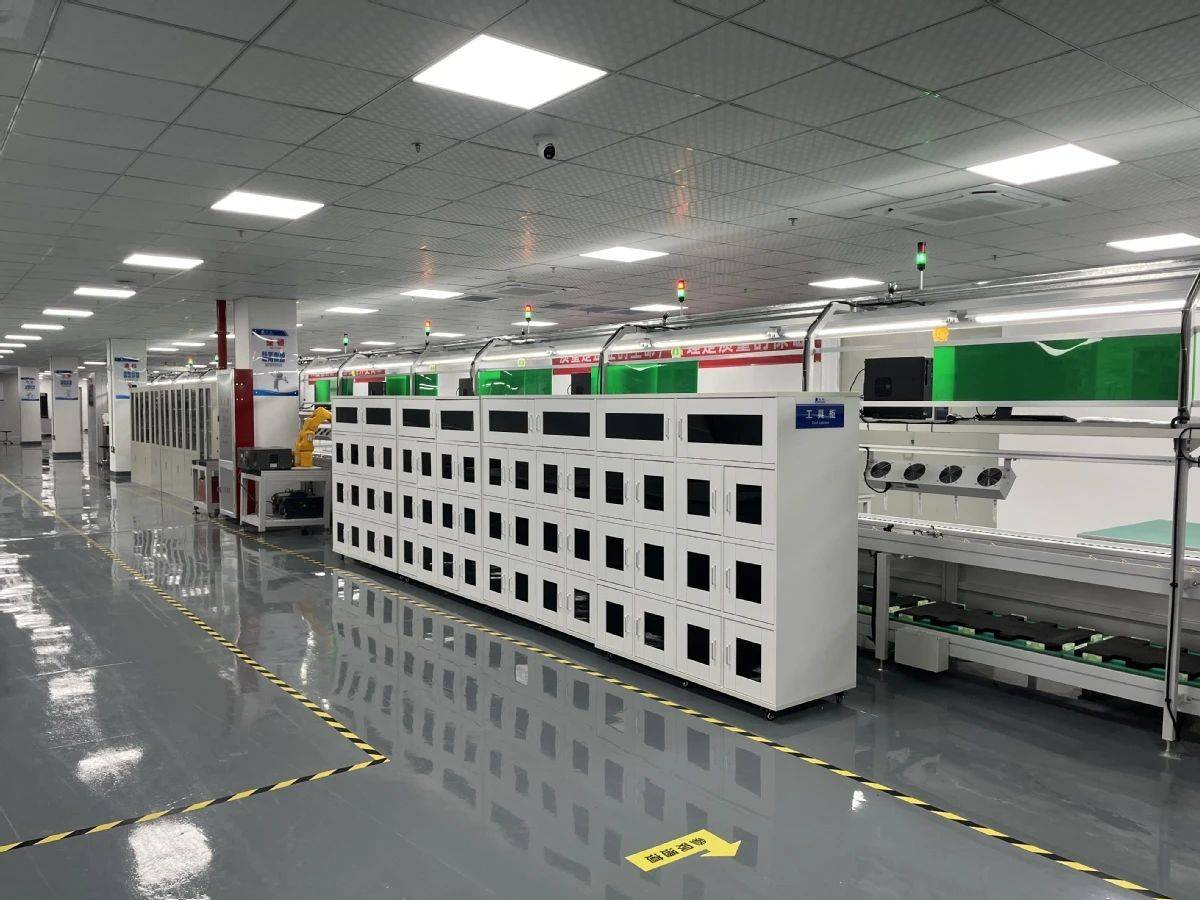
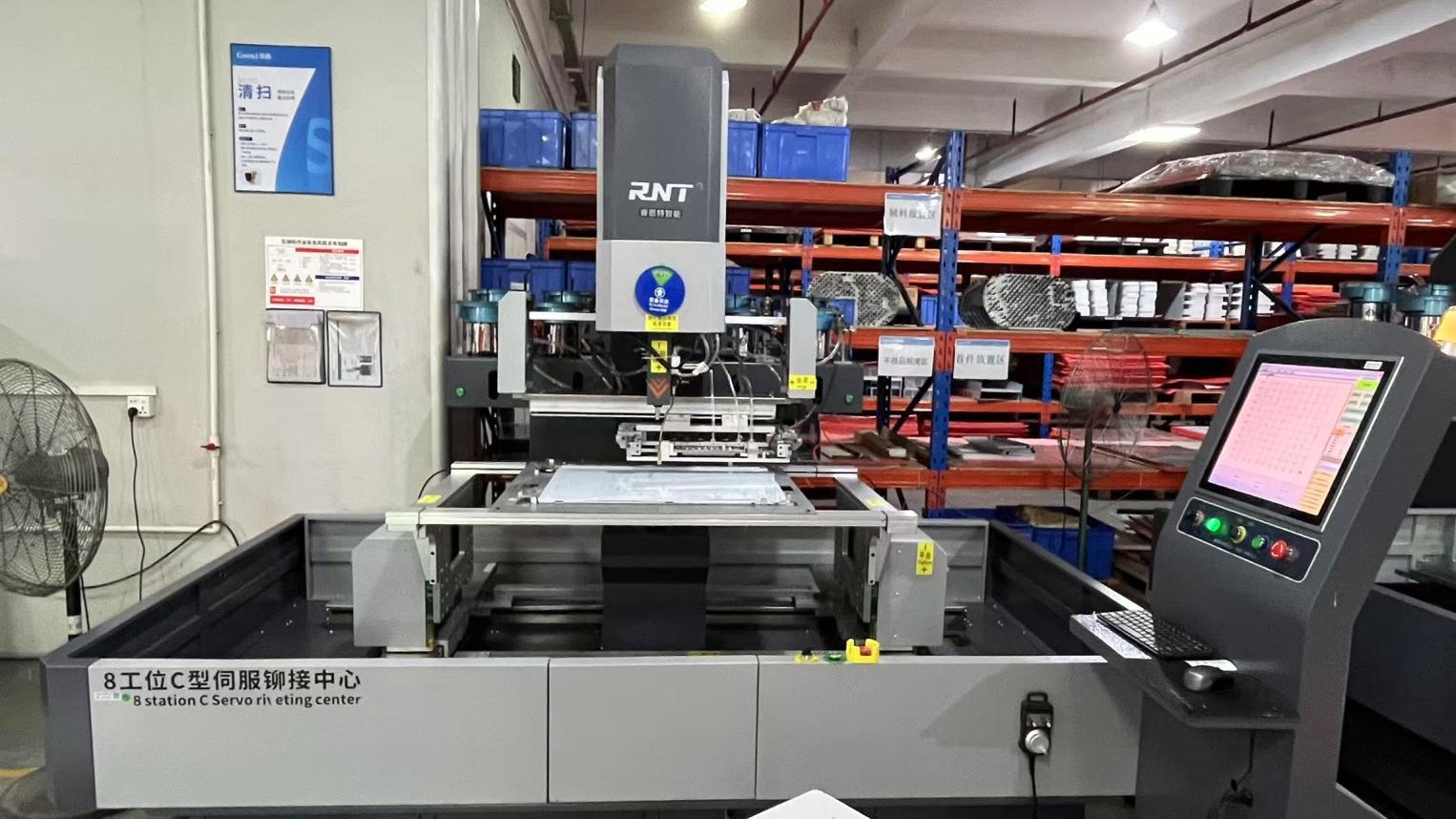
Established in 2016, TensorNova has developed into a trusted supplier in the AI hardware industry with a strong focus on innovation, performance, and customized computing systems. The company operates a modern production facility covering approximately 320㎡, equipped for advanced server assembly, testing, and system integration.
TensorNova records an annual export revenue of approximately $8.5 million, with 6 years of export experience and over 12 years of industry experience in AI computing and server manufacturing.
With a strong international trade background, TensorNova serves clients across North America, Europe, Southeast Asia, and the Middle East, with primary markets in the United States, Germany, Singapore, and the United Arab Emirates.
Our professional R&D team of 180 engineers focuses on GPU server architectures, ultra-low latency motherboard traces, thermal dynamics, and high-density clustering. Custom options include:
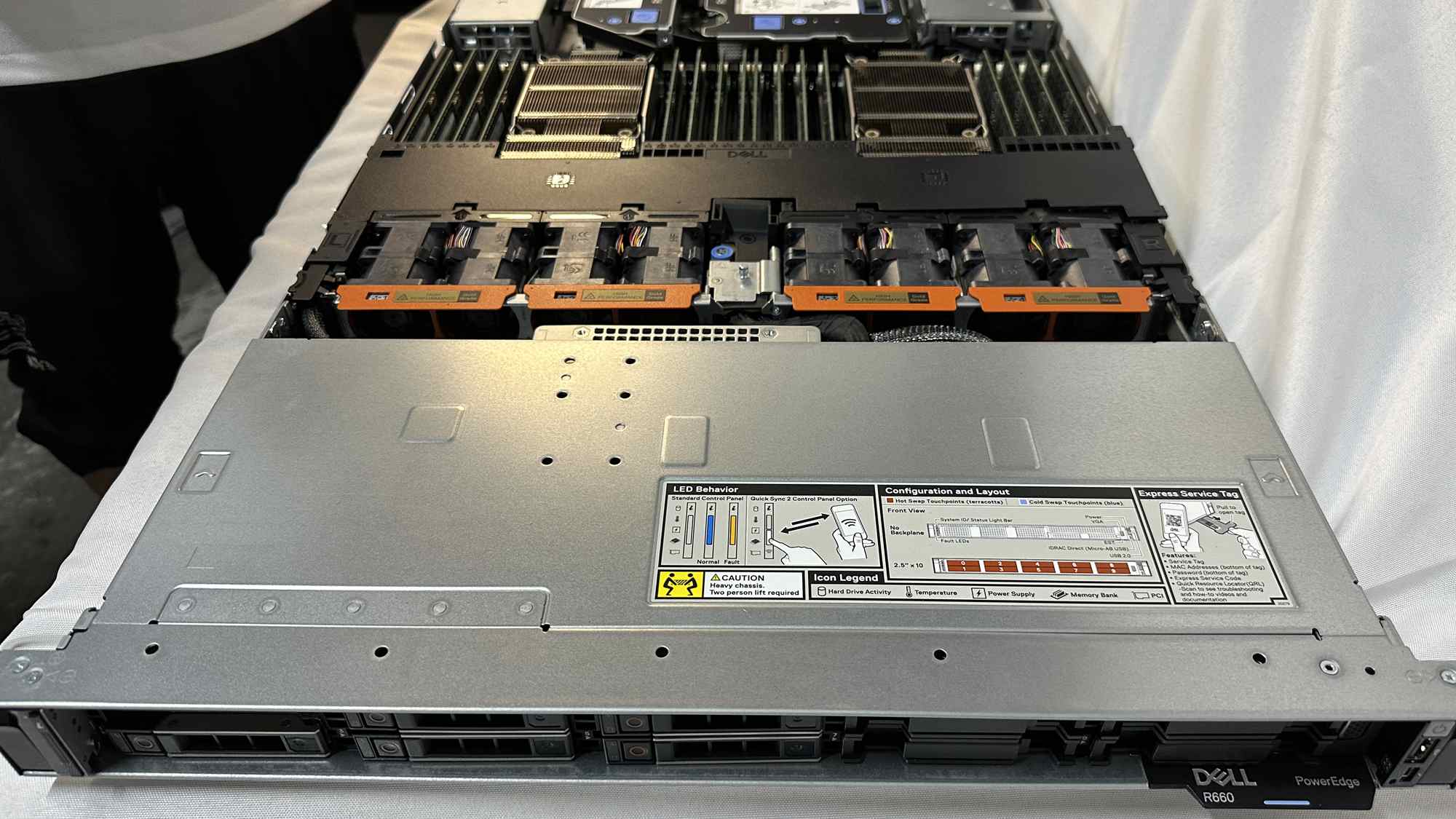

Latency reduction is achieved through hardware optimization, custom BIOS configurations, and low-latency network hardware. This includes isolating CPU cores, using kernel bypass methods like DPDK or OpenOnload, and routing PCIe lanes directly to the primary CPU socket.
Yes. Our engineering team modifies BIOS structures to lock processor frequencies, disable C-states, and disable variable power states. This ensures performance remains consistent under varying workload intensities.
All servers undergo ISO9001-based quality control checks, including 24-to-72 hour burn-in testing, thermal performance validation, electrical signal analysis, and simulated high-density computational workloads.
We offer custom cooling solutions, including high-flow fan configurations and closed-loop liquid-to-air cooling. We also ensure server chassis are compatible with immersion-tank cooling systems used in modern data centers.
Our systems are certified under CE, FCC, RoHS, UL, and CCC standards. This guarantees import and installation compatibility across markets including North America, Europe, the Middle East, and Asia.
Yes. We coordinate with specialist logistics providers to manage customs clearance and deliver equipment directly to global exchange hosting facilities like Equinix, Cyxtera, or Interxion.