TensorNova
TensorNova
TensorNova
Modern high-density data centers operate under complex parameters. In this new landscape, Remote Monitoring Solutions are no longer optional helper tools; they are the bedrock of architectural stability. With processors running at higher thermal margins and GPU clusters consuming kilowatts per rack unit, hardware tracking must scale down to the bare metal.
As a global OEM/ODM provider, TensorNova integrates Baseboard Management Controllers (BMCs), Out-of-Band (OOB) pathways, and modern Redfish API frameworks directly into our custom hardware lines. This approach enables cloud operators and enterprise administrators to execute telemetry collection, cycle power systems, deploy BIOS/firmware updates, and analyze component thermals remotely—all without sacrificing main CPU performance or compromising host operating system isolation.
High-performance hardware demands granular visibility. Discover the key operational forces shaping remote bare-metal management systems globally.
Edge computing networks, distributed telecom offices, and smaller remote offices require zero-touch provisioning. The capability to flash firmware, inspect storage health (SSD Wear levels), and recycle power systems over highly secure Out-of-Band (OOB) connections is essential for lowering operating expenses (OPEX).
AI computing arrays running Large Language Models (LLMs) operate under heavy power and thermal loads. Real-time telemetry systems monitor the voltage, power consumption (PMBus), fan tachometers, and GPU temperature profiles in real time to prevent thermal degradation or hardware damage.
As hardware security gains focus worldwide, modern BMC implementations feature cryptographically signed firmware, secure boot mechanisms, and active system validation. These prevent malicious actors from flashing untrusted low-level code at the controller layer.
TensorNova provides custom BIOS and BMC engineering services tailored to fit existing data center monitoring environments. This ensures compatibility with orchestration systems like OpenBMC, Ansible, Prometheus, and Nagios.
| Feature Set | Supported Protocol / Chipset | OEM/ODM Customization Capability |
|---|---|---|
| Baseboard Management Controller (BMC) | Aspeed AST2500, AST2600, OpenBMC integration | Customized Web GUI layout, custom corporate logo splash screen, localized translation sets. |
| API Implementations | Redfish (DSP0266 compliant), IPMI 2.0, SNMP v3 | Customized telemetry schemas, proprietary OEM schema configuration, automated discovery setup. |
| Security Foundations | TPM 2.0, Silicon Root of Trust, Secure Boot | Customer-provided keys injection, physical hardware security lock interface design. |
| Hardware Sensors & Telemetry | I2C, PMBus, PECI, PCIe thermal interfaces | Additional thermal sensors positioned near critical components, custom threshold profiles. |
| Console & Media | HTML5 vKVM, Virtual Media redirect (ISO/IMG) | Single/multi-user simultaneous access control, directory services authorization integration. |
We configure BIOS and BMC parameters to control booting, fan control strategies, and thermal warning levels. This matches the unique environmental constraints of your data center, helping to control power consumption.
We isolate out-of-band communication paths through dedicated physical ethernet ports. This helps protect the management layer from external network vulnerability threats.
We support streaming telemetry via SSE (Server-Sent Events) to direct logging engines. This allows operations teams to analyze and address performance and heat concerns before failure occurs.
TensorNova's customized systems serve critical computational frameworks globally, from advanced artificial intelligence model training to massive cloud storage structures.
Monitoring ultra-high power GPU nodes. Telemetry helps watch over current requirements, PCIe error registers, and liquid-cooling loop temperature differentials in real-time.
Enabling high-density cloud centers to automate hardware configuration, detect failed components, and schedule dynamic maintenance sequences without visiting the datacenter floor.
Deploying low-depth, robust servers to telecommunication base stations and distribution terminals. Support for remote provisioning over thin network pipelines.
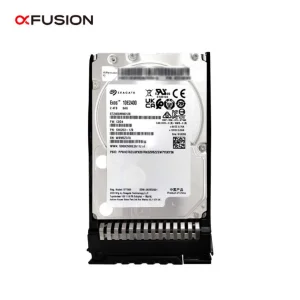
Tracking NVMe SSD health, media wearout levels, interface errors, and cooling fan speeds to prevent downtime and secure data integrity.
TensorNova is a high-performance AI GPU server manufacturer and infrastructure solution provider based in China, specializing in AI computing, GPU clusters, and scalable data center hardware solutions for global enterprises.
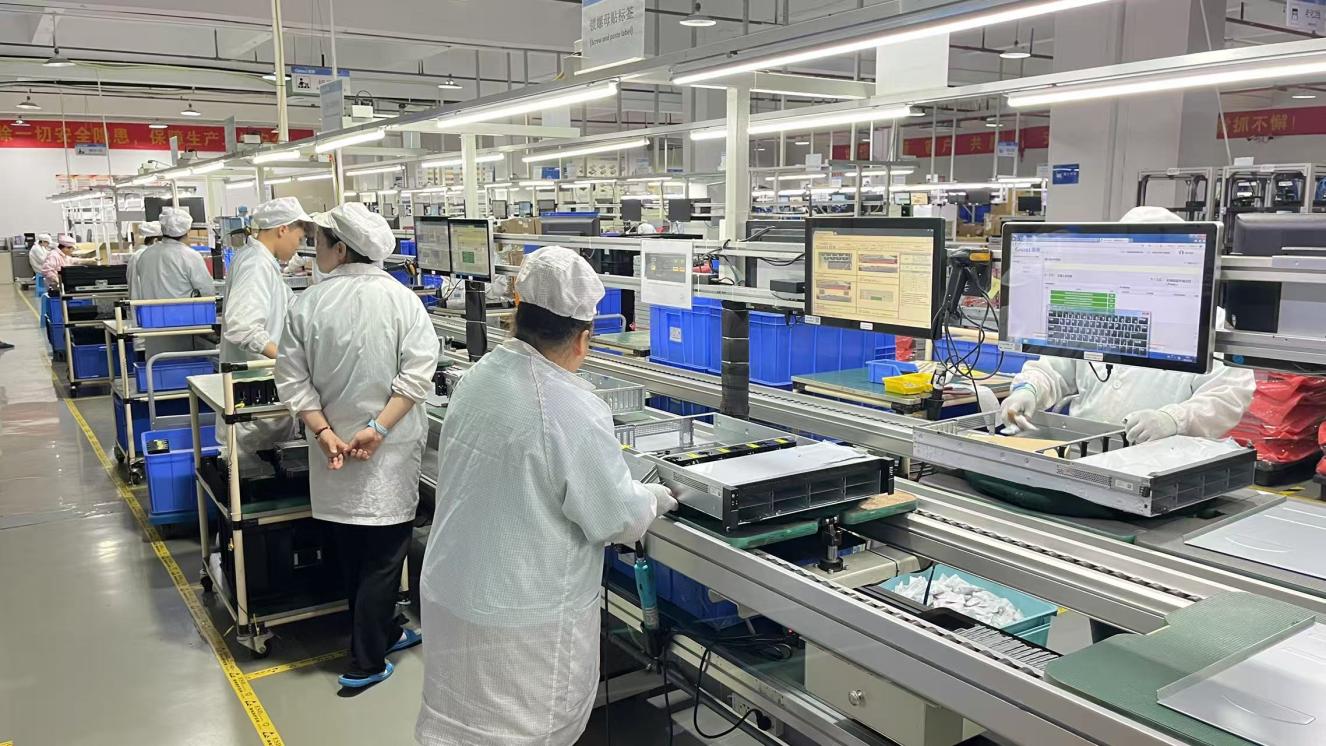
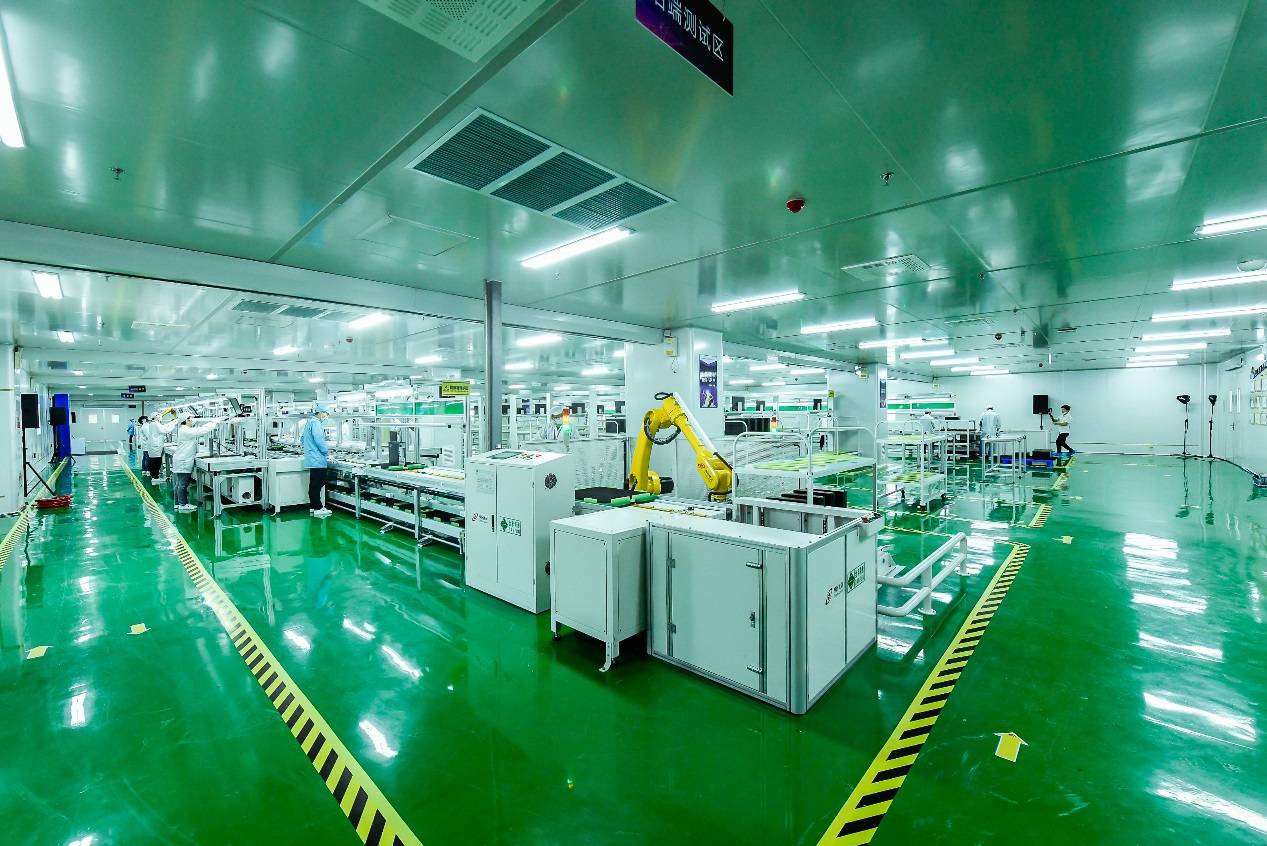
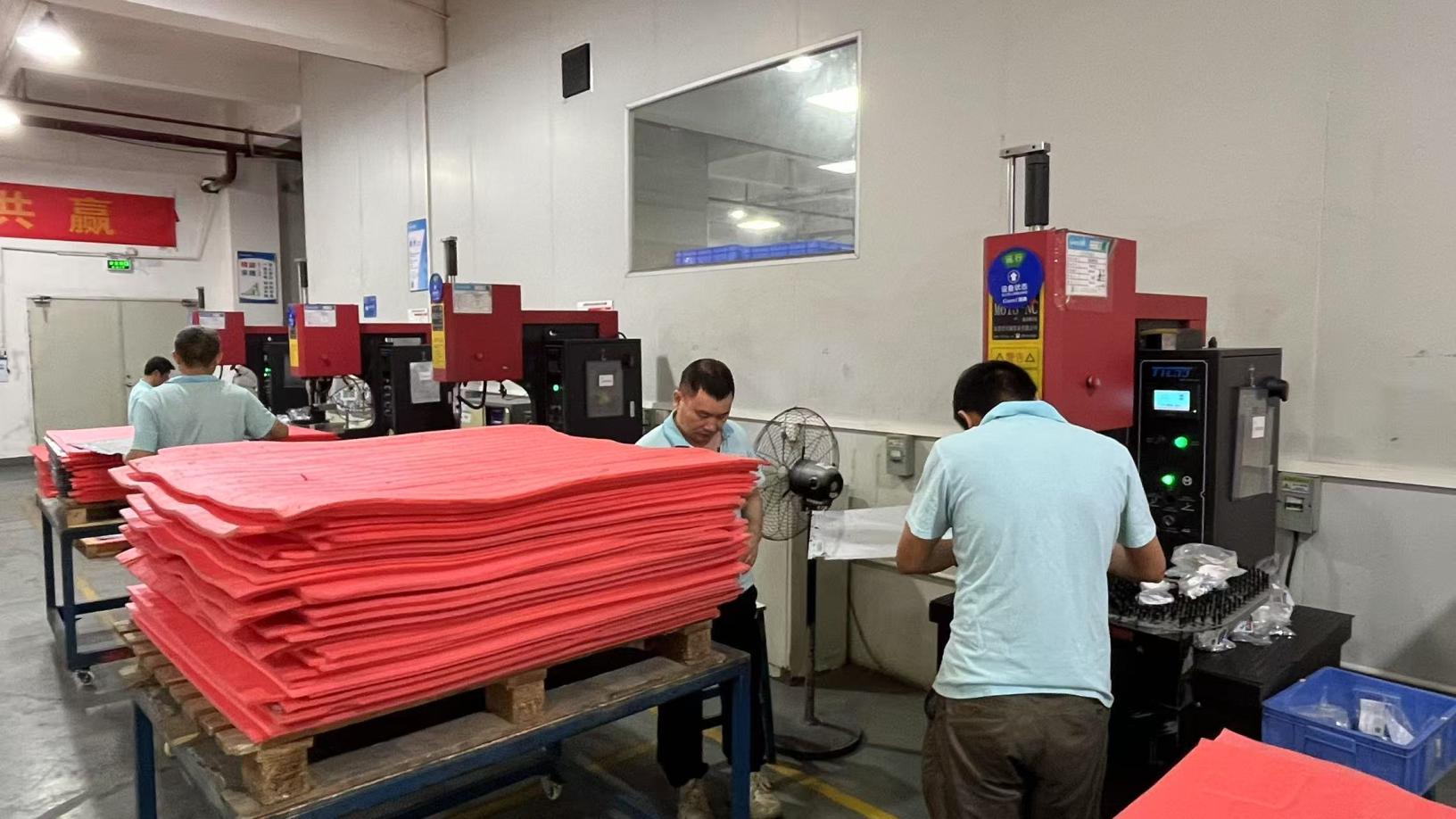
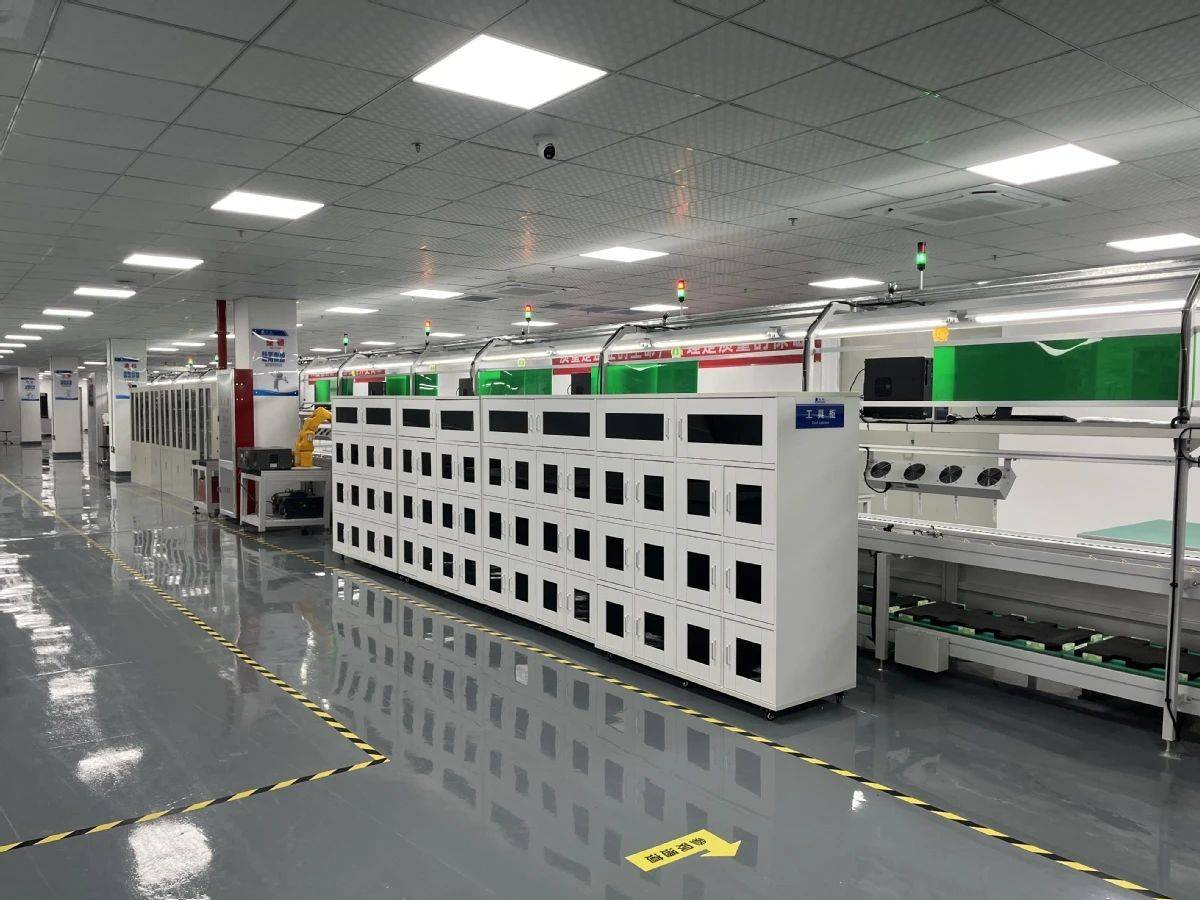
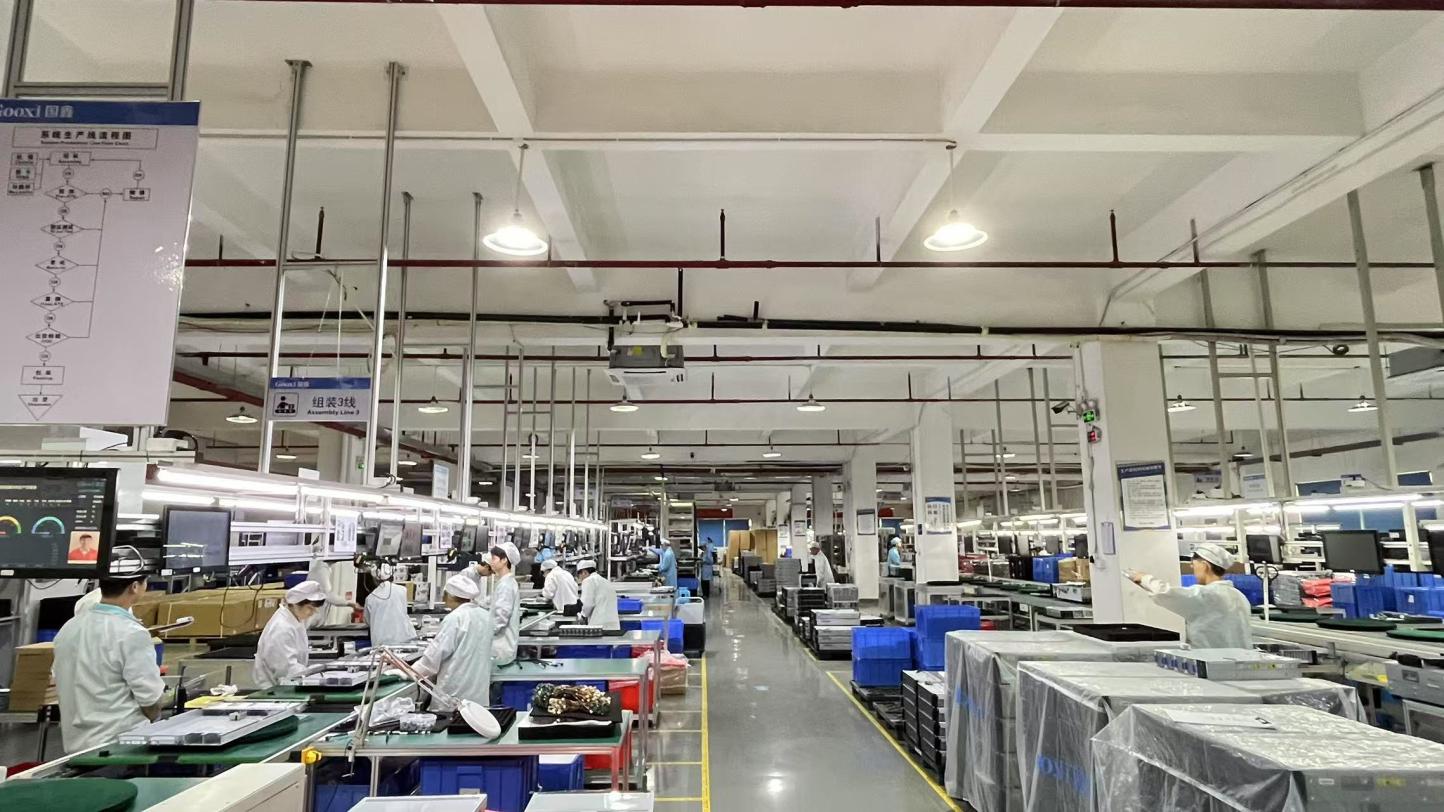
Established in 2016, TensorNova has developed into a trusted supplier in the AI hardware industry with a strong focus on innovation, performance, and customized computing systems. We operate a modern production facility covering approximately 320㎡, optimized for server assembly, quality verification, and system integration.
With 12 years of industry experience and 6 years of export experience, TensorNova maintains an annual export revenue of approximately $8.5 million. We serve clients across North America, Europe, Southeast Asia, and the Middle East, with primary markets in the United States, Germany, Singapore, and the United Arab Emirates.
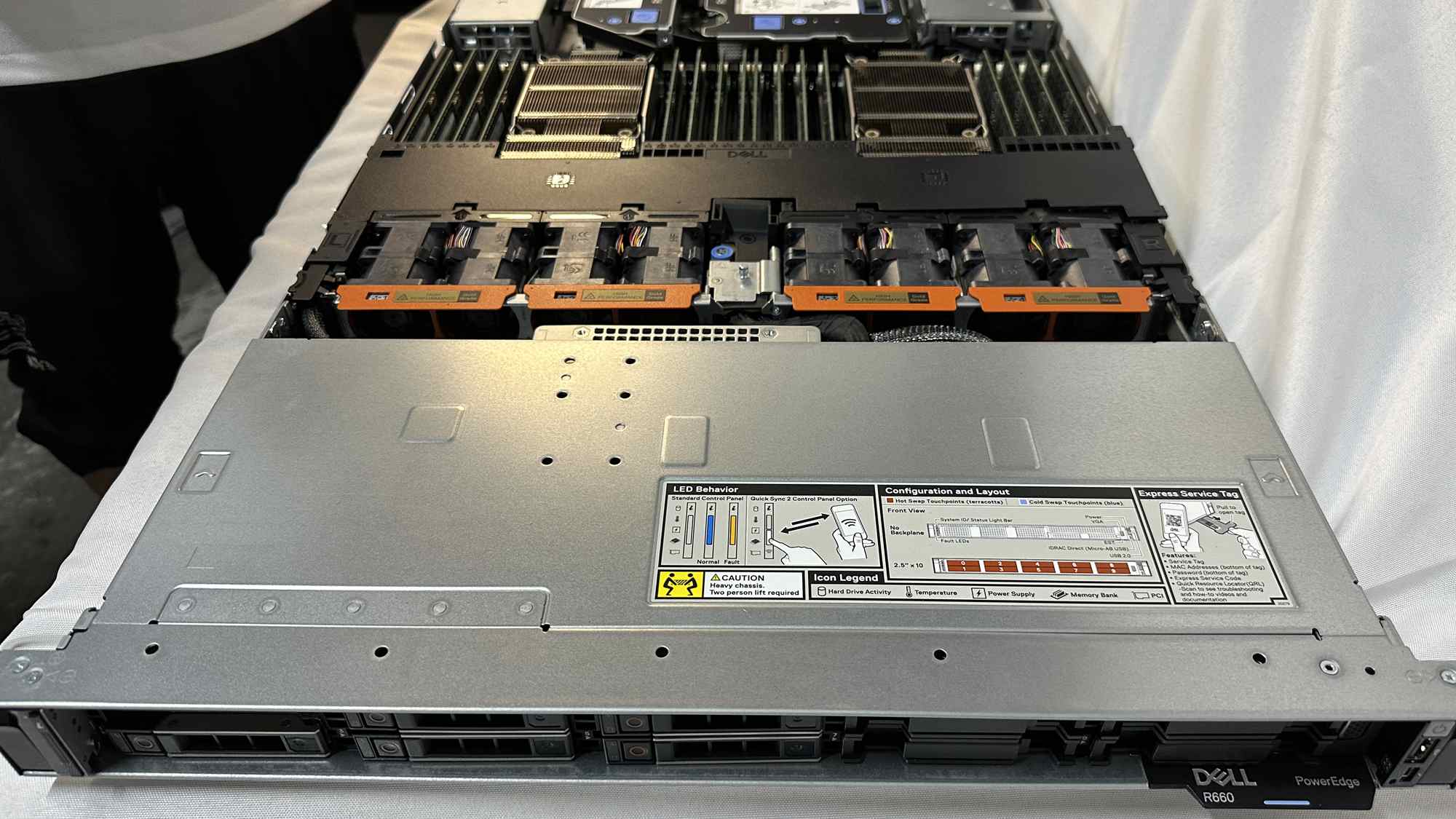
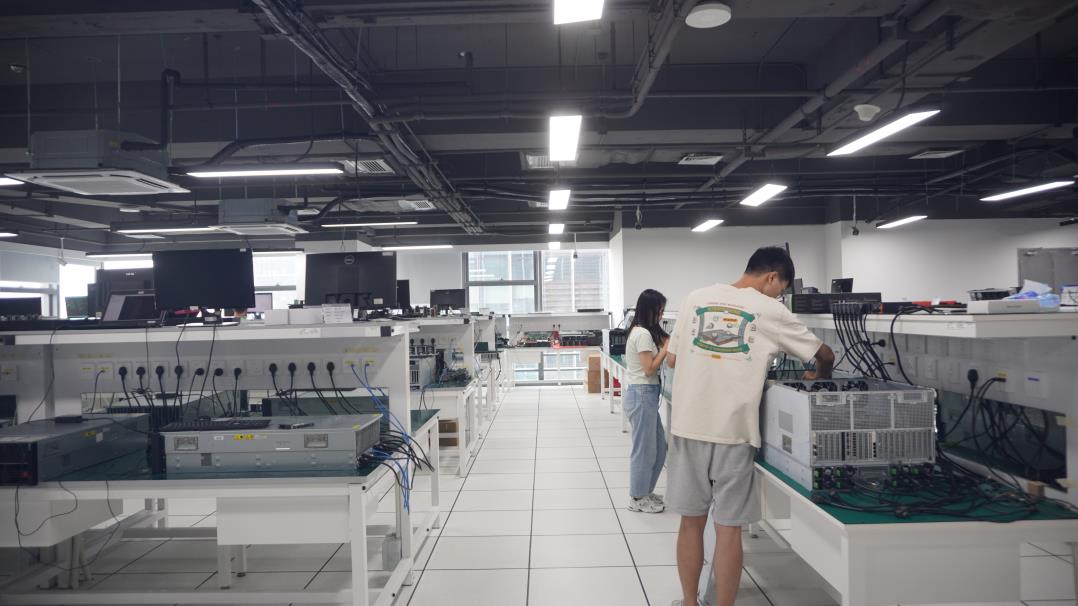
Our commitment to reliability is supported by ISO9001 quality management guidelines. To guarantee deployment uptime in high-performance computing environments, all manufactured modules undergo a rigid test suite managed by our 45 quality control personnel:

Keeping pace with hardware management innovation. Our research and development focuses on three primary shifts:
We are adding intelligence to BMC logs. By evaluating historical voltage drops, drive errors, and slight thermal variations, the remote management engine can flag components that are likely to fail soon, allowing you to schedule proactive repairs before errors occur.
Our upcoming product lines support OpenBMC, helping to avoid single-vendor lock-in. OpenBMC provides transparent firmware verification, faster security patches, and clean API integration with modern cloud platforms.
As cooling methods transition from air-based to liquid-based configurations, we integrate leak detection grids, valve control interfaces, and loop pressure monitors into our management framework, reducing risks for high-density GPU racks.
Out-of-Band (OOB) management utilizes a dedicated network path interface (typically via a dedicated Ethernet port connected to the BMC) that is separate from the production network traffic. This segregation ensures that if the main OS is compromised, crashed, or experiencing network traffic congestion, administrators can still access and repair the server hardware at the bare-metal level. Secure protocols like HTTPS, SSH, Redfish, and SNMP v3 are used to restrict configuration access.
IPMI is highly functional but was designed for older environments. The Redfish API uses RESTful interfaces and JSON formatting, making it easier to integrate with modern DevOps tools like Ansible, Terraform, and Docker. This enables orchestration engines to manage thousands of distinct node configurations using standard HTTP commands (GET, POST, PATCH), streamlining deployment in large scale datacenters.
Yes. Our R&D engineering team provides customizations for our servers. We modify the underlying firmware to support custom sensor configurations, custom thermal fan profiles, and custom power consumption limits. We can also integrate custom security certificates, customized company logos, and specific GUI elements based on project requirements.
TensorNova implements an ISO9001-based quality control system. Our team of 45 quality control personnel subjects every server to automated hardware stress testing, thermal validation, system burn-in testing, and simulated AI workload tests. This rigorous process helps verify hardware stability before shipment.