TensorNova
TensorNova
TensorNova
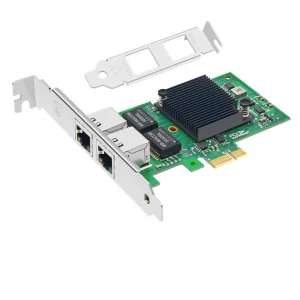
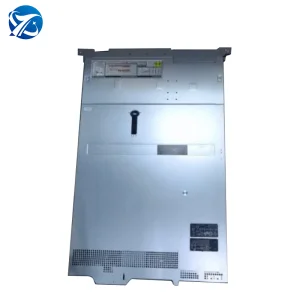
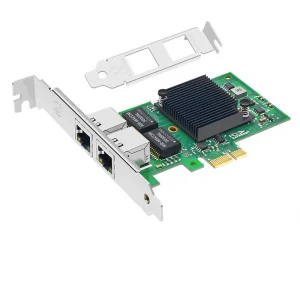
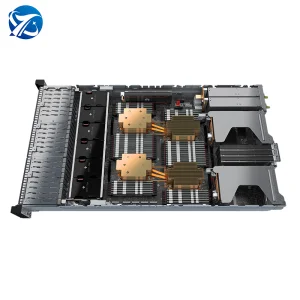
In the era of hybrid employment, global enterprise operations no longer rely solely on localized office computers. Instead, the modern digital workspace runs on robust server backends, high-throughput virtualization layers, and distributed storage systems. As a leading OEM/ODM Remote Work Solutions Factory & Exporter, TensorNova designs and manufactures the hardware engines that power these virtual desktop infrastructures (VDI), remote collaborative AI pipelines, and continuous cloud access systems.
The transition to remote work requires a massive upgrade in backend server integrity. Workstations running 3D rendering engines, CAD software, financial modeling, or AI model execution cannot be physically distributed to employees' homes. Instead, they are consolidated in central data centers and streamed to thin clients. This transition relies on three pillars of hardware excellence: processing capacity, data throughput redundancy, and power efficiency.
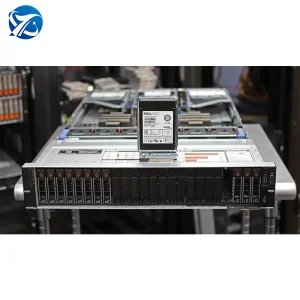
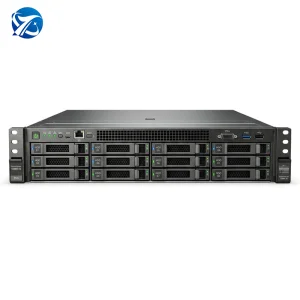
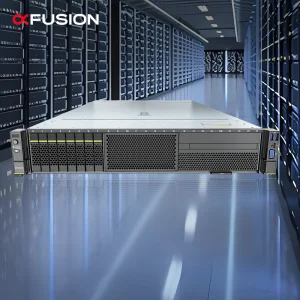
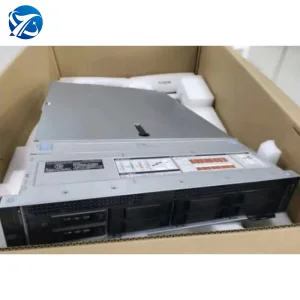
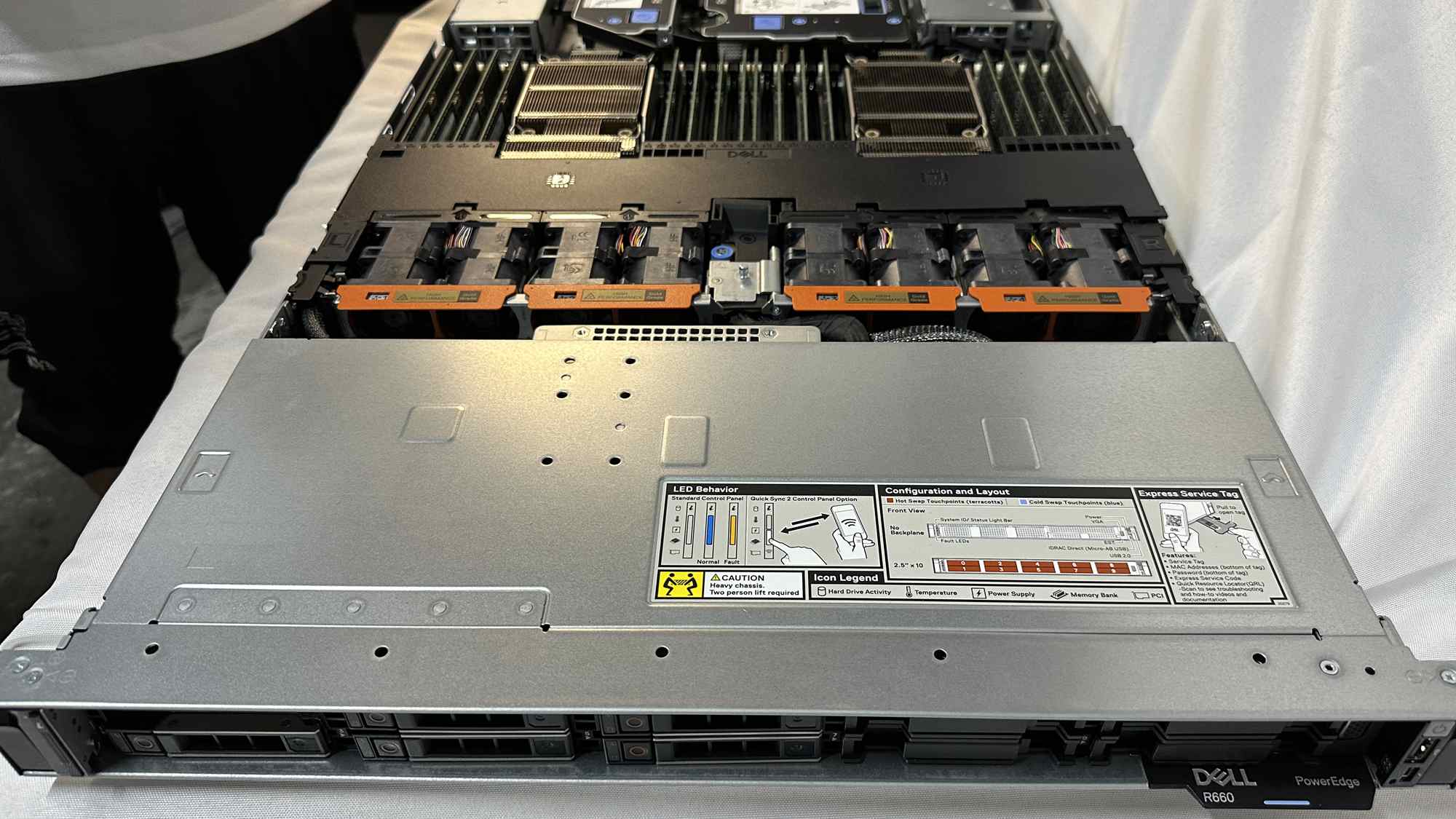
Our OEM/ODM solutions feature advanced dual and quad-socket servers, such as the xFusion FusionServer 2488H V6 and 2288H V7, providing massive multi-core density to support hundreds of concurrent virtual desktops on a single physical node.
Remote database queries and real-time syncing demand zero latency. TensorNova leverages high-speed SAS RAID Controllers like the LSI 9560-16I (8GB cache) and XC470C-M-8i to optimize IOPS and protect remote session files with maximum redundancy.
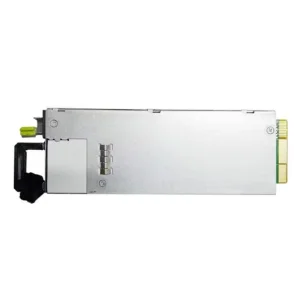
Downtime is the ultimate enemy of distributed workforces. We utilize high-efficiency Platinum 900W, 1500W, and 2000W server power supplies to guarantee 24/7/365 operational stability, even under heavy AI and remote rendering workloads.
China is the global epicenter for server manufacturing and electronics supply chain logistics. Operating from Shenzhen—the hardware capital of the world—TensorNova capitalizes on structural advantages that directly translate to cost savings, faster time-to-market, and highly customized computing configurations for our international buyers.
Shenzhen’s industrial ecosystem allows TensorNova to transition a prototype server board from concept to testing in less than 72 hours. This rapid iteration capacity is critical for global enterprise clients who need to customize remote access arrays to fit unique physical constraints or custom hypervisor platforms.
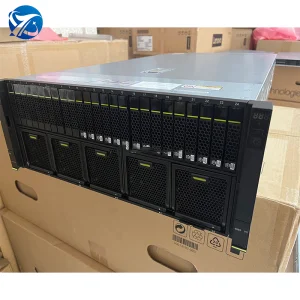
For engineering firms, remote workstations require heavy GPU acceleration. TensorNova customizes GPU servers like the 8U G8600 V7 with high-airflow chassis to run NVIDIA vGPU technologies, allowing 3D rendering teams to access high-frame-rate design software globally without latency barriers.
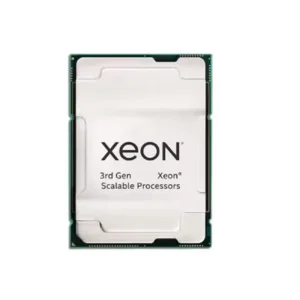
Financial institutions require sub-millisecond database access. By matching Intel Xeon Scalable processors with low-latency 12Gb/s SAS array cards, we construct ultra-fast transactional VDI systems that guarantee secure, sandboxed client terminal environments for employees working from home.
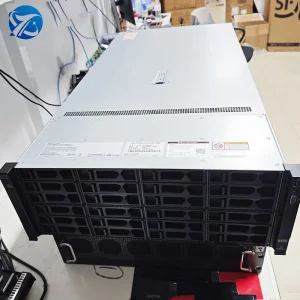
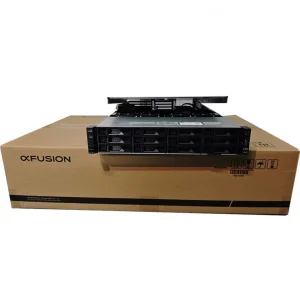
PACS medical imaging networks require massive, reliable cloud storage nodes. Our high-capacity servers, like the 36-Bay 5288 V5 storage server, allow hospitals to compile patient records and deploy secure, HIPAA-compliant cloud channels for physicians to diagnose medical scans remotely.
TensorNova is a professional high-performance AI GPU server manufacturer and infrastructure solution provider based in China, specializing in AI computing, GPU clusters, and scalable data center hardware solutions for global enterprises.
Established in 2016, TensorNova has developed into a trusted supplier in the AI hardware industry with a strong focus on innovation, performance, and customized computing systems.
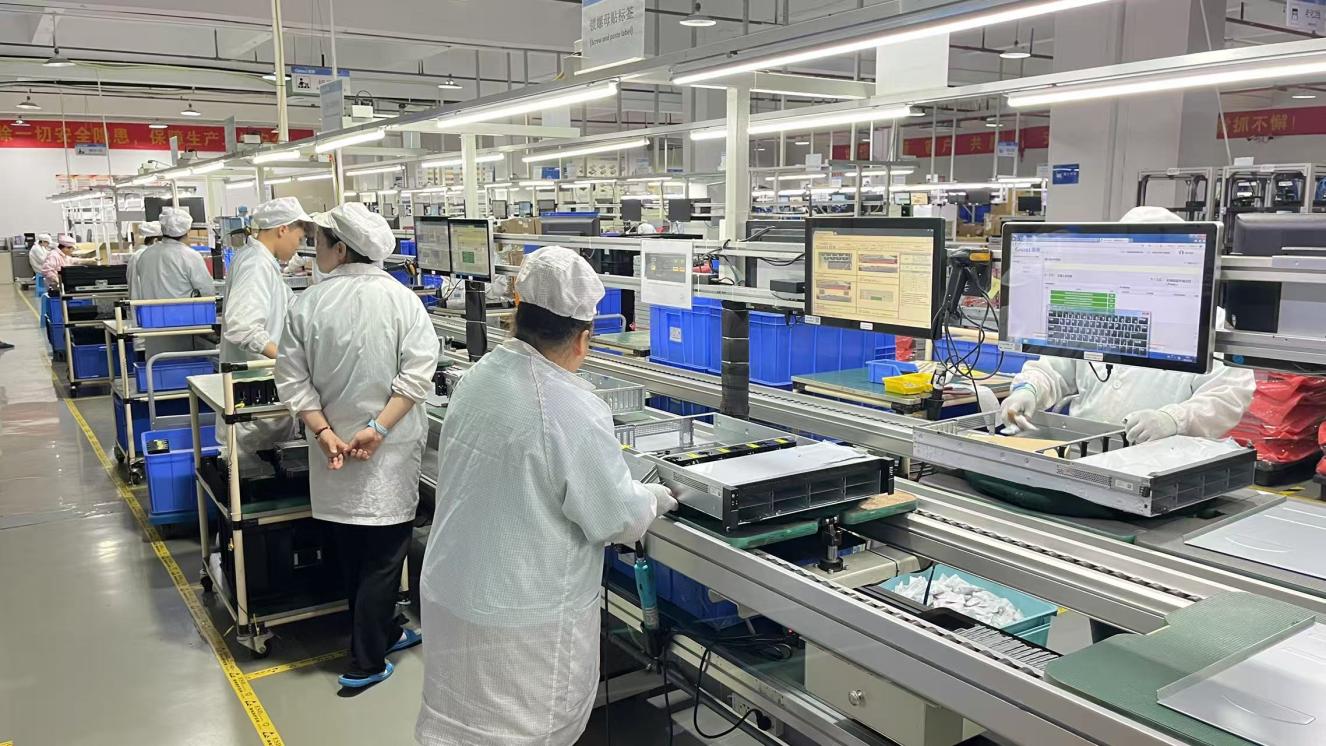
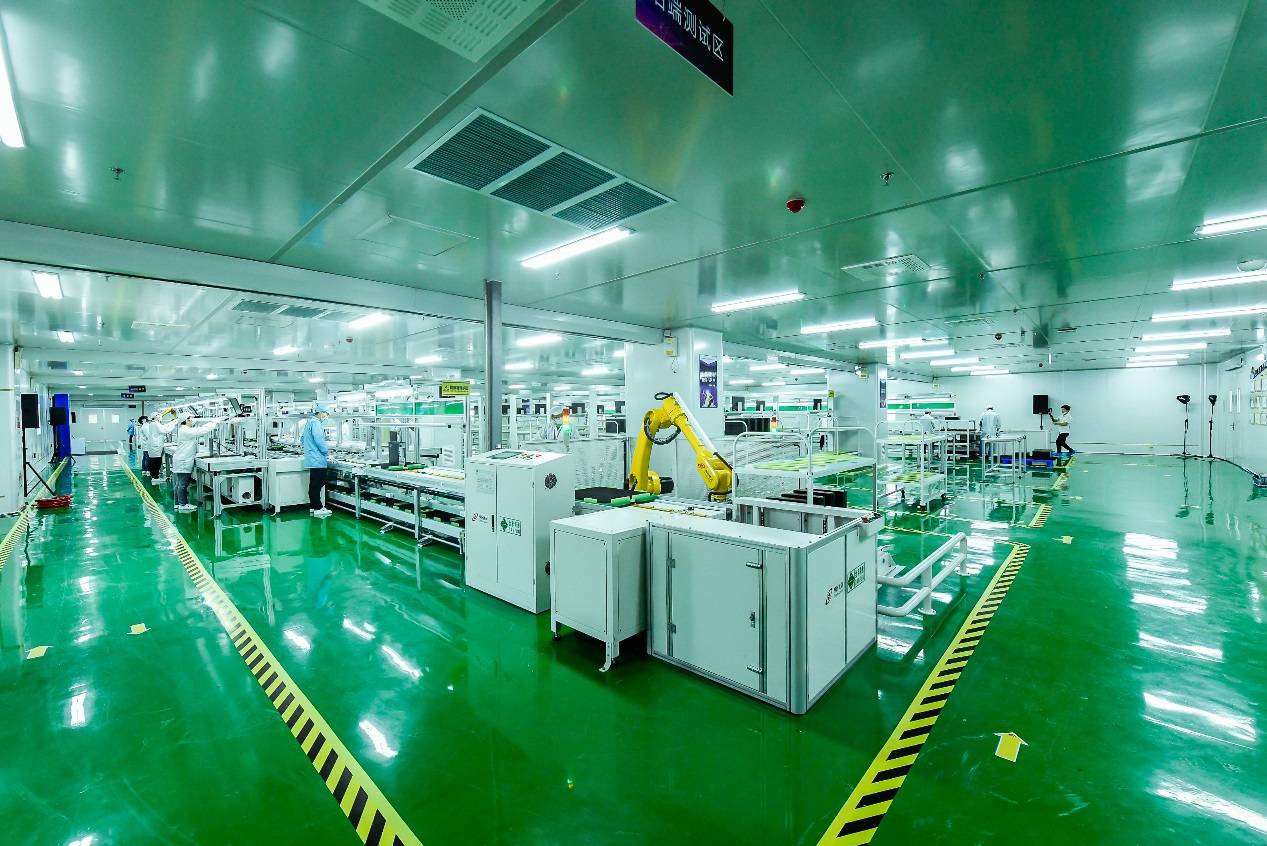
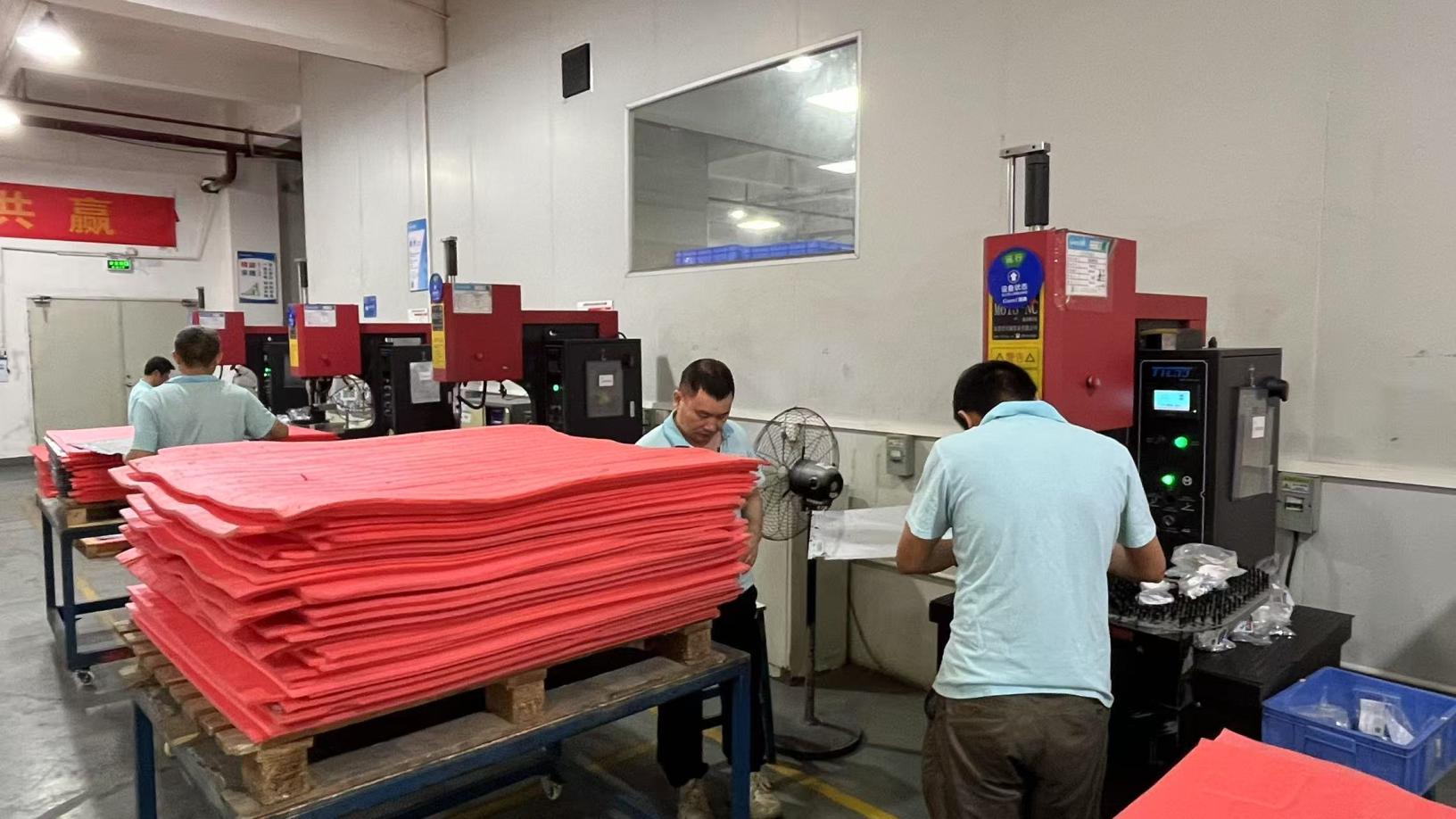
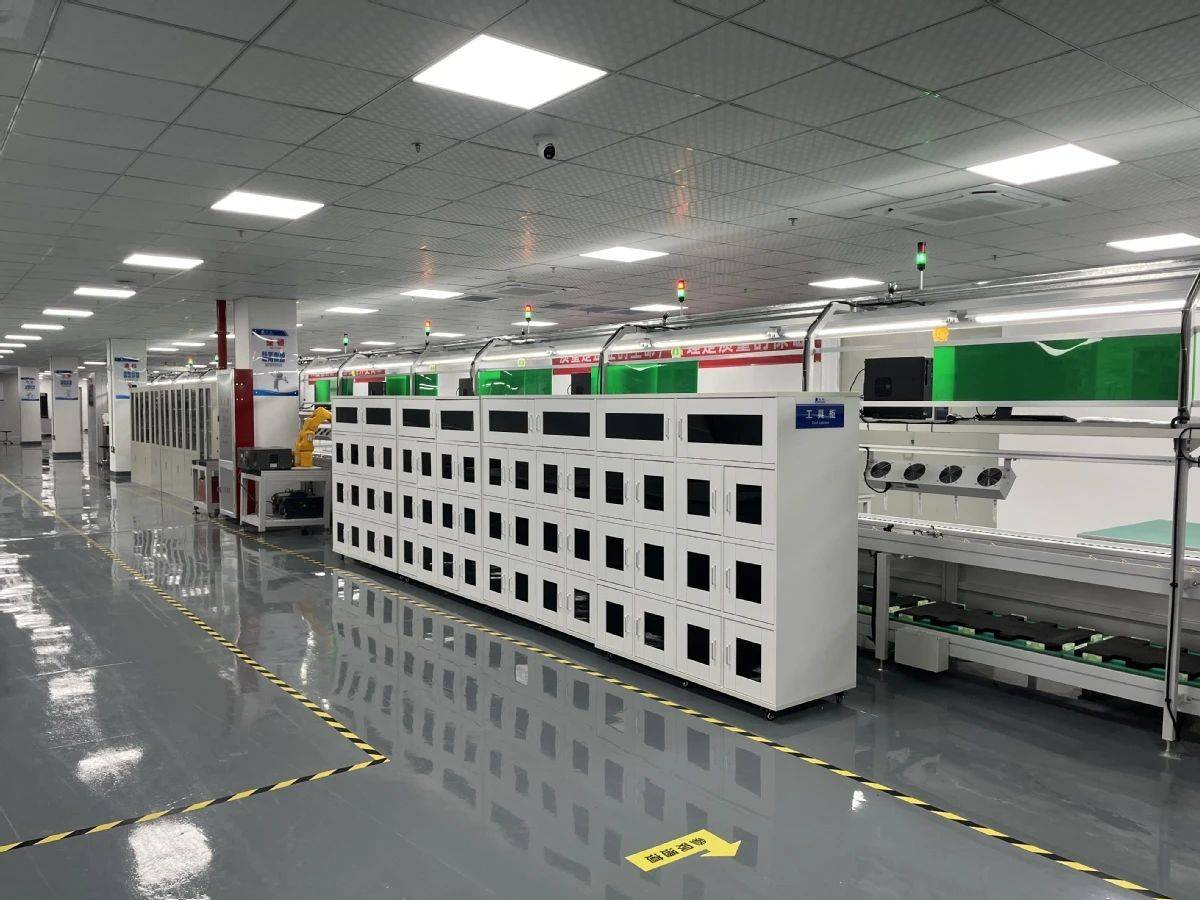
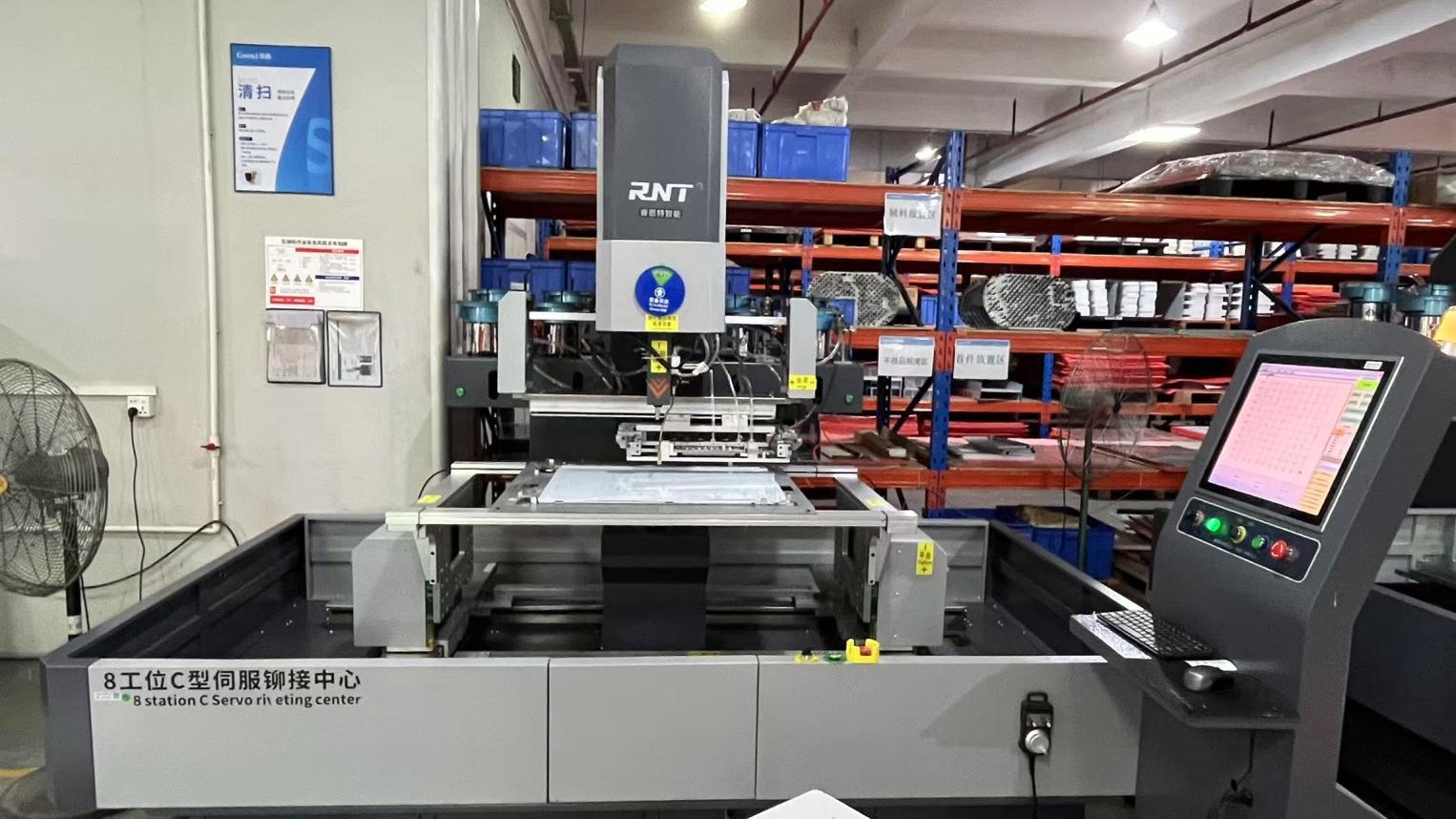
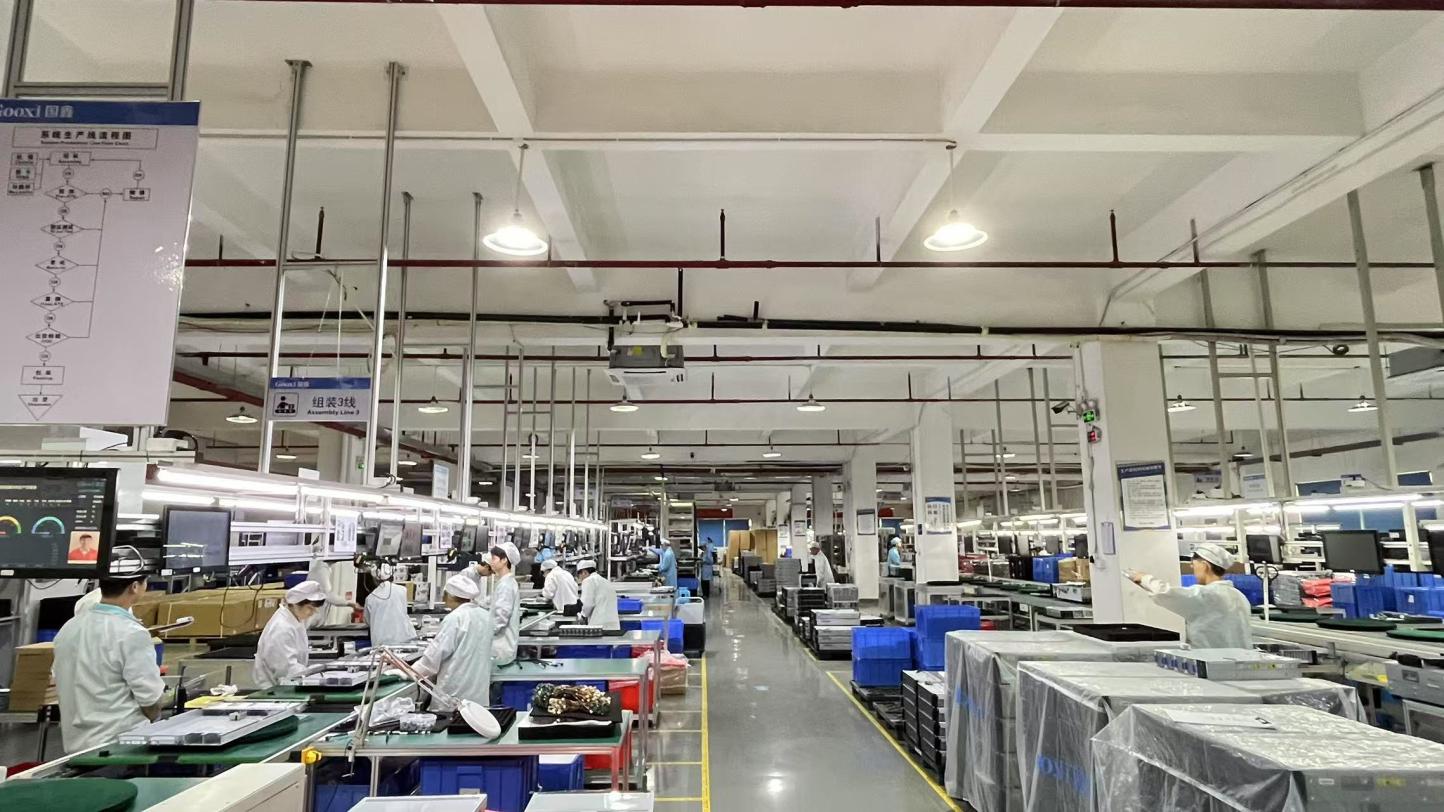
The company operates a modern production facility covering approximately 320㎡, equipped for advanced server assembly, testing, and system integration.
TensorNova records an annual export revenue of approximately $8.5 million, with 6 years of export experience and over 12 years of industry experience in AI computing and server manufacturing.
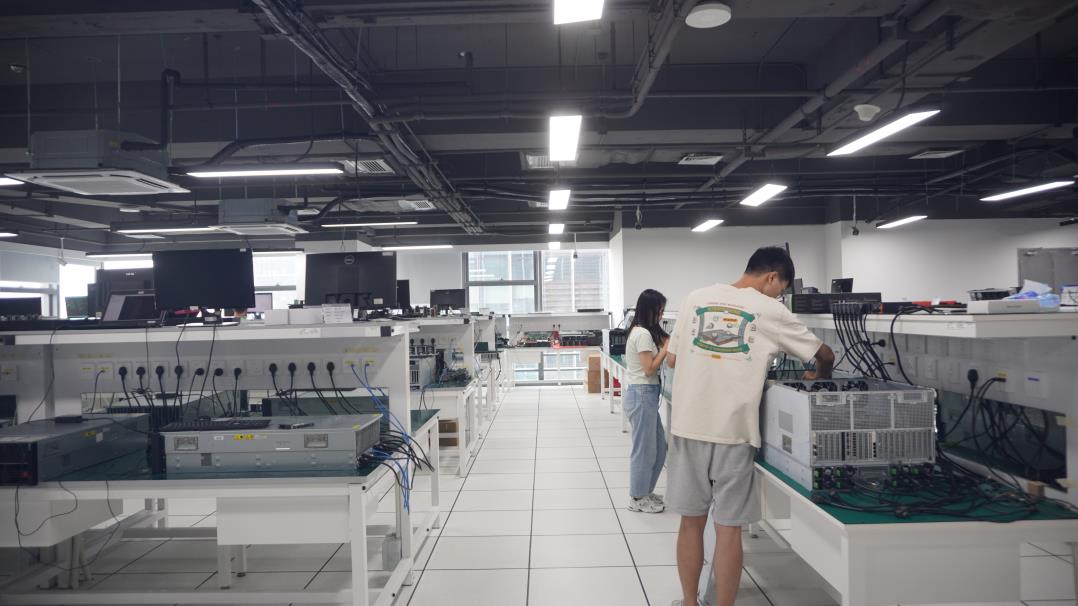
Quality assurance is strictly implemented through ISO9001-based quality management systems, with product inspection conducted using automated hardware stress testing, thermal performance validation, burn-in testing, and AI workload simulation testing.
The company employs around 45 quality control personnel dedicated to ensuring product reliability and stability.
With a strong international trade background, TensorNova serves clients across North America, Europe, Southeast Asia, and the Middle East, with primary markets in the United States, Germany, Singapore, and the United Arab Emirates.
TensorNova has established a robust supply chain ecosystem with more than 1,200 global suppliers and strategic component partners, enabling stable production and fast delivery capabilities.
The company primarily serves AI research institutions, cloud computing providers, data centers, enterprise IT departments, and AI startups.
Its R&D capabilities are strong, supported by a team of approximately 180 R&D engineers, focusing on GPU server architecture, AI optimization, and high-density computing systems.
TensorNova offers extensive customization options, including GPU configuration customization, chassis design, cooling system optimization (air or liquid cooling), motherboard-level tuning, and AI workload-specific optimization solutions.
In the past year, the company successfully launched 320+ new products, including next-generation AI GPU servers, edge computing nodes, and high-density GPU cluster systems.
Driven by continuous innovation, TensorNova is committed to delivering reliable, scalable, and high-performance AI computing infrastructure solutions for the global AI industry.
Modern remote workforces require access to AI networks and graphics engines. GPU partitioning (vGPU) allows a single physical accelerator—like the processors in our xFusion G8600 V7 8U—to be divided among multiple remote employees, maximizing hardware utilization while decreasing resource idle time.
High-density VDI server rooms generate massive heat. Transitioning to cold-plate liquid cooling options, which TensorNova designs in-house, lowers PUE (Power Usage Effectiveness) metrics and prevents thermal throttling, maintaining a lag-free workspace environment for employees worldwide.
Deploying remote solutions increases security surface risks. Integrating hardware-level TPM 2.0 (Trusted Platform Modules) and secure arrays managed via PCIe 4.0 RAID Controllers provides localized data isolation, protecting against unauthorized firmware manipulations.
The write-back cache on cards like the LSI 9560-16I (8GB cache) or XC470C-M-8i (4GB cache) buffers temporary data writes from VDI sessions. If multiple remote users save files simultaneously, the cache processes these IOPS bursts immediately, preventing latency peaks that cause mouse stuttering or window freezes in the remote interface.
Modern multi-core Xeon CPUs and high-performance GPUs draw variable power based on task intensity. A Platinum-certified PSU guarantees over 92% efficiency under typical loads. This minimizes heat dissipation within the server chassis, lowers datacenter energy bills, and provides the headroom necessary to prevent system restarts during peak concurrent workloads.
Yes. As an OEM/ODM factory, our 180+ R&D engineering team specializes in motherboard-level tuning and BIOS configuration. We can pre-configure virtualization support, disable unused physical ports to improve security, and adjust power management profiles to suit VMware ESXi, Proxmox, or Windows Server Hyper-V setups.
We operate under a strict ISO9001 framework. All imported and localized components undergo entry-level testing. Post-assembly, every server runs a minimum of 24 to 72 hours under virtualized workloads in our thermal chamber to check for system component failures before shipment, keeping our field-failure rates under 0.2%.
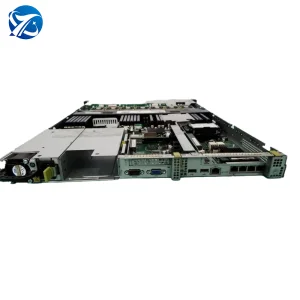
For basic remote offices, 1U servers like the xFusion 1288H V6 offer excellent space economy. However, for remote developers or CAD professionals who need dedicated GPUs, 2U configurations like the xFusion 2288H V7 or 2U 4-socket options provide the expansion room needed for multiple network and acceleration cards.