TensorNova
TensorNova
TensorNova
Explore high-density computing architectures, server hardware, and high-performance network nodes powering modern high-definition video distribution pipelines.
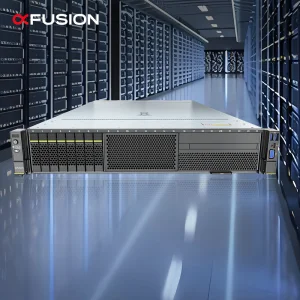
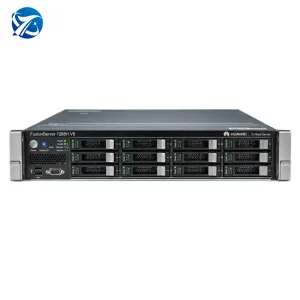
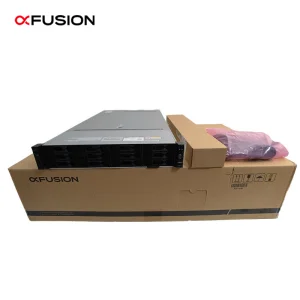
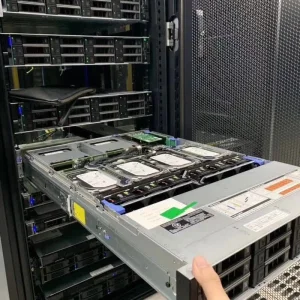
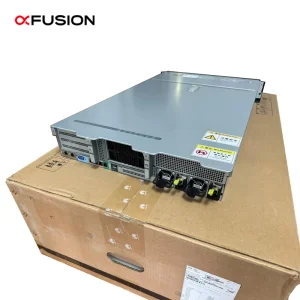
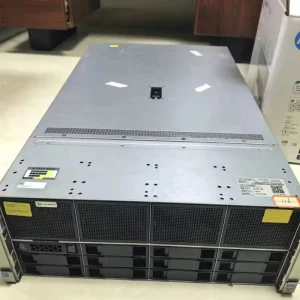
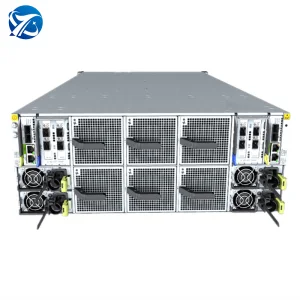
The global audio-visual industry is undergoing a monumental paradigm shift. The era of localized matrix switchers, single-purpose digital signal processors (DSPs), and dedicated hardware decoders is rapidly integrating into a software-defined, cloud-native landscape. Today, high-performance GPU nodes, high-density computing servers, and ultra-fast optical HBAs form the core processing muscle behind modern AV-over-IP networks, AI-assisted video editing suites, virtual staging ecosystems (utilizing real-time rendering pipelines like Unreal Engine), and automated broadcast transmission grids.
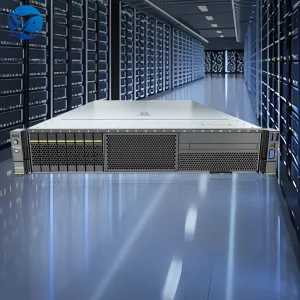
Traditional copper cable limitations are bypassed using standard 10GbE/100GbE fiber infrastructure. Multi-socket server configurations manage uncompressed 8K video streams, and enterprise HBA cards handle massive throughput with sub-millisecond latencies across global broadcasting networks.
From automated frame interpolation and real-time noise reduction to spatial audio orchestration, AI workload servers powered by advanced GPUs have become critical assets. These systems optimize computational tasks to render cinematic visual effects instantly.
Modern enterprises combine local AV rooms with high-density cloud rendering nodes. The underlying IT infrastructure dynamically balances localized presentation environments with remote cloud-based collaborative workspaces.
Procuring audio-visual computing units requires a thorough evaluation of technical specifications, thermal design, and supply chain scalability. Global enterprise IT managers and broadcast engineering directors prioritize three critical elements:
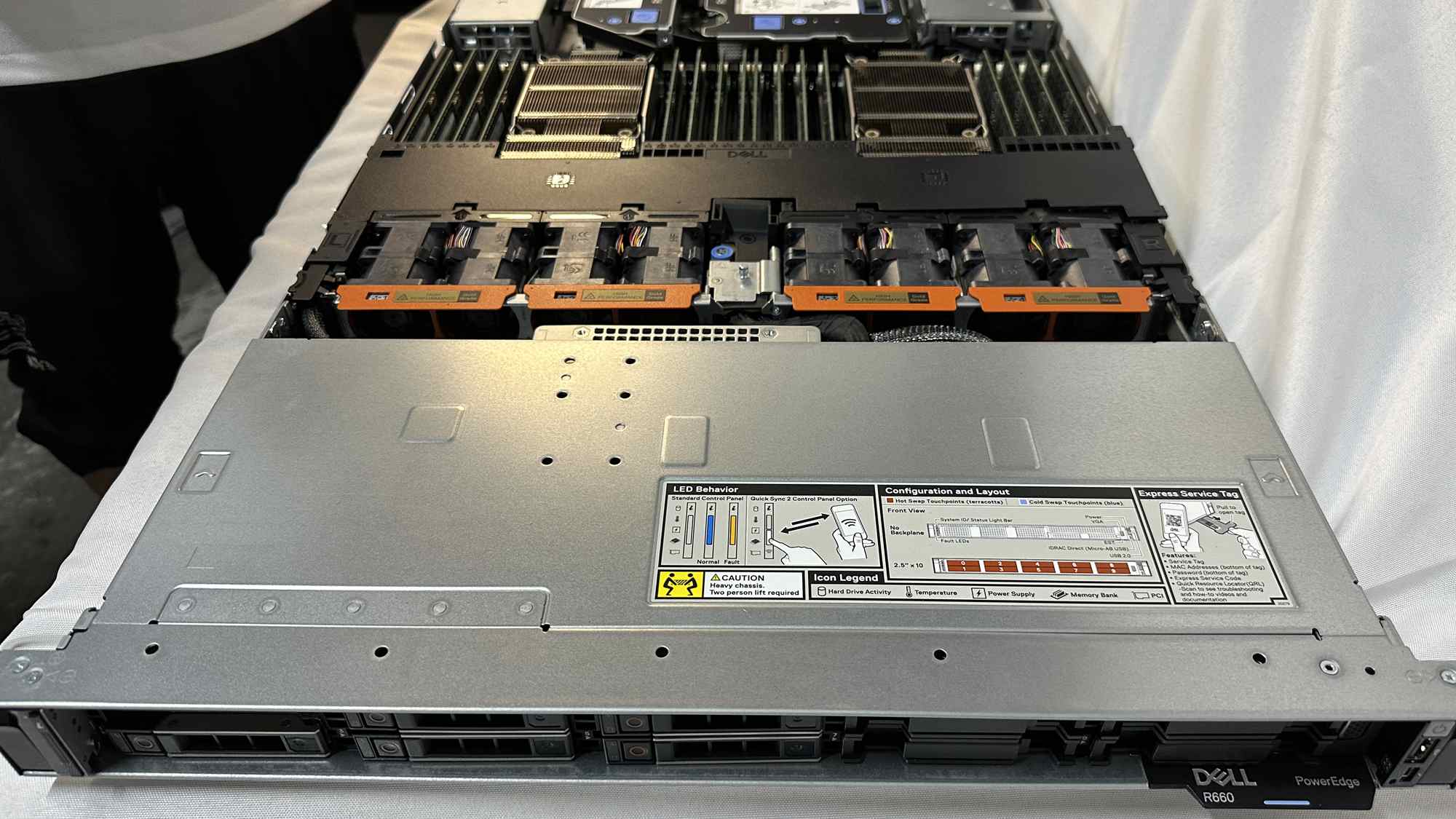
TensorNova stands at the intersection of media engineering and enterprise-level computing architecture. As an industry leader in server assembly and high-performance system design, TensorNova engineers and supplies global partners with the raw hardware resources needed to support complex modern digital systems.
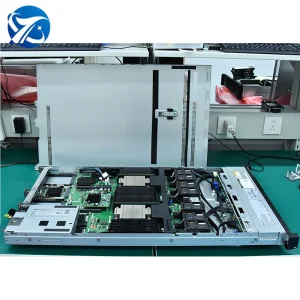
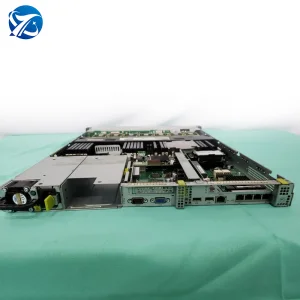
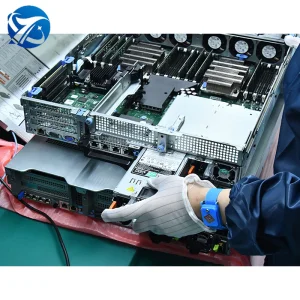
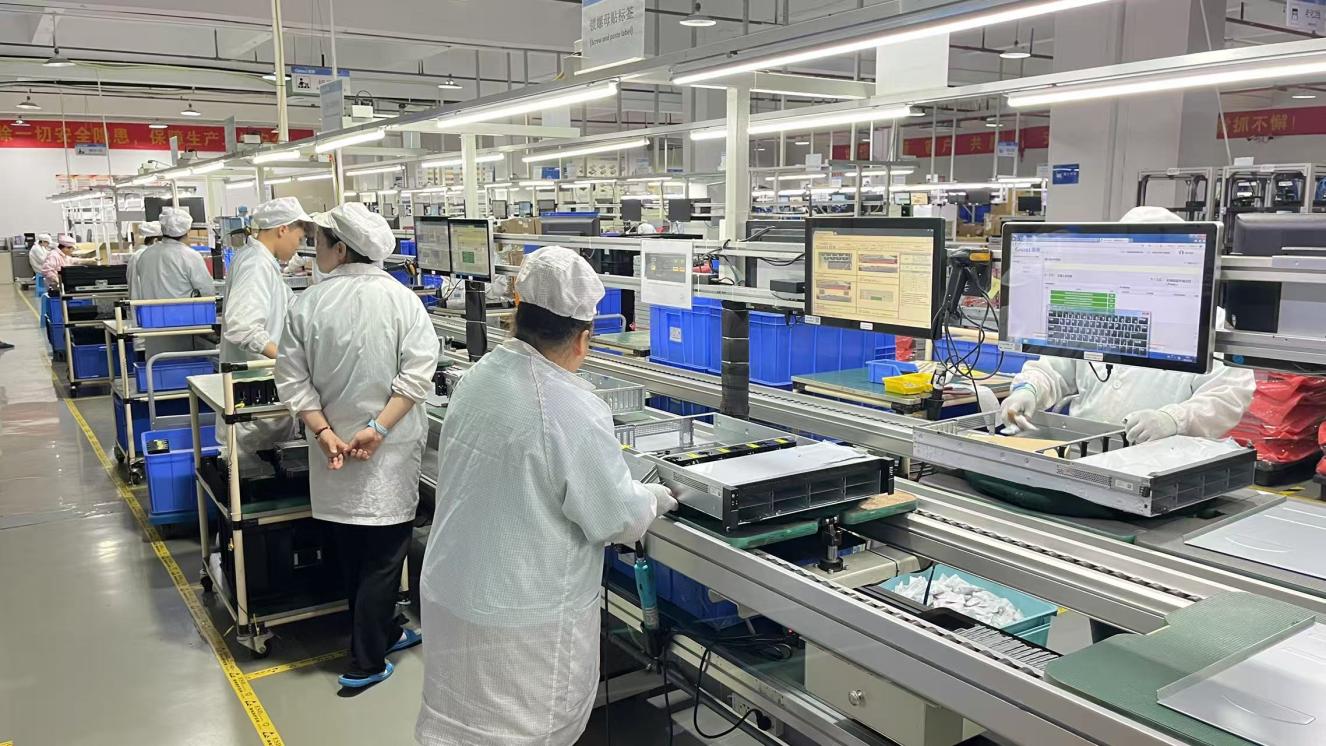
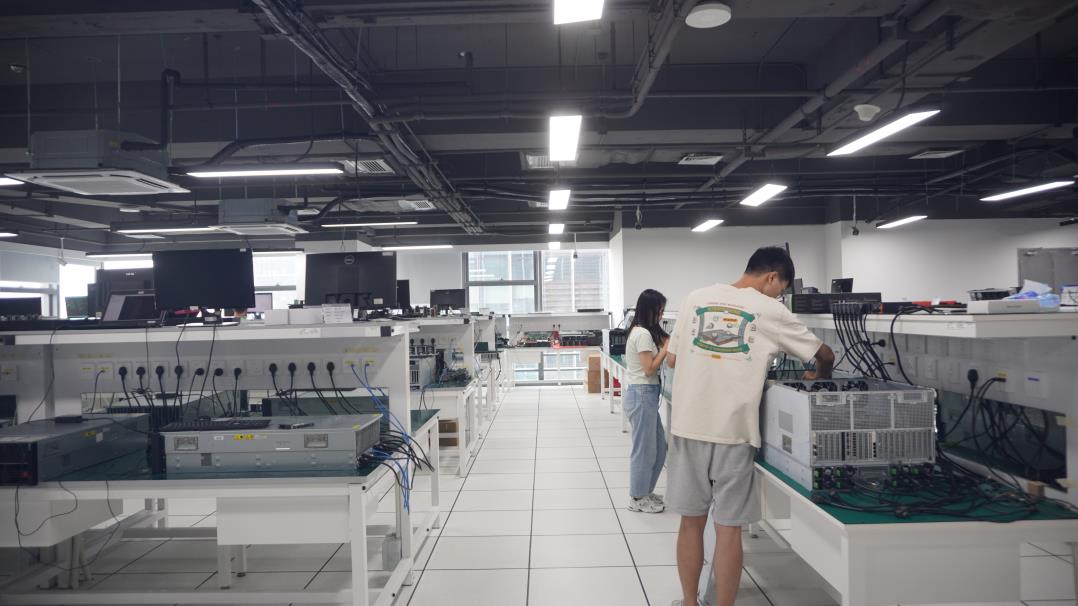
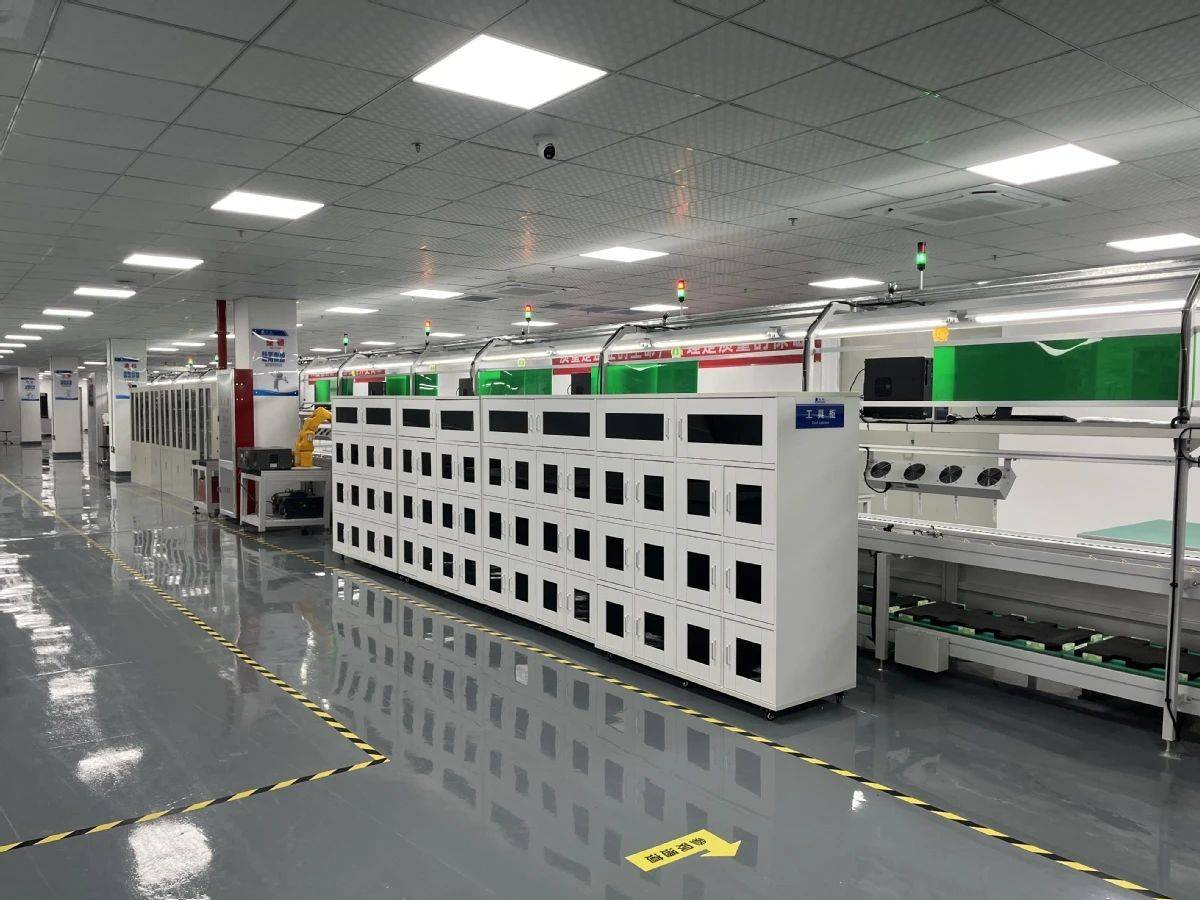
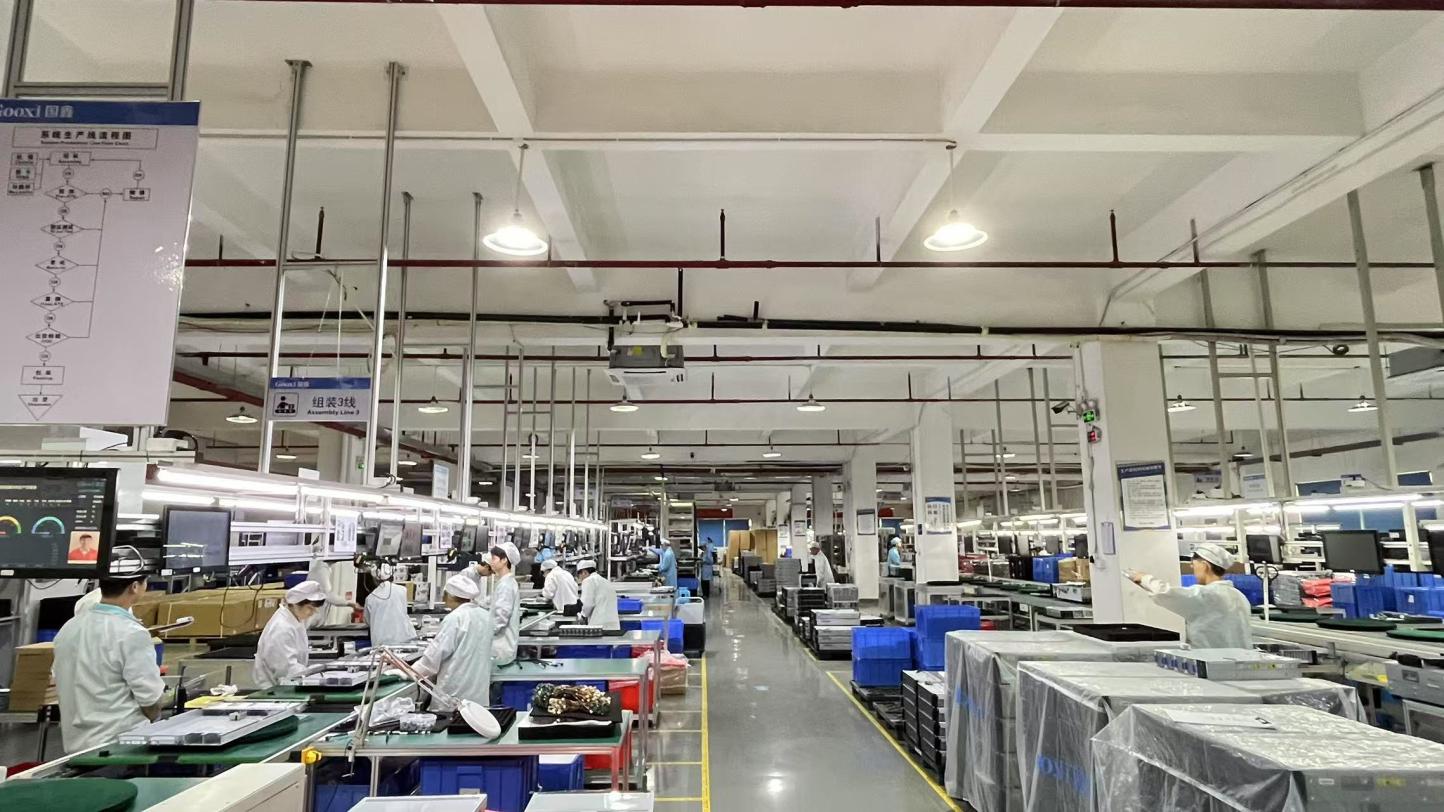
Operating a modernized, precision assembly facility covering approximately 320㎡, TensorNova enforces meticulous quality-assurance protocols. Every server node, high-speed networking card, and storage module undergoes automated hardware stress testing, thermal performance validation, burn-in verification, and intensive media workflow simulations. The company employs 45 dedicated quality control professionals to ensure every shipped component achieves the highest reliability standards.
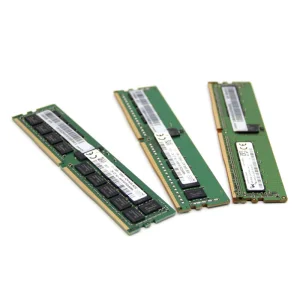
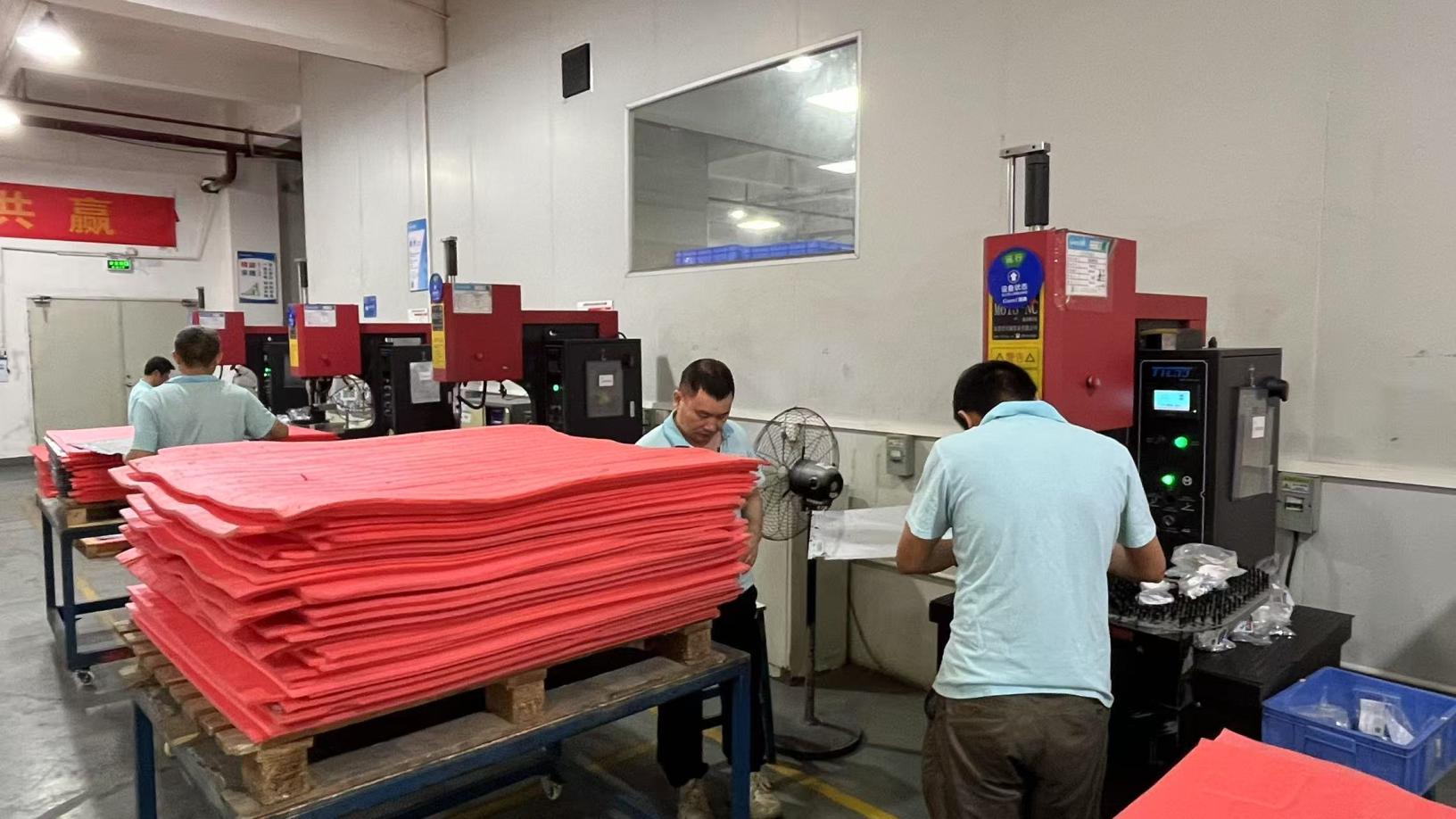
China's smart manufacturing infrastructure represents a unique combination of high speed, tight integration, and consistent quality. TensorNova relies on an extensive network of over 1,200 verified tier-one component suppliers. This ecosystem guarantees a stable supply of essential components, including high-speed DDR4/DDR5 memories, multi-layered PCBs, copper heat pipes, and robust metal server chassis.
For international procurement managers, this localized ecosystem minimizes production lead times, controls manufacturing costs, and provides structural protection against global component shortages. By keeping engineering, component sourcing, thermal design, and system stress-testing within a unified geographic cluster, TensorNova maintains a highly adaptable manufacturing pipeline. This structure allows the company to launch over 320 customized products annually to keep pace with changing industry demands.


Modern studio environments combine physical stage elements with real-time digital environments. TensorNova GPU-optimized configurations provide the raw computational performance required for real-time camera tracking, dynamic lighting calculations, and high-frame-rate rendering, eliminating latency-induced motion blur.
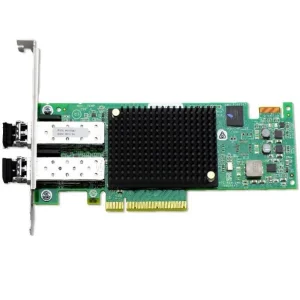
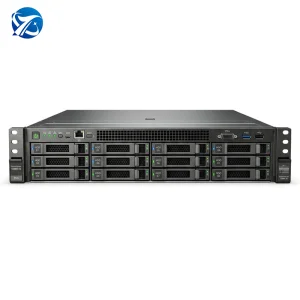
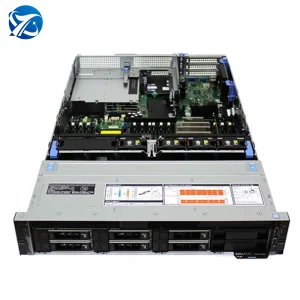
Managing digital signage displays across hundreds of retail centers requires centralized, secure web storage and high-speed distribution nodes. TensorNova 2-socket storage nodes and fast Emulex Fibre Channel HBA cards keep multi-format media libraries secure, accessible, and running smoothly.
Central control rooms process multi-channel, high-resolution IP camera feeds concurrently. Using robust rackmount chassis and high-performance server components ensures smooth decoding, low-latency display, and reliable 24/7 operation for surveillance networks.
Technical answers to key implementation questions regarding AV-over-IP networking, GPU servers, and manufacturing capabilities.
Reliable memory, high-speed host adapters, and dense system units to build and scale modern media architectures.