TensorNova
TensorNova
TensorNova
Enterprise-grade server platforms, high-speed networking nodes, and read-intensive storage modules designed for scalable compute systems.
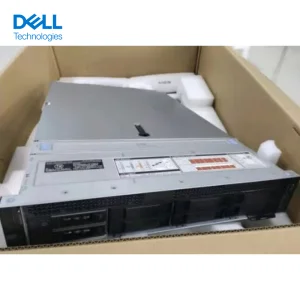
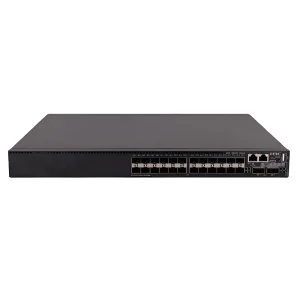
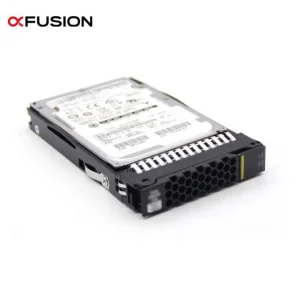
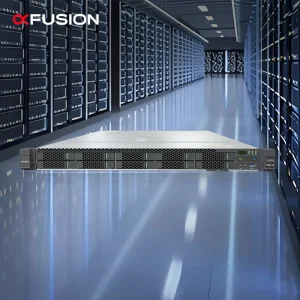
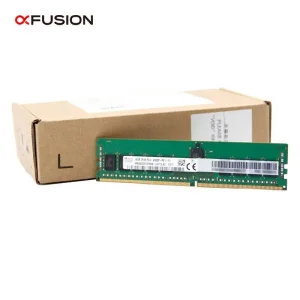
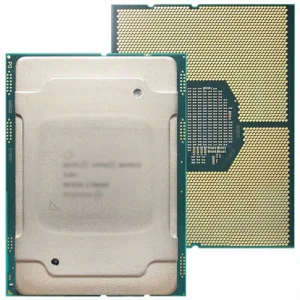
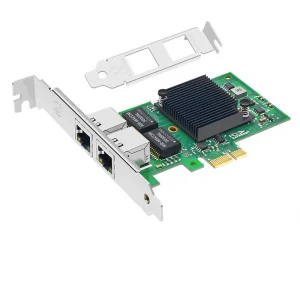
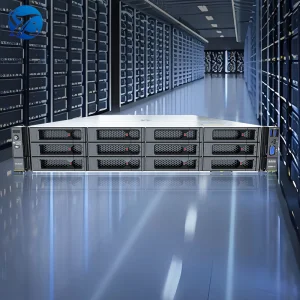
In the contemporary digital economy, the paradigm of client-server architecture has evolved far beyond basic centralized databases serving static web client requests. The rise of machine learning inference, real-time big data pipelines, and highly distributed enterprise structures demands physical server architectures that offer high computational density, low latency network fabric, and reliable power distribution.
As organizations transition from pure-play public cloud deployments back to hybrid-cloud setups to optimize their Total Cost of Ownership (TCO) and ensure data compliance, selecting the right client-server solutions manufacturer has become a critical strategic decision. A robust client-server ecosystem requires the integration of high-performance microprocessors, ultra-fast storage media, reliable RAID array interfaces, and core switches capable of processing multi-gigabit workloads without bottlenecking.
Modern servers are no longer evaluated solely by CPU frequency. Industry leaders are measuring efficiency through GPU-to-CPU interconnect bandwidth, NVMe SSD write endurance (DWPD), and network packet forwarding rates at L3 boundaries. The hardware is now built as specialized application-specific nodes.
The client-server computing industry is currently undergoing several core technology shifts that will define the upcoming decade of infrastructure design:
Enterprise computing solutions must be customized to fit the workloads of specific business sectors. A one-size-fits-all hardware build often leads to over-provisioning or system performance bottlenecks.
| Industry Vertical | Critical Compute Challenges | Recommended Server Hardware Architecture | Primary Storage & Interconnect Requirements |
|---|---|---|---|
| AI Research & Deep Learning | Large training dataset throughput, high floating-point performance, thermal limits. | Multi-GPU rack servers (e.g., G5200 V5 series) with dual Xeon Scalable processors. | High-speed NVMe PCIe Gen4/Gen5 SSDs + InfiniBand or 100G/200G Ethernet switches. |
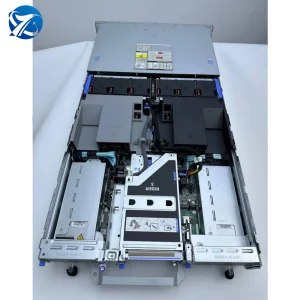
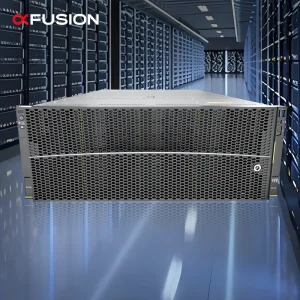
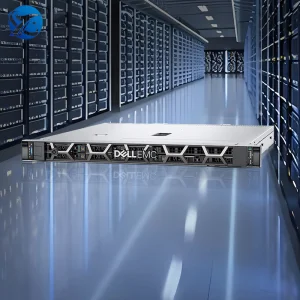
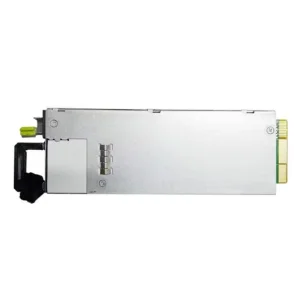
| Cloud Hosting & Virtualization | High VM density, core-to-memory ratios, energy efficiency under variable loads. | High-density 1U dual-socket servers (e.g., xFusion 1288H V6, Dell R360). | High capacity DDR4/DDR5 ECC RAM (16GB/32GB/64GB modules) + Platinum-grade hot-swappable power supplies. |
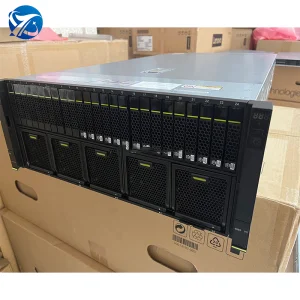
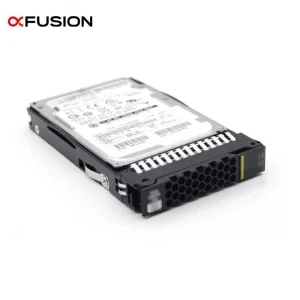
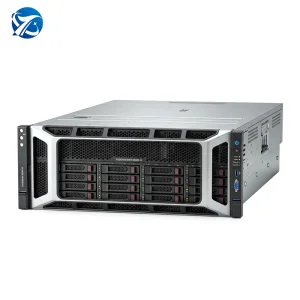
| Video Archiving & CDN | Sequential write bandwidth, large cold/warm storage capacity, reliability. | 4U high-density storage servers (e.g., 5288 V5 with 36-bay configuration). | Enterprise SAS HDDs (600GB to 2400GB) + Hardware RAID array controller cards with zero-cache options. |
| Smart City & Edge Inference | Environmental resilience, low latency video stream processing. | Compact, low-depth edge servers or GPU-optimized mid-size platforms. | SATA Read-Intensive SSDs + Multi-port Gigabit/10G core fiber switches (e.g., H3C S6520X). |
Whether configuring storage-heavy arrays for massive media content archives or high-throughput network nodes to route enterprise communications, building your physical infrastructure starts with sourcing parts from reliable components partners who maintain tight QC standards.
A professional high-performance AI GPU server manufacturer and infrastructure solution provider based in China, specializing in scalable data center hardware.
With over 12 years of industry experience in AI computing and server manufacturing, and 6 years of export experience, TensorNova has developed into a trusted partner for cloud service providers and enterprise IT departments. The company operates a modern assembly facility in China, utilizing strict quality management system protocols aligned with ISO9001 standards.
Reliability is guaranteed by a dedicated team of 45 quality control personnel who oversee testing protocols, including automated hardware stress testing, thermal performance validation, system burn-in runs, and AI workload simulations. By maintaining strategic component partnerships with more than 1,200 global suppliers, TensorNova guarantees stable production runs and fast lead times for custom-ordered hardware configurations.
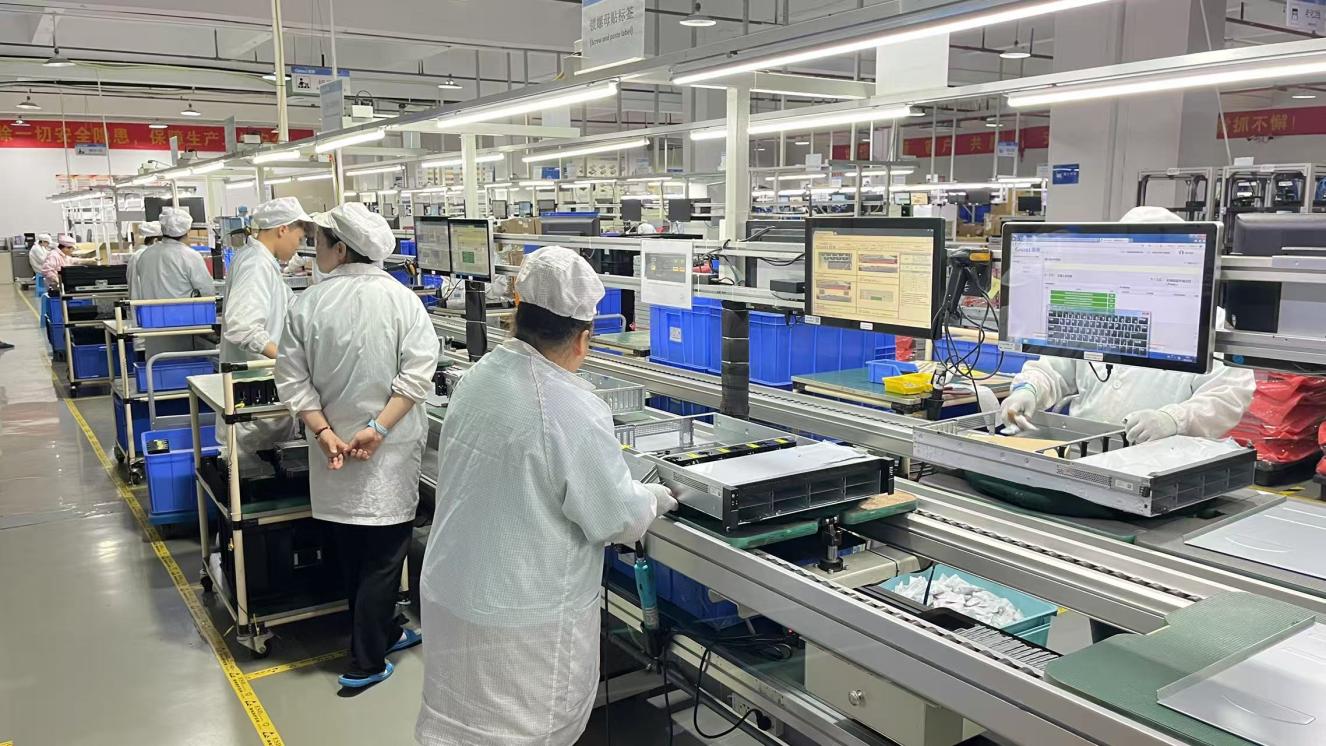
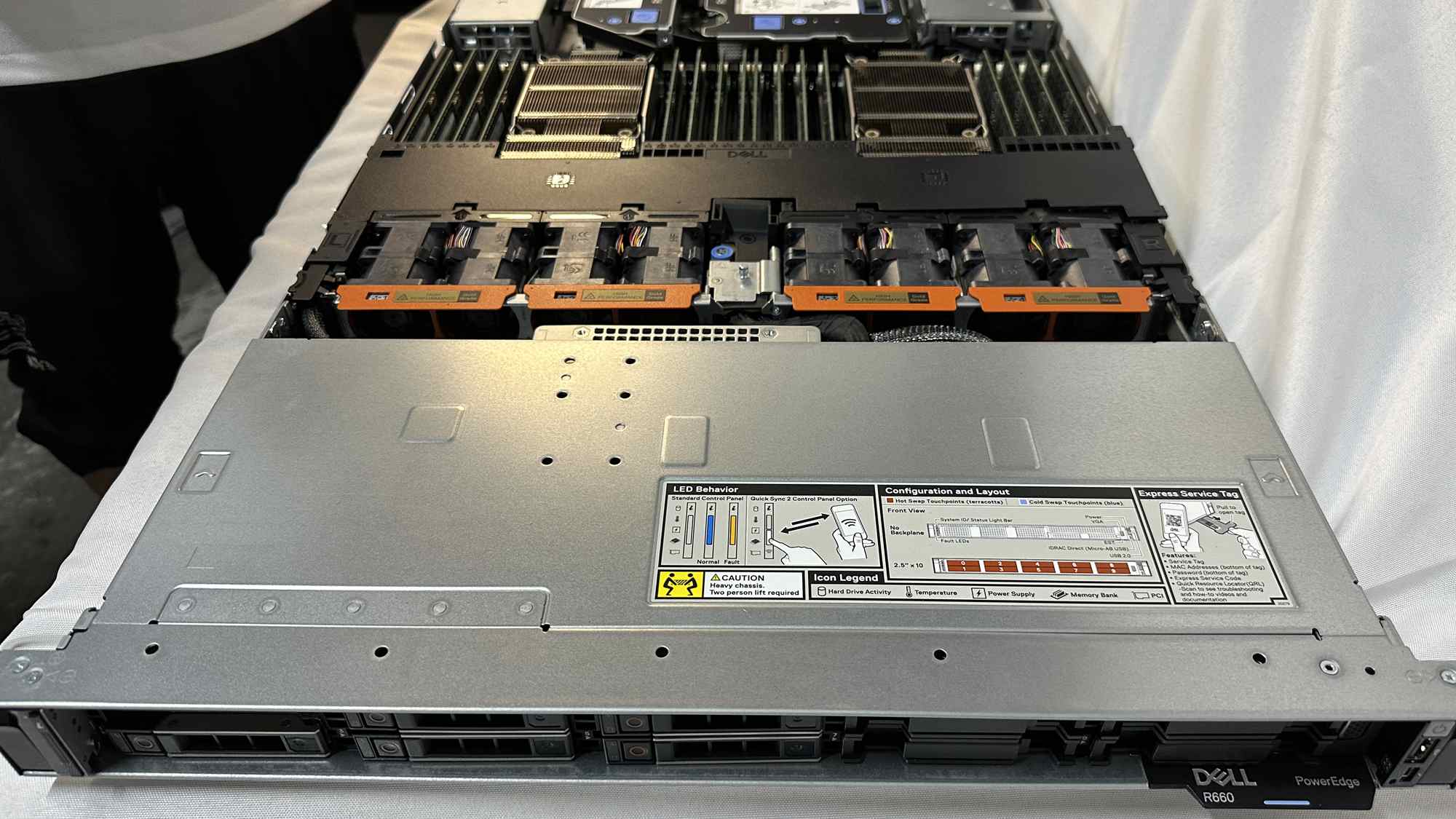
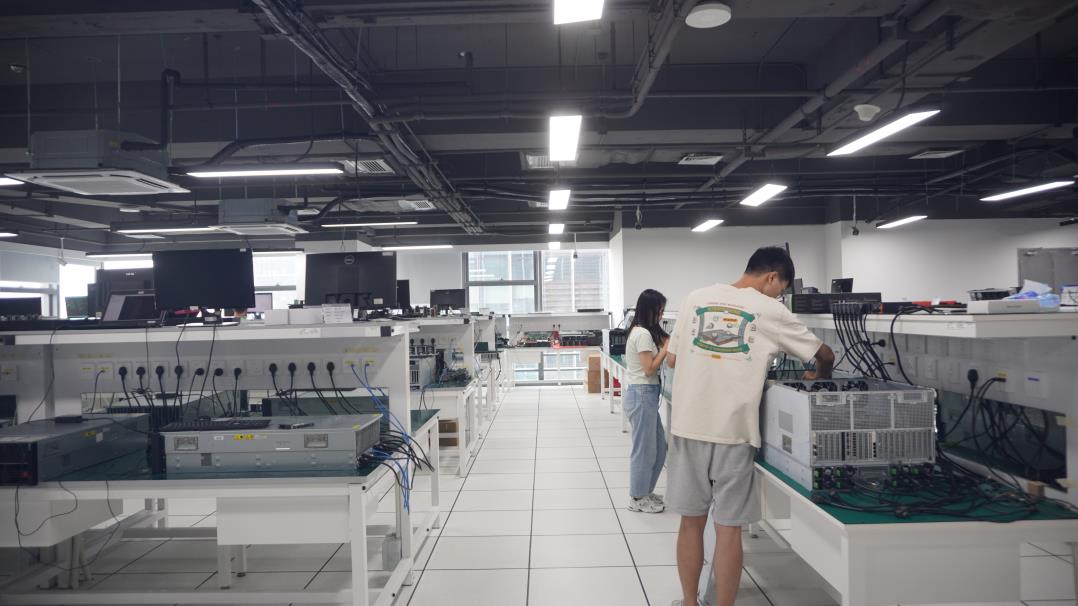

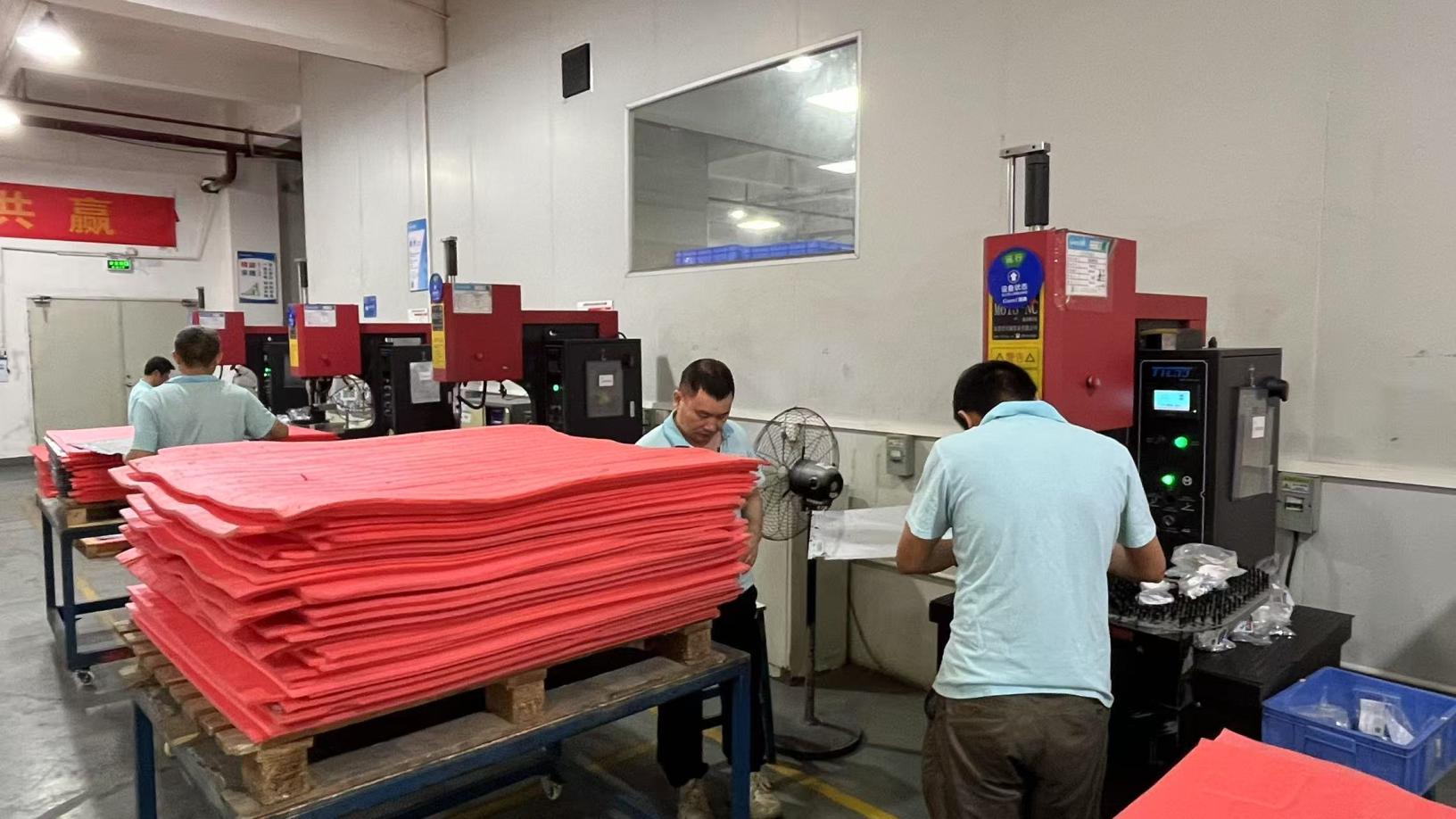
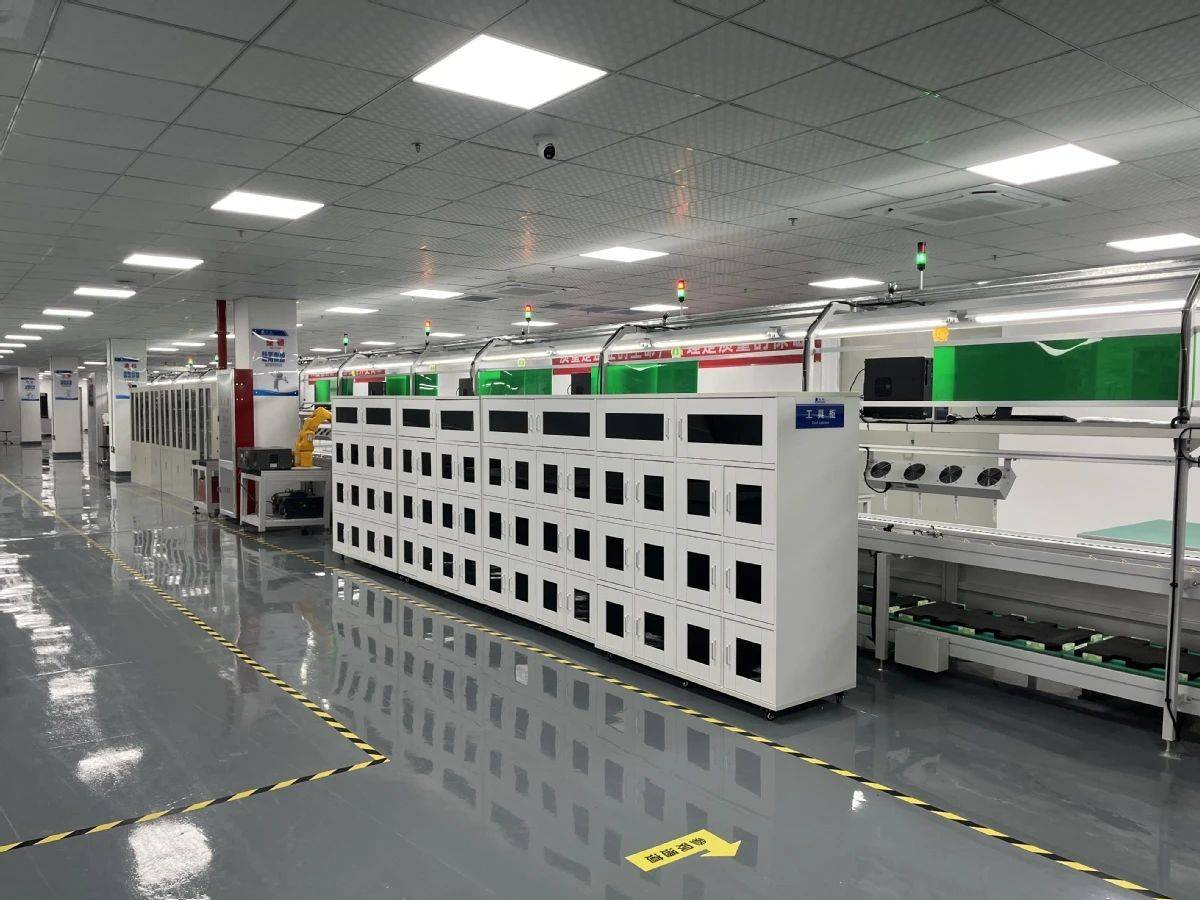


Sourcing client-server hardware from a major manufacturing hub like China provides significant structural advantages for global buyers. Modern Factory 4.0 principles rely on automated testing configurations, precise component pick-and-place systems, and digital twins that monitor quality across every assembly station.
TensorNova’s facility leverages a dense localized industrial cluster. Crucial subcomponents, including multi-layer server motherboards, complex backplane connectors, brackets, and copper-pipe heat sinks, are sourced from nearby Tier-1 suppliers. This close proximity shortens design-to-prototype cycles down to weeks, compared to the months typical of other regions.
This localized supply chain helps mitigate the impact of global chip shortages. By partnering with over 1,200 global suppliers, our factory maintains safety stocks of essential hardware elements, such as VRM controllers, VRD components, and power management ICs. This ensures stable production schedules even during times of market volatility.
Operating a global data center requires strict adherence to regional regulatory standards. When importing server hardware, buyers must verify compliance with certifications such as CE (Europe), FCC (United States), UL (Underwriters Laboratories), VCCI (Japan), and RoHS (Restriction of Hazardous Substances).
Additionally, modern server firmware must feature secure localized options. Secure Boot capabilities, cryptographically signed firmware, and TPM 2.0 (Trusted Platform Modules) are essential for protecting machines against low-level rootkits. TensorNova offers customizable BIOS/BMC options, allowing hardware administrators to restrict out-of-band management protocols (such as IPMI or Redfish API) to secure private VPN segments.
Procurement departments and Chief Technology Officers (CTOs) evaluate several key performance metrics when choosing a server hardware vendor:
By working directly with custom hardware manufacturers, system integrators can deploy systems tailored to their workloads, avoiding the premium markups of generic retail brands.
Common questions regarding enterprise server hardware configurations, compatibility, and maintenance protocols.
Maximize data storage reliability and accelerate AI model inference with high-capacity rack solutions and components.