TensorNova
TensorNova
TensorNova
Premium server systems integrated with top-tier CPU platforms and direct-attach networking hardware. Curated for cloud data centers and AI computing pipelines.
The enterprise infrastructure landscape is undergoing a massive shift. As deep learning workloads, LLM inference, and hyperscale virtualization demand more compute capability, selecting the right CPU and semiconductor partners has become a critical strategic decision. A Central Processing Unit (CPU) is no longer just a standalone processor; it acts as the primary orchestrator of the entire datacenter system. Modern CPUs manage PCIe Gen 5 routing, allocate Compute Express Link (CXL) memory zones, and coordinate high-speed GPU grids.
For procurement officers, hardware architects, and datacenter operations managers, navigating the global processor supply chain requires an understanding of silicon fabrication, microarchitecture configurations (such as x86 versus ARM), and packaging technology. The ability to source reliable, custom-configured server architectures directly from factories allows enterprises to bypass distributor markup, shorten lead times, and optimize cooling designs for specific thermal design power (TDP) thresholds.
"Modern AI infrastructure requires close integration between silicon processors and system fabrication. TensorNova bridges this gap by combining engineering R&D with advanced system stress testing, providing customized computing nodes directly to global enterprises."
TensorNova is an established, high-performance AI GPU server manufacturer and infrastructure solution provider based in China. Since our founding in 2016, we have focused on high-density enterprise computing, GPU cluster integration, and highly scalable datacenter hardware platforms for research institutes and enterprise environments.
Over the past 12 years of industry experience in server architectures and AI compute optimization, combined with 6 years of global export operations, TensorNova has built a robust distribution and integration model. Operating out of a modernized, high-precision facility, we run system integration, configuration tuning, and diagnostic procedures designed to support demanding industrial workloads.
Our quality management workflow follows ISO9001 certification standards. All custom CPU and GPU systems undergo automated testing cycles, including high-heat soak trials and memory diagnostic scans (Memtest86+). This ensures that every node we deliver operates reliably under continuous execution cycles.
Modern datacenters are moving away from general-purpose configurations toward application-specific hardware stacks. Selecting the right processor generation and core density has a direct impact on operational costs, power efficiency, and long-term hardware life cycles. Below is an overview of how top enterprise CPU architectures align with specific industry applications:
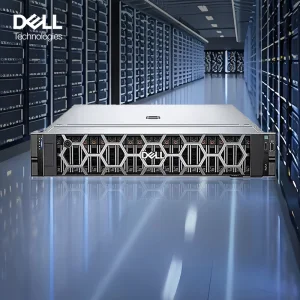
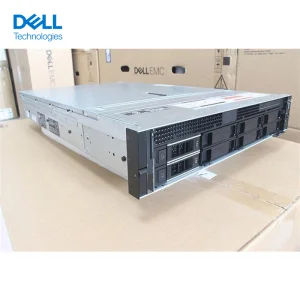
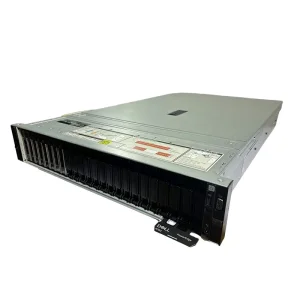
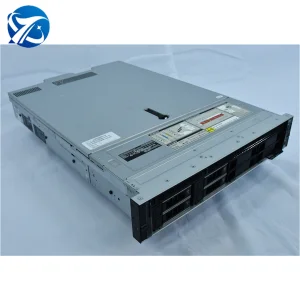
Hyperscale environments prioritize core density and container security. Systems configured with multi-core processors, such as the Dell PowerEdge R760XS, maximize VM density per rack unit. Key technologies include hardware-enforced virtualization security (AMD SEV-SNP or Intel SGX), which secures multi-tenant environments at the silicon level.
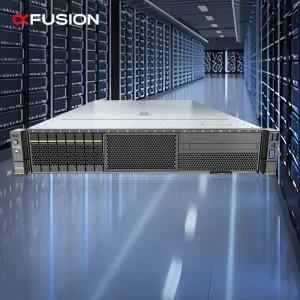
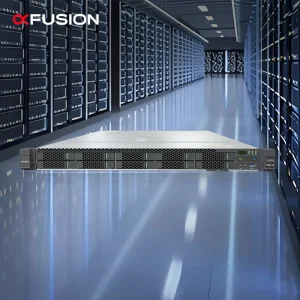
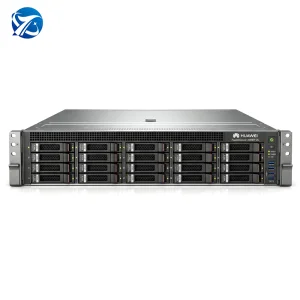
Machine learning systems depend on high PCIe bandwidth to minimize bottlenecks between system memory and accelerators. Platforms like the xFusion G5500 V7 use advanced CPUs with up to 128 PCIe Gen 5 lanes to sustain high-speed data transfers between host memory and GPU clusters, which is critical for deep learning pipelines.
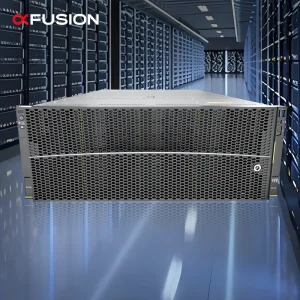
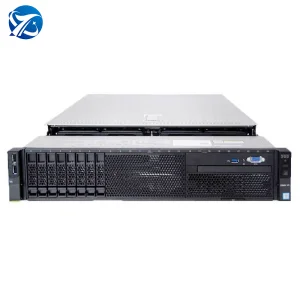
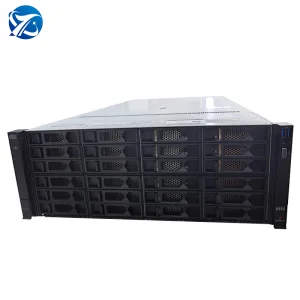
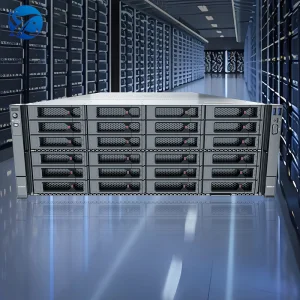
Enterprise database workloads require massive memory bandwidth and high single-thread performance. Multi-socket configurations, such as the 4-socket Fusionserver 2488H V5, pool memory across several DDR4/DDR5 channels. This provides the low latency needed for real-time transactional databases and ERP applications.
TensorNova supports research facilities, global cloud providers, and enterprise IT divisions across key international markets, including North America, Europe, Southeast Asia, and the Middle East. We configure hardware to meet localized technical needs, including 200V-240V power balancing for high-density racks and compliance with regional directives (CE, FCC, RoHS, and WEEE).
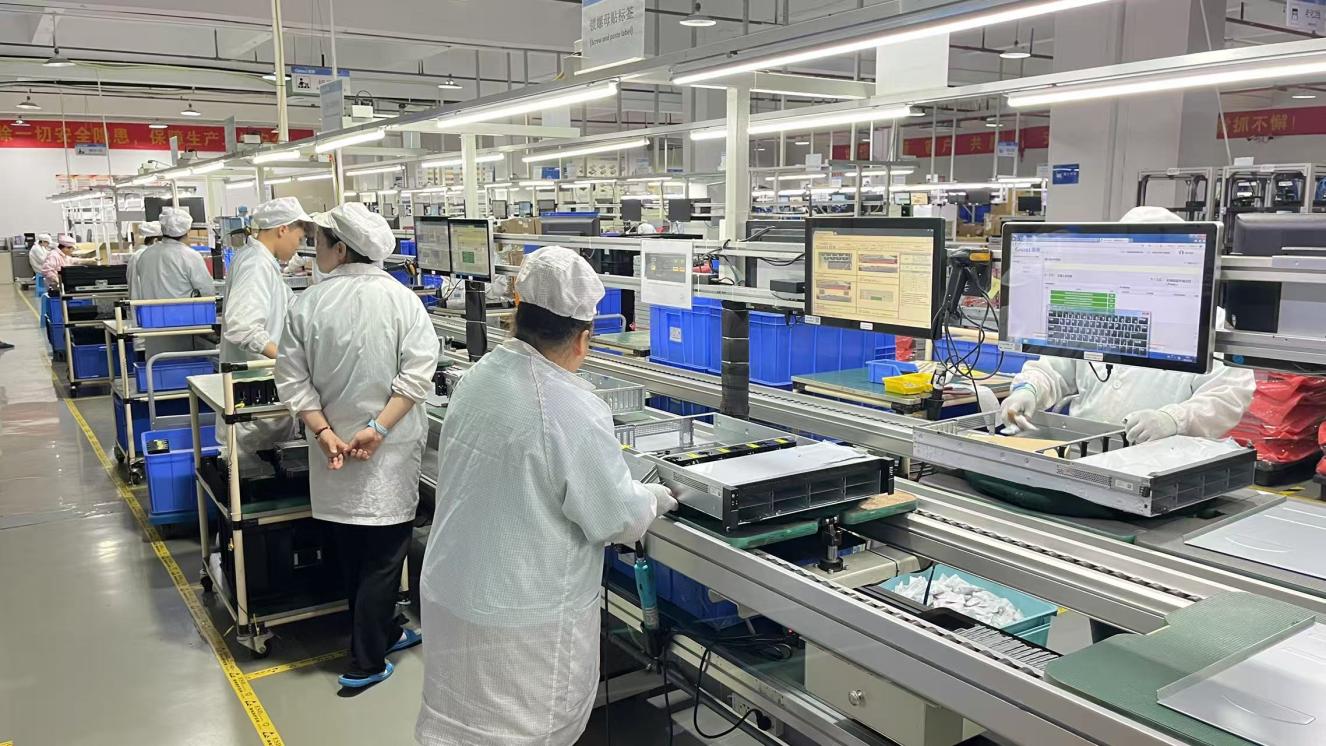
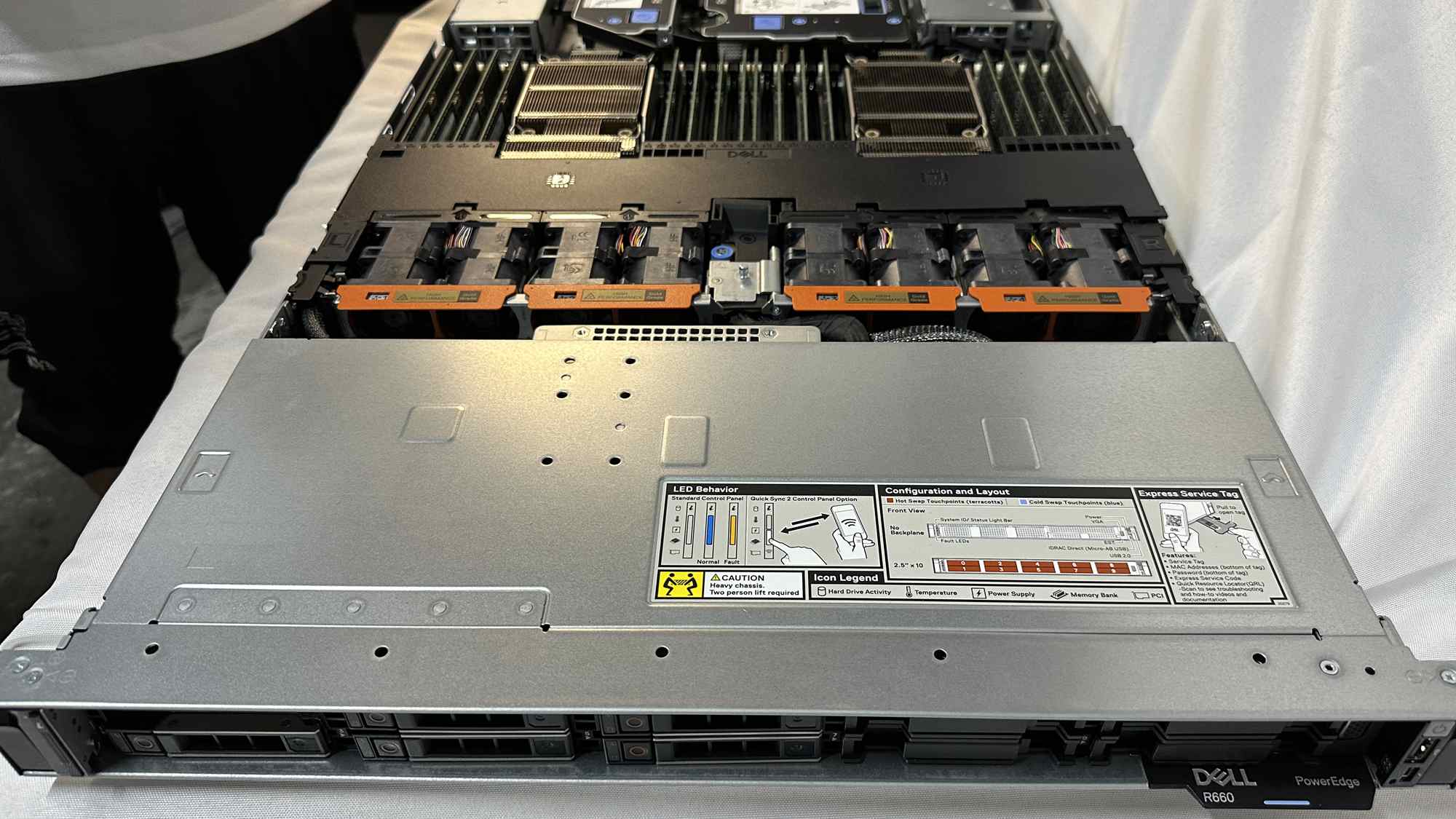
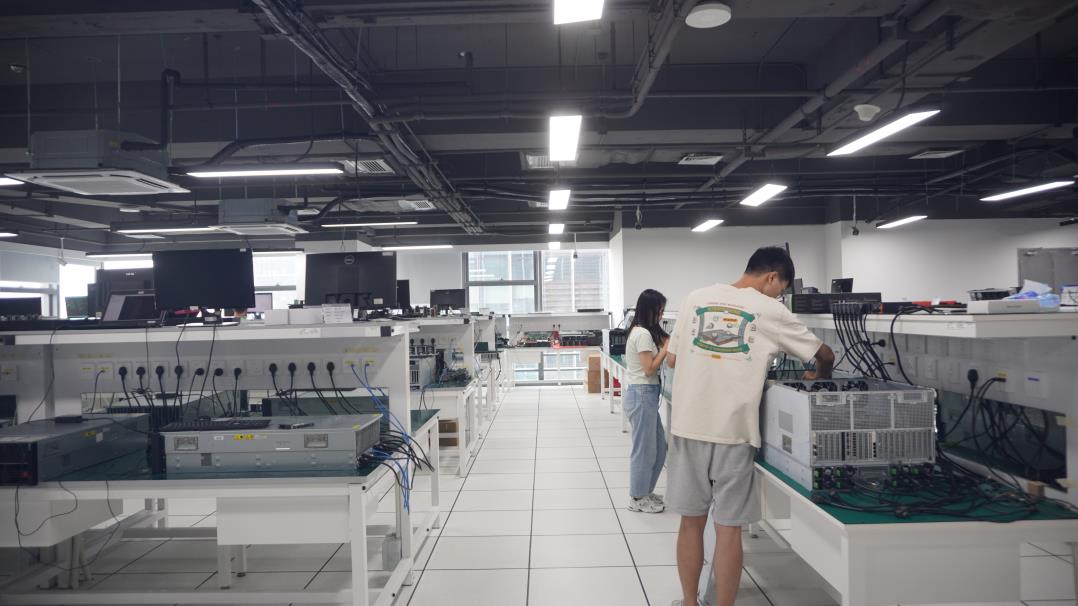
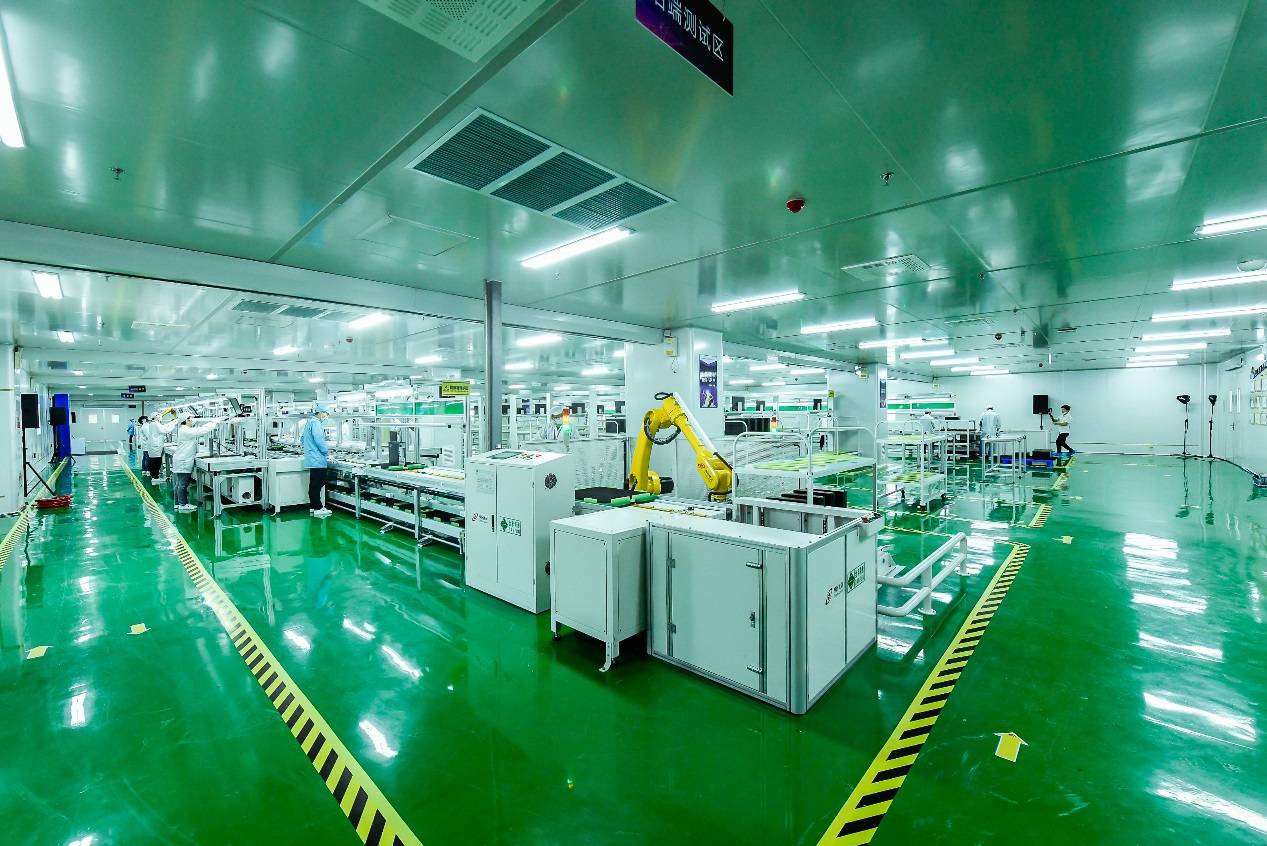
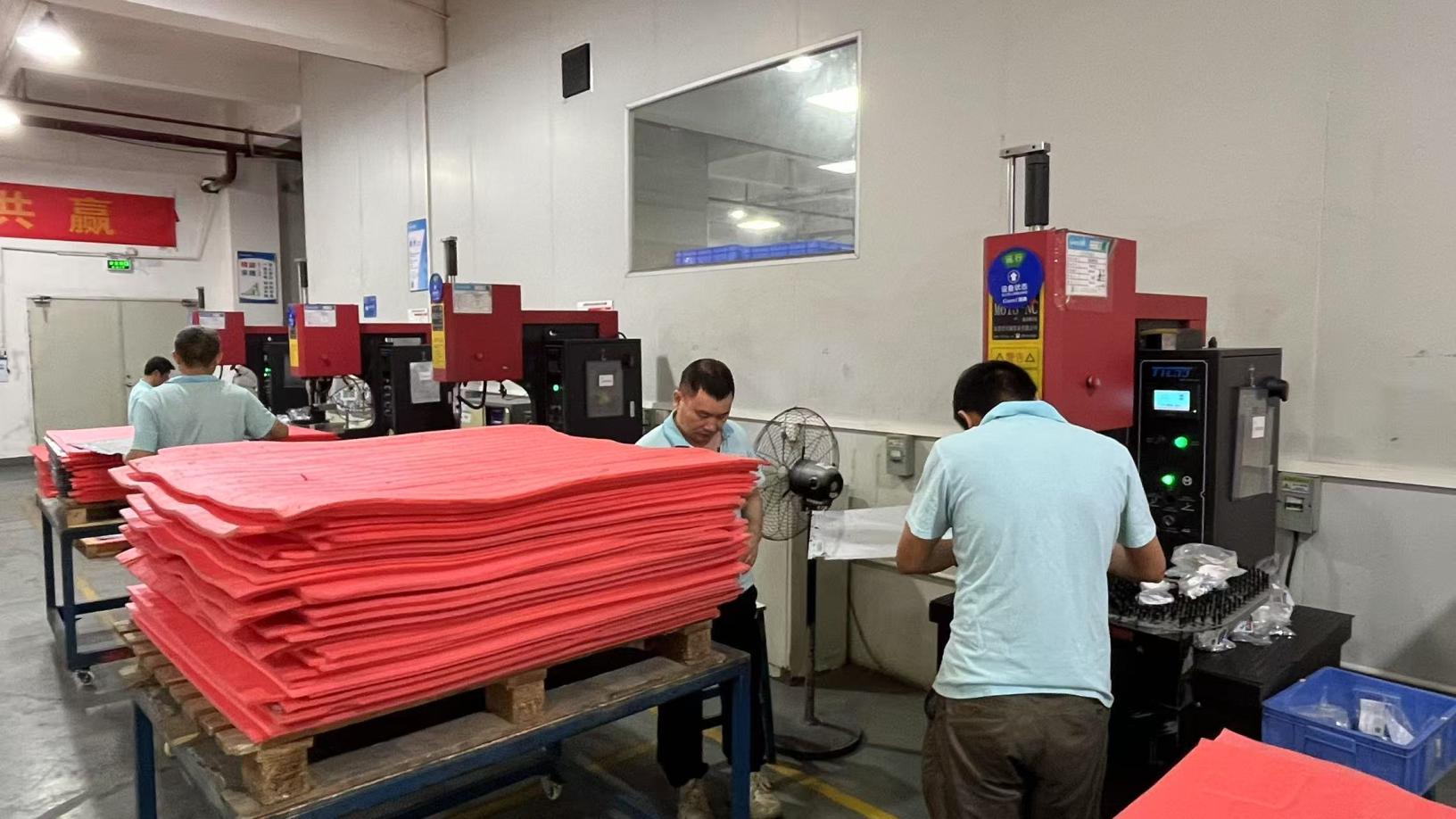
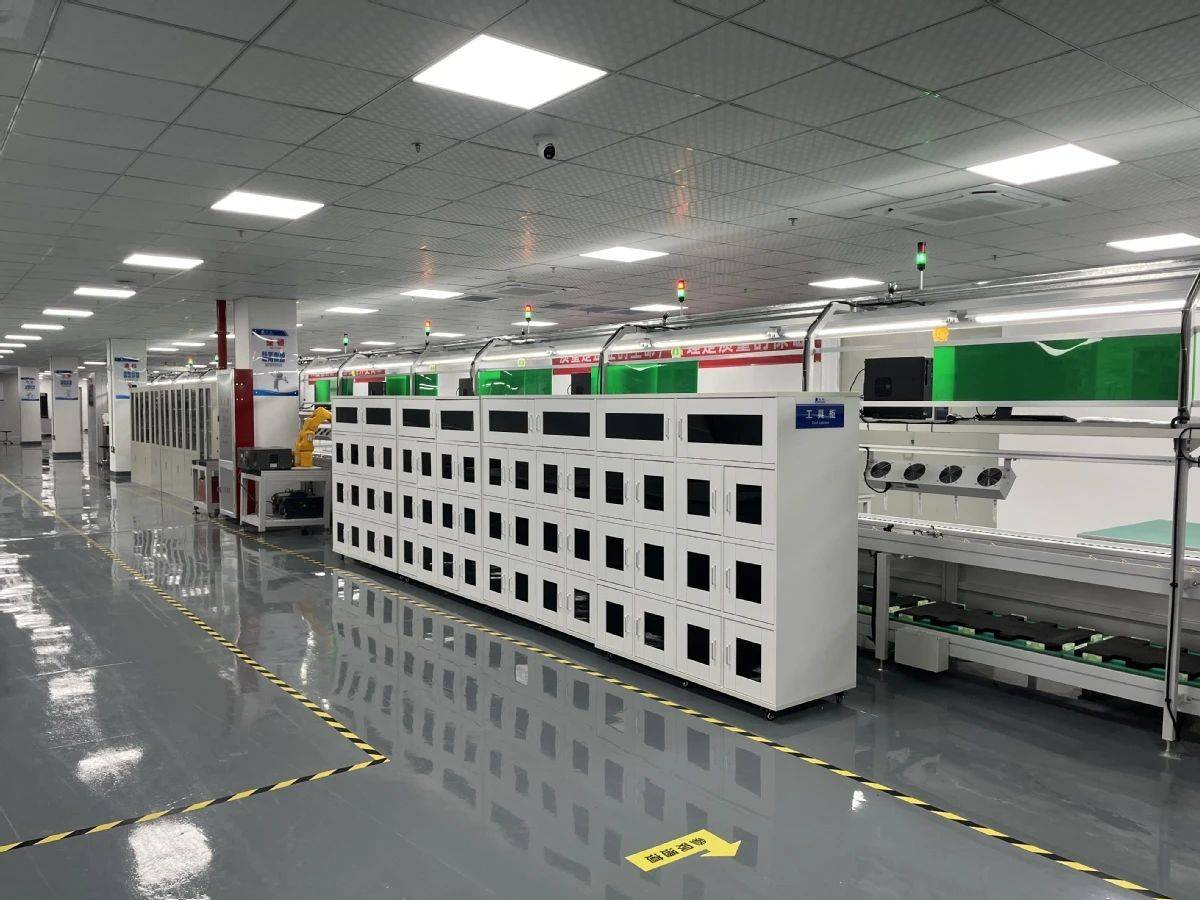
Our integrated server assembly facility is designed to support custom system design, physical component integration, and automated stress testing. Below is a look inside our assembly and testing rooms, showing how we verify each system configuration before dispatch:


As semiconductor lithography approaches physical limits, the industry is shifting from monolithic silicon design to multi-chiplet modules (MCM). Keeping track of these technology roadmaps helps enterprise buyers design hardware configurations that remain compatible with future upgrades and avoid premature obsolescence.
Universal Chiplet Interconnect Express (UCIe) allows chiplets from different factories to be packaged together. This helps lower chip design costs and enables the mixing of specialized accelerator blocks directly on the processor substrate.
Compute Express Link (CXL) 3.0 allows dynamic memory sharing between host CPUs and GPU networks. This creates unified memory pools that reduce latency and allow processors to process large datasets without relying on slow storage swaps.
As CPU thermal outputs exceed 350W-400W, traditional air cooling is becoming less effective. Modern datacenters are shifting to direct-to-chip liquid cooling manifolds, which help control thermals and lower overall power usage effectiveness (PUE).
Answers to common technical and logistical questions for procurement teams source-matching hardware configurations.
The CPU acts as the primary PCIe root complex. In AI computing, the CPU must provide enough PCIe Gen 5 lanes (ideally 128 lanes per socket) to prevent bottlenecks. If the CPU lacks sufficient lanes or runs at lower speeds, data transfers between system storage, RAM, and the GPUs will experience latency, reducing overall training performance.
AMD EPYC processors generally offer higher core density per socket, which is beneficial for maximizing VM density. Intel Xeon processors focus on integrated accelerators, such as Advanced Matrix Extensions (AMX) and Data Streaming Accelerator (DSA), which can speed up specific database and machine learning tasks without needing separate GPUs.
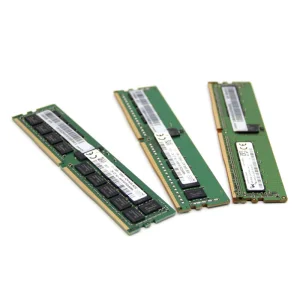
CXL allows the CPU to access memory on connected accelerators and expansion cards over the PCIe physical layer with minimal latency. This enables memory expansion and pooling, allowing systems to handle larger in-memory databases and virtualization workloads without upgrading to higher-capacity, more expensive DIMMs.
Our team conducts multiple stages of validation, including automated stress testing, thermal chamber monitoring under full load, long-run memory diagnostics, and AI workload simulation. This process checks both hardware stability and firmware compatibility before shipment.
For TDPs above 350W, we recommend dual-loop copper-pipe air coolers with high-airflow chassis fans, or closed-loop liquid cooling. For high-density rack deployments, direct-to-chip (D2C) liquid cooling provides the best thermal control and helps improve datacenter energy efficiency.
Yes, DDR4 platforms like the 2488H V5 remain cost-effective solutions for general ERP applications, standard network routing, and edge database management. While they lack the raw memory bandwidth of DDR5 platforms, their lower initial acquisition cost offers a practical option for non-compute-intensive workloads.
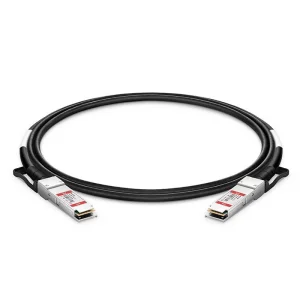
QSFP+ DAC cables, such as 3m 10G/40G links, offer low-latency, point-to-point connections between servers and switches. Because they don't require optical transceivers, they use less power, generate less heat, and provide a cost-effective interconnect solution for intra-rack networking.
We design and package our systems to meet regional certifications (including CE, FCC, and RoHS). Our export team coordinates shipping logistics, custom packaging, and compliance documentation to ensure smooth delivery through international customs to your facility.
High-capacity storage servers, memory modules, and multi-socket platforms configured for reliable continuous operation.