TensorNova
TensorNova
TensorNova
Leverage mission-critical infrastructure, custom-configured array controllers, and high-density computing platforms engineered for modern workloads.
In the rapidly evolving landscape of data centers, artificial intelligence, and cloud computing, standard off-the-shelf server configurations are no longer sufficient. Enterprise workloads are highly specialized. A physical server running a deep learning large language model (LLM) requires a drastically different structural architecture than one optimized for low-latency financial trading or distributed object storage databases.
Modern CTOs and Infrastructure Architects are looking toward custom server solutions manufacturers and suppliers to build, validate, and scale hardware tailored to their specific applications. Custom server solutions represent the pinnacle of computational efficiency, thermal optimization, and capital expenditure containment. By selecting a dedicated custom server factory, enterprises bypass the restrictive design constraints of major generic brand-name systems and gain complete control over component selection, motherboard layouts, firmware options, and chassis thermal airflow configurations.
This shift has given rise to robust manufacturing ecosystems, specifically in China, which now supplies the global tech industry with the agile prototyping, high-capacity component routing, and strict quality control necessary to deploy thousands of custom server nodes rapidly.
Configure precise PCIe Gen 5 configurations, direct memory access paths, and specific GPU topology arrays (NVLink, PCIe Switched) to accelerate AI execution.
Avoid purchasing unnecessary expansion slots, licensing costs, and redundant parts. Pay only for the specific silicon and memory architectures your application demands.
Implement customized high-efficiency air-cooling ducts or direct-to-chip liquid cooling loops to maximize TDP margins and prevent processor throttling.
When analyzing the global landscape of custom server solutions suppliers, China's manufacturing clusters (particularly in Shenzhen and the Pearl River Delta) present distinct structural advantages that cannot be easily replicated elsewhere. These advantages are built on three primary pillars:
Within a very small geographical radius, server factories have direct access to raw metal sheet stampers, PCB fabricators, high-speed connector suppliers, power supply unit (PSU) manufacturers, and semiconductor distributors. This proximity reduces component-sourcing lead times from weeks to days, allowing for ultra-rapid prototyping and engineering changes.
Unlike western mega-manufacturers who enforce rigid standard designs, Chinese custom factories are structured to handle high-mix, variable-volume production. Whether an AI startup requires a small run of 20 customized GPU nodes with liquid manifolds, or a hyperscaler needs 5,000 node updates, Chinese suppliers adapt production lines quickly.
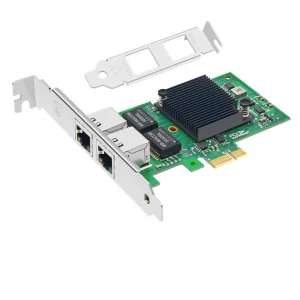
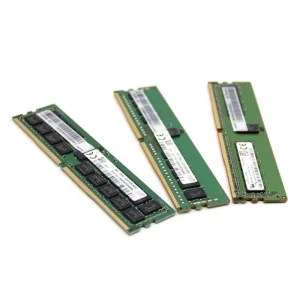
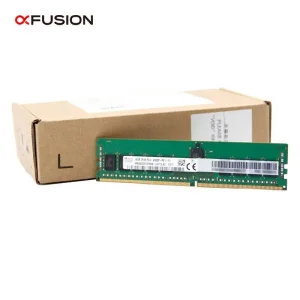
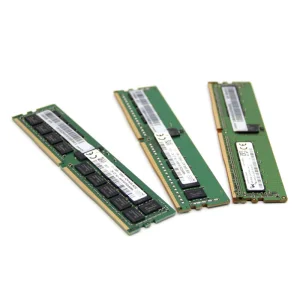
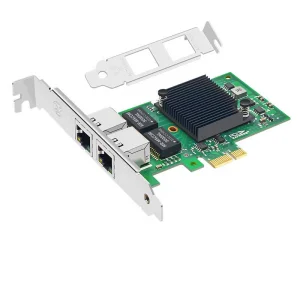
By optimizing labor structures, structural metal assembly costs, and logistics channels, factories can allocate capital resources where they matter most: high-speed silicon components, high-density server grade RAM (like XFusion DDR4 RDIMM 3200MHz), and reliable high-speed controllers (like LSI RAID cards).
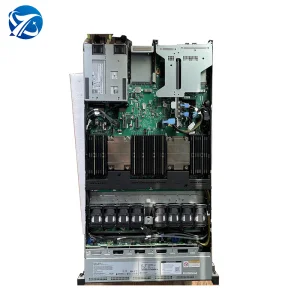
These facilities do not just assemble parts; they offer significant engineering resources for board-level design, UEFI/BIOS firmware modification, baseboard management controller (BMC) configurations, and physical mechanical engineering for optimized server rack space efficiency.
Evaluating the engineering capacities of a leading AI compute and high-performance server manufacturer based in Shenzhen, China.
TensorNova stands as a prominent example of China's advanced capabilities in custom server manufacturing. Founded in 2016, the company has grown from a specialized system integration engineering firm into a premier global supplier of high-performance AI GPU server systems, GPU clustering solutions, and enterprise-grade data center infrastructure.
With over 12 years of core industry experience in high-performance computing (HPC) engineering, TensorNova provides a comprehensive OEM/ODM pipeline that serves hyperscalers, global cloud providers, research laboratories, and AI startups across North America, Europe, Southeast Asia, and the Middle East.
TensorNova's production philosophy is centered on strict ISO9001-based quality management frameworks. Every individual custom server node undergoes rigorous verification pipelines, including automated structural hardware testing, thermal stress chamber testing, full capacity memory burn-in tests, and realistic AI workload simulations (TensorFlow/PyTorch frameworks) to ensure reliability under extreme 100% capacity compute cycles.
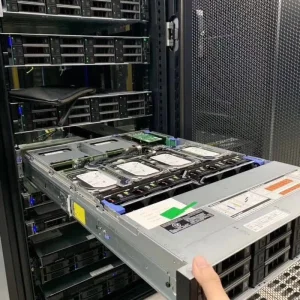
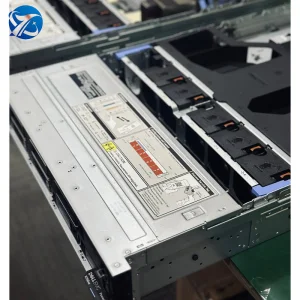
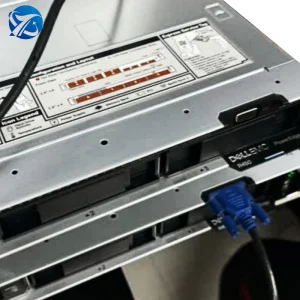
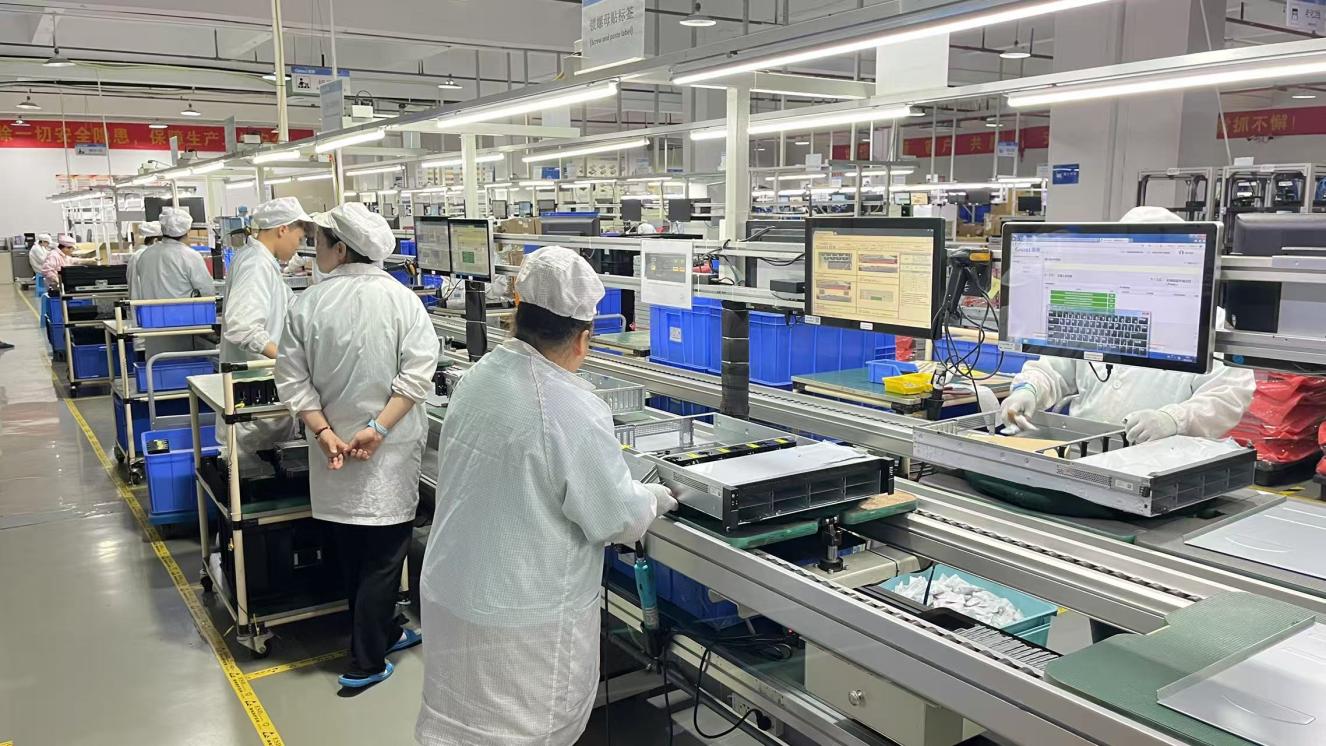
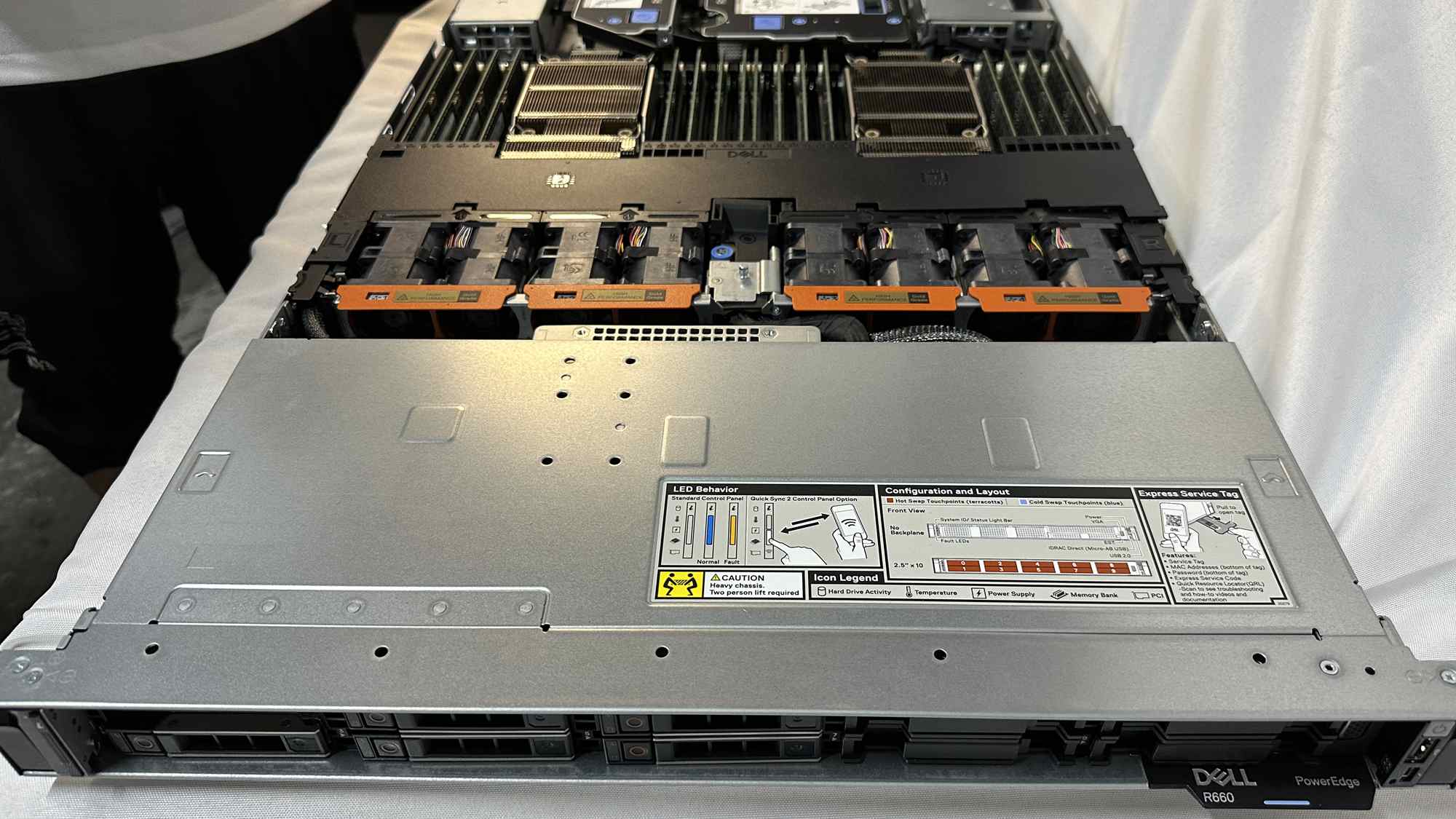
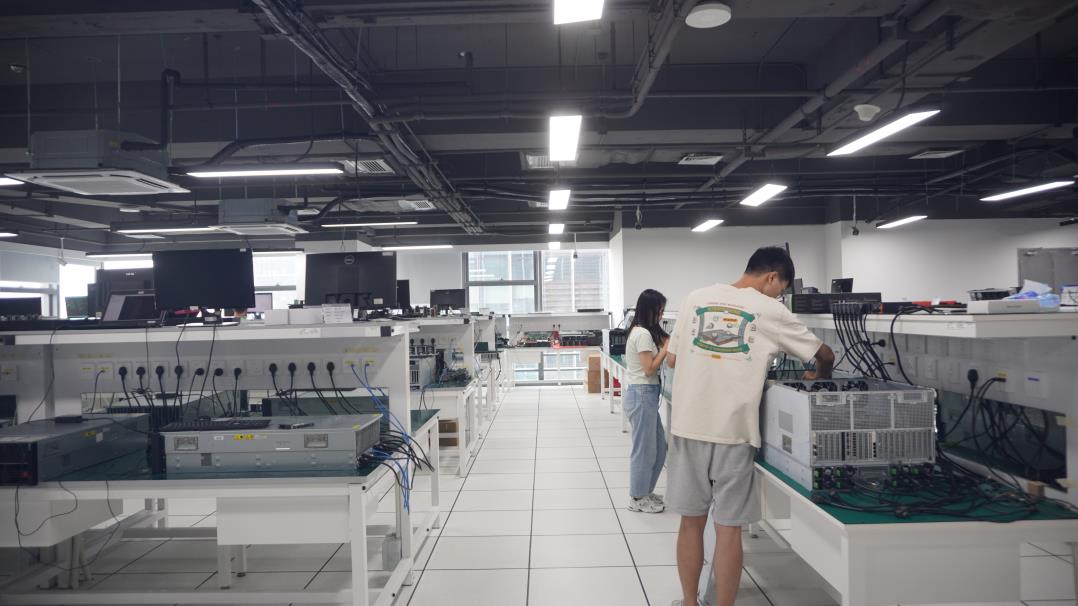
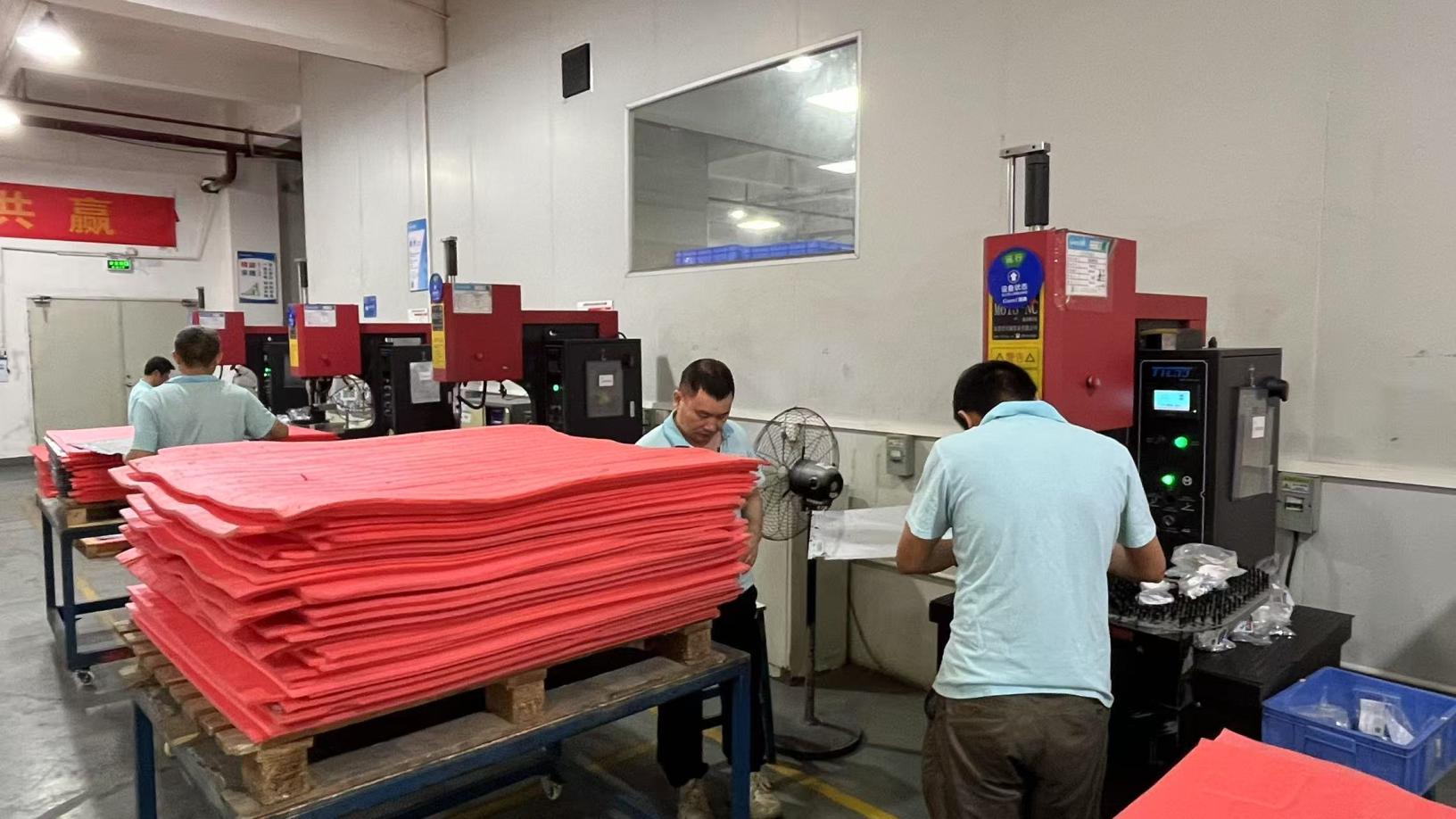
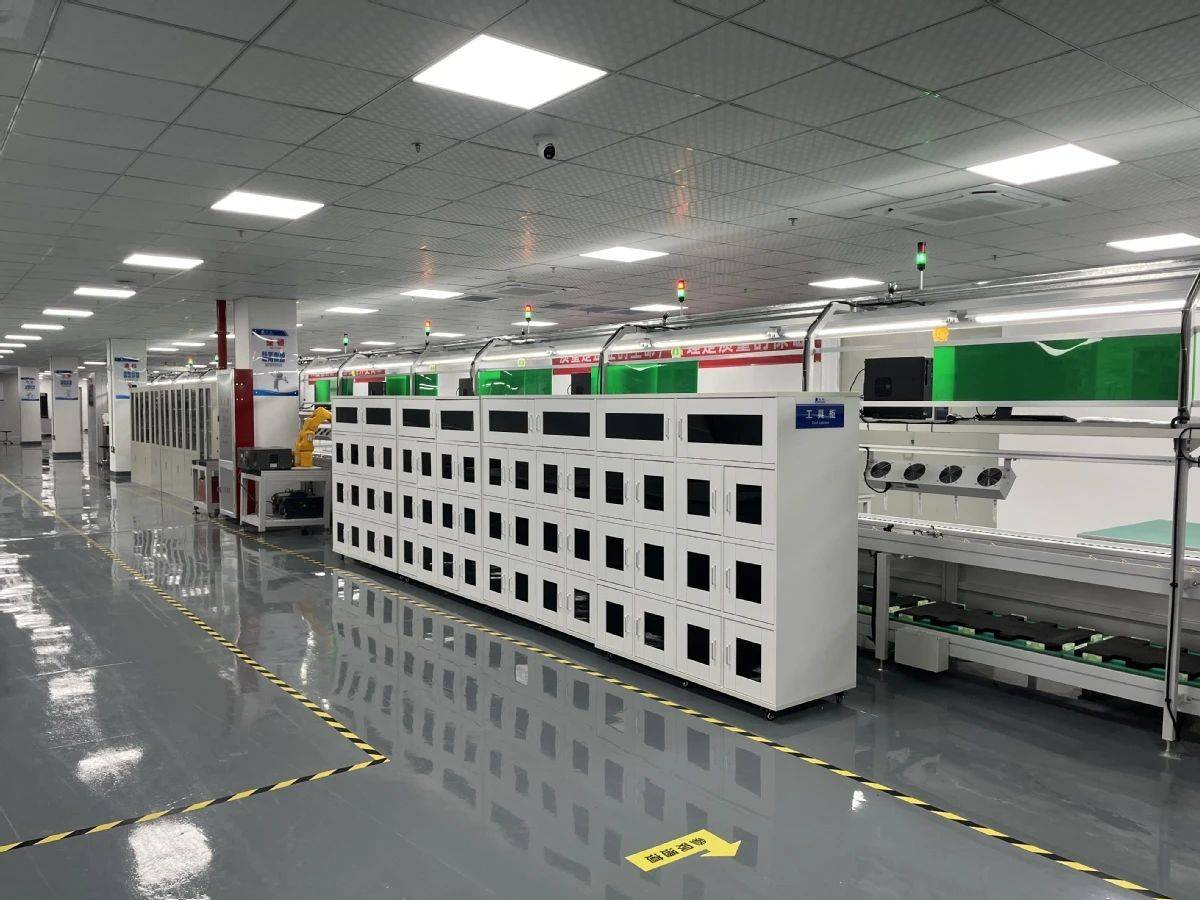
TensorNova operates a state-of-the-art server integration center covering approximately 320㎡, optimized for clean-room assembly, electrostatic discharge (ESD) sensitive component processing, and multi-node parallel diagnostic testing. Below are visual representations of TensorNova's manufacturing floor, testing labs, and assembly corridors:



Technology movements driving global procurement managers to prioritize custom, workload-optimized configurations over off-the-shelf equipment.
With models like DeepSeek, LLAMA, and high-token generative AI engines scaling, computing infrastructures must support multi-GPU topologies. Standard PCIe switches are replaced with high-bandwidth custom fabrics.
As thermal design power (TDP) for advanced processors crosses 350W-700W limits, custom servers are shifting from air-cooled chassis to direct-to-chip (D2C) and immersion liquid cooling manifolds.
Global security regulations require hardware root-of-trust (RoT). Custom server solutions allow companies to install customized open-source OpenBMC and secure boot UEFI structures.
Optimizing performance requires selecting the right specifications for the target workload. Below is how custom server suppliers map architectures to real-world deployment challenges:
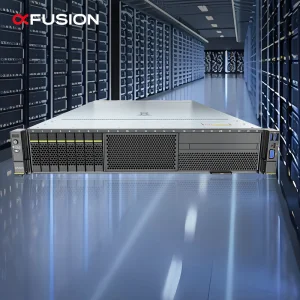
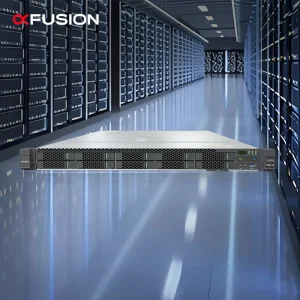
Short-depth 1U/2U rack servers configured with low-latency PCI-Express bus routes, compatible with accelerator cards and optimized for fast local video analytics or edge processing.
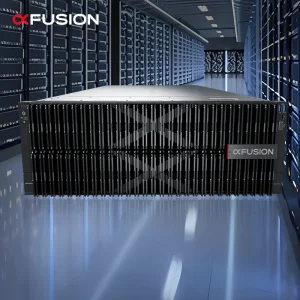
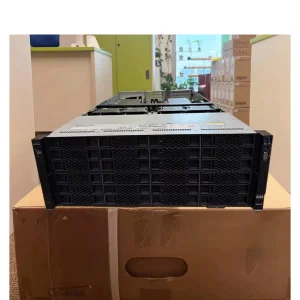
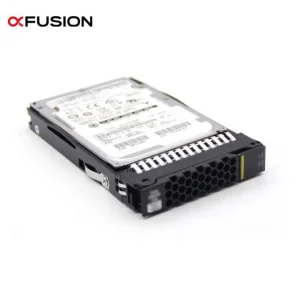
High-density 4U storage architectures populated with NVMe or high-reliability SAS hard drives managed via custom SAS3908 array controller cards (LSI 9560-16i).
Balanced virtualization hypervisors optimized with multi-channel DDR4/DDR5 ECC RAM (like XFusion DDR4 64GB 3200MHz RDIMM) to support virtual machines.
When sourcing custom hardware solutions from Chinese factories, procurement managers and engineering departments should verify the following capabilities:
Addressing key questions from international buyers, technical leads, and logistics managers.
While tier-1 manufacturers offer standardized server blocks, custom factories provide component-level selection, physical chassis design modification, custom UEFI/BIOS configurations, and specific optimization for non-standard workloads. Additionally, custom configurations reduce total cost of ownership (TCO) by removing unneeded features and simplifying layout structures.
Stability is managed through systematic verification. This includes hardware design reviews, signal integrity simulation tests for high-speed PCIe channels, components sourced from strategic partners, and strict QC testing. Every server undergoes extended hardware burn-in, thermal chamber analysis, and workload simulations before shipping.
Yes. Most custom ODM/OEM suppliers install, configure, and validate software stacks during assembly. This includes hypervisors (VMware ESXi, Proxmox VE, KVM), Linux distributions (Ubuntu, AlmaLinux, Rocky Linux), storage platforms (Ceph, TrueNAS), and specific AI toolkits (CUDA libraries, Docker runtimes).
For standard configuration servers with minor changes, lead times range from 7 to 15 business days. For deep customization (e.g., custom chassis design, unique backplane designs, and custom thermal loop configurations), development and verification cycles can take 4 to 8 weeks depending on the design scope.
Suppliers typically structure warranty and support agreements based on client requirements. This includes shipping replacement components (hot-swap PSUs, memory modules, fan units) via international express courier services, providing BMC remote debug diagnostic access, or establishing spare parts kits on-site at client data center locations.
Explore server platforms, memory configurations, and high-performance solid-state storage options engineered for mission-critical IT infrastructure.