TensorNova
TensorNova
TensorNova
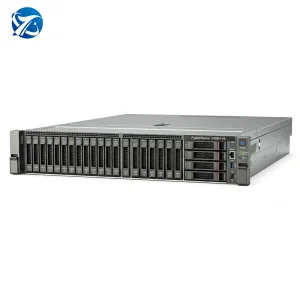
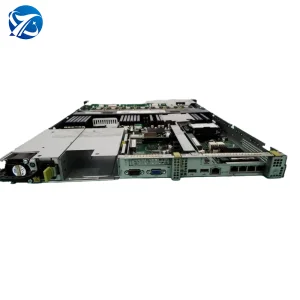
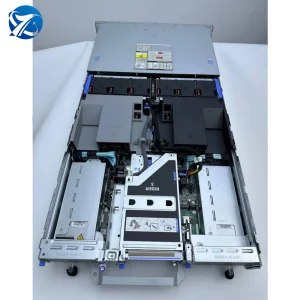
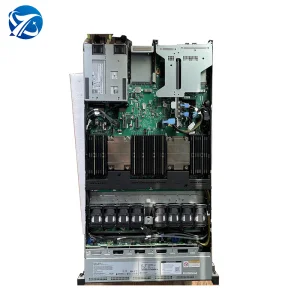
High-reliability server nodes and specialized hardware accelerators designed for enterprise integration.
In the modern computational era, enterprise IT environments demand more than discrete components. The rapid proliferation of neural-network training architectures (such as the 671B parameter DeepSeek R1 model), in-memory analytics engines (like SAP HANA), and zero-latency cloud database services has created a paradigm shift. Today, global enterprise procurement is defined by the search for Integrated IT Solutions that resolve the friction between hardware topology, thermal management, firmware compliance, and system-level performance.
As a leading high-performance AI GPU server manufacturer and infrastructure solution provider based in China, TensorNova bridges the gap between raw silicon capabilities and production-grade deployments. Established in 2016, our organization has transitioned from a specialized component integrator into a global manufacturing powerhouse. We serve cloud computing providers, research institutes, enterprise IT divisions, and high-growth AI startups across key markets including the United States, Germany, Singapore, and the United Arab Emirates.
This industry whitepaper explores the critical trends governing integrated IT systems, the strategic requirements of modern enterprise buyers, the engineering workflows driving China's Factory 4.0 revolution, and the rigorous quality validation pipelines required to deploy mission-critical systems at scale.
Key drivers behind the structural upgrade of modern enterprise computing nodes.
Traditional CPU-only server configurations are giving way to GPU-accelerated computing nodes. Deep learning models demand massive parallelization, necessitating dense cluster topologies and high-bandwidth interconnects to prevent latency bottlenecks during parameter backpropagation.
As single-node power draws climb past 10kW per rack unit, conventional forced-air cooling reaches its thermodynamic limit. The industry is rapidly adopting hybrid direct-to-chip liquid loops and full immersion cooling systems, lowering Power Usage Effectiveness (PUE) ratios to meet strict environmental mandates.
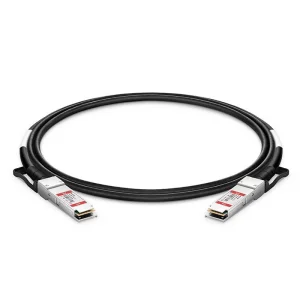
High-density data fabrics rely on optical technologies like 32Gb/s SFP28+ transceivers and QSFP+ 10G/40G direct-attach cables. Deploying these low-latency links prevents storage packet drops and supports high-throughput SAN/NAS arrays under heavy operational workloads.
Purchasing agents, Chief Technology Officers (CTOs), and IT infrastructure architects operate under complex cost and performance constraints. Evaluating custom hardware deployment options reveals several core priorities:
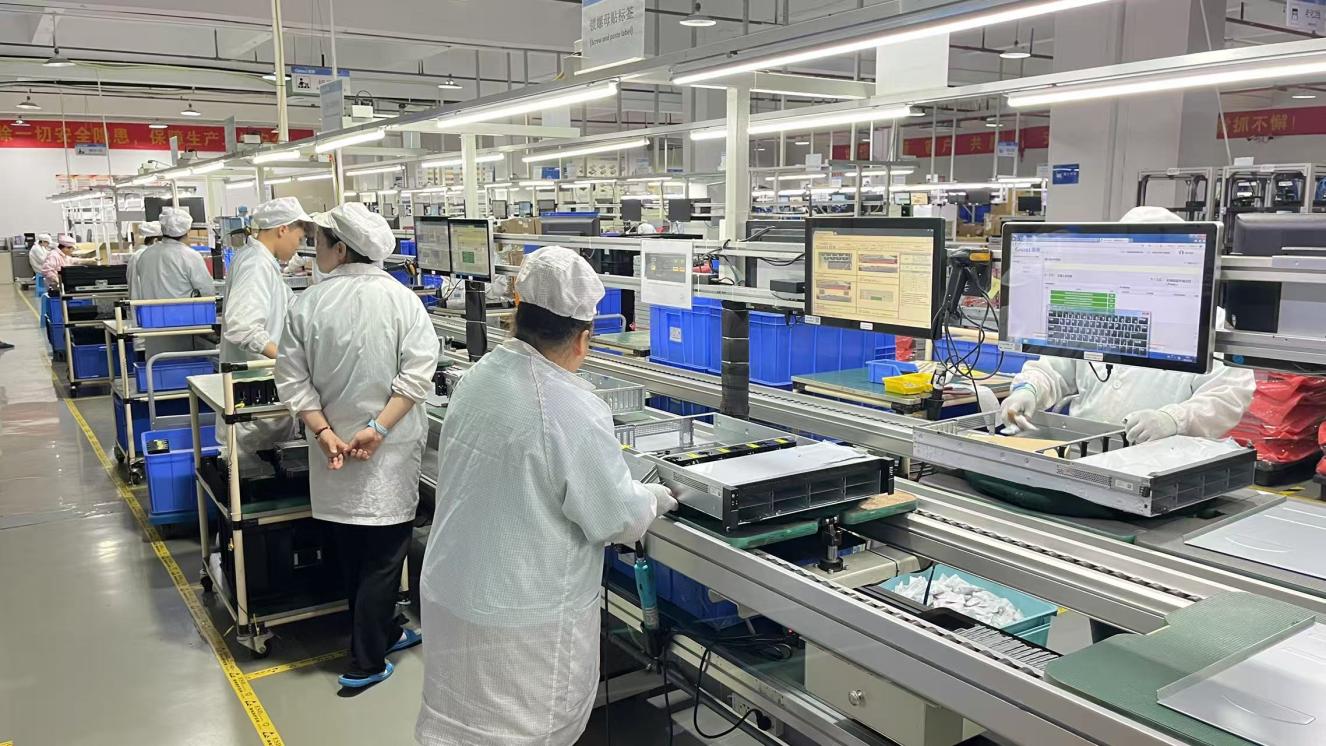
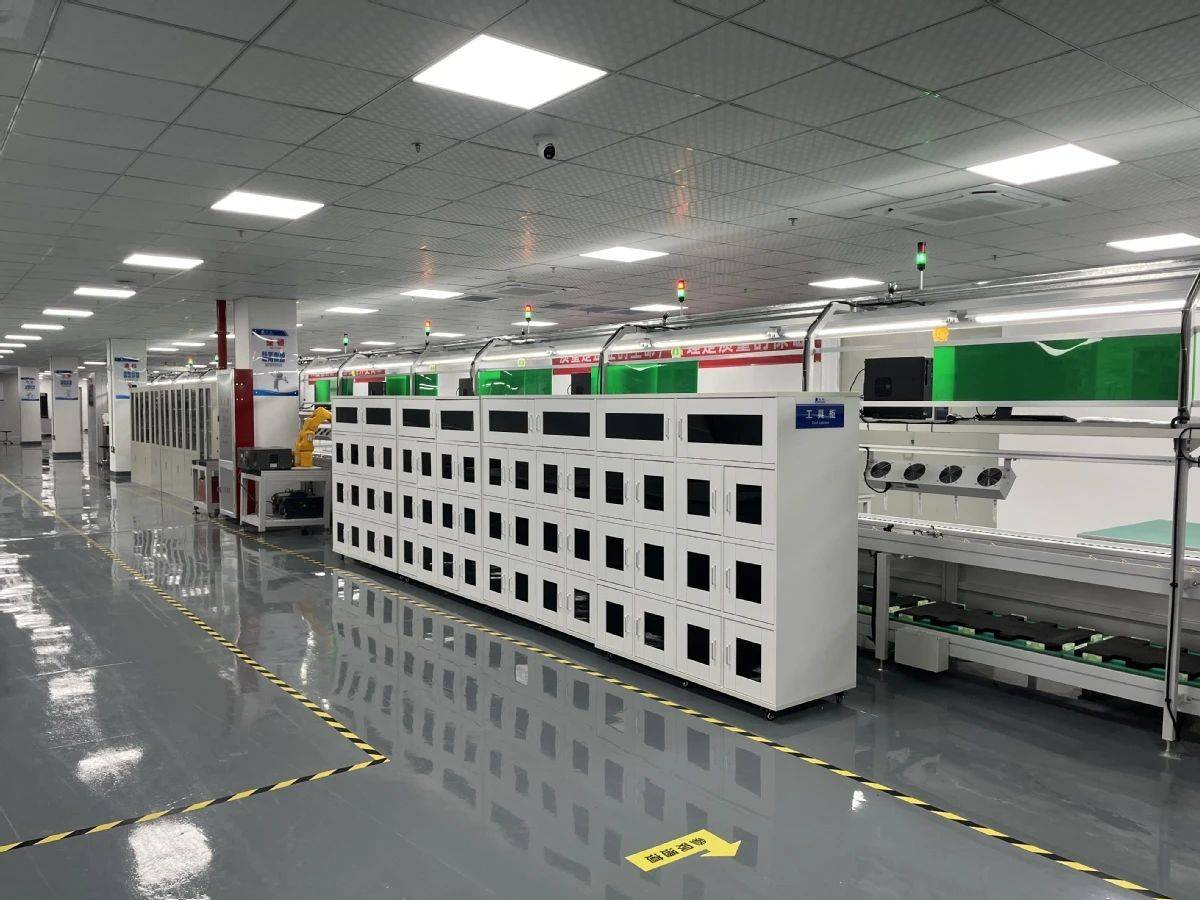
Operating a modern server production facility in China provides clear advantages in supply chain coordination and velocity. At TensorNova, our 320㎡ advanced integration facility is supported by a domestic network of over 1,200 component partners and global suppliers. This density of nearby suppliers allows us to bypass global logistics bottlenecks, accelerating raw material sourcing and lowering lead times compared to traditional Western manufacturers.
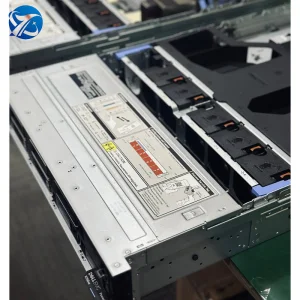
This localized ecosystem enables rapid prototype iteration, fast turnaround on custom metal stampings for chassis variations, and streamlined compatibility verification across diverse storage devices, host bus adapters (HBAs), and network interfaces. Our supply chain configuration supports agile development, allowing us to launch more than 320 new products annually to keep pace with rapid silicon development cycles.
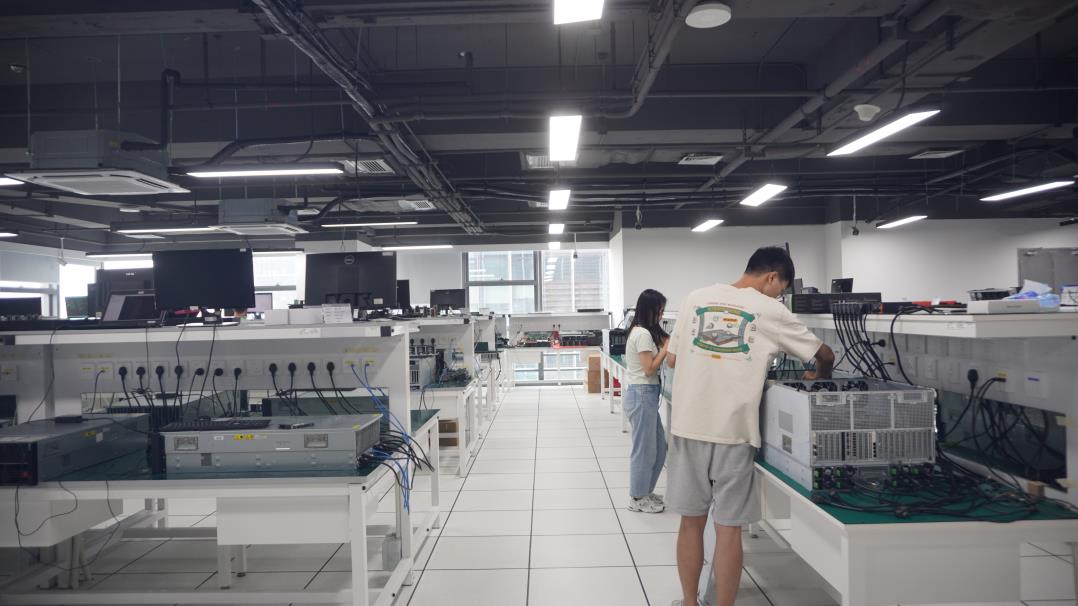
How TensorNova's 45 QC professionals maintain ISO9001 compliance and product reliability.
Subjecting computational nodes, PCIe pathways, and memory modules to extreme synthetic workloads to identify component infant mortality issues prior to shipment.
Verifying internal airflow dynamics, chassis heat dissipation, and cooling loop integrity inside environmental chambers at maximum operational temperatures.
Running continuous server operations under maximum thermal load for 72+ hours to confirm power supply stability, signal integrity, and firmware reliability.
Deploying target software profiles (e.g., DeepSeek AI models or SAP HANA instances) to evaluate execution speeds, memory access patterns, and driver compatibility.
Integrated IT solutions are defined by how effectively they perform in real-world application environments. The following deployment configurations address common industrial and enterprise workloads:
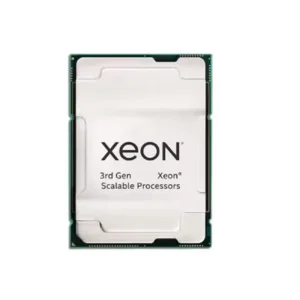
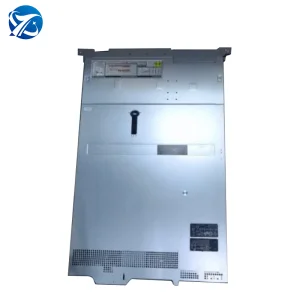
Large enterprise databases demand high memory density and multi-socket compute configurations to avoid paging issues. High-End 4-Socket servers running Intel Xeon scalable processors allow organizations to consolidate database instances onto a single hardware node. In these setups, maintaining low-latency memory pathways and high-bandwidth interconnects is critical to support massive concurrent transaction volumes.
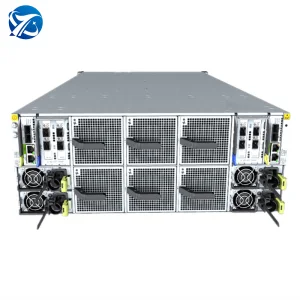
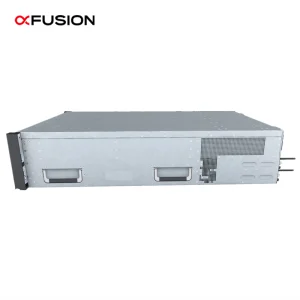
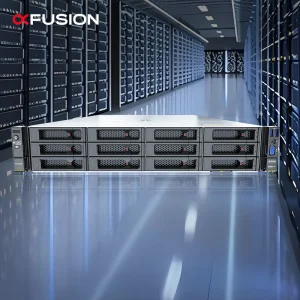
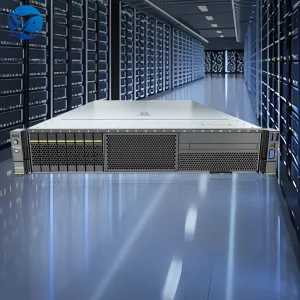
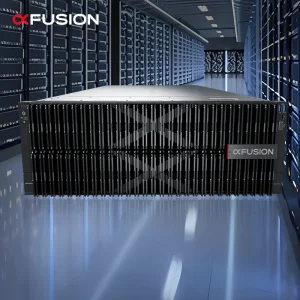
Training models like DeepSeek R1 require multi-GPU nodes linked by low-latency networks. GPU server configurations, such as the xFusion G5200 series, leverage PCIe Gen 4/5 slots and high-speed cabling to support direct GPU-to-GPU communications. This structure prevents network bottlenecks, ensuring training datasets flow to compute cores at scale.
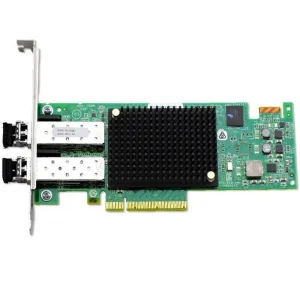
Modern cloud centers rely on storage solutions that integrate fiber channel connectivity with high-density server configurations. Using PCIe Host Bus Adapters (like the Emulex LPE35000 32Gb/s FC SFP28+) with high-capacity NAS enclosures ensures fast data replication and reliable backup pipelines across enterprise cloud nodes.
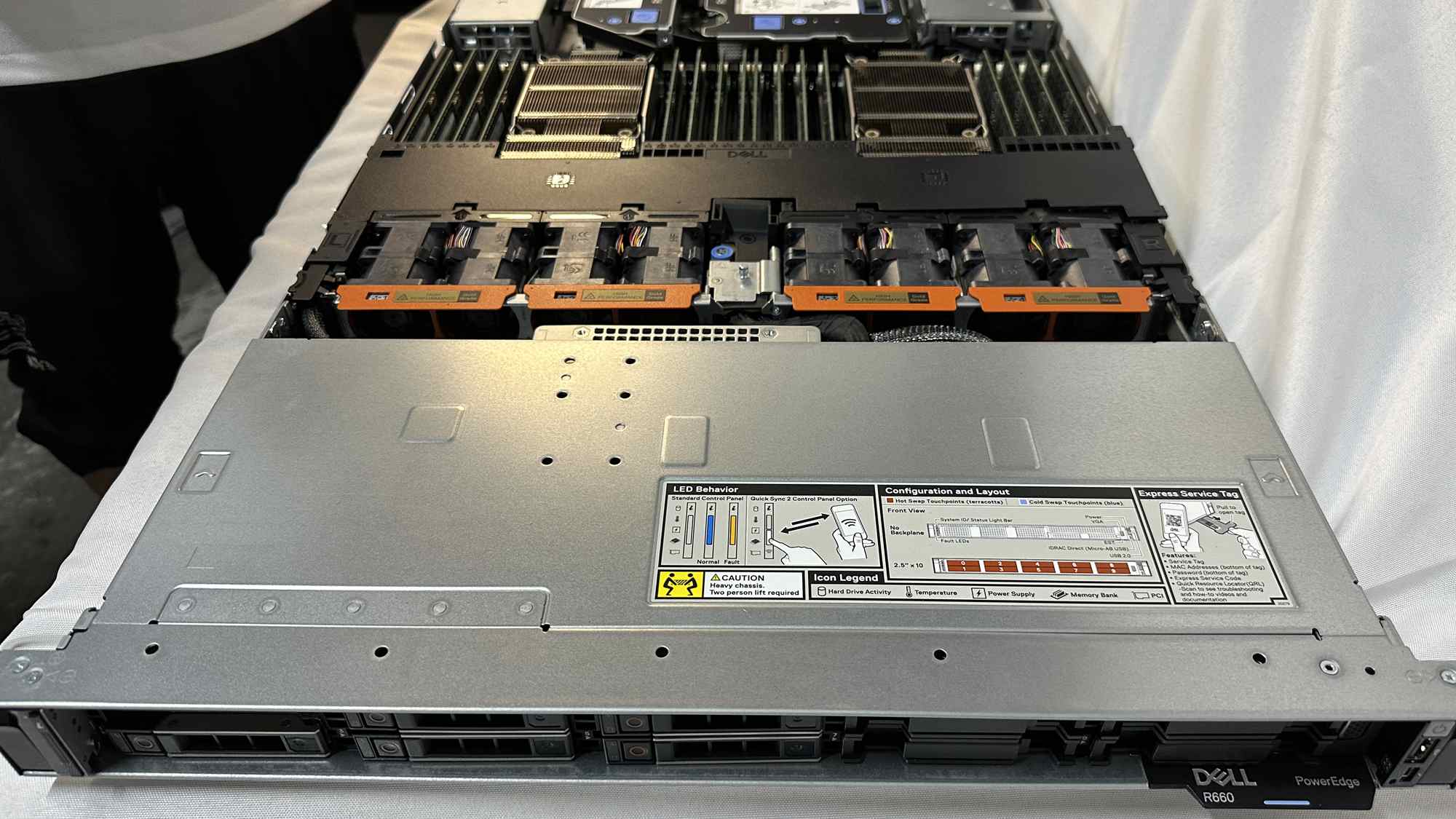
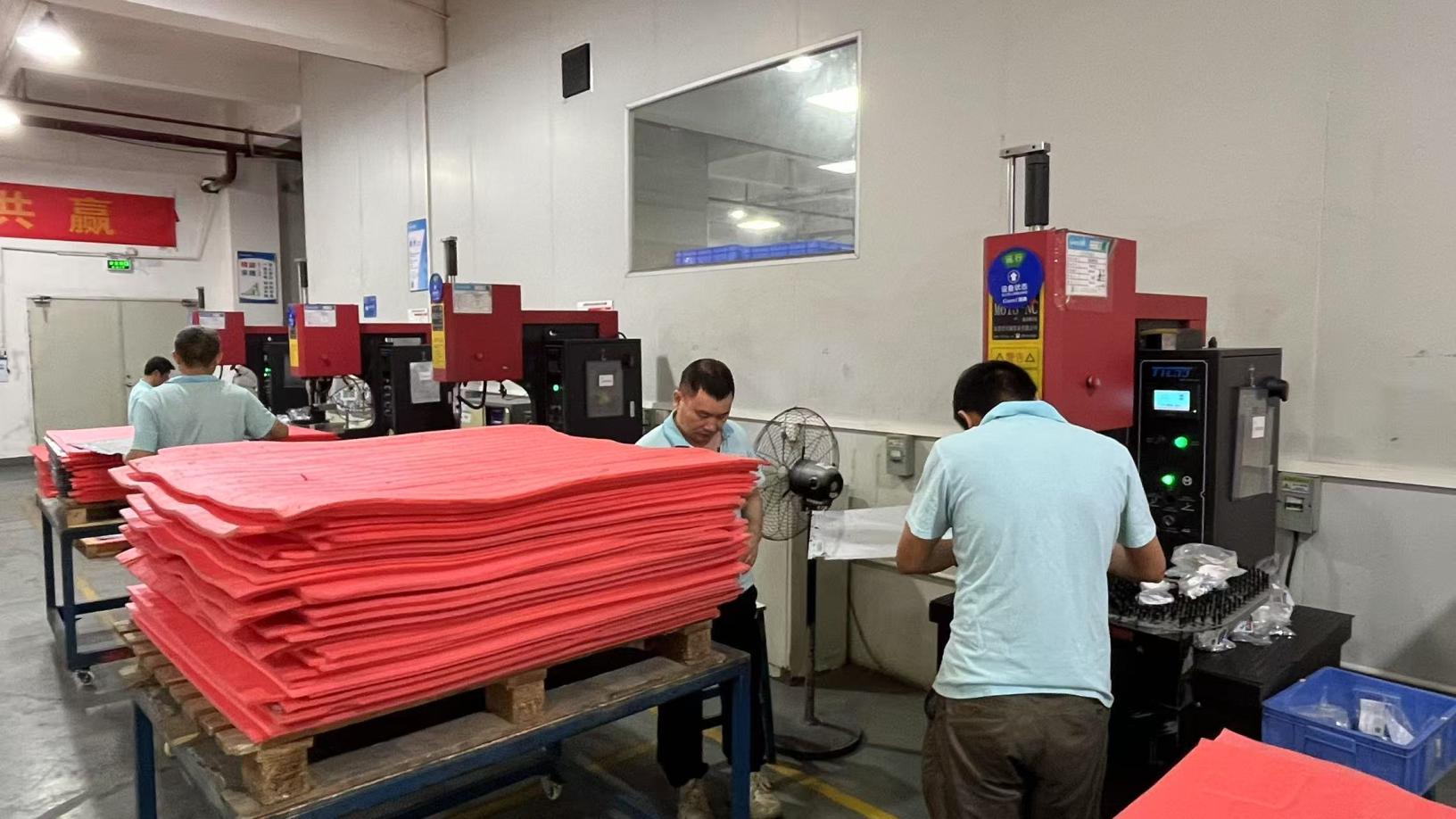
A visual overview of our advanced server integration, validation, and manufacturing facilities in Shenzhen.



Technical guidance and insights for global IT procurement managers.
High-density platforms, custom rack configurations, and specialized network interfaces for enterprise deployment.