TensorNova
TensorNova
TensorNova
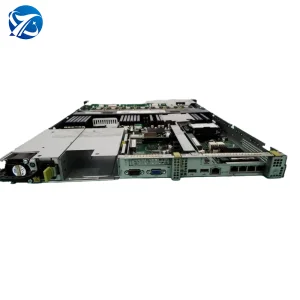
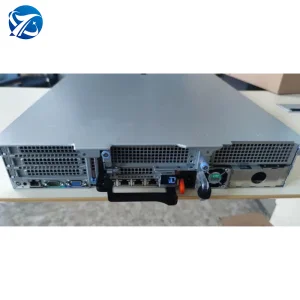
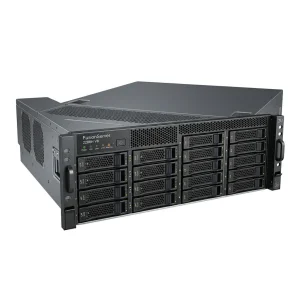
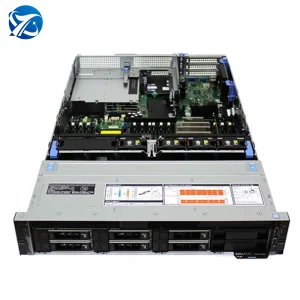
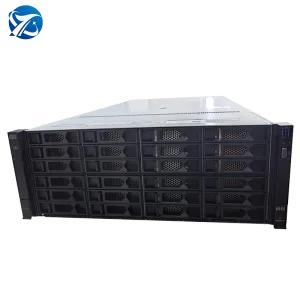
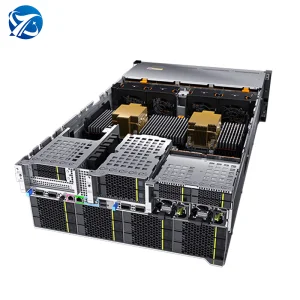
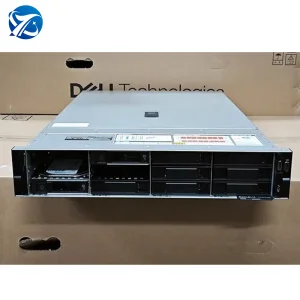
As digital boundaries expand through dynamic cloud platforms and hybrid workloads, the demand for enterprise-tier physical security hardware and strategic software layers is higher than ever.
Modern threat mitigation has moved past basic firewall architectures. Enterprises are handling vast streams of unstructured packet data that must be audited in real-time. This processing depth requires highly reliable network security appliances supported by powerful cloud data servers and high-capacity system storage.
To counter persistent modern threats, global security systems utilize deep learning, artificial intelligence (like DeepSeek models), and heuristic scanning. Hardware platforms must support extreme data throughput without bottlenecking operations, which drives the demand for high-performance rack servers from top-tier security and compute providers.
A detailed breakdown of the premier technological pioneers delivering next-generation firewalls (NGFW), endpoint protection, zero-trust frameworks, and high-performance security hardware hosting.
A global leader in modern enterprise security, Palo Alto Networks set the industry standard with its Next-Generation Firewalls (NGFW) and cloud-centric Prisma Security ecosystem. Their platforms run on highly tailored computing hardware designed to handle heavy deep-packet inspection (DPI) loads without throughput loss.
Fortinet is recognized for its custom FortiASIC processors that power their FortiGate appliances. This focus on hardware acceleration makes them a top choice for enterprises requiring high-performance processing capabilities, combining networking and security into a single operating system (FortiOS).
As a foundational developer of global networking hardware, Cisco integrates security directly into enterprise routing, switching, and cloud environments. Leveraging platforms like Cisco SecureX and Duo, they provide an expansive hardware-software security ecosystem that scales from small branches to massive multi-cloud data centers.
Known for its Infinity Architecture, Check Point provides comprehensive prevention-focused security solutions across networks, cloud, and mobile environments. Their advanced software layers are routinely validated on top-tier server configurations to maximize threat prevention metrics.
Operating a cloud-native model, CrowdStrike redefined endpoint security with its Falcon platform. By deploying AI and machine learning at the edge, they process trillions of security events daily. Falcon's cloud infrastructure relies on massive, scalable data centers powered by GPU cluster servers.
Cloudflare protects global web operations through an expansive edge network. Providing integrated DNS routing, DDoS mitigation, and edge API protection, they turn the internet edge into a secure security perimeter, supported by localized hardware deployments worldwide.
As a leading cloud security provider, Zscaler pioneered the Zero Trust Exchange. They routing all traffic securely to cloud applications, eliminating the corporate network as an attack surface and relying heavily on high-throughput data processing centers.
Juniper secures enterprise routing with their SRX firewall series, powered by AI-driven Mist systems. This framework optimizes user experiences while maintaining deep application security controls across distributed WAN nodes.
Sophos delivers synchronized security systems, connecting endpoint agents with firewall hardware to share threat intelligence instantly. This approach automates incident response, blocking threats at the network boundary the moment an endpoint is compromised.
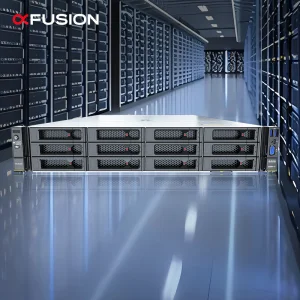
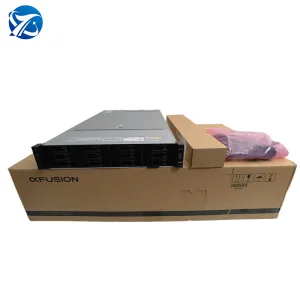
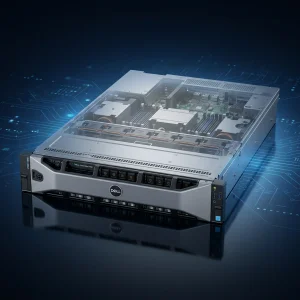
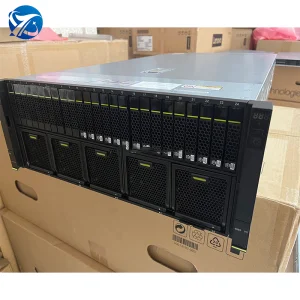
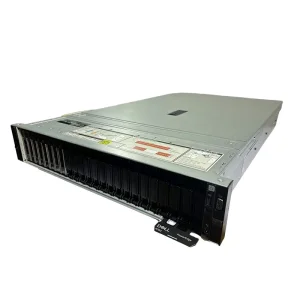
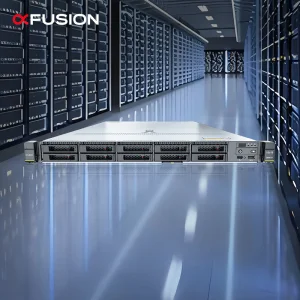
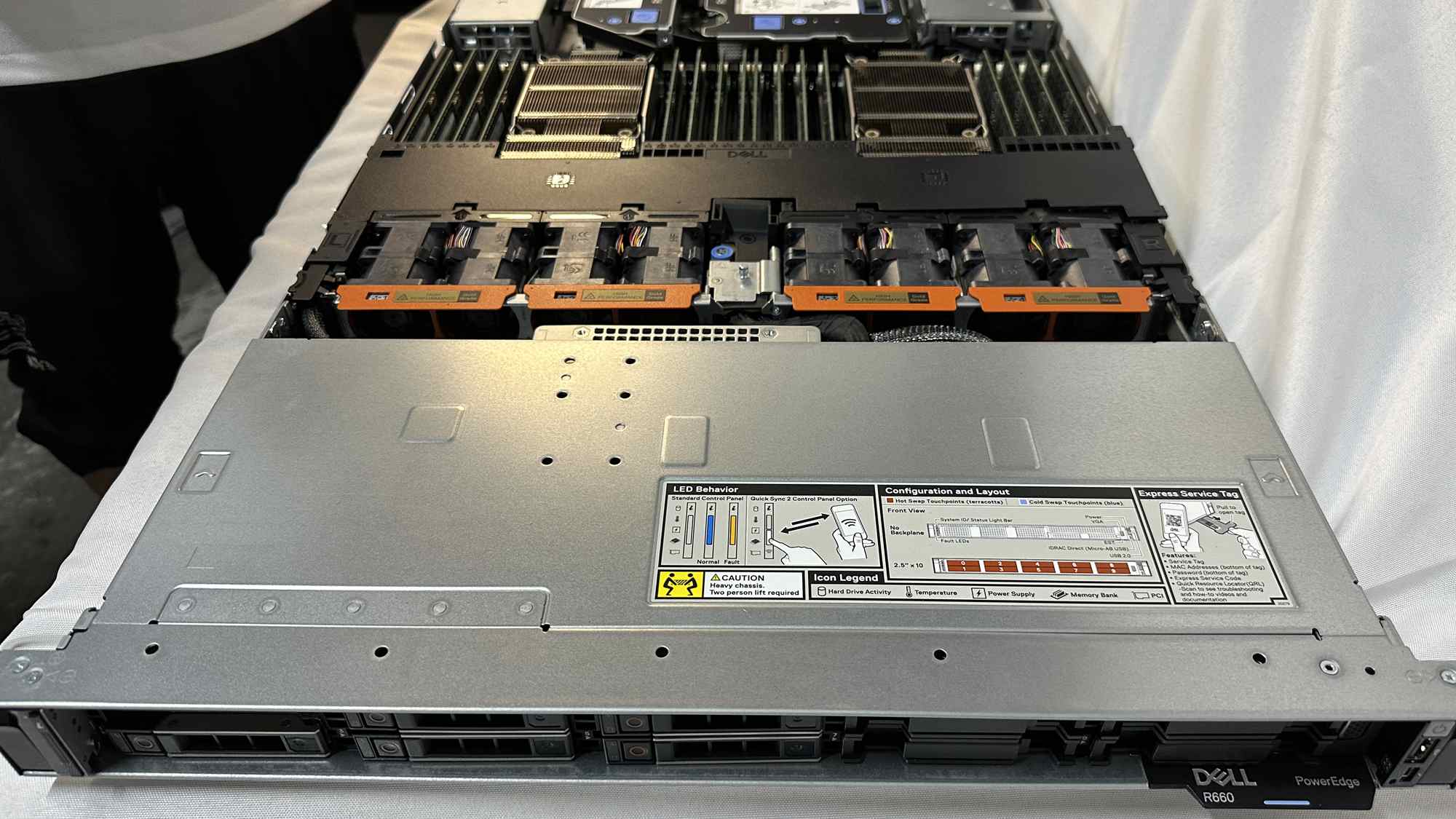
As high-performance network security workloads shift toward AI models and massive deep-packet analysis, specialized hardware infrastructure manufacturers are critical. TensorNova provides custom high-density server configurations, GPU computing architectures, and storage systems that serve as the physical backbone for AI-driven security analysis, log parsing, and private cloud hosting.
The integration of deep learning, advanced hardware acceleration, and the shift toward software-defined perimeter control.
Leveraging AI workloads like DeepSeek-optimized data parsers directly within localized server architectures to analyze traffic patterns and shut down attacks before they spread.
High-density computing generating substantial thermal output requires modern cooling technologies. Custom air and liquid cooling designs keep edge systems operating efficiently under continuous load.
Transitioning corporate access models to hybrid environments, merging secure web gateways, cloud firewalls, and data loss prevention systems into single hardware-accelerated streams.
Providing customizable server, GPU, and NAS hardware platforms engineered to host enterprise-tier network security systems.
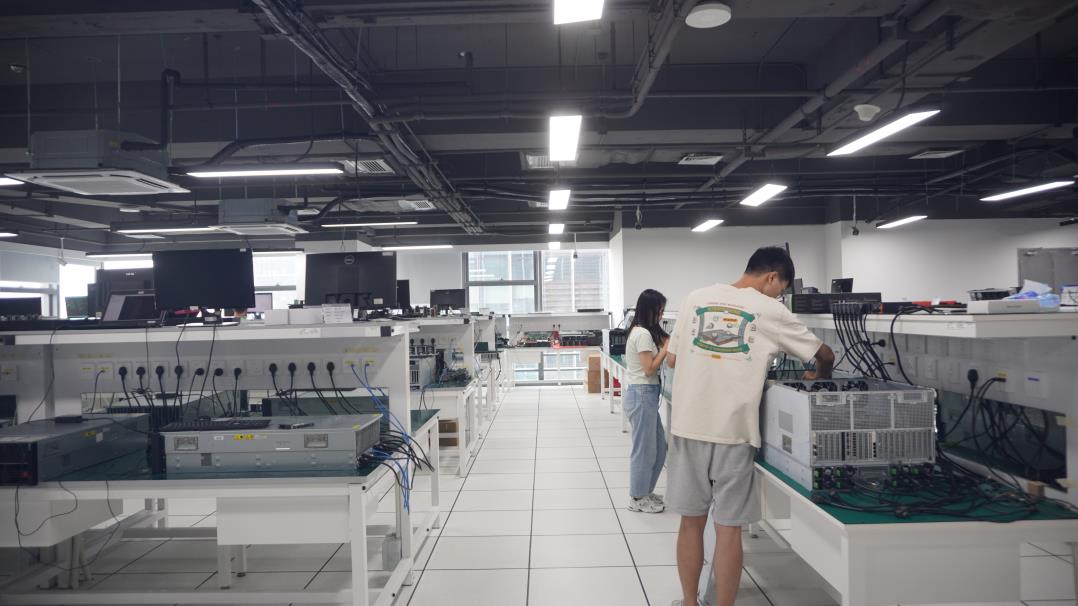
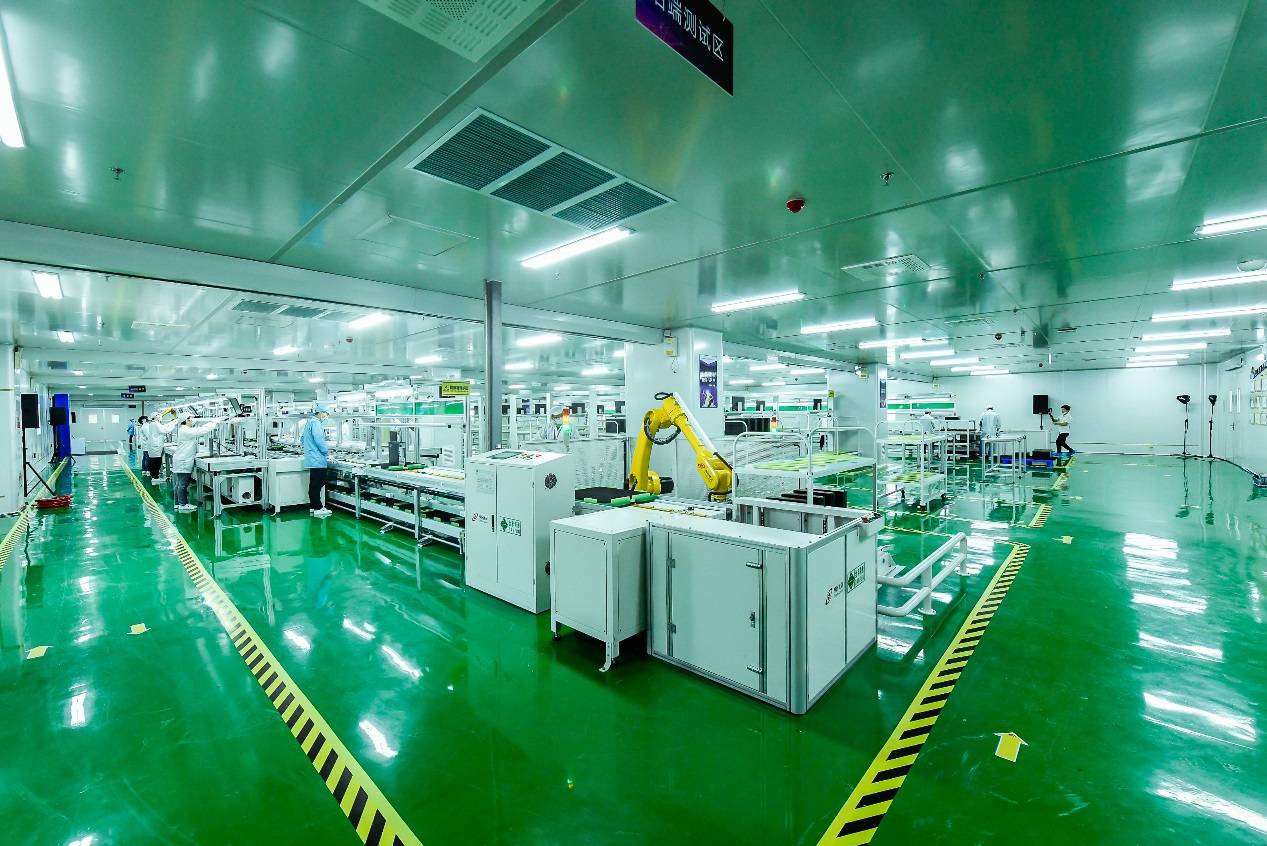
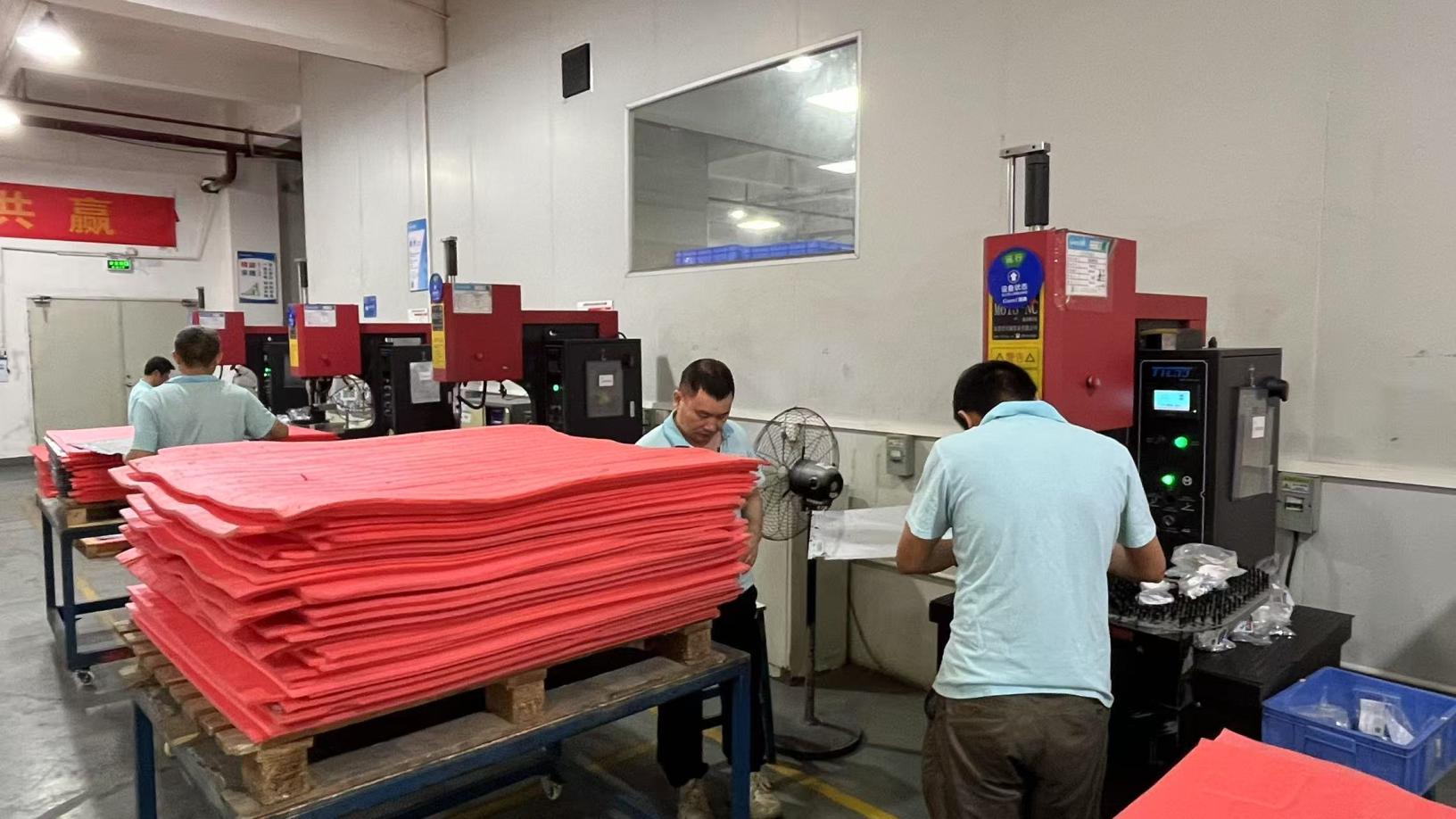
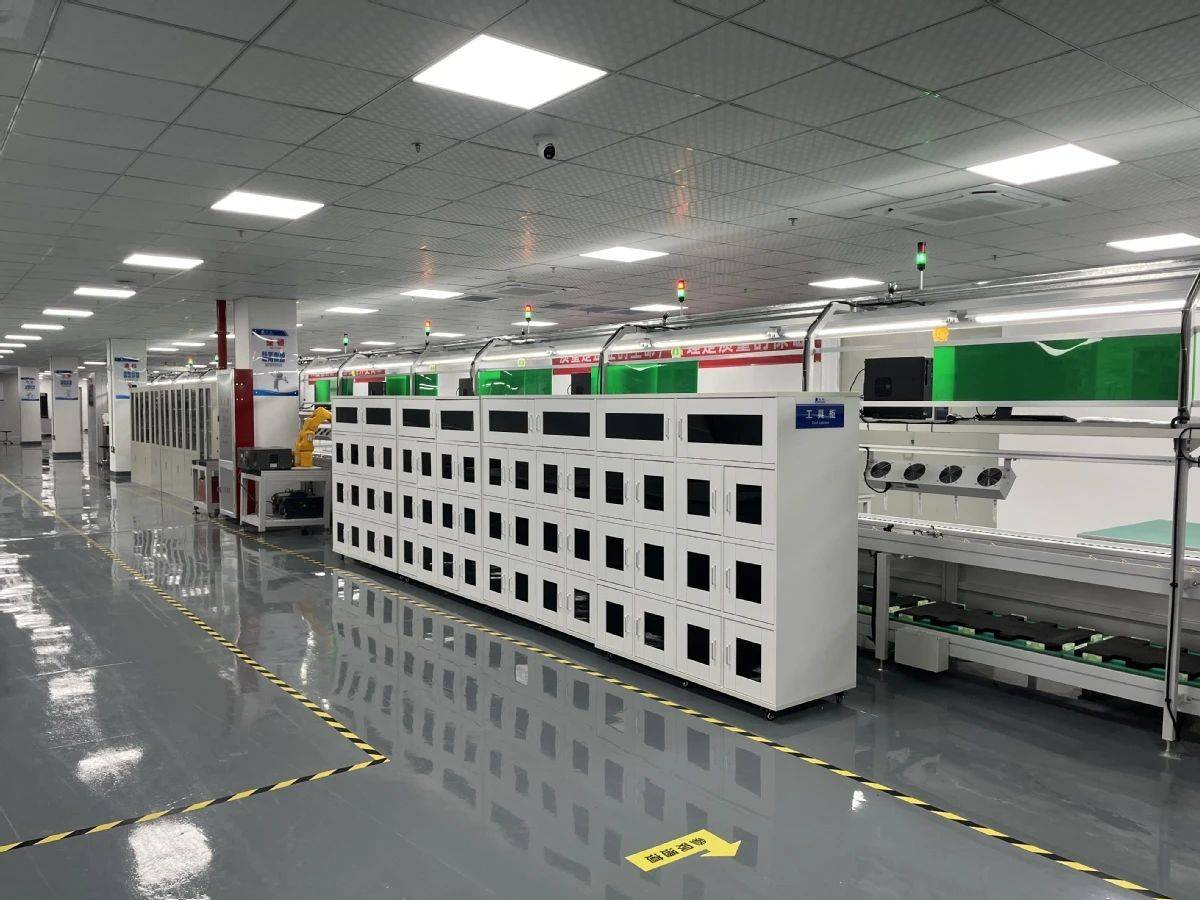
Reliable hardware is essential for hosting network security components. TensorNova maintains a 320㎡ modern production facility, utilizing strict ISO9001-based quality management systems to test every system that leaves our floor.
Our verification processes utilize a team of 45 dedicated quality control specialists running automated hardware stress tests, thermal validations, and AI workload simulations. This ensures our servers handle high cryptographic loads without failure.
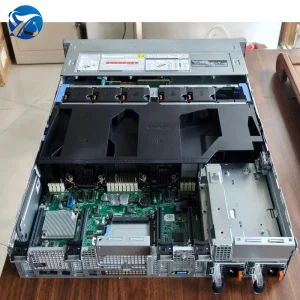
Whether you require custom motherboard tuning, specialized chassis dimensions, or dual-socket configurations (such as Xeon or EPYC systems), we provide tailored builds to match your specific networking needs.
We support continuous innovation, having launched 320+ new products last year, ranging from next-generation AI GPU servers to hyperconverged storage systems.



Operating across international borders requires strict alignment with localized network security frameworks and physical equipment standards.
Our server assemblies comply with key international standards (including ISO9001 and CE requirements), ensuring hardware configurations meet local data sovereignty parameters.
Operating logistics channels to serve primary markets in North America, Europe, Germany, Singapore, and the UAE, maintaining secure deliveries through trusted freight systems.
Providing direct coordination with engineering teams globally to resolve custom hardware configuration requirements and technical integration questions.
Addressing common inquiries from CIOs and security architects concerning modern hardware deployments.