TensorNova
TensorNova
TensorNova
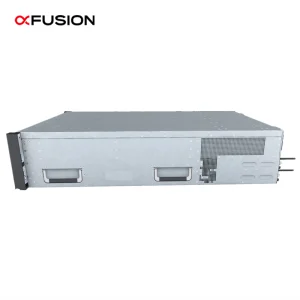
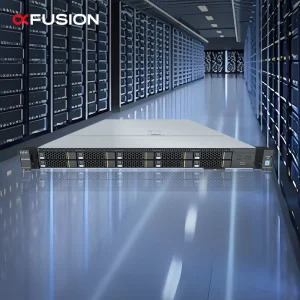
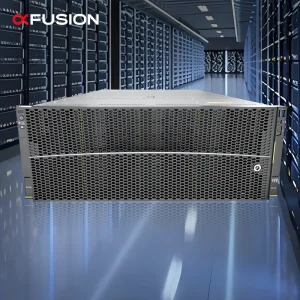
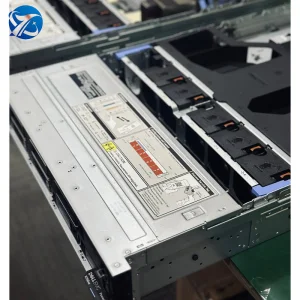
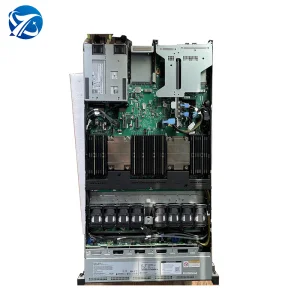
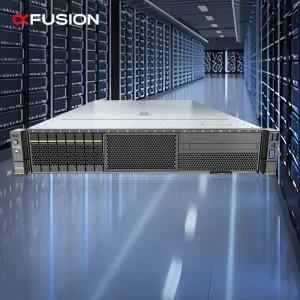
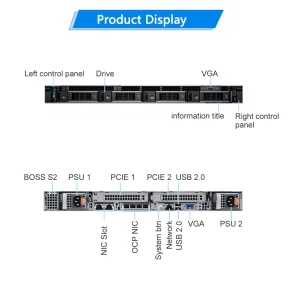
Leading-edge servers and GPU nodes designed to integrate seamlessly with standard PDU systems.
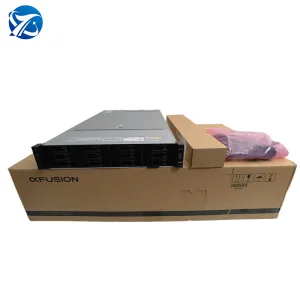
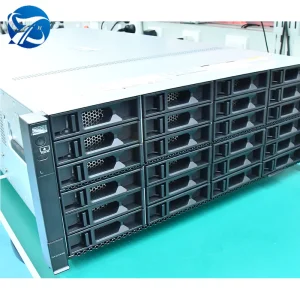
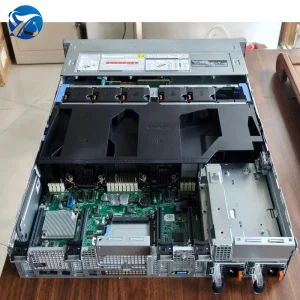
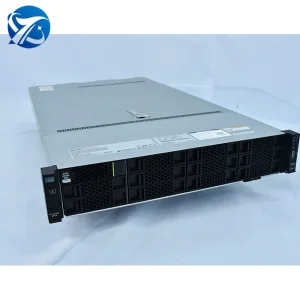
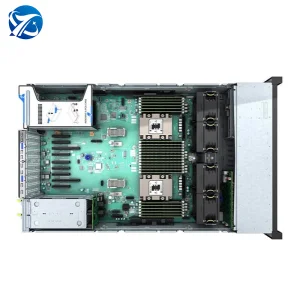
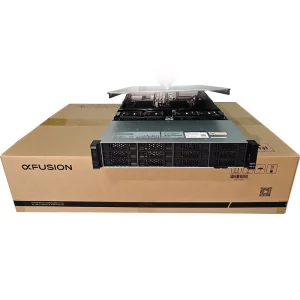
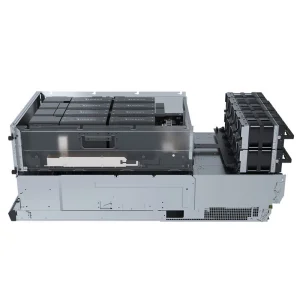
The industrial and structural shifts driving high-density power distribution across next-generation hyper-scale facilities.
In the era of massive AI computing, deep learning clusters, and extreme computing load requirements, Power Distribution Units (PDUs) have transitioned from passive mechanical power strips into highly complex, network-connected power management nodes.
Understanding the key categories and operational parameters required for modern mission-critical applications.
Designed for basic, cost-effective power distribution. They supply reliable electrical paths to multiple hardware receptacles without network connectivity or internal sensors. Ideal for stable, non-varying workloads and isolated secondary network closets.
Featuring local LED displays and network-capable controllers. These units continuously log aggregate and phase-level current draw, helping prevent circuit overloads. Perfect for checking power overheads and maintaining load balancing across multi-phase inputs.
Providing granular control with the ability to remotely cycle individual outlets. They measure power metrics (kWh, W, VA, PF) down to the specific socket, enabling precise optimization, automated sequential boot patterns, and remote reboot capabilities.
An objective industry assessment based on research and quality standards.
| Supplier Name | Headquarters | PDU Specializations | Key Industrial Strengths |
|---|---|---|---|
| Schneider Electric (APC) | France / USA | Intelligent, Switched, and Modular Rack PDUs | Industry-standard NetShelter systems, native EcoStruxure software integration. |
| Eaton Corporation | Ireland / USA | High-density, G3 Platform, ePDU line | Daisy-chain network interfaces, high temperature thresholds (up to 60°C). |
| Legrand (Raritan & Server Technology) | France / USA | Smart PDUs, High-density outlet technology (HDOT) | Premium outlet-level switching, bi-color chassis options for A/B power pathways. |
| Vertiv (Geist) | USA | Customized, Upgradeable, Switched & Monitored PDUs | Hot-swappable intelligence modules, custom configuration paths for hyper-scale players. |
| Delta Electronics | Taiwan, China | 3-phase systems, High-power server cabinets | High-efficiency power converters, strong integration with APAC hyper-scale sites. |
| Panduit | USA | SmartZone™ G5 Intelligent PDU line | Strong environmental sensor arrays, robust cable management integration. |
| CyberPower Systems | USA / Taiwan | Basic, Metered, and Switched PDUs | Cost-effective options for mid-market setups and robust regional distribution channels. |
| Rittal | Germany | VX IT System Architecture & Industrial Enclosure PDUs | IP-rated industrial casings, seamless fit with modular European data centers. |
| Tripp Lite (Eaton Brand) | USA | Auto-Transfer Switch (ATS) & Switched PDUs | Dual-input redundancy configurations, popular in retail and branch edge markets. |
| TensorNova | China | Customized Server Power Integration & AI-Optimized Rack PDU Architecture | Direct hardware optimization, ISO9001 certified production, custom high-density AI configurations. |
High-Performance AI GPU Server Manufacturer & Infrastructure Solution Provider
Ensuring hardware reliability through automated processes and strict inspection standards.
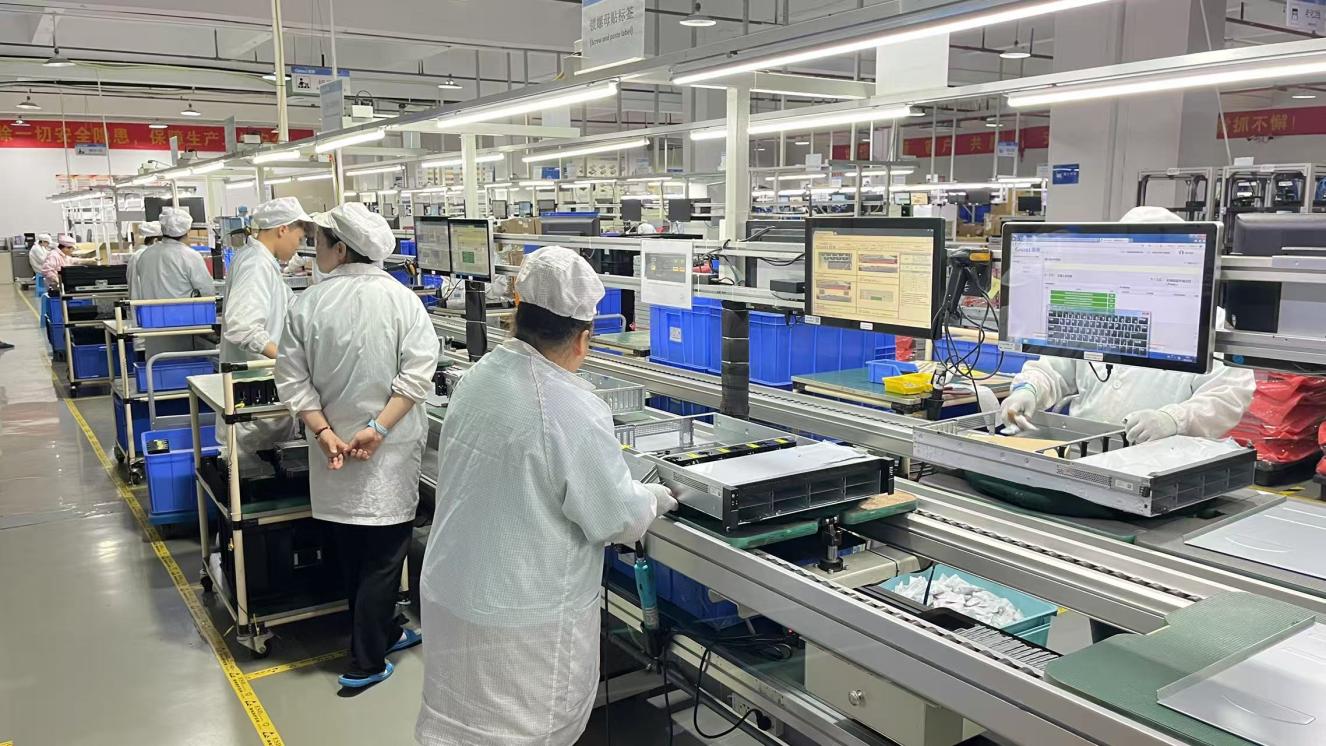
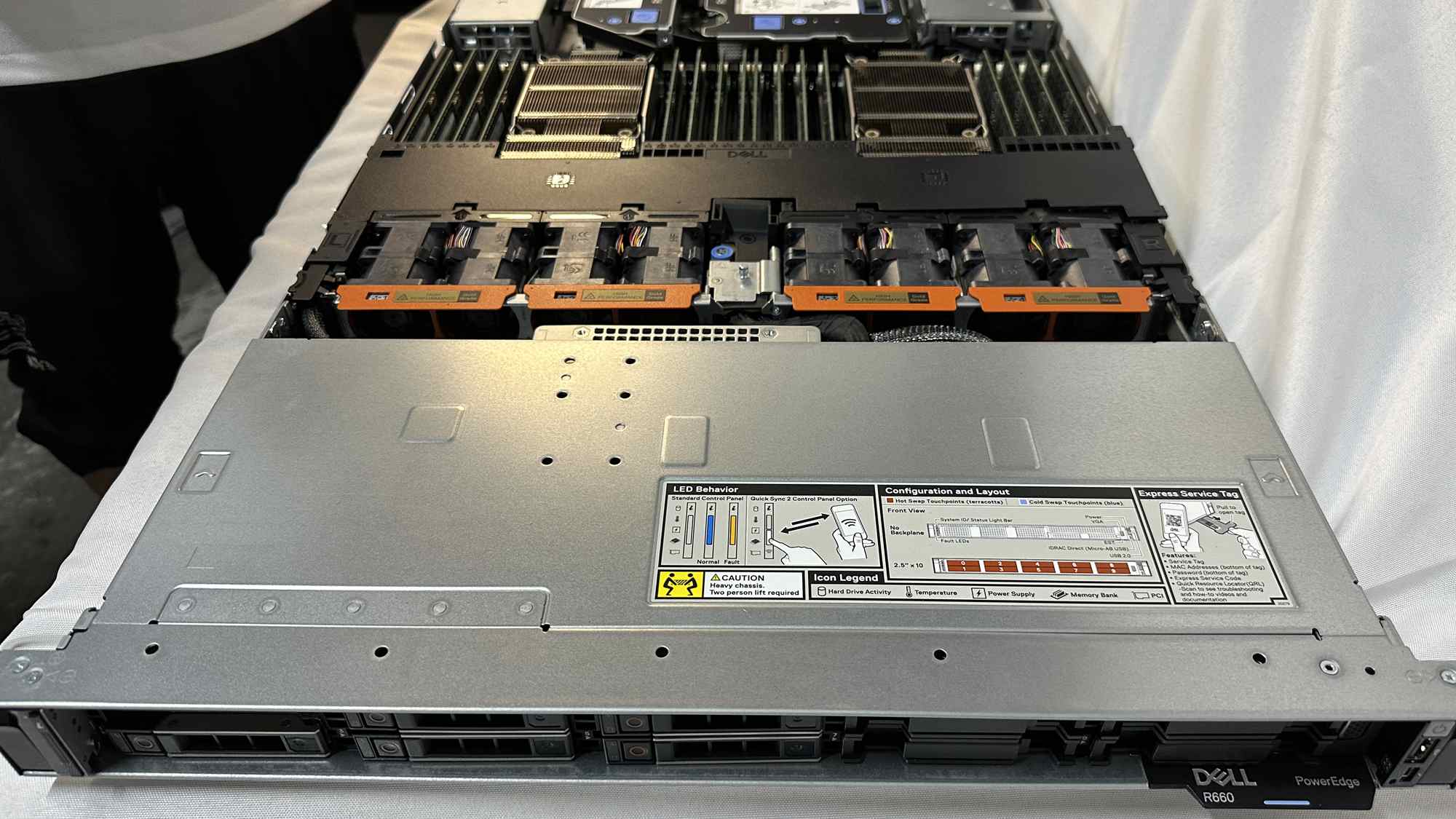
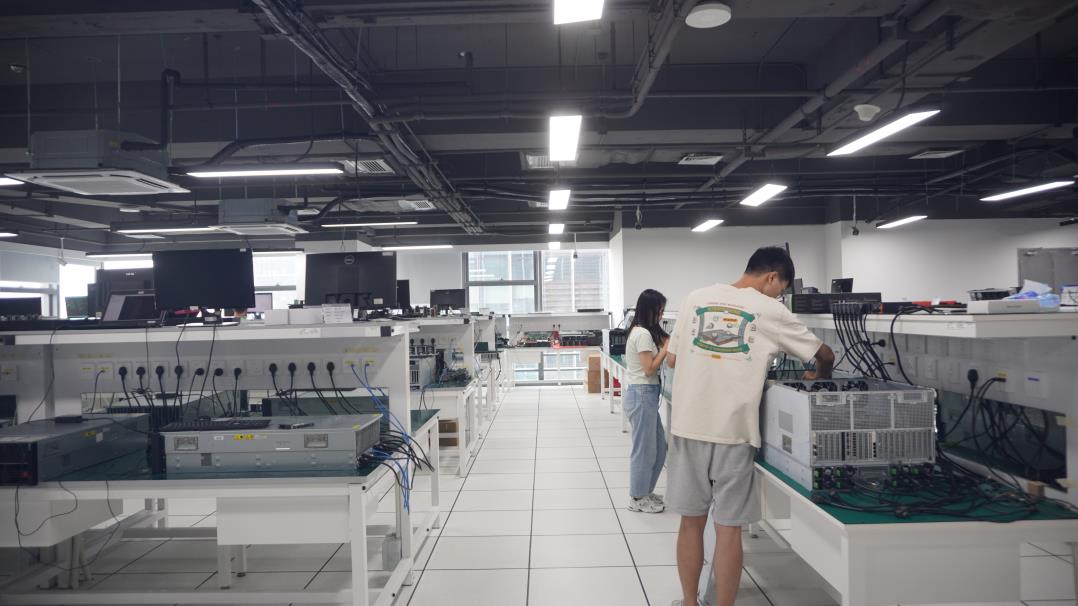
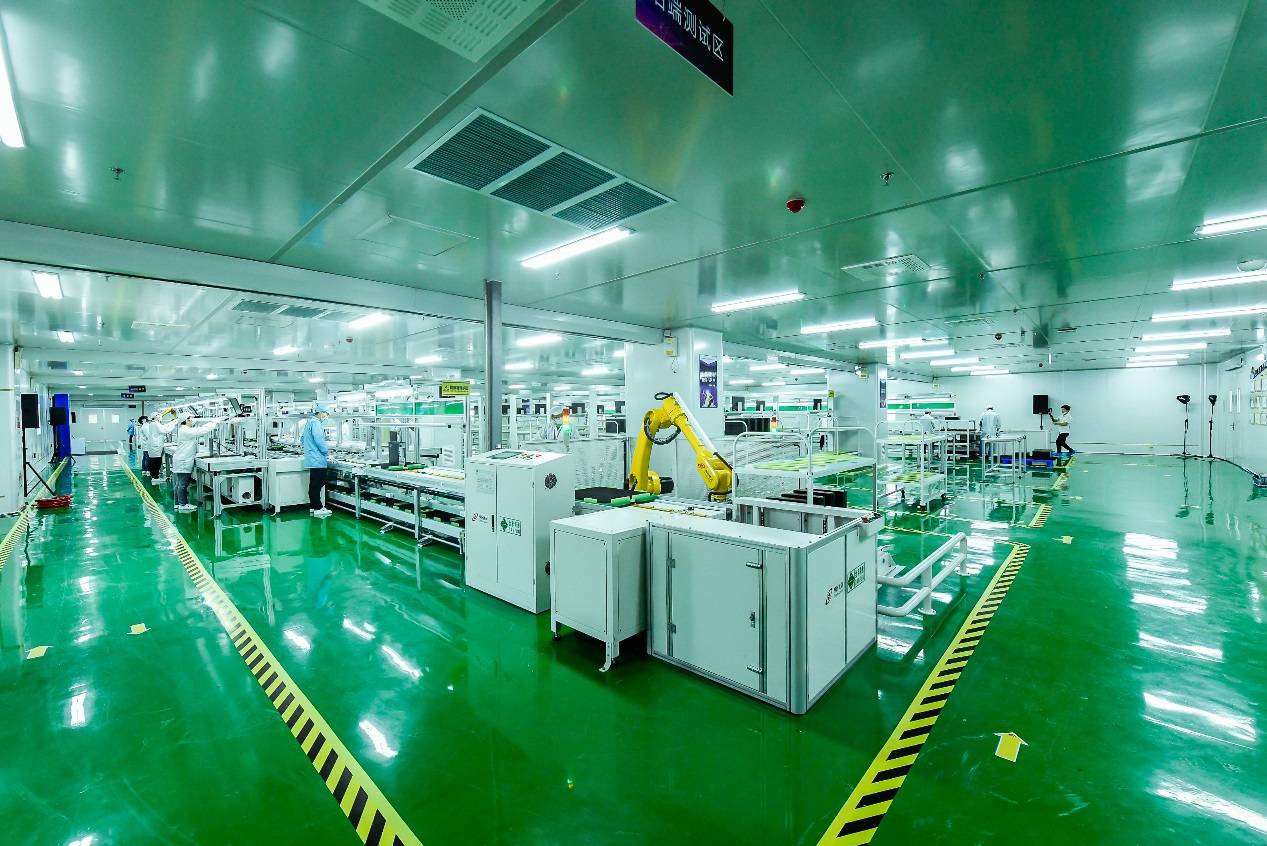
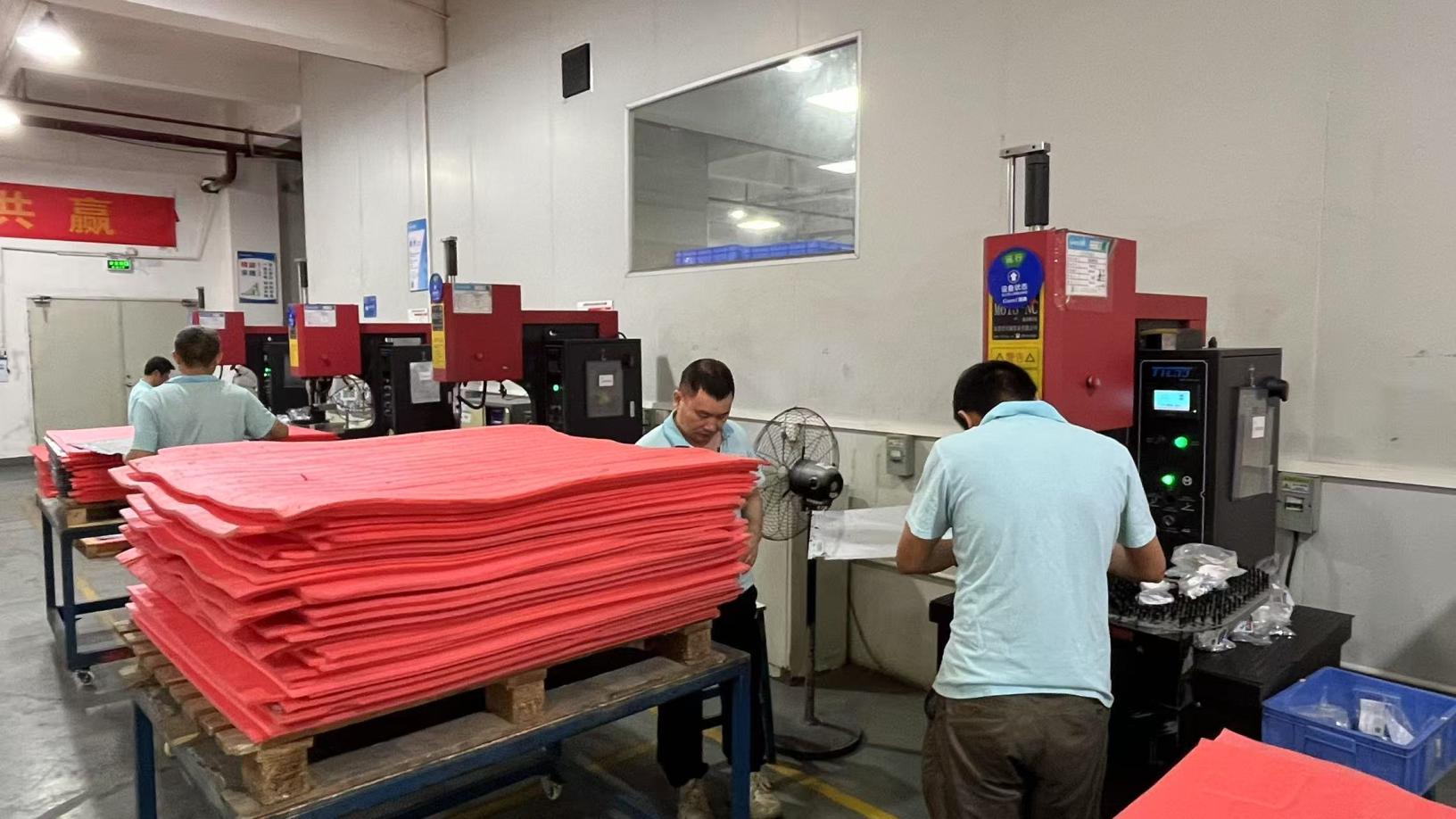
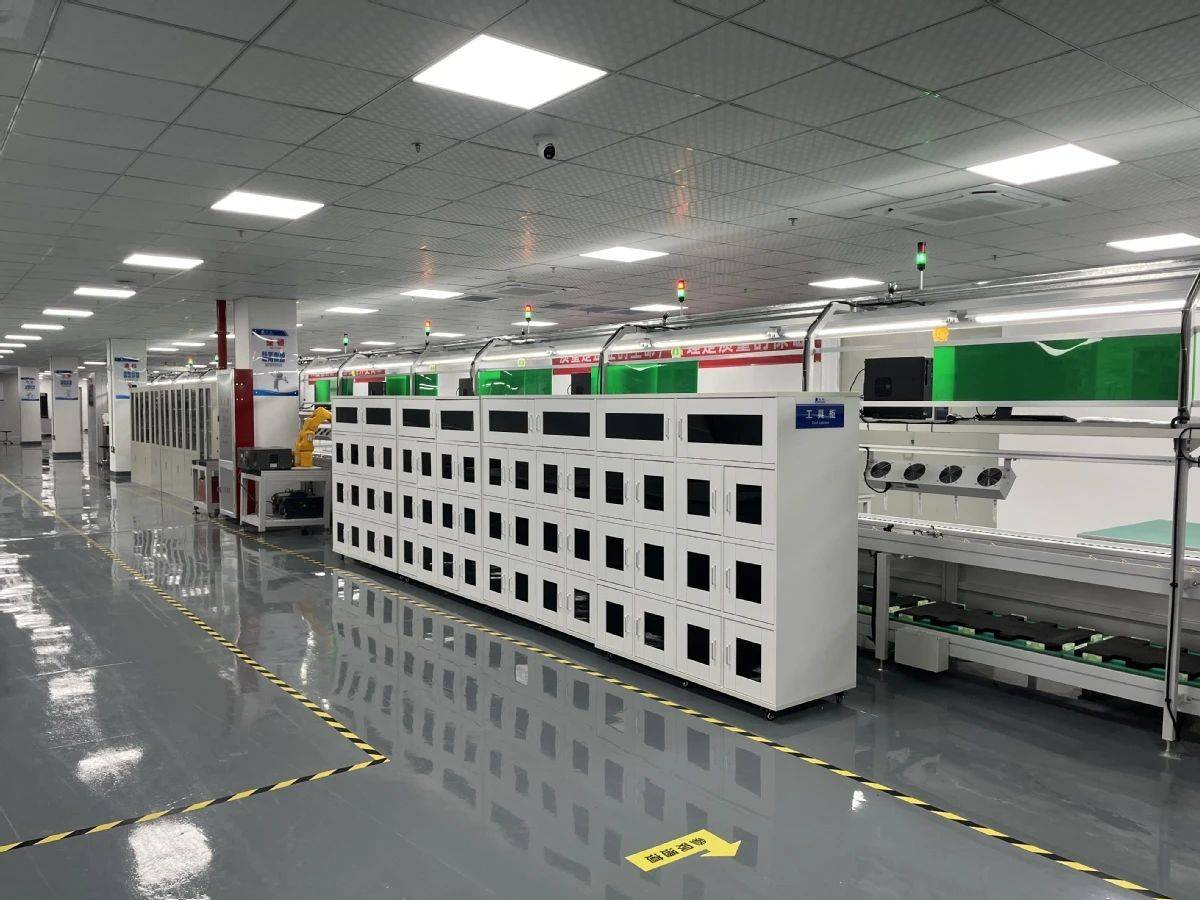
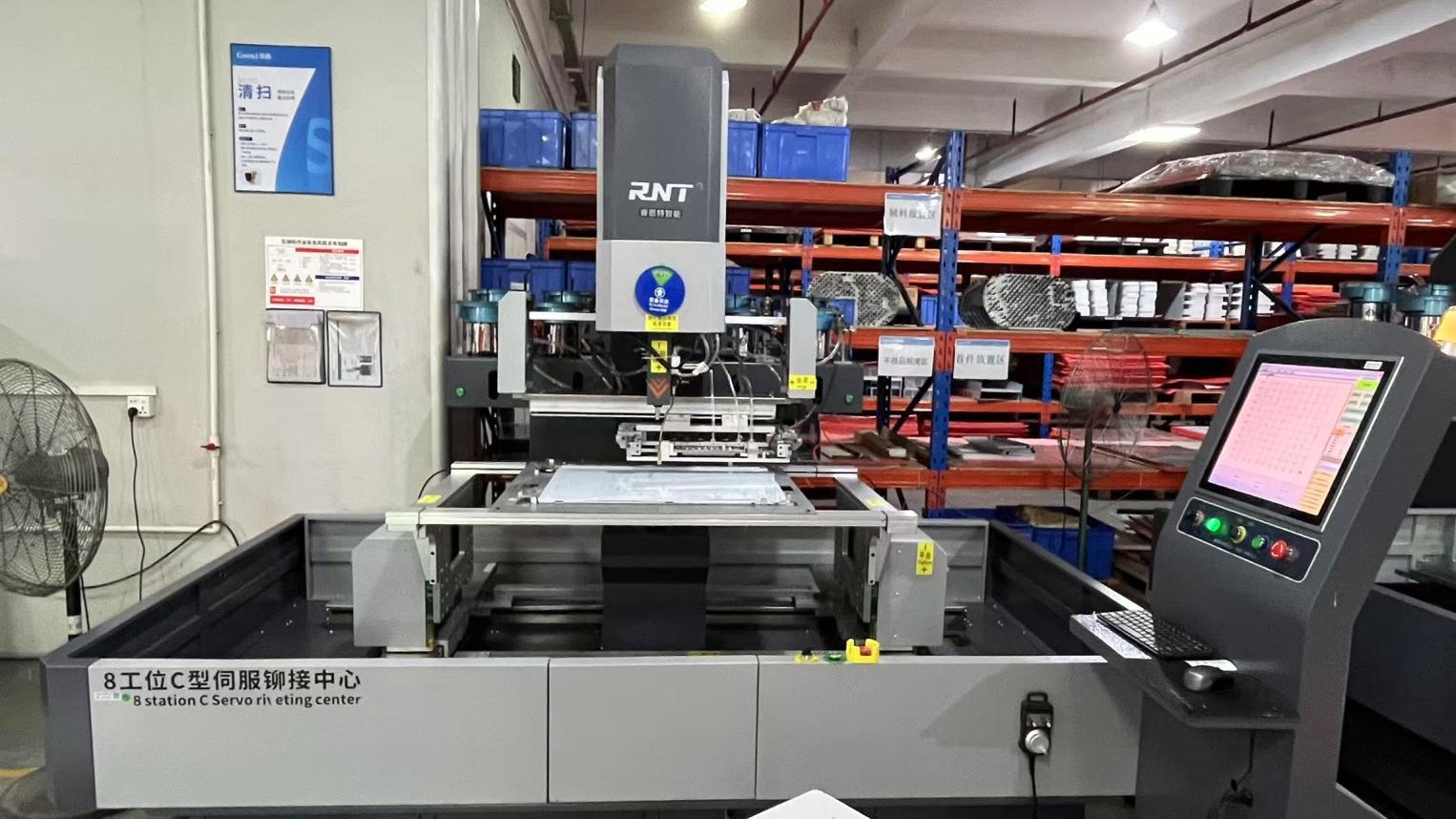
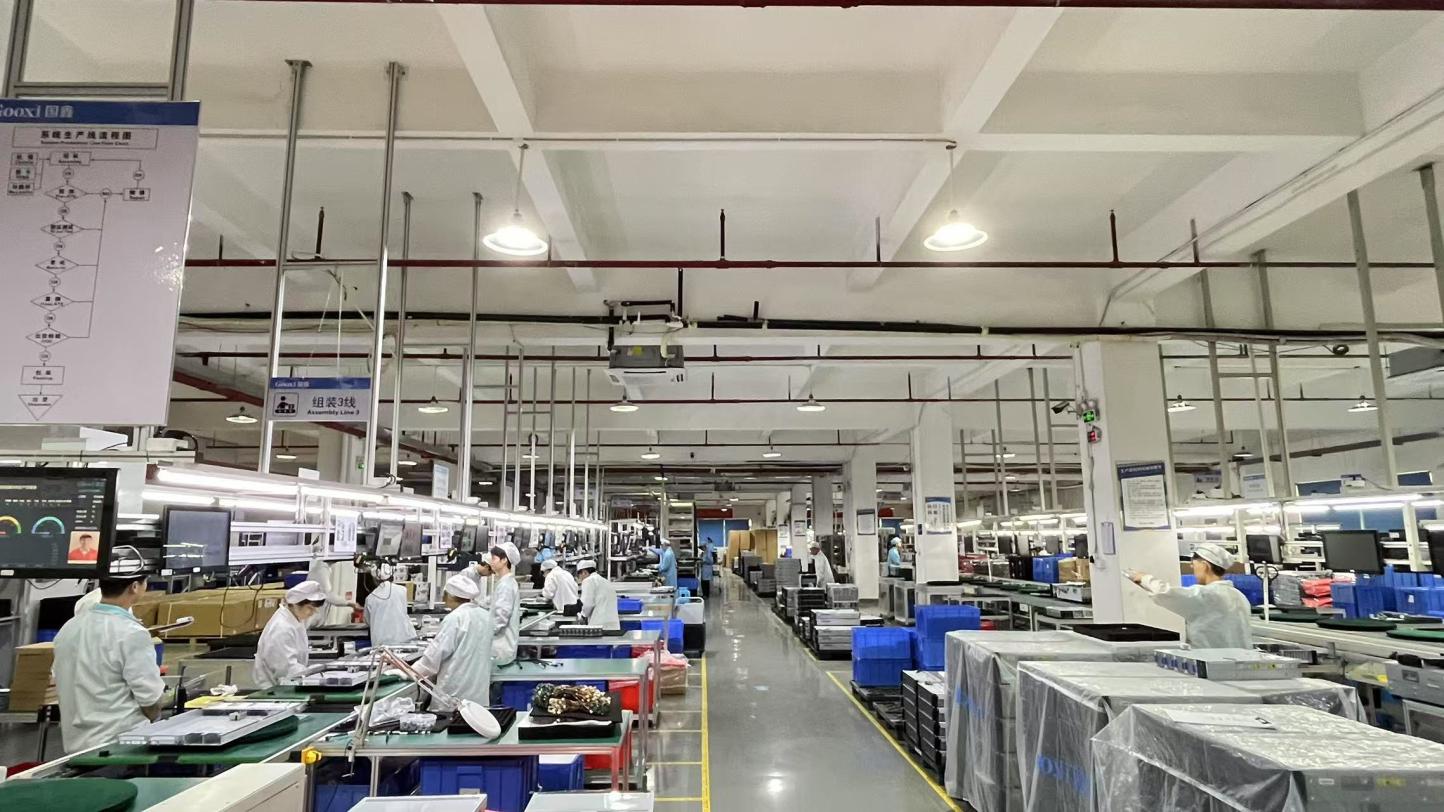
How modern enterprises deploy power distribution systems to meet regional challenges and high-density demands.
Typically operating with 120V/208V configurations, these setups are shifting to 415V three-phase systems for AI computing. Modern deployments utilize high-amperage, dual-input PDUs to support power-hungry server systems.
Designed around 230V/400V grids, these environments prioritize space efficiency and safety compliance (like CE, VDE, and IEC standards). Systems feature low-smoke, zero-halogen (LSZH) cabling and integrated thermal sensors.
These sites require rugged, dust-resistant basic or metered PDU options. Units must operate reliably in high ambient temperatures (above 55°C) and provide remote auto-restart features to minimize manual on-site maintenance.
Detailed insights addressing core design, configuration, and structural challenges in power distribution.
Basic PDUs deliver reliable, unmetered power to outlet strips. Monitored PDUs add a local/network display to track aggregate load metrics (amperage, voltage) and prevent overloads. Switched PDUs build on monitored functions by adding outlet-level switching, allowing administrators to reboot individual servers remotely and set custom power delays.
Modern high-density hardware (like GPU nodes and multi-socket servers) pulls heavy current loads. In a 3-phase system (L1/L2, L2/L3, L3/L1), keeping loads balanced prevents neutral line overheating, minimizes harmonic currents, and ensures upstream circuit breakers operate efficiently, protecting hardware from accidental trips.
Outlet-level metering tracks real power usage (kWh) for individual server power supplies. This detail helps administrators monitor server efficiency, design precise cabinet layouts, and implement accurate departmental billing or tenant chargebacks in multi-tenant facilities.
At minimum, a professional PDU must comply with UL 62368-1 (for information technology equipment) or IEC 62368-1. In Europe, CE marking and RoHS compliance are required, while APAC regions frequently require regional standards (like CCC in China or PSE in Japan) to ensure insulation safety and fire-retardant chassis builds.
Industrial-grade nodes configured for high-density setups and standard server cabinets.