TensorNova
TensorNova
TensorNova
Explore high-performance processing architectures, GPU clusters, and SSD storage nodes integrated with silicon-level security standards.
Security Trends
Modern cybersecurity vectors have shifted dramatically. While software-defined firewalls and host-based intrusion prevention systems (HIPS) remain necessary, they are no longer sufficient to secure critical enterprise workloads. Adversaries are actively targetting system firmware, UEFI layers, and BMC (Baseboard Management Controller) configurations.
Consequently, server security solutions must initiate protection from the power-on cycle. The industry standard has progressed toward hardware-enforced isolation, specifically Confidential Computing and Silicon Root of Trust (RoT). These technologies establish an unbroken chain of trust from the hardware manufacture phase through bios execution, OS boot, and runtime deployment.
Integrates cryptographic keys directly into the physical microprocessors. If firmware modifications are detected at boot, the machine is prevented from initializing, halting ransomware and lateral movement exploits.
Utilizes hardware-level execution enclaves (e.g., Intel SGX, AMD SEV-SNP) to encrypt data in-use during processing, shielding critical datasets from hypervisor-level breaches.
Enterprise procurement departments must cross-examine manufacturer credentials against international security standards and engineering practices.
Traceability of components from fabrication to delivery. Validating the "Secure Component Verification" protocol to block intercepted or counterfeit hardware modifications during transit.
Compliance with global regulations including GDPR, HIPAA, and PCI-DSS. Modern server deployments mandate localized data sovereignty capabilities alongside FIPS 140-3 cryptography validation.
Hardware must natively execute continuous authorization protocols. Any external network interfaces, storage drives, or GPU communication pipelines must undergo cryptographic handshakes.
| Security Criterion | Legacy Paradigm | Zero-Trust Modern Architecture | Strategic Impact |
|---|---|---|---|
| Identity Access Management | Static BMC Credentials | Multi-Factor Authentication & OAuth integrations | Mitigates unauthorized API-driven operations |
| Data Protection in-use | Cleartext Ram / Shared Memory | AMD SEV-SNP / Intel SGX hardware enclaves | Blocks local memory dumping and hypervisor exploits |
| Firmware Verification | Signature check only at boot time | Continuous runtime telemetry verification | Prevents persistent threat insertion during runtime |
| Supply Chain Integrity | Third-party vendor validation | Automated, cryptographically signed bill-of-materials | Stops configuration manipulation before shipping |
A structured evaluation of the hardware market leaders delivering robust, certified server platforms optimized for critical computational threat mitigation.
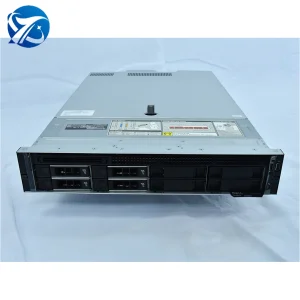
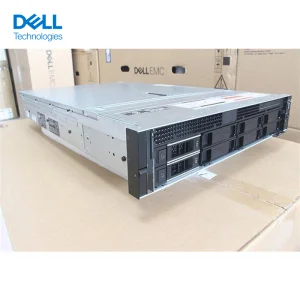
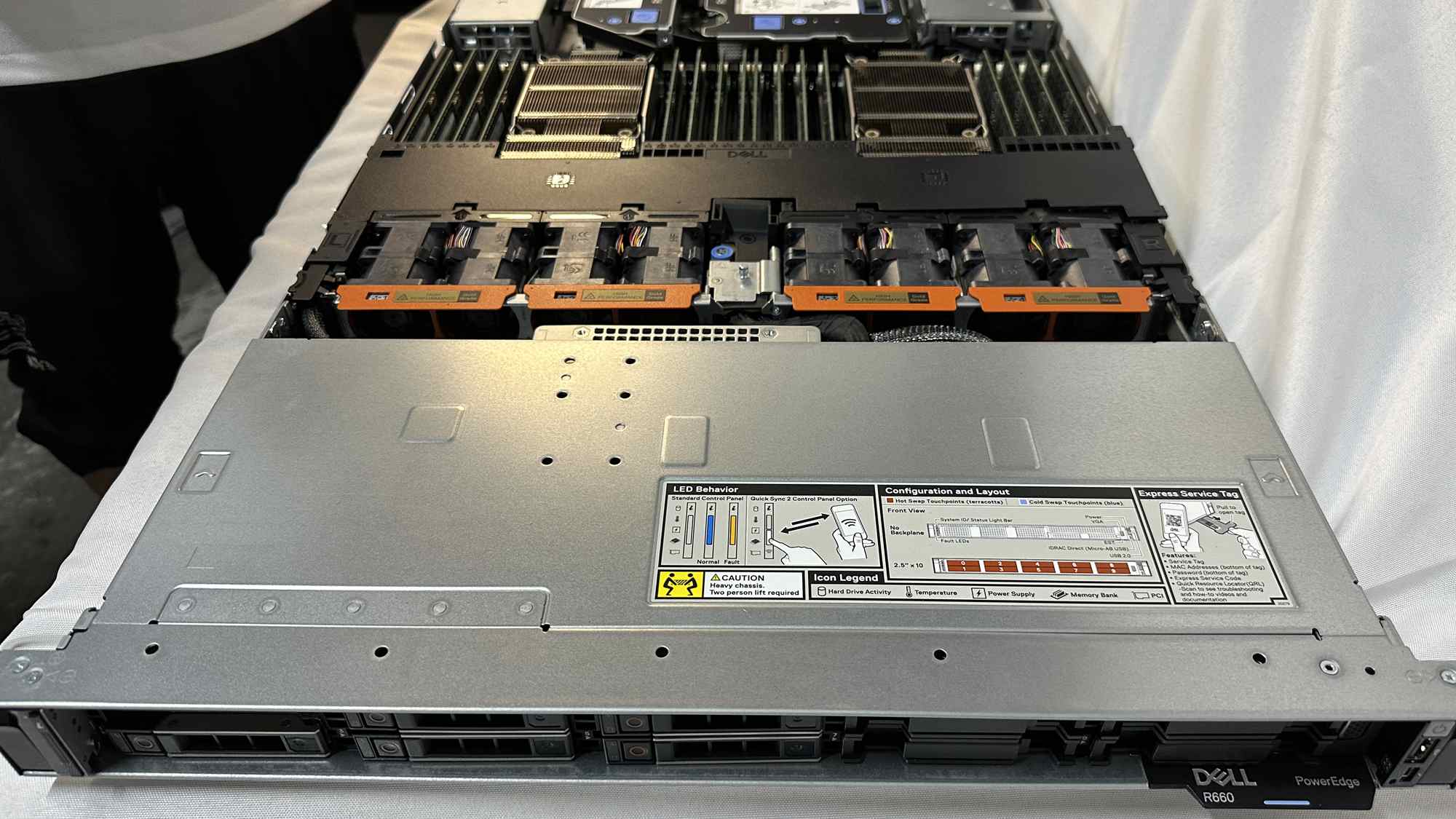
Dell's PowerEdge servers feature a cyber-resilient architecture built around their proprietary iDRAC controller and Secured Component Verification (SCV). Secure boot configurations and automated system lockdown safeguards defend against configuration drift.
HPE pioneers hardware security with their Silicon Root of Trust, anchoring firmware verification directly into the custom ASIC chip. This creates an unalterable signature check that stops compromised firmware from launching.
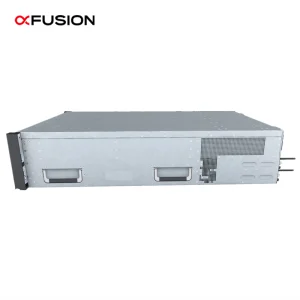
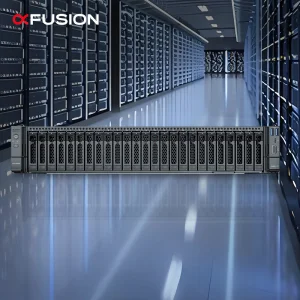
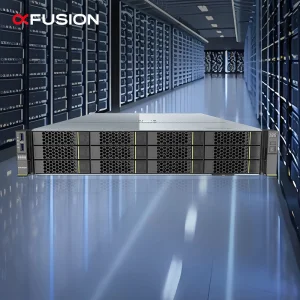
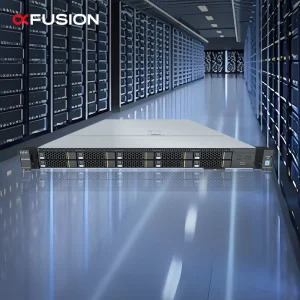
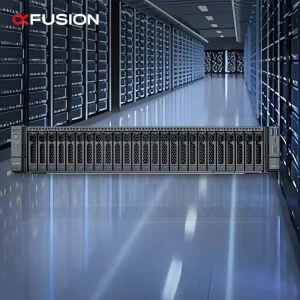
xFusion integrates multi-layered lifecycle security across their Rack Server series (e.g., 2288H V7 / 2488H V7). Their focus resides on rigorous security design, component vetting, safe BIOS configurations, and out-of-band management network isolation.
TensorNova is a professional high-performance AI GPU server manufacturer and infrastructure solution provider based in China, specializing in AI computing, GPU clusters, and scalable data center hardware solutions for global enterprises.
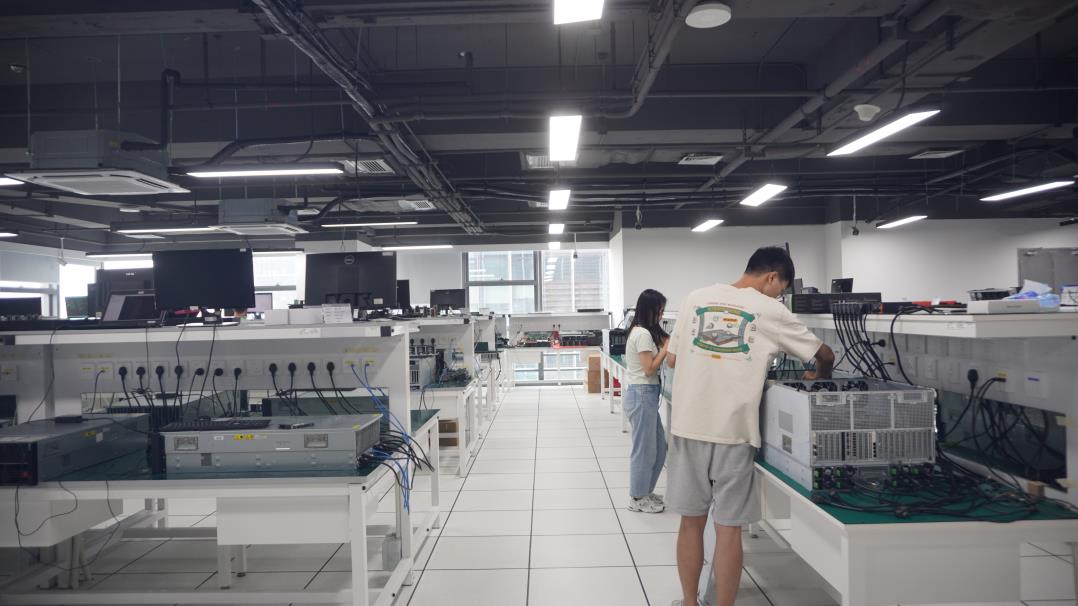
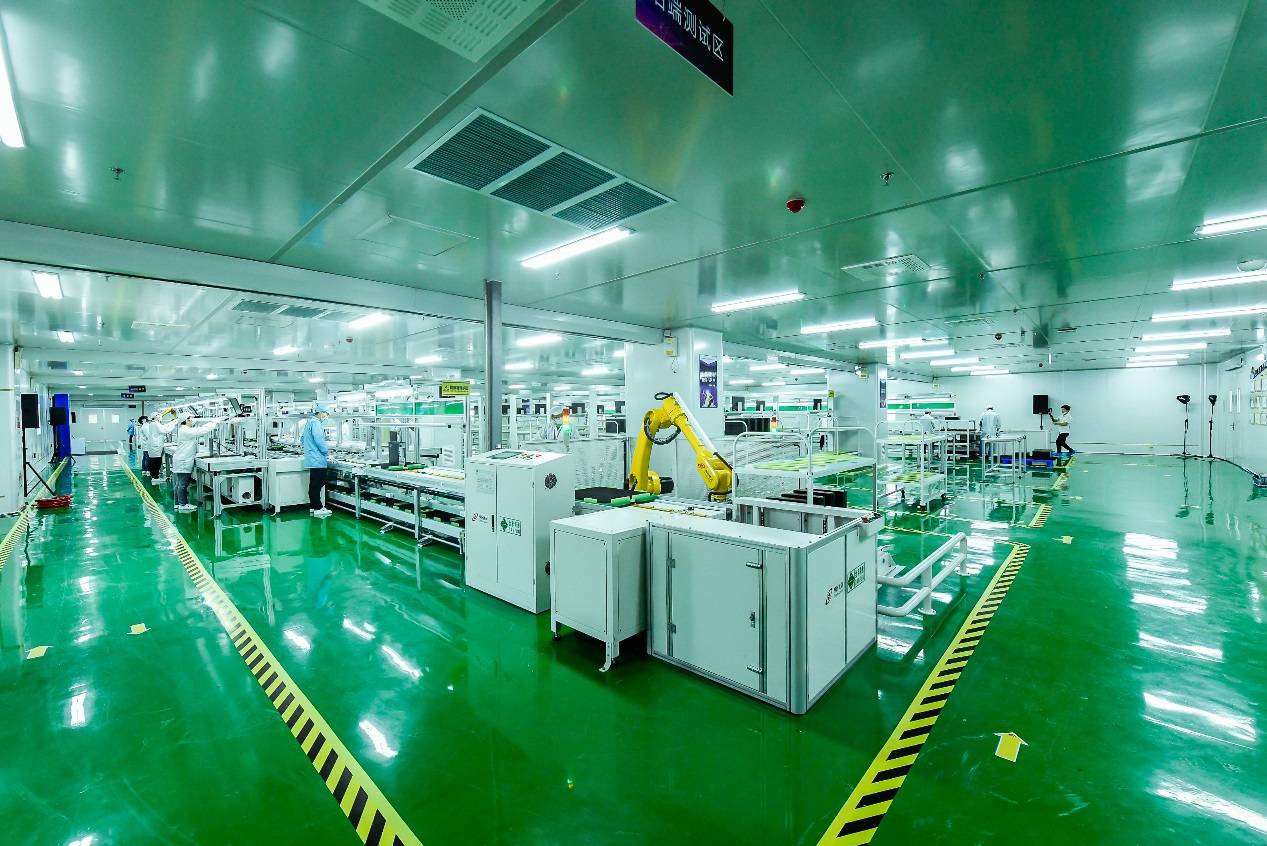
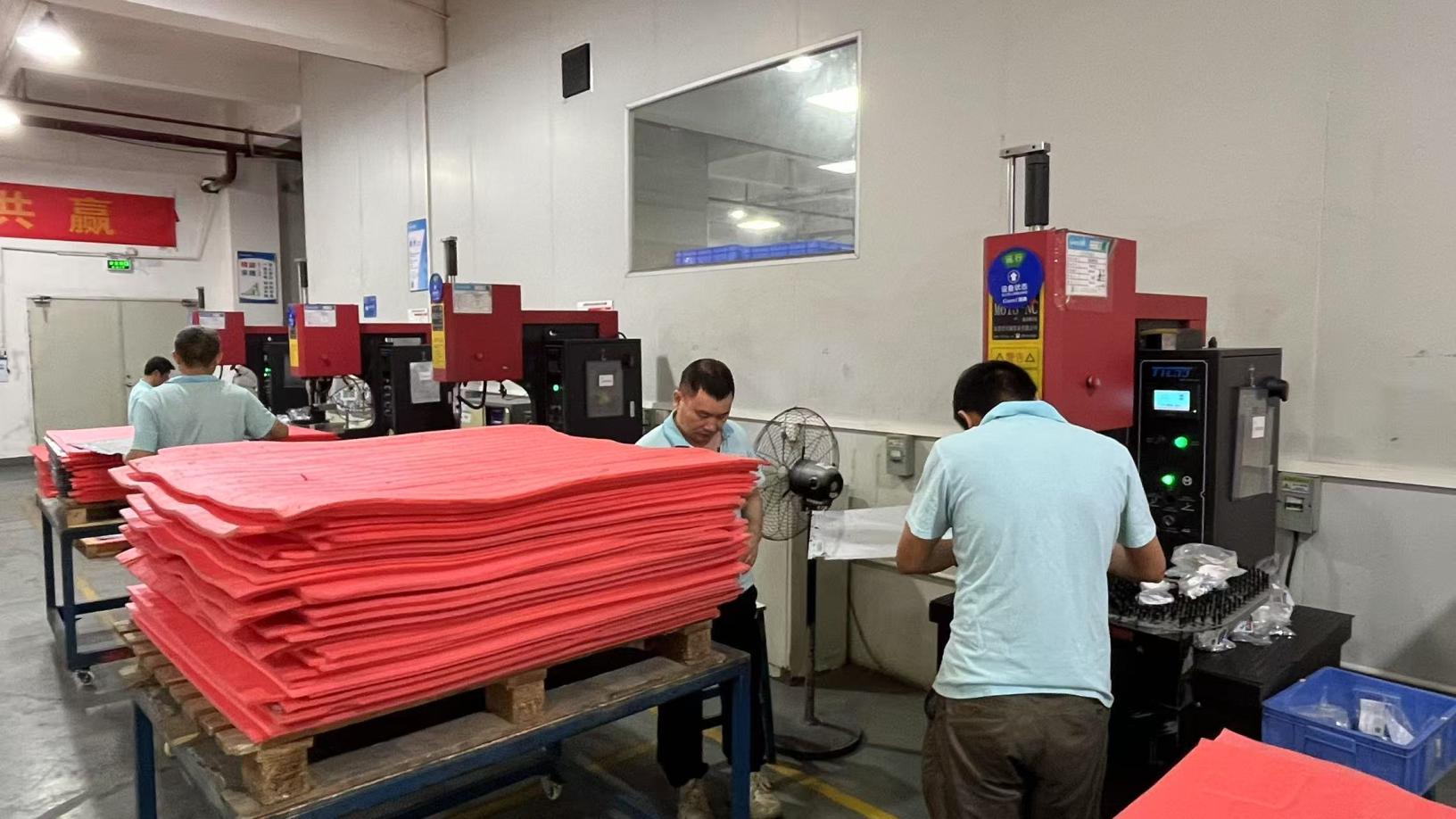
Established in 2016, TensorNova has developed into a trusted supplier in the AI hardware industry with a strong focus on innovation, performance, and customized computing systems. The company operates a modern production facility covering approximately 320㎡, equipped for advanced server assembly, testing, and system integration. With 6 years of export experience and over 12 years of industry experience in AI computing and server manufacturing, TensorNova records an annual export revenue of approximately $8.5 million.
Quality assurance is strictly implemented through ISO9001-based quality management systems, with product inspection conducted using automated hardware stress testing, thermal performance validation, burn-in testing, and AI workload simulation testing. The company employs around 45 quality control personnel dedicated to ensuring product reliability and stability. With a strong international trade background, TensorNova serves clients across North America, Europe, Southeast Asia, and the Middle East, with primary markets in the United States, Germany, Singapore, and the United Arab Emirates.
TensorNova offers extensive customization options, including GPU configuration customization, chassis design, cooling system optimization (air or liquid cooling), motherboard-level tuning, and AI workload-specific optimization solutions. In the past year, the company successfully launched 320+ new products, including next-generation AI GPU servers, edge computing nodes, and high-density GPU cluster systems.

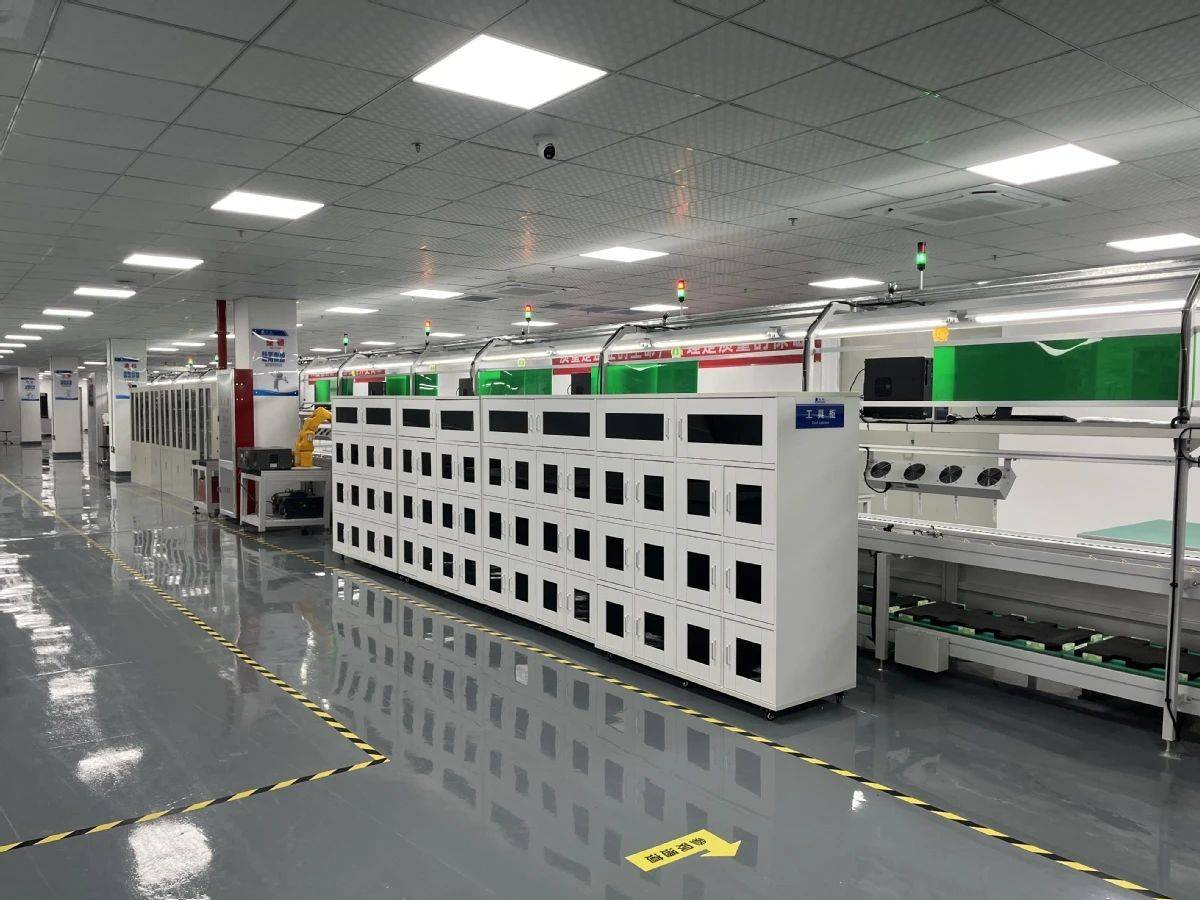


Next-generation security paradigms must adapt to quantum threats, CXL bus specifications, and high-density liquid-cooled systems.
Future hardware verification systems are integrating lattice-based cryptographic algorithms. This ensures system firmware integrity validation remains invulnerable to future quantum computer decryption capabilities.
Compute Express Link (CXL) architectures require rigorous memory isolation protocols. Secure multi-tenant slicing at the CXL.cache and CXL.mem pathways ensures multi-tenant GPU systems isolate physical system memory access points.
Management controllers are evolving to run small, localized anomaly detection modules. By monitoring continuous current levels, power consumption profiles, and boot timing variations, systems flag hardware-level side-channel snooping attempts.
Addressing the critical engineering inquiries related to hardware implementation, root of trust, and vulnerability mitigation.
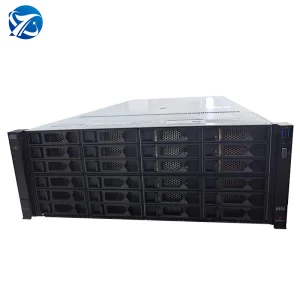
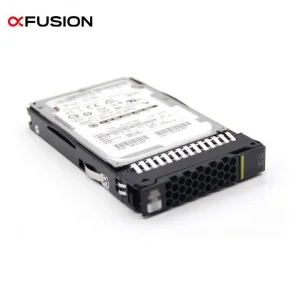
Complete product portfolio featuring robust server nodes, enterprise storage units, and AI compute platforms optimized for high capacity.