TensorNova
TensorNova
TensorNova
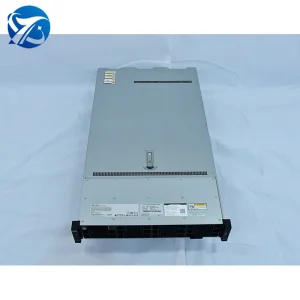
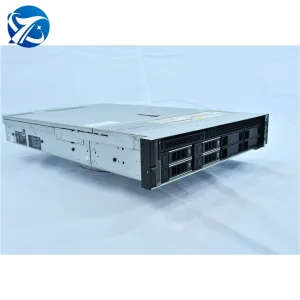
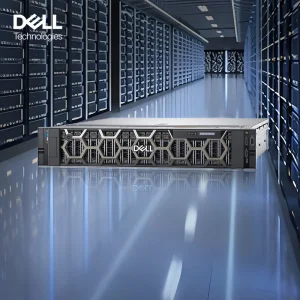
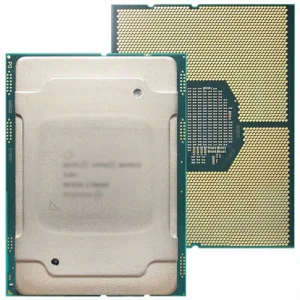
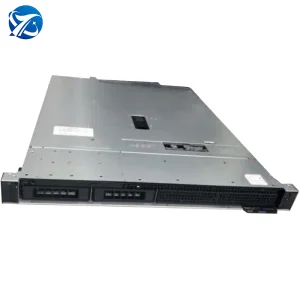
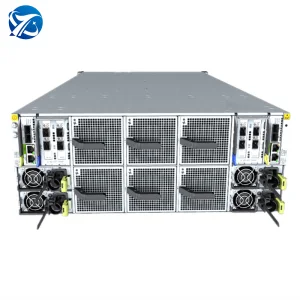
High-performance rack servers and hardware components directly integrated by leading domestic enterprise manufacturing centers.
In the era of hyper-scale cloud deployments, generative AI clusters, and complex workloads, Data Center Management (DCM) has evolved from basic server rack maintenance into a multi-layered ecosystem of hardware orchestration, precision thermal control, and smart bare-metal administration. China's manufacturing clusters, particularly in IT hubs like Shenzhen, stand at the global forefront of this evolution. By combining robust component supply chains with advanced system integration capabilities, factories are redefining how global enterprises source their rack solutions.
This whitepaper details the structural dynamics, technological architecture, and quality assurance processes driving modern China-based DCM facilities. As high-density AI servers (utilizing architectures like Intel Xeon Scalable and advanced GPU accelerators) demand complex thermal profiles and reliable out-of-band management protocols, partnering with a specialized hardware factory becomes a vital competitive asset for enterprise IT procurement departments.
Historically, data center hardware management focused on physical rack layouts, simple power distribution units (PDUs), and manual cabling. Today, the rapid growth of large language models (LLMs) like DeepSeek, GPT-4, and complex deep learning pipelines has forced a migration to dense GPU systems and multi-socket CPU clusters. These systems present significant challenges:
Why do global cloud computing providers, research institutions, and enterprises choose Chinese manufacturing partners? The answers lie in three primary structural benefits:
A. Fully Integrated Supply Chain Ecosystem: A server is the sum of hundreds of custom and standard elements—from multi-layer PCBs, copper heatsinks, and custom chassis sheet metal, to memory ICs, power supplies, and silicon bridges. Factories based in hubs like Shenzhen leverage immediate access to component partners (often exceeding 1,200 suppliers in a single industrial network). This reduces delivery timelines for customized systems from months to weeks.
B. Rapid Prototyping & Motherboard-Level Tuning: OEM/ODM engineers in these facilities can rapidly alter chassis layouts, design custom cooling shrouds, optimize airflow pathways, and customize BIOS/BMC firmware to meet specific performance envelopes. For enterprises deploying proprietary workloads, factory-level BIOS optimization can improve throughput by 10-15% while decreasing idle power consumption.
C. Rigorous Testing & QA Standards: Leading factories do not merely assemble components; they perform rigorous validation. Using automated hardware stress testing, high-temperature burn-in chambers, and realistic AI workload simulations, factories ensure that servers achieve continuous uptime (99.999% reliability) before they are shipped globally.
Engineered for absolute stability, high-throughput compute, and remote manageability.
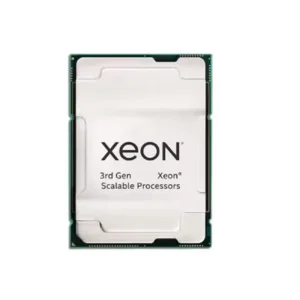
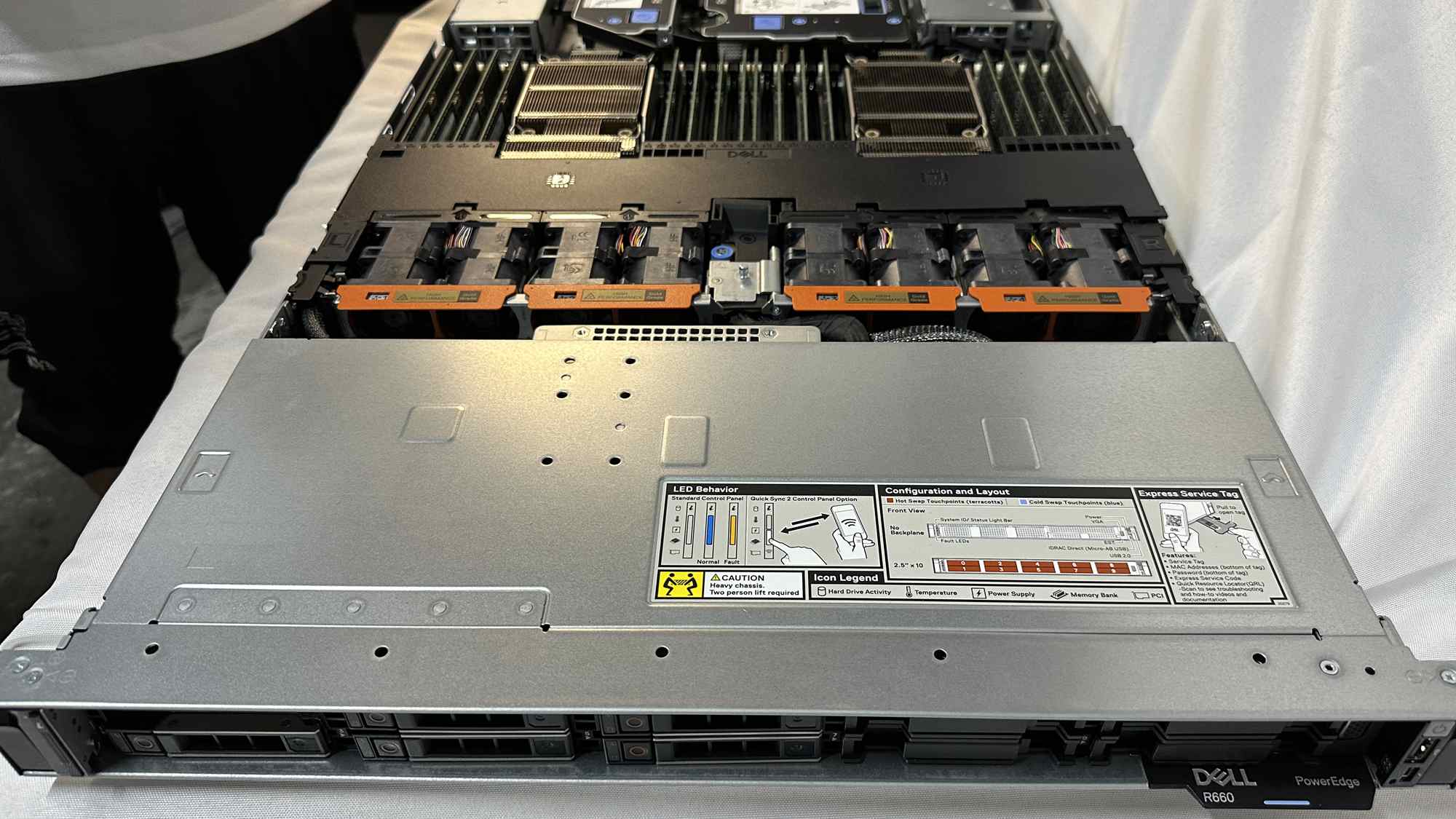
Support for dual and quad Intel Xeon Scalable processors, as well as high-density AMD EPYC configurations, ensuring massive parallel computing bandwidth.
Optimized PCI-Express routing layout with redundant power supply units (PSUs) supporting multi-GPU configurations for intensive deep learning workloads.
Custom vapor chambers, copper heat pipe assemblies, and smart fan speed algorithms mapped directly to BMC temperature sensors.
Unified Redfish API interface and IPMI 2.0 controllers to ensure seamless infrastructure automation across remote server nodes.
No two data centers are identical. The management systems and physical configurations required by an edge-computing facility in Berlin differ greatly from a hyperscale cloud installation in Singapore or a high-security sovereign cloud platform in Abu Dhabi. Factory-level custom integration bridges the gap between raw compute power and localized operational requirements.
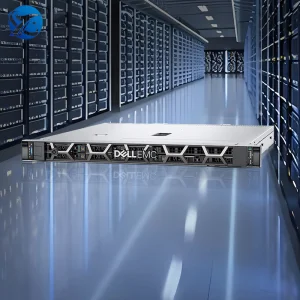
For cloud service providers (CSPs), efficiency is measured in rack density, power utilization effectiveness (PUE), and rapid provisioning. China's top factories deliver pre-configured rack integration solutions (L11 integration), where entire server cabinets are assembled, cabled, configured with firmware, and tested as a unified cluster. When delivered to the customer, deployment is as simple as connecting power and network backbones, reducing deployment time from weeks to hours.
Generative AI model training requires sustained, high-density computing loads that push thermal limits. Specialized factories design GPU-heavy enclosures with reinforced motherboards, custom power distribution modules, and robust structures to prevent chassis sagging under weight. Furthermore, engineers collaborate with system architects to optimize network topologies (such as InfiniBand or 400G Ethernet routing) directly within the server frame, mitigating data bottlenecks.
For traditional industries (banking, manufacturing, healthcare) running mission-critical enterprise resource planning (ERP) systems, the focus is on fault tolerance and reliability. China's server factories integrate redundant hot-swappable drives, dual-active power units, and hardware-embedded RAID controllers (such as the XC170-M-8i SAS3808iMR cards). Coupled with ECC DDR4/DDR5 system memory, this hardware guarantees protection against data corruption and hardware-level failures.
Setting global benchmarks in advanced AI computing, server system integration, and robust supply chain coordination.
TensorNova is a professional high-performance AI GPU server manufacturer and infrastructure solution provider based in China. The company specializes in AI computing, GPU clusters, and scalable data center hardware solutions for global enterprises. Established in 2016, TensorNova has developed into a trusted supplier in the AI hardware industry with a strong focus on innovation, performance, and customized computing systems.
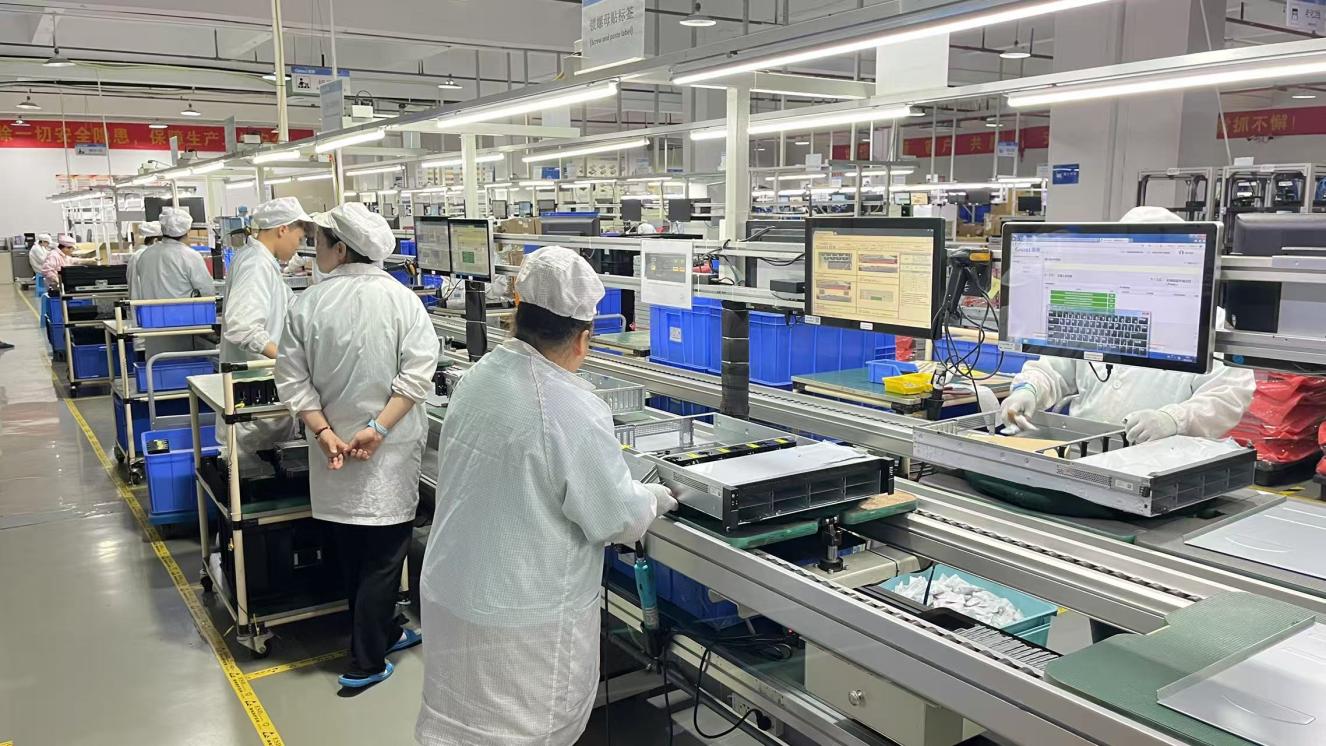
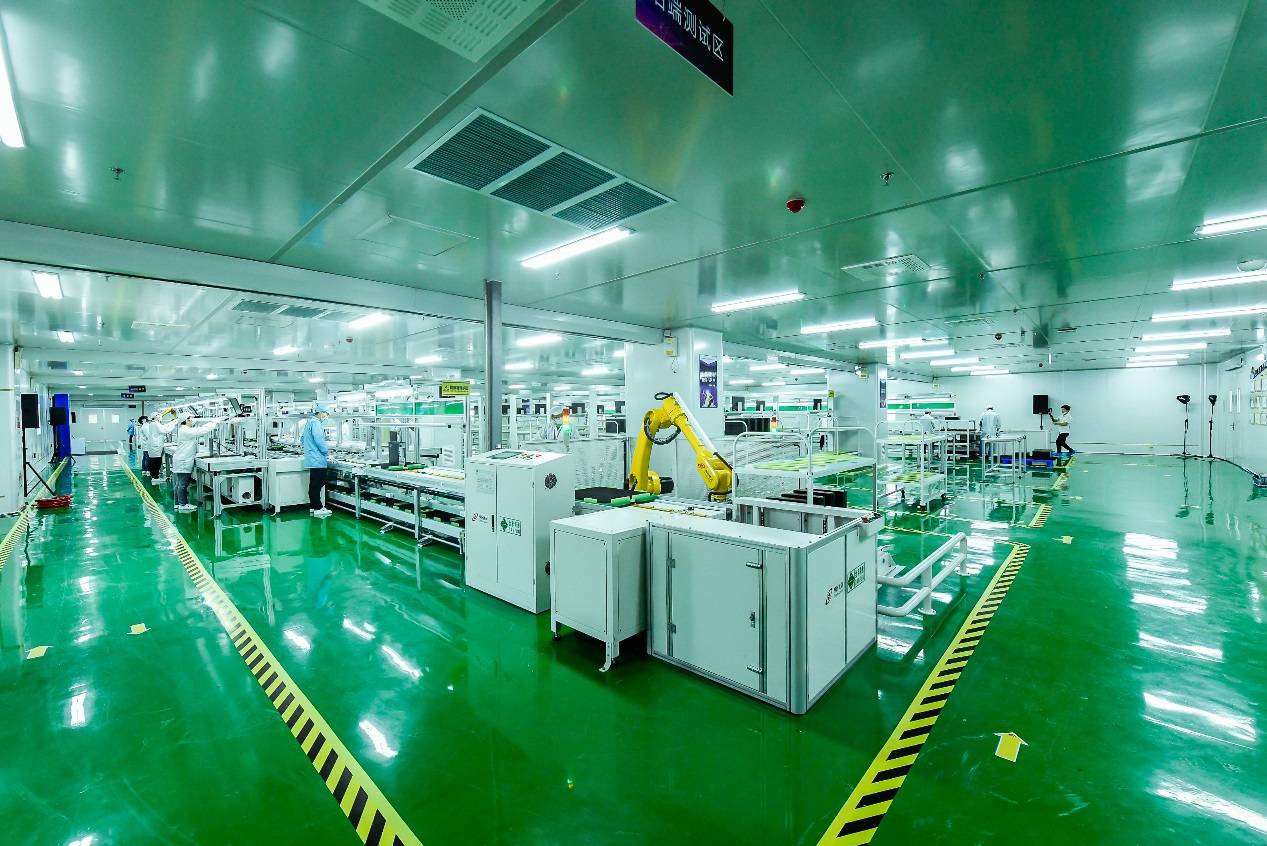
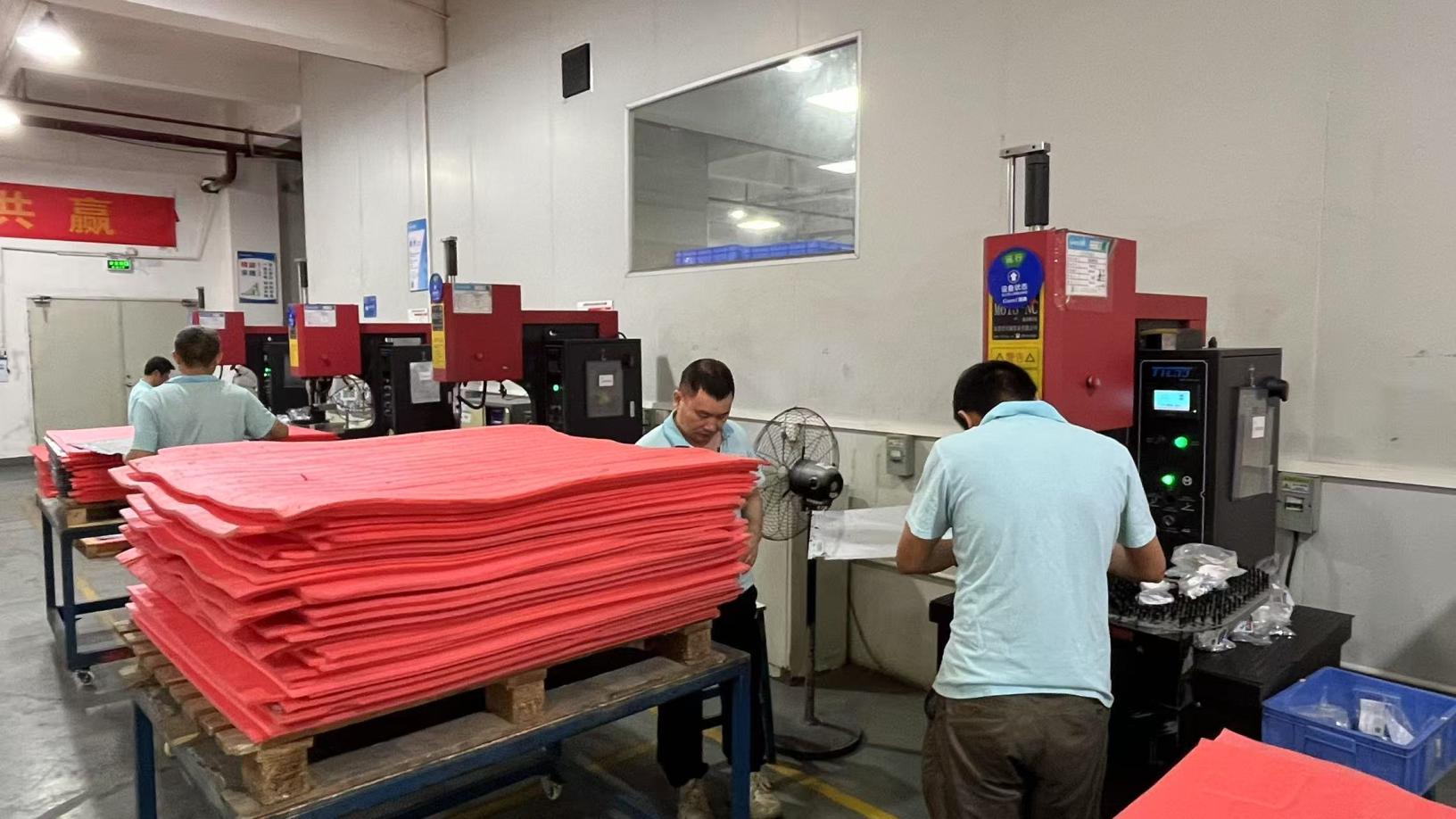
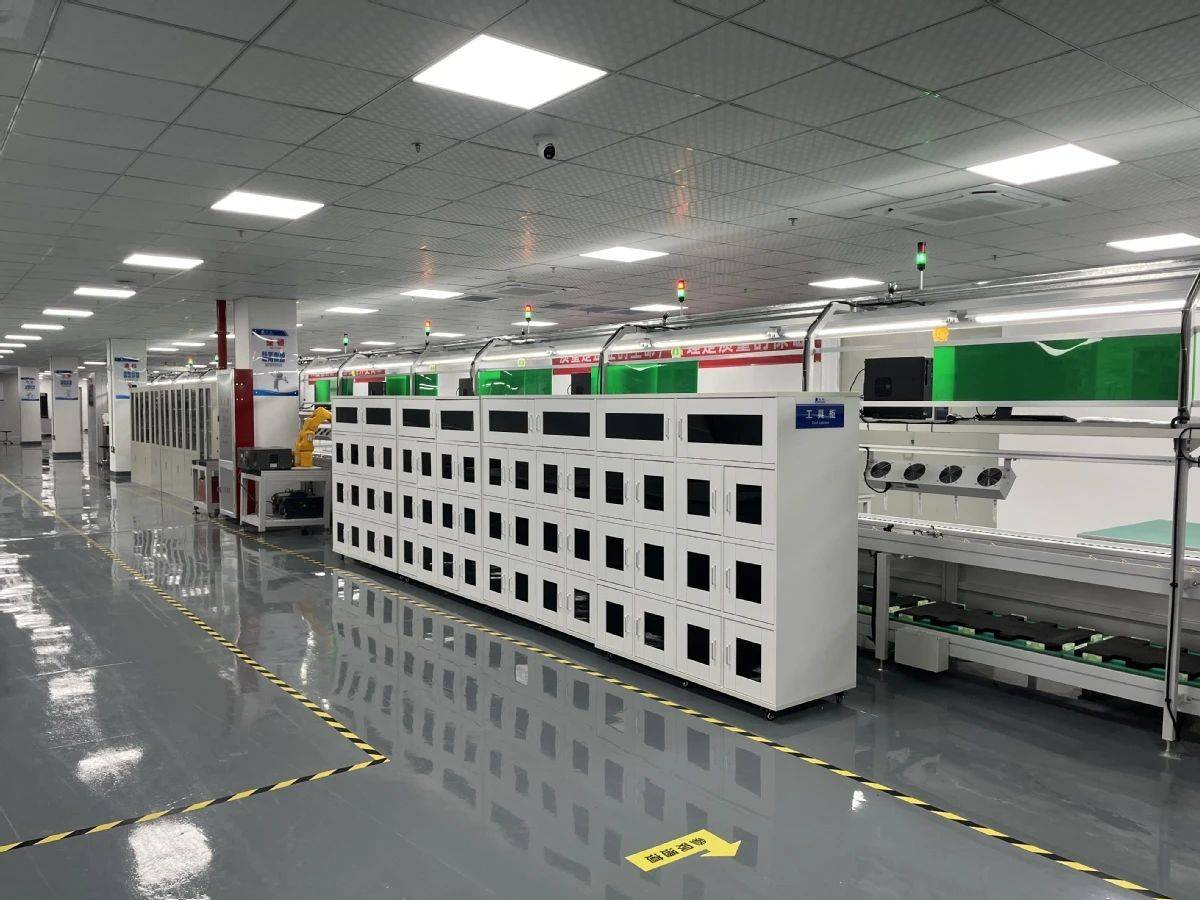
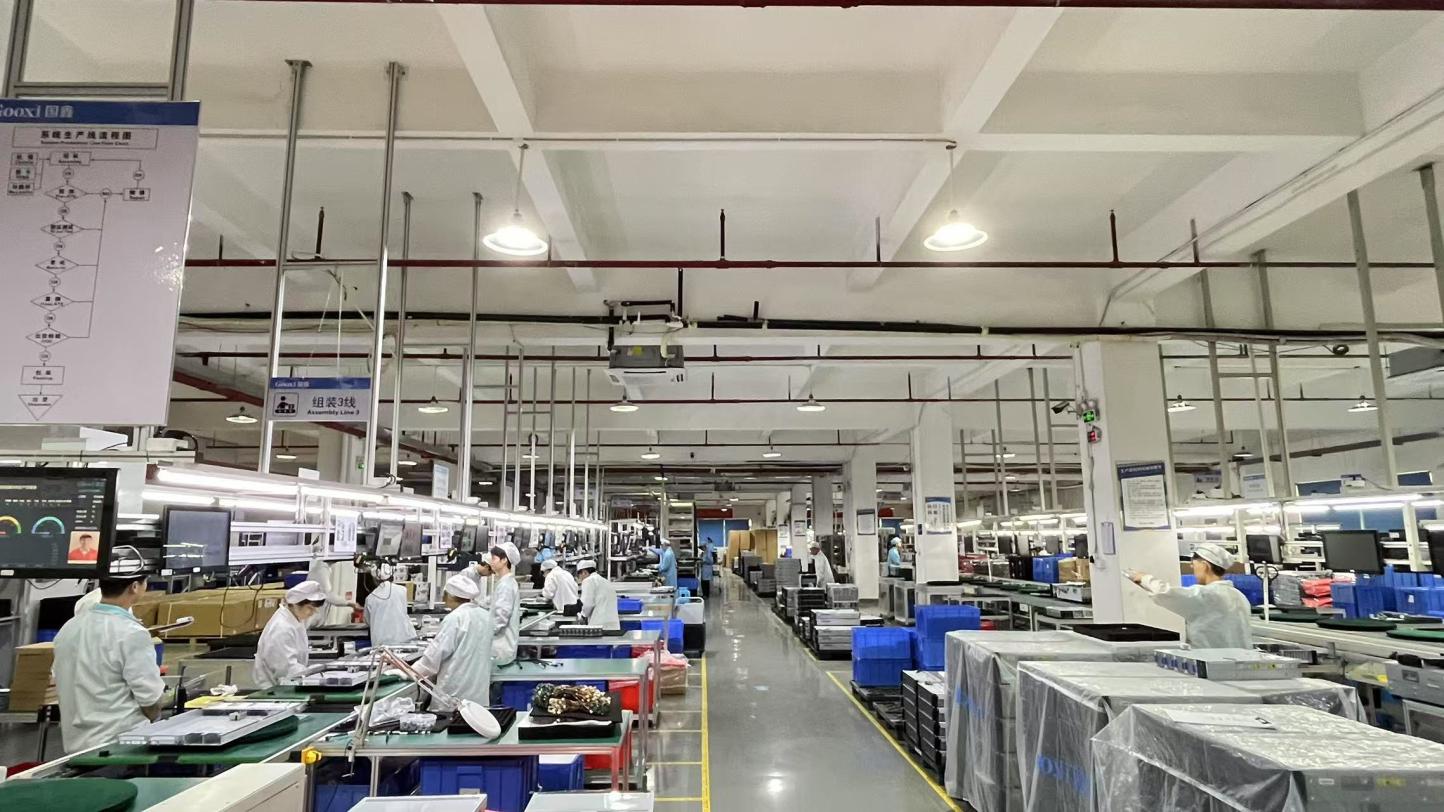
Operating a modern production facility covering approximately 320㎡, the company is highly optimized for advanced server assembly, testing, and system integration. With 6 years of export experience and over 12 years of industry experience in AI computing and server manufacturing, TensorNova maintains an annual export revenue of approximately $8.5 million.
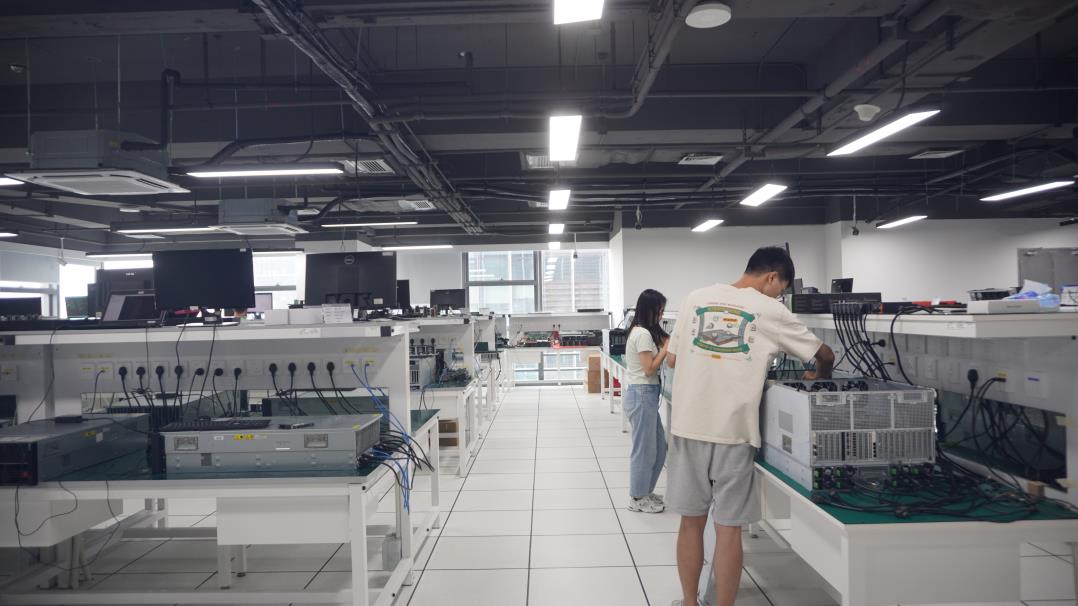
Quality assurance is strictly implemented through ISO9001-based quality management systems. Products undergo validation using automated hardware stress testing, thermal performance validation, burn-in testing, and AI workload simulation testing. To ensure product reliability and stability, the company employs around 45 quality control personnel.
With a strong international trade background, TensorNova serves clients across North America, Europe, Southeast Asia, and the Middle East, with primary markets in the United States, Germany, Singapore, and the United Arab Emirates. This global reach is sustained by a robust supply chain ecosystem with more than 1,200 global suppliers and strategic component partners, enabling stable production and fast delivery capabilities.
Serving AI research institutions, cloud computing providers, data centers, enterprise IT departments, and AI startups, the company's R&D capabilities are supported by a team of approximately 180 R&D engineers. The team focuses on GPU server architecture, AI optimization, and high-density computing systems. TensorNova offers extensive customization options, including GPU configuration customization, chassis design, cooling system optimization (air or liquid cooling), motherboard-level tuning, and AI workload-specific optimization solutions. In the past year, the company successfully launched 320+ new products, including next-generation AI GPU servers, edge computing nodes, and high-density GPU cluster systems.

Enterprise procurement teams must balance technological specifications with international regulatory compliance, shipping logistics, and long-term hardware support cycles. When buying data center hardware from China, several operational considerations are critical:
For systems deployed in the United States, Europe, and the Middle East, compliance is a prerequisite. Leading manufacturers ensure all export-ready hardware matches global requirements, including:
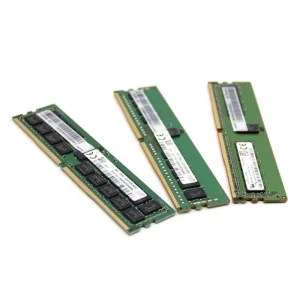
Geopolitical challenges and shipping bottlenecks require proactive risk management. TensorNova's framework of 1,200+ global supply chain partners allows for alternative sourcing of critical components. By maintaining stocks of standardized components, such as SAS/SATA RAID controllers, high-speed riser cables, and memory chips, factories can maintain stable delivery schedules even during chip allocation periods.
A major benefit of direct-to-factory communication is customizing server layouts. The factory pipeline accommodates:
Answers to common technical, logistics, and capabilities questions from enterprise procurement teams.
Our server hardware solutions undergo validation testing against major hypervisors and operating systems, including VMware ESXi, Red Hat Enterprise Linux (RHEL), Rocky Linux, Windows Server, and Ubuntu Server. By using standard IPMI 2.0 and Redfish API architectures, our management modules interface with standard datacenter automation suites like Ansible, Nagios, and Kubernetes clusters.
We perform computational fluid dynamics (CFD) simulations to analyze airflow pressure, velocity, and thermal dissipation inside the server case. Depending on the server load (e.g., multi-GPU systems), we customize the server with copper-vapor chambers, high-RPM pulse-width modulation (PWM) cooling fans, or configure direct-to-chip liquid cooling loops.
TensorNova offers structured replacement cycles and critical spare parts (such as PSUs, fans, RAM modules, and riser cards) bundled with volume shipments. For critical deployments, we offer extended warranty programs with priority air transport for replacement parts, minimizing server downtime.
Our manufacturing workflow follows ISO9001 quality guidelines. Every server undergoes automated hardware diagnostics (memtester, CPU burn-in, PCIe lane validation), thermal performance testing in temperature-controlled rooms, and simulated AI training/deep learning workloads to confirm stability under sustained peak loads.
Explore our production-ready systems, custom components, and bare-metal nodes ready for global deployment.