TensorNova
TensorNova
TensorNova

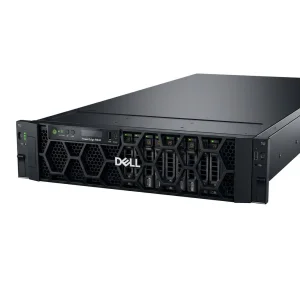
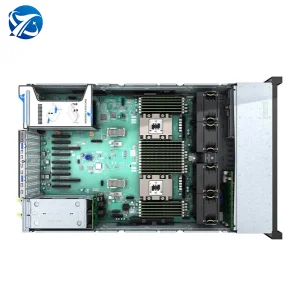
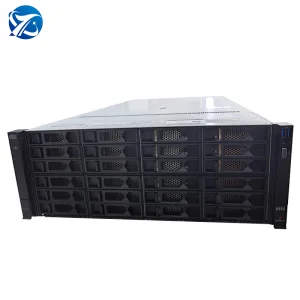
In modern cloud computing, Microservices Architecture has become the gold standard for developing highly scalable, fault-tolerant, and agile software platforms. However, the software layer—comprising containers, Kubernetes orchestrators, API gateways, and dynamic routing engines—cannot perform efficiently without a optimized hardware foundation. Every API call, containerized database transaction, and inter-service telemetry check translates into physical machine-level stress: raw CPU cycles, high-frequency NVMe storage reads/writes, and intensive East-West network traffic.
Deploying microservices on generic hardware often leads to latency inflation, bottlenecked serialization processes, and virtualized resource overheads. High-density server platforms, such as those optimized by leading manufacturers in China, are designed specifically to offset these infrastructure bottlenecks. Through hyperconverged systems, bare-metal acceleration nodes, and low-latency storage arrays, enterprises can achieve minimal service-mesh latency and high-capacity data serialization, paving the way for seamless global user experiences.
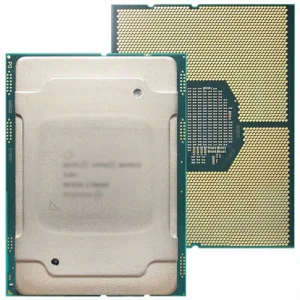
Multi-socket Xeon architectures provide the massive multi-core execution environments needed to run hundreds of independent container nodes simultaneously without thread starvation.
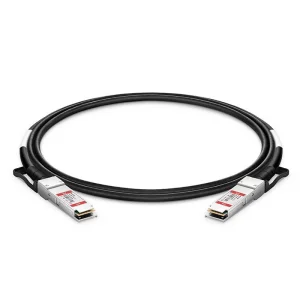
Microservices demand ultra-low latency. 10G/40G direct-attach cables and high-performance network interface cards (NICs) eliminate inter-service communication delays.
All-NVMe hyperconverged setups ensure that persistent state layers and distributed databases (e.g., Redis, Cassandra) do not bottleneck the entire microservices chain.
The global demand for computational power is scaling rapidly, and Chinese server manufacturers are uniquely positioned to offer unmatched advantages. From component procurement to advanced systems integration, factories in China provide complete end-to-end hardware development cycles that significantly shorten time-to-market.
China's manufacturing hubs house a highly concentrated supply chain ecosystem, offering immediate access to motherboards, PCIe risers, high-efficiency power supply units (PSUs), and thermal management modules. This ecosystem allows manufacturers like TensorNova to source from a massive base of over 1,200 strategic suppliers and component partners, reducing lead times and assuring continuous supply even during global component shortages.
Industrial clustering and highly automated assembly systems enable manufacturers to optimize cost structures without sacrificing quality. Furthermore, Chinese factories excel at hardware customization. Whether your microservices stack requires custom chassis configurations, specialized liquid cooling loops for dense GPU clusters, or optimized BIOS tuning for virtualized environments, Chinese manufacturers can execute changes dynamically and scale production rapidly.
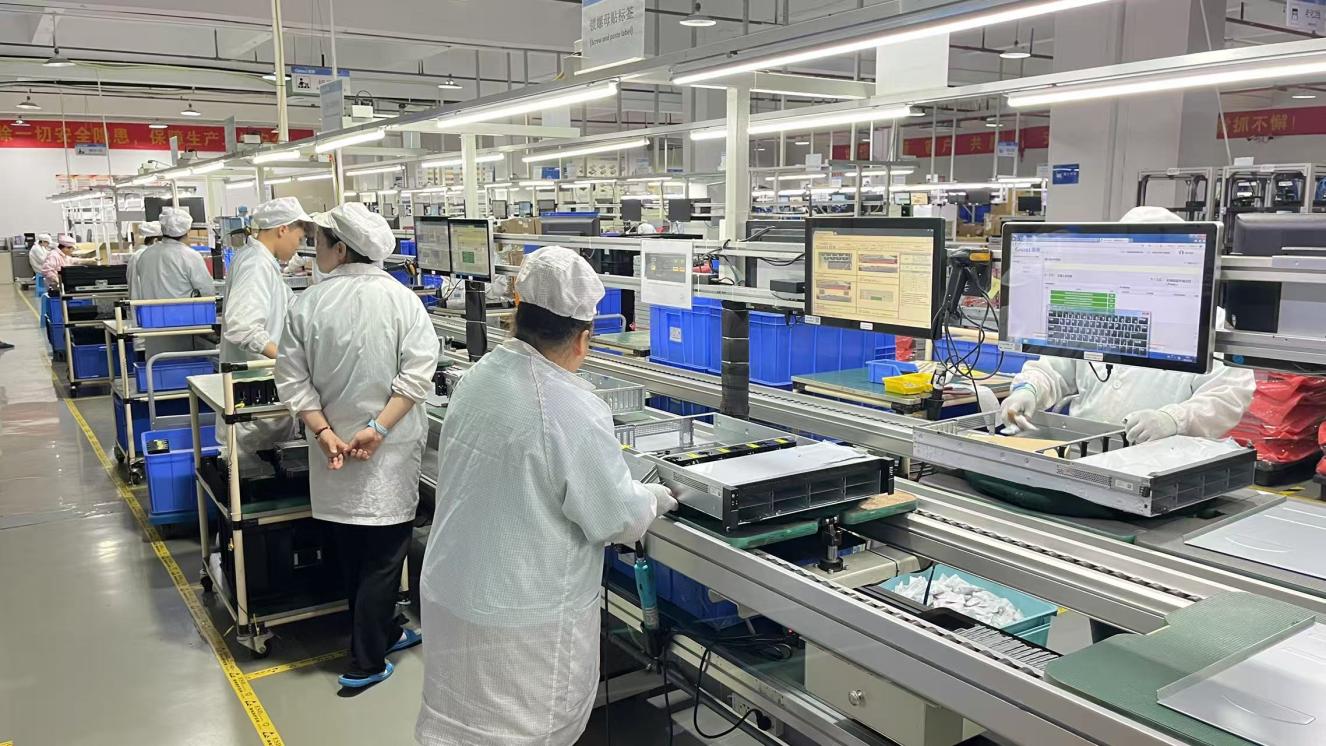
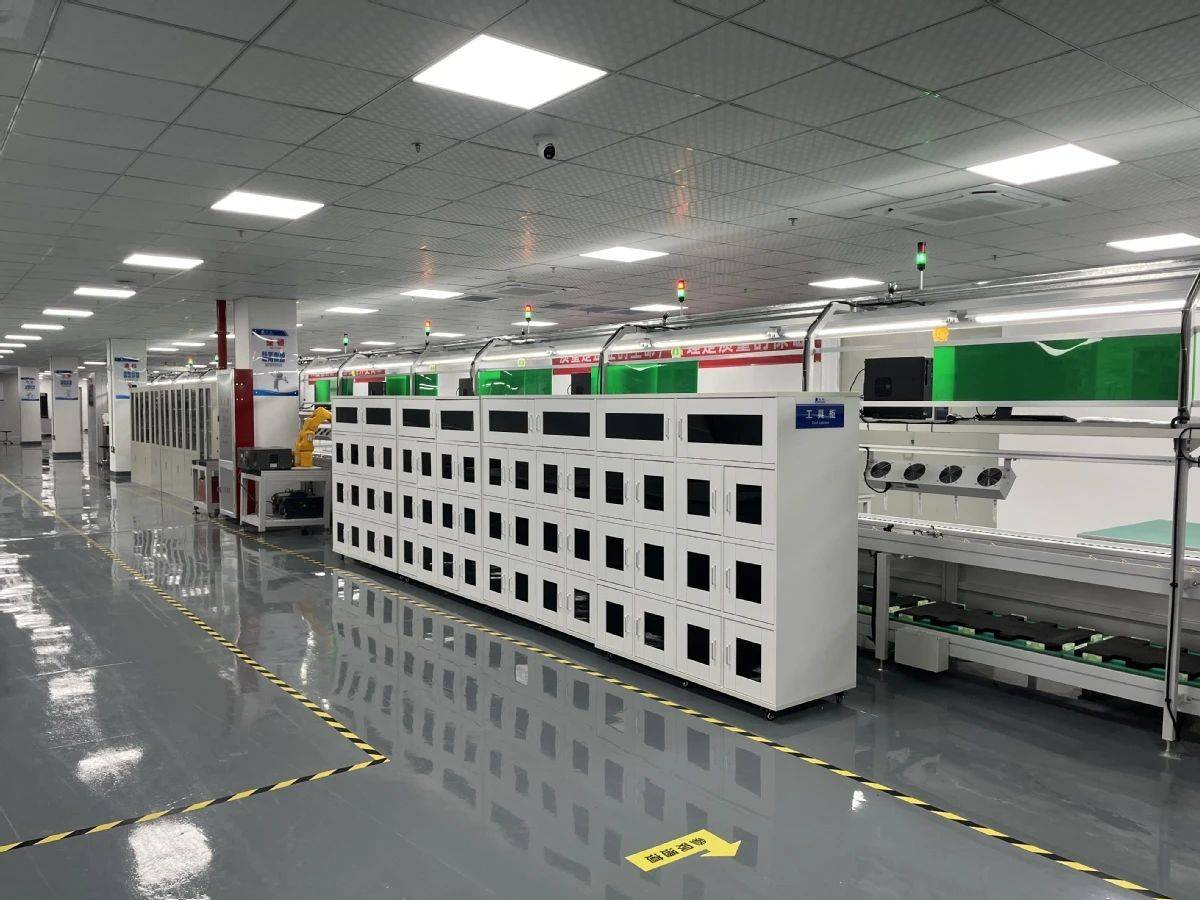
Modern Chinese manufacturing facilities do not rely on manual inspections alone. Leading factories implement strict ISO9001 quality management systems alongside automated hardware stress testing, thermal chamber validation, long-term burn-in protocols, and real-world AI workload simulation testing. This ensures that every node shipped to global datacenters delivers maximum uptime and system stability.
TensorNova is a professional high-performance AI GPU server manufacturer and infrastructure solution provider based in China. We specialize in AI computing, GPU clusters, and scalable data center hardware solutions for global enterprises. Established in 2016, TensorNova has developed into a trusted supplier in the AI hardware industry with a strong focus on innovation, performance, and customized computing systems.
The company operates a modern production facility equipped for advanced server assembly, testing, and system integration. With 6 years of export experience and over 12 years of industry experience in AI computing and server manufacturing, we serve clients across North America, Europe, Southeast Asia, and the Middle East, with primary markets in the United States, Germany, Singapore, and the United Arab Emirates. Quality assurance is strictly implemented, leveraging automated hardware stress testing, thermal performance validation, burn-in testing, and AI workload simulation testing to meet the rigorous demands of enterprise clients.
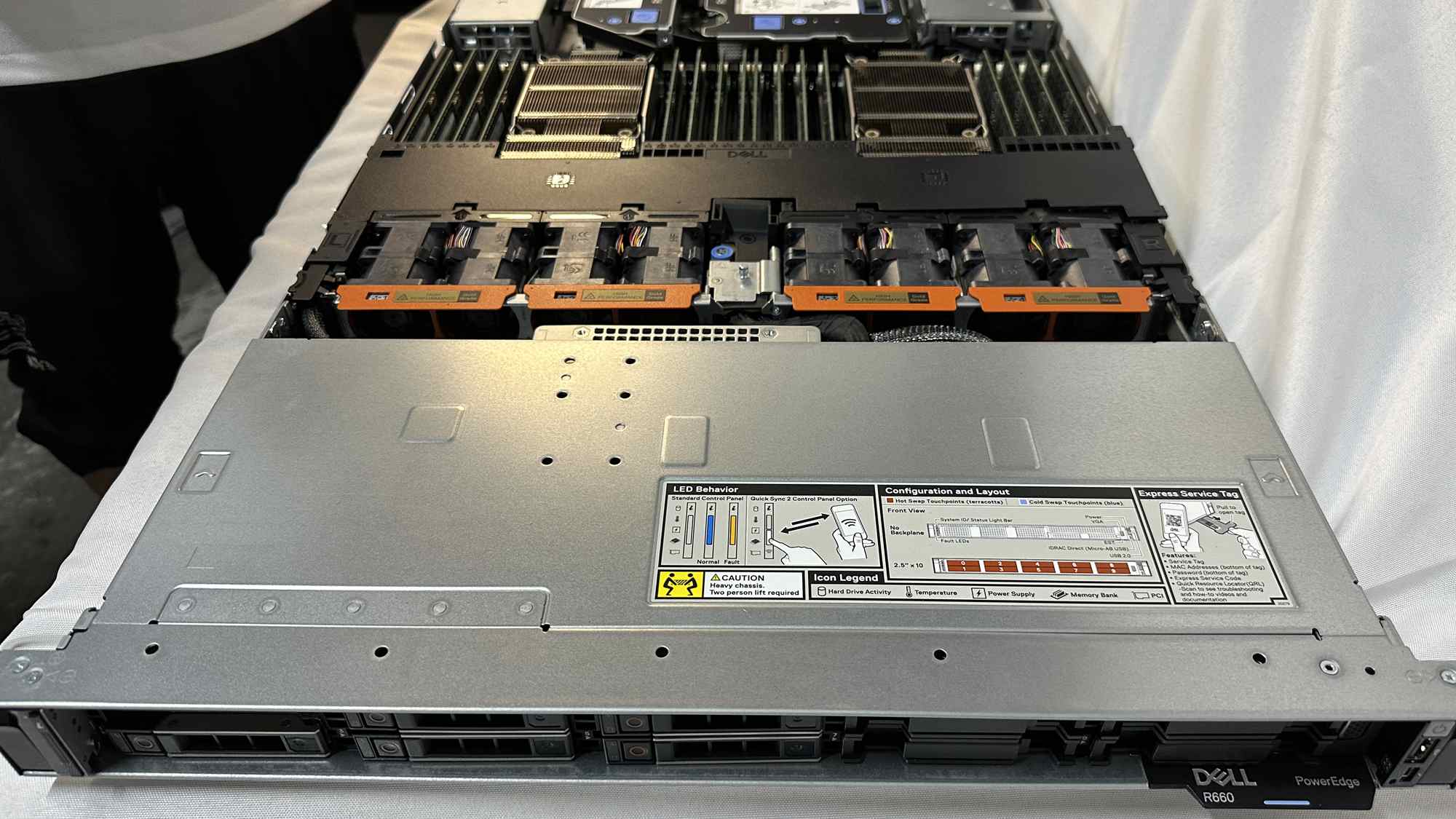
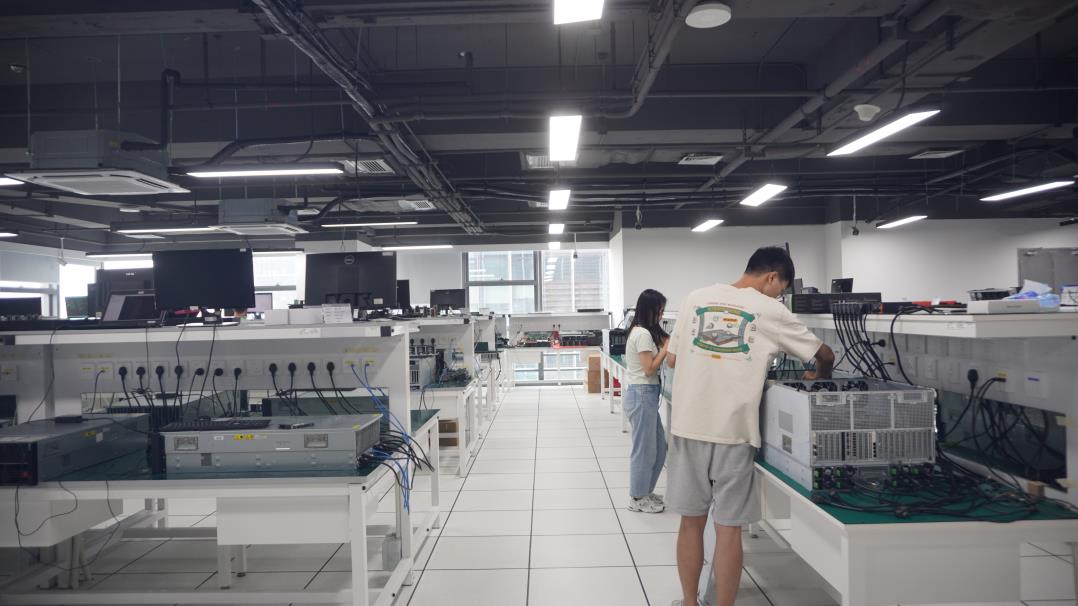
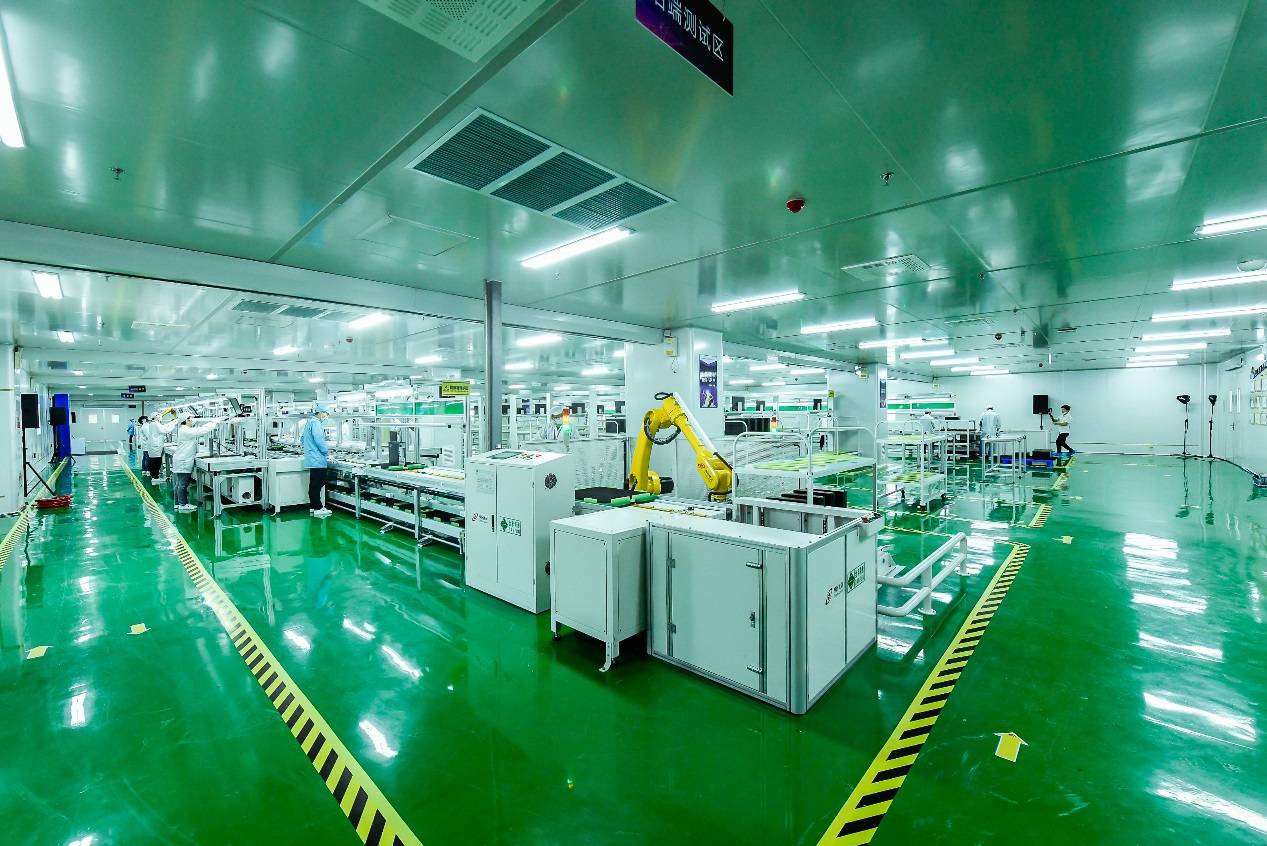
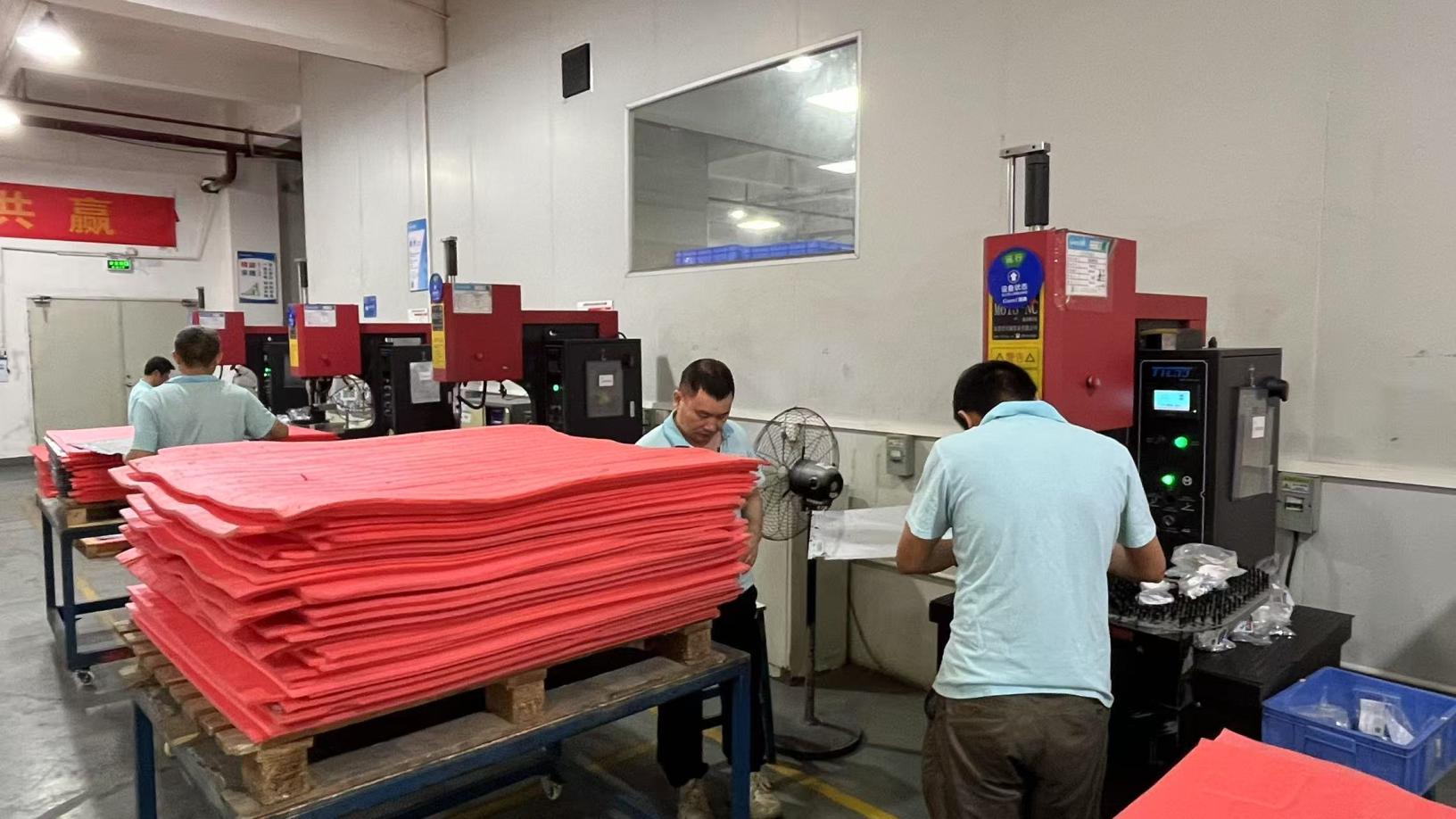


Microservices are not deployed in a vacuum; they must solve complex real-world operational challenges. By pairing software containers with application-specific hardware topologies, TensorNova helps organizations transform their compute, storage, and networking layers to achieve robust performance across various demanding scenarios.
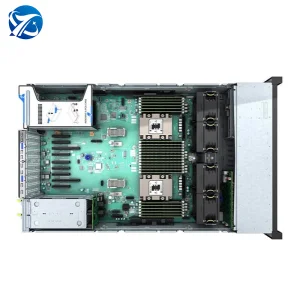
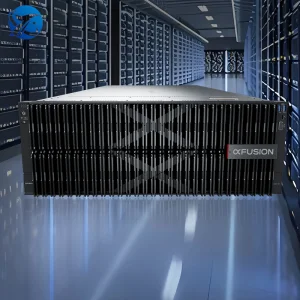
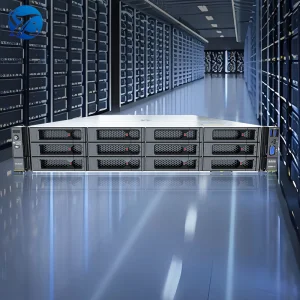
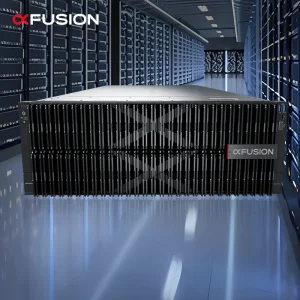
For enterprises running private clouds, hyperconverged infrastructure nodes (like the xFusion 2288H V7 HCI Server) combine compute, storage, and networking into a single modular footprint. This is ideal for managing dynamic Kubernetes clusters where physical node scaling is required to support rapid software updates, reducing footprint and energy costs.
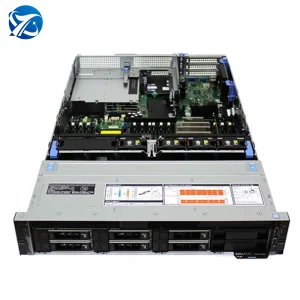
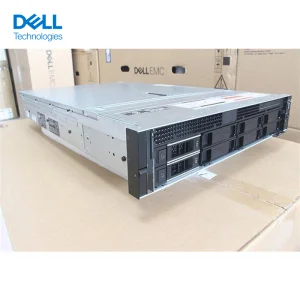
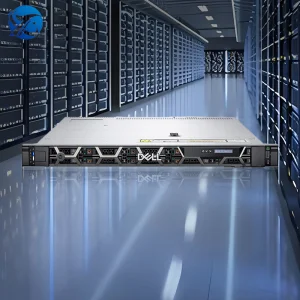
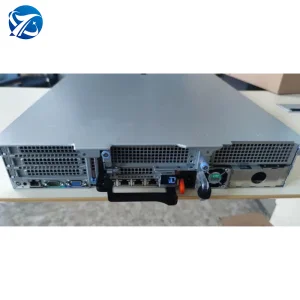
AI microservices, such as Large Language Model (LLM) inference nodes, require specialized GPU clusters to process real-world user queries. Using servers like the Dell PowerEdge R650 or xFusion G5500 V7 AI GPU server allows organizations to run DeepSeek AI models and complex vector databases across high-bandwidth topologies, securing rapid data retrieval and minimal request latency.
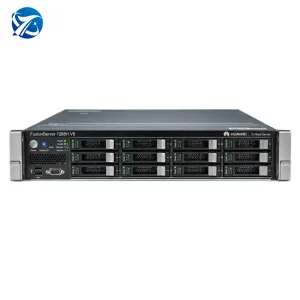
At the network edge, massive streams of IoT data require decentralized microservices to process metrics before transferring them to the cloud. Deploying compact, short-depth rack servers (such as the FusionServer 2488H series) at edge data centers helps companies execute real-time analysis, reduce bandwidth bills, and enforce strict local data privacy protocols.
When procurement teams evaluate global suppliers, they look beyond unit costs. Reliability, compliance, supply stability, and R&D support are crucial selection factors. Enterprises sourcing infrastructure must prioritize manufacturers who provide technical transparency, quality certifications, and long-term hardware support plans.