TensorNova
TensorNova
TensorNova
Enterprise-grade computing node, rack systems, and hybrid flash storage drives optimized for modern edge cloud architectures.
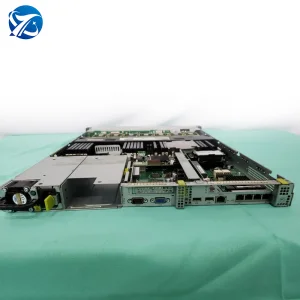
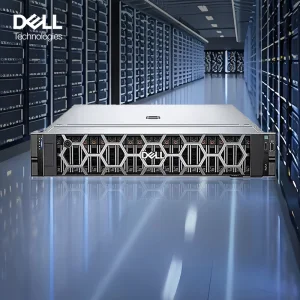
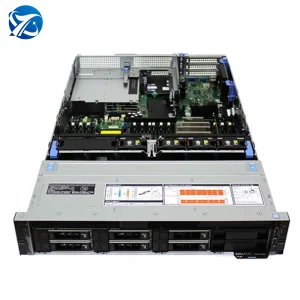
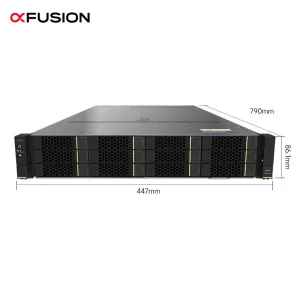
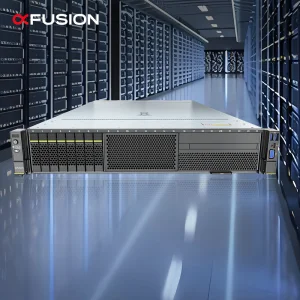
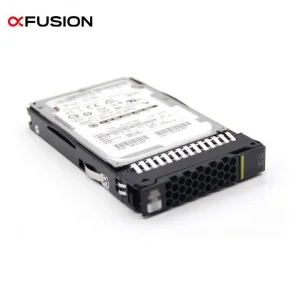
As billions of sensors connect globally, traditional cloud systems face substantial bottlenecks in latency, network backhaul costs, and data sovereignty. Modern IoT architectures demand local compute clusters capable of running real-time neural networks, processing complex streaming telemetry, and orchestrating deep learning tasks right where the data is gathered.
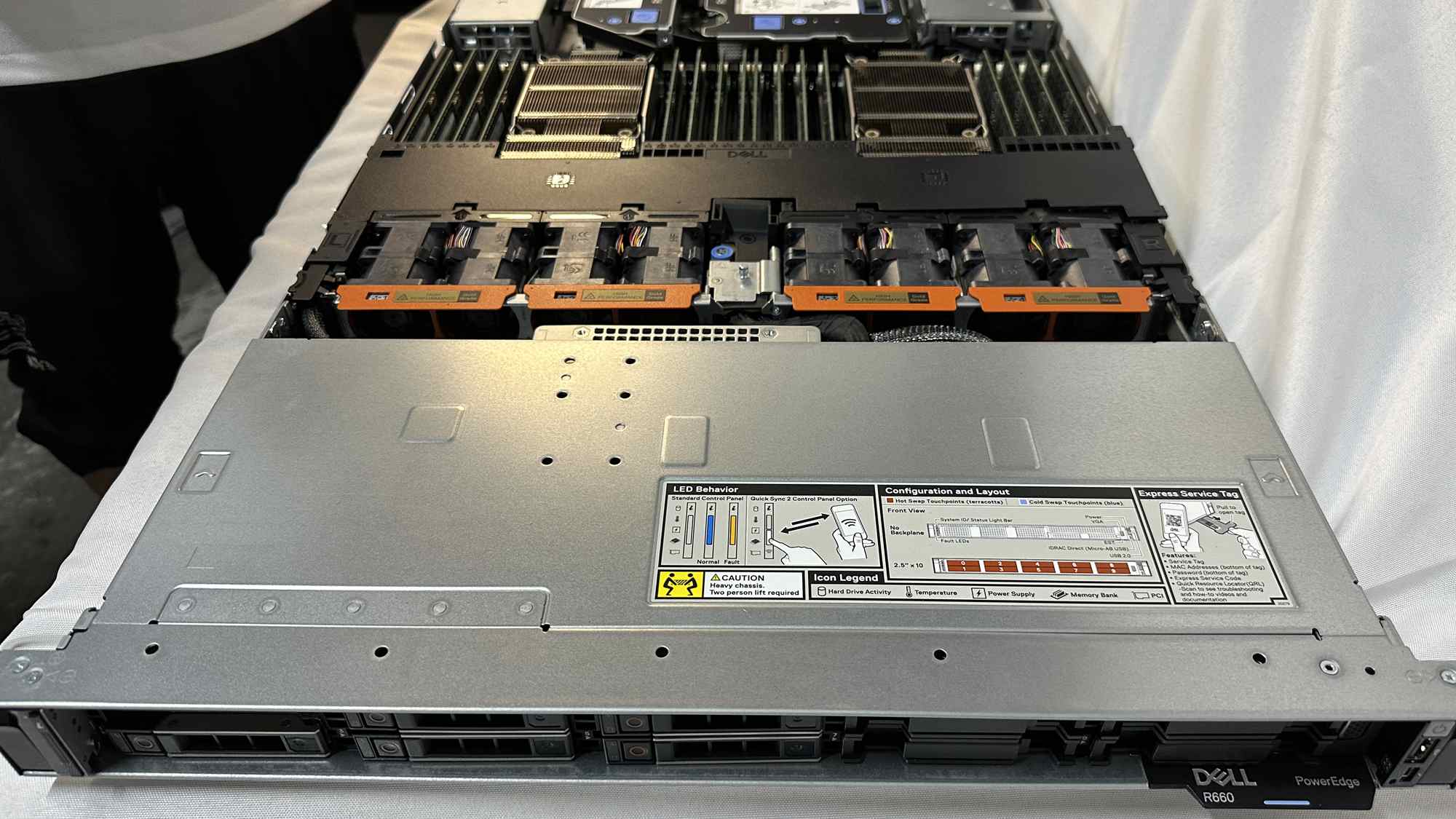
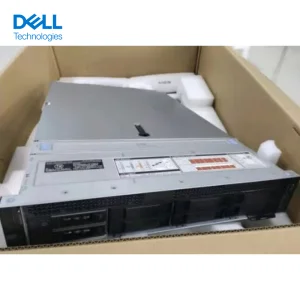
This operational shift is why IoT Solutions Manufacturers are no longer just producing simple sensors; they are architecting heavy-duty edge computing appliances. From AI-accelerated 1U/2U rack servers equipped with high-efficiency GPUs to dense network attached storage systems that capture local sensor data, server-grade hardware is now the bedrock of scalable industrial IoT networks.
| TensorNova Infrastructure Capabilities & Standards | |
|---|---|
| Industry Experience | Over 12 Years of AI Computing & Server Manufacturing Expertise |
| QA Protocols | Automated Hardware Stress Testing, Thermal Validation, & Burn-in |
| R&D Staff | ~180 Deep-Tech R&D and Hardware Architecture Engineers |
| Quality Control Staff | 45 Dedicated Quality Assurance Inspectors |
| Customization Capabilities | GPU Configuration, Liquid/Air Cooling Systems, & Motherboard Tuning |
A breakdown of our modern hardware manufacturing pipeline, global export standards, and extensive testing environments.
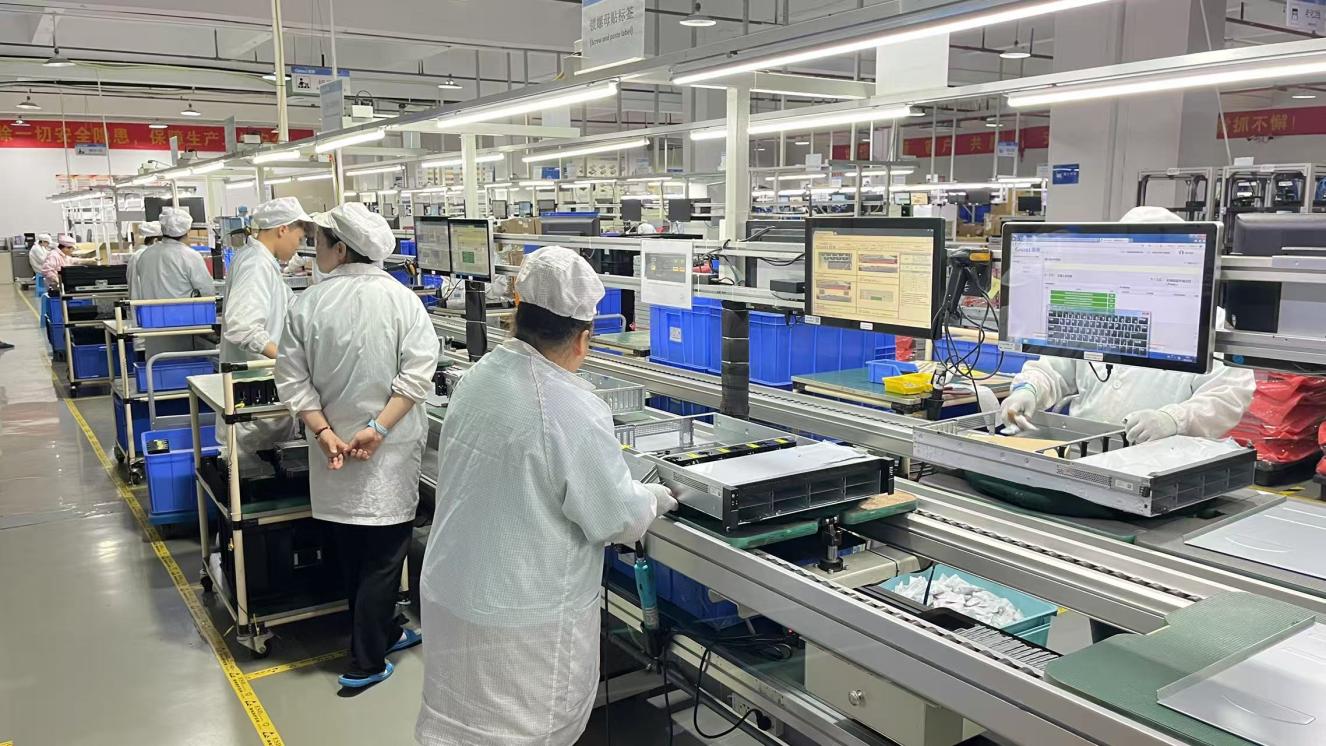
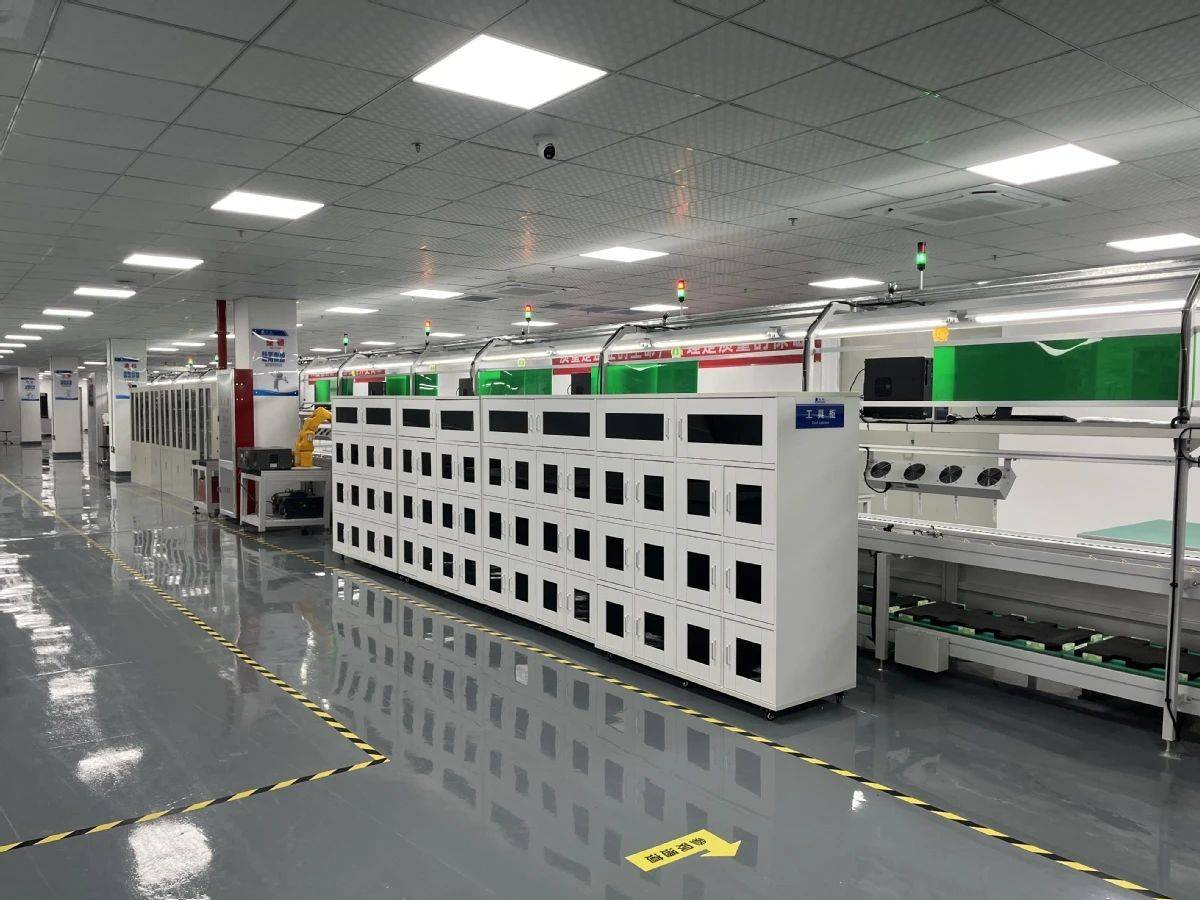
Operating out of a highly specialized 320㎡ clean-room facility in China, TensorNova runs advanced server integration, thermal modeling, and system assembly lines. This layout is purpose-built for low-tolerance GPU clustering and high-density rack configurations.
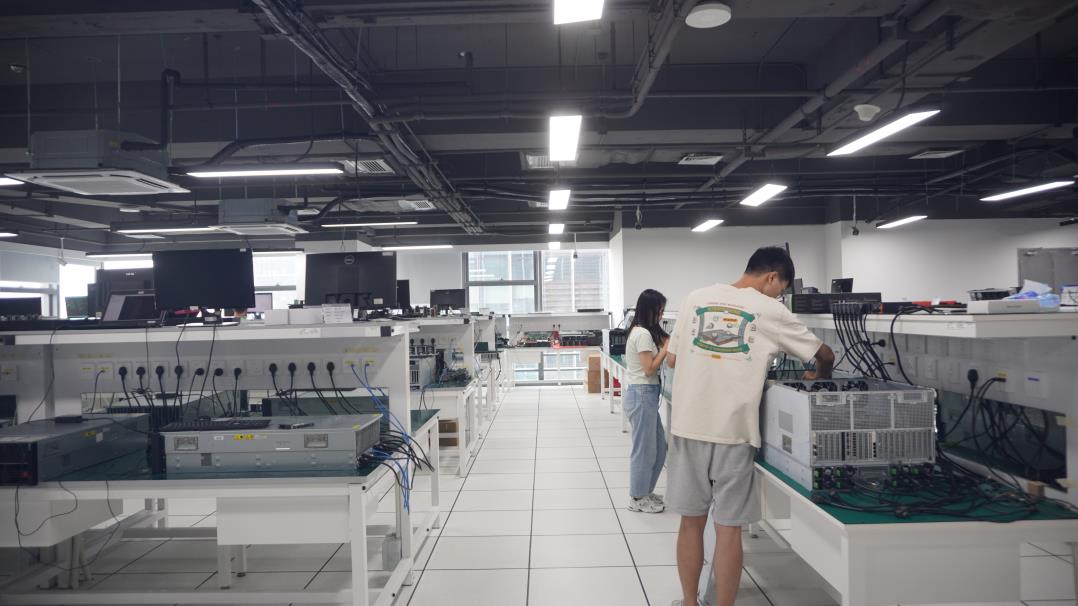
Our quality control department consists of 45 specialized technicians utilizing advanced automated testing suites. Every hardware node undergoes rigorous hardware stress testing, burn-in, dynamic thermal profiling, and real-world AI workload simulation.
Backed by a strategic component network of over 1,200 suppliers, we maintain robust delivery cycles to primary global markets including the United States, Germany, Singapore, and the UAE. TensorNova offers 6 years of direct export history.
The global electronics supply chain has evolved from basic PCB assembly to high-precision hardware optimization. For IoT system architectures, choosing a manufacturer base in China, specifically in the Shenzhen technological hub, provides unmatched advantages in delivery speed, production scale, and technical adaptability.
From custom silicon fabrication and advanced active component sourcing to specialized aluminum chassis extrusion and liquid cooling blocks—all critical steps of server manufacturing exist within a 50-mile radius. This localization of component providers minimizes transit delays, reduces lead times, and allows manufacturers to transition prototypes to final volume production in weeks rather than months.
Standard off-the-shelf server configurations rarely fit the diverse demands of modern Edge IoT. For example, specialized deployments in agricultural computing or smart ports require unique heat dissipation pathways, hybrid storage layouts, or custom power supply units (PSUs) to handle power fluctuations. Chinese factories excel in modular production, easily adapting motherboard trace layouts, thermal pipes, and GPU mounting brackets to suit specific enterprise demands.
By leveraging mature global material procurement networks and localized automation tools, factories can drastically reduce overhead costs. These savings are directly passed down to customers in the form of cost-efficient enterprise GPU clusters, high-capacity rack storages, and reliable network appliances without sacrificing E-E-A-T guidelines or international quality standards.
Custom-engineered hardware architectures that resolve processing bottlenecks across primary commercial verticals.
Deploy high-availability rack servers directly onto production floors to aggregate real-world telemetry from thousands of PLCs. Real-time predictive maintenance algorithms run locally on PCIe-based GPU expansion boards to reduce downtime.
Equipped with enterprise SATA/NVMe hybrid storage drives, our server systems serve as localized data vaults. Local nodes capture, filter, and encrypt multi-terabyte raw sensor feeds before syncing refined datasets to central cloud platforms.
Enable localized inference networks (such as DeepSeek, Llama, or custom computer vision models) at the network edge. Using multi-GPU setups, enterprises run AI algorithms disconnected from outside networks to protect confidential internal data.
To maintain long-term competitive advantages, systems integrators must align their development roadmaps with upcoming hardware shifts. We focus on several critical technological trends shaping the future of industrial computing:
Real-time telemetry leaves no margin for system latency. Moving from older DDR4 to DDR5 interfaces provides a massive leap in data transfer rates, preventing standard memory bottlenecks. Simultaneously, PCIe Gen 5 expansion slots ensure that newly developed AI accelerators can operate at maximum bandwidth, processing hundreds of sensory camera streams without dropping frames.
Traditional structures separation of computing servers and storage appliances leads to latency overhead. Hardware architectures are consolidating into hyper-converged designs. These system layouts combine dense SSD capacity (SATA or NVMe hybrid platforms) and dual-socket Xeon processors onto a single 1U or 2U motherboard, cutting latency and physical footprint.
When purchasing large server fleets, enterprise IT departments and cloud datacenters should evaluate potential manufacturing partners against several criteria:
Find answers to common questions about server manufacturing, customizations, and our shipping logistics.
Explore our scalable servers, high-performance compute cabinets, and enterprise solid-state drives.
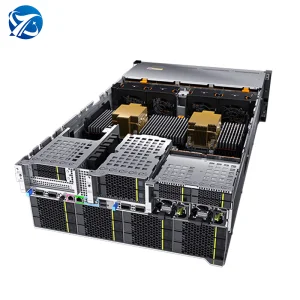
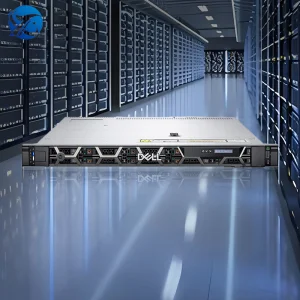
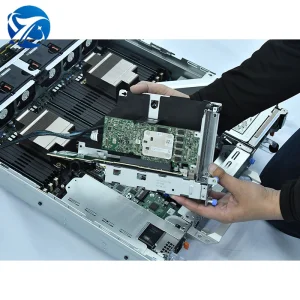
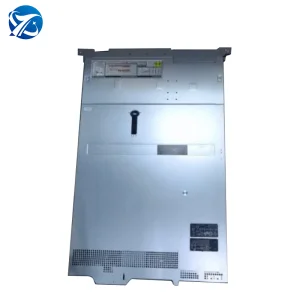
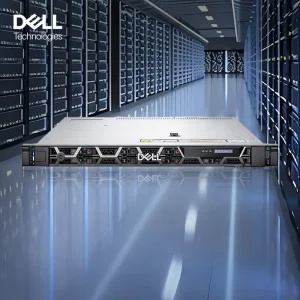
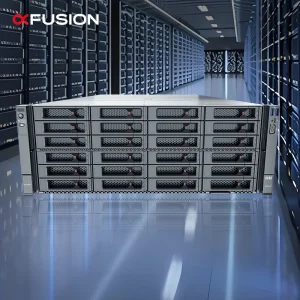
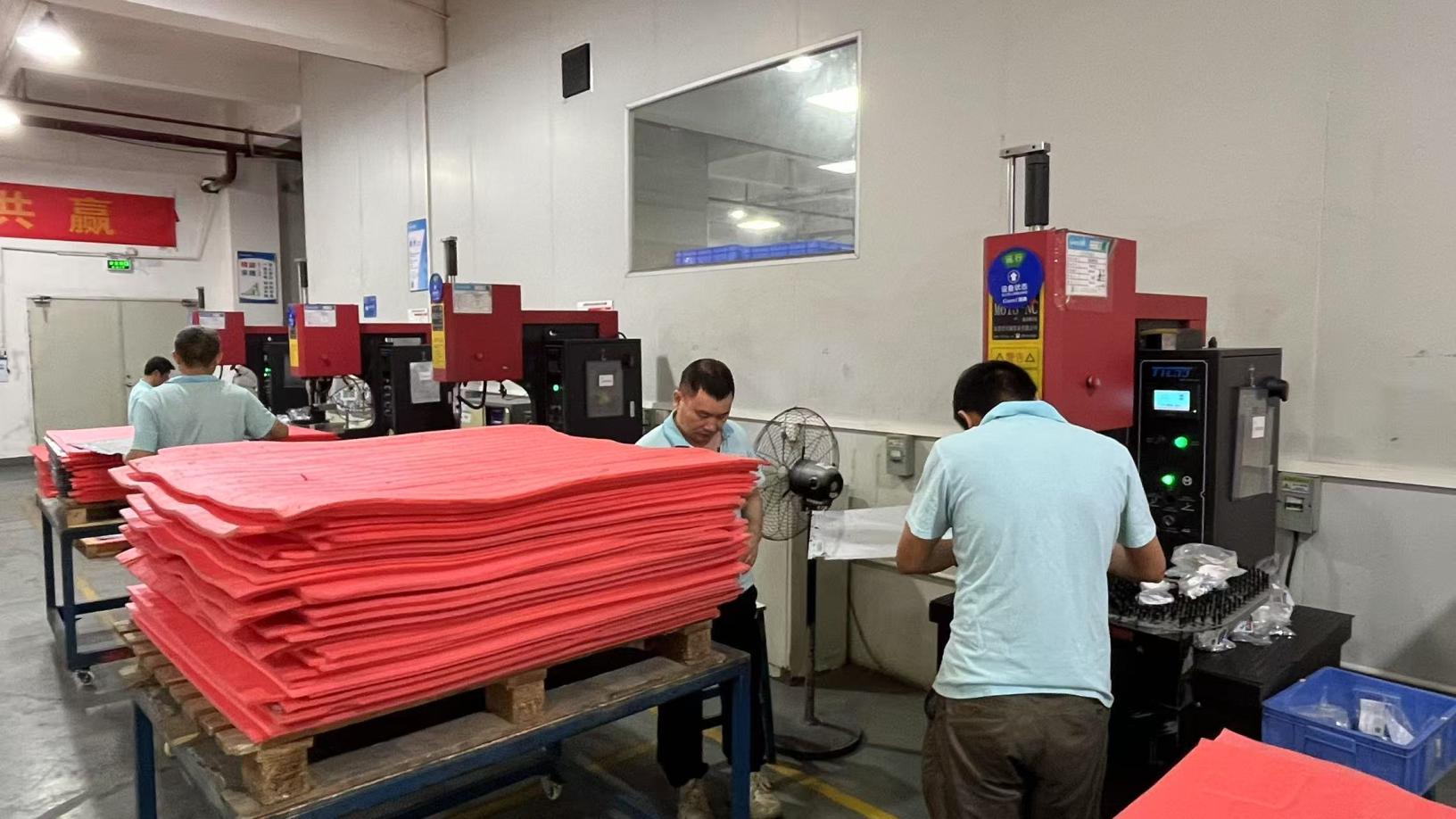
Visual overview of our clean room environments, assembly lines, thermal testing setups, and engineering divisions.