TensorNova
TensorNova
TensorNova
High-reliability hardware modules engineered for continuous performance in enterprise server infrastructures across the Middle East.
Analyzing the macroeconomic trends driving storage, memory, and high-performance server accessories deployment across the Kingdom.
Under the visionary guidelines of Saudi Vision 2030, the Kingdom of Saudi Arabia is undergoing a historic phase of rapid industrial and technical digital transformation. The localization of cloud infrastructure, development of mega-smart projects like NEOM, and massive regional data center capacity buildouts by tech giants (such as Google Cloud, Oracle, and Microsoft) have driven the demand for high-reliability server accessories to record levels.
To support this high-density compute landscape, local businesses, IT administrators, and government-backed cloud infrastructures require reliable, high-speed storage components and controllers. Standard equipment must withstand harsh ambient conditions, requiring server systems with robust physical enclosures, highly efficient thermal properties, and redundancy configurations.
As a global technology exporter, our mission is to supply Saudi enterprises with the specialized component modules required to scale their infrastructures. From high-capacity enterprise SATA and SAS hard drives to PCIe Gen 4.0 SAS RAID controller cards and Emulex Host Bus Adapters, our products ensure seamless integration with local legacy servers and modern hyper-converged systems.
Accelerating global IT operations through specialized manufacturing, quality control, and robust supply networks based in China.
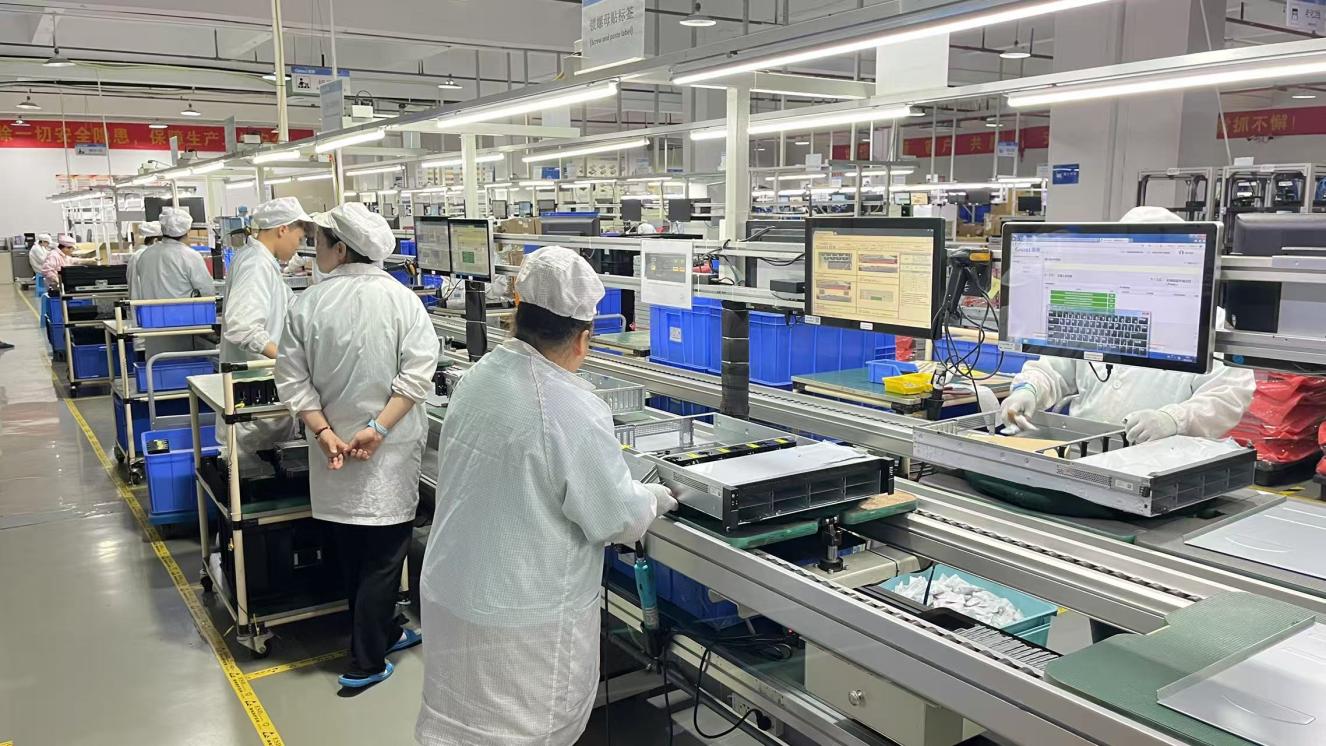
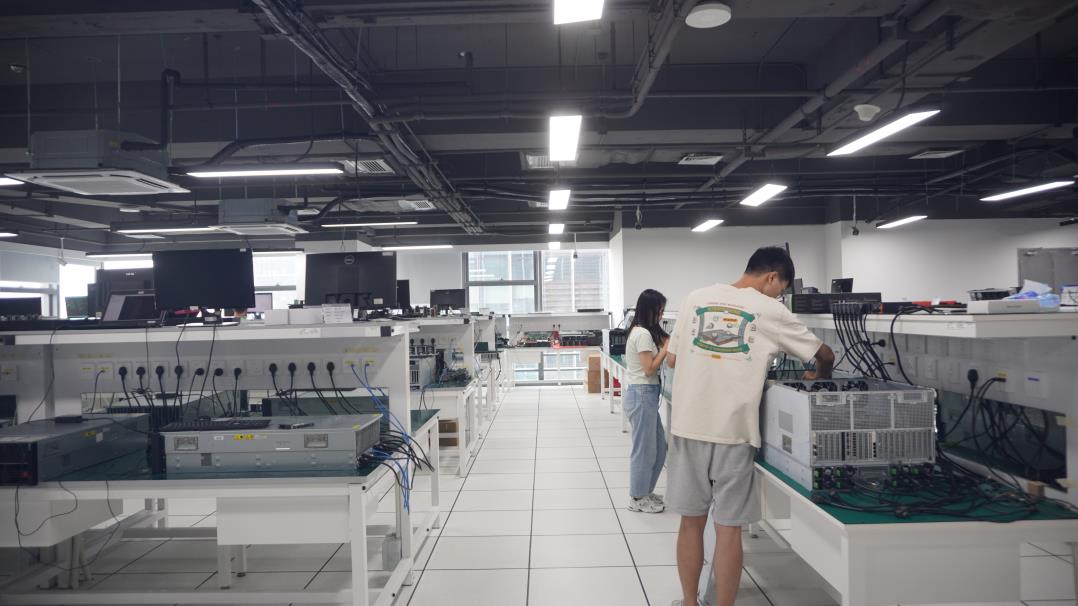
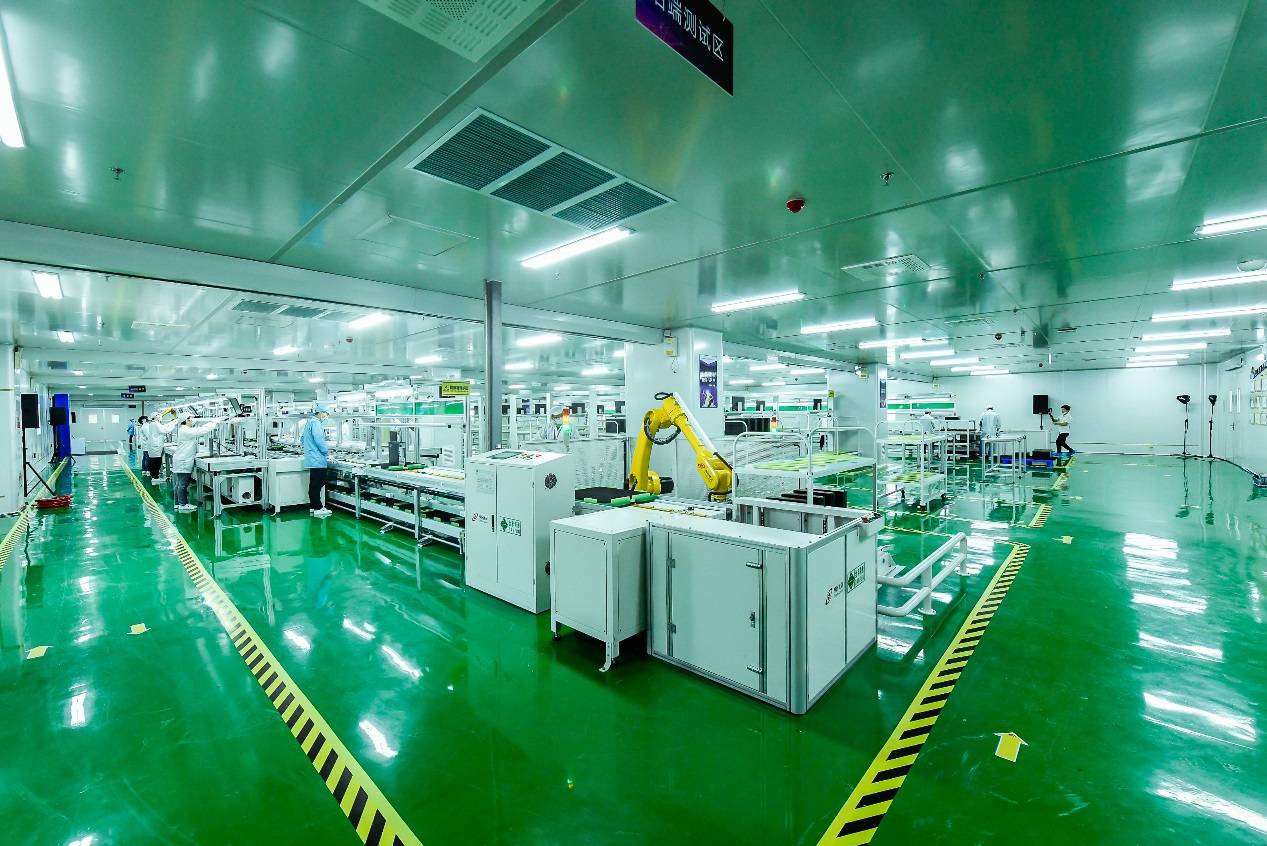
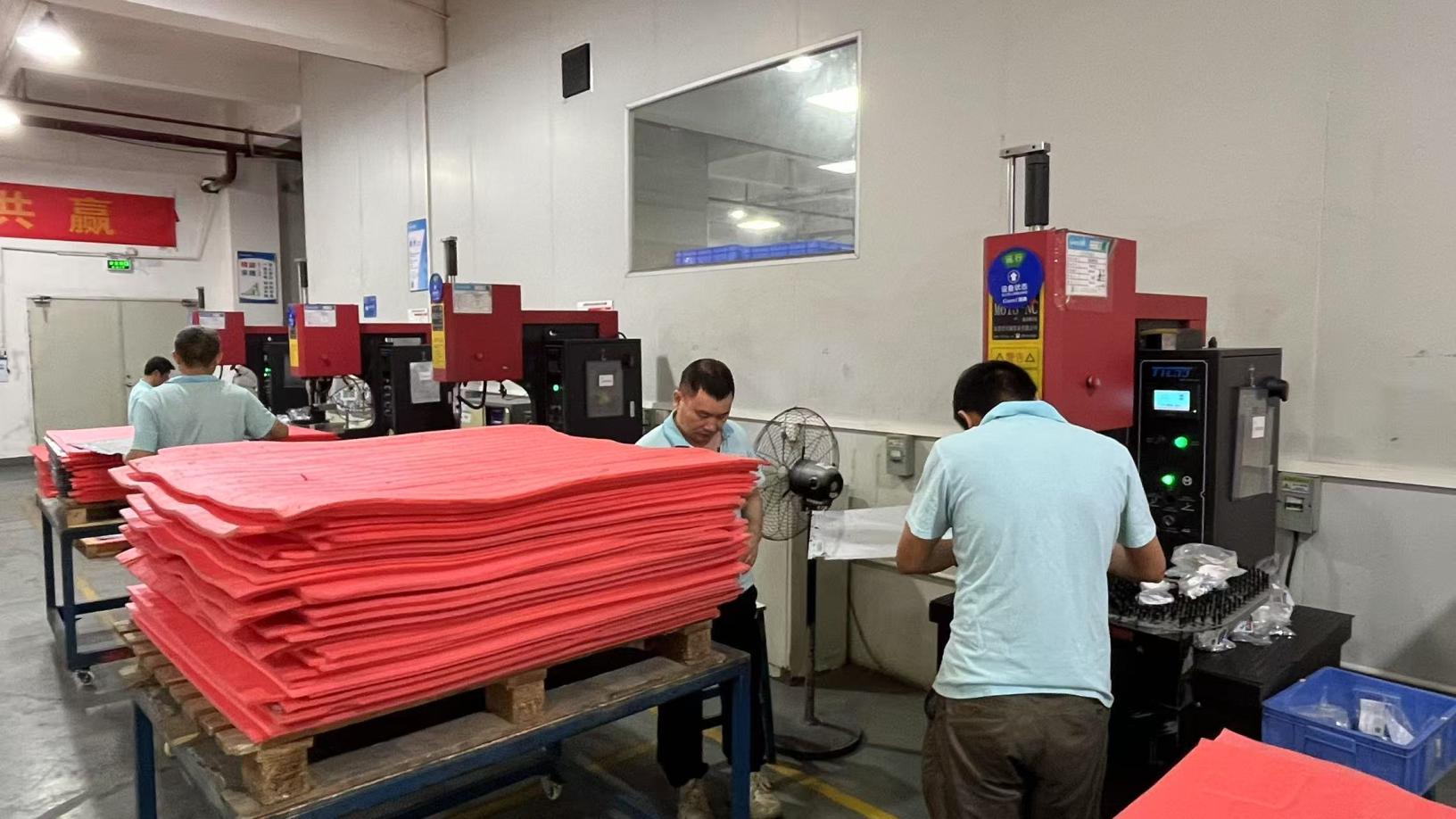
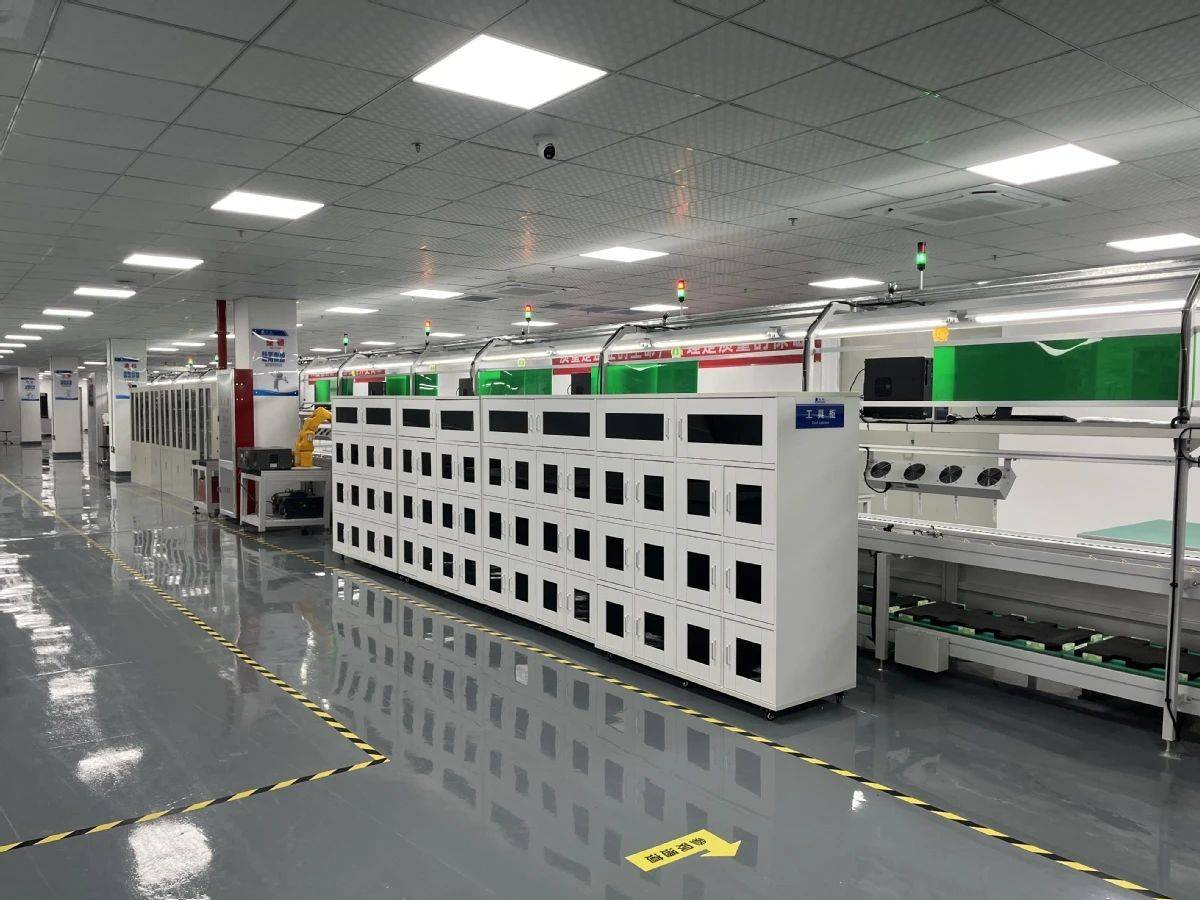
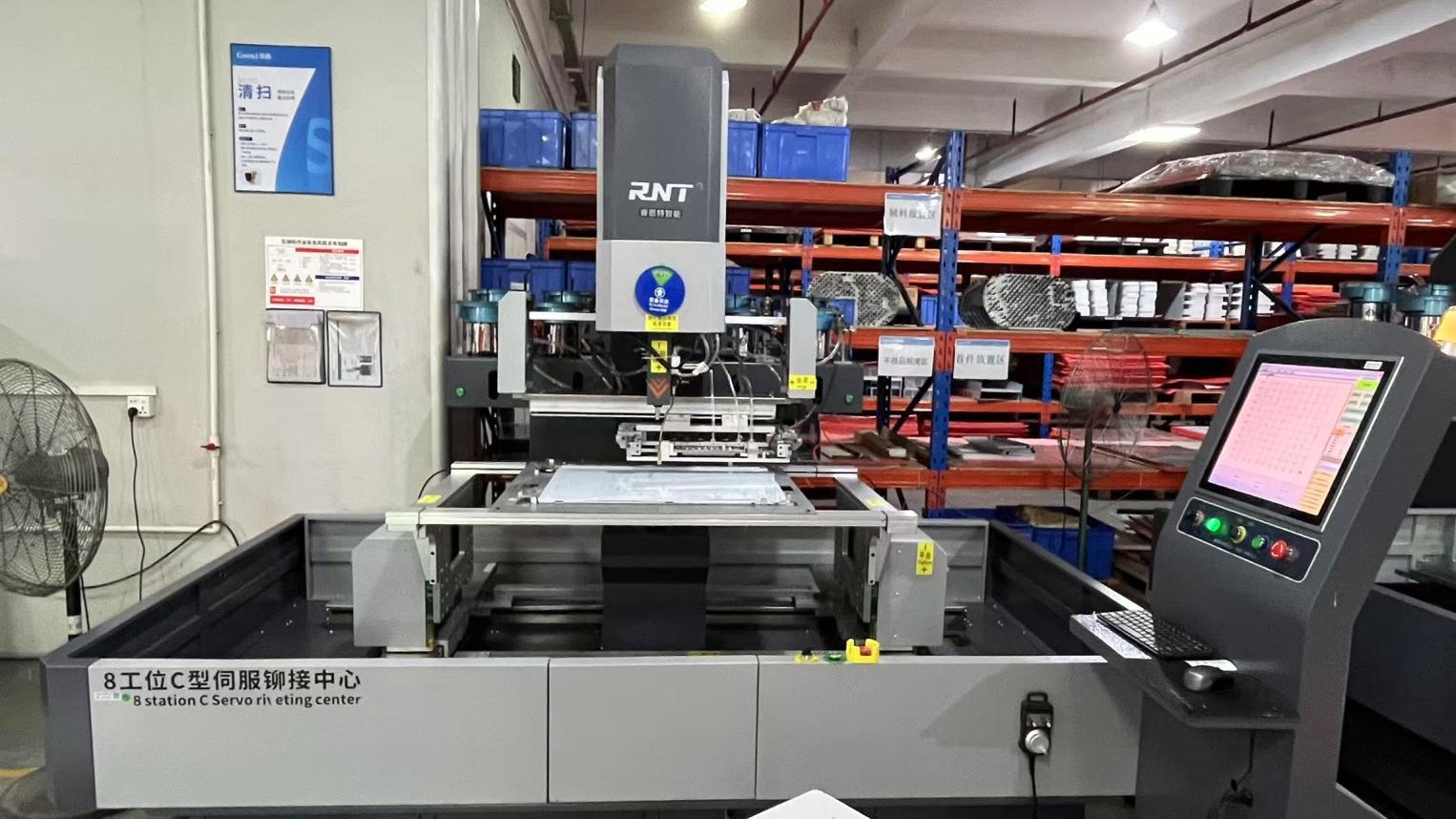
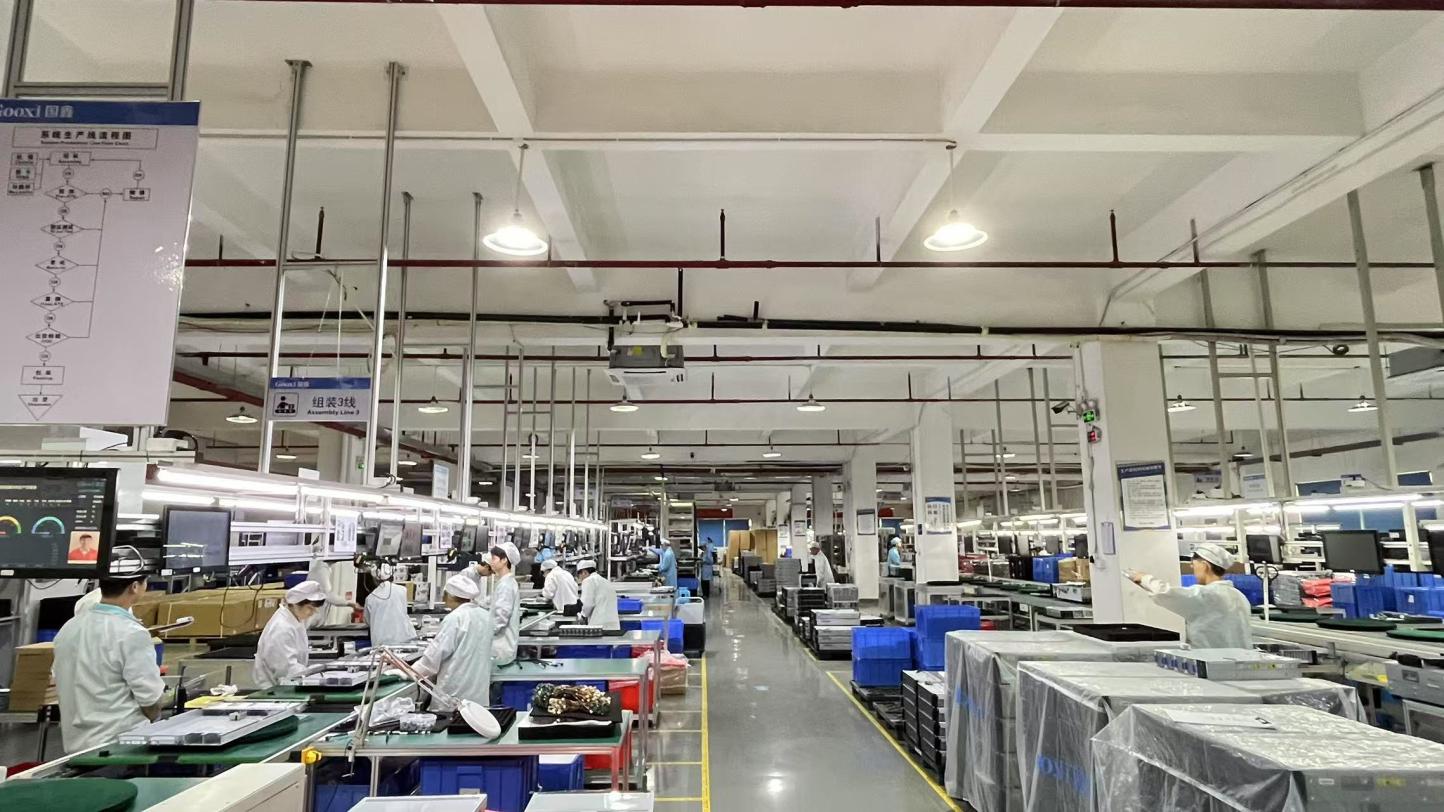
TensorNova operates an advanced Cleanroom Assembly and System Integration Unit covering approximately 320㎡. This facility is strictly customized to manage micro-assembly, static control, and precision testing of storage architectures, HBA cards, RAID setups, and computing servers.
Operating strictly under ISO9001 quality management protocols, our QA team comprises 45 skilled quality control specialists. Each server accessory undergoes hardware stress validation, burn-in verification, and active simulation parameters before dispatch.
With over 1,200 verified tier-1 component suppliers and global partners, TensorNova minimizes manufacturing latency. This logistics resilience ensures a rapid response to massive commercial upgrade bids throughout Saudi Arabia.
How our specialized server products are deployed to drive specific technical workloads and database frameworks.
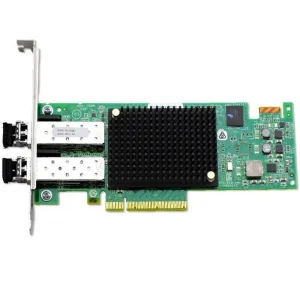
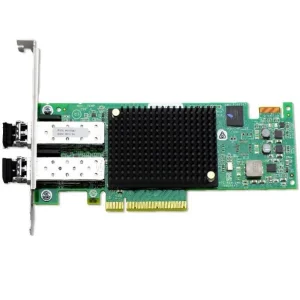
Saudi financial institutions demand redundant, low-latency architectures with zero-risk data configurations. The integration of Emulex LPe35002-M2 Dual Port 32GB Fibre Channel HBA cards guarantees lightning-fast database transaction syncing with local SAN storage arrays, satisfying high security and high IOPS specifications.
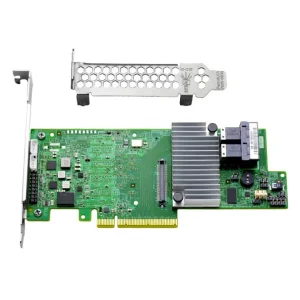
IoT and smart-city edge setups gather terabytes of environmental data. The XP270-M2 RAID Standard Card, supporting RAID 0, 1, and JBOD configurations, is ideal for lightweight edge computing systems, enabling fast boot drives and efficient edge storage management without consuming system memory cache.
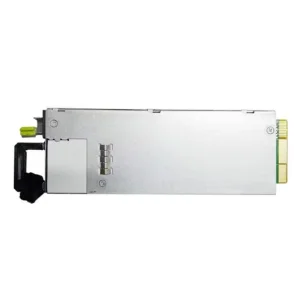
Hyperscalers need highly efficient power structures to control cooling overheads. Outfitting legacy server chassis with 900W/1500W/2000W 2.0 AC Power Supplies helps achieve Titanium-grade power efficiency, reducing cooling costs and preventing power losses during peak regional grid operations.
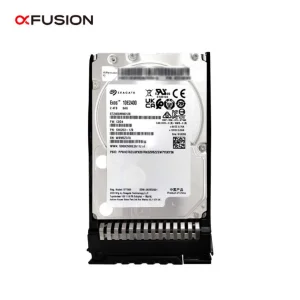
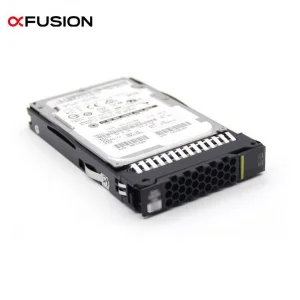
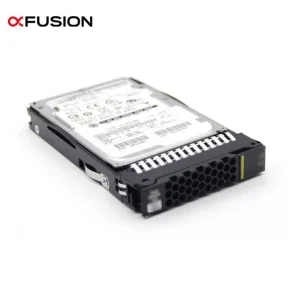
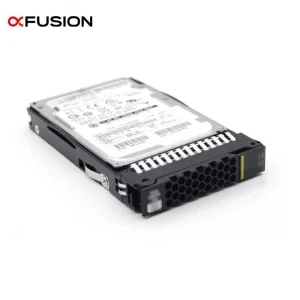
Oil and gas installations monitor pipeline safety via continuous high-definition video recording. High-capacity NL SAS 12Gb/s 7200rpm and SATA HDDs (up to 20TB) configured in high-bay SAS arrays provide cost-effective, scalable, and resilient archival arrays for continuous read/write cycles.
Simplifying cross-border hardware logistics and system integration through rigorous certification, custom-tuning, and robust technical support.
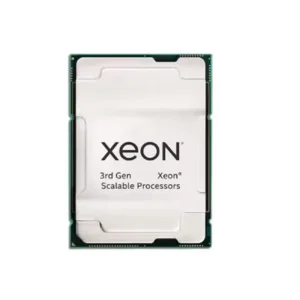
Our solutions extend beyond component supply. TensorNova provides end-to-end configuration support to match your specific CPU platforms and motherboard interfaces (such as Intel Xeon Scalable architectures or custom server boards). We configure HBA firmware, partition array sets, and run hardware pre-tests to ensure plug-and-play installation when the components reach your data center.
For custom systems, we optimize power supplies (from 900W to 2000W) to match specific high-density CPU load curves, ensuring stable power delivery and reducing server downtime.
Importing hardware to Saudi Arabia requires adherence to technical standards. We provide full support to ensure a smooth clearance process:
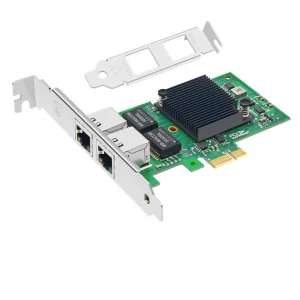
Explore our range of storage arrays, high-speed interfaces, power supplies, and processors optimized for Middle East enterprise operations.
Answering technical, logistics, and compliance questions regarding server accessories procurement and integration.
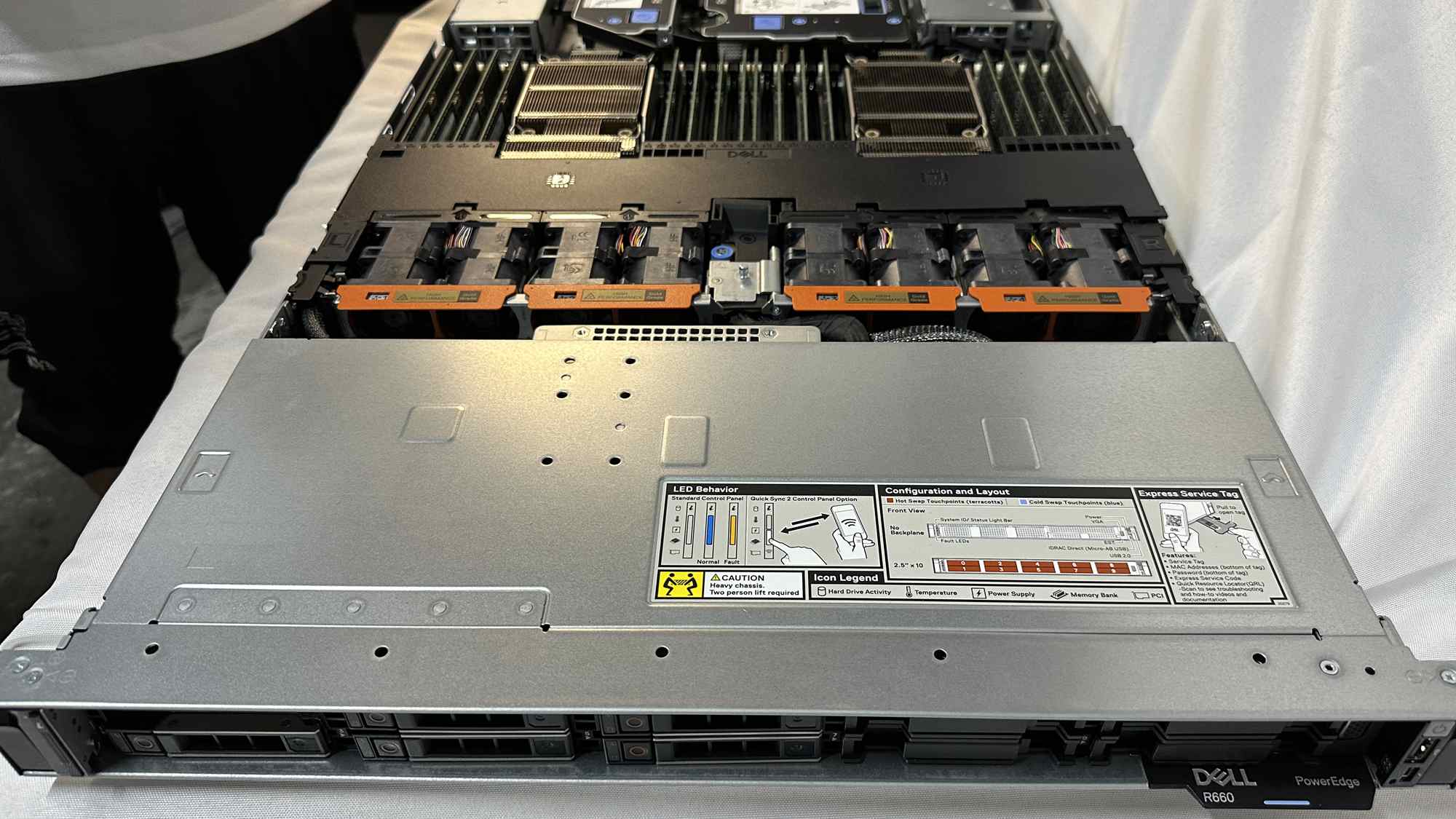
Yes. Our RAID controllers, HBA cards, memory modules, enterprise storage disks, and power supplies are fully compatible with mainstream enterprise server architectures, including xFusion, Dell PowerEdge, HPE ProLiant, Lenovo ThinkSystem, and Huawei FusionServer. During the inquiry phase, our engineers verify firmware alignment to ensure compatibility with your host motherboards.
Every component undergoes strict, multi-stage ISO9001 hardware stress testing. For memory and SSDs, we perform high-temperature burn-in tests and read-write endurance simulations. For RAID controller cards and Emulex HBA cards, we run active PCIe bus link tests and thermal dissipation assessments under simulated peak server computational workloads.
Standard batch orders are completed and dispatched from our factory within 7 to 15 working days. Shipping by air to Riyadh (RUH) or Jeddah (JED) typically takes 5 to 7 days, while sea freight takes 20 to 25 days. We prepare detailed commercial invoices, packing lists, and Certificate of Conformity (CoC) document structures to assist with clearance through Saudi Customs.
Yes. Our R&D team (comprising 180+ engineers) can flash specific IT/IR target firmware configurations onto RAID cards (such as the LSI 9560-16i or XC170-M-8i) or update Fibre Channel HBA cards to match your software-defined storage (SDS) protocols, Proxmox environments, or VM structures.