TensorNova TensorNova

Server RAM Factory & Exporters for the Portugal Market

High-Density DDR4 & DDR5 Enterprise Memory Solutions Engineered for Sines 4.0, Lisbon Cloud Architectures, and Hyperconverged Infrastructure Systems across the Iberian Peninsula.

Send Inquiry Now

Portugal Data Center Ecosystem: Infrastructure Scaling & Hardware Demands

Portugal is emerging as one of Europe's most critical digital hubs. Propelled by the massive Sines Tech Hub investments, intercontinental subsea fiber-optic cables landing in Sines, and the growth of enterprise cloud frameworks in Lisbon and Porto, the country’s data infrastructure requires unprecedented reliability. In modern high-availability computing, the physical memory layer is the heart of operational capability. System integration companies, cloud service providers, and telecommunications companies in Portugal face strict requirements: they must achieve maximum uptime, minimal latency, and optimal energy efficiency (PUE targets) under the European Green Deal guidelines.

Key Market Catalyst: Modern data facilities in Portugal require memory modules that not only operate at extreme frequencies (up to 3200MT/s for DDR4 and 4800MT/s+ for DDR5) but also maintain a low thermal footprint. TensorNova's 1.2V DDR4 ECC RDIMM and low-voltage DDR5 lineups are optimized to run cooler under constant load, minimizing datacenter cooling overhead.

Industrial Hardware Realities: Why Portuguese System Integrators Choose TensorNova

Purchasing components for corporate servers in Portugal requires careful consideration of compatibility, chip origin, and long-term support. In hyperconverged systems (HCI) or virtualization systems based on Dell PowerEdge, HPE ProLiant, and xFusion FusionServer platforms, mismatched RAM profiles can trigger memory exceptions or reduce host operating speeds. TensorNova ensures absolute interoperability by adhering to JEDEC standards and running strict pre-delivery testing on original OEM chips (Samsung, SK Hynix, and Micron DRAM dies).

Technical Roadmap: The Transition from DDR4 RDIMM to Next-Gen DDR5 Systems

While DDR4 remains the workhorse of enterprise IT infrastructures in Portugal, new deployments are shifting to DDR5 memory architectures. This transition is driven by high-bandwidth demands from AI workloads, deep learning simulation models, and heavy Kubernetes cluster operations. Here is how our technical offerings support this structural evolution:

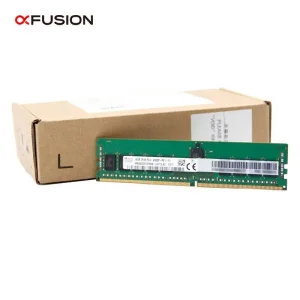
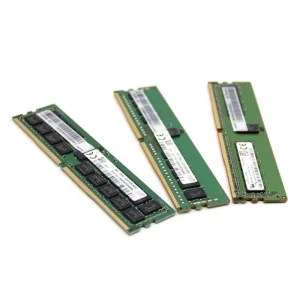
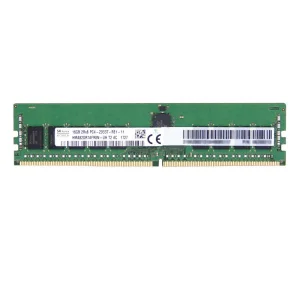
  • DDR4 RDIMM Features: Structured with 288 pins, operating at a reliable 3200MHz, with a fast 0.625ns access latency, 1.2V core power supply, and multi-rank profiles (2 Rank) featuring hardware Error-Correcting Code (ECC) to eliminate soft memory errors.
  • DDR5 Smart Upgrades: Shifting to on-DIMM PMIC (Power Management Integrated Circuits) and on-die ECC. This offloads power management from the motherboard to the module, improving signal integrity and power efficiency—crucial for large data nodes in southern Europe.
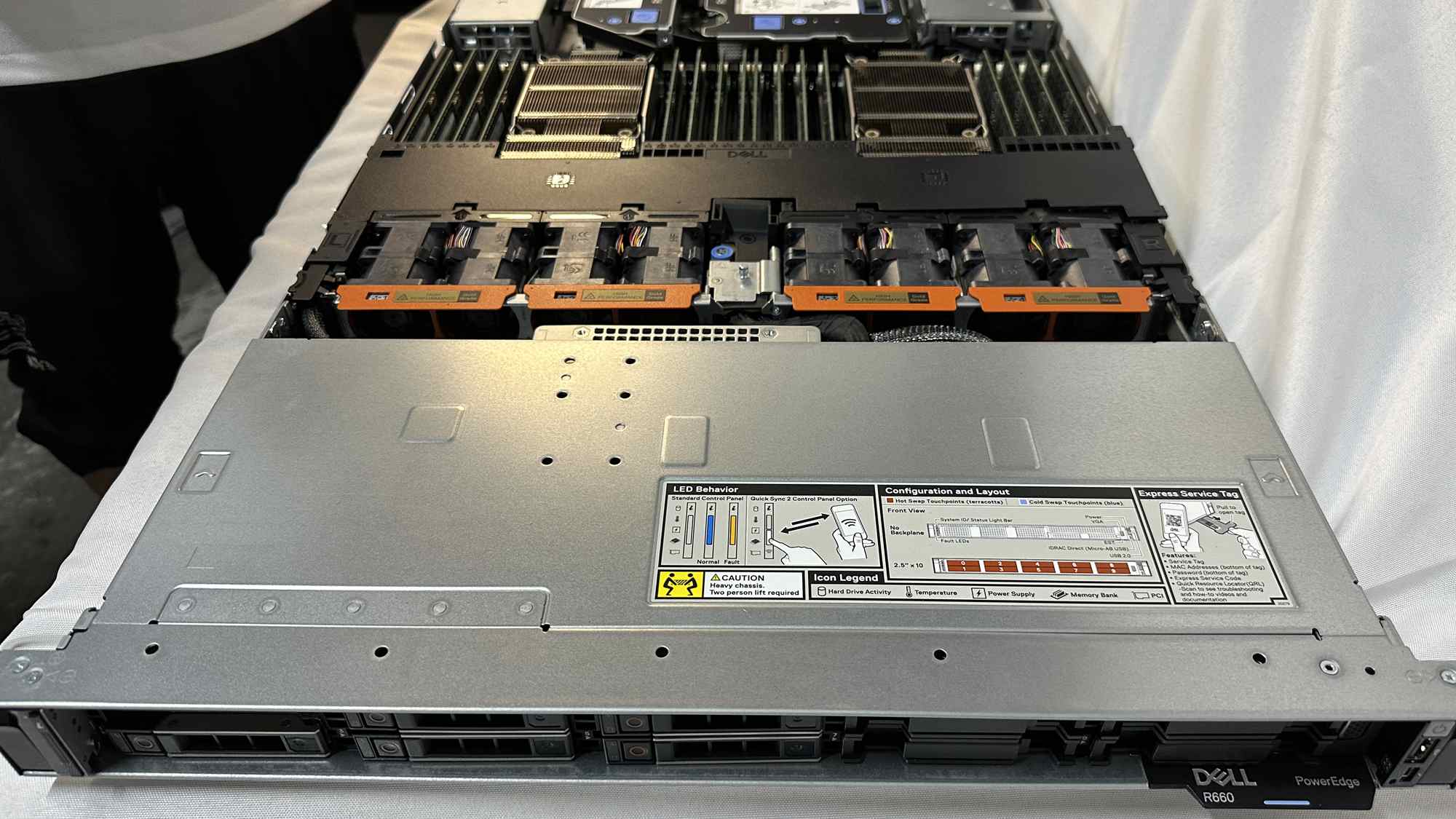
  • Architectural Alignment: Compatible with both standard rack units and high-density multi-node compute systems like xFusion FusionServer Pro and Dell PowerEdge platforms.

China Industry 4.0: Supply Chain Resilience & Manufacturing

TensorNova is a professional, high-performance AI GPU server manufacturer and infrastructure solutions provider based in China, delivering tailored server RAM and host integrations globally.

2016
Company Established
320+
New Products Launched
$8.5M
Annual Export Revenue
12+ Yrs
Industry Hardware Exp.

Strict Quality Management Systems (QMS) & Stress Testing

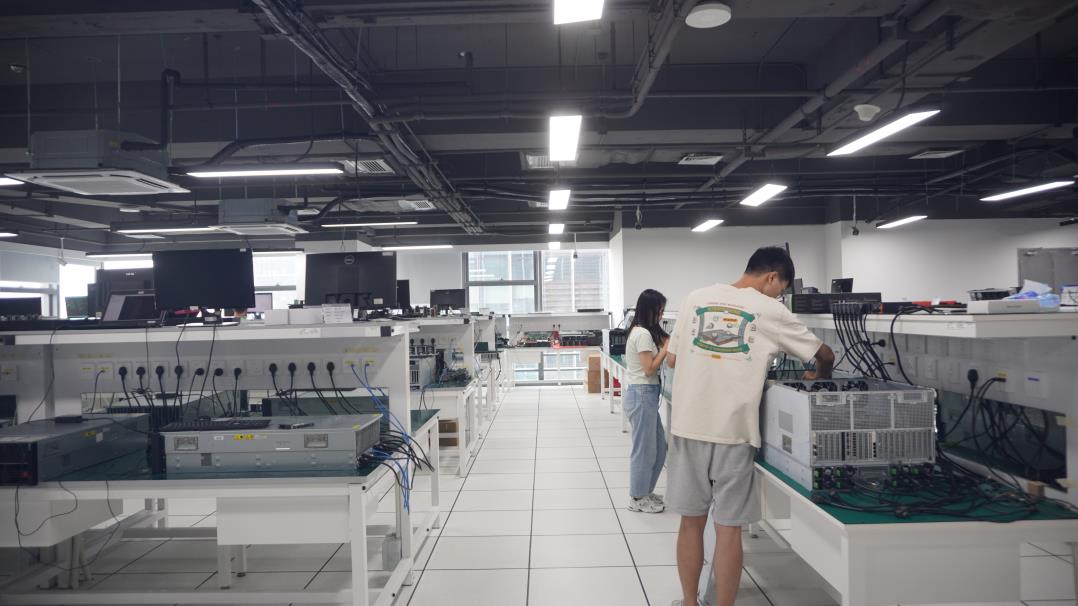
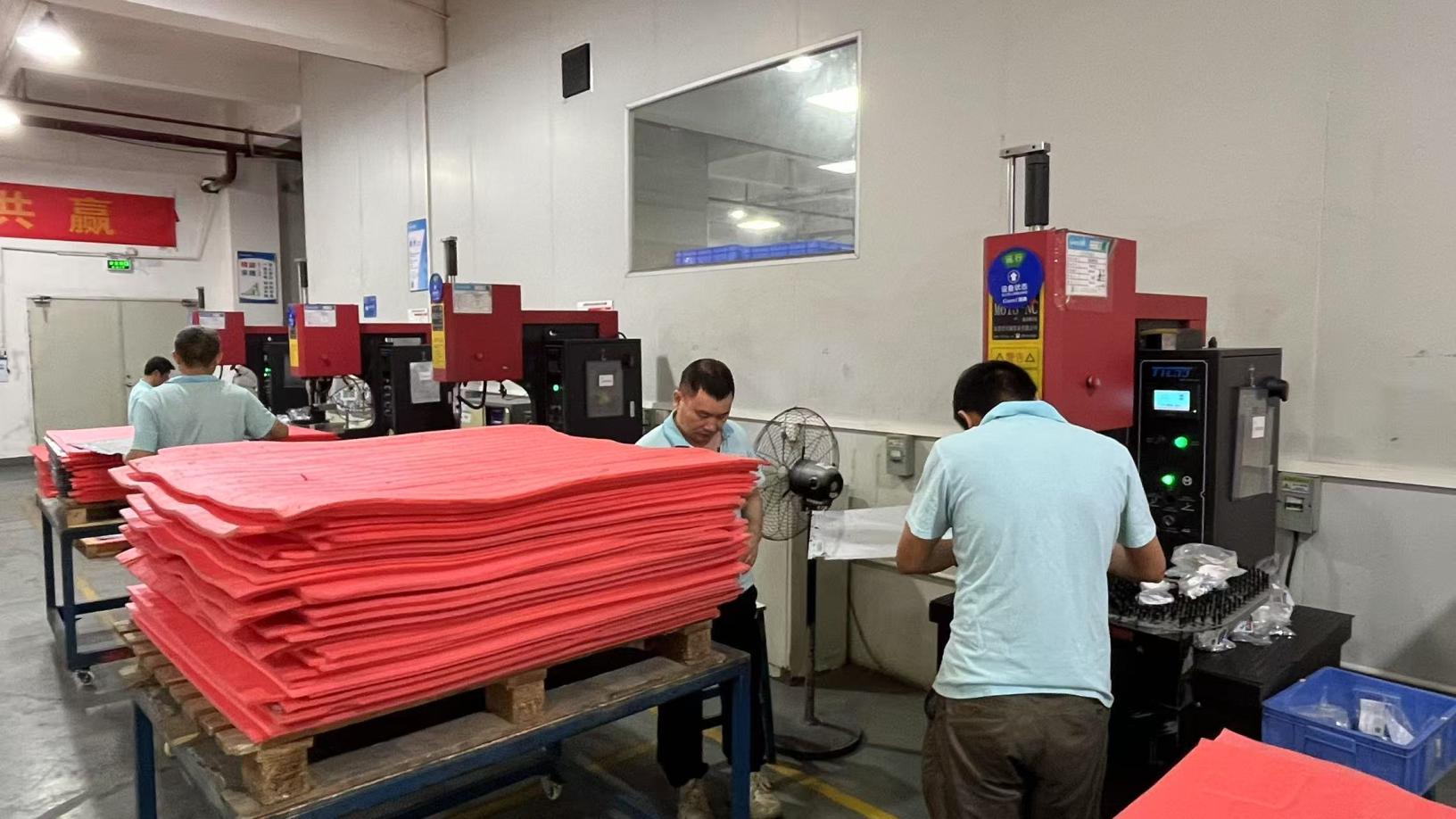
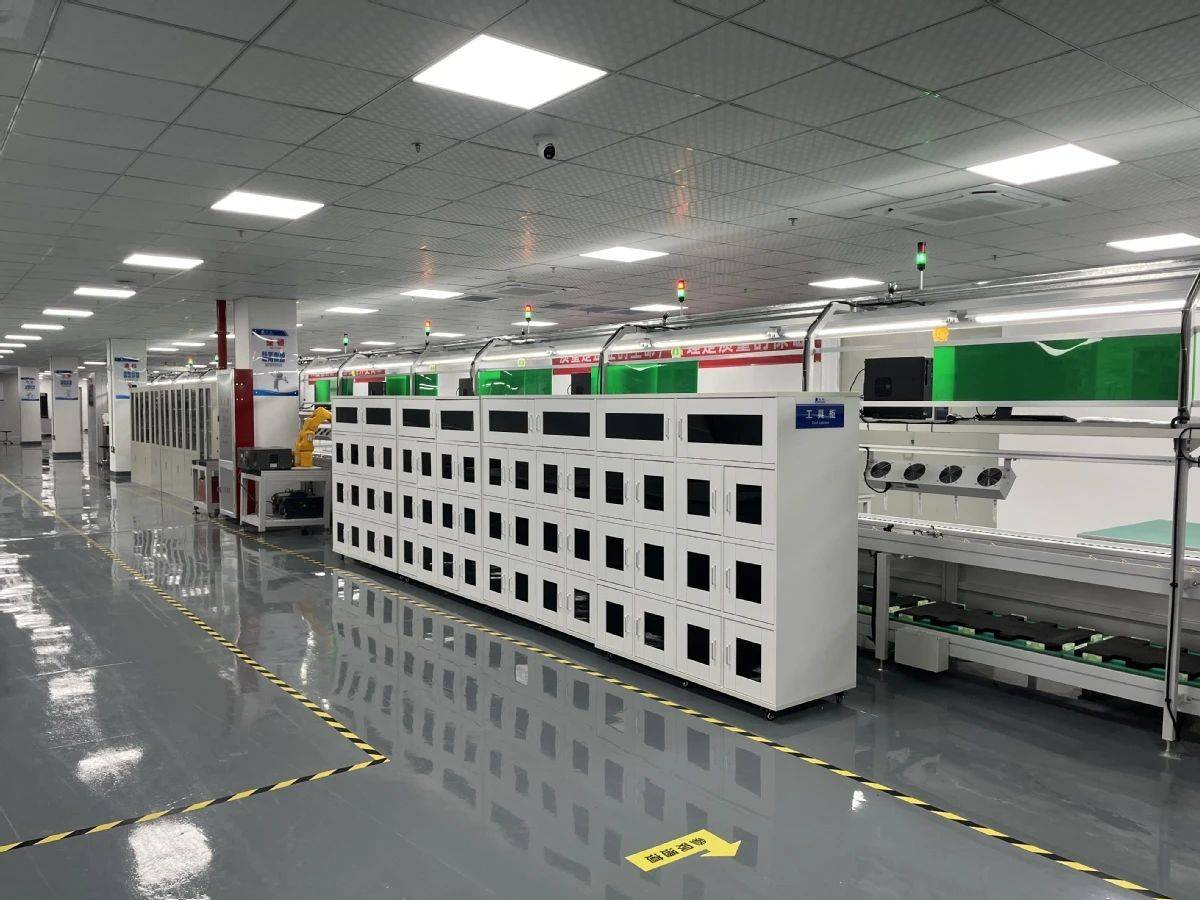
Operating a precision manufacturing facility, TensorNova utilizes advanced server integration platforms, burn-in chambers, and automated functional diagnostics. Quality assurance is meticulously enforced via an ISO9001-based quality management system. Prior to packaging and export to EU ports, every memory module and rack unit undergoes a rigorous multi-stage pipeline: automated hardware stress testing, high-temperature thermal performance validation, sustained burn-in tests, and enterprise workload simulation.

Our operation is supported by 45 quality control specialists and an R&D department of approximately 180 engineers, ensuring that every batch of server RAM exported to the Portugal market delivers a defect rate near zero. Furthermore, our robust ecosystem of over 1,200 component suppliers and strategic chip partners ensures dynamic pricing advantages and reliable production schedules, insulating our European buyers from supply chain disruptions.
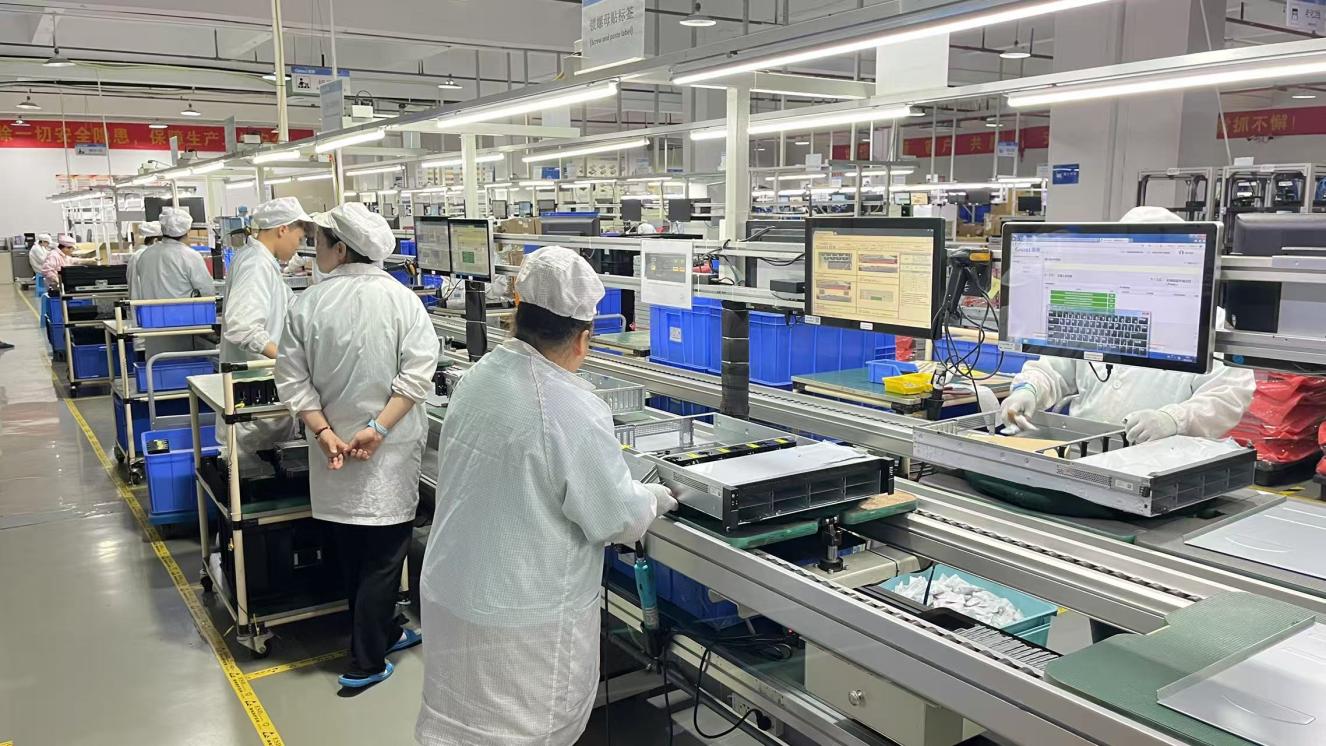
TensorNova Modern Manufacturing Showcase

Compliance, Logistics, and Custom Engineering for Iberia

Importing hardware to Portugal and the wider European Union requires strict adherence to safety, environmental, and security standards. TensorNova handles all certification overhead to ensure seamless customs clearance at ports like Lisbon, Leixões, and Sines:

  • EU Environmental Compliance: Fully compliant with RoHS (Restriction of Hazardous Substances) and WEEE directives, avoiding hazardous chemicals in silicon assembly.
  • CE Mark Certification: Every shipped RAM module and server chassis conforms to EU health, safety, and environmental protection standards.
  • Tailored Hardware Optimizations: In addition to server RAM, we support GPU configuration customization, cooling system engineering (liquid-to-air, closed-loop manifolds), customized motherboard tuning, and dedicated settings for AI frameworks like DeepSeek or LLM configurations.
  • Durable Protective Packaging: Static-shielded packaging and impact-absorbent shipping frames guarantee physical components arrive undamaged, ready for installation.
Request Portuguese Compliance & Pricing Catalog

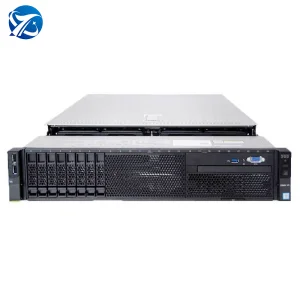
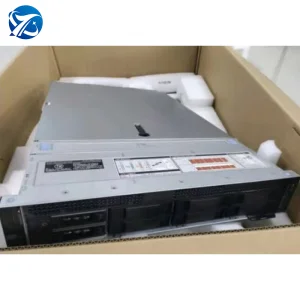
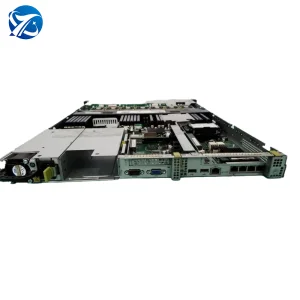
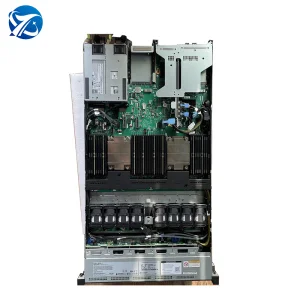
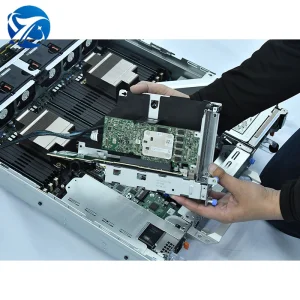
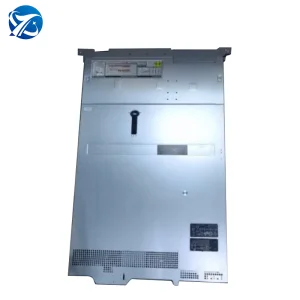
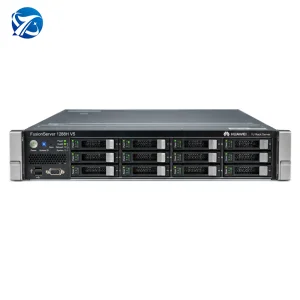
Compatible High-Density Server Nodes & Systems

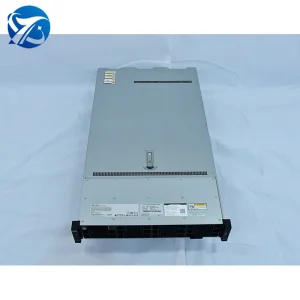
A comprehensive selection of 2U, 1U, and GPU-accelerated computing hardware configured to optimize dynamic RAM interfaces, virtual network stacks, and heavy databases.
Technical FAQ: Server RAM Procurement for Portugal

Addressing standard concerns of network architects, supply chain managers, and hardware administrators in Portugal.

1. What is the impact of ECC vs. non-ECC RAM in Portuguese corporate servers?
Error-Correcting Code (ECC) is mandatory for enterprise-grade workloads. In data centers across Lisbon and Porto, single-bit errors in memory chips can crash entire virtual environments. ECC dynamically detects and corrects single-bit errors on the fly. TensorNova's 3200MHz ECC RDIMMs feature dedicated correction controllers, ensuring continuous uptime for virtualization networks and databases.
2. How does TensorNova guarantee RAM compatibility with existing Dell, HPE, or xFusion servers?
All TensorNova memory modules are manufactured according to strict JEDEC standards. Additionally, our testing protocol integrates real-world motherboards from dominant enterprise brands like xFusion FusionServer and Dell PowerEdge. This verification ensures that timings, voltage values, and command cycle behaviors match the target server BIOS requirements without modification.
3. Are there import tariffs or specific certifications needed when shipping server hardware from China to Portugal?
As a standard EU destination, Portugal requires CE marking, RoHS compliance, and WEEE declaration. TensorNova provides all necessary documentation, including certificate files and declaration records, to prevent logistics delays. We clear customs smoothly through major EU sea ports and air logistics channels, offering DDP or FOB delivery depending on buyer preference.
4. What is the benefit of a 2 Rank (Dual-Rank) configuration over a Single-Rank configuration?
Dual-Rank RAM modules (2 Rank) contain two logical sets of memory chips on a single physical board. Under intensive virtualization or cloud tasks, dual-rank memory allows the processor memory controller to run rank interleaving, increasing data throughput by preparing the next access cycle on one rank while the other is executing.
5. Can TensorNova customize systems for AI workloads like DeepSeek or GPU clustering?
Yes. TensorNova specializes in high-density integration. With 180 R&D engineers, we customize hardware systems for AI training and inference. We adapt PCIe lane distribution, memory speed configurations (e.g., maximizing 6400MT/s profiles on Xeon platforms), select high-performance liquid-cooling blocks, and perform validation checks under continuous simulated AI workloads.
6. How does TensorNova maintain pricing stability despite global silicon market fluctuations?
By cultivating a reliable network of over 1,200 suppliers and component partners, we maintain a buffer inventory of high-grade DRAM wafers. This volume purchasing model isolates our pricing strategy from temporary market spikes, ensuring Portuguese clients receive consistent, factory-direct quotes with predictable lead times.

Ready to Optimize Your Portugal Infrastructure?

Get in touch with our system engineers today for customized BOM configurations, volume pricing, and EU compliance details.

Send Inquiry Now