 TensorNova
TensorNova
TensorNova
Optimized High-Speed Enterprise RAM Engineered for Melbourne's Edge and Cloud Datacenters
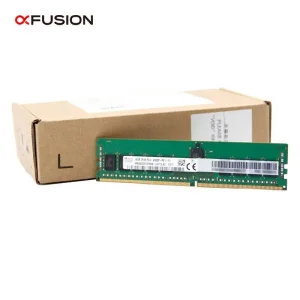
288pin - 0.625ns - 3200MHz - 1.2V - ECC - 2 Rank
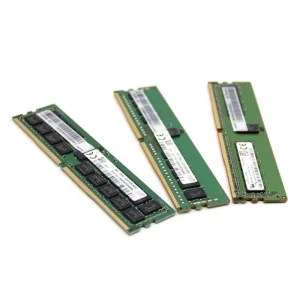
288pin - 0.625ns - 3200MHz - 1.2V - ECC - 2 Rank
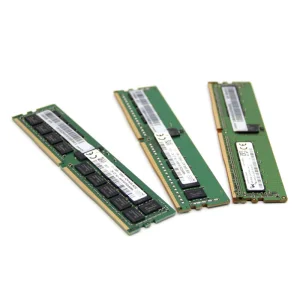
8GB/16GB/32GB/64GB - 0.625ns - 3200MHz - 2 Rank
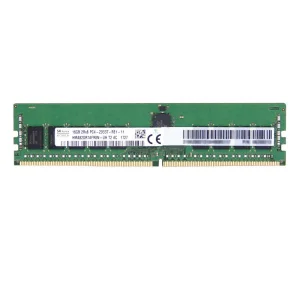
8GB/16GB/32GB Options - Registered ECC - Low Latency
As one of the fastest-growing digital infrastructure hubs in the Asia-Pacific region, Melbourne requires high-grade server RAM to support its booming cloud computing, financial technology, and artificial intelligence clusters.
Victoria's capital is undergoing a rapid transition. Major hyperscalers and co-location data center operators—such as NextDC (M2, M3), Equinix (ME1, ME2), AirTrunk (MEL1, MEL2), and CDC—are expanding their physical footprints across Port Melbourne, Derrimut, and Tullamarine. This expansion demands direct access to dependable, low-latency enterprise memory suppliers capable of providing high volume DRAM supplies with strict quality certifications.
Modern applications deployed in these environments—ranging from transactional databases in the Collins Street financial precinct to AI inference nodes supporting biomedical research in Parkville—depend on ECC RDIMM technology. Because server down-time in these industries carries severe financial penalties, the demand for highly reliable memory components has never been higher in the local market.
Detailed comparative breakdown of server RAM protocols designed to inform procurement strategies
As data center requirements shift toward higher bandwidth and density, migrating from legacy DDR4 standards to high-speed DDR5 RDIMMs has become critical. The table below outlines key technical considerations for engineers and infrastructure buyers.
| Feature Spec | DDR4 RDIMM (Enterprise Standard) | DDR5 RDIMM (Next-Generation AI) | Impact on Melbourne Operations |
|---|---|---|---|
| Operating Voltage | 1.2V (Fixed standard) | 1.1V (Highly optimized) | Reduces overall datacenter Power Usage Effectiveness (PUE) metrics. |
| Data Rates / Speed | 2133 MHz to 3200 MHz | 4800 MHz to 6400 MHz+ | Accelerates in-memory analytics and database transaction frequency. |
| Error Correction (ECC) | Sideband ECC (Requires system level) | On-Die ECC + Sideband ECC | Significantly reduces system panics and data corruption risk. |
| Power Management | On Motherboard (Slower control) | On DIMM (Integrated PMIC) | Better voltage control, lower noise, and cleaner signal integrity. |
| Pin Configuration | 288-Pin layout | 288-Pin layout (Keyed differently) | Requires motherboard infrastructure upgrade (e.g. AMD Genoa or Intel Sapphire Rapids). |
With the rise of generative AI frameworks and complex neural network models like DeepSeek, data centers in Melbourne are facing unprecedented memory bandwidth limits. An AI server's GPU is only as fast as the pipeline feeding it data. DDR5 RDIMM modules operating at 6400MHz with 1.1V profiles minimize data transfer latency, preventing GPUs from idling during batch calculations.
Additionally, the transition to on-die ECC in DDR5 modules isolates bit-flip errors directly inside the memory chip before reporting them to the system controller. This multi-layered reliability strategy is essential for deep learning clusters processing petabyte-scale datasets for days or weeks at a time.
For cloud providers hosting thousands of VPS instances across Victoria, maximum memory capacity takes precedence. Registered DIMMs (RDIMMs) with dual-rank configurations allow hypervisors to pack up to 2TB or 4TB of system memory onto a single dual-socket system. This density dramatically lowers the cost-per-instance, allowing providers to achieve faster ROI on server chassis infrastructure.
TensorNova is a professional, high-performance AI GPU server and infrastructure manufacturer based in China, delivering highly reliable hardware components to enterprises globally.
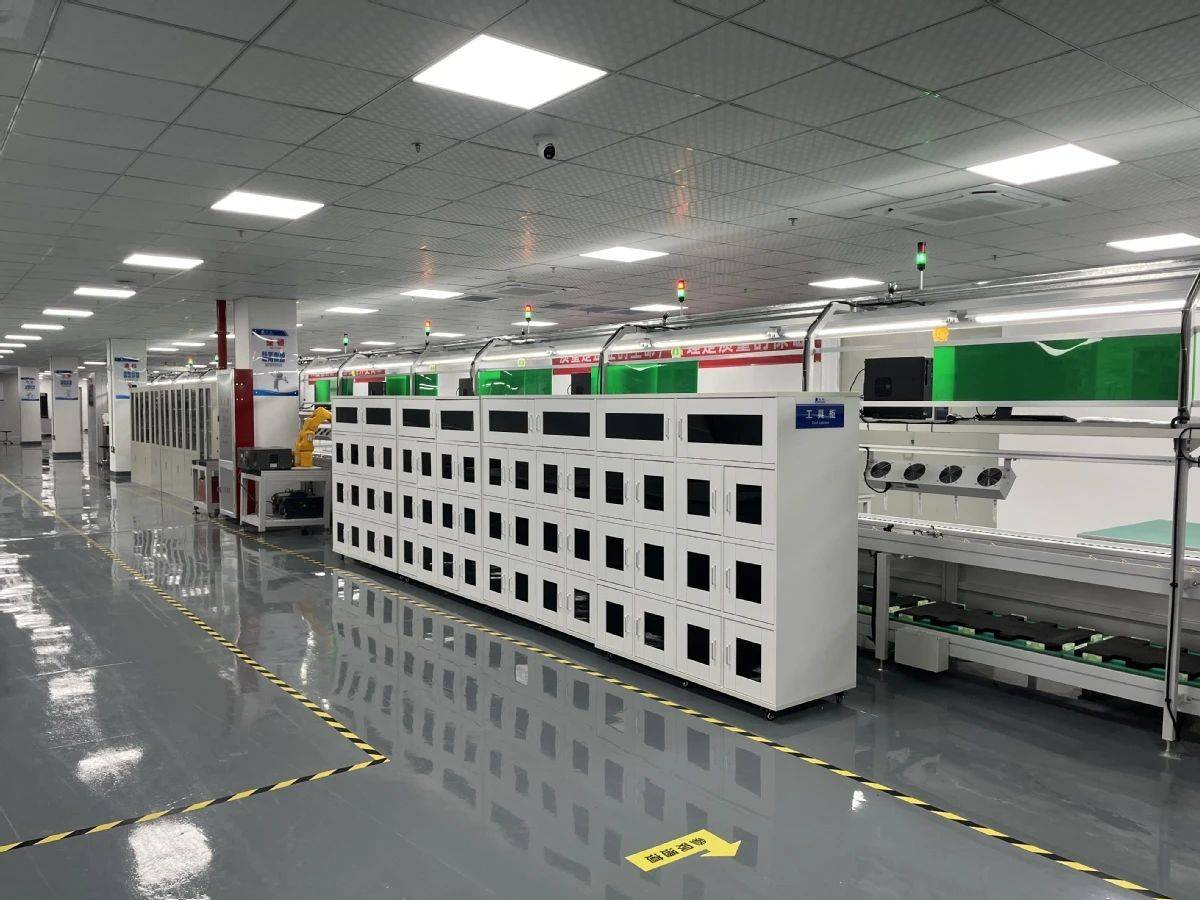
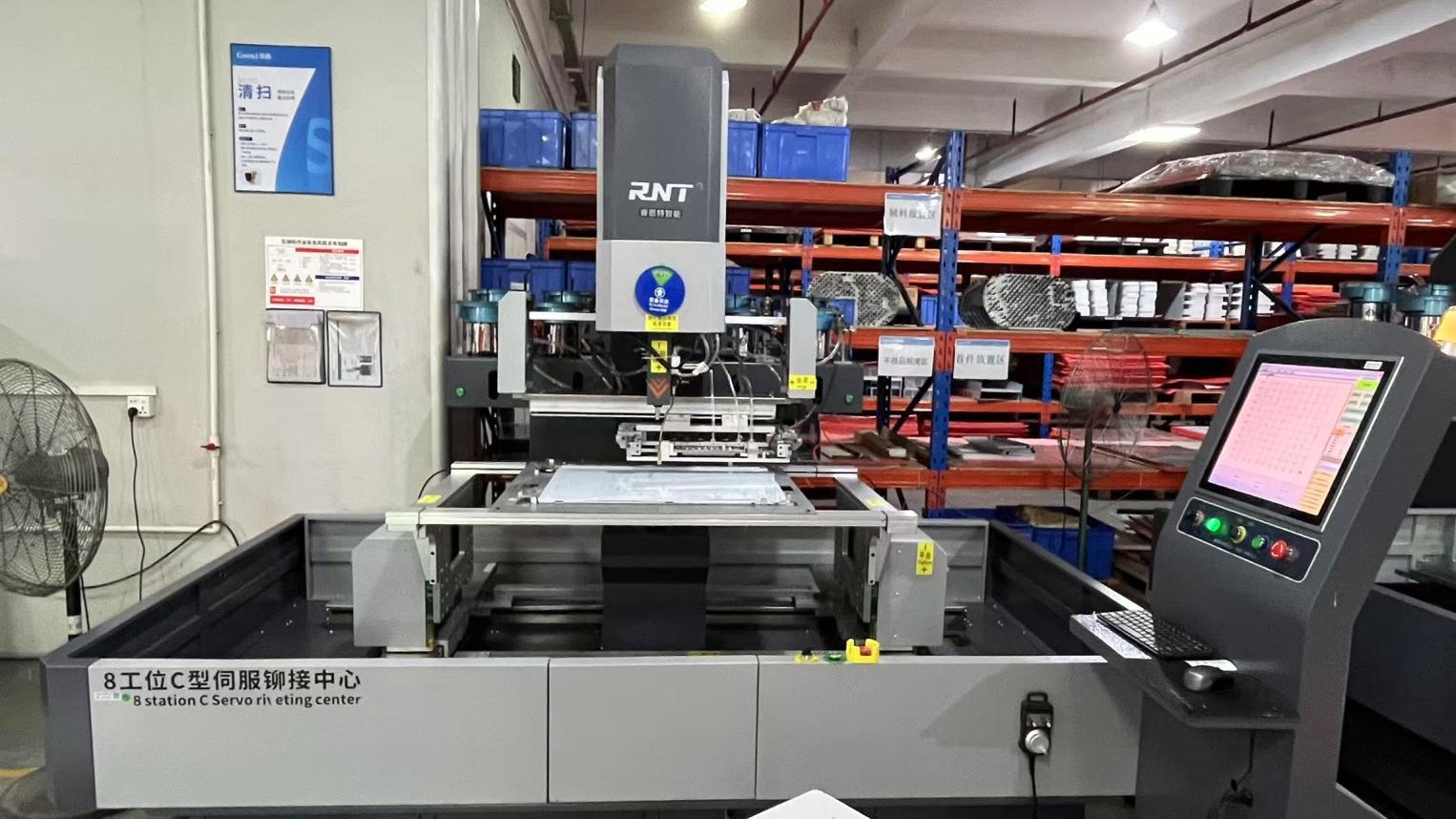
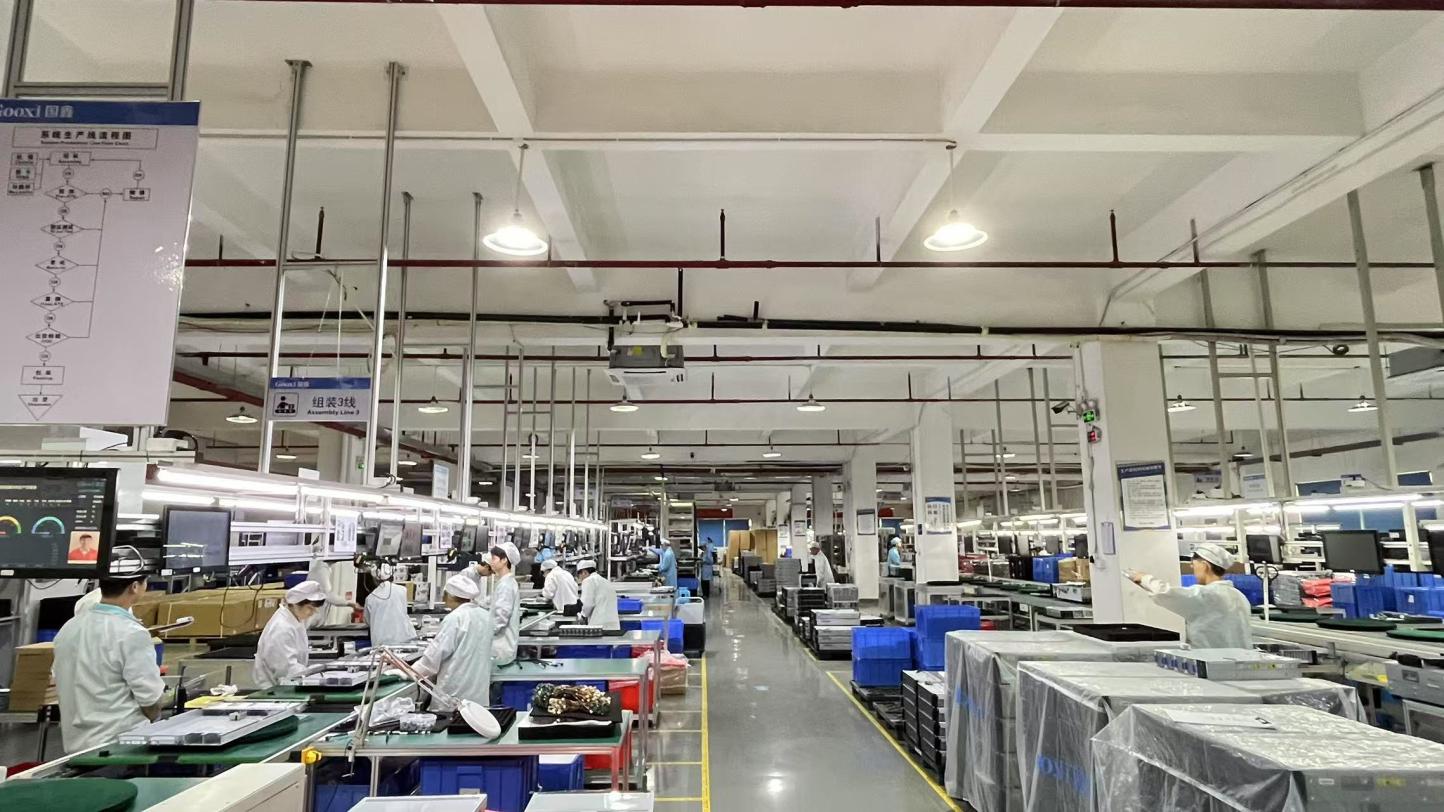
Founded in 2016, our manufacturing base features a state-of-the-art facility optimized for advanced system integration, custom thermal stress testing, and component level sorting. With over 12 years of industry experience and a solid 6-year export track record, we manage an ecosystem of over 1,200 trusted component partners, allowing us to keep lead times brief and inventory consistent.
Quality management underpins every DRAM module and server nodes we build. Adhering to strict ISO9001 quality systems, our team of 45 dedicated quality control professionals subject incoming ICs to strict testing protocols: automated DRAM chip binning, high-temperature dynamic burn-in testing, and real-world AI workload simulation. This meticulous process ensures that our products meet the low-latency, high-reliability requirements of modern enterprises.
Real-time views inside our automated testing facilities and assembly lines
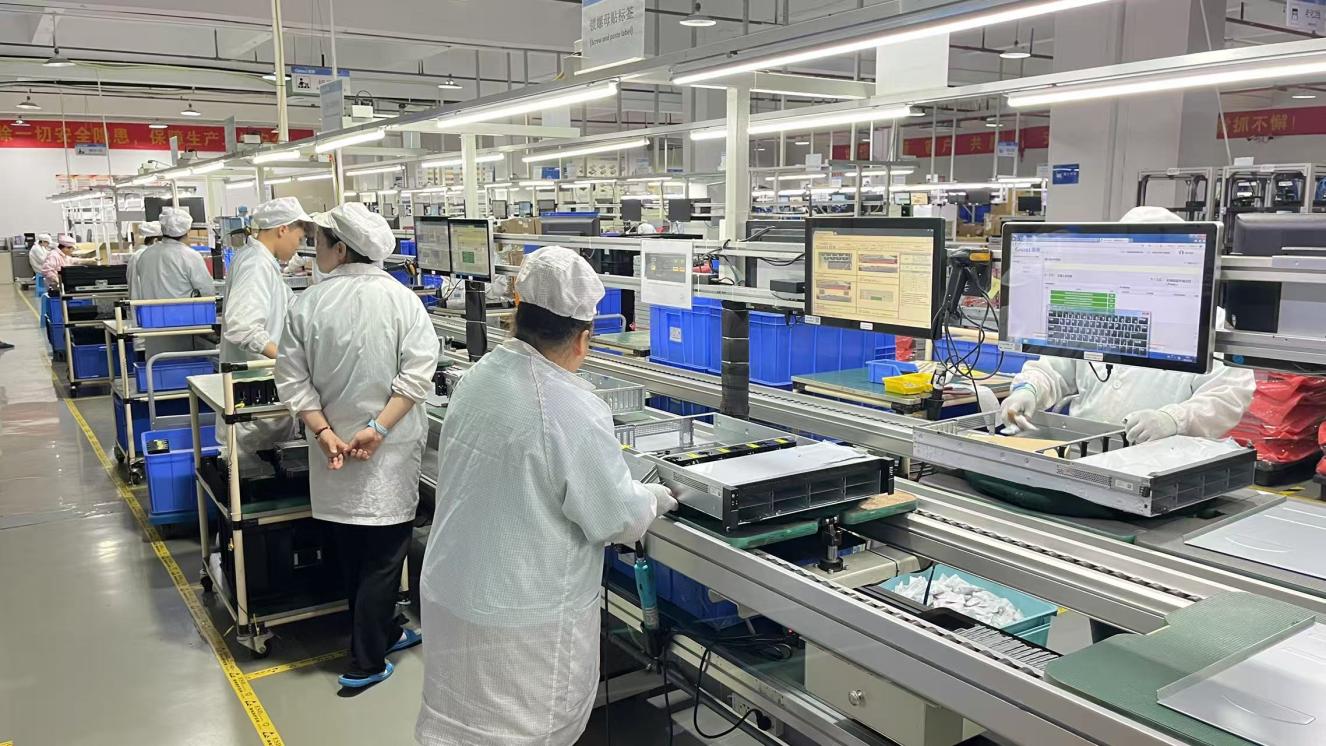
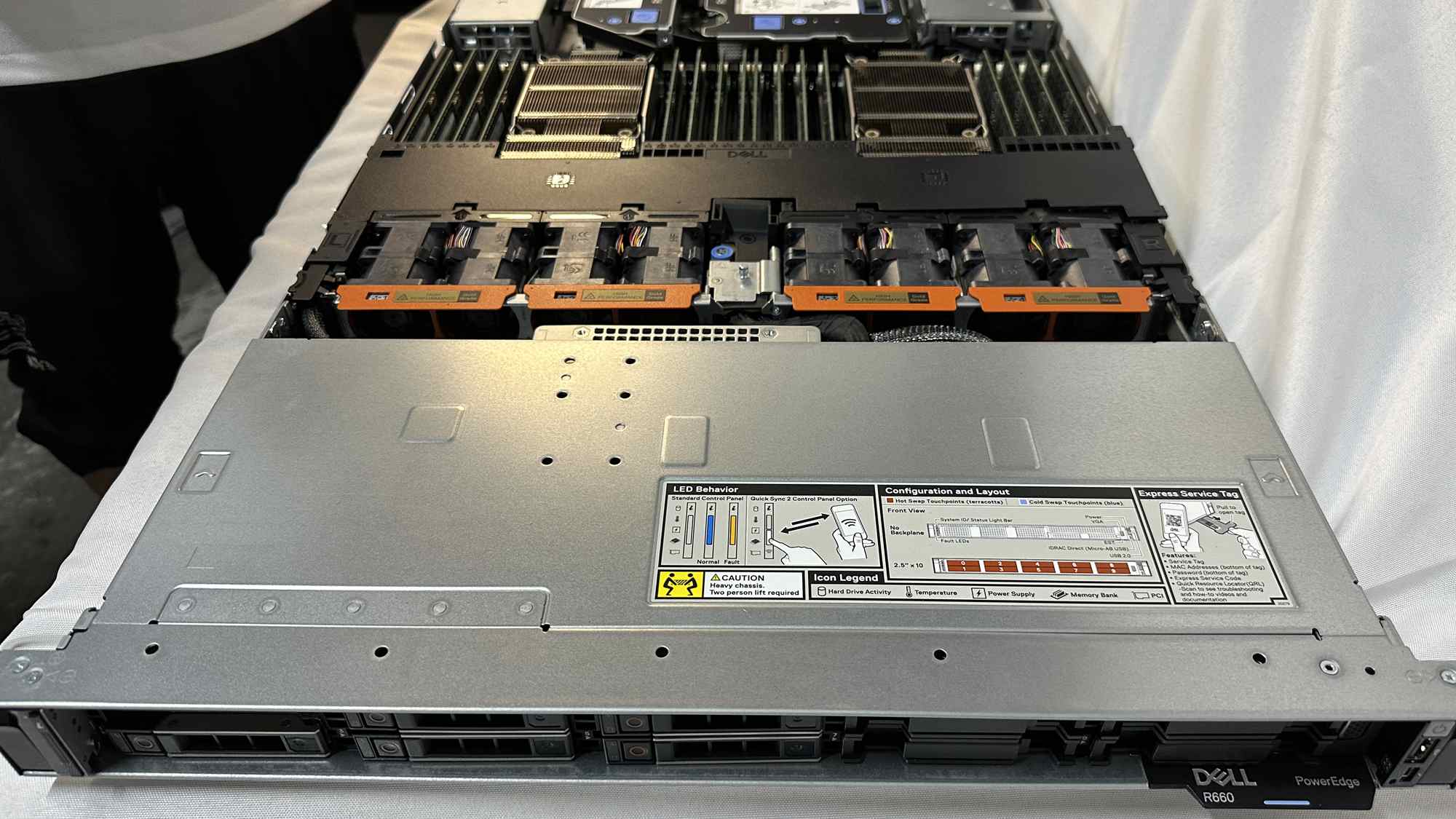
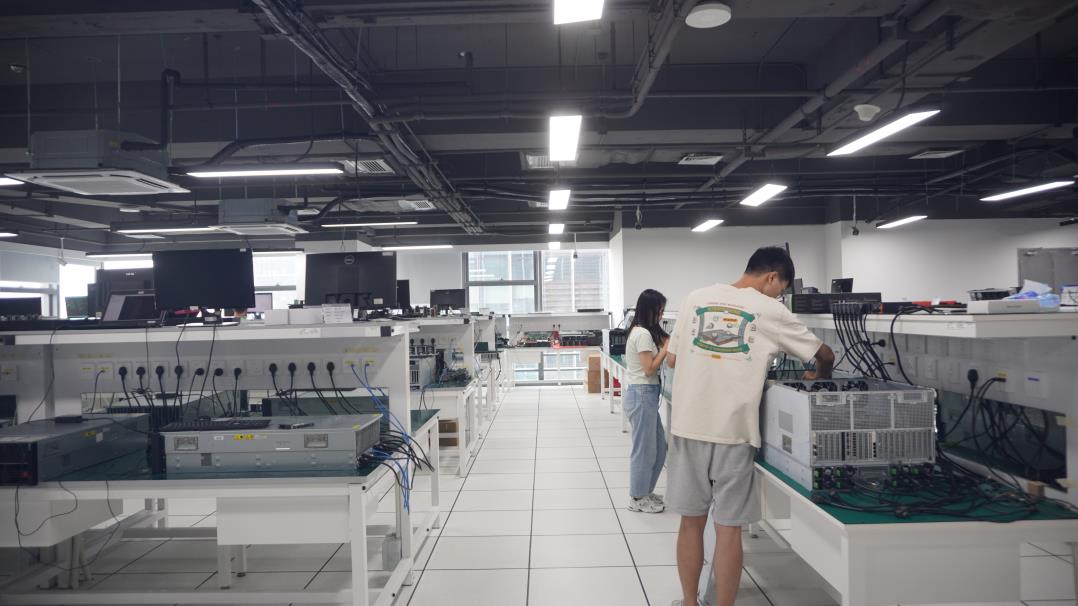

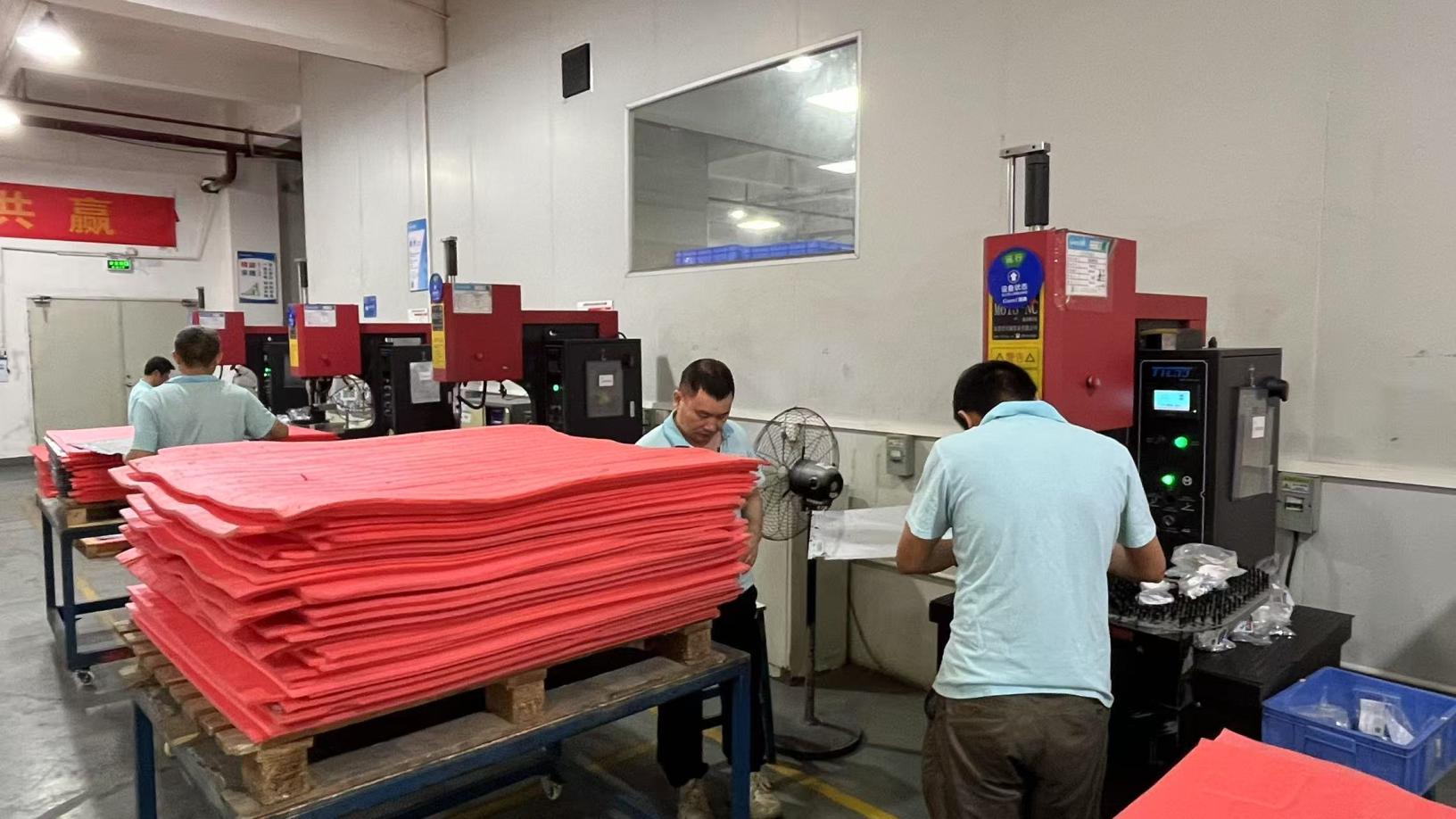
Complementary Computing Systems and Acceleration Components Optimized for Local Infrastructure Deployments

1288H V5 Architecture - SSD 4 Bay - Ultra-dense 1U Node
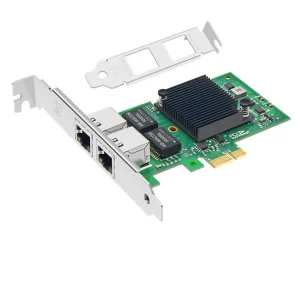
12G SAS Interface - Vendor ID 1000 - High Throughput
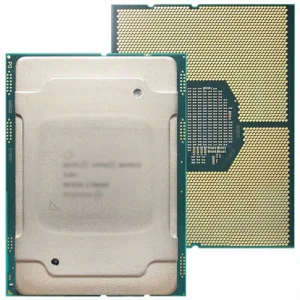
5318H/5320H/6328H/6330H Options - Designed for 2488H V6
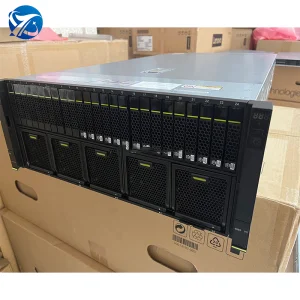
36-Bay Rack Architecture - High-Density Cold & Active Storage
Tailoring DRAM Performance Metrics to the Technical Demands of Local Segments
Institutions like Monash University and The University of Melbourne require high-density memory pools (DDR5 6400MHz RDIMMs) to handle complex climate modeling, astrophysics simulations, and genomic mapping. These configurations emphasize extreme bandwidth and multi-bit error correction to keep nodes online for weeks of constant computing.
Melbourne CBD's automated trading firms rely on low-latency memory sub-systems. Using DDR4 modules tuned to 0.625ns access times and strict latency profiles ensures microsecond trade execution remains consistent, keeping local desks competitive in national and global financial markets.
Large-scale distribution facilities in Melbourne's western suburbs use multi-tenant cloud servers to manage inventory systems. Reliable RAM ensures warehouse database queries, delivery schedules, and IoT sensors communicate smoothly with minimal system latency.
High-Compute GPU Nodes, Multi-Socket Platforms, and Next-Generation Cloud Systems
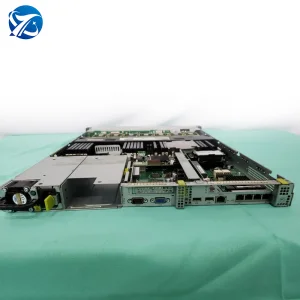
GPU Rack Mount System - NAS Storage - High Compute PC Dedicated

Multi-GPU Support - xFusion DDR5 64GB RAM - Datacenter Core Node
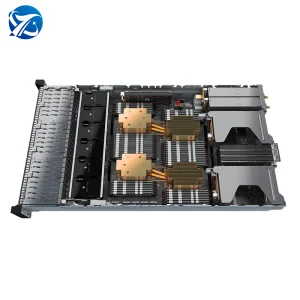
NAS System Mount - High Performance Network Data Compute
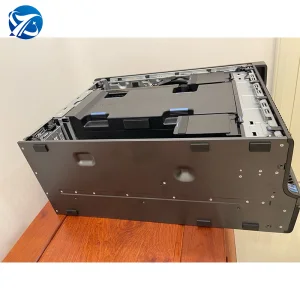
4U Computer Rack Server - Quad-Socket High Density Virtualization
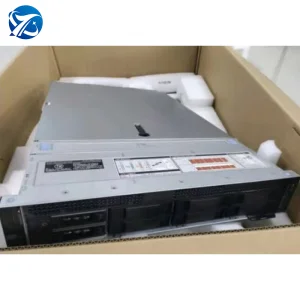
1U Rack Web Server - Intel Xeon E-2414 - 16G RAM - 1T SATA

20*2.5 Drive Bays - Dual Xeon 4310 - 2*64GB RAM - 9540-8i - 2U
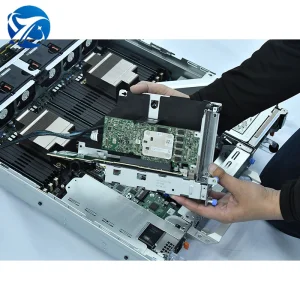
12x3.5-inch Drive Bays - Xeon 2*4310 - 2-Socket Compute
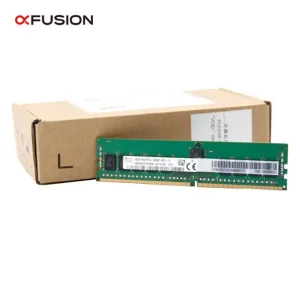
16GB/32GB/64GB/96GB - 6400MHz - 288pin - 0.42ns - 1.1V - ECC
Expert Answers to Critical Enterprise Memory Procurement Questions
Registered DIMMs (RDIMMs) feature an on-board register chip that buffers command and address signals, reducing the electrical load on the system memory controller. This design allows for higher capacity and stability compared to standard unbuffered memory. Load-Reduced DIMMs (LRDIMMs) go a step further by buffering both data lines and command lines. While LRDIMMs support even higher densities per channel, they can introduce slightly higher latency compared to RDIMMs. For most virtualization and general database applications in Melbourne data centers, RDIMMs offer the best balance of speed, cost, and reliability.
In DDR4 memory, Error-Correcting Code (ECC) requires additional DRAM chips on the module to store parity data. The main CPU and system memory controller handle error detection and correction. DDR5 introduces On-Die ECC, which performs error checking directly inside each individual DRAM component. This feature allows the memory module to correct single-bit errors internally before data is sent to the system bus, enhancing signal integrity and reducing the processing load on the system controller. When paired with standard Sideband ECC, DDR5 provides two layers of error protection, significantly improving system reliability for critical applications.
Our engineering team performs comprehensive compatibility testing on leading OEM platforms, including Dell PowerEdge (e.g., R960, R260, R360) and xFusion FusionServer systems (such as the 1288H and 2288H). Each memory batch undergoes JEDEC profile validation and custom SPD programming to ensure seamless plug-and-play operation. This process helps prevent POST errors, timing mismatch issues, or system speed downgrades when the modules are installed in your servers.
Standard lead times for high-volume orders of DDR4 and DDR5 modules are generally 7 to 10 business days from our factory to delivery in Melbourne. Because we manage a deep inventory of binned DRAM components, we can assemble, test, and ship custom configurations quickly. We offer air freight shipping options to minimize downtime during urgent network upgrades or database migrations.
DDR5 modules operate at 1.1V, a reduction from the 1.2V standard of DDR4. While this adjustment might seem small, the power savings scale significantly in high-density configurations across hundreds of server nodes. Lower voltage operation also reduces heat generation. This helps lower datacenter cooling requirements, supporting sustainability targets and helping operators optimize their overall Power Usage Effectiveness (PUE).
Whether you are upgrading memory banks in Port Melbourne or designing a new compute cluster in Derrimut, our engineers are here to help. Get in touch today for technical advice, pricing, and volume availability.