TensorNova
TensorNova
TensorNova
Deploy critical workloads with our top-tier server configurations engineered for peak virtualization, hybrid cloud capability, and dynamic storage capacity in demanding enterprise operations.
New Zealand's digital ecosystem is undergoing a monumental shift. Key metropolitan hubs such as Auckland, Wellington, and Christchurch are seeing unprecedented growth in hyperscale data centers, localized edge environments, and cloud infrastructure nodes. Driven by digital transformation mandates across agricultural technology, finance, public sector cloud transitions, and remote telemetry, the requirement for high-reliability compute nodes has never been more urgent.
Unlike traditional, power-dense setups in landlocked regions, New Zealand’s geographical topology demands servers that deliver a precise balance between **computational throughput, thermal efficiency, and environmental resilience**. Because of NZ's progressive commitment to renewable energy resources (over 80% grid dependency on geothermal, hydro, and wind power), local enterprises seek systems with high Energy Efficiency Ratios (EER) and strict adherence to environmental parameters set by the Energy Efficiency and Conservation Authority (EECA).
Additionally, the New Zealand Information Security Manual (NZISM) enforces rigorous standards for hardware-level security, virtualization separation, and remote administration. This security landscape positions V5 rack server architectures—which boast integrated Hardware Root of Trust (RoT), secure TPM 2.0 microcontrollers, and granular BMC system health monitoring—as the standard of choice for secure municipal and private deployments.
Modern procurement strategies have transitioned from off-the-shelf system buying to demanding fully customized architectures engineered directly from the factory floor. Enterprise purchasers seek to maximize compute density while reducing spatial footprints and thermal load. Key structural shifts include:
Consolidating standard virtualized footprints into dense 1U or 2U configurations. Selecting dual or quad-socket platforms that accommodate up to 28 cores per processor ensures minimal physical space overhead inside costly colocation facilities.
The rise of high-speed database analytics, distributed AI pipelines, and virtualization demands modular drive configurations. Procurement specifications heavily prioritize SAS/SATA/NVMe hybrid backplanes supporting high-capacity storage arrays.
For organizations deploying machine learning models, natural language processing tools, or DeepSeek-based AI services locally, standard server slots must support robust GPU integrations with efficient thermal dissipation paths.
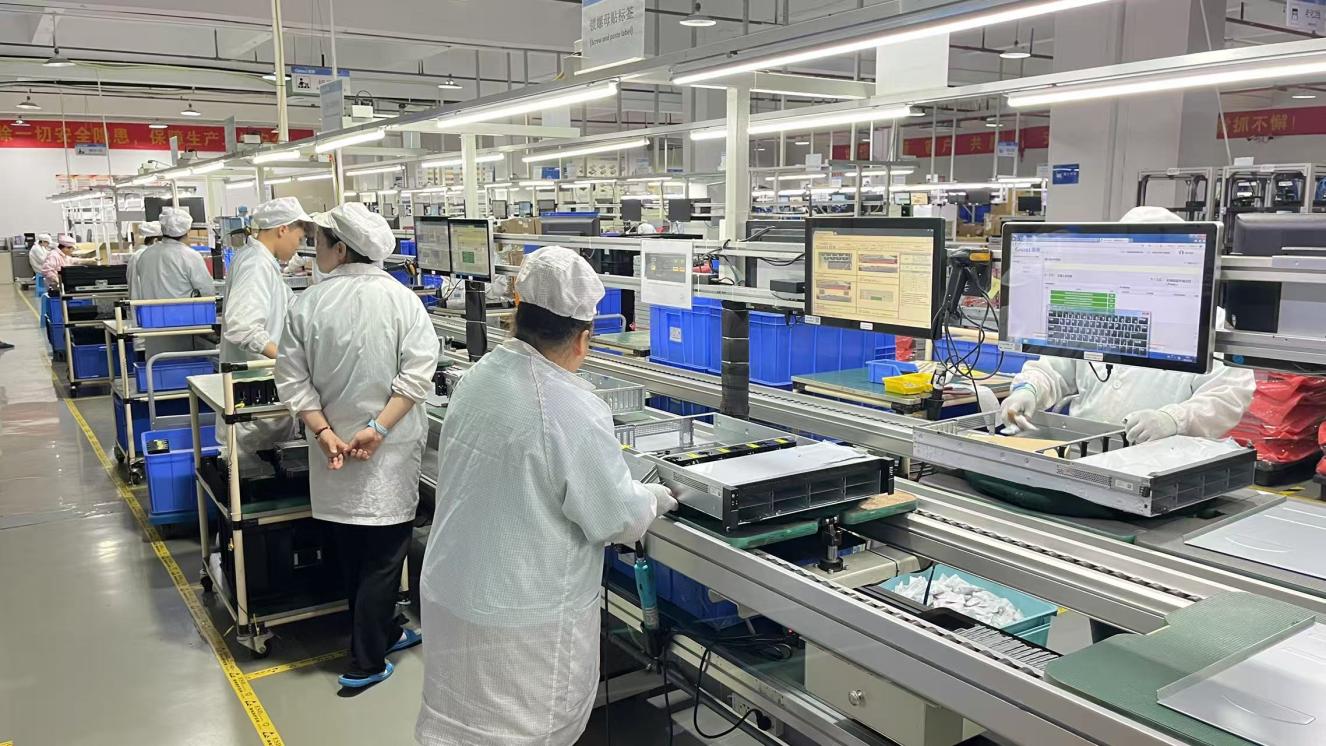
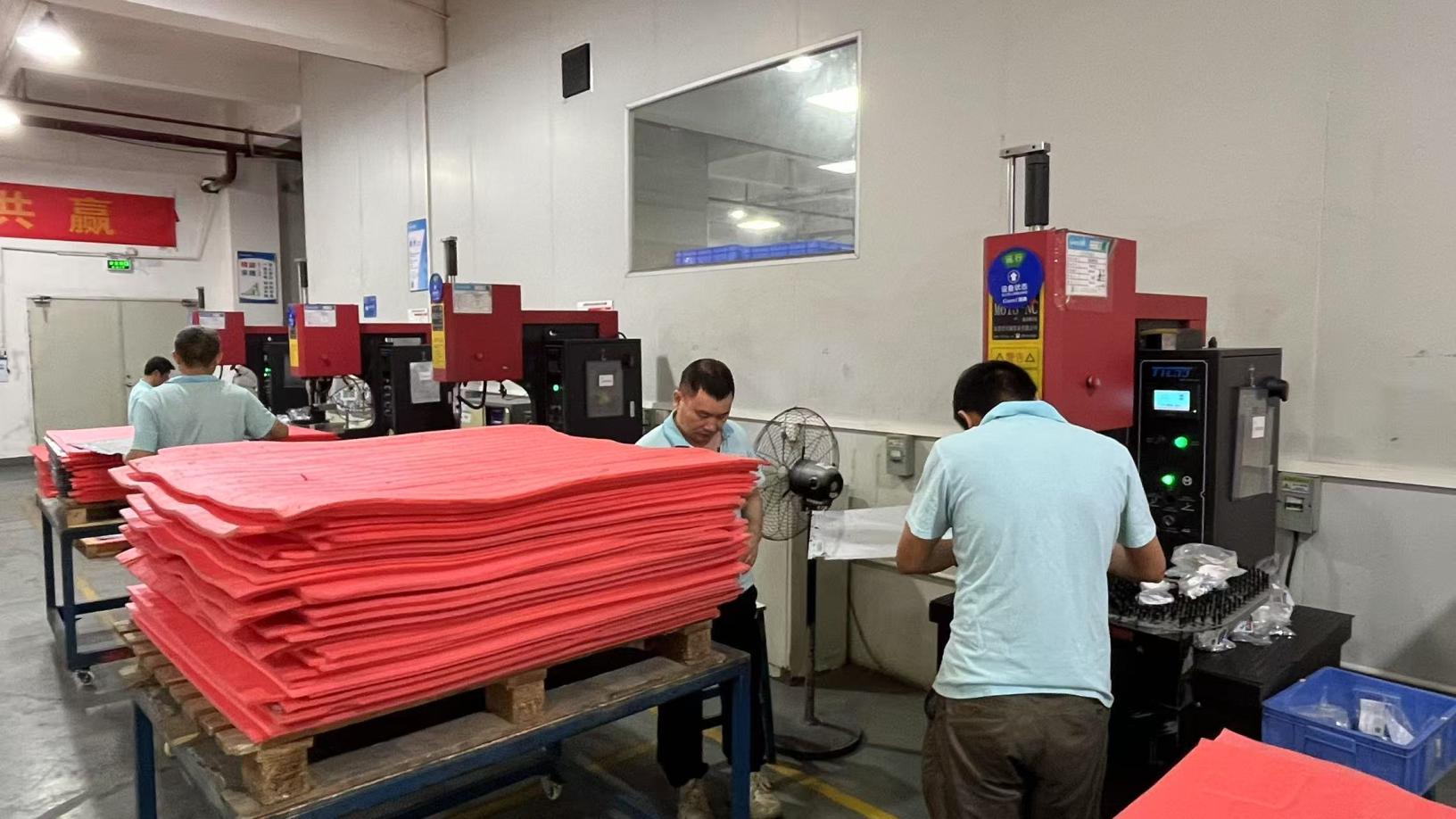
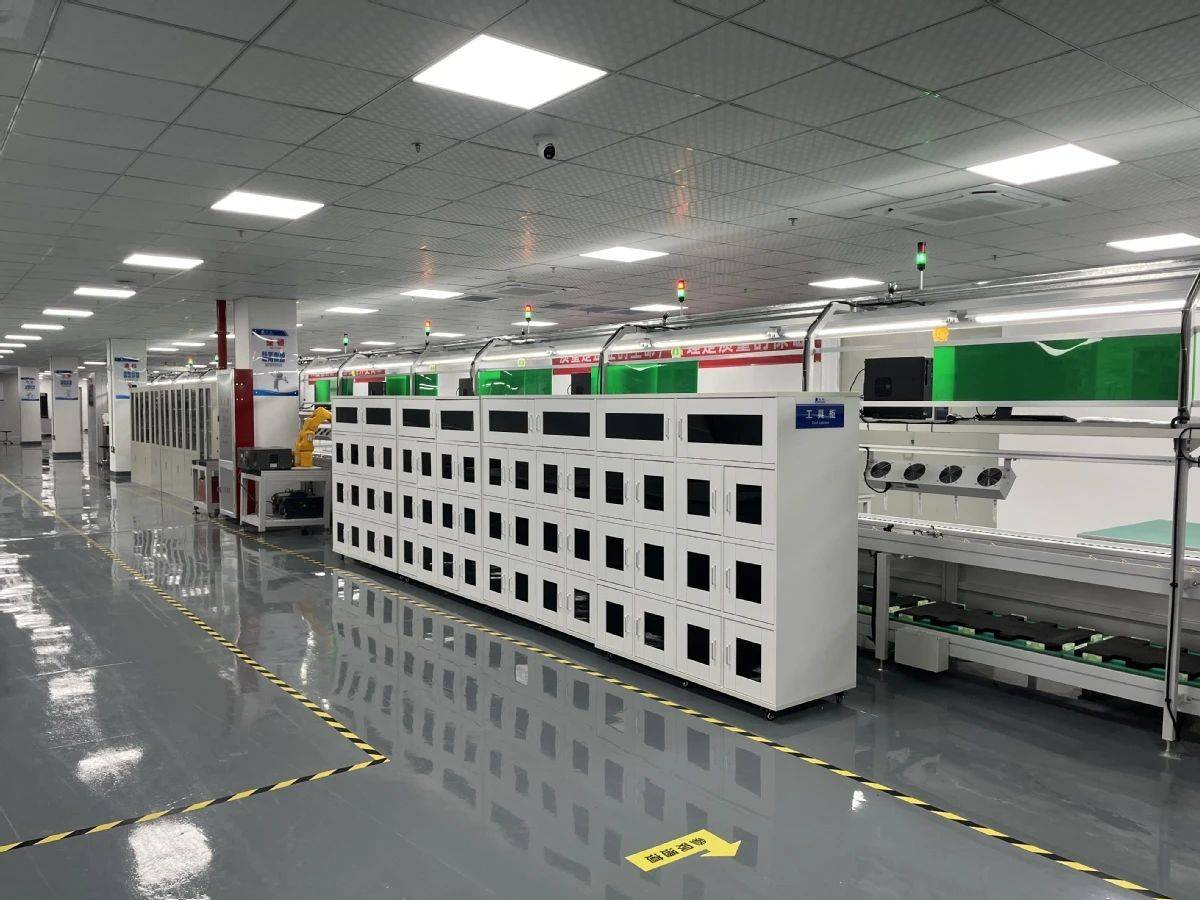
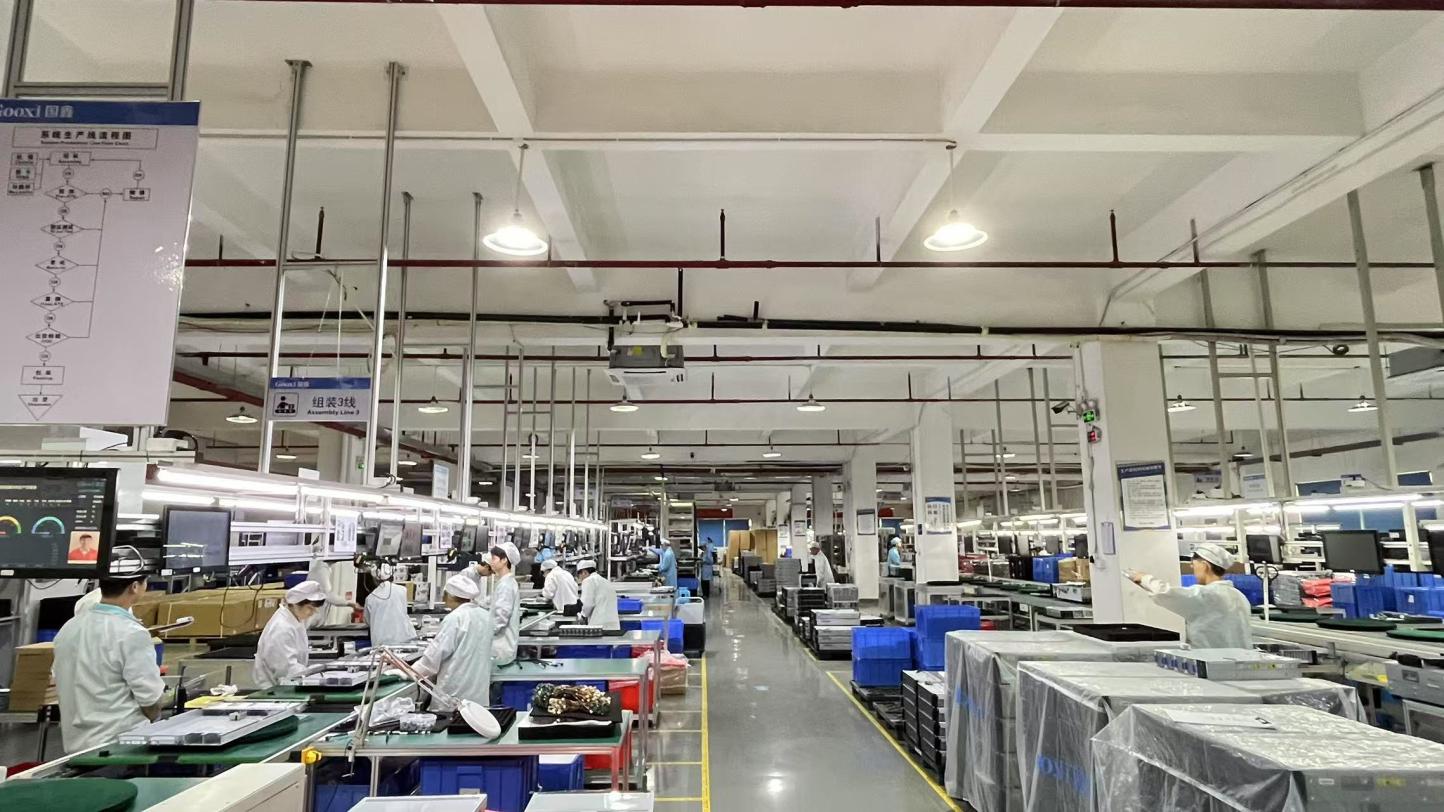
TensorNova stands at the forefront of China's automated Industry 4.0 manufacturing wave, delivering premium high-performance server architectures to global enterprises. Strategically structured to optimize component sourcing, rapid assembly testing, and logistical execution, we bridge the gap between heavy production capability and agile component modifications.
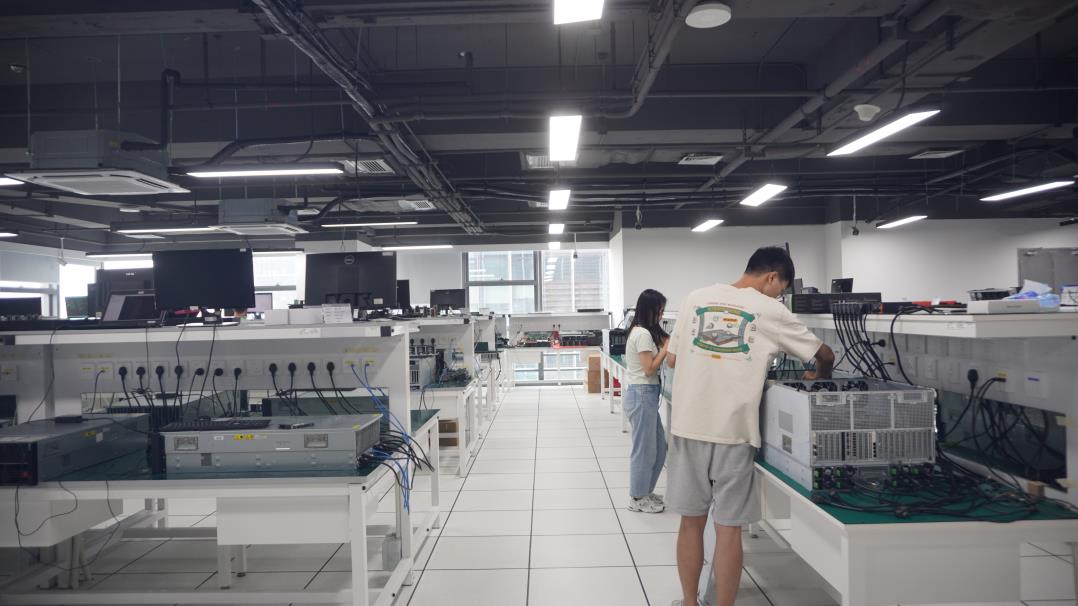
Our ISO9001-certified manufacturing centers leverage highly computerized testing beds to validate all structural elements of the rack servers. Every single V5 rack server unit bound for New Zealand undergoes a thorough multi-step screening pipeline:
Leveraging direct pipelines to major semiconductor hubs, we mitigate supply bottlenecks. If an enterprise needs custom motherboard-level tuning, special high-performance NIC configurations, or dynamic CPU architectures, our 180+ engineer R&D team can prototype, assemble, test, and ship custom configurations on demand.


Understanding real deployment contexts is central to our philosophy. Here is how V5 rack servers serve key industries throughout New Zealand:
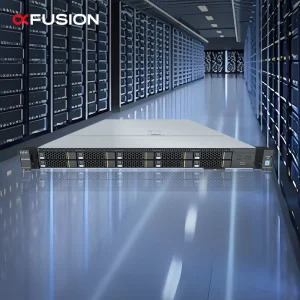
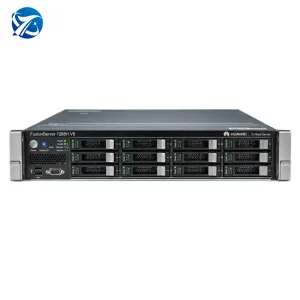
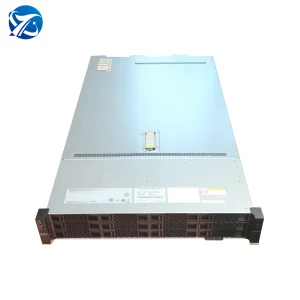
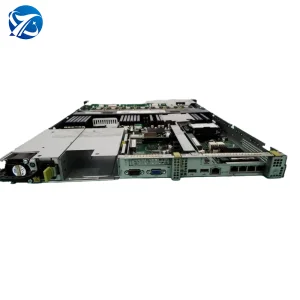
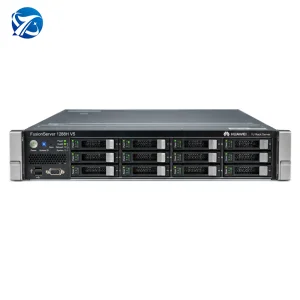
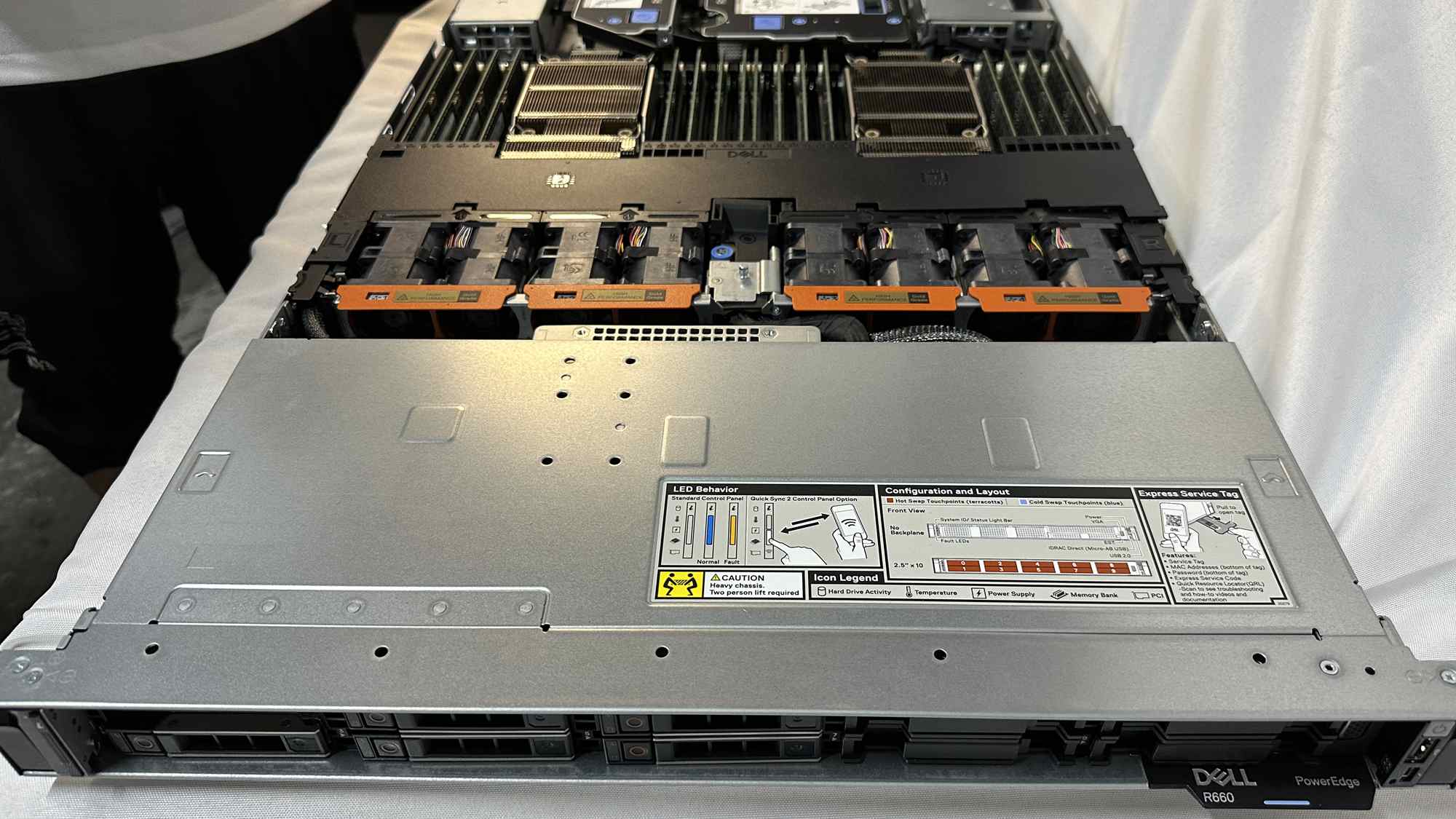
Farms in Canterbury and the Waikato generate massive real-time datasets from soil sensors, weather patterns, and automated milk production machinery. Our 1U servers, like the FusionServer 1288H V5, process these predictive telemetry pipelines locally, reducing data transmission costs to centralized clouds.
High-efficiency computing clusters in the Bay of Plenty use V5 multiprocessor layouts to run real-time fluid dynamics simulations and grid load optimizations. These setups require highly reliable compute cycles and low power draw.
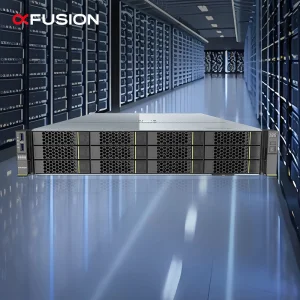
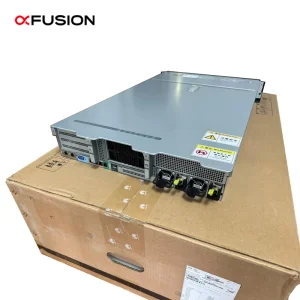
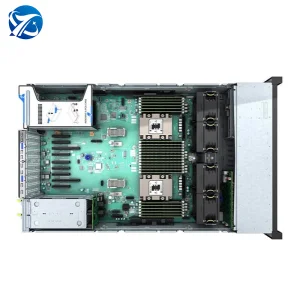
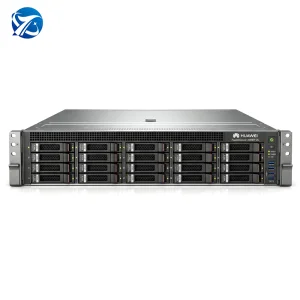
Wellington's corporate centers rely on 4-socket, 2U servers to handle high-volume databases and heavy enterprise resource planning applications. Low-latency local processing helps businesses meet compliance standards.
As international cloud providers expand their regional hubs, local data center operators use dense 1288H V5 node systems. These servers run containerized cloud nodes, offering excellent cost-per-virtual machine performance.
Explore our comprehensive range of high-performance V5 configurations, featuring multi-socket capabilities, dense GPU hosting, and dynamic storage expandability.
Find answers to common questions about our factory customizations, delivery times, hardware compatibility, and deployment support for the New Zealand market.
TensorNova offers comprehensive hardware customization. Clients can specify core components, including CPU configurations (Intel Xeon Scalable family), DDR4 memory volumes, hybrid SAS/SATA/NVMe storage drives, dedicated GPU accelerators, and network configurations (10G/25G/100G PCIe controllers). We adapt the cooling system (chassis-level fans or custom liquid loops) to fit local thermal targets.
Standard production, integration, and testing phases take 7 to 14 working days, depending on configuration complexity. Shipping to main New Zealand ports (Auckland, Lyttelton, or Wellington) takes roughly 15 to 25 days via sea freight. Air freight options are available for urgent deployments, reducing transit times to 5 to 7 business days.
Yes. All V5 server builds shipped to New Zealand are fitted with high-efficiency 80-Plus Platinum or Titanium power supplies. They comply with local AS/NZS electromagnetic compatibility regulations (RCM markings), alongside global CE, FCC, and RoHS certifications, ensuring easy integration into local grids.
We conduct a complete testing suite. This includes physical vibration checks, thermal chamber burn-in testing, memory diagnostics, and sustained workload simulations on our test benches. We verify that all components operate within optimal limits before shipping.
Our servers use standardized BIOS and BMC firmware, supporting secure IPMI 2.0 and Redfish API access. Custom keys can be provisioned at the factory to align with security policies like the NZISM, preventing unauthorized configuration changes.
TensorNova provides a structured warranty and hardware replacement service. We can include critical spare part kits (fans, power supplies, drive trays) with bulk orders, allowing local IT teams to perform quick replacements and minimize downtime.