TensorNova
TensorNova
TensorNova
Equipping local enterprises, financial institutions, and data centers in the Greater Toronto Area with industry-leading rack servers designed for AI training, hybrid cloud integration, and mission-critical enterprise workloads.
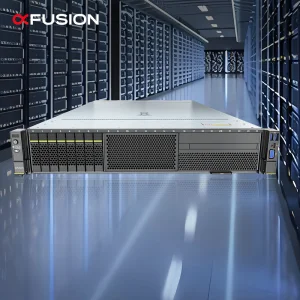
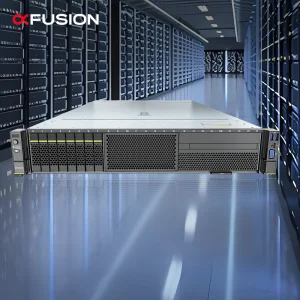
As the Silicon Valley of the North, the Greater Toronto Area (GTA) has emerged as North America's fastest-growing technology corridor. The density of financial services along Bay Street, the clinical research nodes within the MaRS Discovery District, and the booming AI startup ecosystem centered around the Vector Institute require computational infrastructure that exceeds standard configurations. Traditional cloud setups face increasing latency, regulatory compliance concerns regarding data residency, and rising ingress/egress fees.
To establish true computational independence, Toronto-based enterprises are aggressively transitioning to hybrid architectures and high-density, on-premise hardware. This whitepaper analyzes how high-performance xFusion servers—sourced from ISO9001-certified factory assemblies and optimized for Canadian climatic and energy parameters—provide the architectural framework for next-generation digital operations.
Meeting Canada's federal data regulations and PIPEDA standards requires on-site data storage and AI model fine-tuning within localized, compliant facilities.
TensorNova leverages a production network with 1,200+ global suppliers, bringing advanced GPU cluster engineering directly to the Canadian market.
Integrating dual-socket Intel Xeon processors and high-density GPU nodes to prepare infrastructure for incoming generative AI models like DeepSeek.
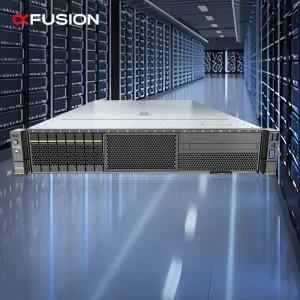
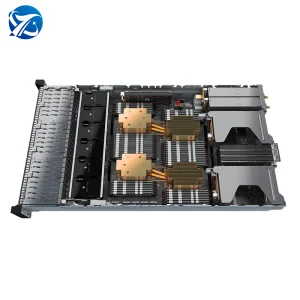
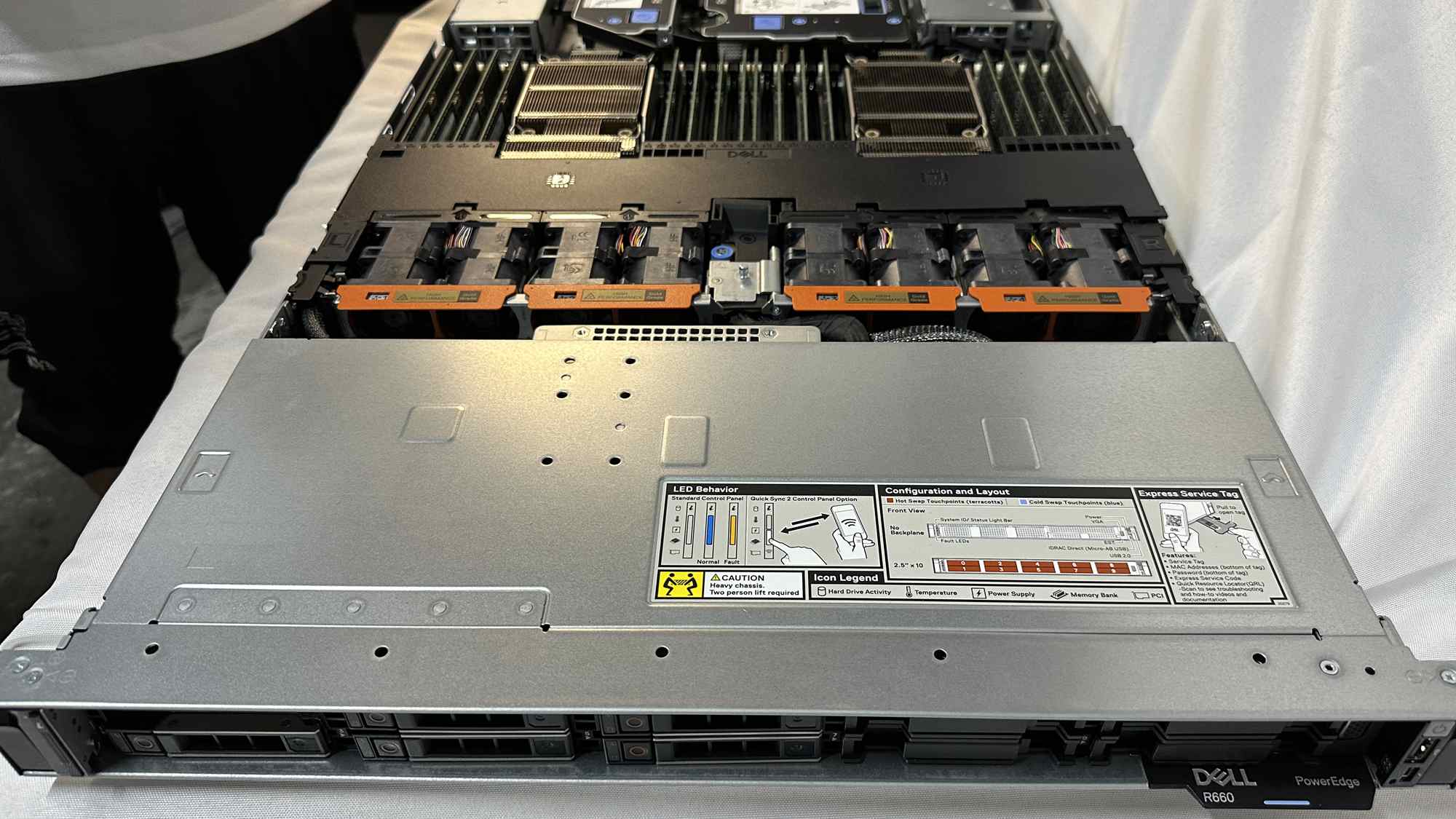
The structural designs of the xFusion 2288H V6 and 2488H V7 servers represent a major shift in how 2U systems manage thermal loads and data throughput. By employing a dynamic, partitioned cooling channel architecture, these server systems balance airflow across dual-socket Intel Xeon Scalable processors, memory channels, and enterprise storage arrays.
For data centers operating within the Toronto Hydro power grid, energy efficiency is a key consideration. The integrated intelligent power management system (DEMT) monitors component load in real-time, reducing power consumption during low-demand periods without affecting system performance. This yields a measured PUE reduction, helping operations meet local environmental mandates while keeping workloads running at capacity.
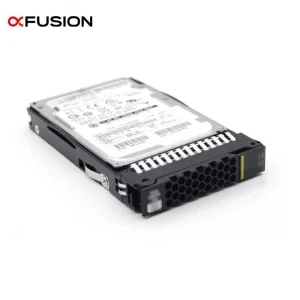
Moreover, the support for high-capacity SAS/NVMe drives with 12Gb/s transfer speeds ensures that deep learning training loops and high-frequency transaction databases do not encounter bottlenecks at the storage controller stage. By combining high drive density with robust motherboard engineering, these systems allow Toronto enterprises to consolidate multiple legacy 1U setups into a single, high-density 2U deployment.
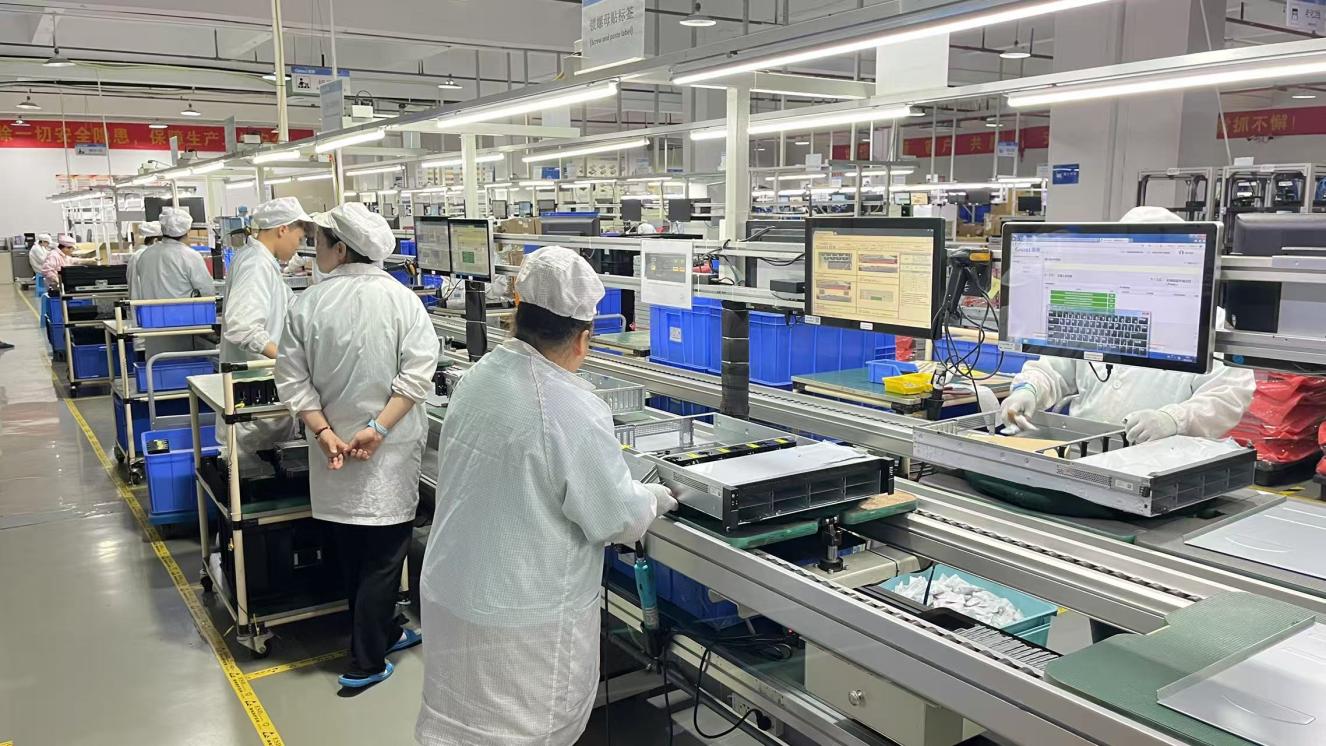
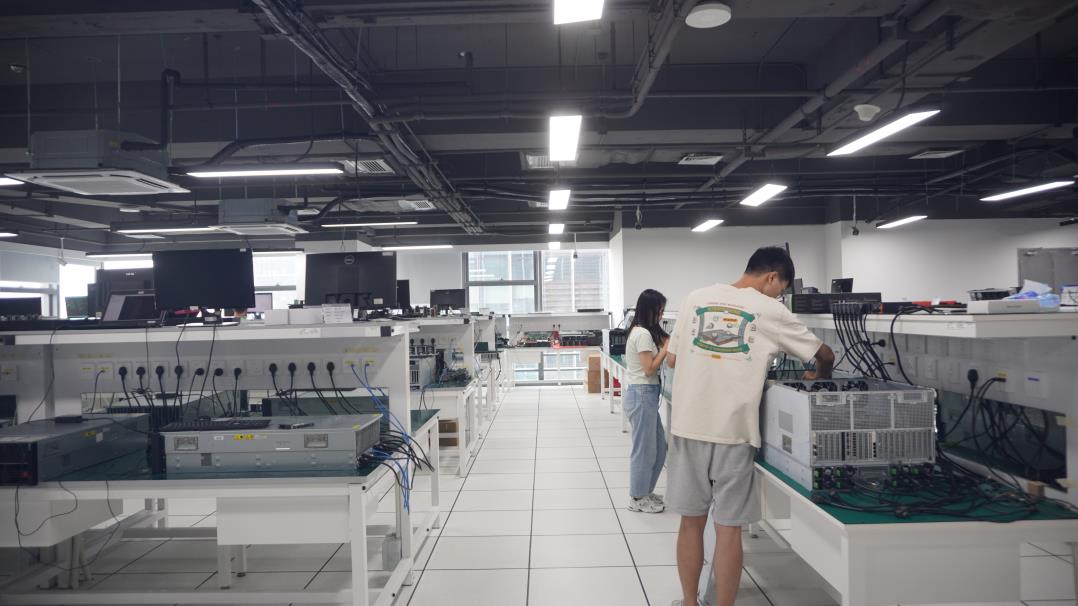
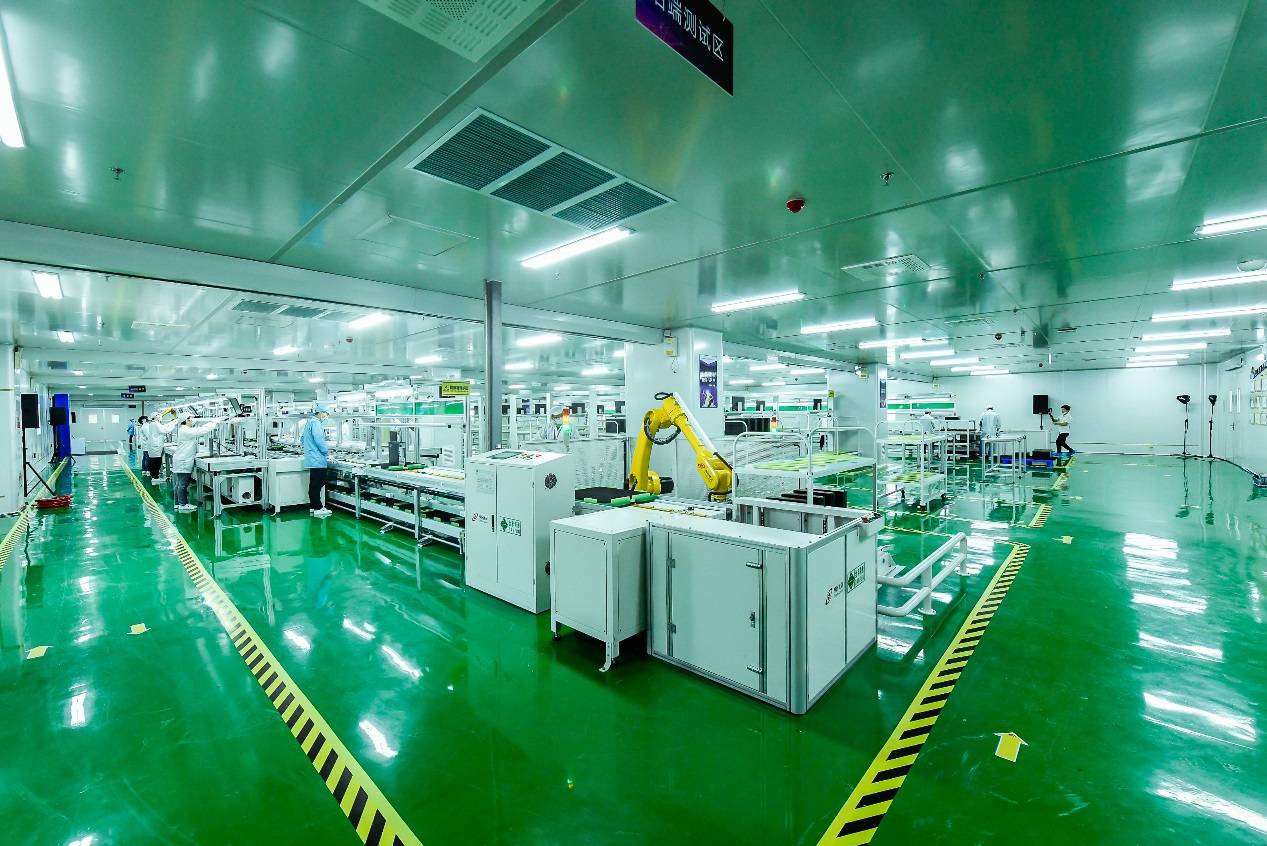
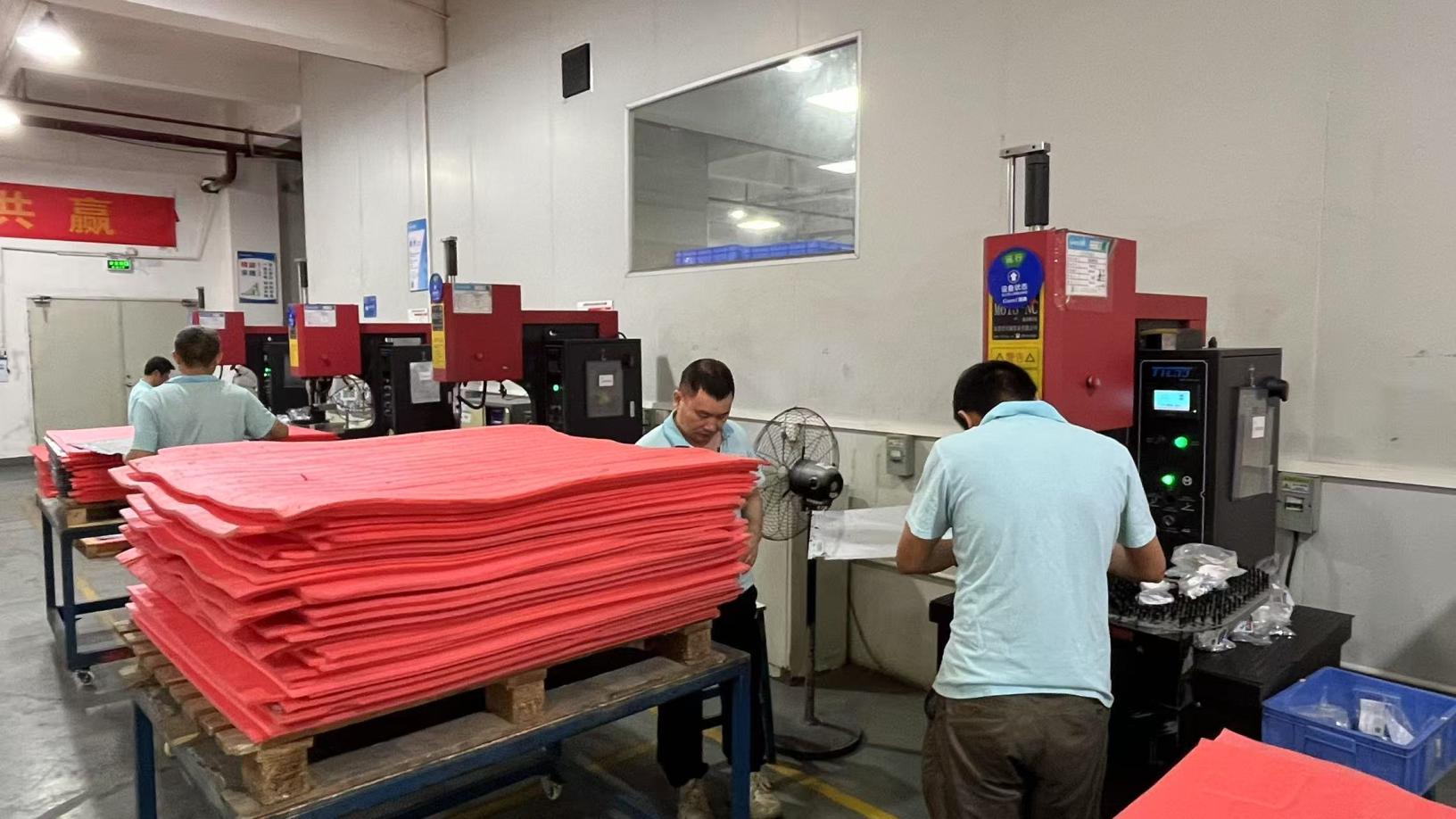
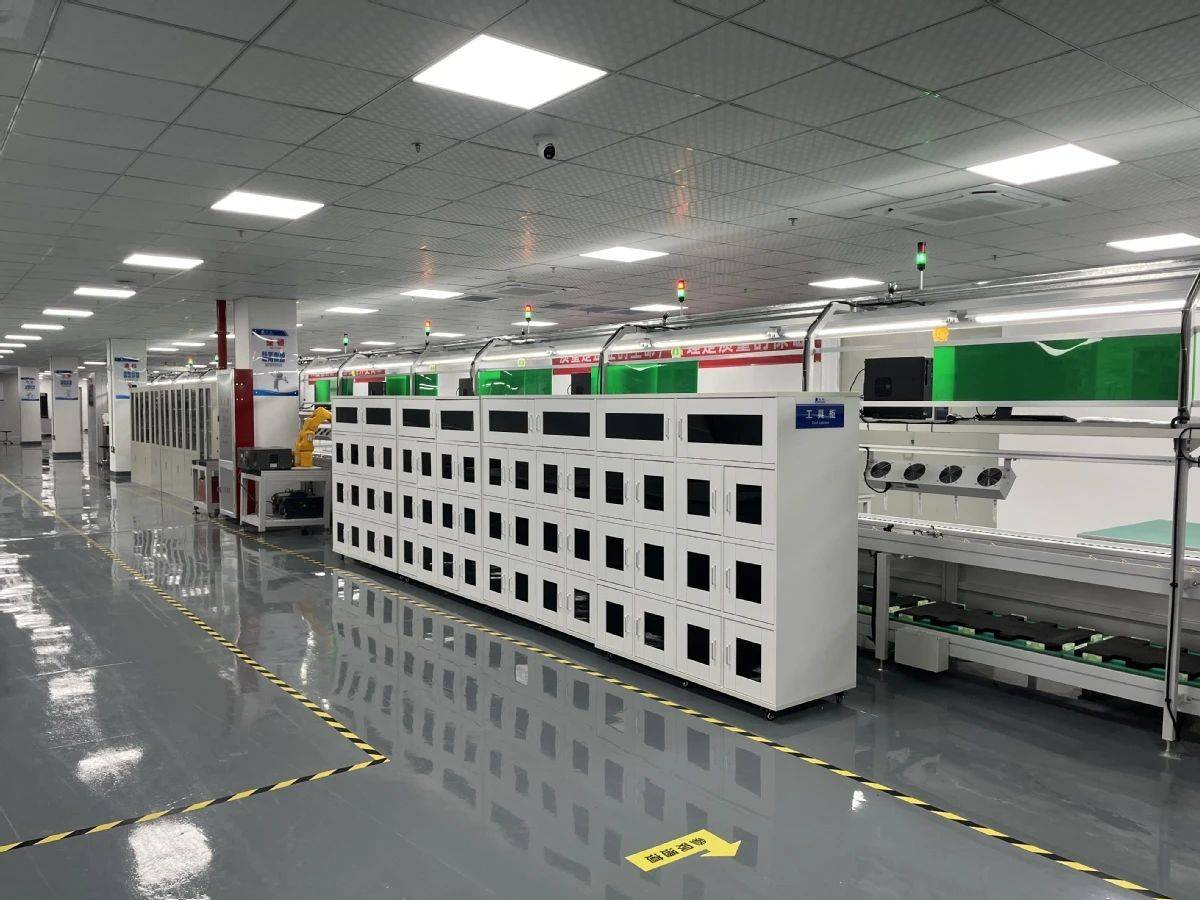
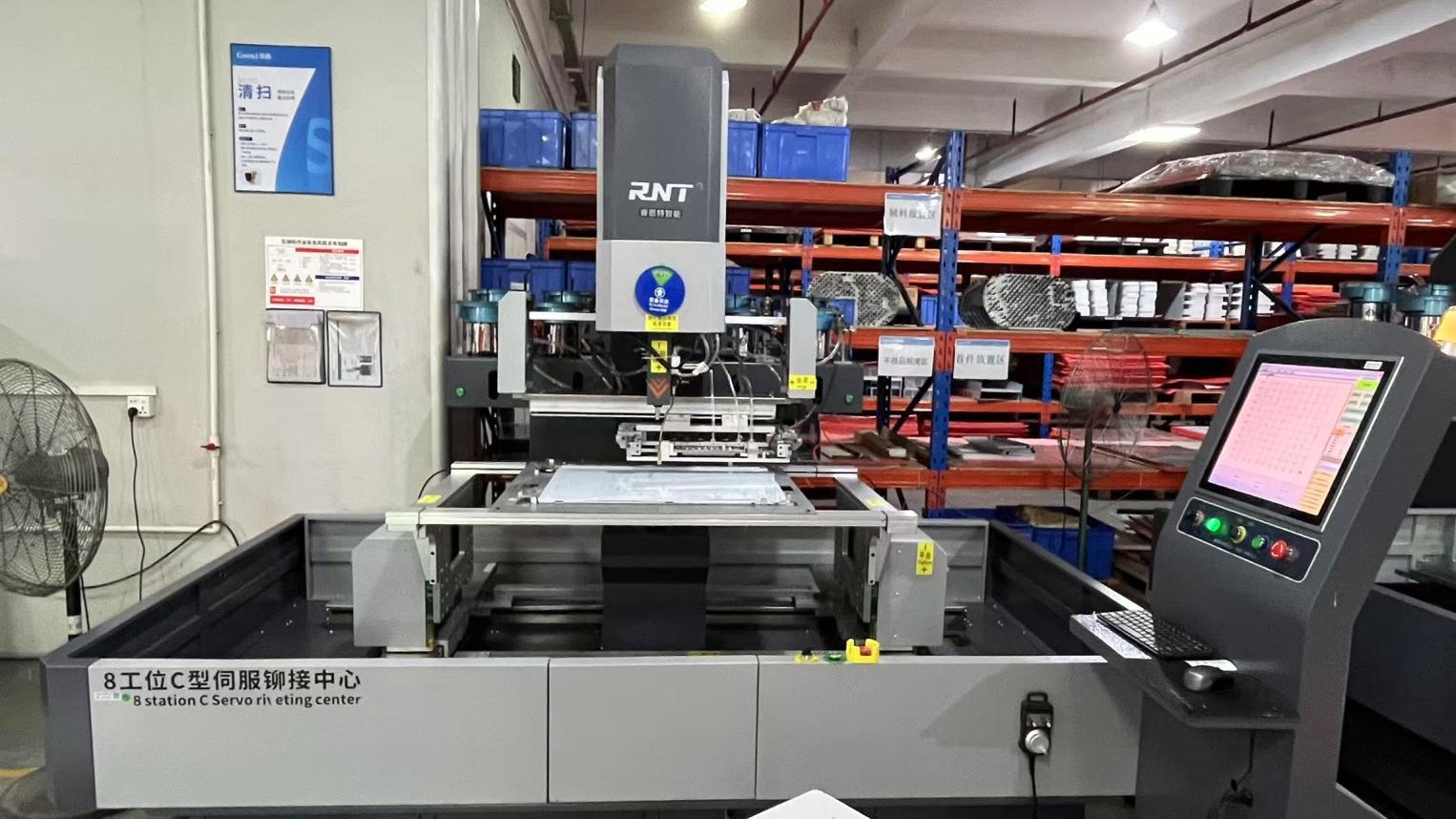
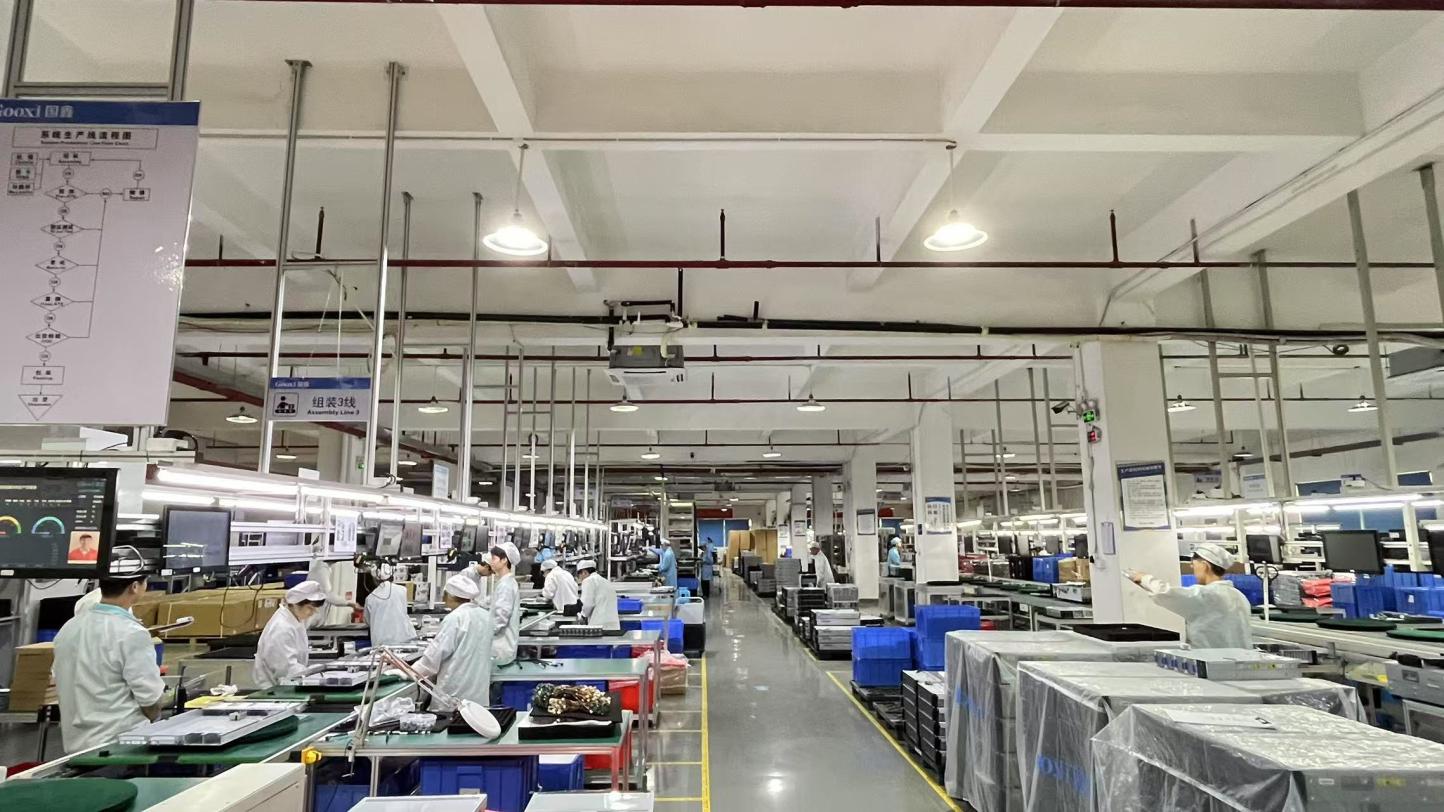
We back our hardware supply with decades of industrial experience, state-of-the-art server assembly plants, and rigorous QA pipelines.
Our custom-engineered xFusion configurations are tuned to resolve the distinct compute bottlenecks found across Canada's key economic sectors.
Bay Street quantitative trading operations demand microsecond response times and high memory bandwidth to execute real-time market risk analysis. The multi-socket configurations of the FusionServer 2488H V7 satisfy these parameters under continuous, high-concurrency loads.
Research hospitals within Toronto's Discovery District generate terabytes of genomic sequencing data daily. Deploying on-premise xFusion Hyperconverged Infrastructure keeps patient data secure while accelerating sequence assembly using local CPU arrays.
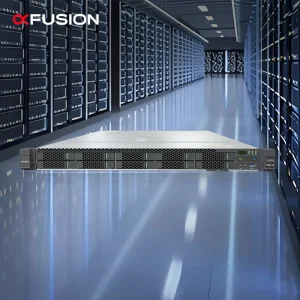
Manufacturing facilities throughout the Golden Horseshoe region leverage edge computing to power automated QA lines and warehouse robotics. The 1U rack layout provides a compact form factor that fits into factory floors and local edge rooms.
Explore our comprehensive catalog of xFusion hardware, GPU nodes, SAS hard drives, and compatible processor suites, built to support Toronto's tech and industrial sectors.
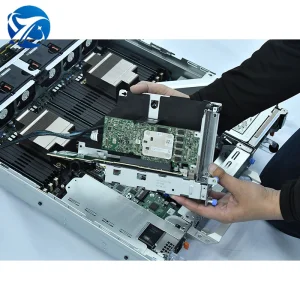
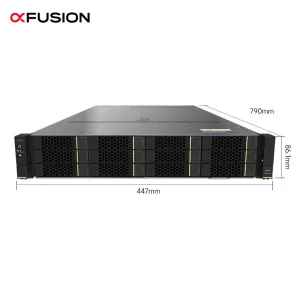
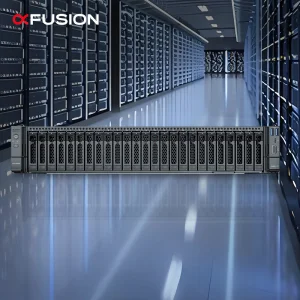
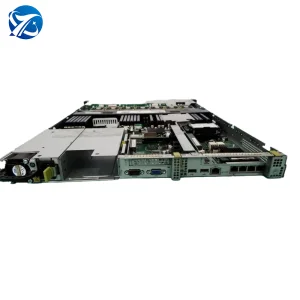
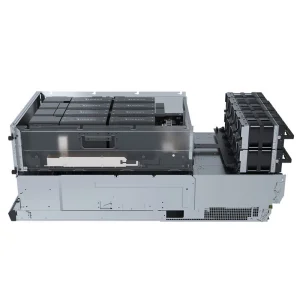
Modern data centers are undergoing a structural shift driven by the expansion of large language models and decentralized deep-learning architectures, such as DeepSeek. This evolution has made computational density a primary requirement, transforming server racks from simple storage enclosures into complex thermal environments that run close to operational thresholds. To address these demands, the next generation of server systems must transition to high-voltage, high-density power distribution networks and optimized cooling designs.
At the same time, environmental regulations across North America—particularly in Ontario—are moving data centers toward stricter power metrics. The target is clear: reducing energy overhead while maintaining performance levels. Advanced thermal dissipation technologies, such as closed-loop liquid cooling interfaces, are shifting from specialty configurations to mainstream standards. These setups help prevent CPU thermal throttling under heavy artificial intelligence processing loads.
On the processor side, the integration of on-chip AI acceleration within multi-socket configurations reduces latency by processing workloads directly on the CPU. By combining this processor-level efficiency with scalable NVMe layouts, today's hardware is built to meet future compute demands while operating within modern green energy guidelines.
TensorNova is a professional high-performance AI GPU server manufacturer and infrastructure solution provider based in China, specializing in AI computing, GPU clusters, and scalable data center hardware solutions for global enterprises.
Established in 2016, TensorNova has developed into a trusted supplier in the AI hardware industry with a strong focus on innovation, performance, and customized computing systems. The company operates a modern production facility covering approximately 320㎡, equipped for advanced server assembly, testing, and system integration.
TensorNova records an annual export revenue of approximately $8.5 million, with 6 years of export experience and over 12 years of industry experience in AI computing and server manufacturing. Quality assurance is strictly implemented through ISO9001-based quality management systems, with product inspection conducted using automated hardware stress testing, thermal performance validation, burn-in testing, and AI workload simulation testing.
The company employs around 45 quality control personnel dedicated to ensuring product reliability and stability. With a strong international trade background, TensorNova serves clients across North America, Europe, Southeast Asia, and the Middle East, with primary markets in the United States, Germany, Singapore, and the United Arab Emirates.
TensorNova has established a robust supply chain ecosystem with more than 1,200 global suppliers and strategic component partners, enabling stable production and fast delivery capabilities. The company primarily serves AI research institutions, cloud computing providers, data centers, enterprise IT departments, and AI startups.
Its R&D capabilities are strong, supported by a team of approximately 180 R&D engineers, focusing on GPU server architecture, AI optimization, and high-density computing systems. TensorNova offers extensive customization options, including GPU configuration customization, chassis design, cooling system optimization (air or liquid cooling), motherboard-level tuning, and AI workload-specific optimization solutions.
In the past year, the company successfully launched 320+ new products, including next-generation AI GPU servers, edge computing nodes, and high-density GPU cluster systems. Driven by continuous innovation, TensorNova is committed to delivering reliable, scalable, and high-performance AI computing infrastructure solutions for the global AI industry.
Technical details on hardware compliance, logistics, customs clearance, and server integration for the Canadian market.
Discuss your processing requirements, custom GPU layouts, or volume server supply needs with our team of engineering specialists.
Send Inquiry Now