TensorNova
TensorNova
TensorNova
Explore our high-performance infrastructure components engineered for ultra-low latency VoIP deployment, SIP switching, database integration, and high-frequency communication architectures.

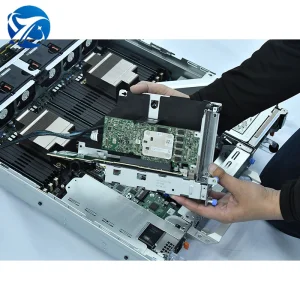

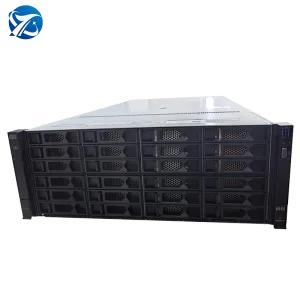
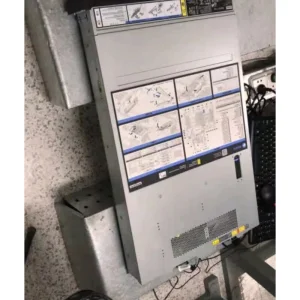
Why modern IP communication networks require high-performance AI computational servers and enterprise infrastructure components.
The global telecommunication landscape has shifted dramatically from legacy hardware-based Public Switched Telephone Networks (PSTN) to flexible, software-defined Voice over Internet Protocol (VoIP) solutions. At the core of this transition lies the need for robust computing hardware. While end-user VoIP devices like IP desk phones and SIP terminal units represent the edge of the network, the actual processing capacity is heavily reliant on carrier-grade SIP proxy servers, high-performance media gateways, and Session Border Controllers (SBC).
High-concurrency unified communication networks handle millions of voice sessions simultaneously. Voice compression algorithms, real-time transcoding (e.g., converting G.711 to Opus or G.729), jitter buffering, echo cancellation, and packet routing require enormous compute resources. Without robust multi-socket rack servers equipped with high-throughput network cards (NICs) and massive memory channels, modern VoIP infrastructures suffer from latency spikes, packet drops, and degraded voice quality.
Real-time speech-to-text, sentiment analysis, and interactive AI agents (LLMs) are being integrated directly into the communication pipeline. This requires servers configured with dedicated GPU hardware alongside SIP softswitches.
Monolithic physical PBX hardware is being replaced by hyperconverged virtualization servers. Cloud PBX platforms host multiple instances on systems designed with high-density DDR4/DDR5 memory and low-latency NVMe storage.
Organizations require secure bridges between on-premise hardware networks and cloud-based SIP trunking services. Session Border Controllers configured on highly resilient 1U and 2U rack servers provide the boundary protection.
Delivering high-performance computing clusters, rack server configurations, and customized voice-processing hardware architectures globally.
Established in 2016, TensorNova has positioned itself as an elite high-performance AI GPU server manufacturer and infrastructure solution provider based in China. Over the years, the company has integrated advanced computational hardware design with enterprise network demands, supplying reliable core systems that drive high-load database storage, cloud-native softswitch applications, and VoIP call-processing nodes.
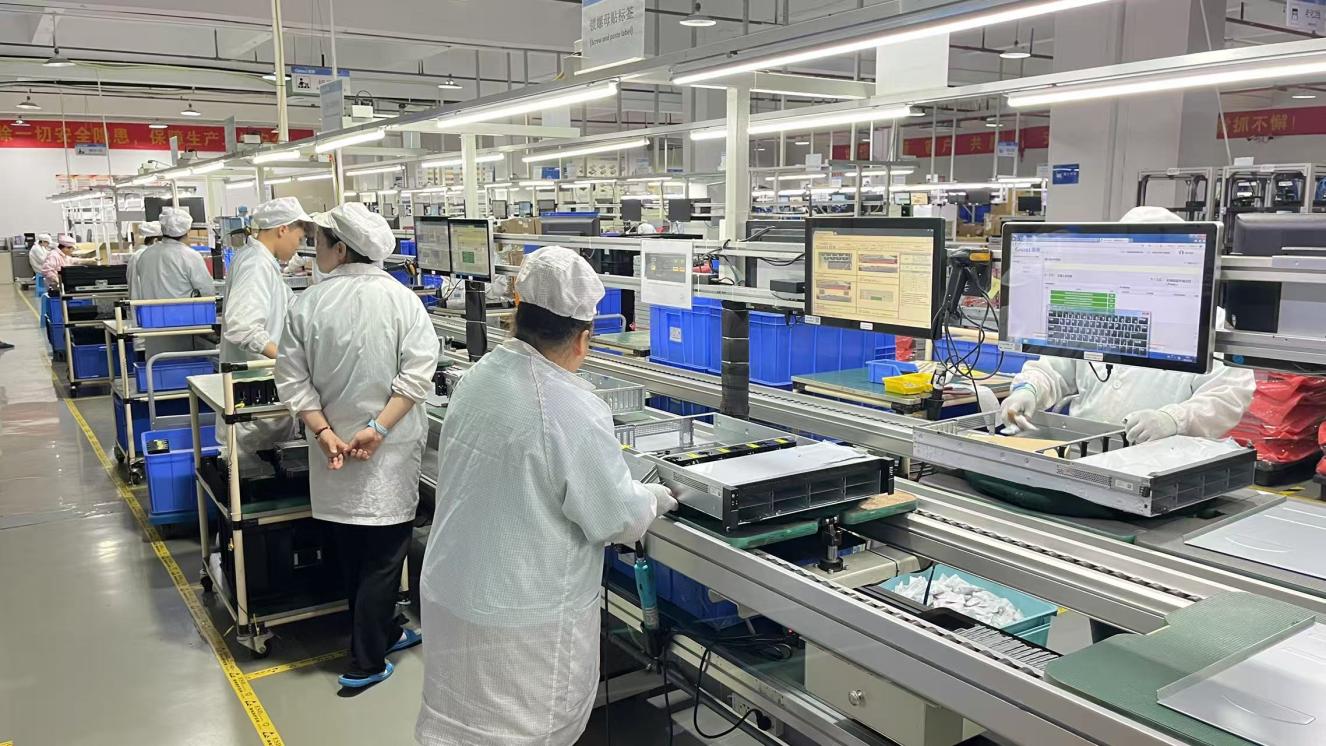
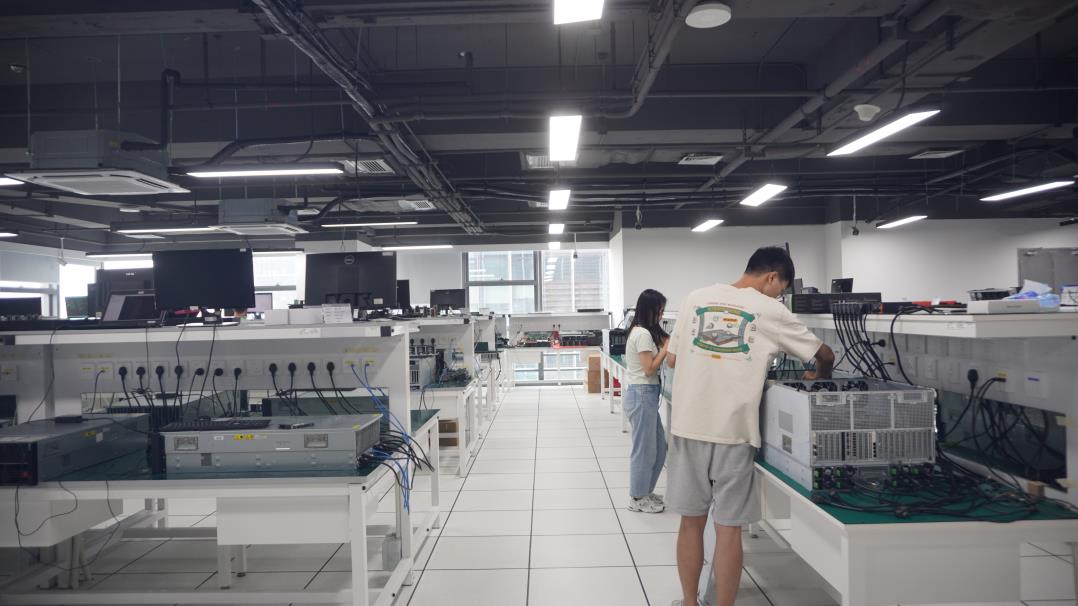
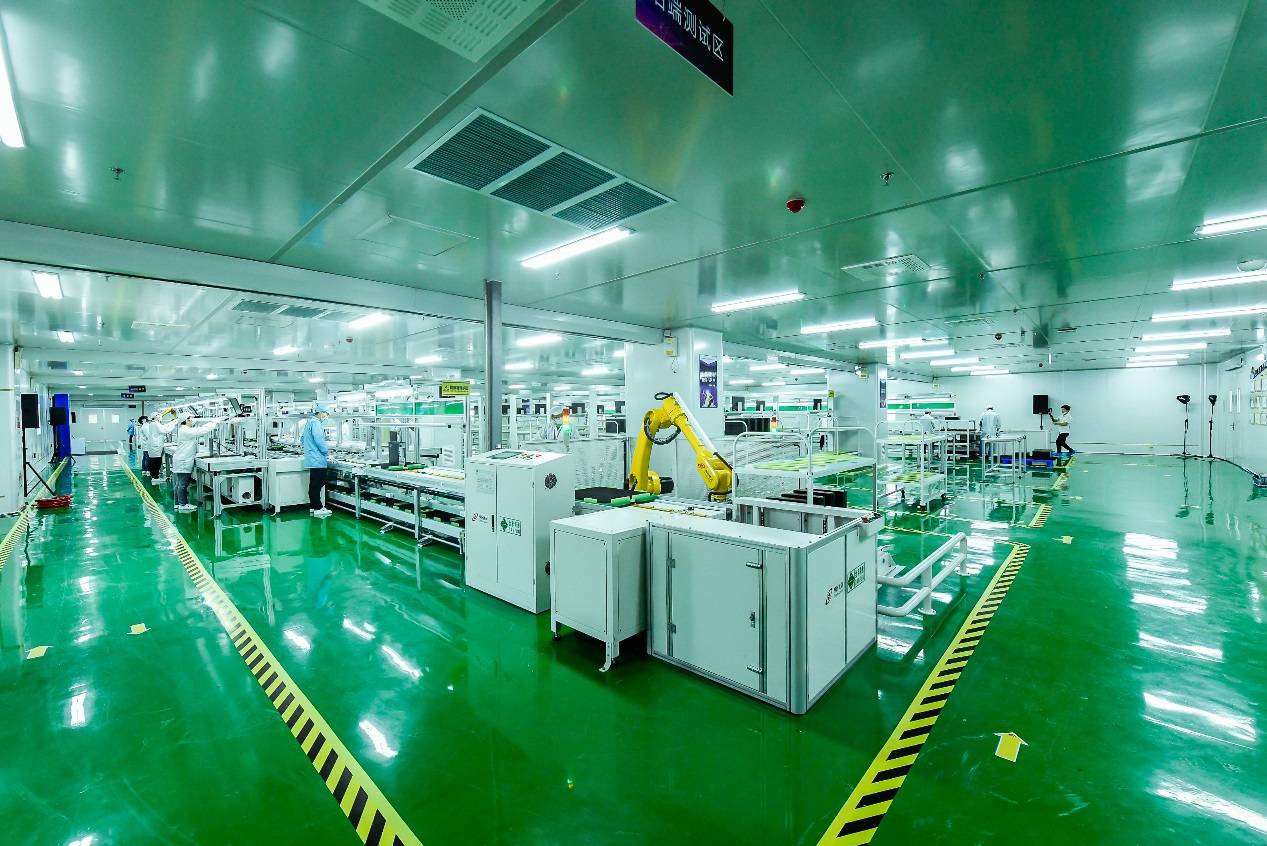
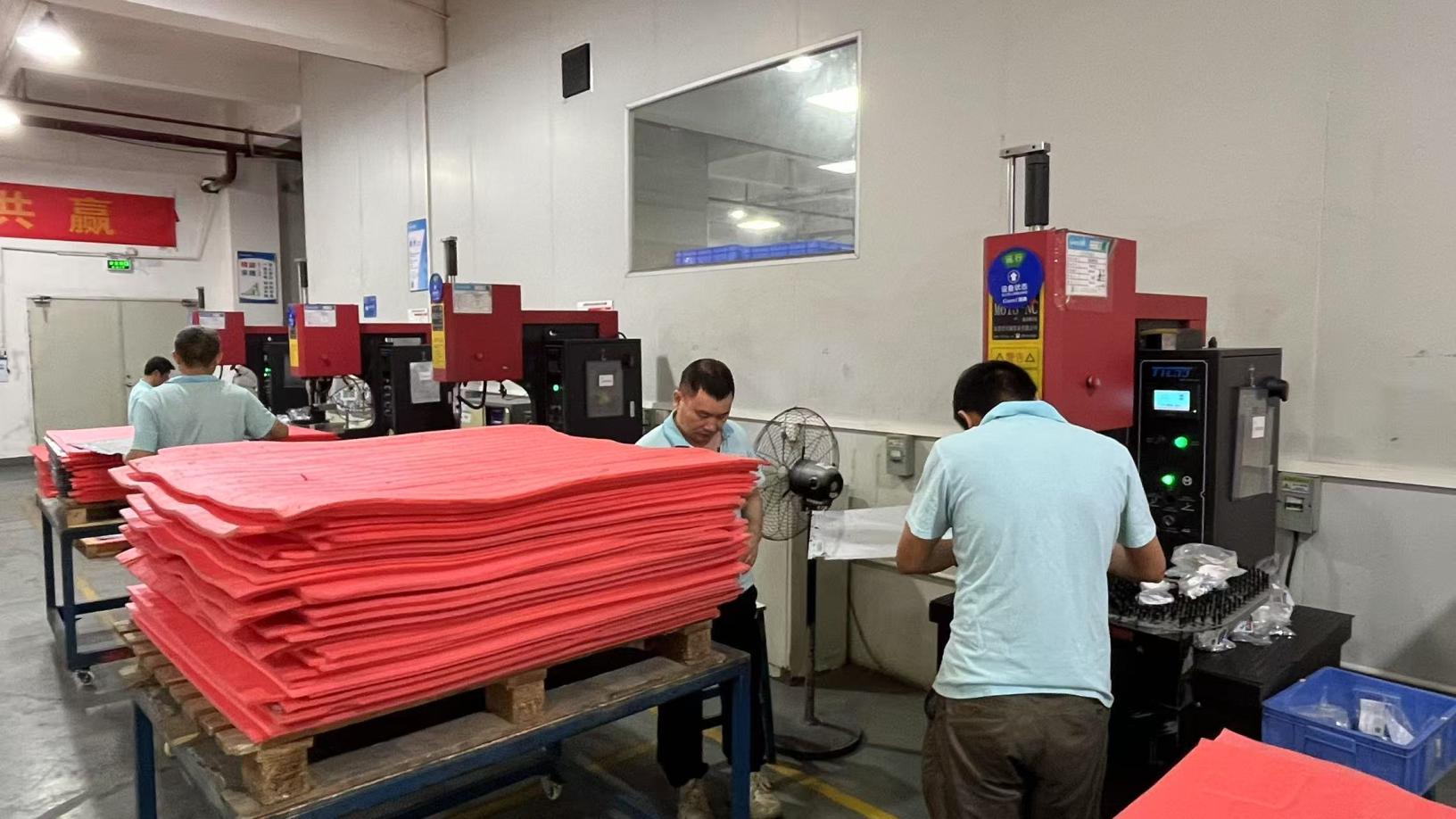
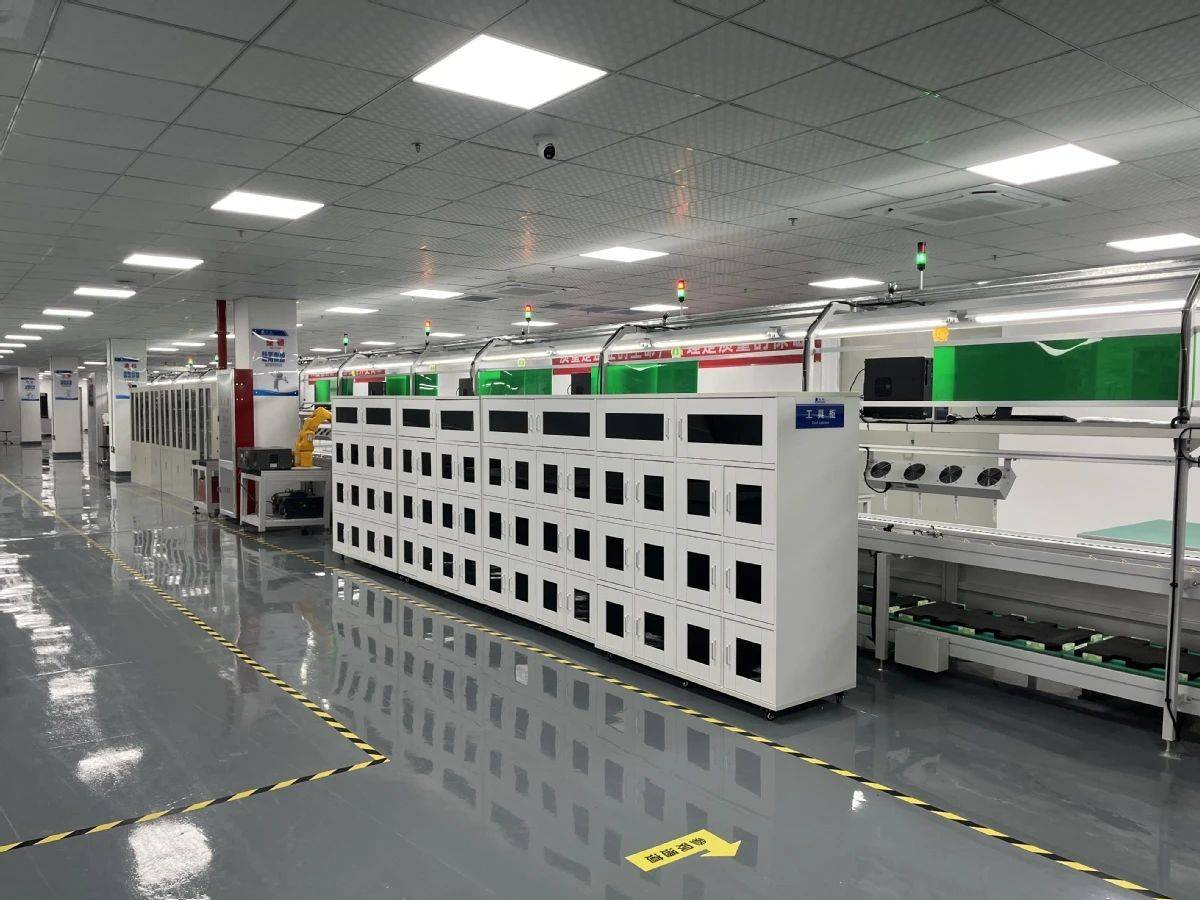
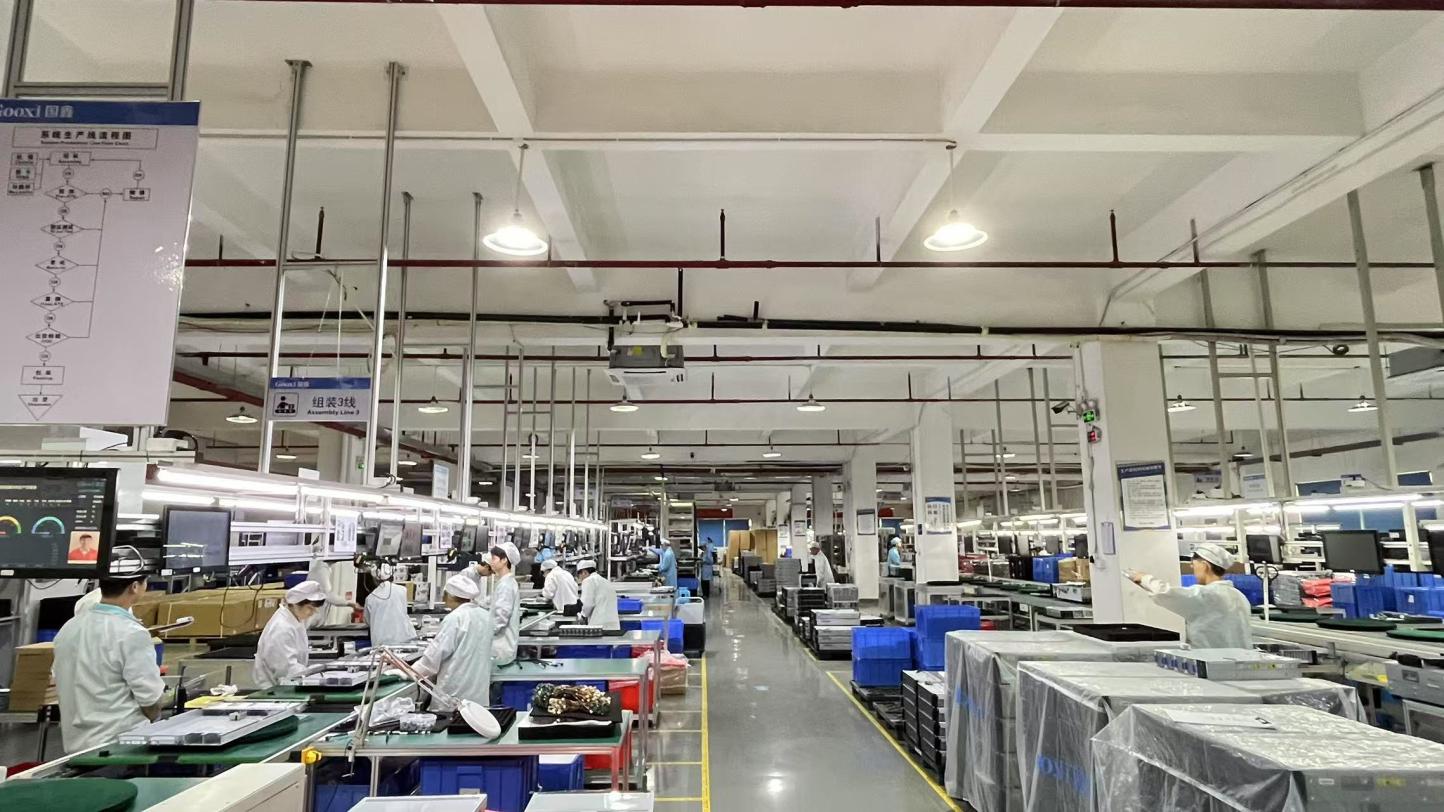
Operating a state-of-the-art facility optimized for hardware validation and system assembly, TensorNova utilizes ISO9001-based quality management systems to execute extreme validation tests. These include automated hardware stress validation, thermal performance profiling, burn-in testing, and simulated high-concurrency communications workloads.
Years of Industry Experience
Dedicated R&D Engineers
Annual Export Revenue
Global Strategic Suppliers
The manufacturing edge behind bulk hardware assembly, quality testing, and component customization.
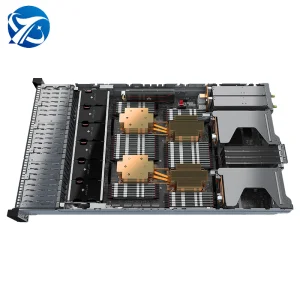
TensorNova provides motherboard-level tuning, customizable GPU layouts, cooling mechanism optimizations (active liquid cooling or high-CFM air cooling), and application-specific BIOS tuning tailored for real-time media encoding and high-frequency SIP routing.
With 45 dedicated quality control personnel, every server undergoes hardware-level stress and thermal load testing. This ensures that when deploying nodes for mission-critical enterprise PBX and SIP channels, the Mean Time Between Failures (MTBF) is maximized.
Our strategic relationships with component producers allow us to secure critical semiconductors, PCIe NVMe SSDs, and DRAM modules (like DDR4/DDR5 server RAM) even during periods of global component volatility, ensuring stable production pipelines.
| Feature Set | Standard Market Solutions | TensorNova Tailored Solutions |
|---|---|---|
| Hardware Validation | Basic POST boot test and brief visual inspection | Full hardware burn-in, thermal profiling, and real-time SIP/AI load simulation |
| Component Sourcing | Open market purchasing with fluctuating lead times | Direct relationships with over 1,200 Tier-1 silicon and PCB suppliers |
| Cooling Design | Stock air-chassis configurations | Advanced high-CFM chassis setups and custom liquid cooling loops |
| Customization Level | Fixed configurations (AS-IS) | GPU, motherboard, memory, and specialized hardware NIC configurations |
Important engineering criteria for IT procurement directors and data center managers sourcing hardware.
When selecting computational nodes to run Unified Communications as a Service (UCaaS) or high-density Session Border Controllers, enterprise procurement teams must look beyond general server specs. The physical performance of the hardware directly dictates the quality of the virtualized software layer. Key metrics include:
VoIP audio streams consist of thousands of tiny, real-time UDP packets (RTP streams). Sourcing rack servers equipped with high-quality PCIe network interfaces that support Single Root I/O Virtualization (SR-IOV) and Data Plane Development Kit (DPDK) is essential. This allows the host virtual machines to bypass standard OS networking stack bottlenecks, reducing overall processing latency down to microsecond levels.
Communication centers operate 24/7/365. Standard enterprise hardware can experience thermal throttling if the rack design does not account for heat generation under heavy CPU/GPU computational stress. TensorNova’s rigorous validation ensures hardware platforms operate stably under sustained workloads, maintaining peak processor frequency without dropping active audio channels.
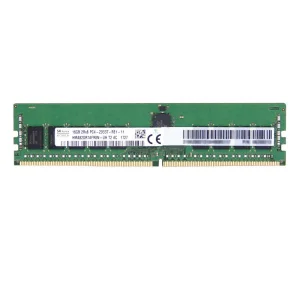
Every active call session on a softswitch consumes a discrete amount of memory cache to hold jitter buffer variables and session state information. Allocating high-density, error-correcting code (ECC) memory, such as the XFusion FusionServer RAM modules, prevents memory corruption faults that could otherwise crash the entire SIP registrar database.
How global enterprises deploy high-performance hardware to optimize unified communication pipelines.
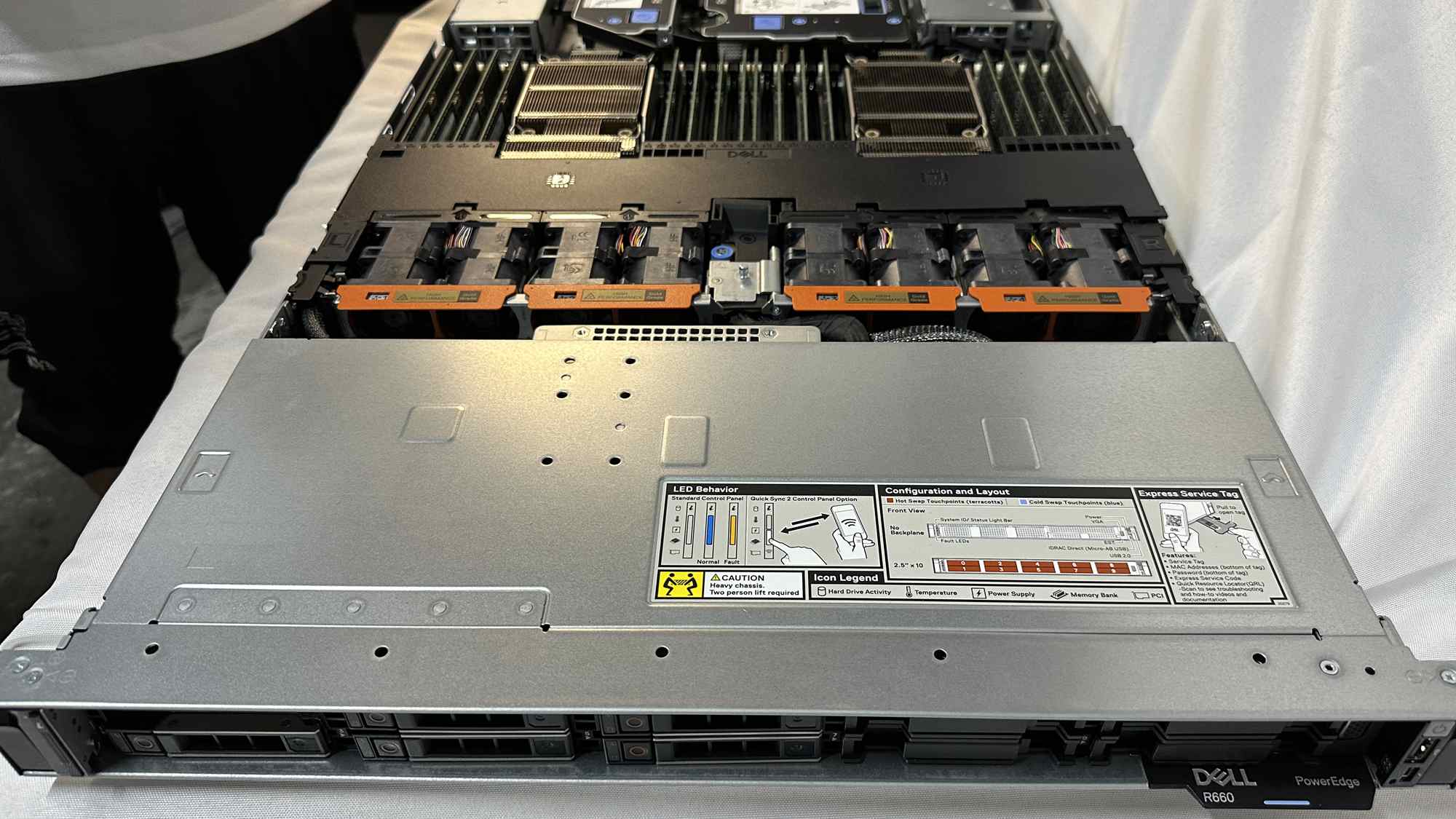
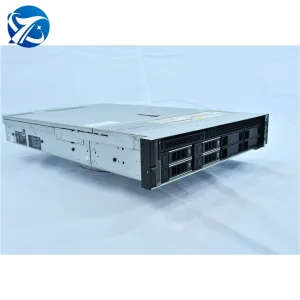
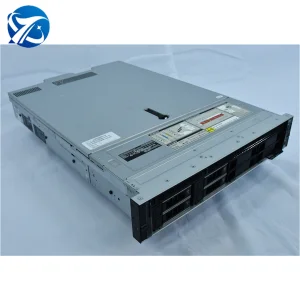
Enterprise call centers hosting thousands of concurrent agents use our 2U and 4U systems (like the FusionServer 5288 V7 and PowerEdge R760XS) to act as central database clusters, logging calls, managing real-time queues, and serving automated interactive voice response (IVR) algorithms.
VoIP carriers leverage hyperconverged infrastructure nodes (such as the xFusion 2288H series) to manage routing configurations between local IP-PBX clients and international SIP termination endpoints, utilizing fast NVMe drives for routing directory lookup efficiency.
Next-generation startups run voice transcription and real-time sentiment analysis models by pairing our high-capacity computing rigs with GPU hardware. This enables them to transcribe and score active calls instantly, without adding lag to the active conversation.
Expert answers addressing the intersection of enterprise server hardware, high-concurrency SIP operations, and China manufacturing.
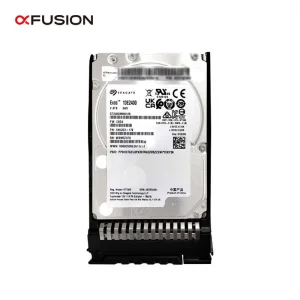
Invest in robust computing, fast memory caches, and enterprise-grade hard drives to secure your VoIP communication architecture from hardware-induced bottlenecks.
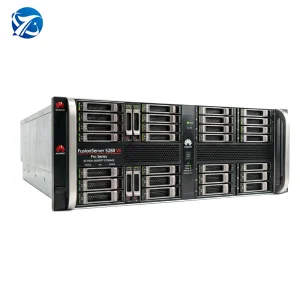

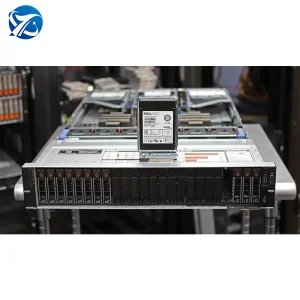


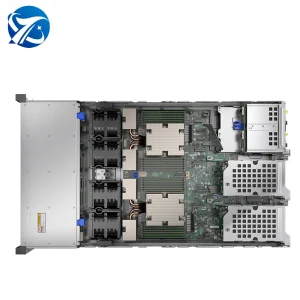
A peek inside our advanced server assembly line, physical QA departments, and component validation laboratories in China.