 TensorNova
TensorNova
TensorNova
Explore the processing modules, rack servers, and high-speed storage configurations backing modern enterprise network architectures.
How core computing infrastructures, edge gateways, and carrier-grade hardware converge to form the backbone of next-gen communication networks.
In the era of hyper-connectivity, Enterprise Wireless Solutions have transitioned from simple Wi-Fi routers and access points to complex, multi-layered computing networks. As corporate systems integrate automated robotics, real-time telemetry, and large-scale AI applications like LLMs and local neural networks (such as DeepSeek integrations on private clouds), the hardware running underneath local networks has become the definitive bottleneck. Modern enterprises do not simply deploy wireless access; they deploy localized server systems, high-speed edge cache SSDs, and AI-optimized hardware setups to ensure uninterrupted, low-latency communication flows.
This comprehensive paper analyzes the top wireless and networking equipment suppliers driving this global transition. Additionally, we look closely at how the backend infrastructure—high-performance enterprise servers, SSDs, and storage systems manufactured by leaders such as TensorNova, xFusion, and Dell—acts as the fundamental processing layer that enables these wireless topologies to function efficiently across high-density environments.
Unparalleled throughput and ultra-low latency frameworks utilizing the latest 6GHz spectrum bands and advanced Multi-Link Operation (MLO).
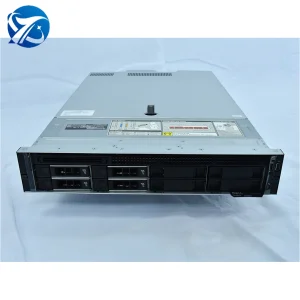
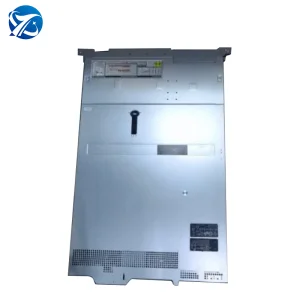
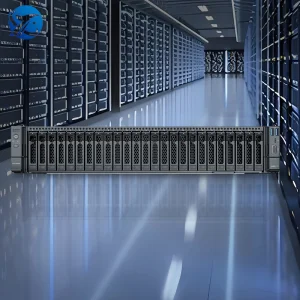
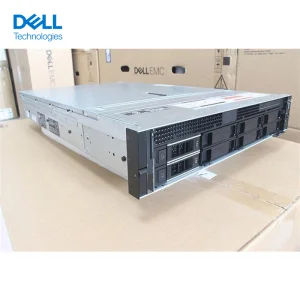
Utilizing high-performance server grids (like xFusion 2488H and Dell R760xs) to process telemetry, network security protocols, and massive log files at the edge.
Automated threat containment at the access layer, supported by localized hardware encryption, active firewall arrays, and hardware RAID systems.
An authoritative review of the global OEM/ODM manufacturers and infrastructure providers leading the enterprise communications industry.
Selecting the correct vendor for your enterprise wireless topology requires examining the entire system stack, from hardware controllers and radios to backend data processing. Below are the industry-leading suppliers defining global communication standards.
Unpacking Wi-Fi 7, Private Cellular Networks, and the vital role of Edge Compute Servers.
The wireless landscape is undergoing a massive transformation as Wi-Fi 7 (802.11be) becomes the commercial standard. Wi-Fi 7 introduces Multi-Link Operation (MLO), which permits devices to transmit and receive data simultaneously across different frequency bands (2.4GHz, 5GHz, and 6GHz). This effectively solves congestion in high-density corporate offices and automated factory floors.
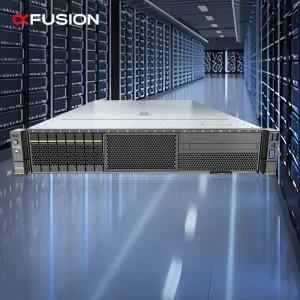
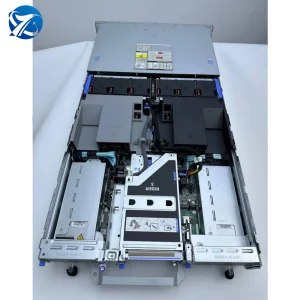
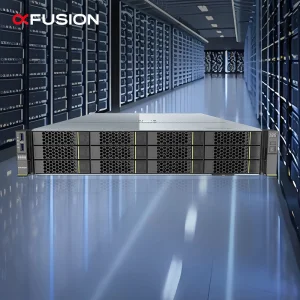
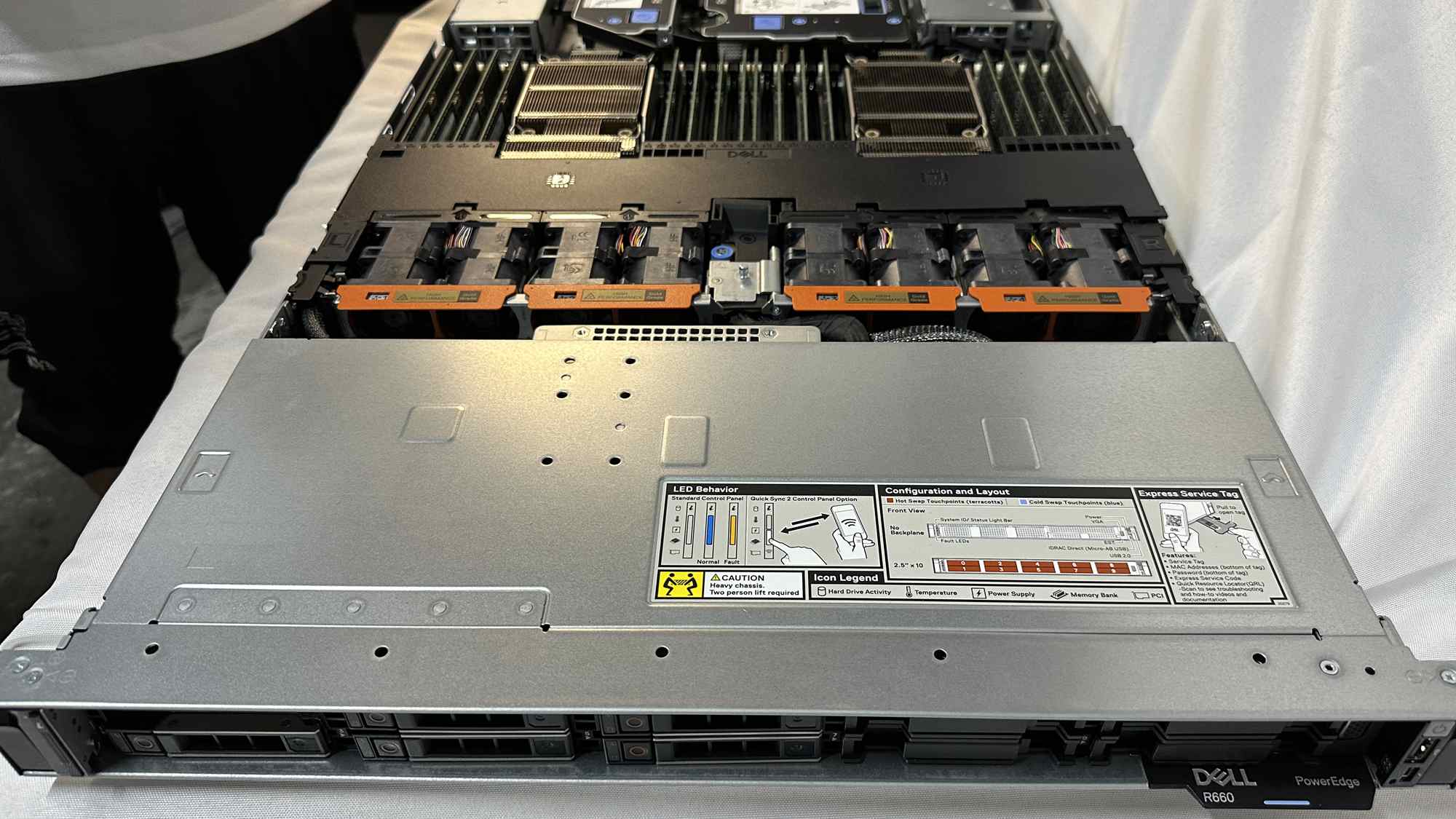
As bandwidth increases, the data packets generated by wireless endpoints grow exponentially. Standard central cloud platforms cannot process this data without incurring significant latency penalties. Therefore, modern network architectures require high-performance local servers, such as the xFusion FusionServer 2488H V6 or the Dell PowerEdge R670, placed at the network edge. These servers pre-process, filter, and compile network telemetry, ensuring that the cloud is only utilized for long-term storage and analytical computing.
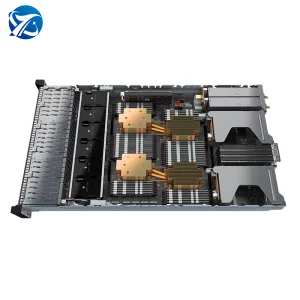
AI algorithms running on local rack servers continuously analyze RF (Radio Frequency) patterns to predict coverage gaps, adjust transmission power, and automatically switch channel allocations to avoid interference. Deploying GPU computing power locally allows neural network frameworks to adjust signal patterns in real-time, matching shifts in physical occupancy.
Tailoring communications and hardware infrastructure to specific high-demand operating environments.
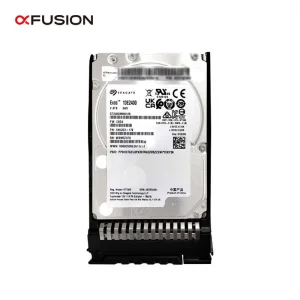
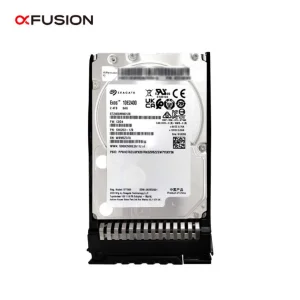
On automated factory floors, wireless networks must support thousands of moving AGVs (Automated Guided Vehicles) and robotic arms. This requires ultra-low latency Private 5G or Wi-Fi 7. A failure of millisecond communication can shut down assembly lines. Robust local storage nodes, backed by NVMe SSD arrays (such as the EP600 Series), ensure immediate log recording and system recovery.
Large corporate offices require seamless roaming as executives move across multi-story buildings during active video conferences. This calls for controllers backed by multi-socket processing systems, like the xFusion 2288H V6. These servers track security tokens and maintain high-grade encryption certificates across every handoff.
High metal shelving units create immense RF interference. Suppliers solve this through spatial diversity and high-density, multi-directional antennas. The background database indexing is supported by server storage nodes designed for extreme read-write cycles, ensuring that item location coordinates match physical inventory within milliseconds.
Ensuring hardware is legally certified and technically optimized for international markets.
Deploying wireless network hardware internationally is a highly regulated undertaking. Hardware must satisfy specific regional radio-frequency guidelines and data-sovereignty mandates.
Inside the advanced production ecosystems driving high-performance hardware and communications equipment.
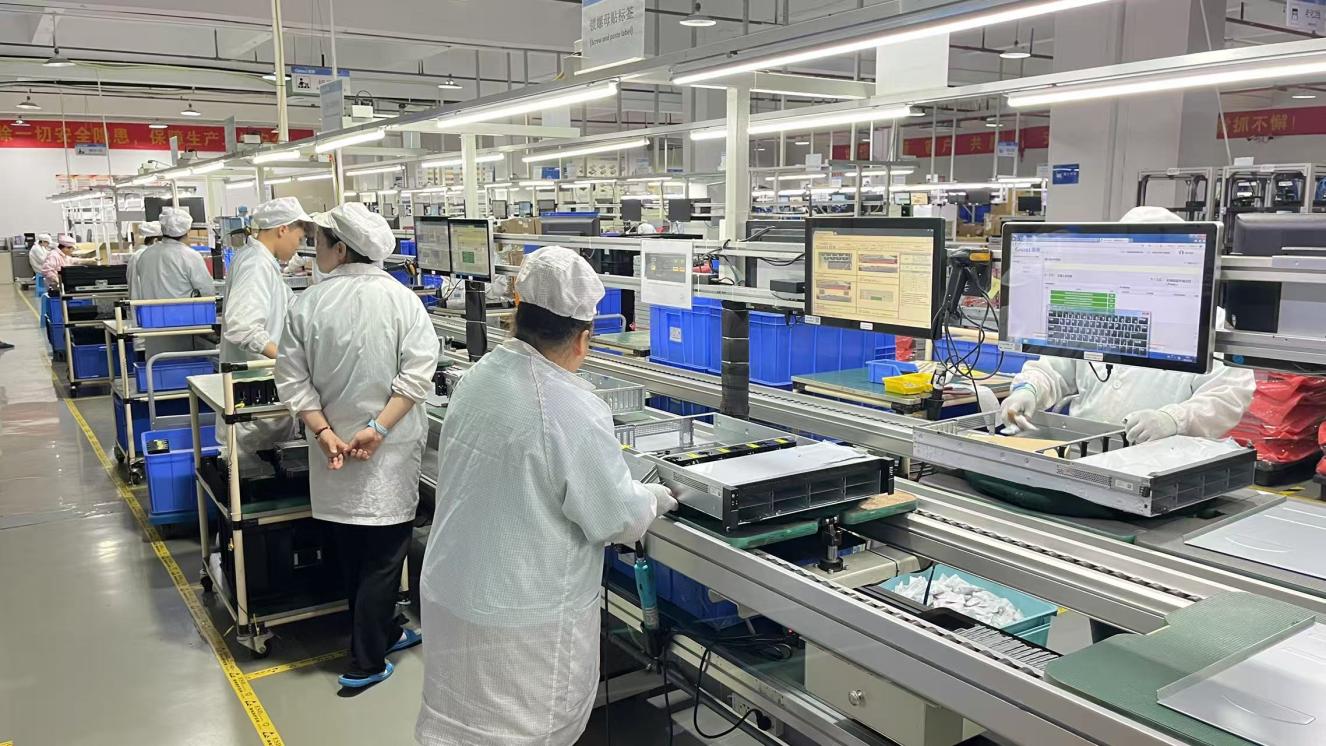
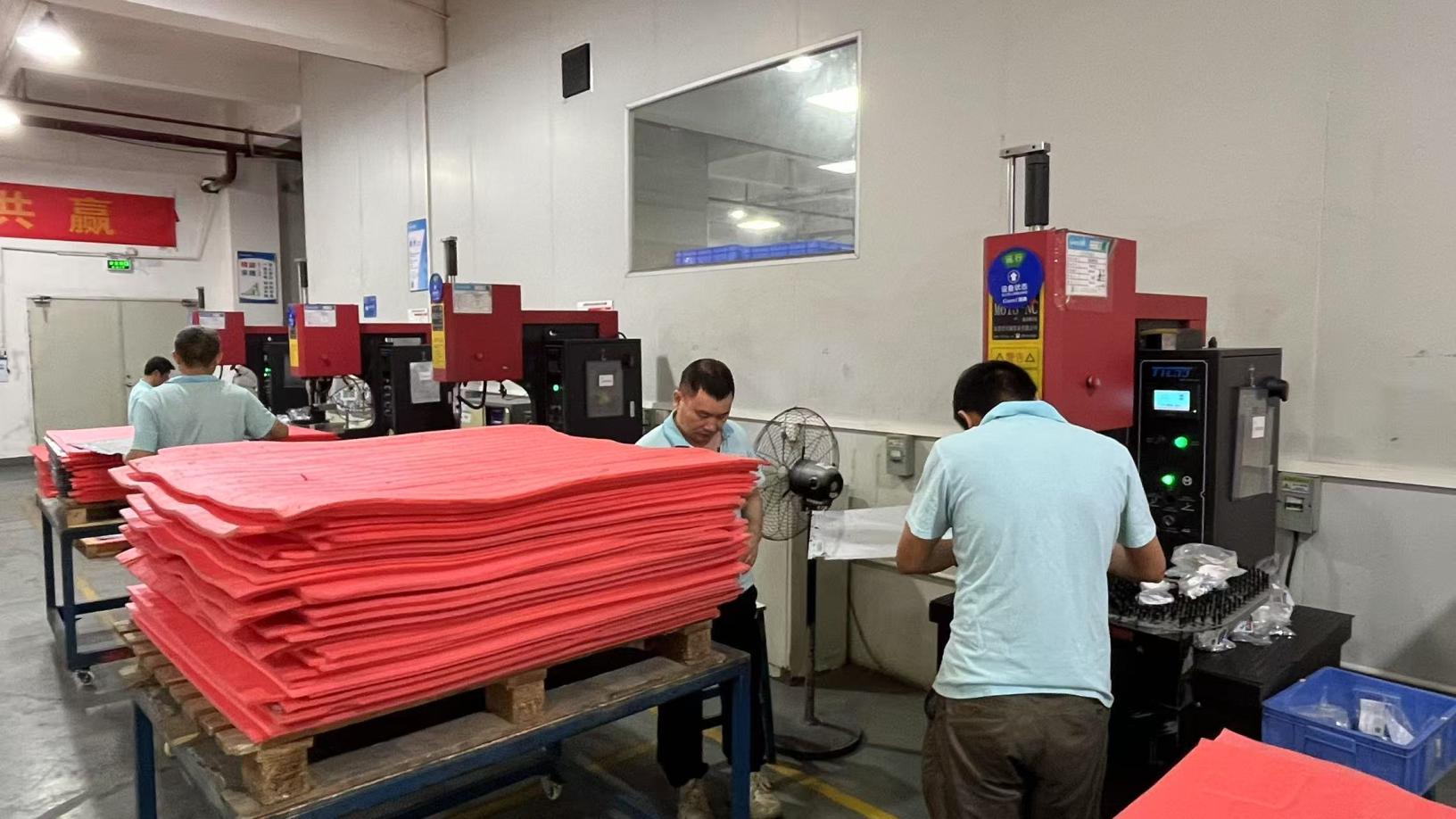
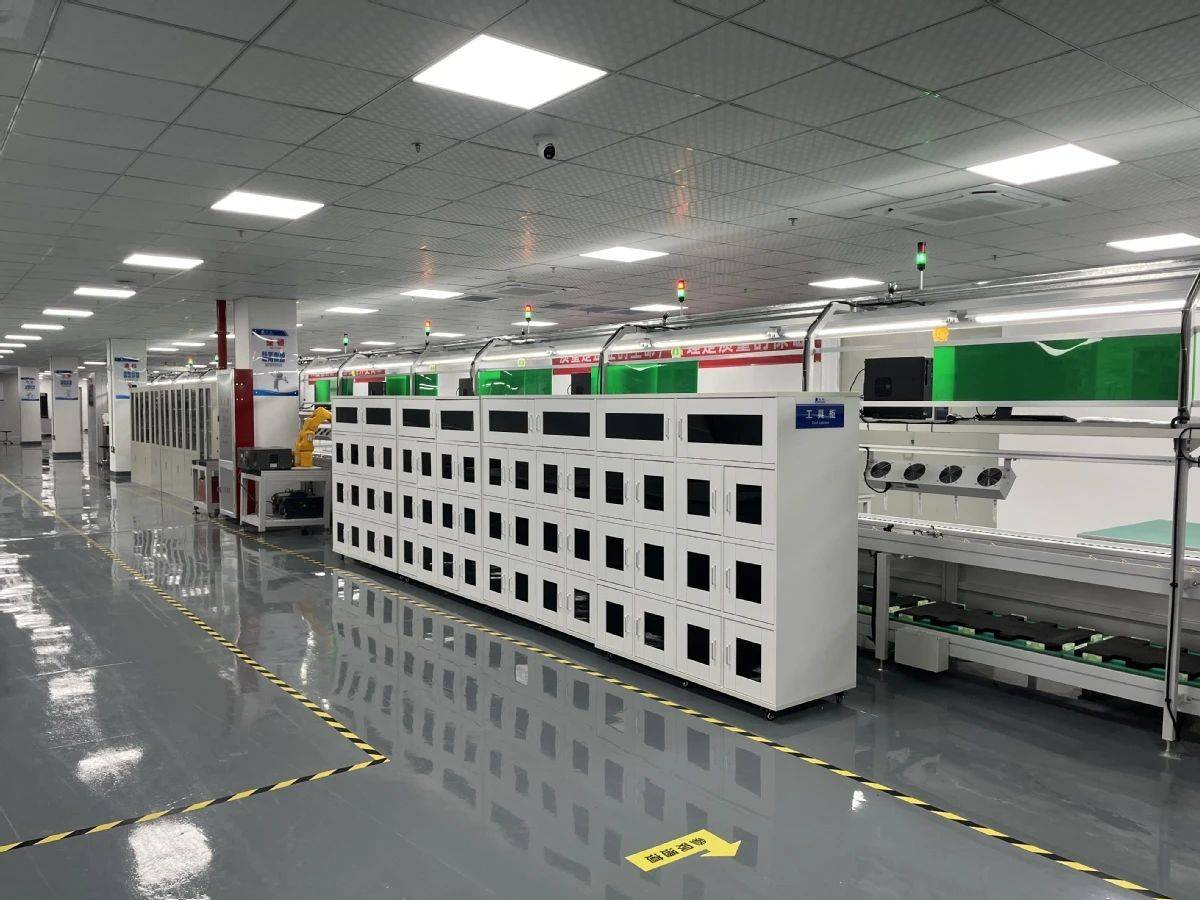
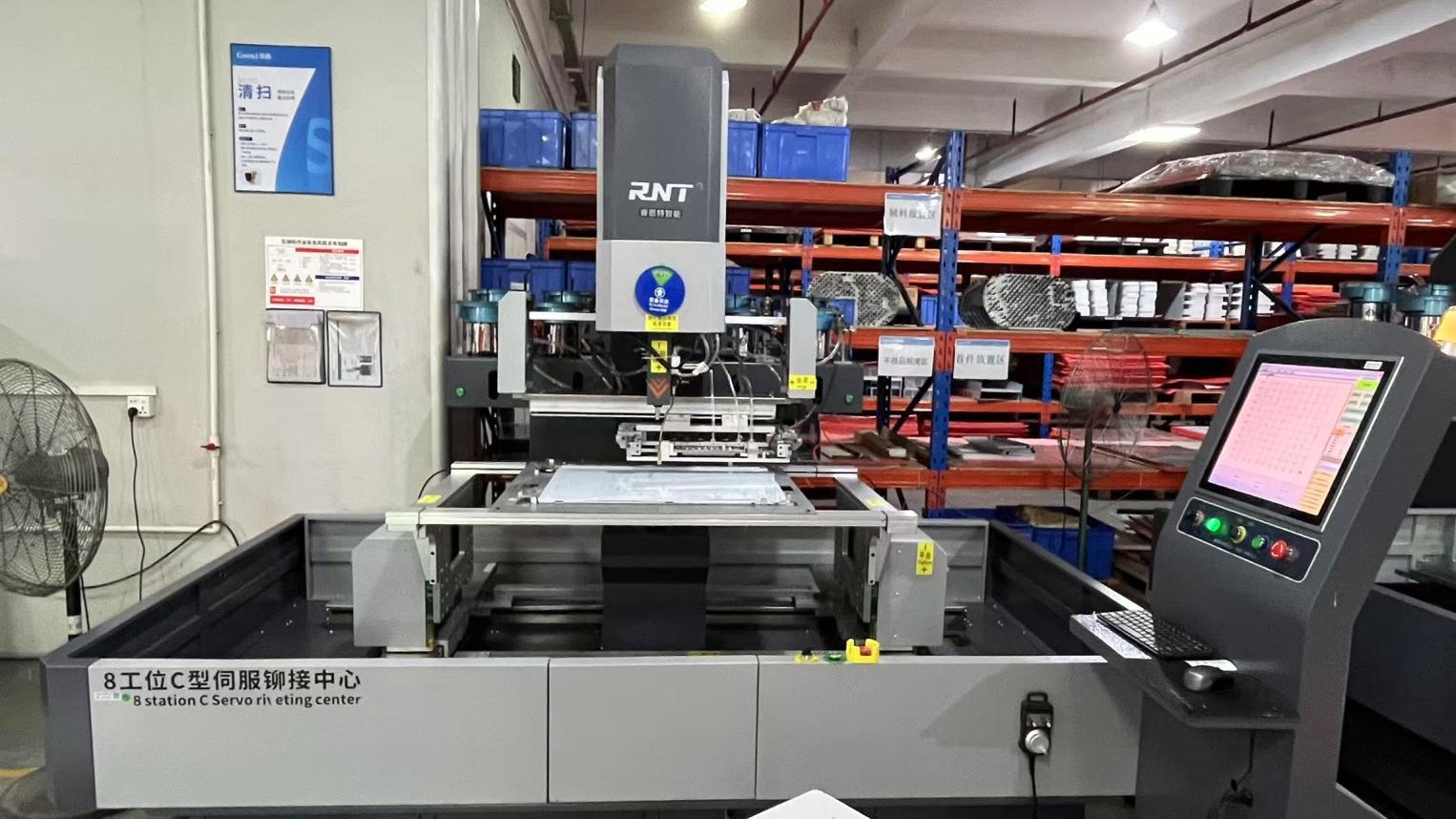
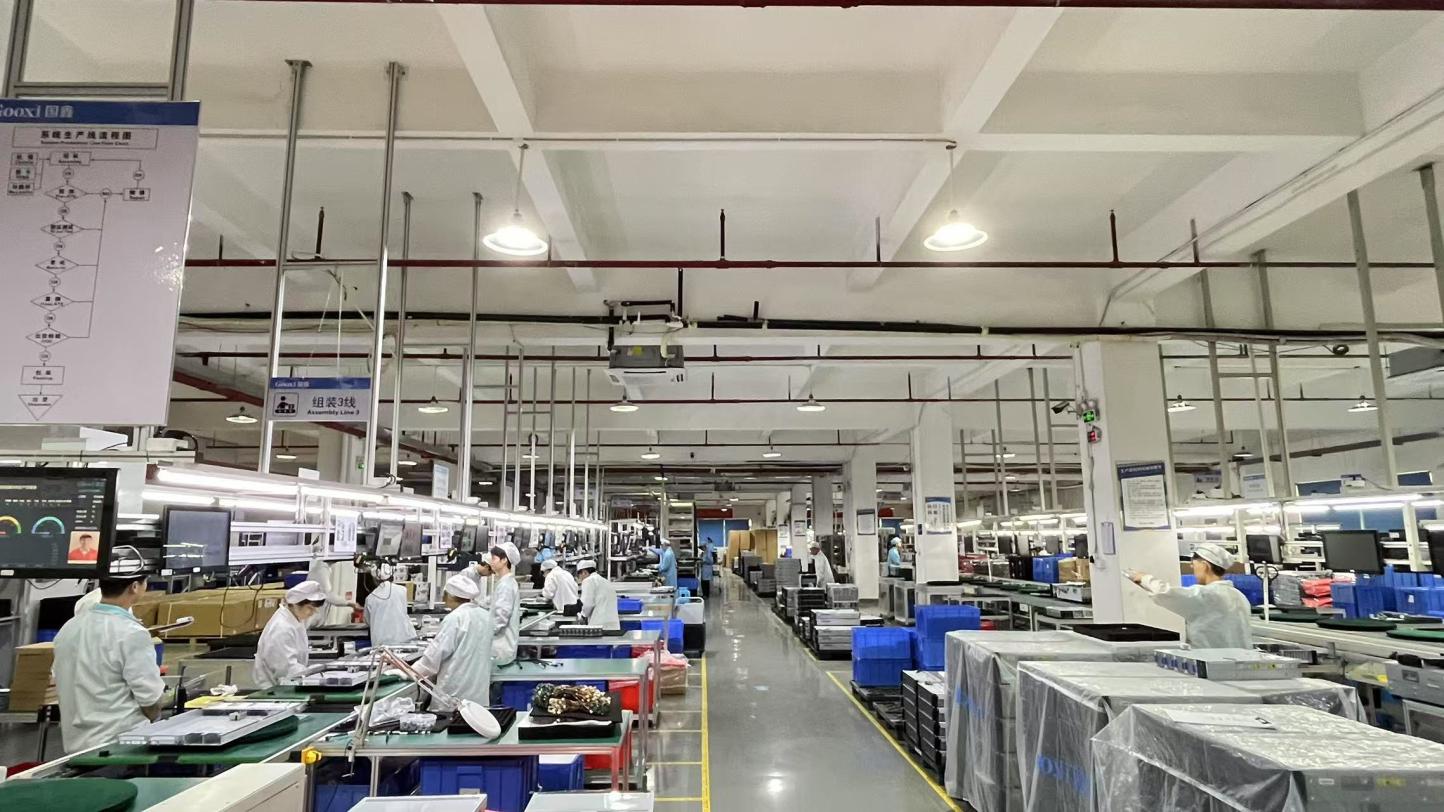
The global dominance of Chinese electronics and computing infrastructure is driven by highly integrated supply ecosystems. A prime example is TensorNova, a professional high-performance AI GPU server manufacturer and infrastructure solution provider based in China. Specializing in AI computing, GPU clusters, and scalable data center hardware, TensorNova showcases the level of precision and supply capability available within modern Chinese high-tech hubs.
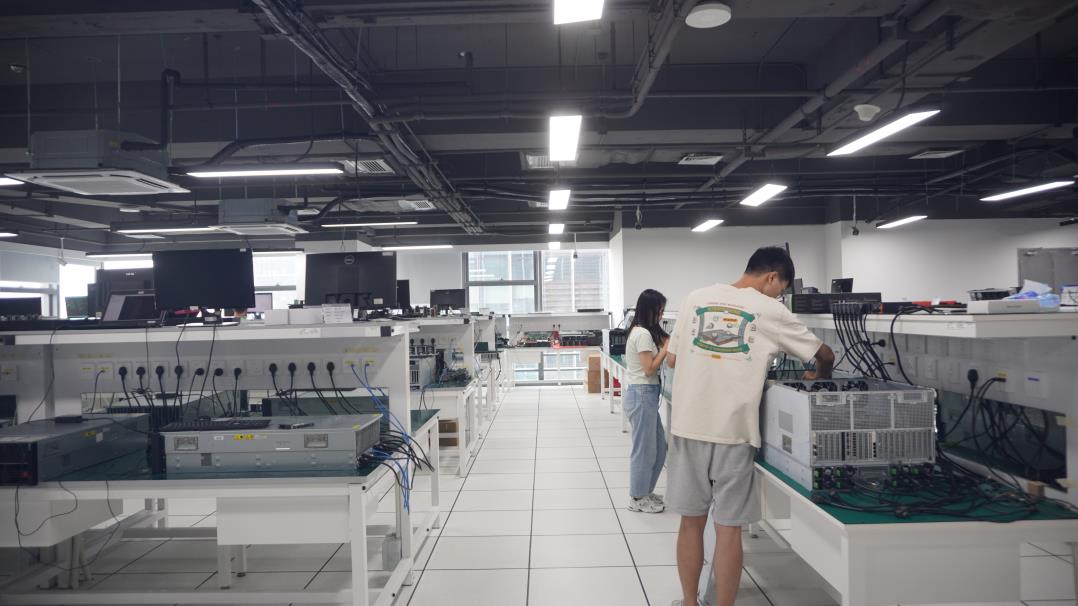
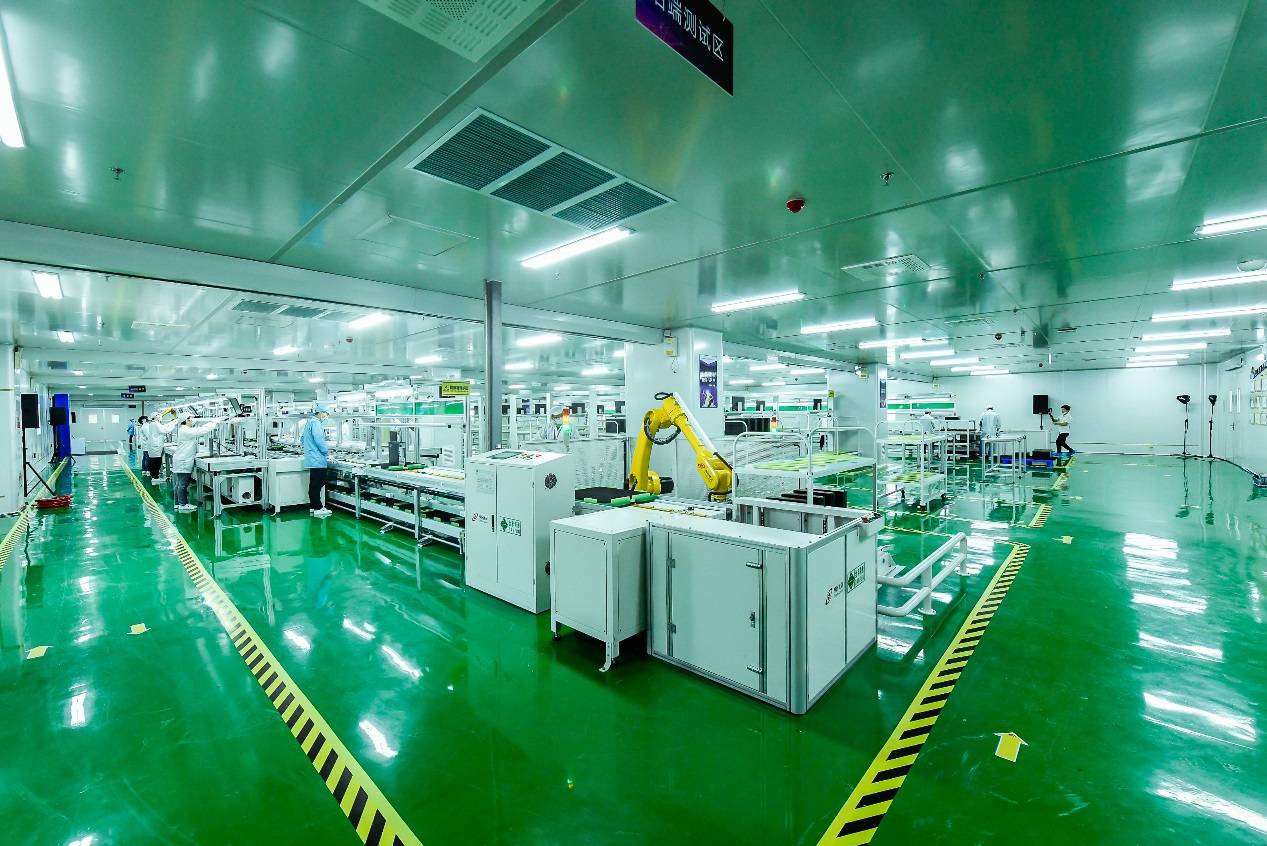
Established in 2016, TensorNova has grown into a trusted hardware partner with a modern production facility designed for advanced assembly, structural testing, and system integration. With 6 years of export experience and over 12 years of industry experience in high-density computing, TensorNova maintains a robust network of more than 1,200 global suppliers and component partners, ensuring short lead times and stable production lines.
Quality assurance is strictly implemented through ISO9001-based quality management systems. Every hardware unit, from network server motherboards to storage expansion cards, undergoes automated hardware stress testing, thermal performance validation, burn-in testing, and simulated heavy network workloads. TensorNova employs 45 quality control personnel who oversee the process to ensure every component delivers carrier-grade reliability.
Critical buying parameters and design metrics for enterprise-level deployment.
For enterprise purchasing directors, procuring networking components involves evaluating several complex engineering and business metrics:
Purchasers need bespoke solutions tailored to unique environments. This includes customized server chassis designs, specific motherboard bios tuning, or cooling solutions (air-cooled vs. liquid-cooled loops) to align with existing data center configurations.
Deploying cutting-edge hardware requires strong technical assistance. TensorNova's team of 180 R&D engineers focuses on GPU cluster architecture and system optimization, helping customers build setups tailored to complex enterprise networking projects.
Global shipping delays can stall network deployments. Working with suppliers that maintain extensive component reserves and strategic supplier ecosystems ensures projects stay on schedule, regardless of geopolitical supply chain changes.
Why high-density compute systems and ultra-fast NVMe storage drives are vital for wireless networks.
A wireless access point is only as fast as the backend server processing its traffic. Modern enterprise networks require heavy computing power for data logging, real-time security scanning, and running localized AI models.
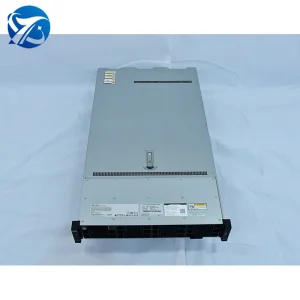
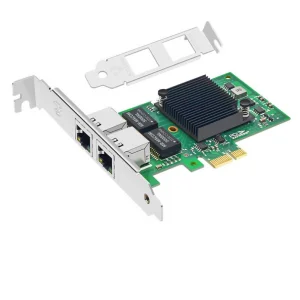
Utilizing dual-socket rack servers, such as the xFusion 2288H V6 or the Dell PowerEdge R760xs, allows enterprise network administrators to host local VM-based controllers. These controllers handle hundreds of access points, manage user routing tables, and run real-time threat-detection firewalls. Equipped with advanced PCIe Gen 4.0/5.0 RAID standard cards (like the 9560-8i) and enterprise read-dense SSDs (such as the PM9A3 series), these servers process network logs instantly, ensuring zero data packet loss.
Answering key technical and logistical questions about enterprise wireless and core server hardware.
Maximize bandwidth and minimize database latency with our full range of enterprise servers and hardware components.
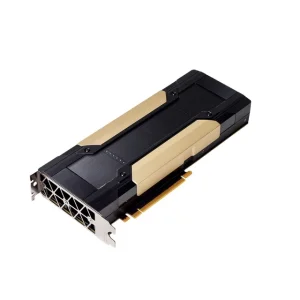
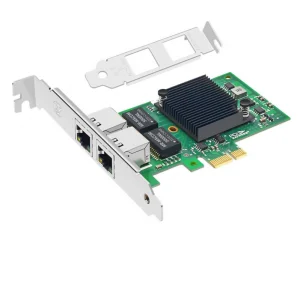
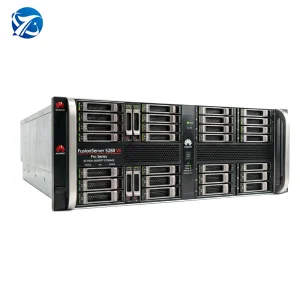
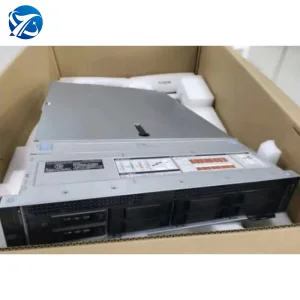
A professional high-performance AI GPU server manufacturer and infrastructure solution provider based in China.
TensorNova specializes in AI computing, GPU clusters, and scalable data center hardware solutions for global enterprises. Established in 2016, TensorNova has developed into a trusted supplier in the AI hardware industry with a strong focus on innovation, performance, and customized computing systems.
The company operates a modern production facility covering approximately 320㎡, equipped for advanced server assembly, testing, and system integration. TensorNova records an annual export revenue of approximately $8.5 million, with 6 years of export experience and over 12 years of industry experience in AI computing and server manufacturing.
Quality assurance is strictly implemented through ISO9001-based quality management systems, with product inspection conducted using automated hardware stress testing, thermal performance validation, burn-in testing, and AI workload simulation testing. The company employs around 45 quality control personnel dedicated to ensuring product reliability and stability.
With a strong international trade background, TensorNova serves clients across North America, Europe, Southeast Asia, and the Middle East, with primary markets in the United States, Germany, Singapore, and the United Arab Emirates. TensorNova has established a robust supply chain ecosystem with more than 1,200 global suppliers and strategic component partners, enabling stable production and fast delivery capabilities.
The company primarily serves AI research institutions, cloud computing providers, data centers, enterprise IT departments, and AI startups. Its R&D capabilities are strong, supported by a team of approximately 180 R&D engineers, focusing on GPU server architecture, AI optimization, and high-density computing systems.
TensorNova offers extensive customization options, including GPU configuration customization, chassis design, cooling system optimization (air or liquid cooling), motherboard-level tuning, and AI workload-specific optimization solutions. In the past year, the company successfully launched 320+ new products, including next-generation AI GPU servers, edge computing nodes, and high-density GPU cluster systems. Driven by continuous innovation, TensorNova is committed to delivering reliable, scalable, and high-performance AI computing infrastructure solutions for the global AI industry.