TensorNova
TensorNova
TensorNova

Why Modern Data Architectures Demand Low-Latency, Fiber-Channel, and NVMe-oF Interconnections.
In the era of hyper-scale computing, large language model (LLM) training, and distributed database cluster operations, the demands placed on enterprise data storage systems have reached unprecedented heights. Storage Area Networks (SAN) remain the cornerstone of enterprise data environments, providing block-level access to consolidated, non-volatile data storage. Unlike traditional Network Attached Storage (NAS), which relies on file-level access protocols and standard ethernet routing that introduce latency overhead, a modern SAN fabric links servers directly to storage logical unit numbers (LUNs) over dedicated high-speed pathways.
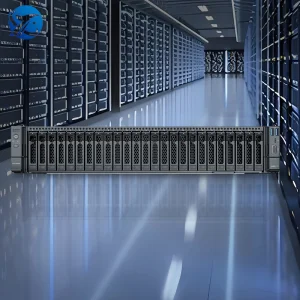
As a premier factory and global supplier, we engineer enterprise rack systems designed to handle high-density storage workloads. Modern SAN structures leverage protocols like Fibre Channel (FC) running at 32G/64G speeds, or high-velocity NVMe over Fabrics (NVMe-oF) using RoCE (RDMA over Converged Ethernet) or InfiniBand. These advanced frameworks enable extreme data rates and massive parallel processing capacity, transforming raw storage blocks into shared, ultra-low-latency resources available across your entire computational cluster.
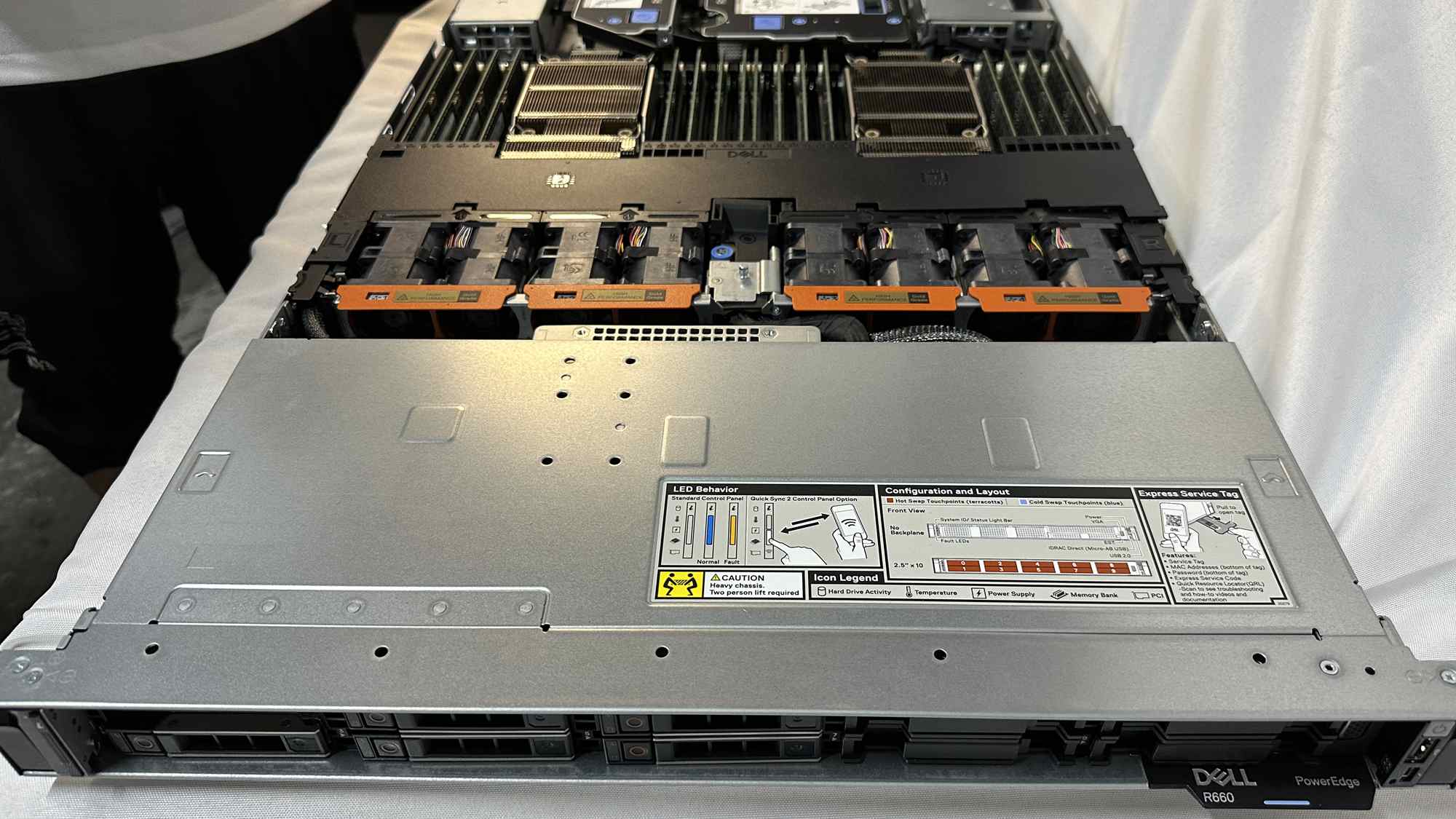
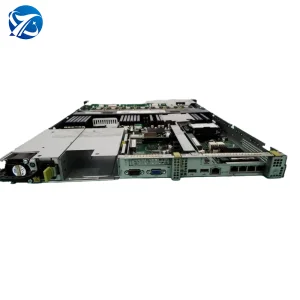
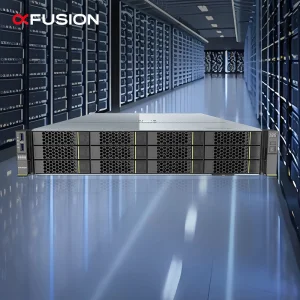
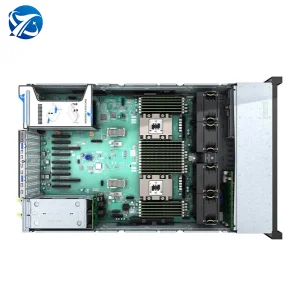
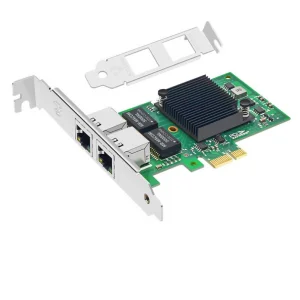
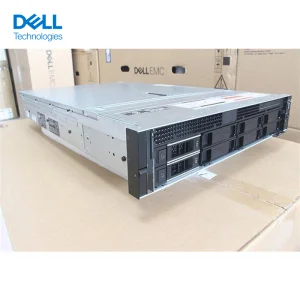
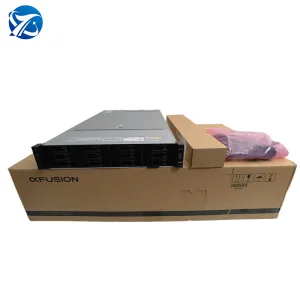
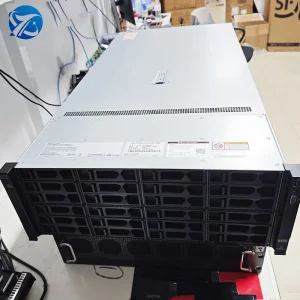
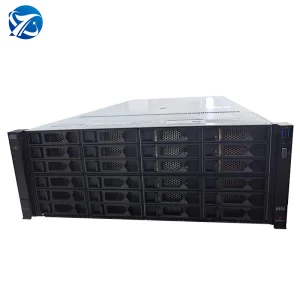
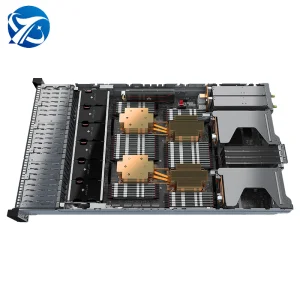
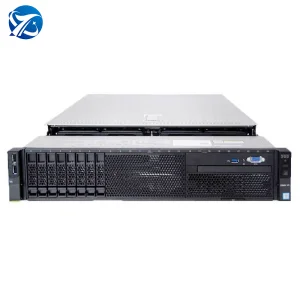
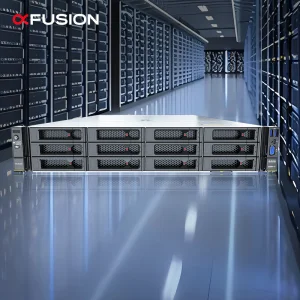
Our systems, including the FusionServer and Dell PowerEdge rack configurations, act as critical nodes within these complex storage fabrics. Offering options that range from PCIe Gen 5 configurations to high-throughput RAID standard cards (such as the 9560-8i), we ensure your processing arrays operate without data transport bottlenecks.
A Sino-Global Infrastructure Pioneer and High-Performance AI GPU Server Manufacturer.
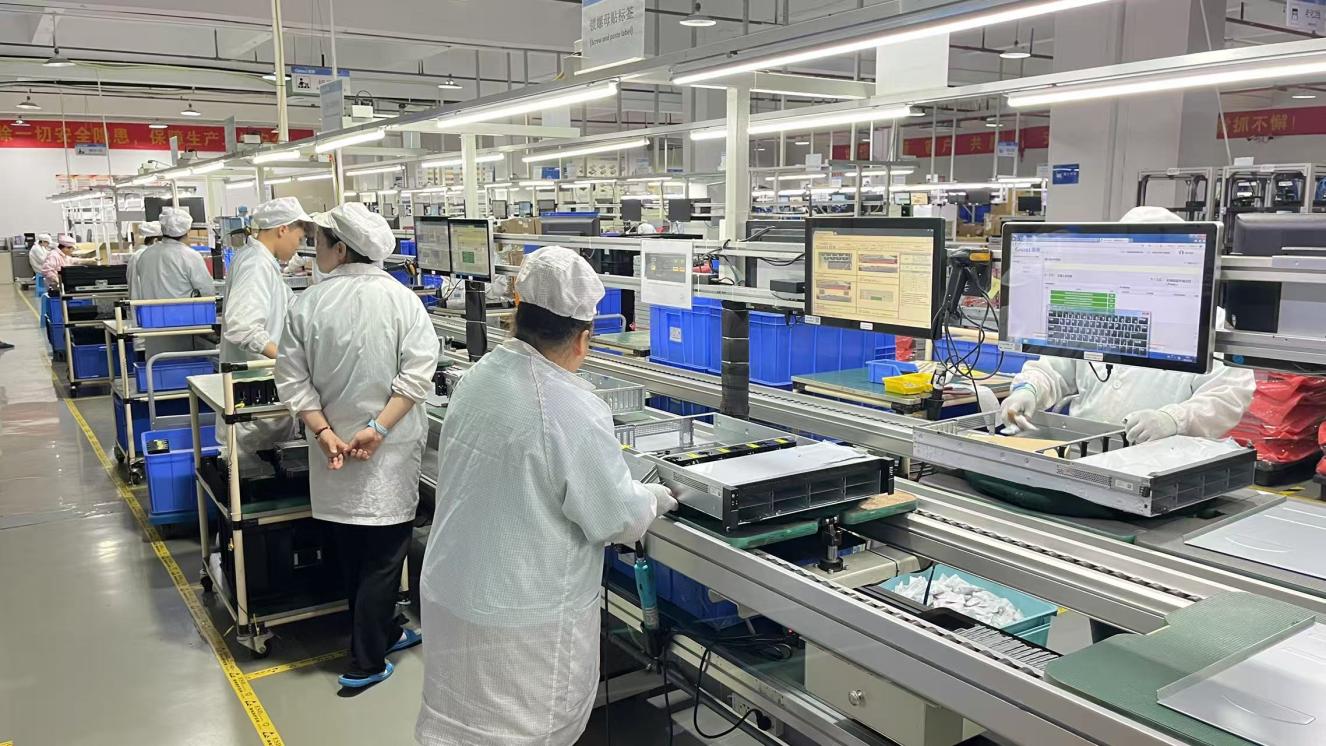
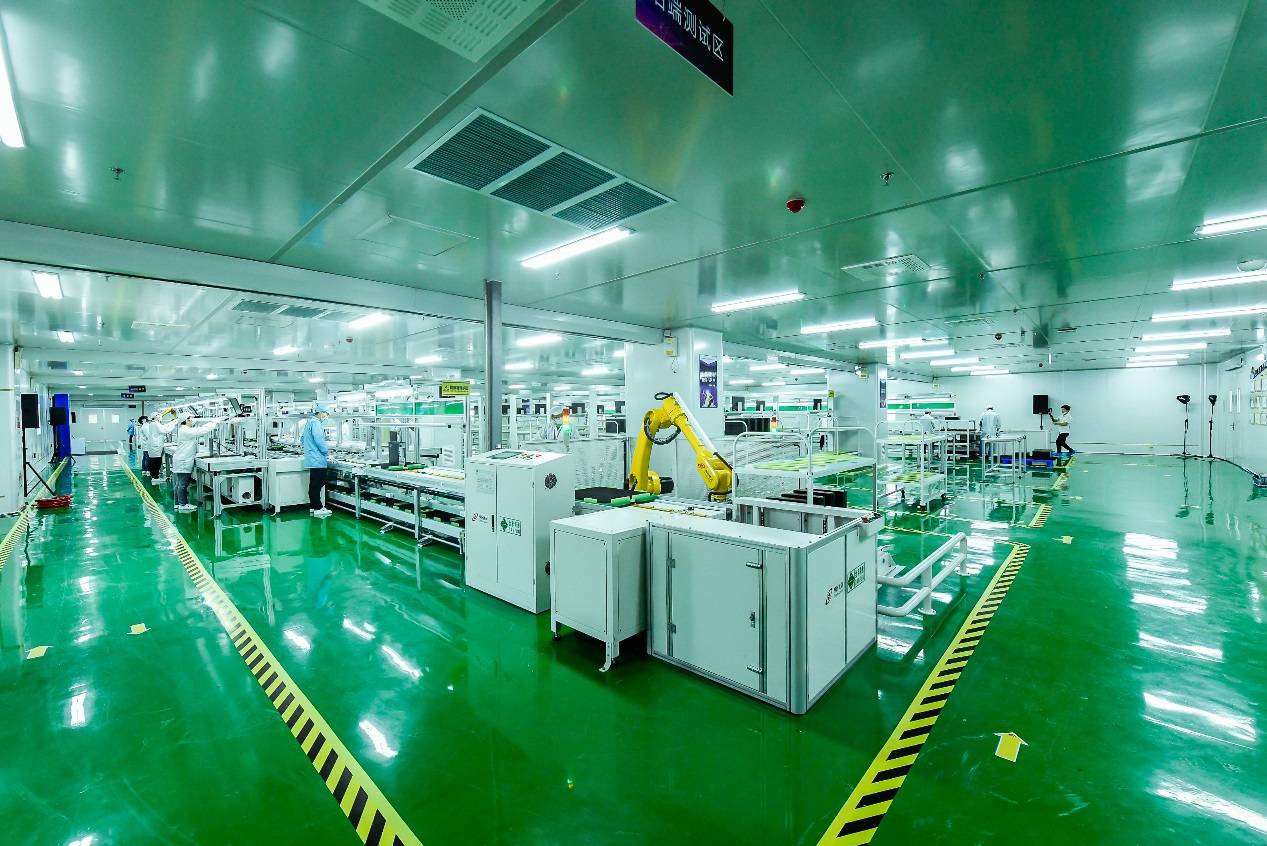
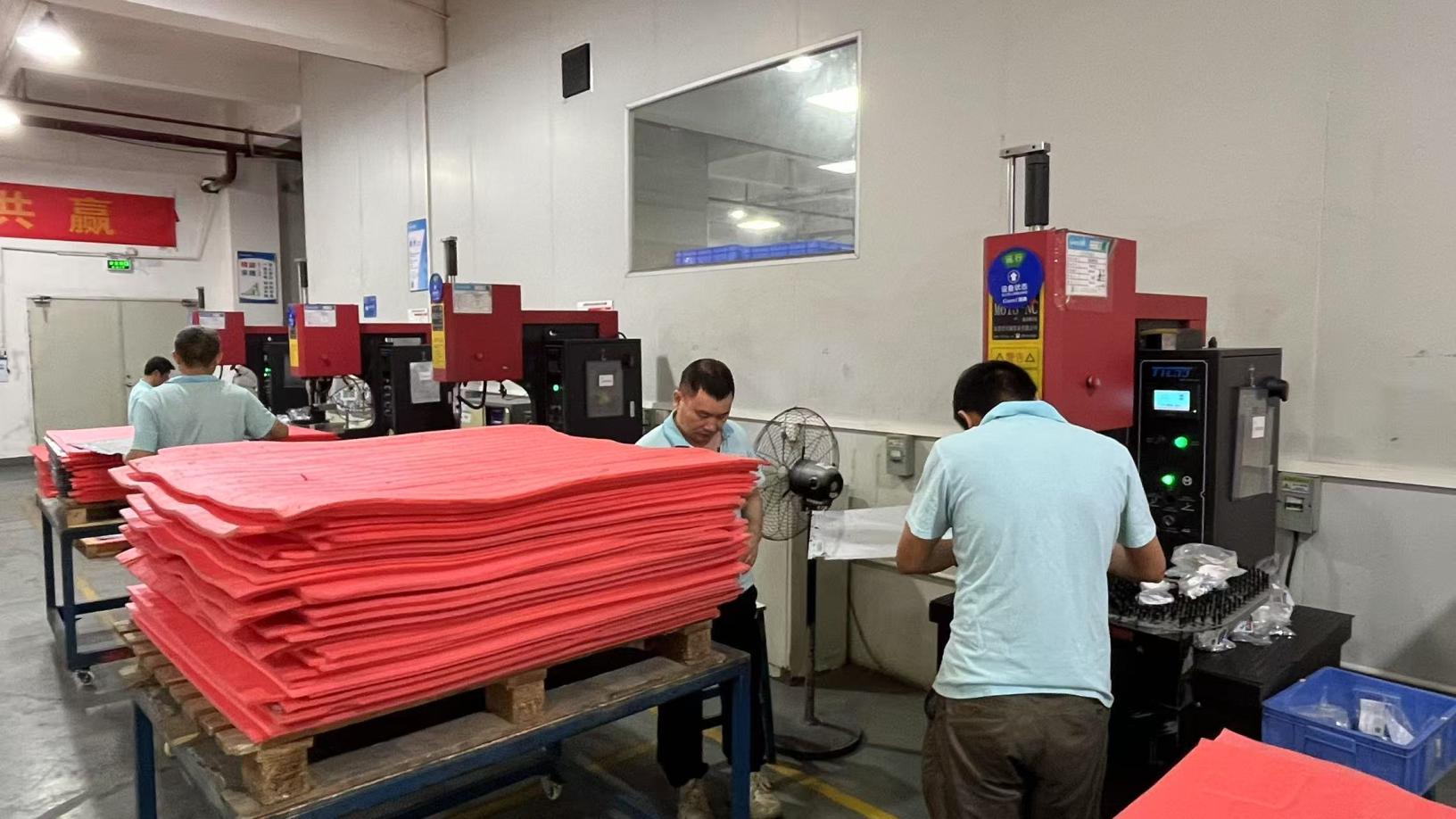
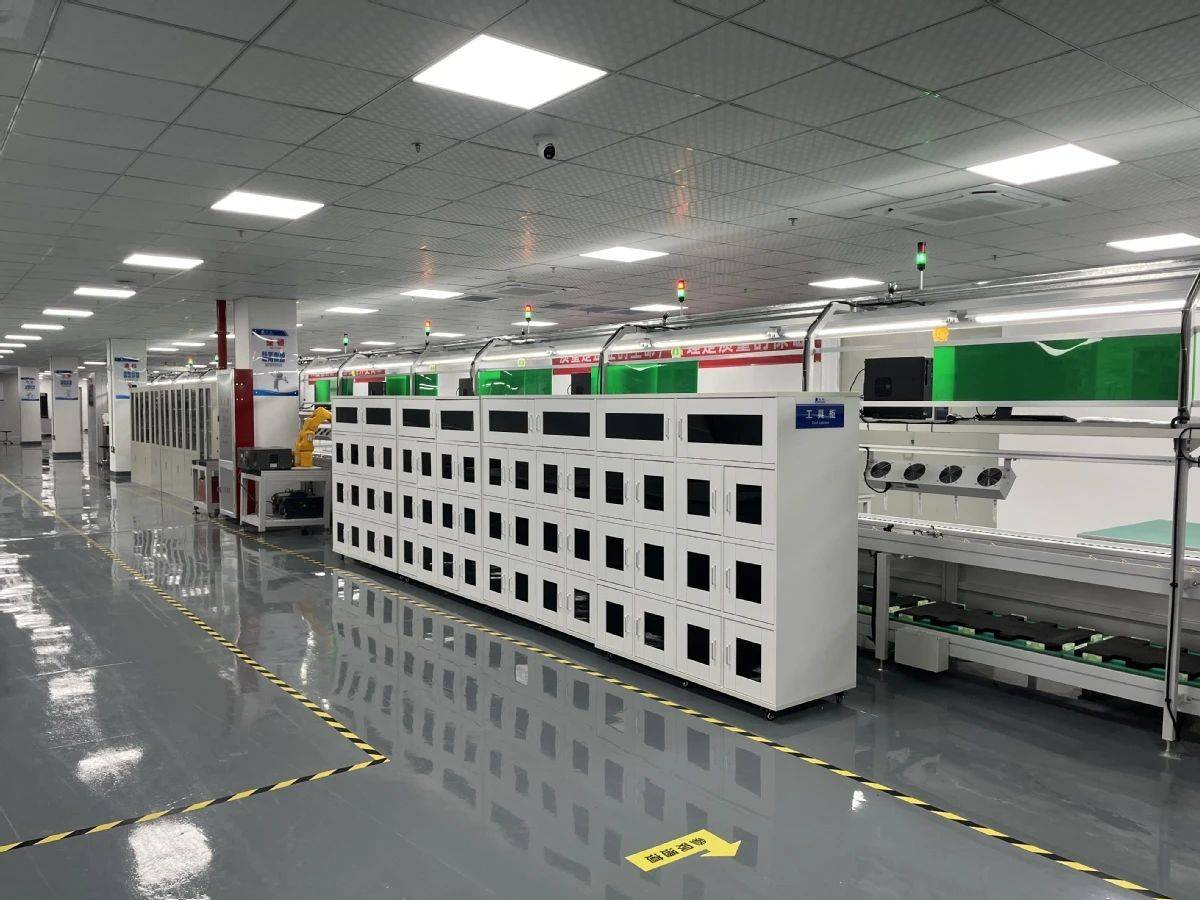
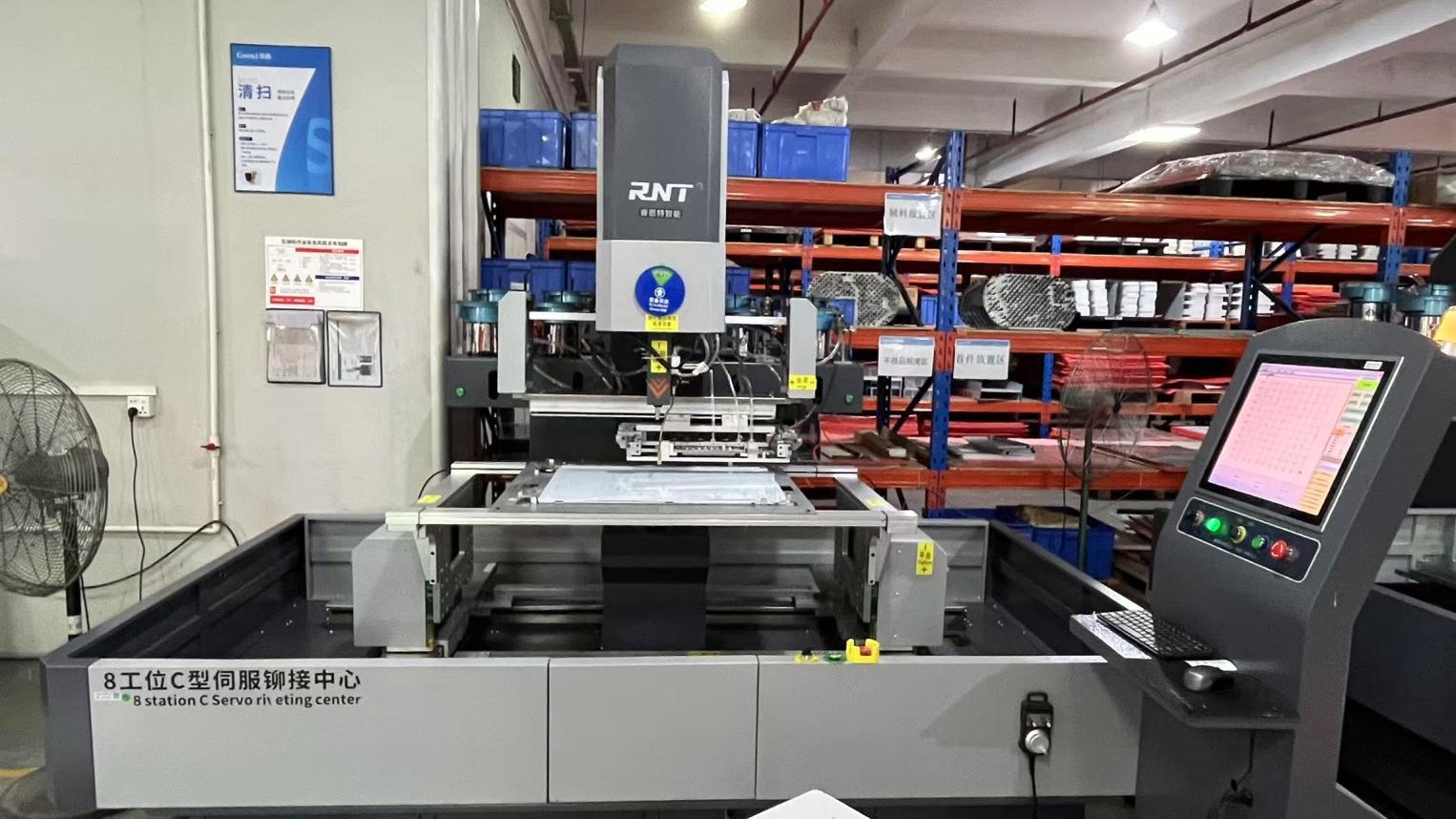
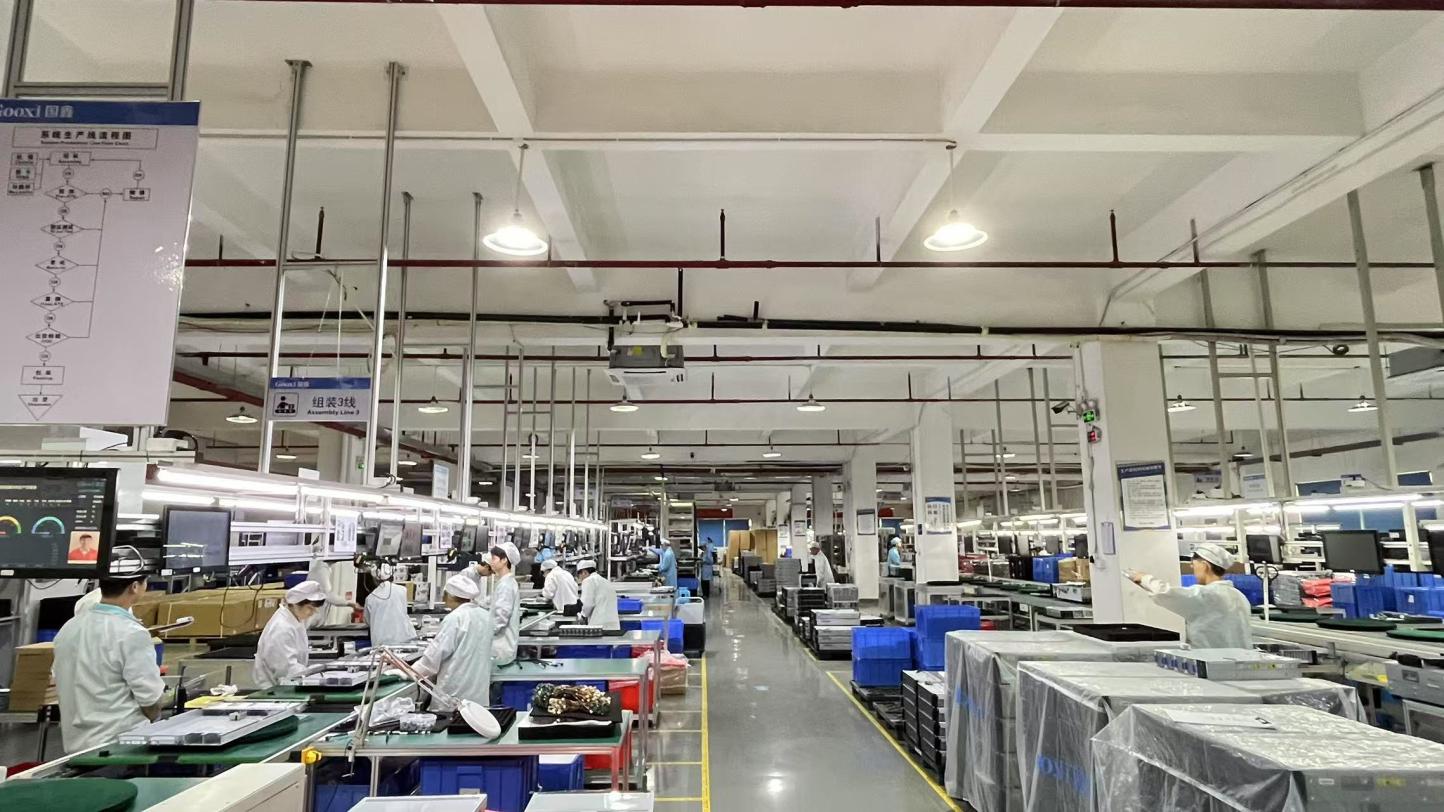
Established in 2016 and backed by over 12 years of industry experience in AI computing and server manufacturing, TensorNova operates a modern production facility spanning approximately 320㎡. Designed for complex server assembly, technical optimization, and high-performance system integration, this specialized facility is optimized for the production of dense computation and storage systems.
Our dynamic supply chain collaborates with more than 1,200 global suppliers and strategic component manufacturers, ensuring reliable assembly lines and consistent delivery times even during peak raw material demands.
Quality assurance is systematically integrated at every level of our assembly line. Adhering strictly to ISO9001-based quality management systems, our team of approximately 45 specialized quality control personnel ensures that no sub-standard components enter the production workflow.
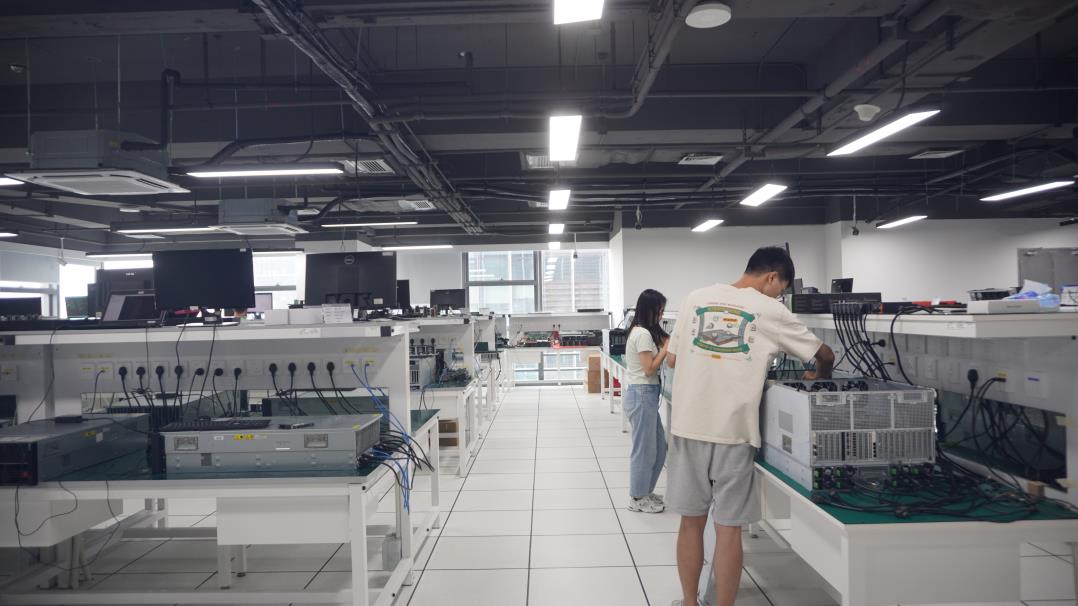
Every server node and SAN storage controller undergoes exhaustive automated hardware stress testing, thermal performance validation, long-cycle burn-in testing, and high-density AI workload simulation testing. This meticulous validation guarantees stable runtimes and high reliability in enterprise settings.
TensorNova manages an annual export volume of $8.5 million, backed by 6 years of global export experience. Our products serve enterprise clients in North America, Europe, Southeast Asia, and the Middle East, with primary hubs in the United States, Germany, Singapore, and the UAE.
Our 180 R&D engineers specialize in system customization. This includes custom chassis designs, optimized air or liquid cooling systems, tailored PCIe fabric layouts, custom BIOS configurations, and specific optimization profiles for AI workloads.
Evaluating Fibre Channel, iSCSI, and NVMe-oF for High-Performance Enterprise Workloads.
Fibre Channel remains a standard protocol for mission-critical enterprise environments. Operating on a dedicated, non-routable fabric, FC utilizes Host Bus Adapters (HBAs) and specialized optical switches to transfer SCSI or NVMe commands. This isolated layer eliminates standard network congestion, providing guaranteed delivery and consistent throughput.
Modern implementations supporting 32GFC and 64GFC feature sub-millisecond latencies and low CPU overhead, making them ideal for high-transaction relational databases (e.g., Oracle, SAP HANA) and virtualized environments (VMware vSphere clusters).
iSCSI encapsulates SCSI commands within standard TCP/IP packets, allowing block-level data transport over standard Ethernet infrastructures. This approach reduces costs by utilizing existing switches, routers, and cabling configurations.
Using 10GbE, 25GbE, or 100GbE connections alongside hardware offload engines (iSOEs), modern IP-SANs offer balanced, cost-effective performance. For organizations seeking flexible deployments without the complexity of dedicated Fibre Channel routing, iSCSI delivers simple block storage scaling over standard networks.
NVMe-oF replaces legacy SCSI command structures with direct NVMe transport protocols across network fabrics. Implementing RDMA (RoCE v2, InfiniBand) or TCP transport, it permits direct server-to-storage controller access without operating system intervention.
This system reduces latency to near-local PCIe levels while supporting massive parallel queues. For large-scale deep learning clusters and real-time big data pipelines, NVMe-oF provides the throughput and latency profiles required to prevent GPU processing bottlenecks.
How Enterprise Storage Fabrics Power Next-Gen Compute Infrastructures Globally.
Modern AI models require continuous data access to keep GPUs saturated during training cycles. Working with products like the FusionServer G5200 V7 or the xFusion G8600 V7 8U GPU servers, our SAN integrations deliver high-throughput, parallel data pipelines.
By separating compute and storage nodes and interconnecting them via NVMe-oF RoCE fabrics, data centers can scale storage capacity and GPU processing power independently. This design prevents resource idle time and optimizes overall hardware utilization.
Enterprise hybrid clouds require dynamic storage allocation, live VM migration, and robust disaster recovery capabilities. Our SAN layouts, built around multi-socket servers like the FusionServer 2488H V6, support seamless, high-density hypervisor virtualization.
Shared SAN block storage allows hypervisors to transfer virtual machines between physical hosts without data copying overhead. Redundant SAN switch fabrics ensure uninterrupted uptime for enterprise cloud portals.
In financial transaction environments, data integrity and write speeds are critical. Multi-socket setups, such as the FusionServer 2488H V5 4-Socket Rack Server, leverage hardware RAID systems and Fibre Channel fabrics to process intensive write operations.
Redundant disk arrays and battery-backed RAID write caches protect financial ledgers from loss during power fluctuations, maintaining consistent throughput for high-frequency trading platforms.
Smart manufacturing sites generate significant data from high-frequency sensors and vision systems. Short-depth chassis systems deployed at the network edge gather and preprocess this telemetry locally.
These systems act as edge storage nodes, routing filtered datasets to central data centers via optimized iSCSI connections. This dual-layer architecture minimizes network bandwidth usage while supporting real-time industrial monitoring.
Under the Hood of TensorNova's 4-Tier Hardware Validation Framework.
Incoming component inspections (IQC) verify every CPU socket, memory trace, and PCIe lane interface. Memory modules and storage media undergo validation using specialized diagnostic tooling prior to final assembly.
Assembled chassis undergo thermal testing inside specialized chambers. This testing calibrates system airflow configurations, optimizes fan speed profiles, and checks system performance up to 45°C ambient temperatures.
Systems run at maximum CPU and GPU utilization for up to 72 hours. This process helps identify early-stage component defects, ensuring long-term system stability under continuous processing loads.
We run actual data transfer and AI workloads on the systems to verify performance metrics. We test NVMe read-write queues and RAID array stability to verify throughput rates before shipping.
Adapting to PCIe Gen 6, Optical Interfaces, and Next-Generation Data Center Fabrics.
Scaling NVMe-oF architectures utilizing PCIe Gen 5 fabrics. Designing 400G network interfaces to support real-time data access for deep learning workloads.
Integrating liquid cooling blocks directly onto SAN controller motherboards. This architecture supports higher component density and lowers data center PUE metrics.
Transitioning from traditional block storage architectures to CXL-based pooled memory fabrics. This setup allows computing nodes and memory nodes to share resources with low latency.
Technical Clarifications on Architecture, Configuration, and Procurement.
A Visual Look inside Our Production, Quality Assurance, and System Integration Facilities.