TensorNova
TensorNova
TensorNova
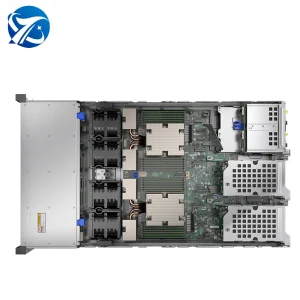
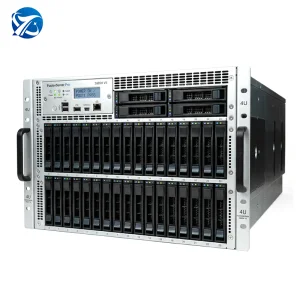
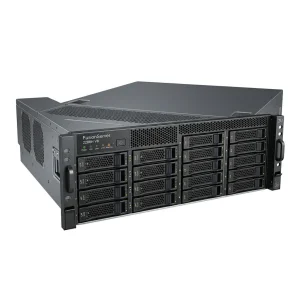
Explore our state-of-the-art server units, PCIe RAID controllers, and NVMe solid-state storage array modules built for high-throughput AI backplanes.
Unlocking the physical architecture requirements of modern AI training clusters and ultra-low latency server interconnections.
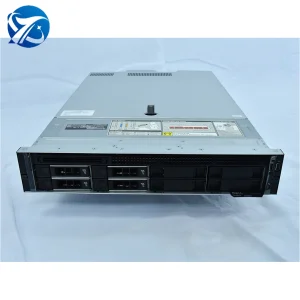
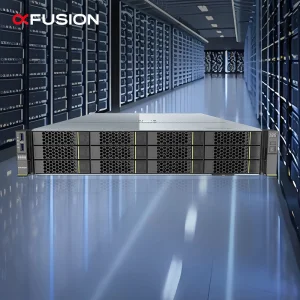
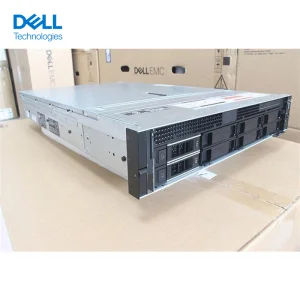
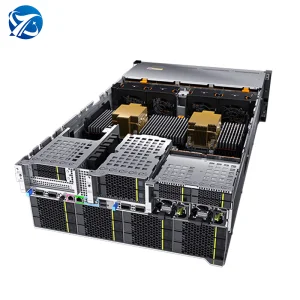
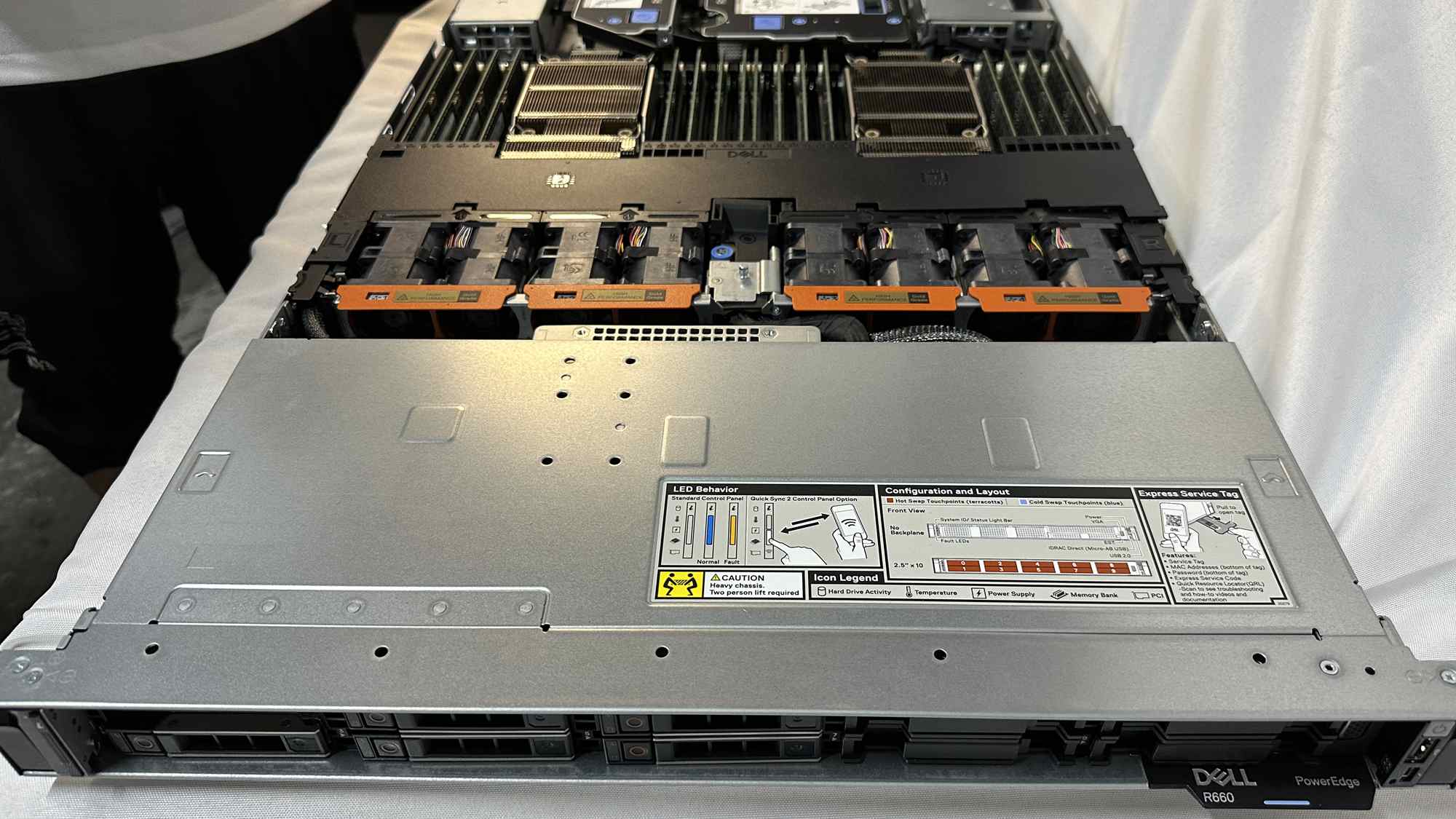
In the modern era of hyperscale data centers, computing power is no longer limited solely by the clock speeds of processors or the density of GPUs. Instead, the primary bottleneck has shifted to the physical interconnection layers. Structured Cabling Systems represent the nervous system of modern computing. Without precision-engineered copper and fiber-optic cabling topologies, cutting-edge systems like the *xFusion G5500 V7* or *Dell PowerEdge R760XS* cannot achieve their theoretical throughput limits.
TensorNova bridges the gap between hardware assembly and physical layer network integrity. By integrating high-bandwidth SAS/SATA/NVMe RAID controllers (such as the *9560-8I Gen 4.0 Tri-Mode card*) with optimized cable paths, impedance-matched backplane connections, and optimized server racks, we eliminate signal degradation, packet loss, and critical latency spikes that plague unoptimized data center installations.
Whether utilizing copper Twinaxial DAC (Direct Attach Copper) cables for short-distance top-of-rack (ToR) patching, or MTP/MPO multi-fiber optical assemblies for backbone distributions, the specifications must align with strict return loss margins. Under high thermal operating conditions (typical of dense AI DeepSeek processing clusters), substandard cabling experiences dielectric degradation, resulting in bit-error rates (BER) that force system retransmissions.
| Cabling Standard | Max Data Rate | Primary Application | Recommended Hardware Link |
|---|---|---|---|
| Category 8 S/FTP | 40 Gbps | ToR Switch-to-Server Link | xFusion 2288H V6 / Dell R650 |
| MTP/MPO Fiber (OM5) | 400/800 Gbps | Spine-Leaf Core Fabric | G5500 V7 Multi-GPU Nodes |
| NVMe SlimLine SAS | PCIe Gen 4 (64 Gbps) | Internal Storage Array Routing | 9560-8i RAID / EP600 SSDs |
Aligning physical layer infrastructure with vertical-specific network workloads and regulatory frameworks.
Ultra-dense optical fiber topologies utilizing parallel optics and MPO connections to link multi-GPU clusters. Optimized to support NVIDIA NVLink and InfiniBand network designs, minimizing latency for large-scale DeepSeek AI models training.
Scalable spine-leaf architectures that facilitate easy expansion. Utilizes pre-terminated fiber cassette systems to reduce deployment times and prevent cable management congestion in hot/cold aisle containment systems.
Hybrid Category 6A copper cabling combined with single-mode fiber backbones for industrial deployments. Engineered to endure EMI (Electro-Magnetic Interference) while ensuring 24/7 reliability for edge AI servers.
Mapping the transition from 400G networks to 1.6T Co-Packaged Optics (CPO) and their physical cabling implications.
As processing units scale up to handle multi-trillion parameter artificial intelligence systems, structured cabling technology is undergoing a monumental shift. The industry is rapidly transitioning from traditional pluggable transceiver systems towards Co-Packaged Optics (CPO) and silicon photonics. In this emerging landscape, standard fiber optic connectors are replaced by high-density, low-loss blind-mate optical backplanes. This technological evolution demands absolute precision in fiber core alignment, where even a sub-micron offset can lead to catastrophic signal loss.
TensorNova's infrastructure roadmap is designed to support this paradigm shift. By maintaining deep relationships with leading raw-material and component manufacturers, we ensure that our cabling designs utilize the latest in ultra-low-bend-loss glass fibers (conforming to ITU-T G.657.A2 standards) and ultra-high-density patch interfaces. Simultaneously, our engineering teams are optimizing physical thermal designs to accommodate the integrated liquid-cooling loops running alongside main power and high-speed data trunks in modern AI containment pods.
Operating out of our advanced industrial cluster in China, TensorNova leverages a highly optimized supply chain that integrates over 1,200 specialized component vendors. This physical proximity allows us to source raw cabling resins, high-grade copper conductors, precision optical ferrules, and premium semiconductors at unmatched speeds.
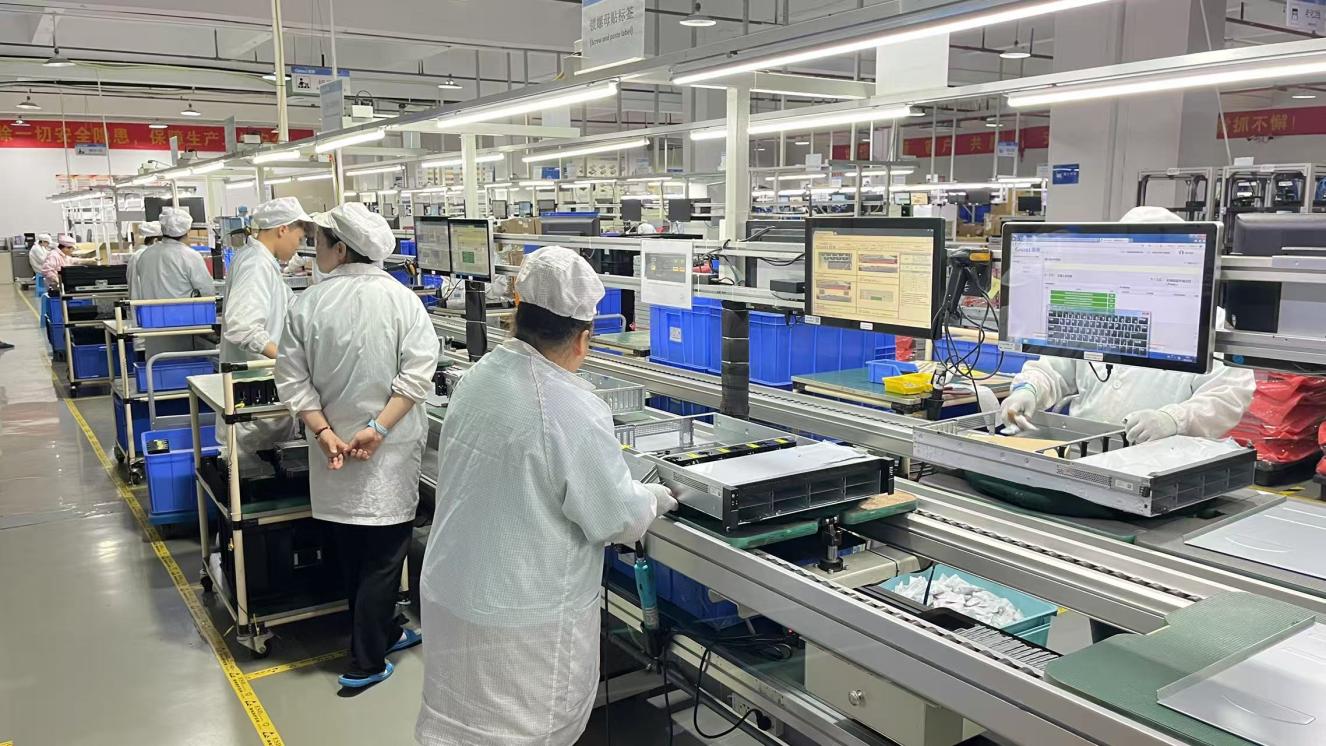
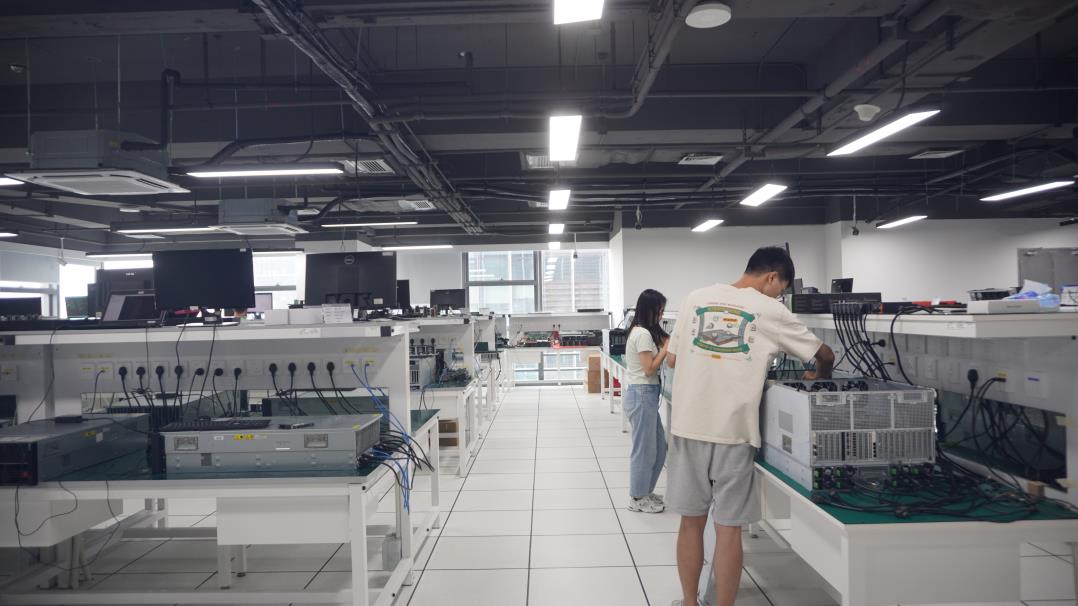
Our manufacturing model incorporates strict automation within our 320m² advanced integration facility, backed by our comprehensive ISO9001 quality management framework. Before any server rack or integrated cable assembly is prepared for export, it undergoes automated hardware stress testing, thermal performance validation, high-power burn-in testing, and high-frequency vector network analysis. With an export footprint spanning North America, Europe, Southeast Asia, and the Middle East, our logistics pipeline is engineered to bypass typical supply chain bottlenecks, ensuring stable lead times for time-sensitive data center deployments.
Global infrastructure rollout demands strict adherence to local regulations. Our exported structured cabling and computing products conform strictly to international benchmarks, including CE, FCC, RoHS, and CPR (Construction Products Regulation) fire safety standards for low-smoke zero-halogen (LSZH) cable jackets. We support localized field engineering teams and provide comprehensive documentation, helping clients easily pass municipal code inspections and structural audits in strict jurisdictions like Germany, the United States, and Singapore.
Helping CIOs and procurement directors evaluate physical layer suppliers on total cost of ownership (TCO) and long-term durability.
Procuring cabling systems based solely on upfront unit cost often leads to high operational expenditures due to failures, high insertion loss, and inability to support higher future speeds. TensorNova focuses on using 99.99% oxygen-free copper and high-purity optical silica glass, ensuring that your physical layer is ready to support upgrades from 10G to 100G and up to 800G without pulling new cables.
No two data center footprints are identical. With 180+ R&D engineers, we offer extensive physical engineering customization. This includes custom length breakout harnesses, color-coded patch cords, bespoke high-density patch panel spacing, and integrated mounting bracket adjustments for non-standard server rack profiles.
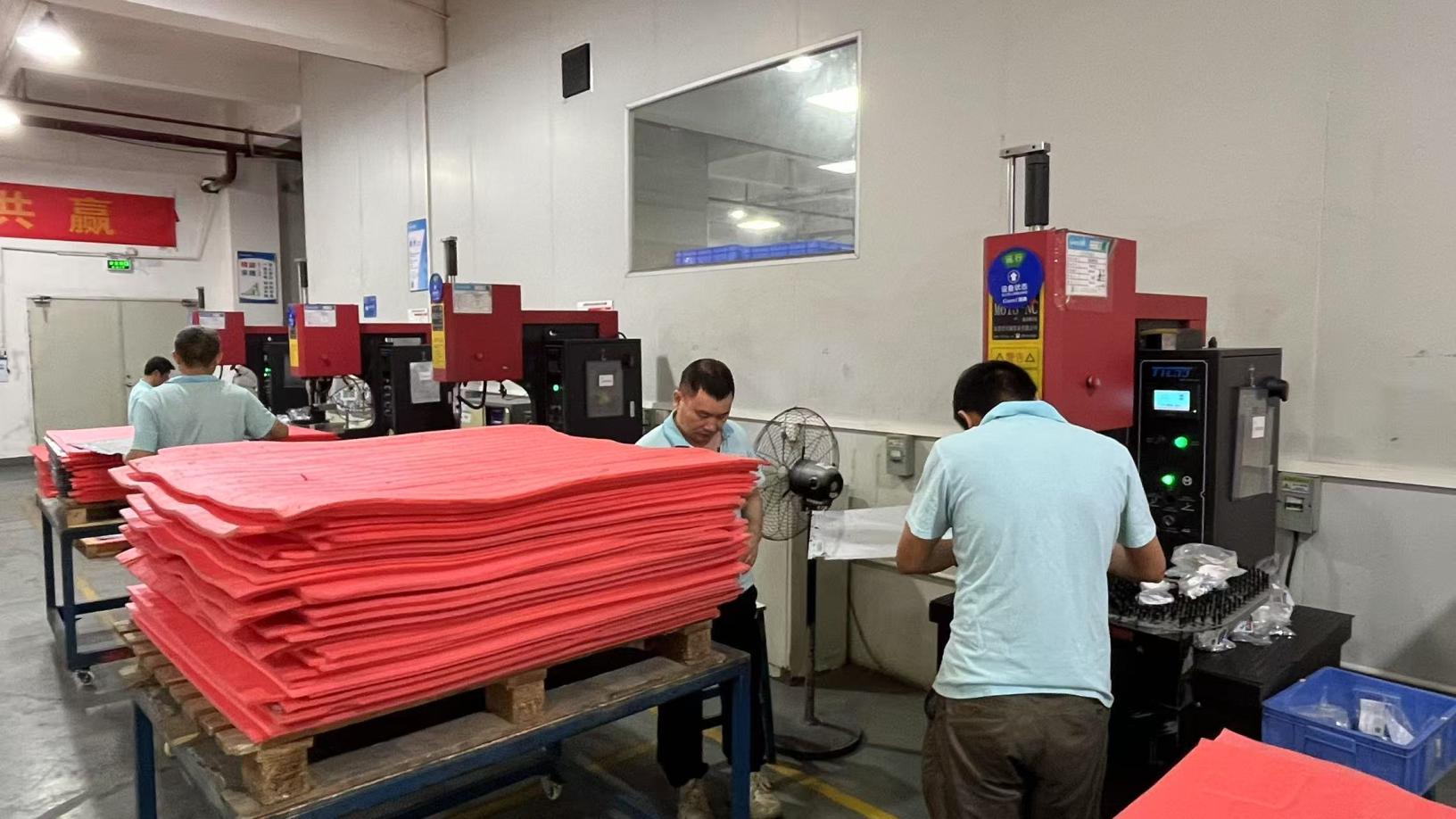
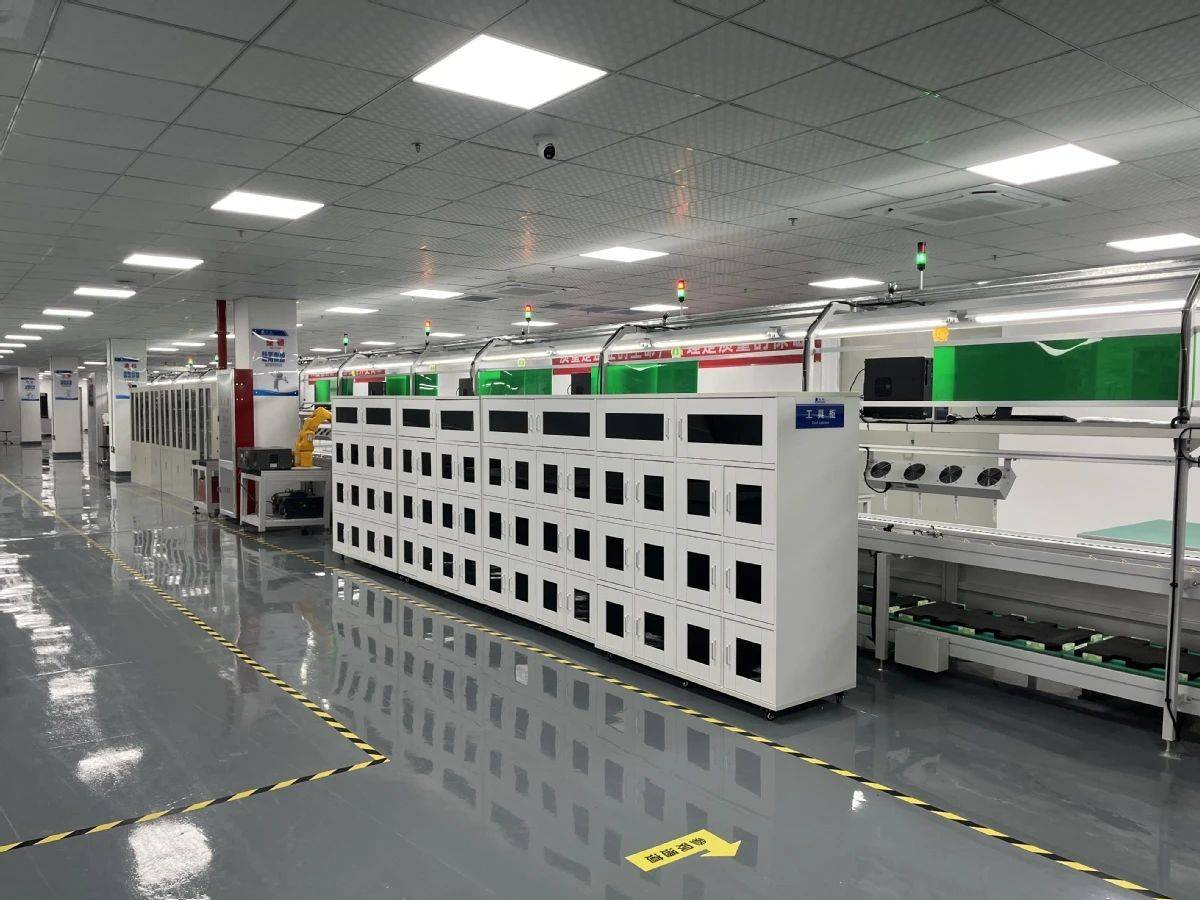
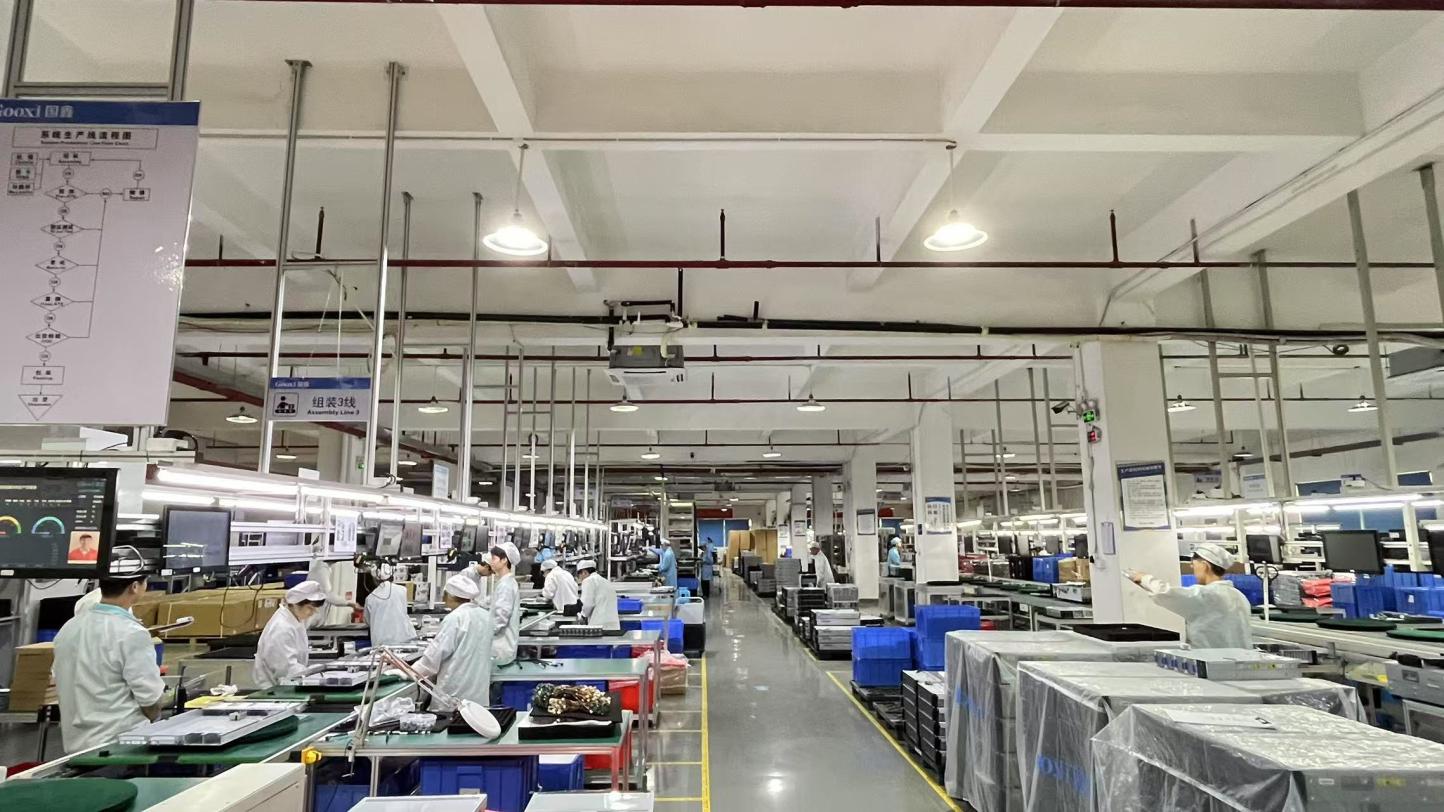
A visual tour of our production operations, precision assembly environments, and quality inspection workflows.


Technical answers to critical design and deployment questions from network architects and data center managers.
AI clusters running large language models like DeepSeek require vast volumes of parallel computation. GPU nodes continuously perform data synchronization (All-Reduce algorithms). Standard Category copper cabling can experience crosstalk and return loss, causing packet drops. When packets drop, GPUs sit idle waiting for retransmissions. High-quality structured cabling systems ensure signal integrity at higher frequencies, keeping GPU idle times close to 0%.
MTP/MPO connectors consolidate 12, 24, or even 72 fibers into a single physical interface. For high-speed applications (100G, 400G, and 800G), parallel optics are used, meaning signals are split across multiple fibers simultaneously. LC duplex connectors are insufficient for parallel paths and lead to high routing congestion in dense server racks.
Yes, extremely. Modern tri-mode RAID cards like the 9560-8I route NVMe signals directly over high-speed differential pairs. At PCIe Gen 4.0 speeds, high frequency signal attenuation occurs rapidly over copper lines. Internal backplane cables must be engineered with exact impedance matching (usually 85 ohms for PCIe) and kept as short and straight as possible to avoid signal degradation.
In the European Union, structured cabling installed within building structures must comply with the Construction Products Regulation (CPR) regarding fire performance, requiring Euroclass classifications (such as B2ca or Cca) with Low Smoke Zero Halogen (LSZH) properties. Additionally, components must meet ISO/IEC 11801 and EN 50173 standards.
Yes, Cat 6A is specifically designed to support 10 Gbps Ethernet over the standard channel distance of 100 meters (90m permanent link + 10m patch cords) under worst-case alien crosstalk conditions. This makes it the standard recommendation for modern copper horizontal cabling deployments.
All server structures, cabling backplanes, and components are packaged in customized moisture-barrier, anti-static electrostatic discharge (ESD) shielding, and structural cushioning boxes. Prior to export, packaging validation testing is performed to ensure the hardware survives long transit schedules without physical or mechanical fatigue.
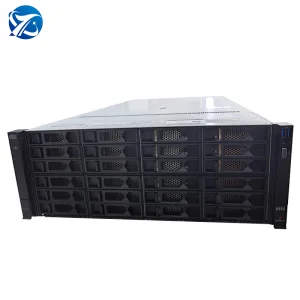
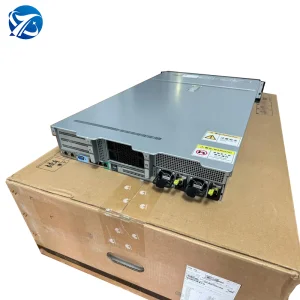
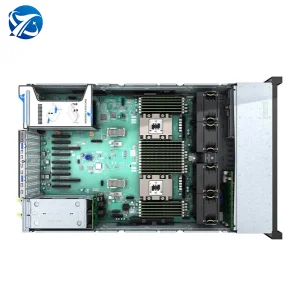
Select from our enterprise network hardware list, including 2U and 4U form factor server nodes and storage nodes for scalable IT infrastructure.